













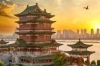



Gansu once claimed the top spot as Asia's best tourist destination in the travel bible "Lonely Planet", beating out Japan, India, and Singapore. It is also an essential hub along the ancient Silk Road, a vast and rugged land where countless cultural relics have been preserved through the ages. Let's journey into Gansu and explore its 10 most famous national intangible cultural heritage treasures!
1. Gesar
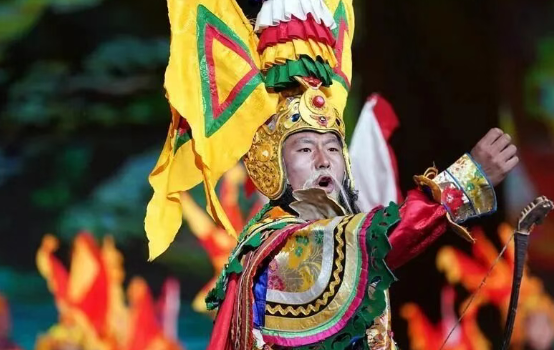
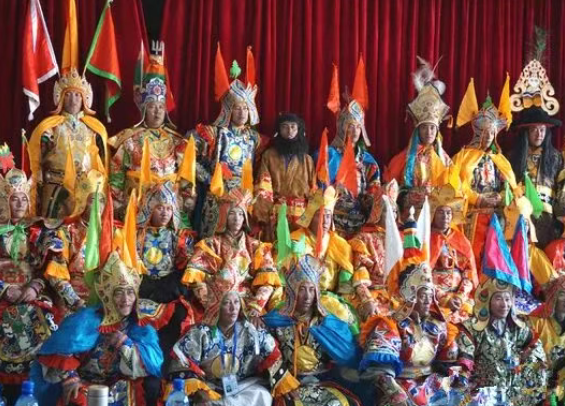
Gesar is an extraordinarily grand Tibetan folk heroic epic, passed down orally through generations. Vertically, it encapsulates two major historical periods in the development of Tibetan society; horizontally, it encompasses nearly a hundred tribes, states, and regions of all sizes.
 |
|
The epic is divided into three main parts: the birth of Gesar, his campaigns to subdue demons and evil forces, and his return to the heavenly realm after the battles conclude. It is a shared spiritual treasure for the Tibetan people and other ethnic groups, and remains a vital foundation for their historical memory and cultural identity.
2. Tibetan Opera
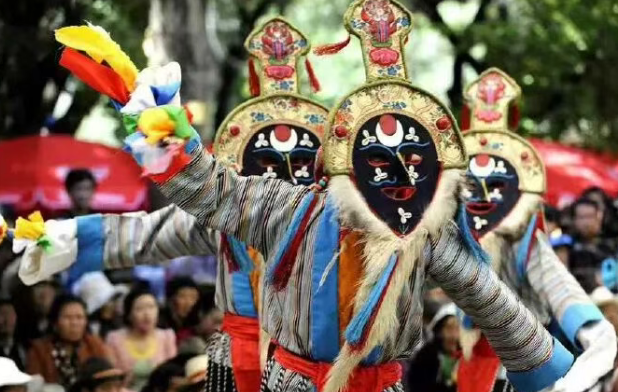
In Tibetan, this art form translates to “fairy sisters.” Performers wear vibrant masks and tell stories through song and dance, drawing heavily on Buddhist myths and legends that promote virtue and condemn evil.
 |
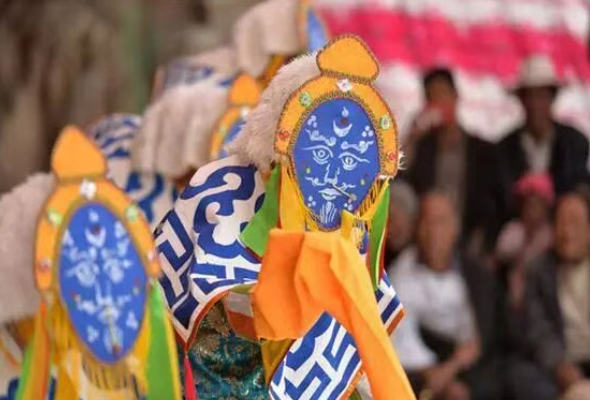 |
Tibetan Opera carries the cultural lineage of the Tibetan people, reflecting their way of life, values, and worldview. It is an integral part of their cultural life and a living testament to their heritage.
3. Tao Min Hua'er
Hua'er is a folk song tradition beloved by nearly 10 ethnic groups across Gansu, Qinghai, Xinjiang, and beyond, with love as its central theme.
 |
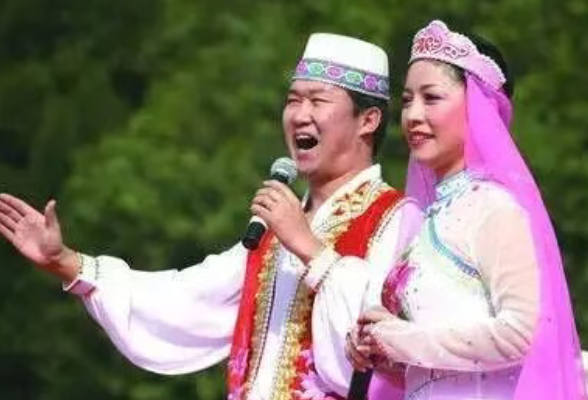 |
"Tao Min Hua'er" takes its name from the region where it originated, sung between the Min Mountains and the Tao River. Known for its simplicity, profound meaning, and lively, unrestrained melodies, it has carved out a unique niche in China's rich tapestry of folk culture.
4. Huanxian Shadow Play
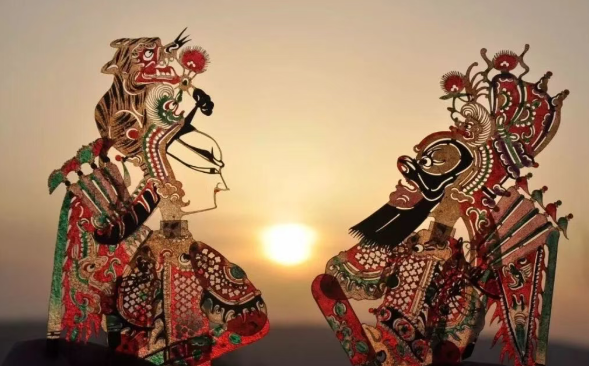
Huanxian Shadow Play, a specialty of Huanxian County in Gansu, is a protected national geographical indication product. Crafted from high-quality cowhide, each puppet is meticulously hand-carved with over 3,000 cuts, following 24 intricate processes including scraping, grinding, washing, carving, and coloring.
 |
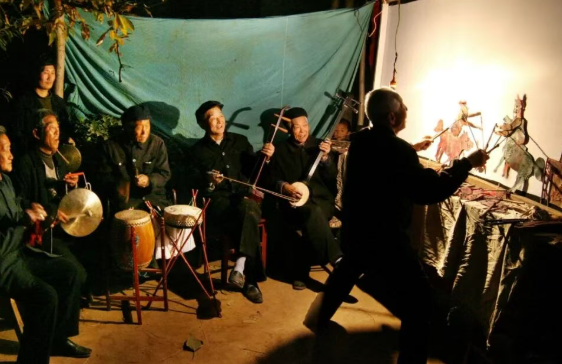 |
As one of China's oldest dramatic forms, shadow puppetry traces its roots back to ancient Chang'an over 2,000 years ago. It remains widely popular today and is celebrated as a masterpiece of Chinese folk art.
5. Gansu Paper Cutting
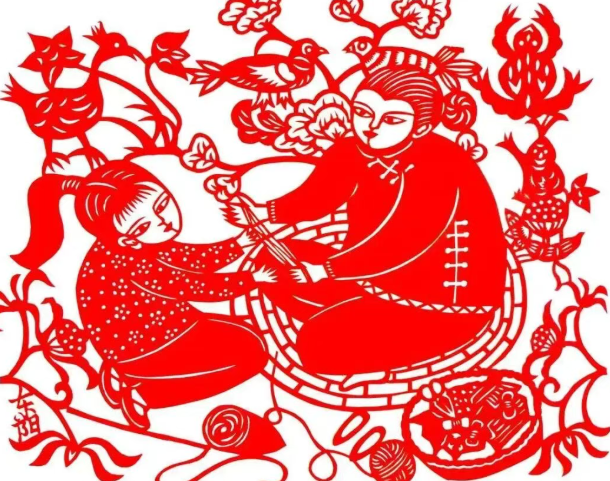
Chinese paper cutting is a folk art that uses scissors or carving knives to create intricate patterns on paper, used to decorate homes or accompany other traditional activities.
 |
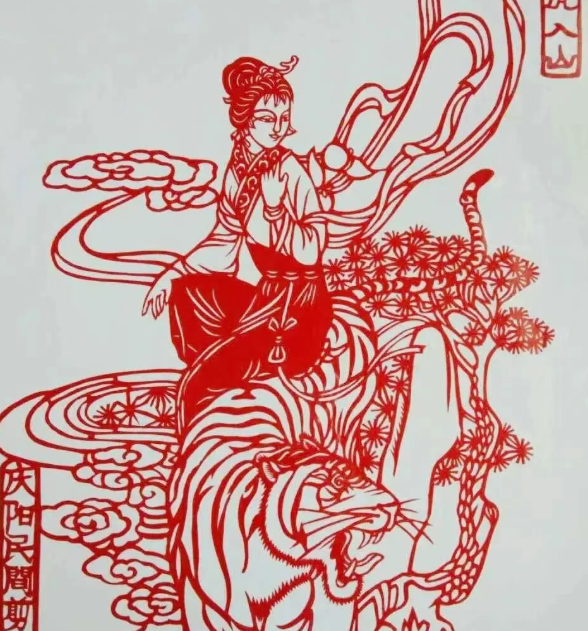 |
In Gansu, the creators of these delicate works are primarily women, who practice their craft during slack seasons or festivals. For them, paper cutting is not just a hobby but a way to express their ideals and mirror the realities of daily life. Our colleague Meiling is one of the proud inheritors of this intangible cultural heritage. If you visit Gansu, don’t hesitate to try your hand at paper cutting—Meiling will be happy to guide you! 6. Gannan Tibetan Thangka
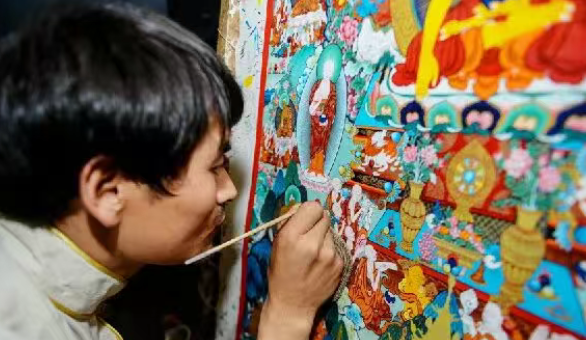
Gannan Tibetan Thangka refers to a religious scroll painting, mounted on colorful satin and hung for worship. Its form is believed to be linked to the nomadic lifestyle of Tibetan tribes, designed to be portable and easily displayed.
 |
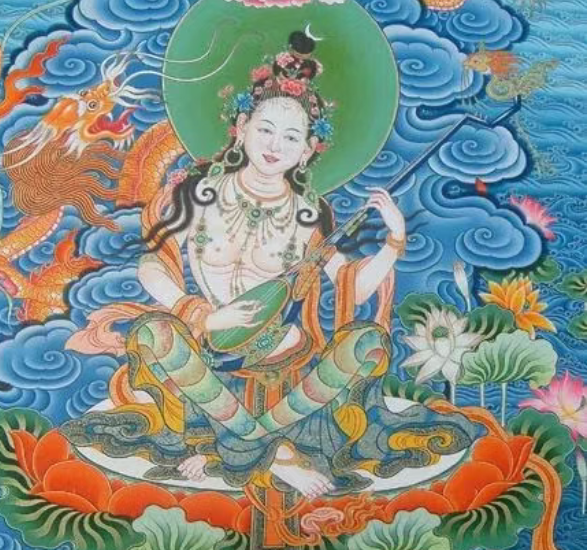 |
Thangkas feature a unique compositional style, with visuals that transcend the constraints of time and space. Even within a small frame, they depict a vast world: heaven above, humanity in the middle, and the earth below.
7. Lanzhou Beef Noodles
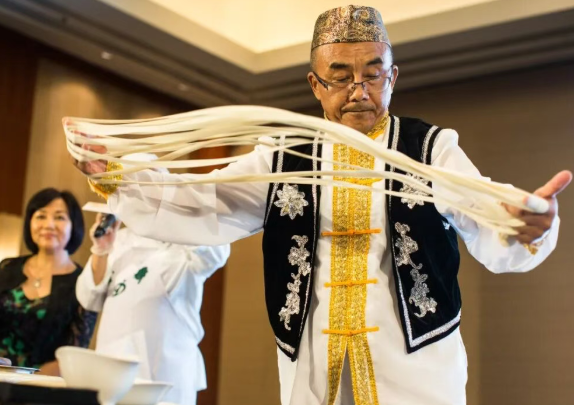
Lanzhou Beef Noodles are among China's top 10 noodle dishes and a beloved local snack in Gansu's capital. They have become a shining culinary calling card for Gansu and China on the global stage.
 |
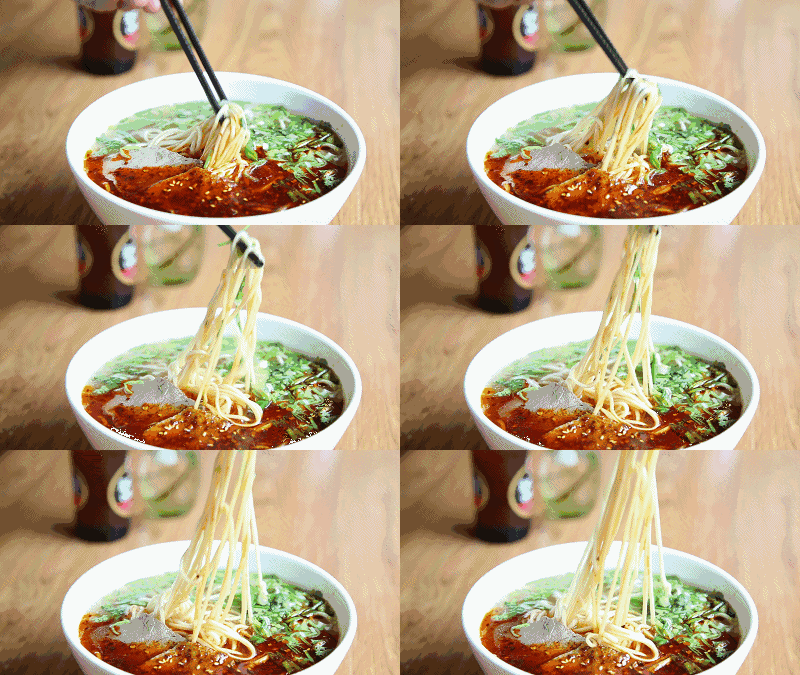 |
Famous for their signature "one clear (soup), two white (radish), three red (chili oil), four green (coriander and garlic sprouts), and five yellow (bright yellow noodles)" flavor profile, they have been honored as a "China Gold Medal Tourism Snack" by the China Tourism Association.
8. Tao Inkstone Production Techniques
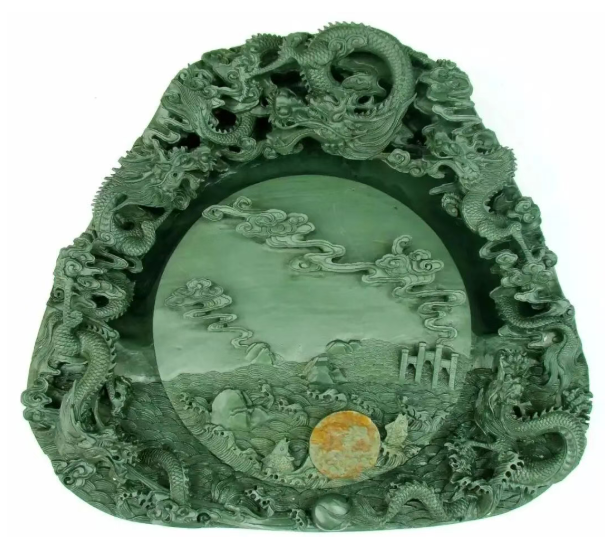
Inkstones are ancient traditional handicrafts and essential writing tools. While their practical use in modern society has diminished, they remain a vital carrier of Chinese culture and highly prized collectibles.
 |
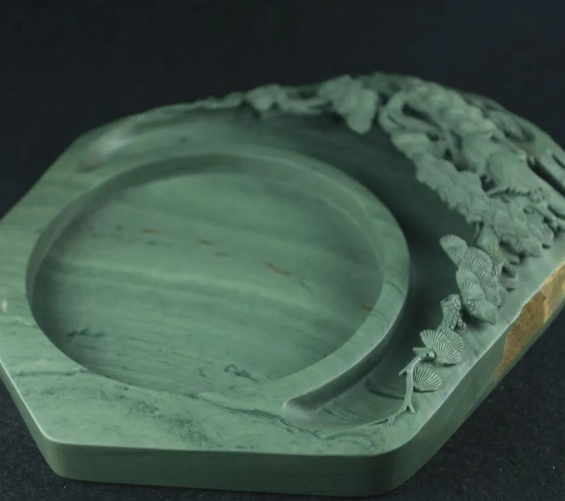 |
Gansu's Tao inkstones are renowned worldwide for their deep green appearance, firm and fine texture, and ability to preserve ink without drying out. They have long been treasured by literati, cherished as gifts, and regarded as rare gems in the world of antiques.
9. Long Opera
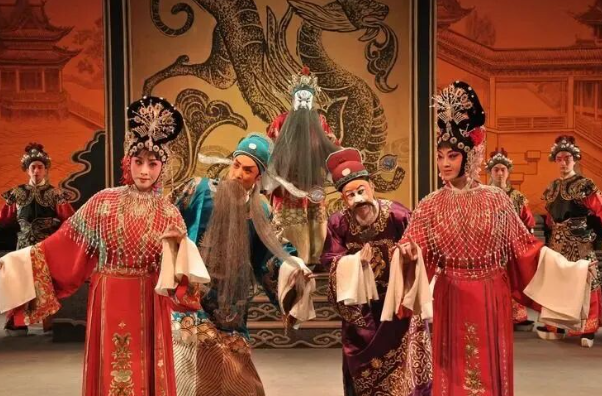
Long Opera is a vibrant drama genre popular across Gansu, evolving from the shadow puppetry traditions of eastern Gansu.
 |
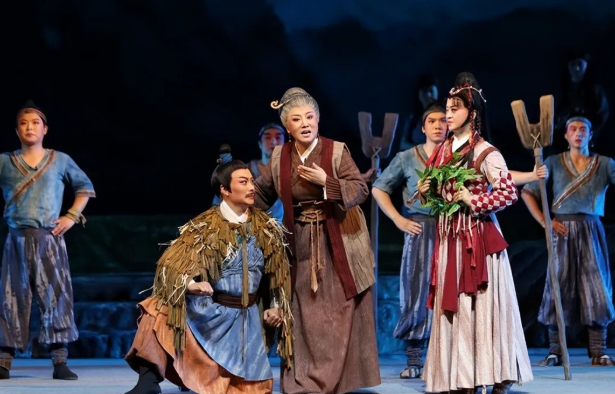 |
During the Tang and Song dynasties, it transitioned from the imperial court to the common people. Rooted in eastern Gansu, it gradually absorbed influences from local folk music, incorporating instruments like the erhu, and developed into a distinct vocal art form.
10. Sachet Embroidery
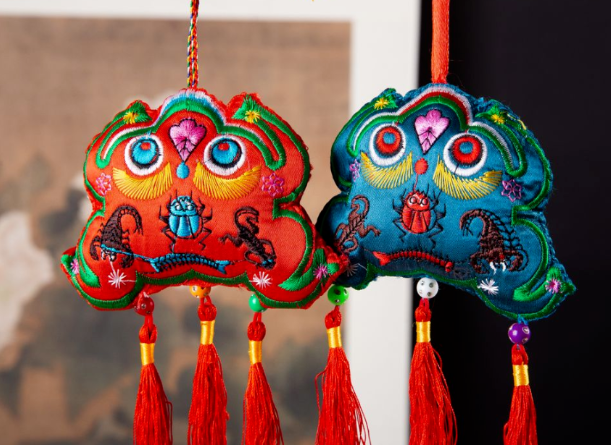
Sachet embroidery is a traditional folk art from Qingyang City, Gansu. Based on paper-cut patterns, artisans embroider intricate designs onto silk fabric using colored threads, then sew them into various shapes. Filled with silk cotton and fragrant spices, the result is a small, exquisite embroidery piece known as a sachet.
 |
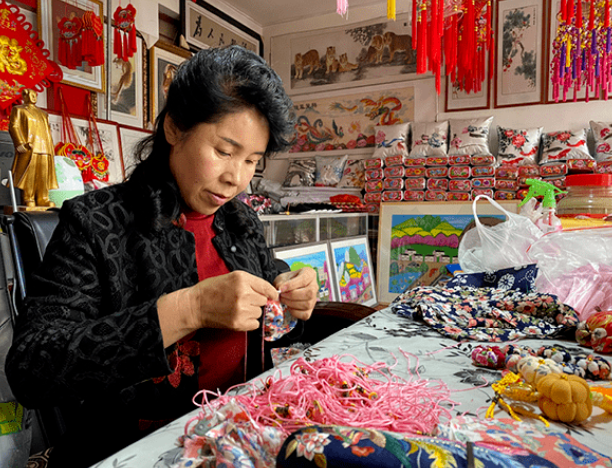 |
As an ancient Dragon Boat Festival tradition in Qingyang, these sachets embody the local people's heartfelt wishes to ward off evil, avoid disasters, and pray for blessings.