

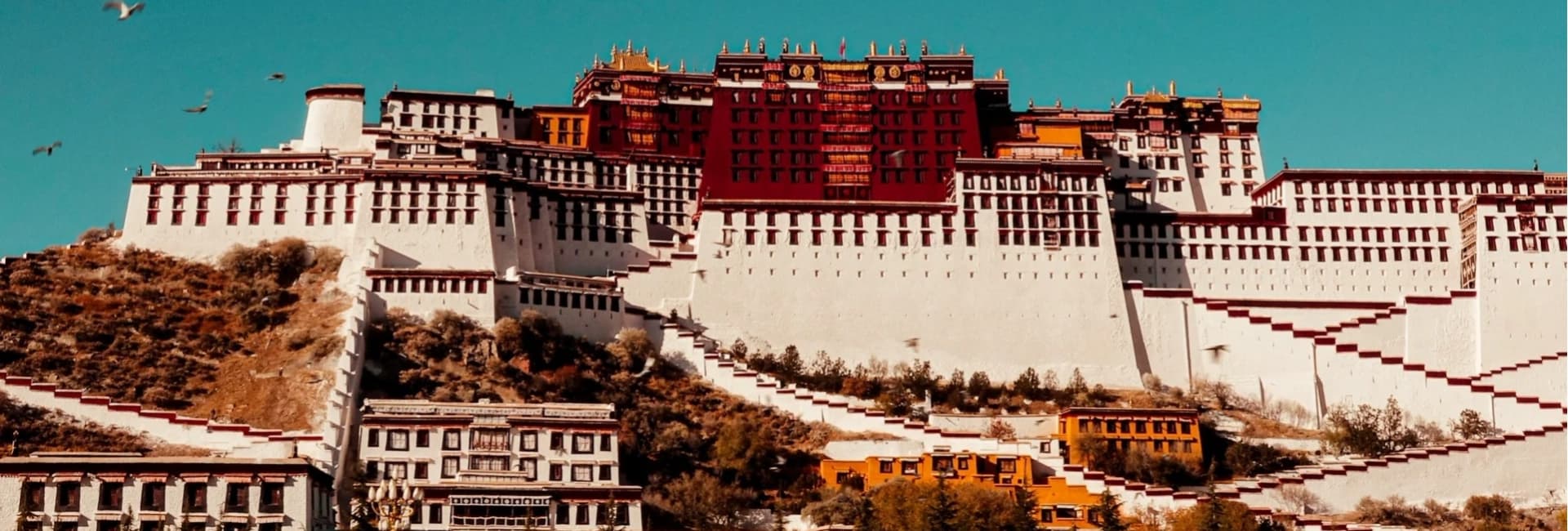

Tibet Travel Guide for Foreigners | Permit, Tours & Sichuan-Tibet Overland
This ultimate Tibet travel guide offers full travel planning resources for foreign travelers exploring the Roof of the World. Featuring iconic snow-capped mountains, sacred highland lakes, authentic Tibetan culture, and ancient Silk Road overland scenery, Tibet delivers one of the most immersive plateau travel experiences in China.
Different from regular domestic visits, Tibet travel for foreigners follows strict official regulations. Independent travel is prohibited, and all overseas visitors need a guided group tour and valid Tibet Travel Permit for entry. From the famous glaciers "Laigu Glacier", to "Namtso", the second largest lake in Tibet, which has many beautiful legends. From the world's largest ancient fortress and palace complex of "Potala Palace" to the Tibetan religious architecture of "Jokhang Temple".
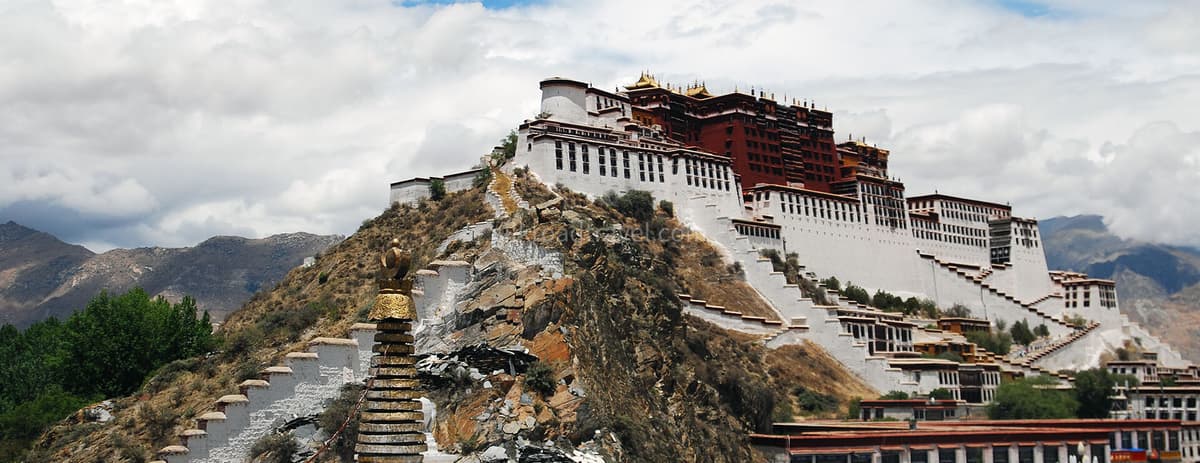
As a professional Silk Road travel operator, we provide a full portfolio of compliant Tibet tour packages, ranging from classic Lhasa city sightseeing and lakeside day trips to in-depth plateau treks and the iconic 15-day Sichuan-Tibet overland adventure. We deliver worry-free, standardized plateau travel services tailored for international guests.
Best Time to Visit Tibet
Many overseas travellers planning a highland journey search for a universal answer to one critical question: when to travel to Tibet. For most general visitors, May–June and mid-September to early October stand out as the premium travel window. During these months, skies remain transparent, temperatures stay comfortable, plateau roads stay open, and the risk of altitude sickness is relatively manageable. That said, your perfect travel window hinges entirely on your travel priorities, interests and physical condition.Whether you chase landscape photography, immerse yourself in traditional Tibetan culture, plan multi-day high-altitude treks, travel with elderly family members, or hope to cut travel expenses, we break down the optimal travel months tailored to different types of travellers, alongside practical road, weather and permit reminders exclusively for international group tourists.
Late March – Mid April | September – October ( Landscape & Wildlife Photographers)
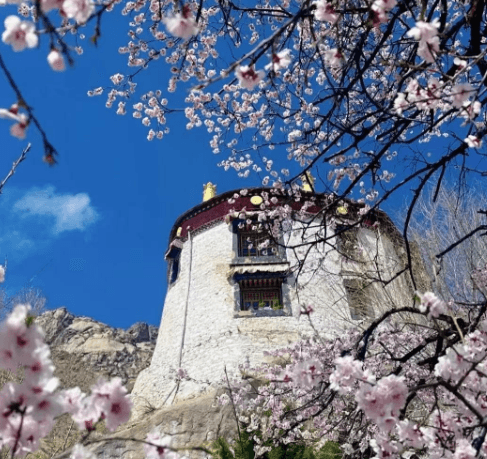
Late March to mid-April is famous for Nyingchi's peach blossom valleys. Pink blossoms frame snow-capped Namcha Barwa, creating iconic plateau spring scenery.September and October are widely regarded as Tibet's photography golden season. The rainy season ends, haze vanishes, and you gain far higher odds of clear, unobstructed views of Mount Everest, Namcha Barwa and remote alpine lakes. Golden poplar forests along the Yarlung Tsangpo River add rich warm tones to your shots.

Notes: Avoid July and August. Monsoon cloud cover frequently shrouds snow peaks, drastically lowering mountain visibility.
July – August | January – February (Cultural Travellers & Festival Enthusiasts)
May: Saga Dawa Festival, one of Tibet's most sacred religious events, with massive pilgrim gatherings around Barkhor Street and Potala Palace.
July–August: The most vibrant festival season. The Shoton Festival (Buddha Unfolding Ceremony) and Nagqu Horse Racing Festival take place, featuring Tibetan opera, nomad gatherings and traditional equestrian competitions.
January–February: Losar, the Tibetan New Year. You can witness authentic household celebrations, temple rituals and pilgrim activities with minimal crowds of foreign visitors.
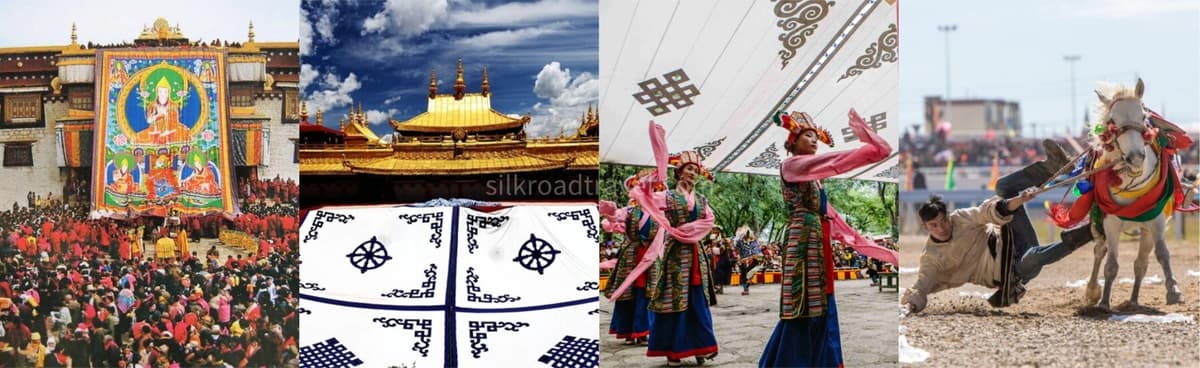
Notes: Festival periods fall within peak travel seasons. Submit your Tibet Travel Permit application at least 30 days ahead of departure.
June – August (Trekkers & Everest / Kailash Pilgrims)
These two windows offer stable, dry weather, limited rainfall and passable high mountain passes. Daytime temperatures are mild for long-distance hiking, while overnight conditions are safer than deep winter.This timing works perfectly for Everest Base Camp short treks and the Mount Kailash kora pilgrimage route.
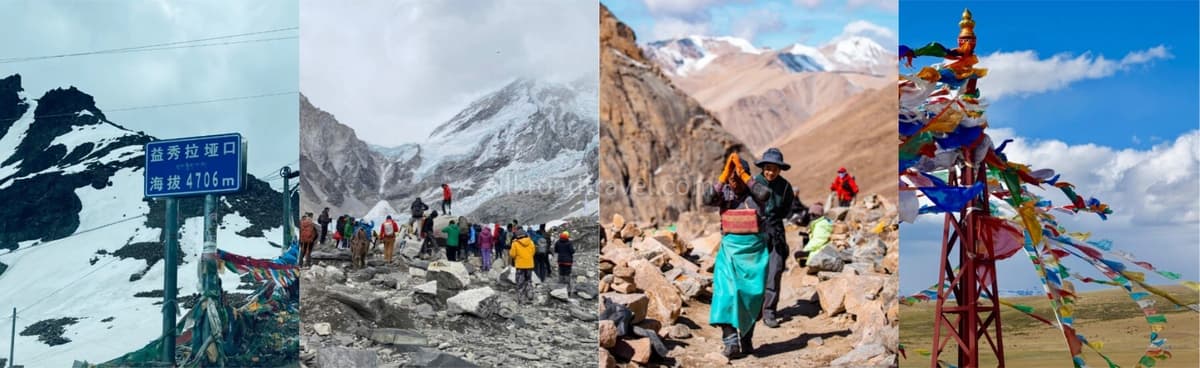
Notes: Avoid July–August. Heavy monsoon rains trigger potential mudslides on mountain roads. November to April brings freezing temperatures and snow-blocked high passes, making long treks impractical.
June – August (Senior Travellers & Visitors Sensitive to Altitude Sickness)
Summer brings the highest oxygen concentration across the Qinghai-Tibet Plateau, which effectively reduces the risk and severity of altitude sickness. Daytime temperatures in Lhasa and Shigatse stay mild, and most mainstream scenic spots are fully accessible.We recommend sticking to low-to-medium altitude routes centred on Lhasa, Yamdrok Lake and Shigatse. Limit overnight stays above 4,800 metres such as Everest Base Camp.
Notes: Schedule relaxed itineraries with sufficient rest time; avoid packed sightseeing schedules within the first 48 hours after arrival.
November – Early March (Budget Travellers)
This is Tibet's official off-season. Hotel, flight and group tour costs drop considerably, and queues for Potala Palace tickets disappear. You can wander Barkhor Street and monasteries without tourist crowds.You can also capture rare blue ice scenery at Pumayumtso Lake during this period.
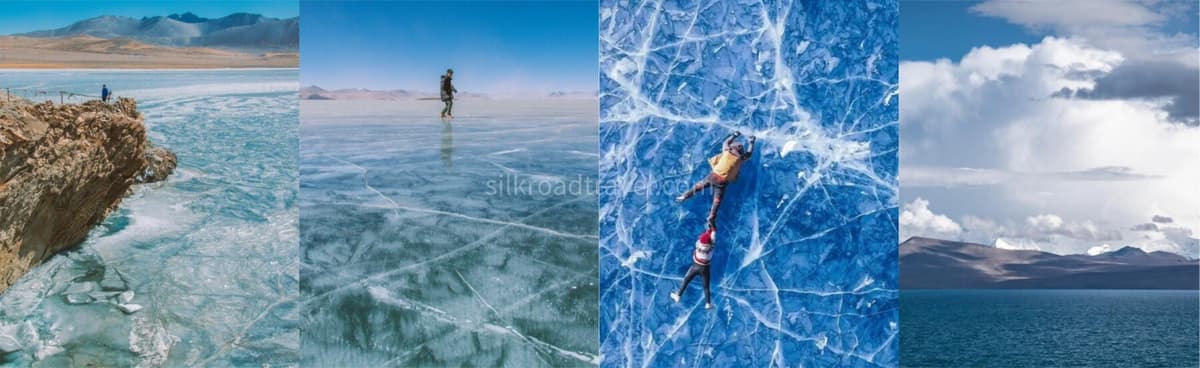
Notes: High-altitude remote areas including Ngari and Everest Base Camp face freezing temperatures and occasional snow closures. Winter itineraries are mainly limited to Lhasa and surrounding areas.
May | September – October (Travellers Planning Sichuan-Tibet Overland Road Trip)
Road conditions stay stable with minimal rainfall. The risk of mudslides on mountain sections is far lower than the July–August rainy season. Landscapes transform vividly, with wild alpine flowers in spring and colourful autumn foliage. 【Notes: Avoid the summer monsoon season for overland cross-plateau travel.】
How to get to Tibet & Tibet Transportation
Tibet's unique high-altitude location on the Qinghai-Tibet Plateau creates diverse travel entry routes, including flight, railway, and multiple overland highway corridors connected to the ancient Silk Road. For foreign travellers, choosing the right entry method significantly impacts your plateau adaptation, travel comfort, itinerary rhythm, and overall sightseeing experience.
Unlike domestic tourists, all international visitors cannot travel independently. Every entry method must be arranged and filed by a qualified travel agency with a valid Tibet Travel Permit. Whether you prioritize travel efficiency, altitude sickness prevention, in-depth landscape photography, extreme adventure, or budget-friendly travel, we break down all available Tibet entry transportation options tailored specifically for foreign group travellers.
| Travel Option | Best for | Pros | Cons | Recommended |
| ✈️ Fly to Tibet (By Plane) | Short stay visitors | Fastest transit; Stunning views | Lost roadside landscapes | ★★★★★ |
| 🚞 Qinghai-Tibet Train | Plateau travellers | Gradual altitude adaptation | Long travel time | ★★★★★ |
| 🚙 Chartered Vehicle | Photographers | Stop freely for sightseeing | Longer driving hours | ★★★★ |
| 🚌 Long-distance Travel Bus | Budget travellers | Low ticket price | Bumpy ride;limited luggage space | ★★★ |
| 🚲Cycling / Hiking | Challengers | Maximum freedom to experience remote areas | wilderness safety risks; no rescue support | ★★ |
Tibet Travel Permit for Foreign Visitors & All Required Documents
Many overseas travellers planning a Himalayan journey often ask: Can foreign tourists visit Tibet? The straightforward answer is yes. International visitors are permitted to explore Tibet, yet all travellers must abide by official plateau travel regulations. Independent travel for foreign citizens is not authorised. To enter and tour Tibet legally, every overseas guest must join a guided organised tour operated by qualified travel agencies and obtain an official Tibet Travel Permit prior to arrival. Without this permit, entry to Tibet will not be allowed.
1. What is a Tibet Travel Permit (TTP)?
The Tibet Travel Permit is an official government A4 document with official stamps and anti-counterfeiting marks. It records your designated travel agency, group information, valid travel dates and approved plateau itinerary, attached with a full group name list containing each traveler’s passport number, nationality and occupation.Key fixed rule: This permit cannot be retained by tourists after your trip ends. Your licensed tour guide will keep the original document throughout your journey, and the agency will collect and archive all permits and submit them to local tourism authorities upon your departure from Tibet. Individual purchase or separate application of TTP is not allowed under official policies.
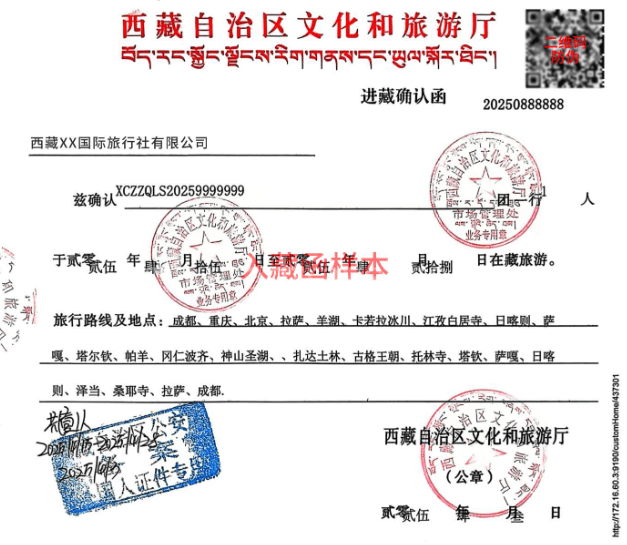
2. Who Must Apply for a Tibet Travel Permit? Who Is Exempt?
Groups that Mandatorily Need TTP
All holders of non-Chinese ordinary passports (global foreign tourists, overseas Chinese without Chinese mainland passports)
Taiwan residents holding Taiwan travel documents (even with Mainland Resident Permits for Taiwan compatriots)
Groups Exempt from TTP Application
Hong Kong and Macau residents holding SAR passports or Home Visit Permits do not need to apply for entry permits to travel in Tibet.
Groups Unable to Obtain Tourist-Type TTP
Foreign diplomats, international journalists and official government staff cannot apply for travel-based Tibet Travel Permits for plateau sightseeing trips.
Special Reminder for Overseas Chinese with Chinese Passport + Foreign Permanent Residence Card
Travelers holding Chinese passports plus US Green Card / Canadian Maple Card do not need a TTP to enter Lhasa core areas. However, they still need extra border travel documents to visit remote sites such as Everest Base Camp and Ngari Prefecture.
3. Core Rule: Why Foreign Travelers Cannot Travel Independently in Tibet
Official tourism regulations stipulate all non-mainland resident visitors must travel via organised guided tours, without self-guided independent travel allowed. No matter the group size (single traveler, couples, family groups or multi-national teams), you must book full packages with licensed operators including designated bilingual guides, official vehicles and pre-approved fixed itineraries filed with local authorities. We offer both fixed-date small join-in groups and private custom tours for all overseas visitors.
4. Full Step-by-Step Application Process for Tibet Travel Permit
Step 1 Confirm your China visa type and prepare submission materials
Tourists with Chinese L tourist visa: Submit clear full passport scan + full visa page scan + personal occupation information
Foreigners working in China with Z work visa: Provide passport, residence permit and official employer certification letter (we supply standard templates)
International students holding X student visa: Submit valid student ID and school certification letter
Visa-free national visitors entering China without separate visas: Only full passport copies are required
Step 2 Lock your full Tibet travel itinerary
Confirm entry & exit transport (flight / train / Sichuan-Tibet overland), travel duration, all scenic spots and accommodation standards, then send full travel plan to our specialist team for official quotation.
Step 3 Submit materials for official review
We file your group information and itinerary to local tourism authorities for approval:
Standard Lhasa, Yamdrok, Shigatse itineraries: Around 5 working days for review
Itineraries covering remote border areas (Ngari, Kailash, Basumtso): Minimum 15 working days of official reviewWe advise submitting your application 30 days ahead of departure to avoid schedule delays for flights, trains and accommodation bookings.
Step 4 Receive your permit and board transport to Tibet
Train entry: Digital scanned copy of TTP is accepted for ticket checking and boarding
Air flight entry: Original hard-copy Tibet Travel Permit is mandatory; we deliver the original document to you via express delivery in advance
Step 5 Carry supplementary permits during your plateau trip
Different scenic zones require extra official documents besides basic TTP, which our team will process together for free for all our clients:
Alien's Travel Permit (PSB Permit): Required for Everest Base Camp, Shigatse, Nyingchi, Namtso. Issued by local Public Security Bureau, cost 50 CNY per visitor, processed after you arrive in Lhasa within several hours
Military Permit: Mandatory for sensitive border regions including Mount Kailash, Lake Mansarovar, remote Chamdo and Zayu. Must apply in advance with your travel agency, with a 15+ day review cycle
6. Frequently Asked Supplementary Notes on Permits
You cannot book flight or train tickets bound for Lhasa without valid Tibet Travel Permit matching your itinerary dates
All your scheduled scenic spots must be pre-listed on your approved TTP; off-plan unregistered destinations cannot be visited
When traveling Tibet-Nepal overland cross-border routes, extra border crossing formalities will be arranged by our team alongside your TTP application
All our Sichuan-Tibet overland 15-day flagship tours include full pre-submitted official itineraries for smooth permit approval
Safety Guide for Foreign Travellers in Tibet
Most international travellers planning a Tibet journey share one core concern: Is travelling on the Qinghai-Tibet Plateau safe for overseas visitors? The straightforward answer is yes. Lhasa and all mainstream Tibetan travel zones enjoy stable social order and friendly local communities. The main risks you need to prepare for are high-altitude health issues, official travel regulations and cultural etiquette, rather than public security threats. Below we break down all safety details for your worry-free plateau trip.
1. Public Security Situation in Tibet: Low Crime Rate & Reliable Protection
Tibet's major scenic spots including Potala Place, Jokhang Temple and Barkhor Street maintain round-the-clock patrols and full-range public monitoring systems. Violent crimes targeting tourists are extremely rare, and local Tibetan residents are gentle and welcoming due to deep-rooted Buddhist culture.
Minor Preventive Reminders
Keep backpacks worn on your front in crowded temple squares and street markets to avoid occasional pickpocketing.
Do not carry large amounts of cash in public; use mobile payment where available.
Stay alert to overpriced goods from unregulated street vendors and charity beggars.All these are universal travel precautions, not unique risks in Tibet. You can wander Barkhor Street safely after sunset with no safety worries.
2. Why Guided Group Travel Is Mandatory (Part of Your Safety Guarantee)
Many overseas visitors misunderstand the group tour rule as a travel restriction, but it is essentially a plateau safety management measure for international tourists, based on three practical factors:
Complex highland medical conditions: Tibet covers vast sparsely-populated land with uneven medical distribution. Licensed guides and drivers can offer timely assistance if you suffer altitude sickness and arrange emergency medical transfer.
Controllable travel itineraries: All routes are pre-approved by authorities. Our team can adjust your schedule flexibly according to your physical state to avoid overexertion.
Border & ecological management: Remote areas such as Everest Base Camp and Ngari require additional border permits, which can only be applied via formal travel operators. Booking a regulated boutique group tour eliminates hidden safety risks caused by self-planned unapproved trips.
3. Common Safety Misconceptions to Avoid
❌Misconception 1: I am fit so altitude sickness will not affect meFact: Altitude reaction has no direct link to physical strength; even young athletic travellers can suffer severe symptoms after rapid altitude gain.
❌Misconception 2: Last-minute permit application is acceptableFact: Peak seasons require 30-day lead time; rushed applications often fail and disrupt your entire travel plan.
❌Misconception 3: Fill your itinerary with dense scenic spots on arrivalFact: Over-scheduled trips drastically increase altitude sickness risk; light rest activities are recommended for your first two days in Tibet.
❌Misconception 4:Ignore your guide's health remindersFact: Our bilingual guides have years of plateau experience; follow their advice to avoid emergency situations.
Altitude Sickness Prevention & Emergency Treatment Guide in Tibet
1. Basic Science: Why Altitude Sickness Happens
At an altitude of 3,650m (Lhasa), the oxygen content is only around 60% of sea level. Every 1,000 metres of elevation gain reduces atmospheric oxygen by roughly 12%. Your body accelerates breathing and heart rate to absorb enough oxygen, which triggers fatigue, headaches and sleep disorders.
Key rule: Physical fitness has no direct link to altitude reaction. Even young, athletic travellers can suffer severe discomfort after fast altitude jumps. The 24–48 hours after arriving in Lhasa are the highest-risk window for acute altitude sickness.
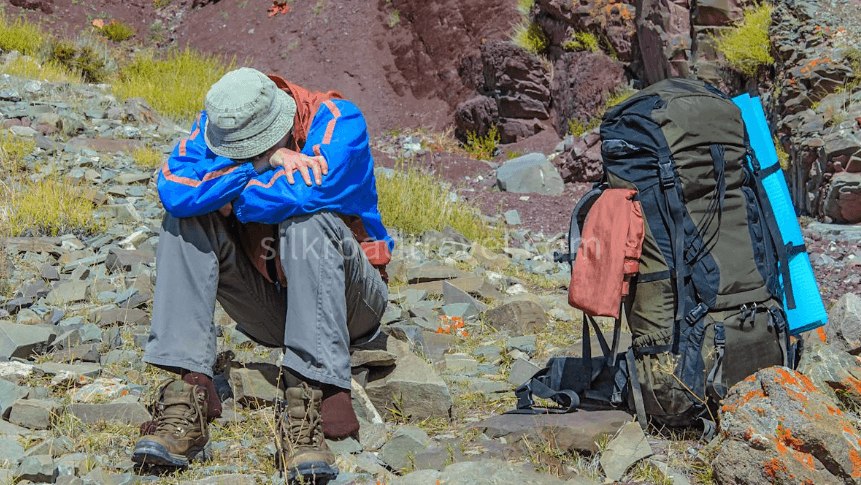
2. Classify Symptoms: Mild Reaction vs Critical Emergency Signs
① Mild Normal Altitude Sickness (Most Travellers Experience)
These adaptive discomforts do not require emergency descent; relief comes with rest and proper care within 1–3 days:
Persistent dull headache
Shortness of breath after light walking
Fatigue, low energy
Poor sleep, frequent waking overnight
Loss of appetite, mild nausea
Dry mouth and frequent thirst
② Severe Life-Threatening Symptoms (Descend Immediately)
If any of the below appear, stop all sightseeing, inhale oxygen and transfer to lower altitude/medical facilities without delay:
Severe unrelenting headache that does not ease with painkillers, repeated vomiting
Shortness of breath even when sitting still, chest rattling, pink frothy cough sputum (sign of pulmonary oedema)
Unsteady walking, blurred consciousness, hallucinations, slow response (cerebral oedema risk)
Blue lips, fingernails and facial skin
3. Pre-Trip Preparation: Prevent Altitude Sickness Before Departure
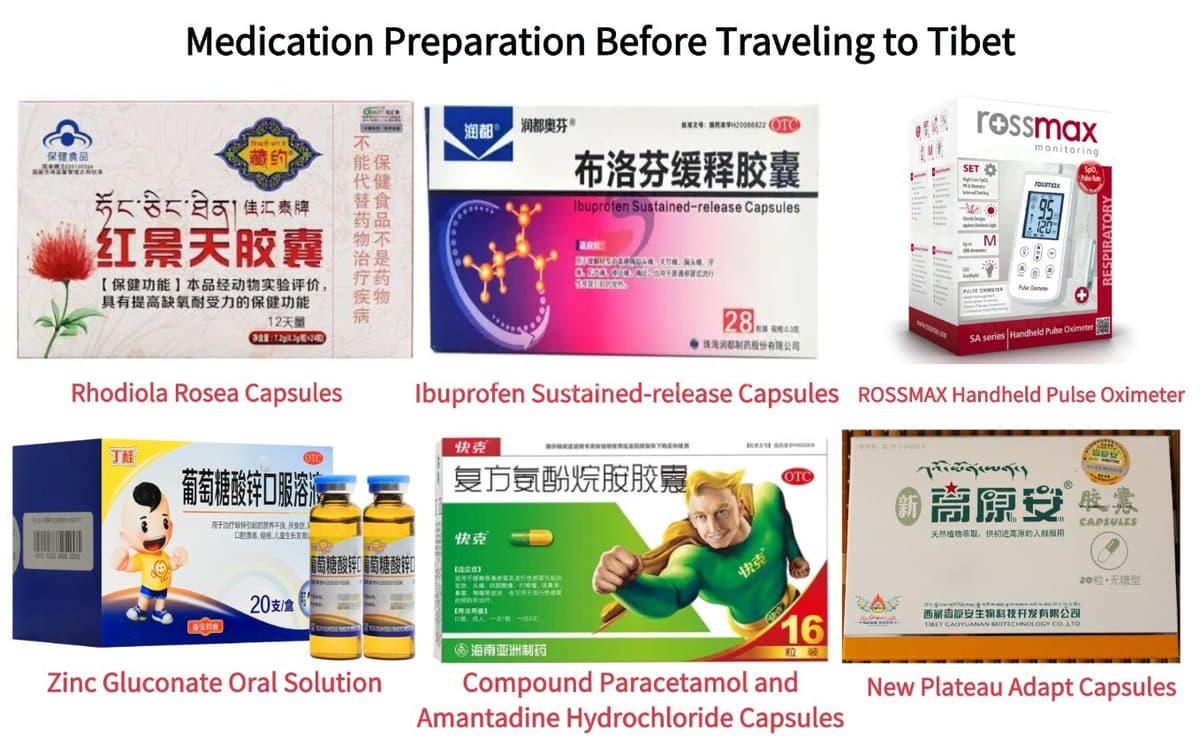
Medication Preparation
Rhodiola Rosea (Rhodiola Capsules): Start taking 7–15 days before your trip to improve oxygen tolerance; effects vary by individual and cannot replace on-plateau care.
Ibuprofen: Relieves altitude-induced headaches and muscle soreness during the plateau stay.
Glucose oral liquid/powder: Quickly supplements energy to ease dizziness and palpitations.
Cold & flu medicine: Do not travel to Tibet with a cold; upper respiratory infections drastically raise the risk of severe altitude disease.
Portable pulse oximeter (optional): Monitor blood oxygen levels for self-assessment.
Physical Preparations
Avoid intense aerobic training 1 week before departure; over-exertion consumes oxygen reserves.
Fully recover from fever, cold, cardiovascular or respiratory illnesses before booking your Tibet tour.
Consult a doctor if you suffer from hypertension, heart disease, asthma, anaemia or are pregnant before planning a plateau trip.
Top Attractions in Tibet
Tibet is known for its magnificent and magical natural scenery. It has a vast territory, spectacular landforms, and abundant resources. From time immemorial, people in this land have created a rich and splendid national culture. The following are some tourist attractions, so let's get acquainted with them first.
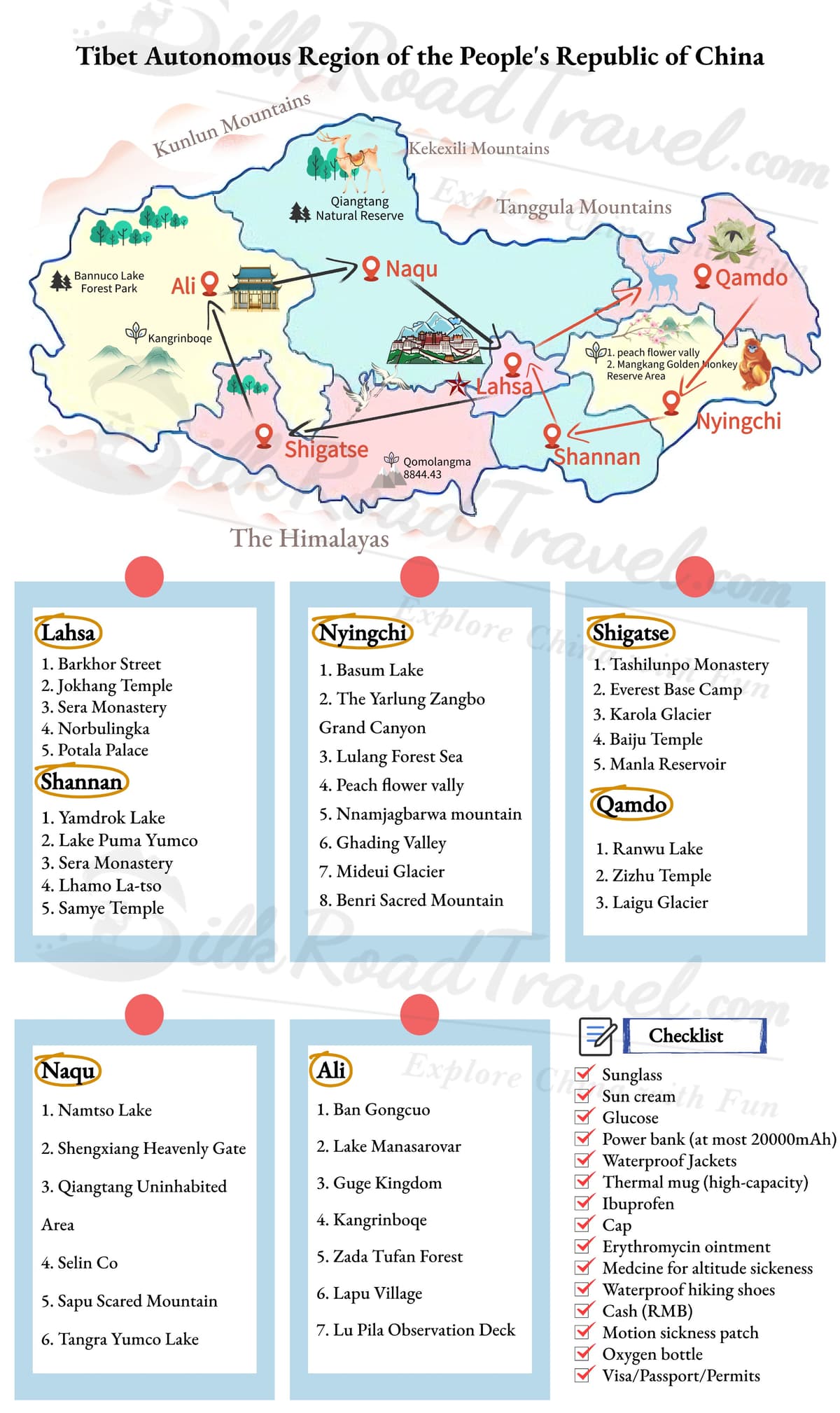
1. Potala Place
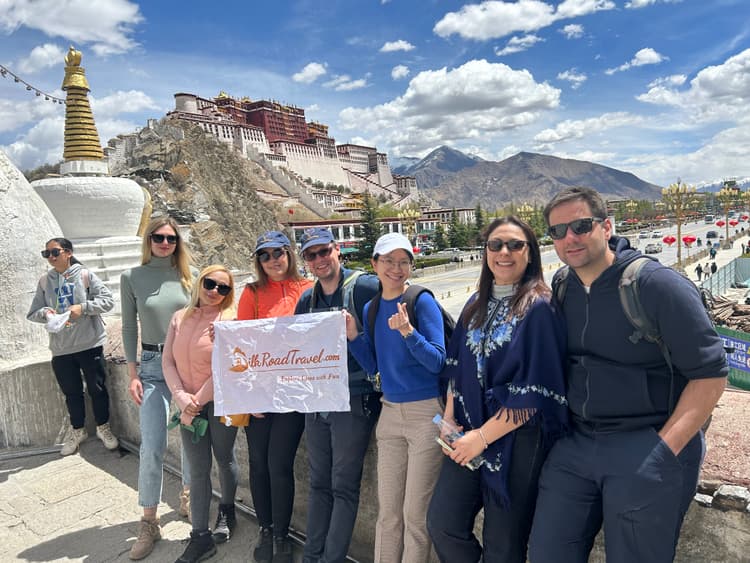
As the world's highest and grandest palace complex, the Potala Palace stands as Lhasa's iconic landmark and a UNESCO World Heritage Site, drawing travellers from across the globe. Perched atop Red Hill, this masterpiece of traditional Tibetan architecture features striking white and red outer walls paired with gleaming golden rooftops, creating a breathtaking silhouette against the clear plateau sky.
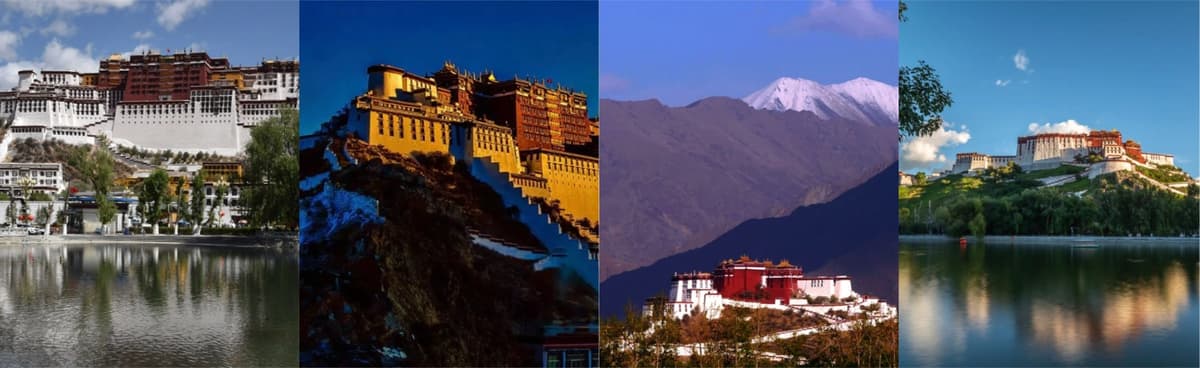
Many visitors come here for unforgettable photography opportunities: the best open viewpoints for panoramic shots are located at Potala Palace Square, ideal for sunrise and sunset shooting. Please note strict photography rules: photos and video recording are forbidden inside all buildings, while outdoor exterior shooting is permitted.
Inside the palace, you can explore thousands of ancient murals, precious Buddha statues, and centuries-old Tibetan cultural relics. Guided tours reveal the intertwined history of Tibetan culture and Buddhism. You will hear soft Buddhist chanting echoing through the halls, allowing you to experience the profound spiritual atmosphere of Tibetan Buddhism.
Critical Travel Tips for Foreign Visitors:
Advance ticket reservation is mandatory. Walk-in tickets are rarely available during peak travel seasons.
The full climbing route covers steep stone steps; allocate 2–3 hours for the complete visit and take breaks to avoid altitude fatigue.
Wear comfortable walking shoes, and bring water to cope with the dry highland climate.
2. Jokhang Temple
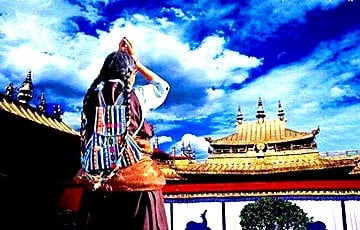
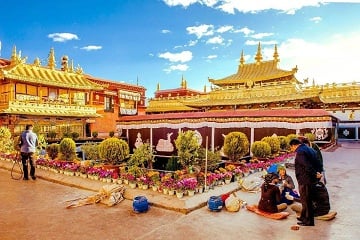
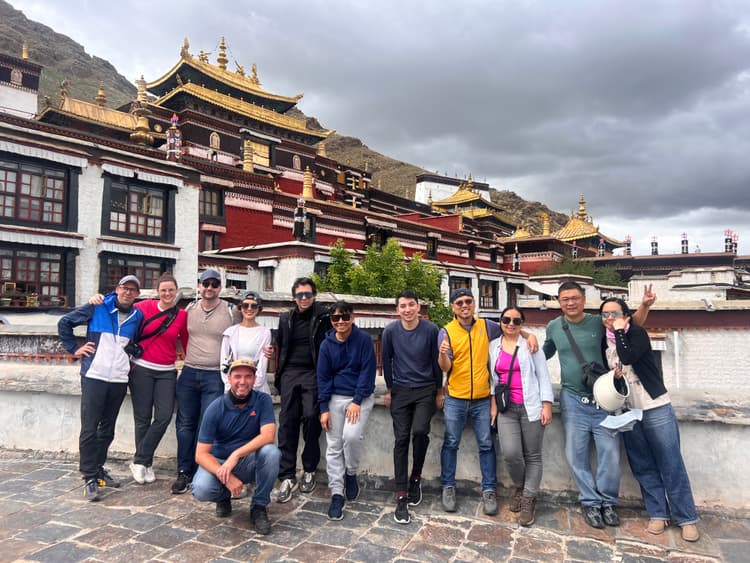
As the spiritual heart of Lhasa and another UNESCO World Heritage Site, Jokhang Temple stands as the most sacred pilgrimage destination for Tibetan Buddhism. Its distinctive architecture seamlessly blends Tibetan, Tang Dynasty Chinese, Nepalese and Indian design techniques, representing a landmark masterpiece of Himalayan religious construction.
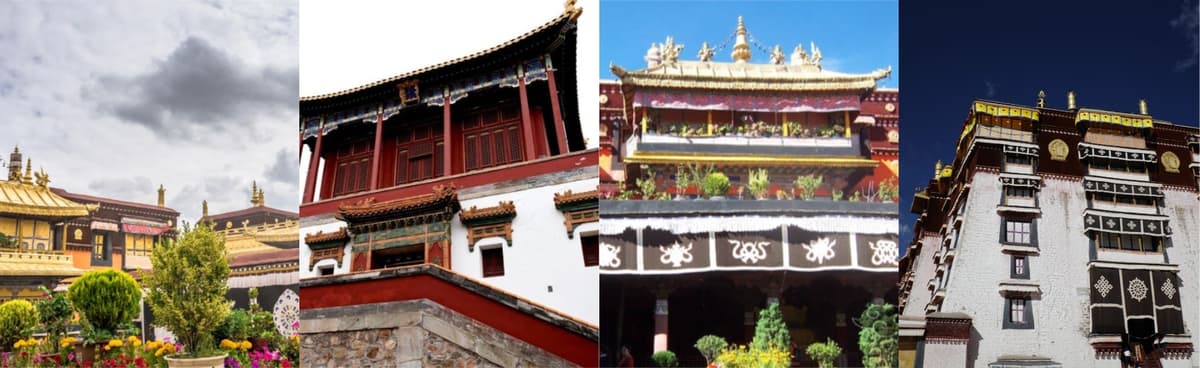
The temple and surrounding Barkhor Street form a living pilgrimage circuit. All day long, devout pilgrims circle the sacred path, turning prayer wheels and performing full-body prostrations. Wisps of incense drift through the courtyard, and hundreds of continuously burning ghee lamps cast a warm glow inside the halls, creating an immersive spiritual atmosphere hard to find anywhere else.
The temple houses the revered 12-year-old Sakyamuni Buddha statue, the most precious relic here. Many travellers combine a visit to Jokhang Temple with a walk around Barkhor Street, where local vendors, handicraft stalls and pilgrims create vivid daily Tibetan scenes.
Practical Tips for Foreign Visitors
Indoor photography and video recording are strictly prohibited; you may take photos outdoors on Barkhor Street with respect for pilgrims.
It is recommended to visit in the early morning to witness the liveliest pilgrimage scene.
Dress modestly. Avoid sleeveless tops, shorts or revealing clothing when entering the temple buildings.
Respect local religious customs; do not block pilgrims on the kora circuit.
3. Barkhor Street
Barkhor Street encircles Jokhang Temple at the heart of ancient Lhasa, forming a circular sacred pilgrimage route known as the Kora. For over 1,300 years, this historic lane has seamlessly blended sacred pilgrimage, local commerce and traditional Tibetan daily life. Walking along Barkhor, you will see endless pilgrims spinning prayer wheels, muttering mantras and completing devout circumambulation. Meanwhile, street stalls and shops sell Tibetan handicrafts, prayer beads, thangka paintings, silver ornaments and local snacks. It is the perfect spot to capture authentic street photography of Lhasa's local culture.
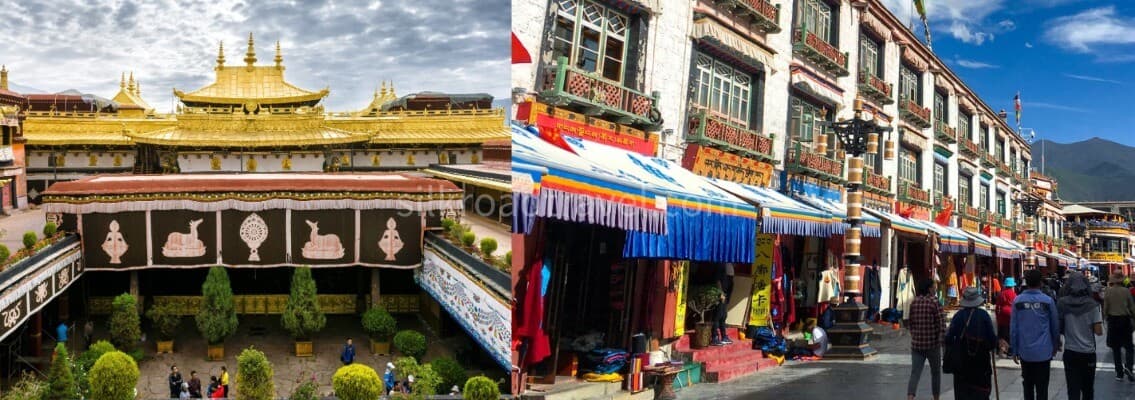
Most travellers arrange their itinerary to visit Jokhang Temple first, then follow the circular Barkhor path for a leisurely stroll. You can find cosy teahouses along the route to taste butter tea and observe local Tibetan life.
Practical Tips for Foreign Visitors
Follow the local tradition: walk clockwise around the kora route with pilgrims. Never travel counterclockwise.
Ask politely before taking close-up portraits of pilgrims and local residents out of respect.
Bargaining is common at handicraft stalls; keep conversations friendly.
Early morning and late afternoon offer softer light and the liveliest pilgrimage atmosphere for photos.
4. Yamdrok Lake
Yamdork Lake (Yamdrok Tso) ranks among Tibet's Three Sacred Lakes, one of the most iconic natural highlights on the southern Qinghai-Tibet Plateau. This enormous closed alpine lake is framed by permanent snow-capped peaks and sprawling grasslands, forming a breathtaking landscape combining lakes, mountain ranges, meadows, small islands, hot springs and remote monasteries.
Famous for its ever-shifting turquoise waters, Yamdrok Lake displays a stunning spectrum of blue hues — pale sky blue, sapphire blue and vivid peacock blue. The colour transforms constantly depending on sunlight, cloud cover and viewing angle, making it a dream destination for landscape photographers.
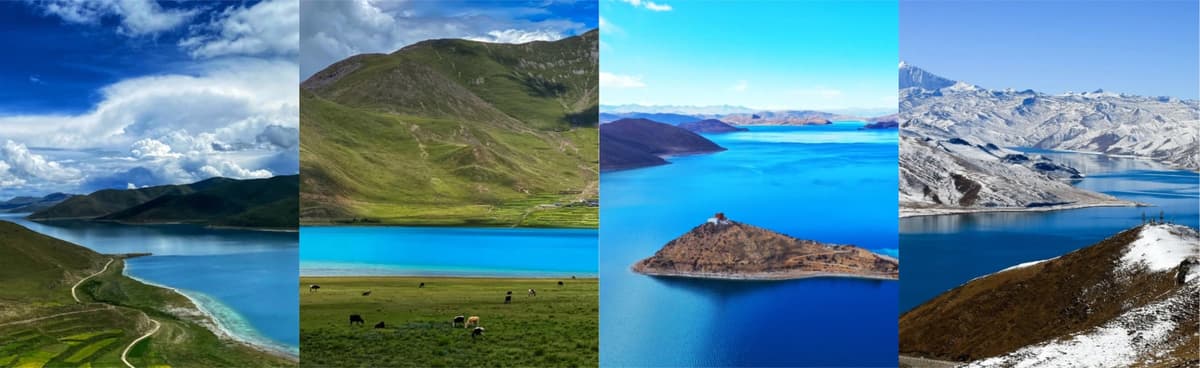
Most travellers visit Yamdrok Lake on a day trip departing from Lhasa. The high mountain pass offers the classic panoramic overlook, the most popular photo viewpoint of the lake. You can also drive along the lakeshore to discover quieter viewing spots, wild yaks and grazing herds.
Practical Tips for Foreign Visitors
The viewing pass sits above 4,400 metres elevation. Take it slow to avoid altitude sickness and stay hydrated.
Weather on the plateau changes rapidly; bring warm layers, sunscreen and sunglasses even on sunny days.
Morning and late afternoon deliver softer light and richer lake colours for photography.
Respect local beliefs: Yamdrok Lake is regarded as a sacred goddess in Tibetan culture.
5. Lulang Forest
Lulang Forest is a forest in clouds and mist, which is picturesque, surrounded by snow-capped mountains, and neat meadows like artificial pruning. Many dwellings are built in this heavenly forest surrounded by mountains and rivers, winding streams, and thousands of wildflowers, which is like a paradise.
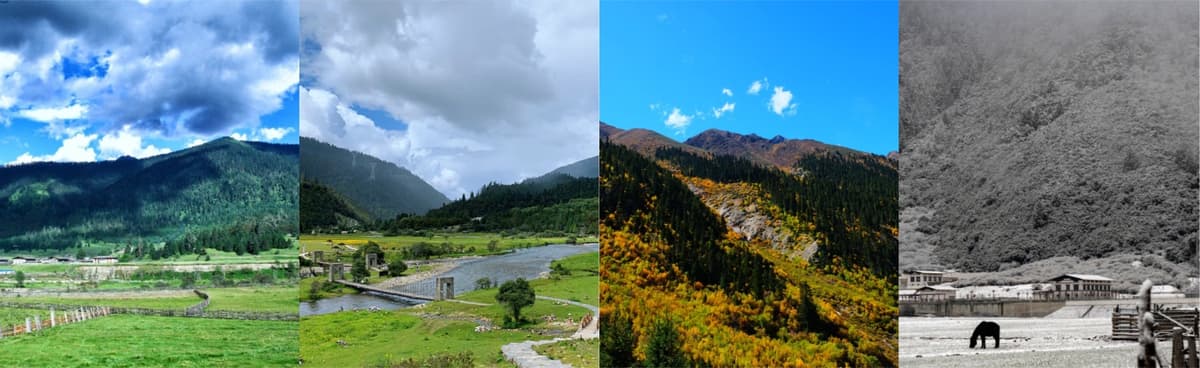
Known as “Switzerland of Tibet”, Lulang Forest lies along the route from Nyingchi to Lhasa, famous for its dreamy mist-shrouded woodland scenery. Towering snow-capped mountains form a grand backdrop, while smooth natural alpine meadows spread beneath the dense coniferous forest.
Scattered Tibetan villages nestle among mountains, winding brooks and vibrant wildflower fields. In early summer, colourful blossoms carpet the grasslands; in autumn, the forest turns rich shades of gold and emerald. When low fog drifts through the trees at dawn, the whole valley resembles a secluded alpine paradise.
Most travellers stop at Lulang while travelling between Nyingchi and Lhasa. Many choose to stay overnight in local inns to catch the magical morning mist and enjoy slow pastoral views away from crowded tourist hotspots.
Practical Tips for Foreign Visitors
Spring and summer (May–September) bring blooming wildflowers; autumn (October) offers stunning golden forest foliage.
Morning mist usually appears between 6 a.m. and 9 a.m., the prime time for landscape photography.
Rainfall is frequent in the forest zone; carry waterproof outerwear and suitable walking shoes.
Try local Tibetan stone pot chicken, the signature dish of Lulang.
6. Mount Everest Base Camp
Mount Everest Base Camp (Tibet Side) draws adventure travellers from all over the globe, offering a rare chance to witness the world's highest peak up close. Situated at 5,364 metres above sea level, this site delivers unobstructed frontline views of snow-capped Mount Everest.
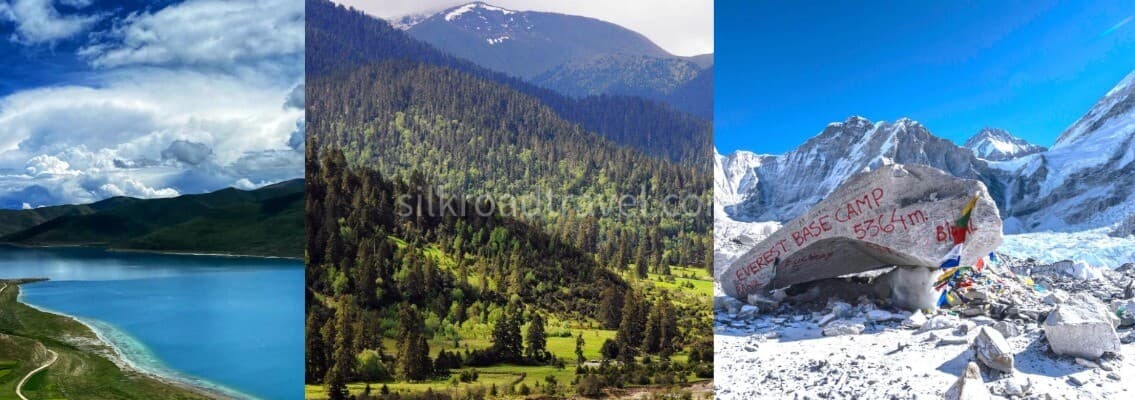
The journey from Shigatse winds through rugged highland terrain, remote Tibetan villages and historic monasteries. Many visitors hike the short trail to the official viewpoint, where they can admire Everest's imposing silhouette. Clear nights bring incredible opportunities to watch starry skies above the summit, and sunrise over the mountain creates the famous golden peak glow.
Most visitors join multi-day overland tours departing from Lhasa. Note that independent access requires proper permits, and overnight stays are available in local tent guesthouses nearby.
Practical Tips for Foreign Visitors
Elevation exceeds 5,300 m. Acclimatise gradually, avoid heavy exercise, and watch closely for altitude sickness symptoms.
Temperatures drop sharply after sunset; pack thick warm layers, windproof outerwear, gloves and thermal socks all year round.
Secure a Tibet Travel Permit plus Everest entry permit ahead of your trip.
The best viewing season runs from late April to early June and September to October, with minimal cloud cover.
Bring sufficient sunscreen, lip balm and sunglasses to defend against intense ultraviolet radiation on the plateau.
7. Yumbulakhang
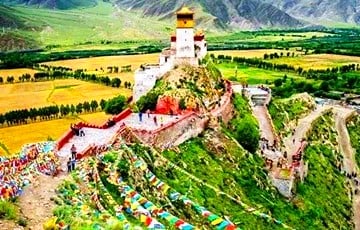
Yumbulakhang, perched on a mountain slope in Shannan, is recognised as Tibet's oldest palace and revered by local people as the cradle of Tibetan civilisation. Built more than 2,000 years ago, the distinctive ancient Tibetan architecture stands prominently overlooking the fertile Yarlung Valley.
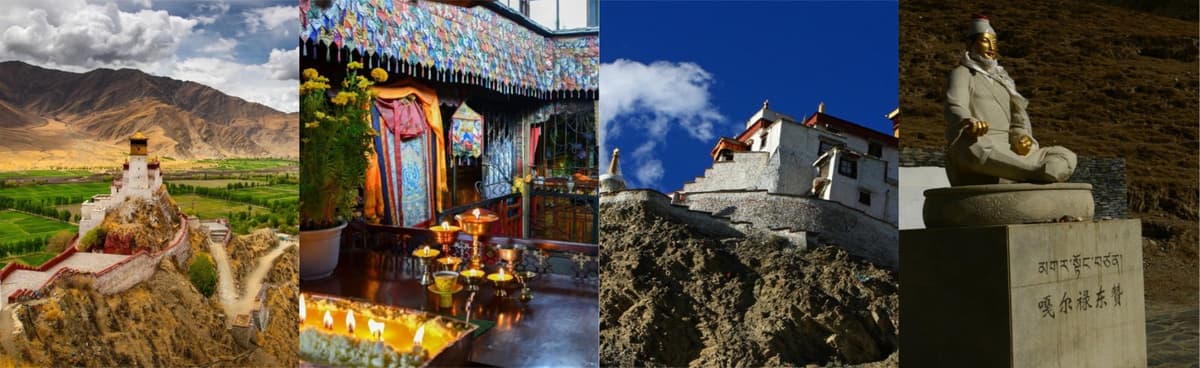
Inside the palace, visitors can view statues of Songtsen Gampo and Princess Wencheng. Exquisite murals and religious sculptures preserved here record major historical events, dynastic shifts and ancient stories of the Yarlung Kingdom. The long accumulation of history lends this landmark profound cultural charm and timeless mystery.
Most travellers arrange a visit to Yumbulakhang alongside nearby Samye Monastery on a day trip from Lhasa to Shannan. A short uphill walk is required to reach the palace gate, rewarding visitors with panoramic valley views.
Practical Tips for Foreign Visitors
Morning light delivers ideal conditions for photographing the palace against the Yarlung Valley landscape.
Wear comfortable walking shoes for the uphill trail leading to the site.
Respect temple rules: no photography inside the main hall without official permission.
8. Mount Kailash
Some sacred landscapes defy simple description and can only be truly understood in person. Mount Kailash holds supreme status as the most revered holy mountain for Tibetan people. Boasting a striking symmetrical shape, it resembles a towering pyramid; glacial valleys and rocky ridges naturally form the symbolic swastika pattern on its slopes.
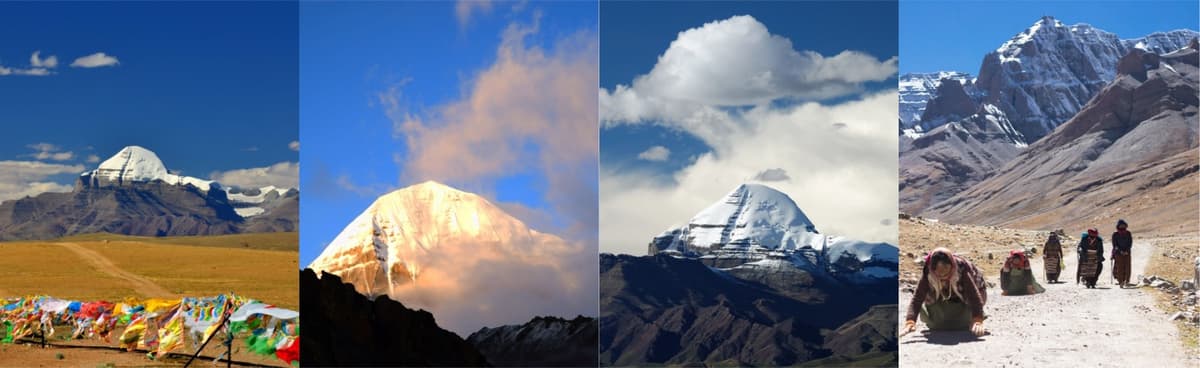
Scattered ancient monasteries surround the mountain. Pilgrims and travellers come here to explore these age-old shrines and immerse themselves in profound Himalayan spiritual culture. Far more than a stunning natural peak, Mount Kailash stands as an enduring spiritual sanctuary for multiple faiths. Many visitors embark on the famous Kailash Kora, the revered 52-kilometre circumambulation route around the mountain.
Most travellers include Lake Manasarovar together with Mount Kailash for a complete Ngari overland journey. The long drive requires thorough preparation for remote high-altitude wilderness conditions.
Practical Tips for Foreign Visitors
The optimal travel window is May to early October; roads are closed for most of the winter season.
Elevation remains consistently high above 4,500 m. Take ample time for altitude acclimatisation before starting the kora.
Foreign tourists must obtain Tibet Travel Permit plus additional Ngari border area entry permits well in advance.
Prepare warm windproof clothing, sufficient drinking water and high-energy food for the circumambulation trek.
9. Gala Peach Blossom Village
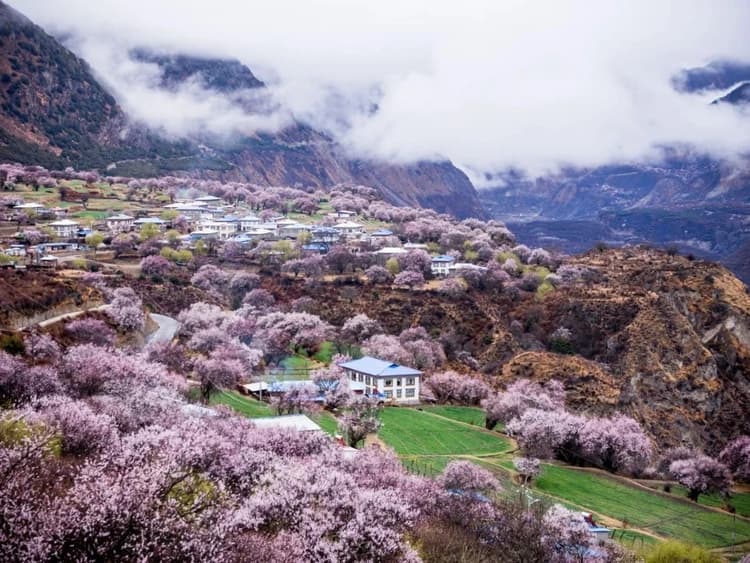
Gala Peach Blossom Village, located in Nyingchi, is renowned as one of Tibet's top destinations for viewing wild peach blossoms. Every year from mid-March to early April, countless wild peach trees burst into bloom across mountain slopes. The soft pink blossoms blanket the hills, forming a striking contrast against terraced green barley fields and the distant snow-capped mountains.
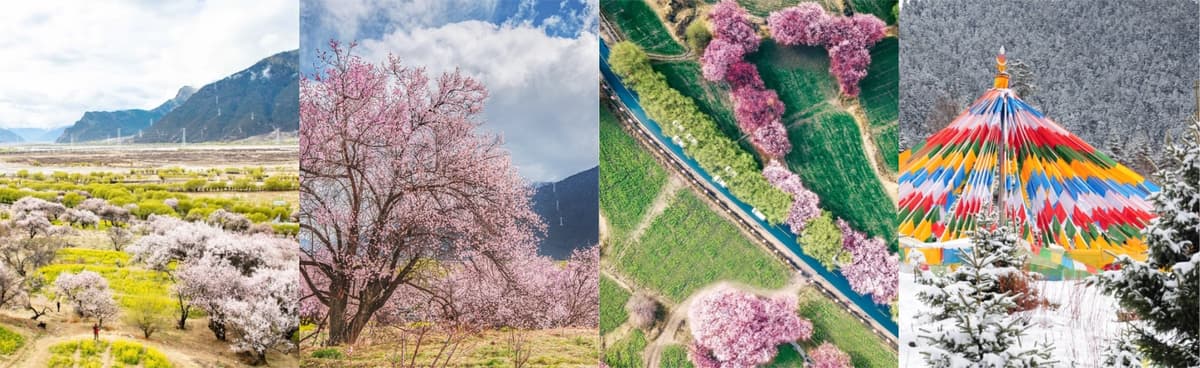
This idyllic village retains authentic rural Tibetan customs. Visitors can experience local hospitality: Tibetan residents greet guests warmly with highland barley wine and melodious folk toast songs. Beyond flower viewing, you can wander through the village, capture landscape photography, and appreciate the harmonious combination of wild blossoms, farmland and snow peaks.
Most travellers arrange a one-day trip to Gala Peach Blossom Village together with nearby Nyingchi and Bomi during the blossom season. Early morning brings soft light ideal for landscape shooting.
Practical Tips for Foreign Visitors
Peak blooming period: Mid-March to early April; bloom timing varies slightly depending on annual temperature.
Morning and evening temperatures remain low in spring; bring layered warm outerwear.
Respect local villages and farmland; avoid trampling crops.
For photography, sunrise hours offer the best lighting for peach blossom and snow mountain composite scenes.
Plan accommodation in advance if visiting during the blossom tourist peak.
Tibet Travel Cost for Foreign Visitors
Planning a trip to the Qinghai-Tibet Plateau always brings one top question for international travellers: How much should I budget for a Tibet holiday? Unlike regular domestic travel destinations, Tibet has unique entry regulations that directly shape your total expenses—all overseas passport holders cannot travel independently and must book licensed group or private tours with a valid Tibet Travel Permit processed by official agencies.
Your overall Tibet trip cost mainly depends on 4 decisive factors: travel season (peak / shoulder / off-season), tour type (shared small group vs private custom tour), route length, and your standard of accommodation & catering. Flight or train tickets to Lhasa are the biggest variable out-of-pocket expense, while local on-land fees including vehicle rental, bilingual guide service, scenic tickets and permit handling make up the fixed core cost in Tibet.
.jpg&w=1200&q=75 "Lhasa-4(背景图).jpg")
Mandatory Tour & Document Fees
Tibet Travel Permit Service Fee: Officially issued free by Tibet Tourism Bureau, but all agencies include administrative, document review & delivery fees inside your tour package. No standalone permit application service for individual travellers.
Bilingual Licensed Guide: Mandatory for all foreign groups; guides provide plateau health guidance, cultural interpretation and checkpoint coordination.
Licensed Plateau Tour Vehicle: All overland tours use certified tourism SUV/van with experienced local drivers familiar with high-altitude mountain roads.
Border Supplementary Permits (EBC, Ngari, Kailash): Extra small administrative cost for remote border scenic zones, bundled into long-distance overland tour packages.
Accommodation Costs
Budget Tibetan Guesthouse (Off-season only): ¥300–450 / night, basic heating, simple breakfast, central Lhasa location
Mid-range Oxygen Hotel (Most popular for foreign tourists): ¥500–800 / night, in-room oxygen supply, western breakfast, English service
Luxury 4–5 Star Highland Resort: ¥900–3000 / night, full spa, 24-hour medical consultation, panoramic Potala/Namcha Barwa viewsPrice gap: Peak season (Jul–Aug) hotel rates rise 40%–70% vs winter off-season.
Scenic Spot Entrance Fees
Core attraction standard ticket prices (RMB per person) are listed as follows:
| Scenic Spot Name | Peak Season Price | Off-Season Price | Additional Fees & Key Notes |
| Potala Palace | 200 | 100 | Mandatory advance reservation; no on-site ticket sales in peak season |
| Jokhang Temple | 85 | 50 | Located in central Lhasa, adjacent to Barkhor Street |
| Yamdrok Lake | 120 | 60 | No additional shuttle fee for main viewing platforms |
| Namtso Lake | 120 | 60 | Mandatory eco-shuttle bus: 110 RMB per person |
| Mount Everest Base Camp | 160 | 100 | Mandatory eco-shuttle bus: 120 RMB per person; requires additional border permit |
| Tashilhunpo Monastery | 100 | 50 | Main temple in Shigatse, no additional fees |
| Lulang Forest | 90 | 60 | Multiple viewing platforms; some special routes have extra charges |
| Nyingchi Peach Blossom Villages | 160 | 0 (no peach blossom season) | Peak bloom: mid-March to early April; free access in non-blossom period |
| Mount Kailash | 200 | 100 | Requires Ngari border area permit; trekking kora route has no extra fee |
| Lake Manasarovar | 150 | 80 | Near Mount Kailash; included in most Ngari overland packages |
| Samye Monastery | 120 | 60 | Tibet's first Buddhist monastery |
| Yumbulakhang Palace | 60 | 30 | Tibet's oldest palace, located in Shannan |
Catering Daily Expense
Budget local Tibetan food: ¥40–80 per day (tsampa, butter tea, noodles, yak meat hot pot small portions)
Mid-range mixed Western & Tibetan restaurants: ¥100–180 per day
High-end fusion fine dining: ¥200+ per day. Most foreign group tours include daily breakfast; lunch & dinner can be self-paid or pre-booked as package add-ons.
Round-Trip Transport to Lhasa
Flight International → Mainland Transfer → Lhasa
Off-season one-way domestic flight (Chengdu/Chongqing → Lhasa): ¥300–800
Peak season one-way flight: ¥1500–3000
Qinghai-Tibet Train (Mainland cities direct to Lhasa)
Hard Sleeper: ¥495–865 one way
Soft Sleeper: ¥780–1468 one wayTrains reduce altitude sickness risk with gradual elevation gain, ideal for first-time plateau visitors.
Optional Extra Expenses
Plateau medical supplies: Rhodiola, portable oxygen, pulse oximeter ¥100–300
Local handicraft & souvenir shopping (thangka, silver, yak jerky): Unlimited flexible budget
Tibetan costume photoshoot, horse riding, hot spring experience: ¥150–600 per activity
Border visa for Tibet-Nepal overland crossing: Separate consulate fee
Tibet Folk Culture & Things to do in Tibet
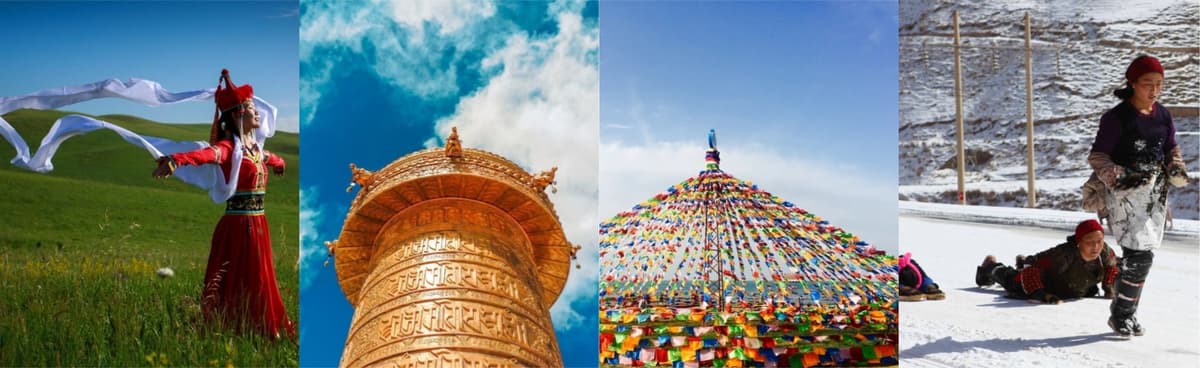
Tibet's unique folk culture rooted in ancient Bon civilization and Tibetan Buddhism is the soul of your plateau trip. Far beyond iconic snow mountains and sacred lakes, authentic local traditions, religious rituals, grand seasonal festivals, handmade arts and daily Tibetan lifestyle offer the most memorable travel moments for international visitors. Every custom you encounter—from white silk khata scarves fluttering over pilgrims to colourful prayer flags strung across mountain passes, from fragrant butter tea served in local homes to grand mask Tibetan opera during Shoton Festival—carries thousands of years of plateau history.
Core Religious Folk Customs
Khata (Hada) – The Highest Respect Gift
Khata is a silk ceremonial scarf representing purity, peace and blessing, used for greeting elders, visiting monasteries, weddings and festival celebrations.
White khata: Daily common type for general welcome
1. Five-colour khata (blue/white/yellow/green/red):Reserved for Buddha statues, grand ceremonies, representing sky, cloud, earth, water and fire
2. Etiquette:Receive or present khata with both hands, slightly bow your waist. Never fold or drop the scarf casually.
Circumambulation & Prayer Wheels
All sacred sites including Jokhang, Barkhor, stupas and mani piles must be circled clockwise; prayer wheels also turn clockwise. Spinning wheels equals reciting mantras, a core way local pilgrims accumulate merit. Handheld copper prayer wheels are easy to spot across Lhasa streets.
Mani Stone Piles & Wind Horse Prayer Flags (Lung Ta)
Mani stones carved with six-syllable mantras stack at mountain passes, lakesides and road junctions. Colourful Lung Ta prayer flags flutter in the wind; locals believe every breeze passing over the flags spreads good wishes across the land. Do not step on, remove or damage mani stones and flags.
Full Prostration Pilgrimage
Devout pilgrims travel hundreds of kilometres to Barkhor Street for full-body kowtows as an expression of faith. Please take photos from a distance and avoid blocking their pilgrimage path.
Iconic Tibetan Traditional Festivals
Losar (Tibetan New Year, Jan-Feb)
Tibet's grandest annual festival for family reunion. Local families prepare Qiema auspicious grain boxes and barley wine for mutual blessing. Foreign visitors can wander quiet Barkhor Street and observe authentic household customs; note most families stay indoors on New Year's Day, visiting starts from day 2.
Saga Dawa Festival (May)
The holiest religious month of Tibetan calendar. Mass pilgrims gather at Jokhang & Barkhor for kora circumambulation, ideal for capturing pure spiritual street photography.
Shoton Festival (July-Aug)
Literally “Yogurt Festival”. Core highlights: giant Buddha unfolding display at Drepung Monastery, full-day Tibetan opera shows in Norbulingka Park, locals wearing traditional costumes for picnics in green parks. It is the most tourist-friendly grand festival for overseas travellers.
Damxung Horse Racing Festival (August)
Vast grassland equestrian event featuring horse races, archery, folk singing and dancing. Visitors can watch nomadic culture and colourful traditional pastoral outfits.

Local Food & Dining Folk Culture
Core Staples
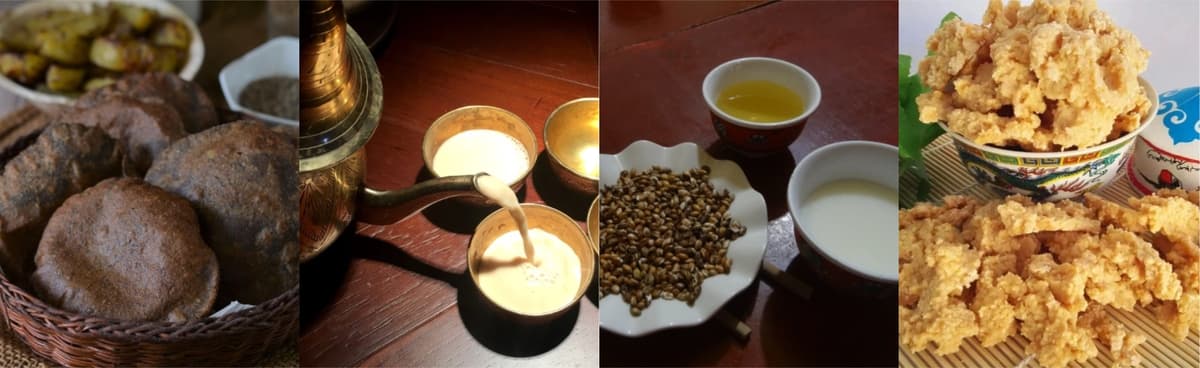
Tsampa: Roasted highland barley flour mixed with butter tea, the staple daily food of all Tibetans
Butter Tea: Salty creamy tea made from yak butter, brick tea and salt, helps fight altitude dryness and cold. Hosts will continuously refill your cup as a sign of hospitality.
Barley Wine: Low-alcohol mild homemade wine. Dining etiquette: Dip your ring finger into wine and flick three drops toward heaven, earth and ancestors before drinking; finish the cup if the host sings toast songs for you.
Dining Etiquette
Wait for the host to hand tea/wine to you; never grab cups by yourself
Eat quietly without loud chewing sounds
Refuse horse, donkey and dog meat, which are culturally taboo for Tibetans
Traditional Tibetan Art & Handicrafts
Thangka Scroll Paintings
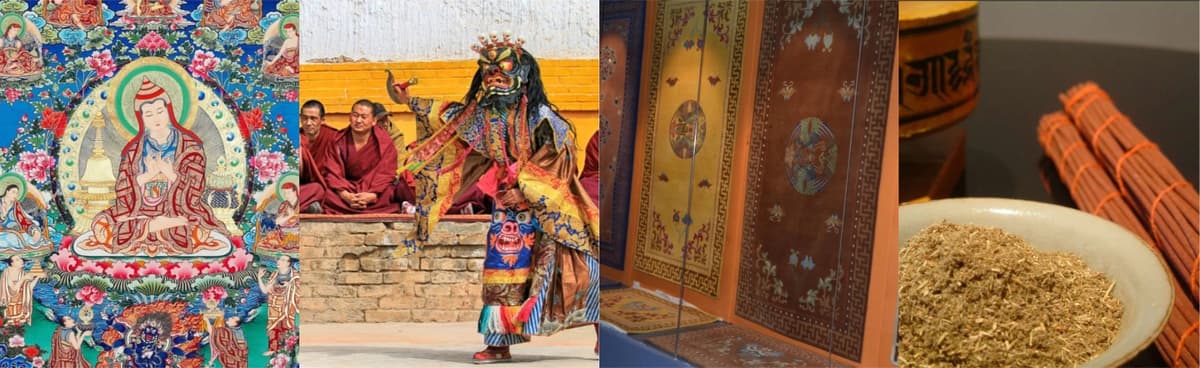
World-famous religious scroll art recording Tibetan history, Buddha tales and folk legends, regarded as Tibetan encyclopedias. Authorised official handicraft shops offer certified small thangka souvenirs for tourists.
Tibetan Opera (Ache Lhamo)
600-year-old traditional mask opera with eight classic legendary stories, performed widely during Shoton Festival with vibrant colourful masks and costumes.
Hand-Woven Textiles
Pangden: Colourful striped apron, exclusive symbol of married Tibetan women
Gyantse Tibetan Carpets: World-class hand-knotted wool carpets with natural plant dyes
Other Popular Crafts
Nimu Tibetan incense, hand-carved mani stones, Tibetan silver ornaments, Lazi Tibetan swords, clay sand mandala art created by monks during grand ceremonies.
How to Plan a Tibet Tour
How to arrange your visit to Tibet for the first time? Here are some suggestions.
To ensure a smooth trip to Tibet, it's important to plan your travel time in advance and choose the appropriate time and area to enter Tibet according to your needs. It's also recommended to travel in groups, which is the most cost-effective and convenient way. Traveling with friends will make your trip more enjoyable and memorable.
If you're unfamiliar with Tibet's geography and cultural environment, it's best to enter Tibet with a group. This is especially important for foreigners who must bring independent tour guides due to the language barrier. A reliable and professional tour group is essential for a hassle-free experience. You can communicate with the leading tour guides at any time, saving you a lot of unnecessary trouble.
Lastly, it's important to purchase tourism equipment according to the climate and environment of your travel routes and destinations, instead of blindly buying them. This will ensure that you're well-prepared for your trip and can enjoy it to the fullest.
Visit Tibet with Reliable Travel Agency
Thanks to its large size, Tibet is not flooded by visitors even in the peak seasons compared to other travel destinations. To better explore Tibet, choose a reliable travel agency that will help you make your dream tour come true.
We are here to provide you with unforgettable tours! We have been devoted to inbound tourism for more than 20 years, with 98% 5-star reviews on TripAdvisor. We will provide you with the best service and price to guarantee you a great Tibet holiday.
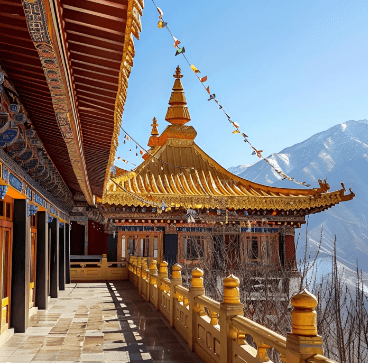
Welcome to Tibet in southwestern China, a mesmerizing destination known as the "roof of the world"!
When see the word Tibet, what first comes to your mind? Religion? Plateau? Snow mountain? Or pure land? Yes, these labels are all perfectly describing the features of Tibet. However, Tibet is far more than that. Almost no one can assert that he really knows Tibet before he really comes. Even the most experienced tourists and adventurers say that there is always something new to be found every time they come. Unless you are lucky enough or in the specific seasons, you will not encounter some spectacles. That is why Tibet is always synonymous of mystery and wonder.
When you come to Tibet, you can enjoy endless snow-capped mountains, rippling lakes, vibrant grasslands, and breathtaking canyons. In addition to unmatched natural scenery, Tibet has a rich cultural heritage. You can discover Tibetan Buddhist monasteries and stone carvings all over Tibet, which are a testament to the profound cultural heritage of Tibet.
Every inch of land here has reached its peak, where many sacred mountains, lakes and glacier canyons have the first reputation in the world. From the famous glaciers "Laigu Glacier", to "Namtso", the second largest lake in Tibet, which has many beautiful legends. From the world's largest ancient fortress and palace complex of "Potala Palace" to the Tibetan religious architecture of "Jokhang Temple".
What you must visit in Tibet? Aha, that could be "guided". Our Tibet Travel Guide can provide available information for your travel, including the top tourist attractions, the best time to go to Tibet, the cost of Tibet travel, etc.
It's time to start a wonderful trip to Tibet!
Features
Chinese: 西藏 Tibet & Xizang Area: 1,202,800 square kilometers
Time Zone: UTC+8 Population(2022): about 3,640,000
Location: Southwest China Climate: Plateau Climate
Post Code: 850000-860000 Administration Type: Autonomous Region
Area Code: (+86) 0891-0897 Average annual rainfall: 406.1mm
Tibet is known for its magnificent and magical natural scenery. It has a vast territory, spectacular landforms, and abundant resources. From time immemorial, people in this land have created a rich and splendid national culture. The following are some tourist attractions, so let's get acquainted with them first.
Potala Place
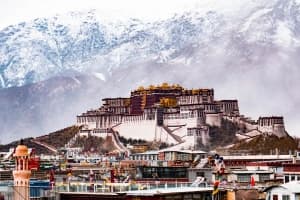
As the highest and largest palace-style building complex, Potala Palace attracts countless tourists with its magnificent scenery and profound cultural heritage. The whole palace is on the mountain, with Tibetan-style buildings and golden roofs shining brightly under the sunshine, which makes people feel awe-inspiring. Outside of it, you can enjoy the magnificent scenery. Inside it, you can learn about the history and culture of Buddhism's knowledge, listen to chanting, and feel the power of religious beliefs.
Jokhang Temple
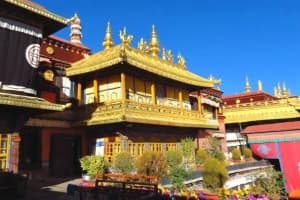
Jokhang Temple is a Tibetan Buddhist Temple, which combines the architectural styles of Tibet, the Tang Dynasty, Nepal, and India, and has become an eternal model of Tibetan religious architecture. In front of the temple, incense fills the air all day, and believers worship devoutly. Ten thousand ghee lamps are bright, leaving traces of years and pilgrims. Jokhang Temple has cultural and religious significance and is a must-see spectacle to show the essence of Tibetan Buddhism.
Barkhor Street
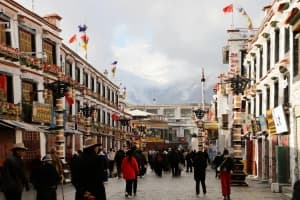
Barkhor Street is in the center of the ancient city of Lhasa. Its shape is round as if it were a large clock, and the magnificent Jokhang Temple is the clock axis. It is the most intact street in Lhasa. You will feel the religion, economy, culture, ethnic handicrafts, and even local conditions and customs of Tibet.
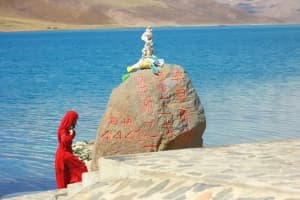
Yamdrok Lake is the largest closed inland lake in the south of the Qinghai-Tibet Plateau. It is a unique natural scenic spot integrating plateau lakes, snow-capped mountains, islands, pastures, hot springs, wild animals and plants, temples, and other landscapes. It is one of "the three major Tianhu lakes" in Tibet and surrounded by insoluble snow-capped mountains and ice peaks all year round. The blue color of Yamdork Lake will change with the change of irradiation light, resulting in different lake colors, such as light blue, deep blue, and peacock blue.
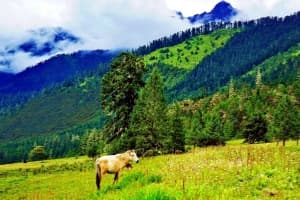
Lulang Forest is a forest in clouds and mist, which is picturesque, surrounded by snow-capped mountains, and neat meadows like artificial pruning. Many dwellings are built in this heavenly forest surrounded by mountains and rivers, winding streams, and thousands of wildflowers, which is like a paradise.
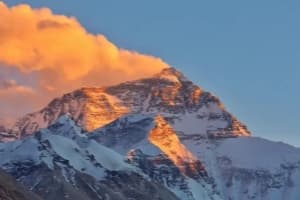
Mount Everest Base Camp is the best place for you if you are an adventurer or climber. Walking to the base camp is a challenging but meaningful experience with magnificent views of the surrounding Mount Everest. On the way, you will pass picturesque Sherpa villages, ancient monasteries, and rugged landscapes. Standing at the base camp, you can feel the power of the majestic Mount Everest. We can say that Mount Everest is an extraordinary miracle in Tibet.
Yumbulakhang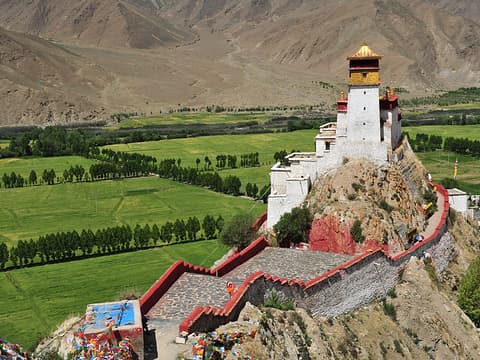
Yumbulakhang is the first palace in Tibetan history, which stands on the top of a mountain and is well-known for its chic architectural style. It is the origin of Tibetan civilization in the hearts of Tibetan people. There are statues of Songtsen-Gampo and Princess Wencheng in the temple. The accumulation of more than 2,000 years makes this palace more mysterious and brilliant. You can see the change in dynasties and war from exquisite murals and statues.
Mount Kailash
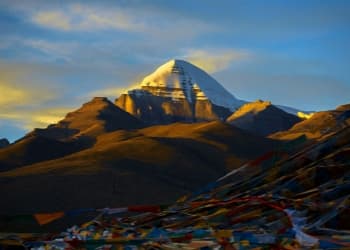
Some places are difficult to describe in words, and you can only go there to experience them. Mount Kailash is such a place that it is the first sacred mountain in the hearts of Tibetans. It has a unique mountain shape. Some say it looks like a majestic pyramid, while others see swastika(万字符) from ice troughs and rock formations. You can visit various ancient temples around it and feel the profound culture of Buddhists. Mount Kailash is not only a breathtaking mountain, but also a holy place of spirit.
Gala Peach Blossom Village
Gala Peach Blossom Village
Gala Peach Blossom Village is the best place to enjoy peach blossoms. From mid-March to early April, peach blossoms all over the mountains begin to cover the hillside, and rows of blooming peach blossoms make the whole hillside dazzling under the village support of stepped green wheat fields. You can enjoy the hospitality of Tibetan girls when you come to this fairy-like Peach Blossom Village. Tibetan girls will enthusiastically offer cups of highland barley wine and toast songs.
....
Some Suggestions to Plan Tibet Tour
How to arrange your visit to Tibet for the first time? Here are some suggestions.
To ensure a smooth trip to Tibet, it's important to plan your travel time in advance and choose the appropriate time and area to enter Tibet according to your needs. It's also recommended to travel in groups, which is the most cost-effective and convenient way. Traveling with friends will make your trip more enjoyable and memorable.
If you're unfamiliar with Tibet's geography and cultural environment, it's best to enter Tibet with a group. This is especially important for foreigners who must bring independent tour guides due to the language barrier. A reliable and professional tour group is essential for a hassle-free experience. You can communicate with the leading tour guides at any time, saving you a lot of unnecessary trouble.
Lastly, it's important to purchase tourism equipment according to the climate and environment of your travel routes and destinations, instead of blindly buying them. This will ensure that you're well-prepared for your trip and can enjoy it to the fullest.
Visit Tibet with Reliable Travel Agency
Thanks to its large size, Tibet is not flooded by visitors even in the peak seasons compared to other travel destinations.
To better explore Tibet, choose a reliable travel agency that will help you make your dream tour come true.
We are here to provide you with unforgettable tours! We have been devoted to inbound tourism for more than 20 years, with 98% 5-star reviews on TripAdvisor.
We will provide you with the best service and price to guarantee you a great Tibet holiday.
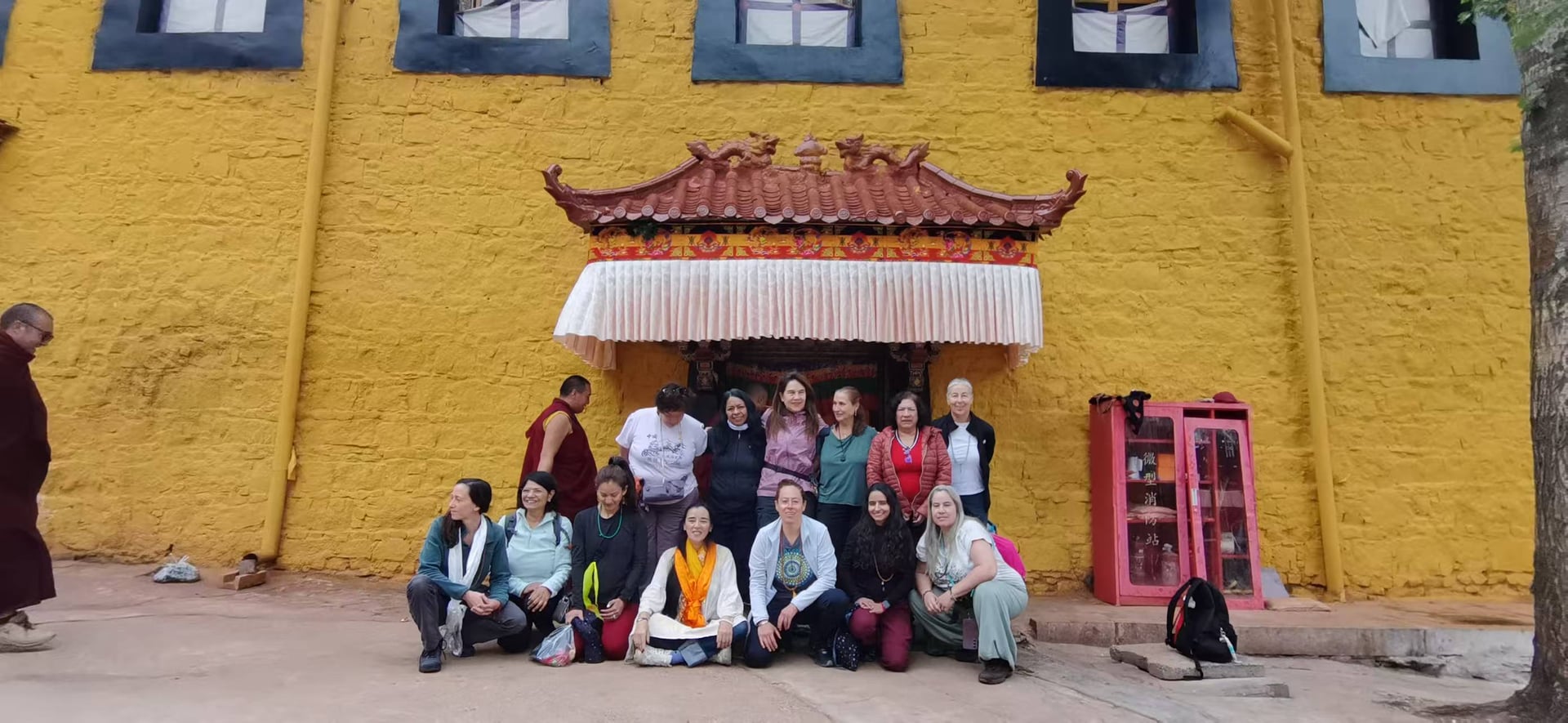
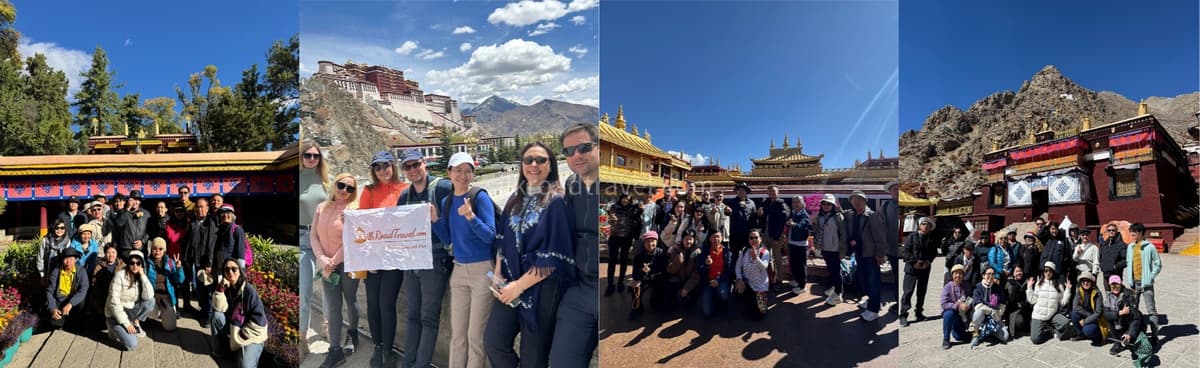
Our Guests in Potala Place
Our Guests in Jokhang Temple