


Urumqi Travel, Things to do, Tour Package, Climate & Tips
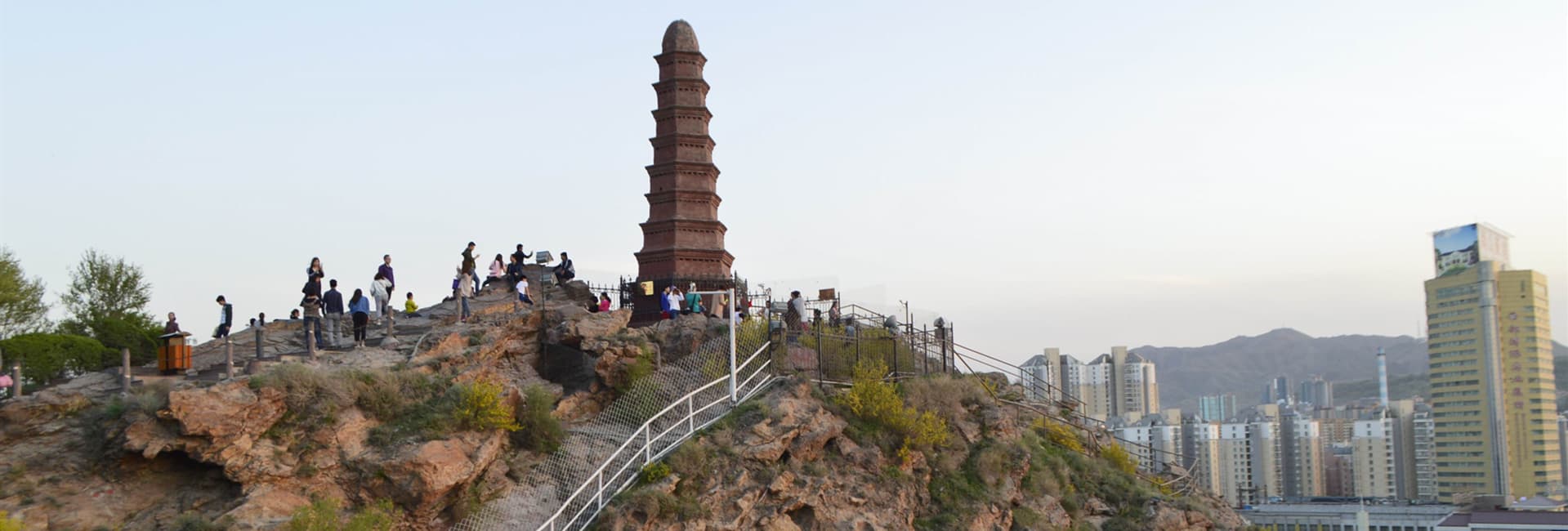
Urumqi, the capital of Xinjiang Uygur Autonomous Region in northwest China, is just like a piece of emerald embedded at the foot of the Tianshan Mountains. As home to 49 minority ethnic groups, this graceful prairie city is an important stop along the ancient Silk Road, leading to Central Asia and even as far as Europe. The famous International Grand Bazaar and Heavenly Lake are the most popular attractions in Urumqi. Red Hill Park and Xinjiang Regional Museum are also great place to visit. Urumqi Travel with the local Agency in Urumqi. Enjoy the best arrangements and cheapest Urumqi Tour packages. The best time to visit Urumqi is from May to October.
The largest city in western China, Urumqi has earned a place in the Guinness Book of Records as the most remote city from any sea in the world. It is about 2,500 kilometres(1,600 mi) from the nearest coastline as Urumqi is the closest major cityto the Eurasian pole of inaccessibility. The city has an administrative area of10,989 square kilometres (4,243 sq mi) at an average elevation of 800metres (2,600 ft).
In Urumqi a semi-arid climate prevails, with very large differences between summer and winter, hot summers, with a July daily average of 23.7 °C (74.7 °F), and very cold winters, with a January daily average of −12.6 °C (9.3 °F). The annual average temperature is 6.9 °C (44.4 °F). The city is semi-arid, with its summers slightly wetter than its winters. Yet sunny weather is more likely inthe warmer months, and relative humidity is the lowest during summer. Its annual precipitation is about 290 millimetres (11.4 in).
In ancient times, Urumqi (which means "a beautiful pastureland" in ancient Mongolian) was an important stop on the Silk Road that helped promote Sino-foreign relations through economic and cultural exchange. The city became a Uygur stronghold in the 8th century AD following periods of tenuous Chinese control during the Han (206 BC- 220AD) and Tang (618-907) dynasties. It came under Chinese control again in the 1760s, and in 1884 the city was made the capital of the newly created Sinkiang Province. Known officially by its Chinese name of Dikhua after 1763, it was renamed Urumqi in 1954 and in 1955 became the capital of the new Xinjiang Uighur Autonomous Region. Industrialization, previously hampered by isolation, accelerated after the discovery (1955) of petroleum deposits at nearby Karamay in 1955.
Local Specialties: Uygur embroidered hat, Yengisar's small knife, Uygur instrument, Xinjiang's carpet, beautiful jade, cantaloupe, Aksu's apricot, Turpan's grape, snow lotus, cashmere sweater of "Tianshan" brand, walnut, megranate and Korla's fragrant pear
Local Food: Mutton Cubes Roasted on a Skewer, Roasted Whole Sheep, Rice Eaten by Band, Grape of Horse's Mammilla Shape, Steamed Stuffed Bun with Thin Skin, Local Gigot, Mutton Eaten by Hand, Youtazi, Pancake of Wheat of Corn Flour, Oil Fried Wheatern Food and Niangpizi.
Folk Customs
Xinjiang Dance: Uygur folk dances are distinguished by head and wrist movements. Their clever coordination is enhanced by the typical posture of tilted head, thrust chest and erect waist. The dances, Sanam in particular, express the Uygurs' feelings and character.
Dawaz: For the Uyghur people who live in Xinjiang province in the far West of China, tightrope walking has been a tradition for thousands of years. Tightrope walking is called dawaz in the local language. The native language of the Uyghurs is related to the Turkic languages spoken in other countries in Central Asia.
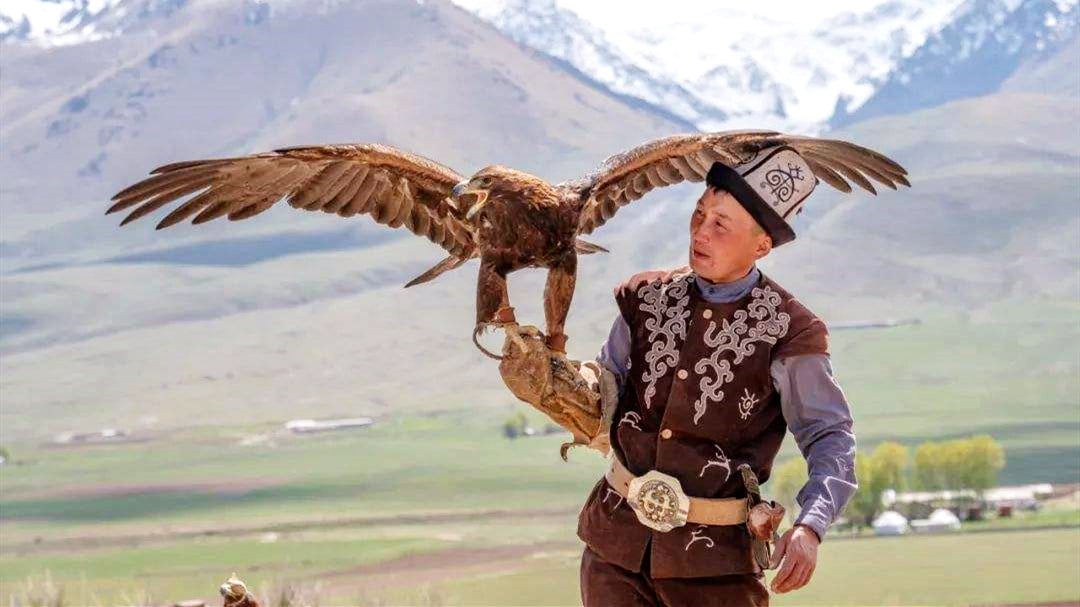
Lamb Grabbing: This is a traditional sport played on horseback, is popular among in Xinjiang, particularly Kazak herdsman. Highly competitive among skilled horsemen, it also is a form of group entertainment at festivals or on important occasions. Players on each team try by every means to grab the lamb and take it away from the other team.
The Most Useful Travel Info in Urumqi
Local Cuisine in Urumqi: Xinjiang cuisine reflects the cooking styles of many ethnic groups of the Xinjiang region
Shopping Information in Urumqi: Unlike other cities in south Xinjiang, Urumqi has become a modern city.
Best Time to Visit Urumqi: The best time to visit Urumqi is from May to October. The harvest time for fruits is from July
Transportation Information In Urumqi: Urumqi has become a modern city in China. Transportation in Urumqi is quite convenient.