


Chongqing Travel Guide: Explore China's Hotpot Capital & UNESCO Sites
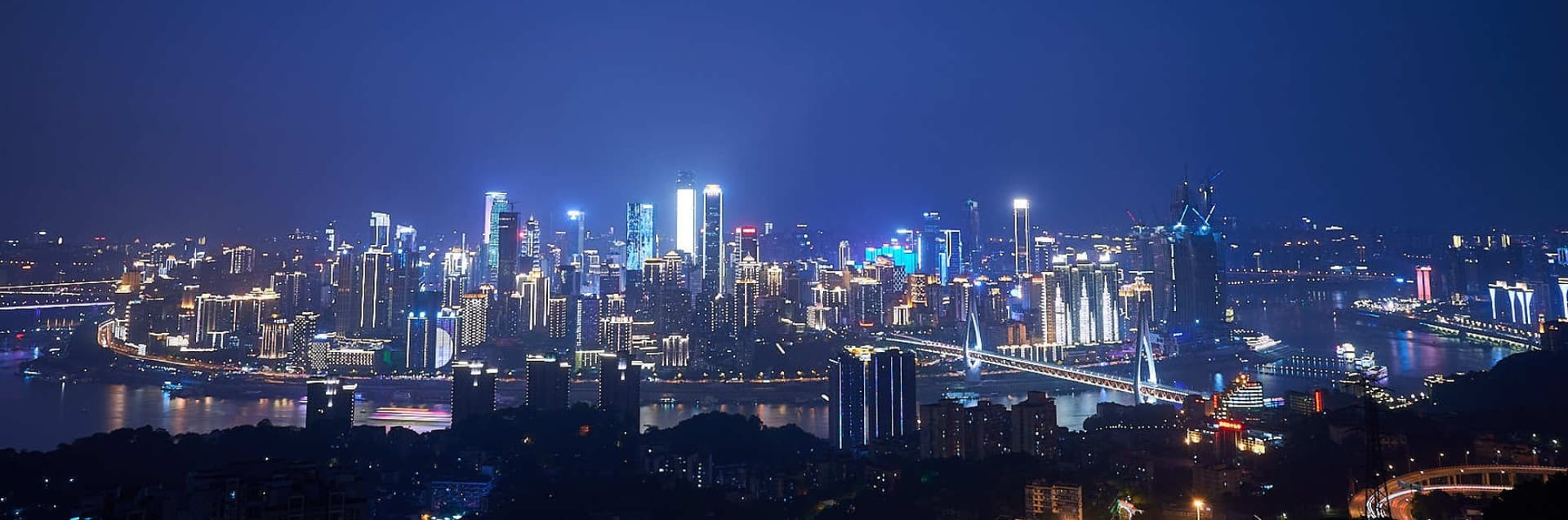
Looking for a reliable Chongqing Travel Guide for your trip to Western China? Sitting where the Yangtze River meets the Jialing River, Chongqing, known as the 8D Magic Mountain City and Hotpot Capital, draws global visitors with surreal cliffside architecture, stunning cyberpunk night views and authentic spicy cuisine.
As a major travel hub in Western China, Chongqing features stacked steep hills, misty river valleys, gravity-defying cliffside buildings and the iconic through-building monorail. Inside this guide, you will discover must-see landmarks including Hongya Cave, two UNESCO World Heritage Sites, local hotpot culture and essential travel advice for foreign tourists.
Why Travel to Chongqing? 4 Core Highlights
Unique 8D Urban Landscape: Cliffside stilt houses, hillside pedestrian trails, monorail trains running through residential buildings, and multi-layered city streets with confusing yet charming vertical layouts
Dual UNESCO World Heritage Sites: Wulong Karst National Geology Park & Dazu Rock Carvings, easy day trips from downtown Chongqing
World-Famous Culinary Culture: The global home of authentic spicy Chongqing hotpot, street snacks and classic Jianghu local dishes
Stunning Nightscape & Budget-Friendly Travel: Free scenic viewing spots, affordable local food, convenient transit and flexible short getaway itineraries for solo travelers, couples and family groups
With over 30 million permanent residents but a compact walkable central core, Chongqing invites you to wander winding mountain staircases, taste numbing-spicy local food, and photograph dreamy neon riverfront night scenes. Our English-speaking travel team designs fully customized Chongqing itineraries including downtown sightseeing, UNESCO day trips and hot spring wellness tours for hassle-free overseas travel. >>>Popular Attractions in Chongqing
Best Time to Visit Chongqing
| Season | Time Range | Weather Features | Travel Advantages | Minor Drawbacks |
| Spring | March–May | Mild 12–24°C, light mist, blooming flowers | City walking, ancient town tours, mild outdoor hiking in Wulong Karst | Occasional light drizzle |
| Summer | June–August | Hot & humid (28–38°C), abundant sunshine | Cool mountain getaways in Wulong, authentic summer hotpot feasts | High daytime heat; peak tourist crowds |
| Autumn | September–November | Crisp dry air, 10–26°C, clear visibility | best travel window for night photography, UNESCO site day trips, vibrant foliage | Slightly higher hotel prices |
| Winter | December–February | Cold foggy weather, 3–12°C | Relax at natural hot springs, quiet off-season ancient town visits, low tour package prices | Limited outdoor hiking visibility on foggy days |
Quick travel tip: For first-time foreign visitors, we recommend spring (April-May) or autumn (September-October) for balanced weather and scenery.
Top Popular Attractions in Chongqing
Hongya Cave (Hongyadong) – Iconic Cliffside Stilt House Landmark
Hongya Cave, or Hongyadong, is a must-visit landmark in Chongqing, blending history, culture, and modern vibrancy. Situated along the Jialing River, this 11-story stilted complex features traditional "Diaojiaolou" architecture, adapting to the city's steep terrain. With a history dating back over 2,300 years, it was originally a military fortress and later a commercial hub. Today, it combines traditional design with modern amenities, offering visitors a glimpse into Chongqing’s past and present.The complex is divided into four main streets, each reflecting the city’s rich cultural heritage while providing modern attractions like restaurants, bars, and shops.
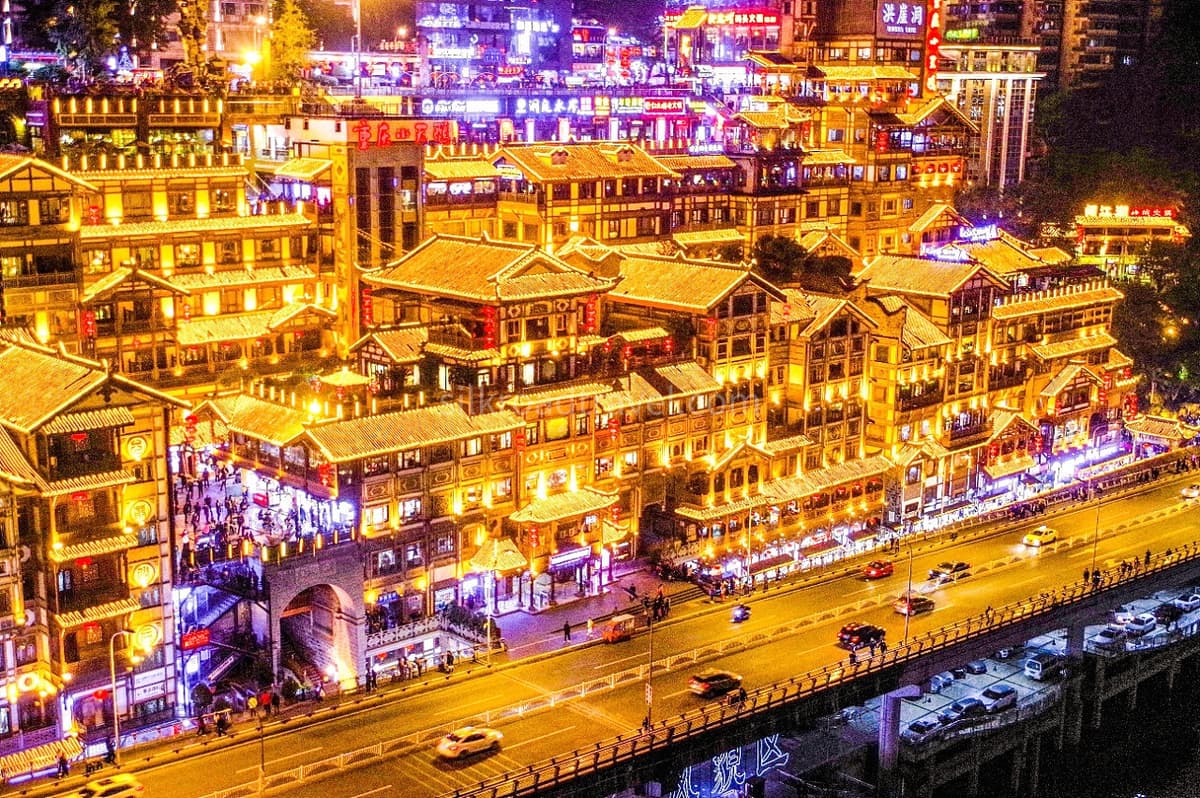
At night, Hongya Cave transforms into a fairy-tale scene with thousands of colorful lights, creating a mesmerizing atmosphere that attracts photographers and tourists alike. This contrast between traditional architecture and vibrant lights embodies Chongqing’s dynamic character.Beyond its visual appeal, Hongya Cave is a cultural and culinary hub. Visitors can explore traditional Bayu culture through local crafts, costumes, and performances, while food enthusiasts can enjoy Chongqing’s famous spicy cuisine, including hotpot and street snacks. The complex also hosts regular cultural events and festivals, adding to its lively atmosphere. For a captivating experience, visit Hongya Cave in the evening when the lights come alive, and take time to wander through its streets, savor local delicacies, and immerse yourself in Chongqing’s rich heritage.
Key Travel Tips for Hongya Cave
The golden visiting window is 18:30 – 22:00, when thousands of warm colorful neon lights light up the entire cliffside, creating a fairy-tale landscape perfect for photography
Visitors can browse local Miao/Tujia ethnic handicrafts, watch folk opera performances, and taste classic Chongqing street food including spicy hotpot, fried stinky tofu and sweet cold jelly
Our private Chongqing night tour arranges exclusive photo viewing platforms to avoid crowded mainstream balconies, paired with English guide explanations of local Bayu history
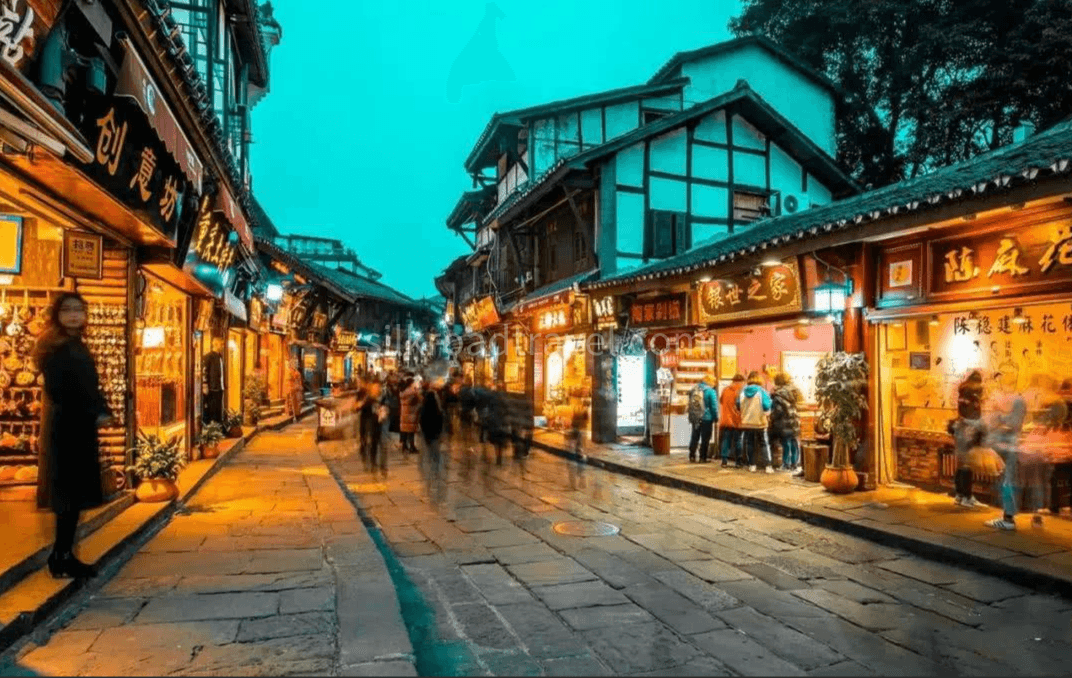
Ciqikou Ancient Town – Well-Preserved Song Dynasty Water Town
Ciqikou Ancient Town, also known as "Little Chongqing," is a historic and cultural landmark in Chongqing. Located in Shapingba District along the Jialing River, it dates back to the Song Dynasty and was once a vital water and land dock. The town is famous for its unique topography, described as "one river, two streams, three mountains, and four streets," with the Jialing River in front and hills like Jinyu Mountain and Ma'anshan in the back. The town's architecture reflects traditional Sichuan-style design, with stone-paved streets and wooden structures. It is home to various cultural and historical sites, such as BaoLunTemple and the former residence of Lin Sen, the chairman of the Republic of China.
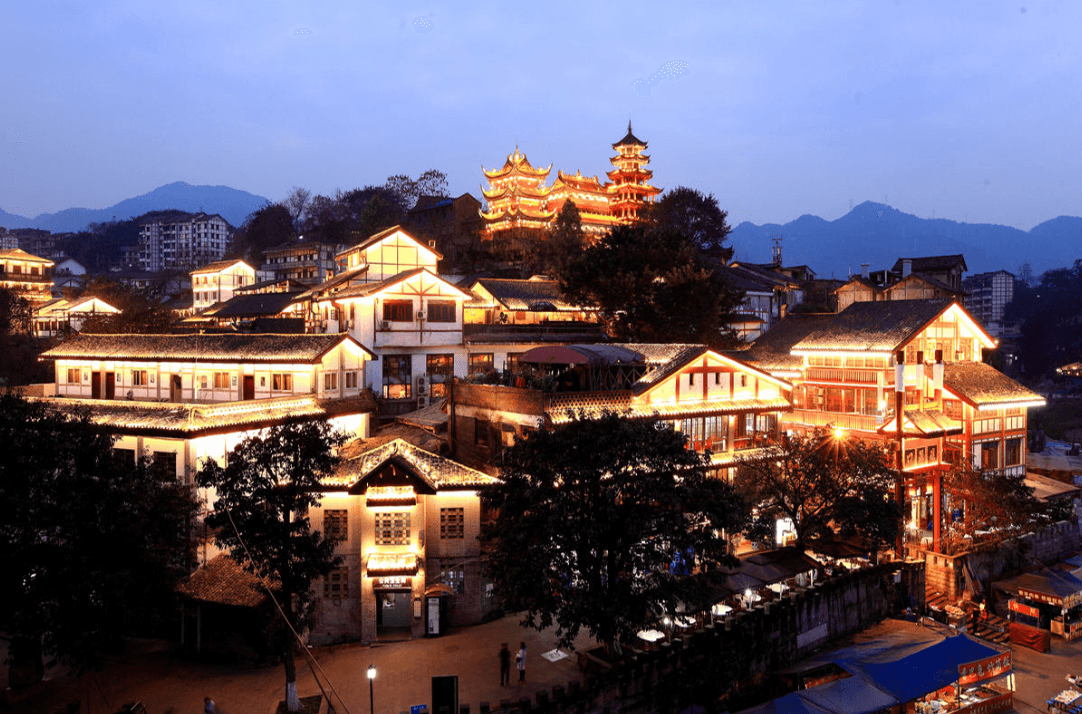
Ciqikou is also known for its rich cultural heritage, including folk customs, religious practices, and traditional handicrafts like pottery and embroidery. Visitors can explore the town's narrow alleys, sample local delicacies like spicy hotpot and Chen's fried dough twists, and enjoy traditional performances like Sichuan opera. The whole town retains original Sichuan wooden tile architecture and stone-paved narrow alleys, housing core cultural sites including Baolun Temple and the former residence of Lin Sen, Republic of China chairman. Travelers can experience authentic folk customs, hand-thrown pottery embroidery workshops, and classic Sichuan opera face-changing shows.
Popular Local Snacks in Ciqikou
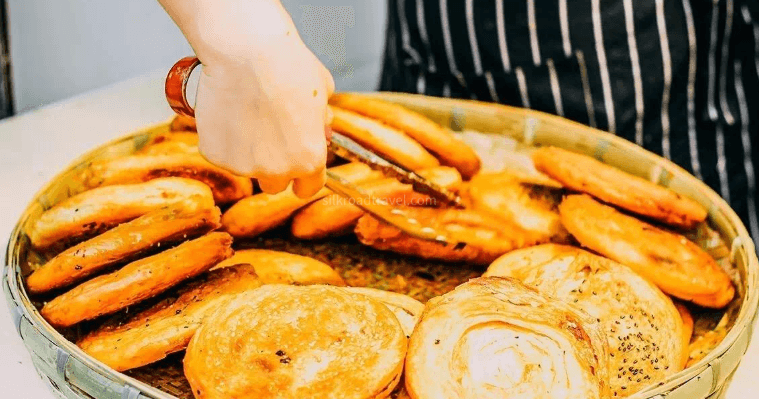
Chen's fried dough twists, spicy bean curd pudding, sesame cake and Sichuan peppercorn candies — perfect souvenirs to bring back home. Since admission is completely free, Ciqikou fits all budget Chongqing travel itineraries for history lovers and casual sightseers alike.
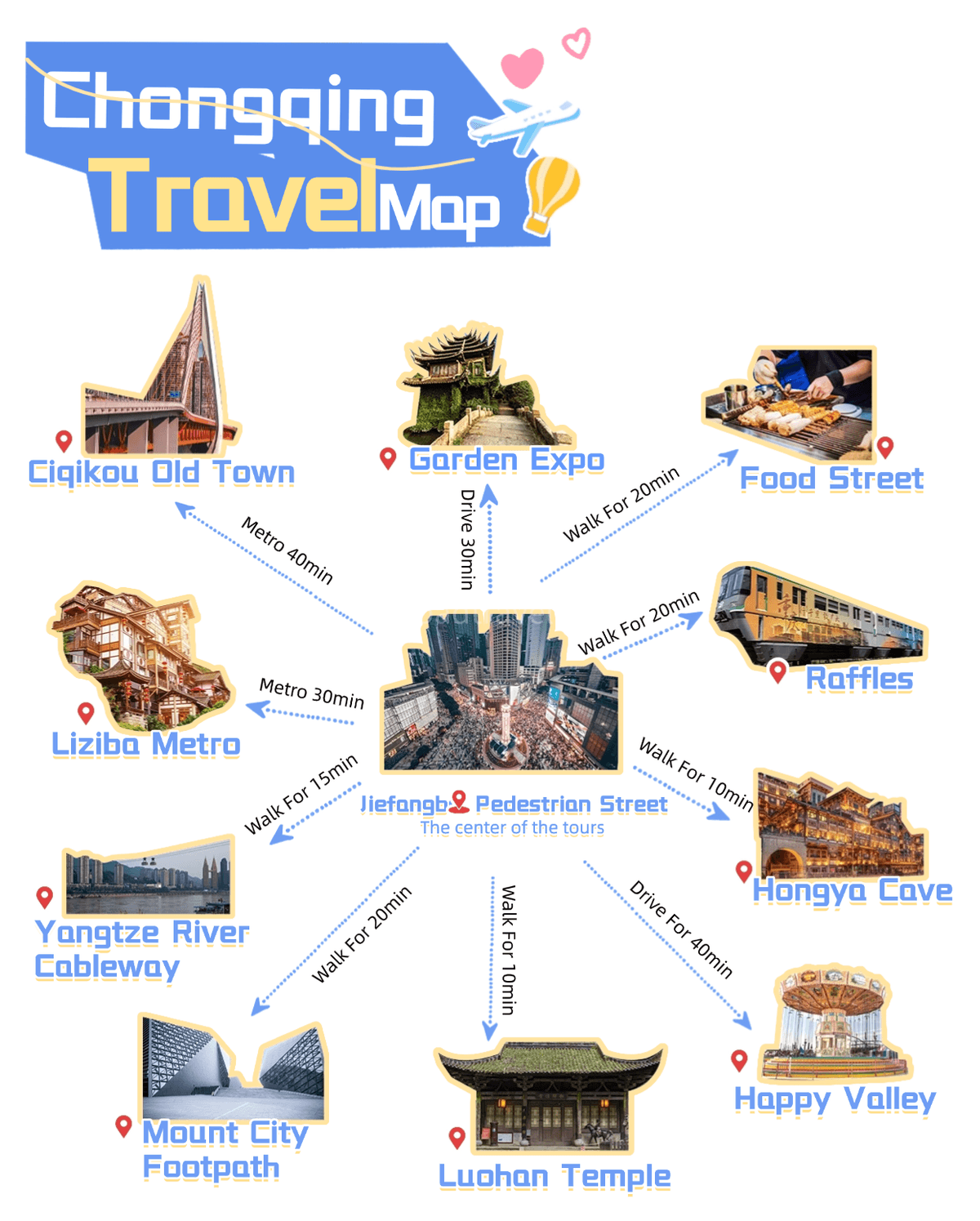
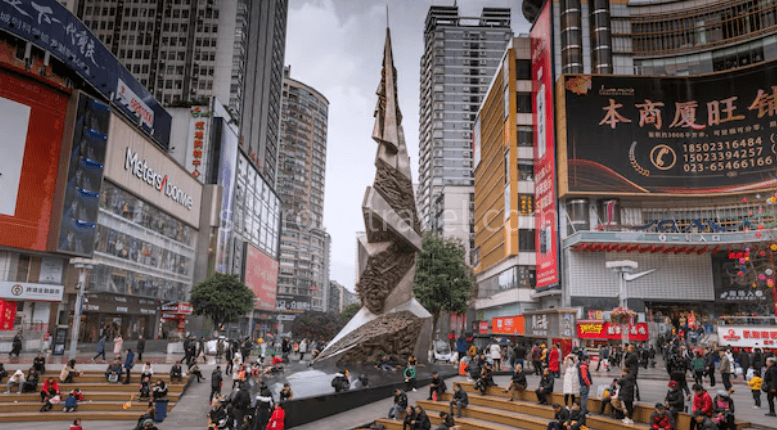
Jiefangbei Pedestrian Street – Downtown Chongqing Commercial & Cultural Heart
Jiefangbei Pedestrian Street is the commercial and cultural heart of Chongqing, located in Yuzhong District. Centered around the Liberation Monument, the street spans Minquan Road, Minzu Road, and Zou Rong Road. Historically a bustling area since the Ming and Qing dynasties, it became a hub during the WWII era when Chongqing served as China’s wartime capital. Originally named the "Victory Monument," it was renamed "People’s Liberation Monument" after 1949.Today, the street is a blend of history and modernity. It is lined with shopping centers, restaurants, and entertainment venues, offering everything from local snacks like spicy hotpot and skewers to international cuisine. The area is also home to historic sites and cultural events, such as the West Clock Festival and Guochao Coffee Culture Festival.Recently renovated, Jiefangbei has evolved into a national model pedestrian street and smart commerce district. It combines traditional architecture with modern retail, making it a popular destination for both locals and tourists. Whether you’re shopping, dining, or soaking in the atmosphere, Jiefangbei Pedestrian Street captures the essence of Chongqing’s vibrant urban life.
The Dazu Rock Carvings, located in Dazu District around 1.5 hours' drive from downtown Chongqing, are a globally renowned UNESCO World Heritage Site inscribed in 1999. The massive cliff carving complex holds more than 50,000 stone statues and 100,000 carved Chinese inscriptions, harmoniously integrating Buddhist, Taoist and Confucian art styles to reflect ancient Chinese religious integration philosophy.
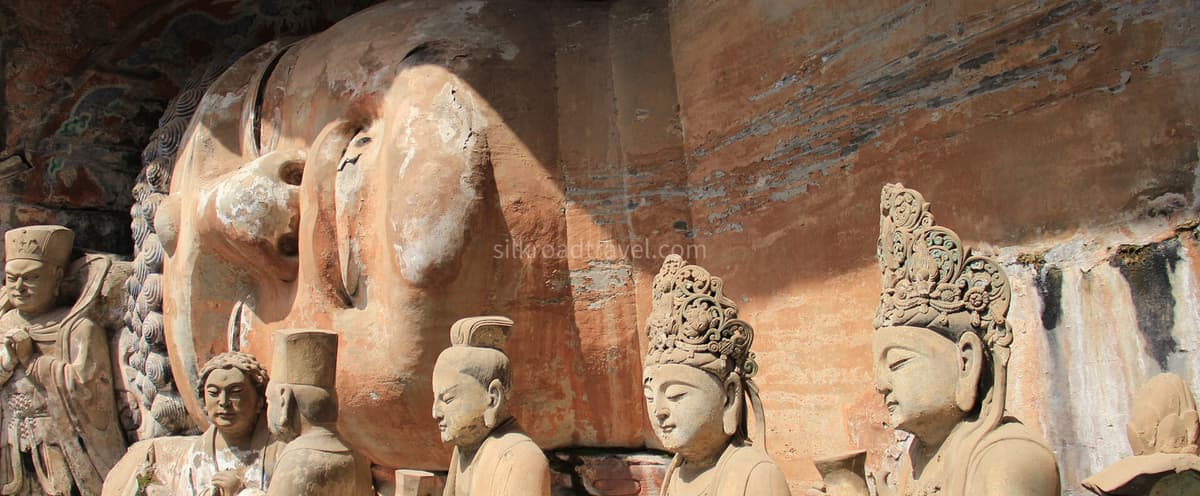
Carving work began in the early Tang Dynasty, peaked during the Song Dynasty, and continued minor additions through Ming and Qing eras. Famous for ultra-fine detailed craftsmanship and excellent natural preservation, they represent the pinnacle of late-period Chinese cave rock art. Five core open scenic areas include Baodingshan, Beishan, Nanshan, Shimenshan and Shizhuanshan; Baodingshan holds the most complete and spectacular sculptures for first-time visitors.
The Dazu Rock Carvings were designated a UNESCO World Heritage Site in 1999, recognized for their cultural and artistic significance. Key sites include Baodingshan, Beishan, Nanshan, Shimenshan, and Shizhuanshan, each featuring unique carvings and themes. These carvings not only showcase exceptional craftsmanship but also provide insights into the religious and cultural landscape of their time. For visitors, the Dazu Rock Carvings offer a profound journey through China's rich artistic and spiritual heritage.
Wulong Karst National Geology Park – UNESCO Natural World Heritage Site
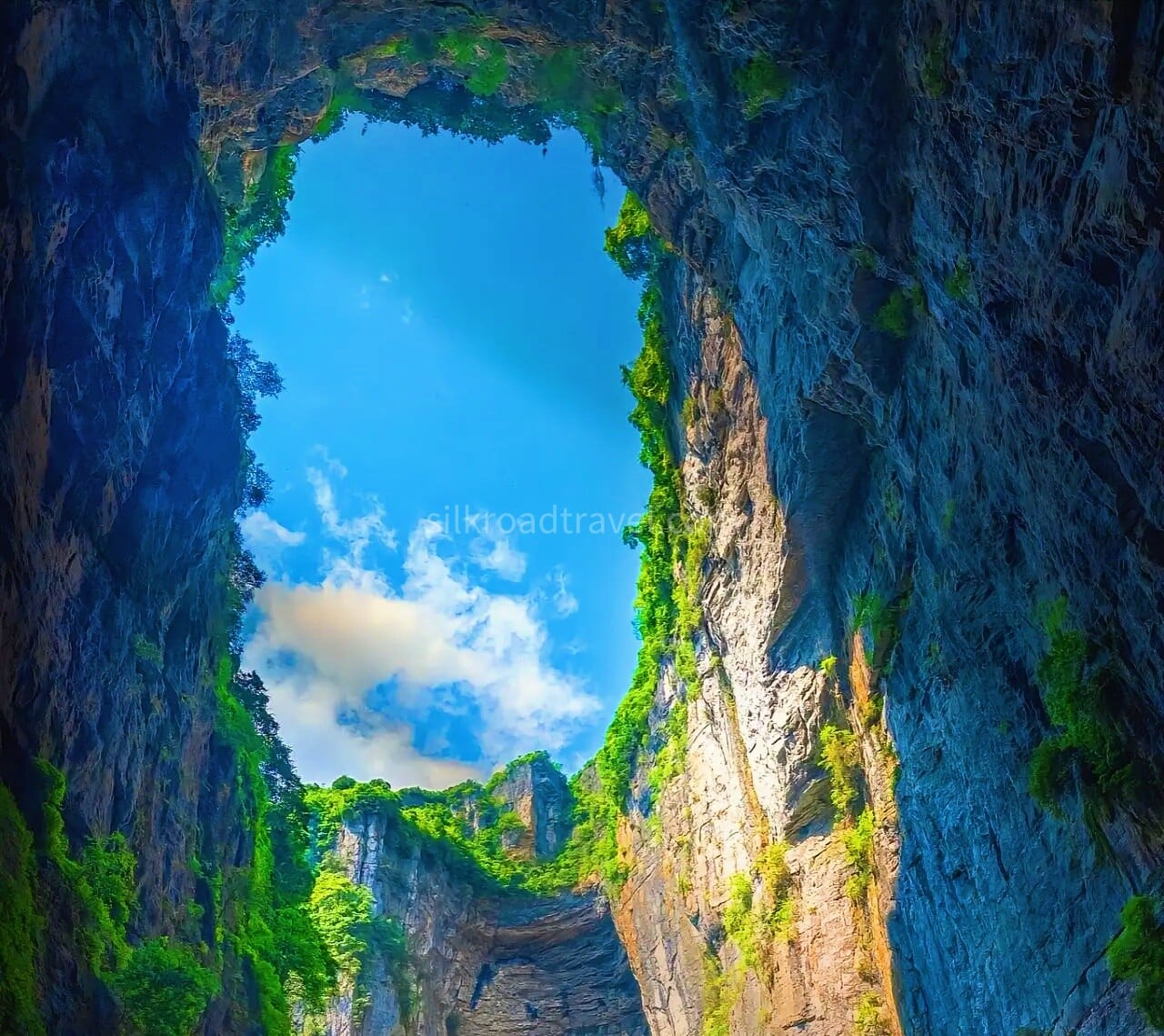
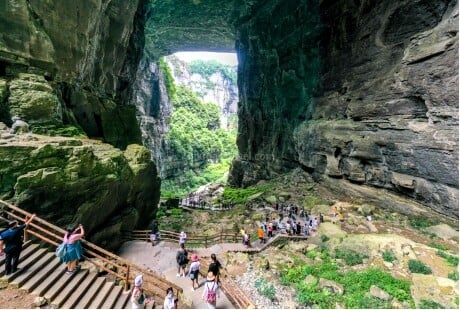
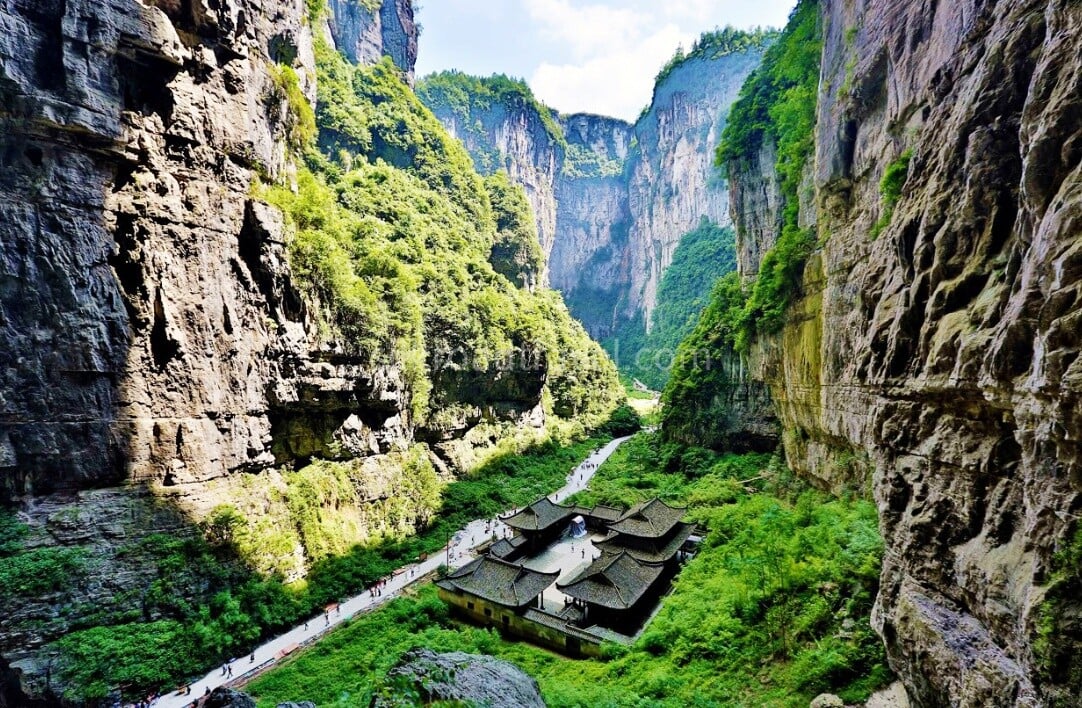
Wulong Karst National Geology Park, located in Wulong District, Chongqing, is a UNESCO World Heritage Site known for its stunning karst landscapes. This park showcases a variety of karst features such as natural bridges, caves, sinkholes, and underground rivers. The park is divided into several main areas, including the Three Natural Bridges, Furong Cave, and Longshuixia Fissure Gorge.
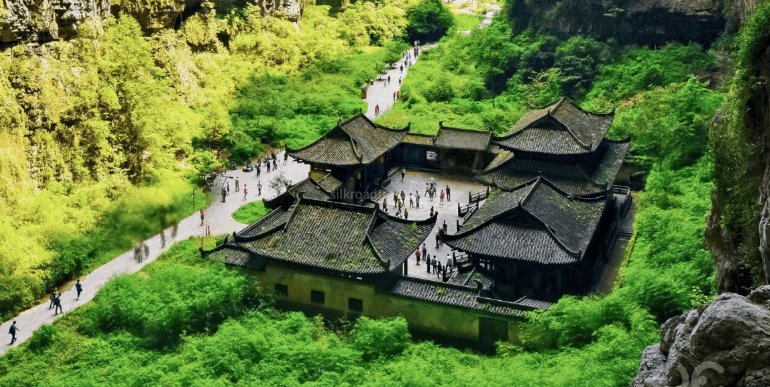
The Three Natural Bridges, named Tianlong, Qinglong, and Heilong, are massive limestone bridges that tower over valleys and rivers. These bridges are not only a natural wonder but also a popular filming location, featured in movies like "Transformers: Age of Extinction." Wulong Karst's landscapes have also been featured in several international films, enhancing its popularity among tourists and geologists alike. The park's unique geological formations and natural beauty make it a must-visit destination for nature enthusiasts and adventure seekers.
Travel Note: Wulong is a classic one-day trip destination from Chongqing downtown. Our all-inclusive Wulong private tour covers park shuttle transport, English guides and hiking route planning to avoid self-driving transit troubles for overseas tourists.
Must-Try Local Chongqing Cuisine
As China's official Hotpot Capital, Chongqing's food culture ranks among top search topics for international visitors:
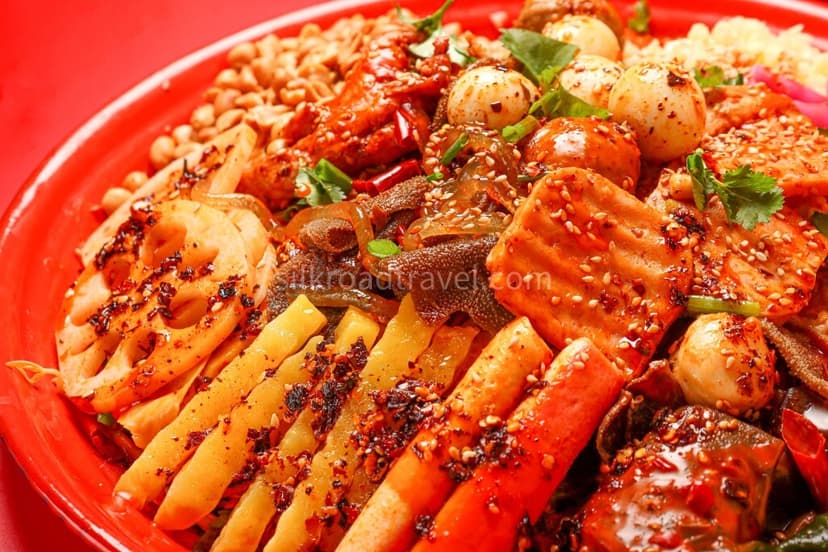
Authentic Spicy Chongqing Hotpot: Numbing Sichuan peppercorn broth, beef slices, lotus root and enoki mushroom core ingredients
Jianghu Local Dishes: Boiled spicy fish, mapo tofu, dry pot chicken
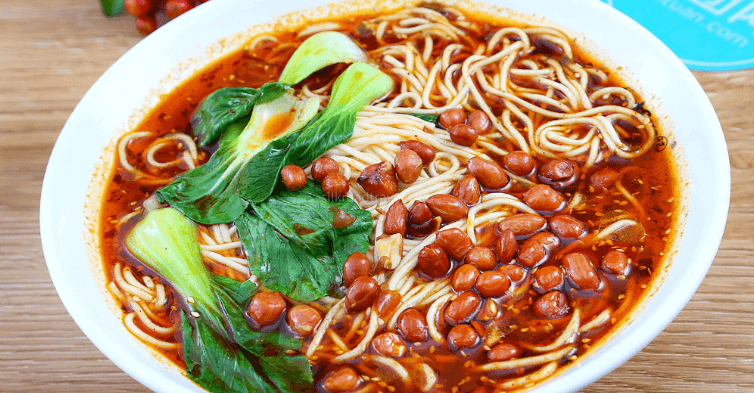
Street Snacks: Spicy cold noodles, fried stinky tofu, Ciqikou fried twists, cold rice jellyAll our custom tour packages include pre-booked authentic local hotpot restaurants with English menus for foreign travelers.
Essential Travel Tips for Foreign Visitors
Transit Tips: Download Amap (Gaode Maps) for offline navigation; Line 2 monorail stops at viral Liziba Station (train through residential building), a free top photo spot
Visa & Entry: Eligible passport holders enjoy 144-hour visa-free transit via major Chinese airports to travel Chongqing
Photography Guide: Best night view spots – Hongya Cliff, Nanshan Observation Deck, Yangtze River Cableway cabins
Tour Service: Our local travel agency provides 1–7 day tailor-made Chongqing packages, combining downtown city sights, two UNESCO world heritage day trips and natural hot spring wellness experiences for solo, couple and family foreign tourists.