


Pakistan Travel: Transportation, Hotels, Weather & Tips
The Islamic Republic of Pakistan is a country full of history and cultural charm in South Asia. It is located in the northwest of the South Asian subcontinent, bordering India to the east, China to the northeast, Afghanistan to the northwest, Iran to the west and the Arabian Sea to the south. It has a coastline of 980 km and a total area of 796,095 square kilometers (excluding the Pakistan-controlled Kashmir region).Urdu is the national language, and both Urdu and English are the official languages.Islamabad is capital of Pakistan, a city carefully planned and constructed in 1960, which has a beautiful environment and well-organized urban layout.
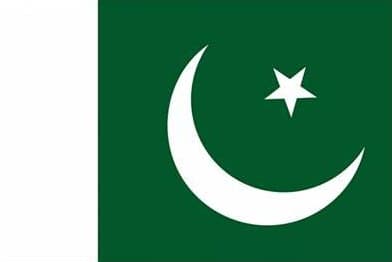
The flag of Pakistan is rectangular with a length-to-width ratio of 3:2. White symbolizes peace, representing the Hindus, Buddhists, Christians, Zoroastrians and other ethnic minorities in the country. Green symbolizes prosperity and also represents Islam. The crescent moon symbolizes progress and the five-pointed star symbolizes light.
The Most Popular Attractions
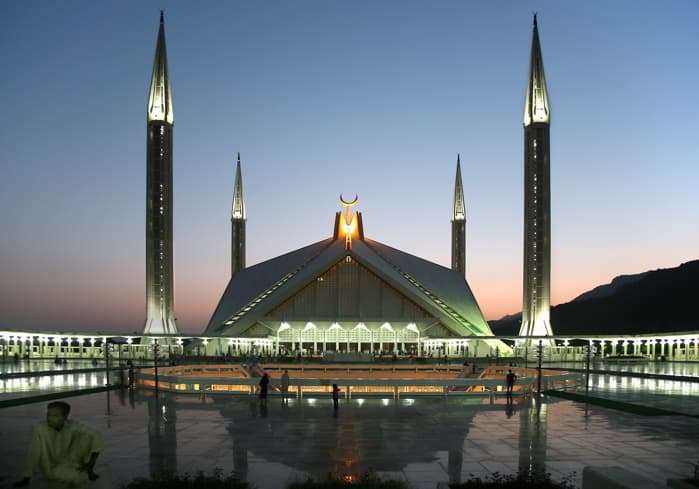
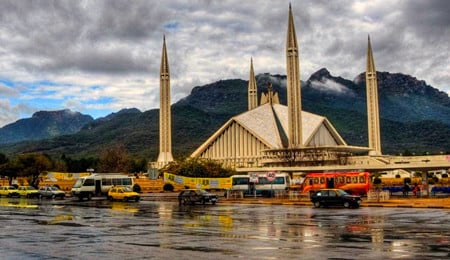
Nestled in the heart of Islamabad, the capital city of Pakistan, the Faisal Mosque stands as a testament to modern Islamic architecture and a place of profound spiritual significance. As you approach this magnificent structure, you'll be immediately struck by its unique design. Unlike traditional mosque architecture with domes, the Faisal Mosque resembles a Bedouin tent, with four towering minarets that seem to reach towards the heavens. This innovative design was the brainchild of the renowned Turkish architect, Vedat Dalokay, and it has made the Faisal Mosque a global icon.
2.Lahore Castle
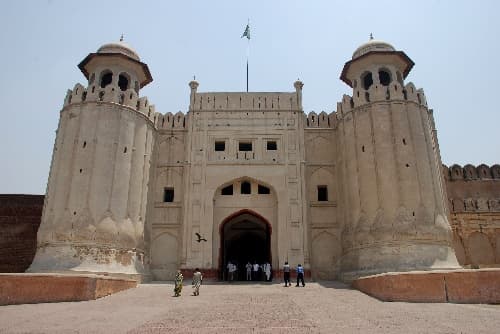
As you wander through the vibrant city of Lahore in Pakistan, one of the most captivating historical sites that you simply must visit is the Lahore Castle.As you approach the Lahore Castle, also known as Shahi Qila, you'll be immediately struck by its imposing red sandstone walls. These walls, standing tall and proud, have witnessed centuries of history and are a testament to the grandeur of the Mughal era. The intricate carvings and detailed architecture on the walls are a sight to behold, giving you a glimpse into the incredible craftsmanship of the time.One of the highlights of your visit will undoubtedly be the Sheesh Mahal, or the Palace of Mirrors.
3.Deosai National Park
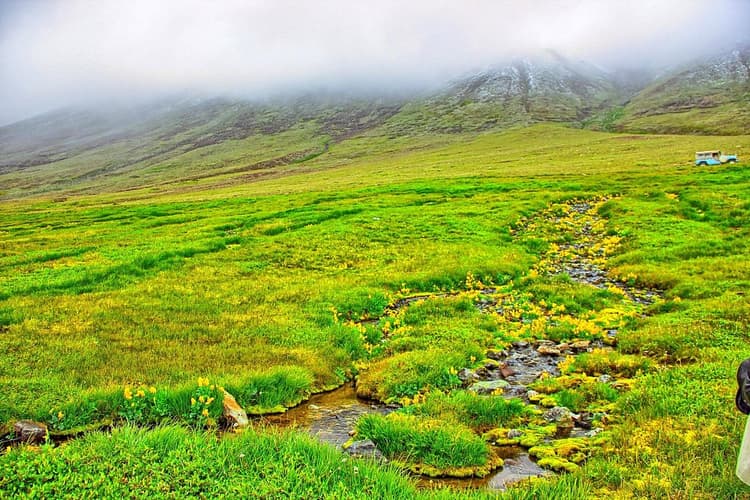
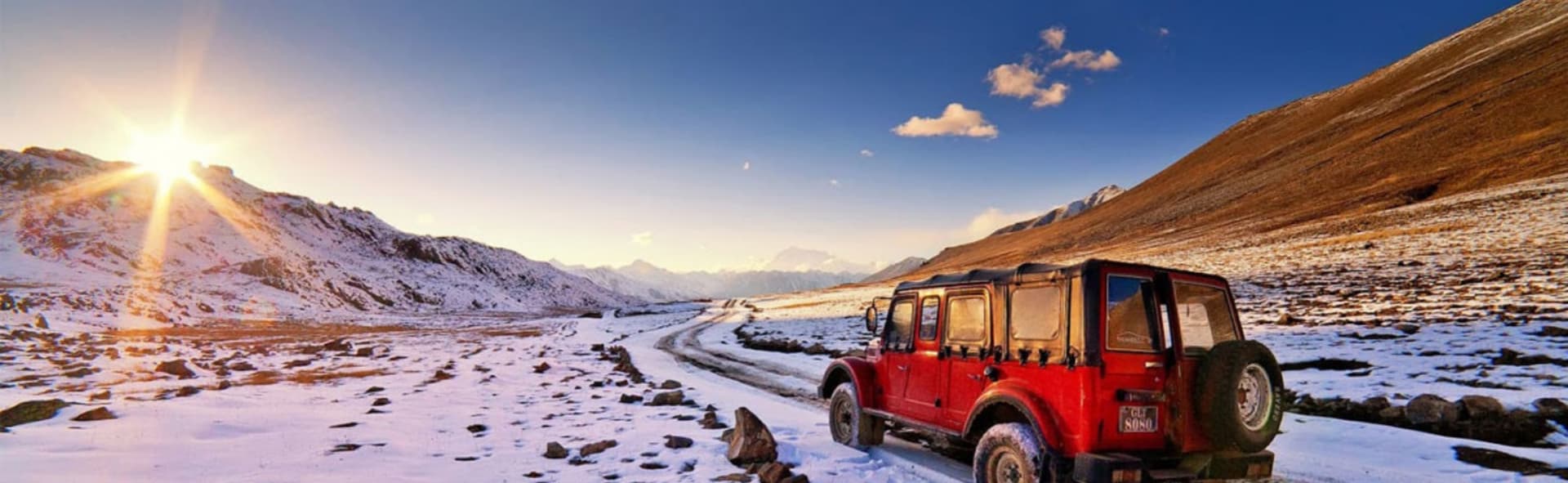
Nestled in the northern reaches of Pakistan, Deosai National Park is a realm of unparalleled natural beauty that awaits your exploration.As you make your way towards Deosai National Park, the journey itself is a prelude to the wonders that lie ahead. The winding roads lead you through a landscape that gradually transforms, with towering mountains and lush valleys giving way to the unique high-altitude plateau of Deosai. You'll feel a sense of anticipation building as you draw closer to this pristine wilderness.Once you step foot into the park, you'll be greeted by a vast expanse of rolling meadows that seem to stretch on forever.
4.Qogir(K2)
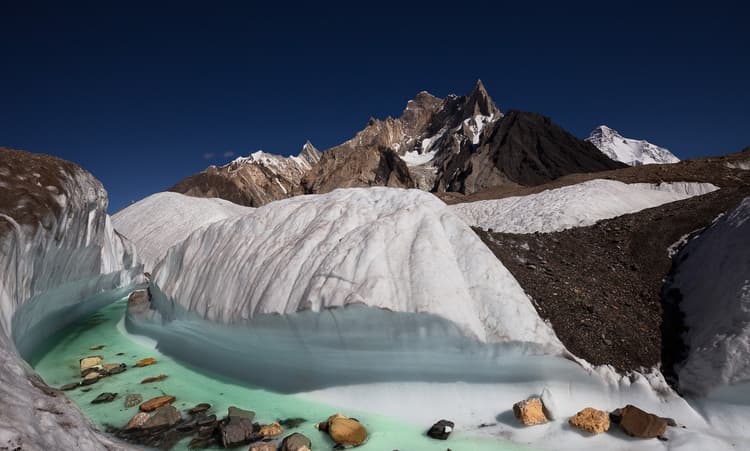
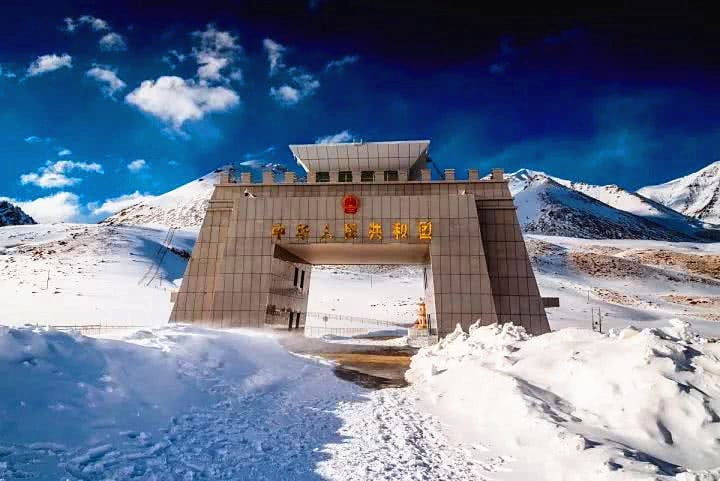
Qogir, also known as K2, is the second-highest mountain in the world and is located in the Karakoram Range on the border between Pakistan and China. Embarking on a journey related to Qogir in Pakistan is an adventure like no other, filled with challenges, awe-inspiring scenery, and a deep sense of accomplishment.You'll wind your way through narrow mountain roads, surrounded by towering peaks, deep valleys, and rushing rivers. The landscape is a dramatic display of nature's raw power and beauty, with rugged rock formations and patches of snow even at lower altitudes.
Why travel to Pakistan
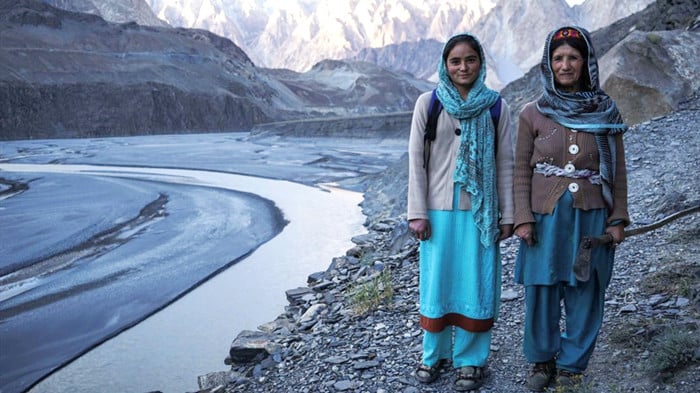
Well, it's a land of wonders waiting to be explored.First, nature lovers will be in awe. Pakistan is home to some of the world's most stunning mountain ranges, like the mighty Himalayas and Karakorams. Imagine standing amidst towering peaks, with glaciers stretching as far as the eye can see. The Hunza Valley, with its clear blue skies and emerald landscapes, is like a fairytale come to life.Second,Foodies, prepare your taste buds for a treat! Pakistani cuisine is a symphony of flavors. Spicy kebabs, rich curries, and sweet desserts like gulab jamun are just a few of the culinary delights you can savor.
Best time to travel Pakistan
Planning a trip to Pakistan? The best time to visit really depends on what you want to experience! If you're not a fan of extreme heat, the winter months from December to February are perfect. The temperatures are pleasantly cool, ranging from 4-20℃. It's an ideal time for exploring cities like Lahore and Islamabad, visiting historical sites without breaking a sweat.
For nature lovers who want to enjoy the outdoors, spring (March-May) is a great choice. Although it can get a bit hot, especially in May with highs of 35℃, the landscapes come alive with blooming flowers. You can take amazing hikes in the mountains and enjoy the fresh air. However, if you don't mind the rain and want to see Pakistan's lush side, the summer rainy season from June to September has its charm. Just be aware that some areas might get heavy rainfall, especially in July and August. But the greenery and the sound of raindrops can make for a unique travel experience. Avoid the retreating monsoon period in October and November if you can, as it's a bit of a transition phase with less stable weather. So, pick your favorite season and get ready for an unforgettable adventure in Pakistan! Would you like to know more?
Tourism Tips
Hey there, future traveler to Pakistan! It's an amazing place to explore, but here are some handy tips to make your trip super smooth.First things first, safety. Pakistan is becoming an increasingly popular tourist destination, but like any place, there are a few risks. There's some street crime in parts of big cities, but it's not as bad as in some other regions. Do your research before you go, know the areas to be cautious in, and you'll be just fine.
When it comes to culture, respect is key. If you visit a mosque or other holy sites, make sure to dress modestly. Women should cover their heads, and everyone needs to take off their shoes. And please don't give money to beggars; it's better to support local charities instead.For your personal belongings, keep them safe. Don't leave cash and valuables in your hotel room when you're out. Spread your money across different pockets. Also, always drink bottled water to avoid getting sick.
And last but not least, if you want to take pictures of people, especially women, always ask for their permission first. With these tips in mind, you're all set for an unforgettable adventure in Pakistan!