


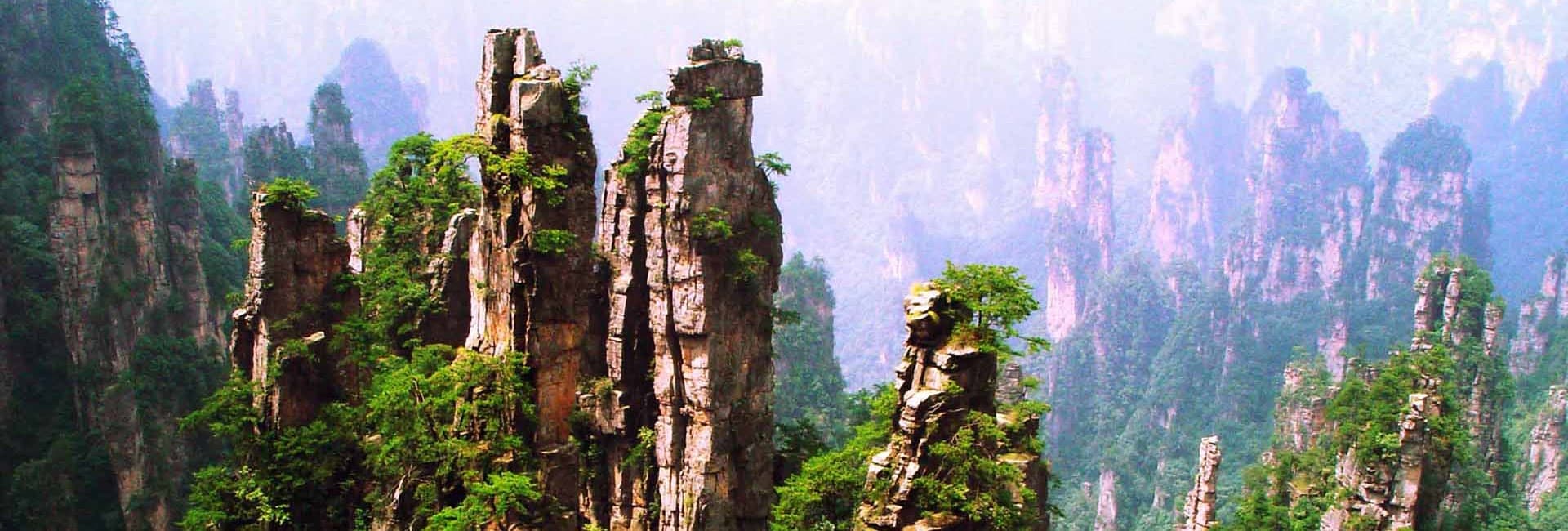

Zhangjiajie Travel: Maps, Attractions & Tips
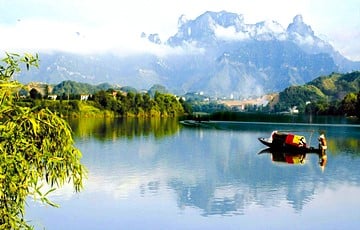
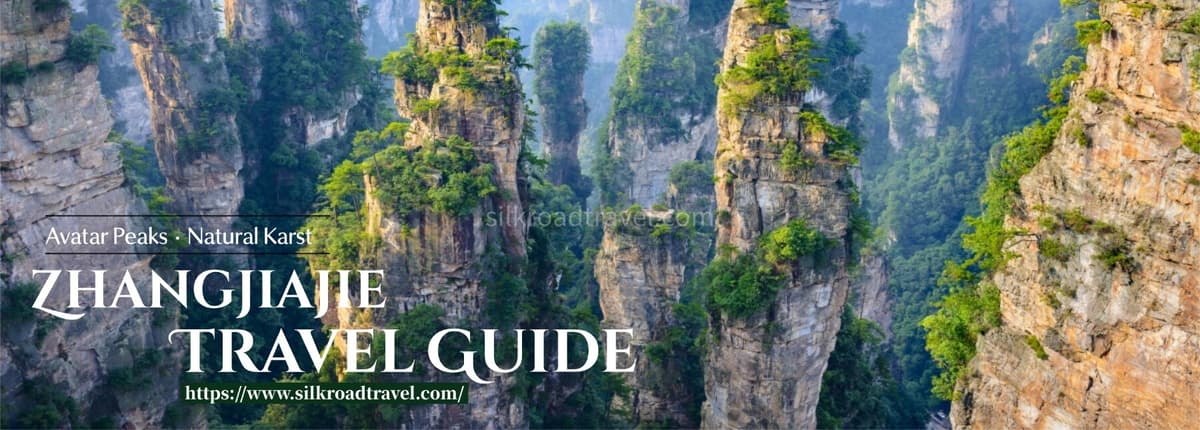
Discover Zhangjiajie Travel with Silk Road Travel, your local China travel expert since 2003. Explore the world-famous Avatar Mountains, Zhangjiajie National Forest Park, Tianmen Mountain and glass bridges through our private Zhangjiajie tours. Zhangjiajie (张家界) is a stunning tourist prefecture-level city located in the northwest of Hunan Province, South China. Renowned worldwide for its dramatic quartz sandstone peak forests, unique karst landforms and profound ethnic culture, it serves as a top destination for international travelers. Whether you are looking for a detailed Zhangjiajie map, transportation guidance, seasonal weather features or practical travel tips, this guide covers all essential information for your Hunan travel plan.
Administratively, Zhangjiajie consists of two districts and two counties: Yongding District(永定区), Wulingyuan District(武陵源区), Cili County(慈利县) and Sangzhi County(桑植县). It hosts the famous Wulingyuan Scenic Area, which was listed as a UNESCO World Natural Heritage Site in 1992, featuring globally rare peak forest landscapes and complete ecological resources.
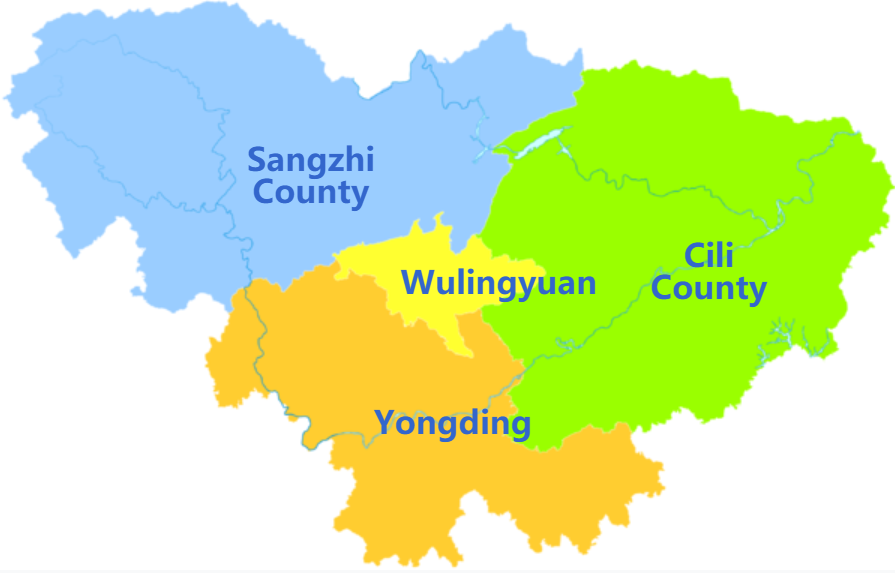
For Visitors exploring the city, a reliable Zhangjiajie city map is key to navigating its four main administrative areas: Yongding District, Wulingyuan District, Cili County, and Sangzhi County. The crown jewel of the region is the Zhangjiajie National Forest Park, part of the Wulingyuan Scenic Area—a grand world natural heritage site that draws millions of travelers every year. Whether you're planning to hike the iconic quartz sandstone peaks or explore nearby villages, our curated maps of Zhangjiajie will help you plan routes, locate attractions, and make the most of your time.
For travelers curious about how to get to Zhangjiajie, the city is easily accessible via Zhangjiajie Hehua Airport (with direct flights from major Chinese cities such as Beijing, Shanghai, Xi'an and so on, making it convenient to reach for both short trips and extended Zhangjiajie travel experience.
Zhangjiajie Features
Chinese: 张家界 Zhangjiajie | Area: 9,543 square kilometers |
Time Zone: UTC+8 | Population: about 1,504,000 |
Location: South China | Climate: Subtropical humid monsoon climate |
Post Code: 427000 | Administration Type: City |
Area Code: (+86) 0744 | Average annual rainfall: around 1,400mm |
Best Time to Visit Zhangjiajie
Zhangjiajie has a subtropical humid monsoon climate with four distinct seasons, sufficient sunshine and abundant rainfall. Spring and summer bring frequent rainstorms, while July to September features seasonal summer drought. Occasional extreme weather such as gales, hail and floods may occur. Spring (April–May) and Autumn (September–October) offer the most stable weather, clear peak forest views and comfortable temperatures, ranking as the best travel seasons. Summer is cool for mountain retreats, while winter presents quiet rime and frost scenery with fewer crowds. >>Zhangjiajie Weather
🌼Spring (April–May) – Top Scenic Choice
Climate advantage: Gentle temperature with soft fog that creates the floating mountain scenery famous as Avatar's Hallelujah Mountains.
Minor downside: Brief rainstorms may appear in late spring; public holiday weekends bring more tourists.
Our exclusive travel solution: Our private custom Zhangjiajie tour arranges early park entry and hidden hiking routes to skip crowds.
🌞Summer (June–August) – Ideal Summer Escape
Climate feature: Mountain valleys stay 5–8°C cooler than city downtowns, perfect to beat summer heat.
Weather risk reminder: Sudden heavy storms may hit remote trails between June and early August.
Our exclusive travel solution: Local English-speaking guides monitor real-time weather alerts and adjust itineraries to avoid dangerous routes.
🍂Autumn (September–October) – Overall Best Travel Season
Climate advantage: Crisp, clear air with zero heavy rain; the most stable weather all year round. Colorful autumn leaves form stunning layered mountain views.
Minor downside: This is the busiest travel window for international tourists.
Our exclusive travel solution: All-inclusive tour packages include priority cable car access and secluded viewing platforms away from mainstream crowds.
❄️Winter (November–March) – Budget Off-Season Hidden Gem
Climate feature: Rare frosty rime landscape you cannot see in other seasons; almost no waiting lines at all scenic spots.
Travel benefit: Hotel, ticket and tour package prices drop to the lowest level annually.
Zhangjiajie Overview & International Popularity
Zhangjiajie is globally famous for its Avatar-style mountain scenery. It has established sister-city relations with Hadong, South Korea since 2006. In 2023, Zhangjiajie received 687,400 inbound tourists, among which over 280,000 visitors came from South Korea, accounting for nearly 40% of all international arrivals. Stable policy support and route expansion ensure continuous growth of overseas tourism resources in the future.
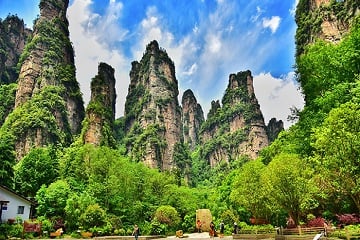
The terrain of Zhangjiajie is dominated by medium and low mountains and hills with obvious altitude differences. The main peak of Tianmen Mountain reaches 1,518.6 meters, while the highest Yuhu Peak stands at 1,609 meters. The iconic quartz sandstone peak forest landform features more than 3,000 scattered stone pillars, forming a rare and spectacular global landscape. Long-term water erosion creates deep canyons and underground karst cave systems, represented by Golden Whip Stream Canyon and Huanglong Cave.
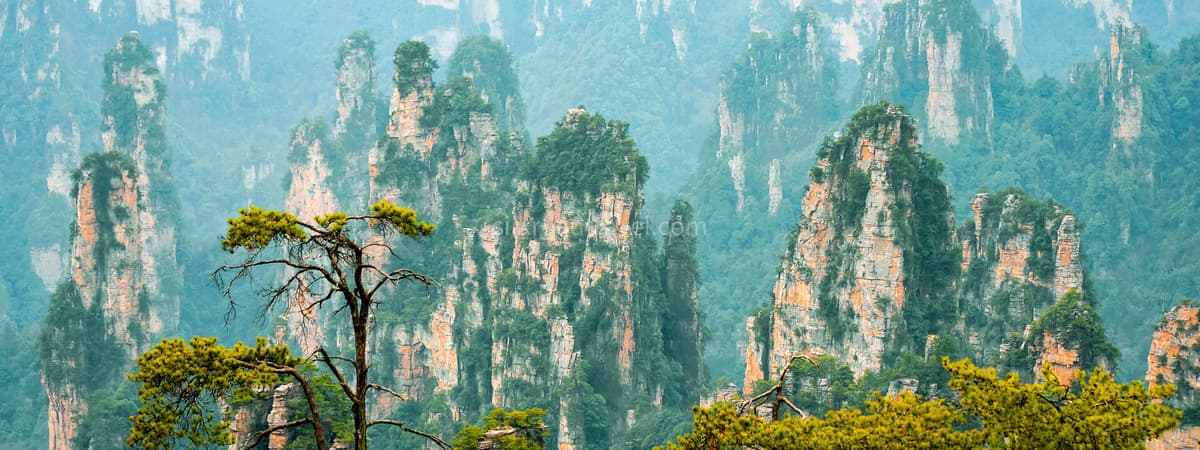
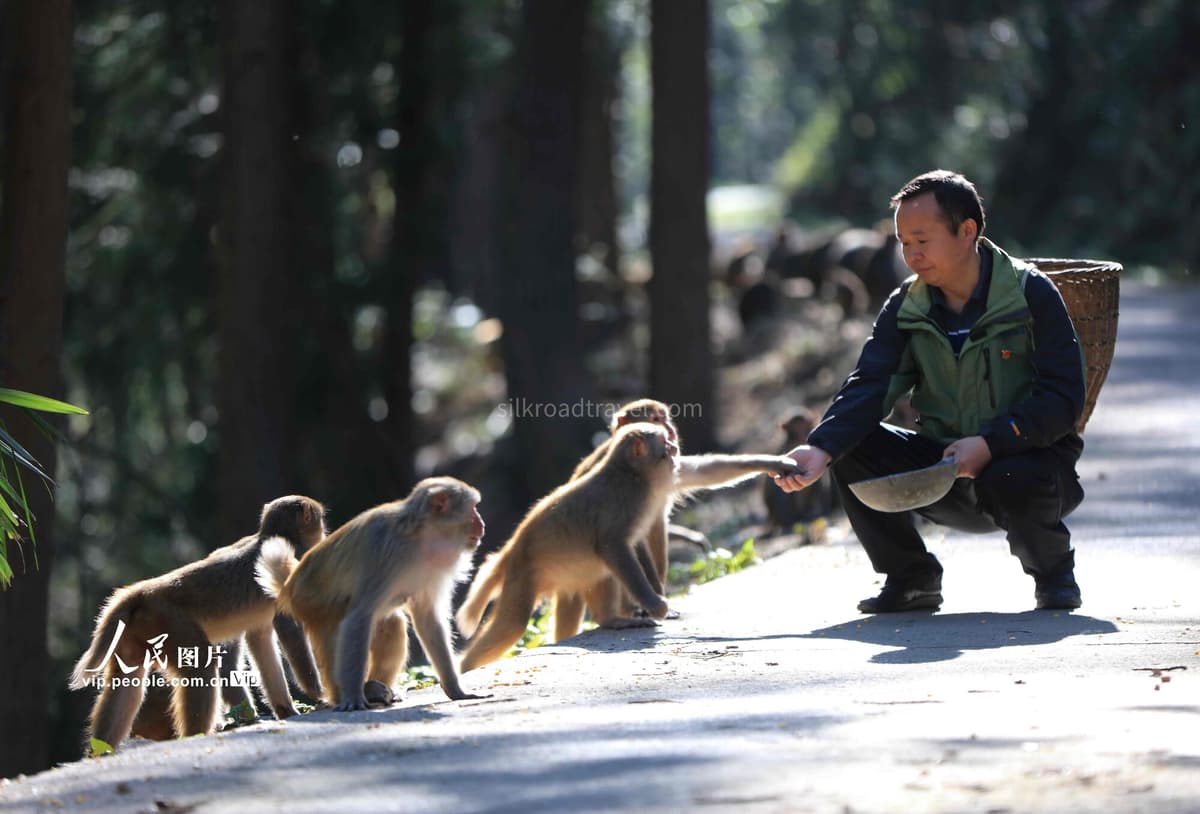
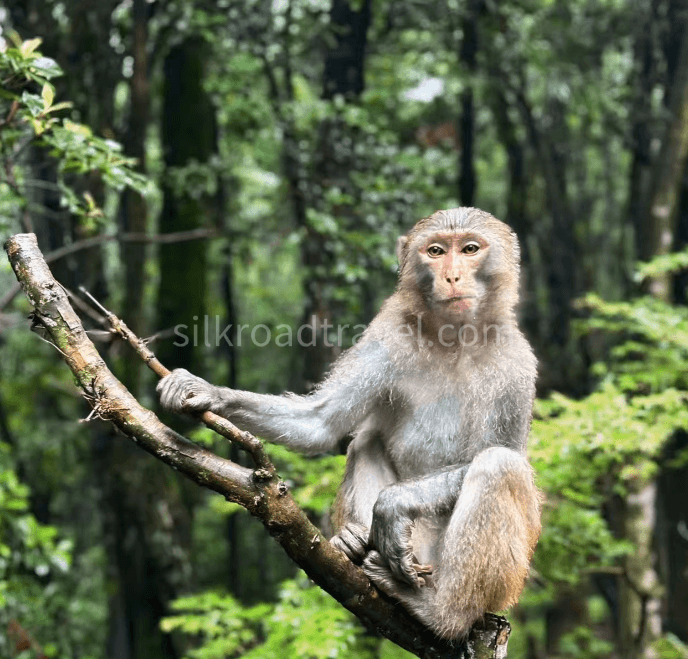
Boasting high forest coverage, Zhangjiajie preserves diverse vegetation and rare wild animals and plants, including ginkgo and paulownia. It also inherits authentic Tujia ethnic customs, such as the Tujia Hand-Waving Dance and Maogusi performance, forming a unique combination of natural ecology and ethnic folk culture.
Top Zhangjiajie Attractions & Scenic Areas
1. Wulingyuan Scenic Area & Zhangjiajie National Forest Park
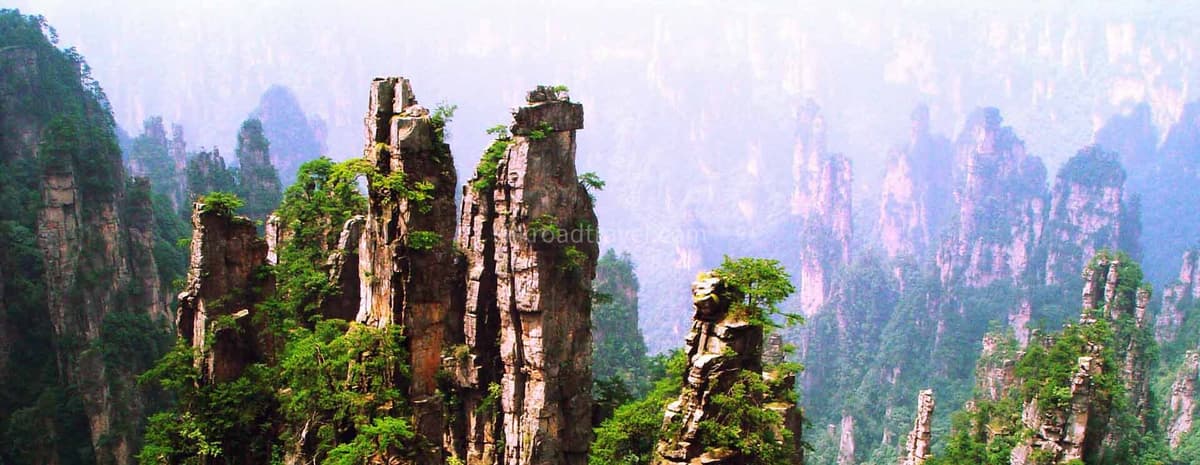
As a UNESCO World Natural Heritage and national AAAAA-level scenic spot, Wulingyuan covers about 500 square kilometers. It consists of four major parts: Zhangjiajie National Forest Park (张家界国家森林公园), Suoxiyu (索溪峪), Tianzi Mountain (天子山), and Yangjiajie (杨家界). The scenic area features over 3,000 bizarre stone peaks and rich biodiversity. Classic highlights include Huangshi Village panoramic platform, the lush Golden Whip Stream, and Yuanjiajie — the real shooting location for Avatar's Hallelujah Mountains. The main attractions of Zhangjiajie National Forest Park include Huangshi Village (黄石寨), Golden Whip Stream (金鞭溪), as well as Yuanjiajie (袁家界), which was the filming location for the "Hallelujah Mountains" in the movie "Avatar".
2. Tianmen Mountain National Forest Park & Avatar Mountains
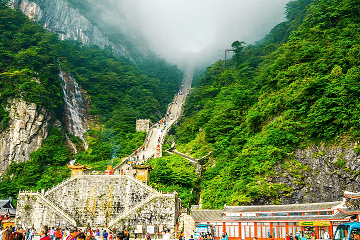
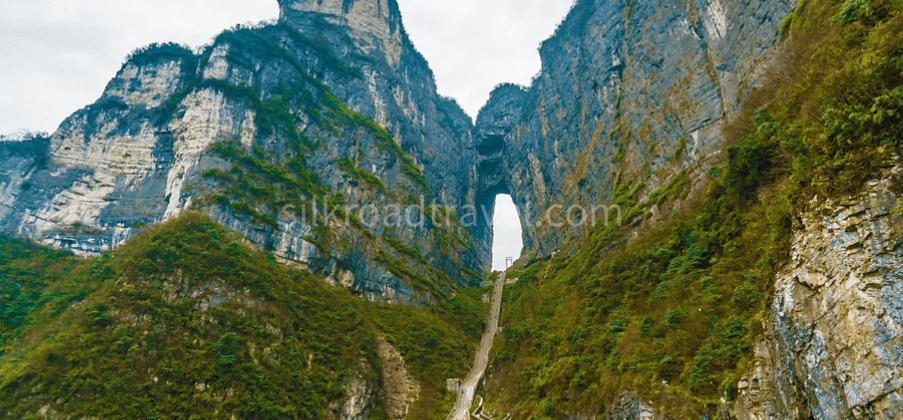
Known as “the No.1 Divine Mountain in Western Hunan”, Tianmen Mountain is a comprehensive tourist destination integrating natural sightseeing, extreme sports and cultural inheritance. Its iconic Tianmen Cave is a naturally penetrated mountain cave, measuring 131.5 meters high, 57 meters wide and 60 meters deep, creating a stunning heavenly gateway view. The mountain has hosted international wing suit flying championships and various cultural events, gaining global popularity.
The main peak of Tianmen Mountain has an elevation of 1518.6 meters, and the highest peak is Yuhu Peak, with an elevation of 1609 meters. The most famous landmark in the scenic area is the naturally formed Tianmen Cave, which is a stone cave that passes through the mountains. It is 131.5 meters high, 57 meters wide, and 60 meters deep, like a gateway to the heavens, breathtaking.
3. Zhangjiajie Grand Canyon
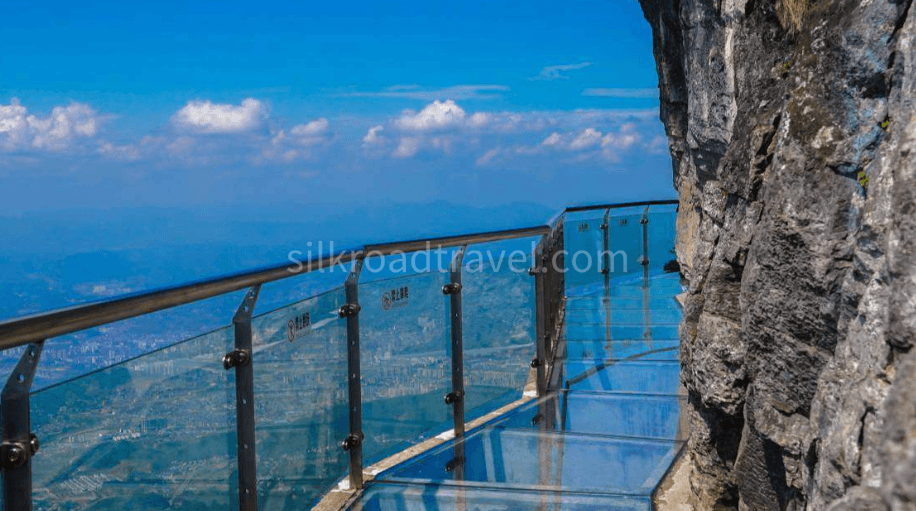
Stretching 30 kilometers, Zhangjiajie Grand Canyon features steep terrain, clear streams and primitive forest scenery. Its most famous highlight is the Zhangjiajie Glass Bridge — the world’s longest and tallest full transparent glass bridge. With a total length of 430 meters and a vertical height of nearly 300 meters above the valley floor, it delivers a suspended aerial viewing experience. The bridge also hosts low-altitude skydiving and bungee jumping international events.
Here we can see the world's longest and tallest fully transparent glass bridge - Zhangjiajie Grand Canyon Glass Bridge. This bridge spans both ends of the canyon, with a total length of 430 meters and a height of about 300 meters from the bottom of the valley. When people walk on it, it feels like they are suspended in the air, and underfoot is the bottomless canyon, giving a thrilling visual impact. The glass bridge is not only a spectacular architectural wonder, but also a paradise for extreme sports enthusiasts. It has hosted multiple international events such as low altitude skydiving and bungee jumping.
4. Huanglong Cave
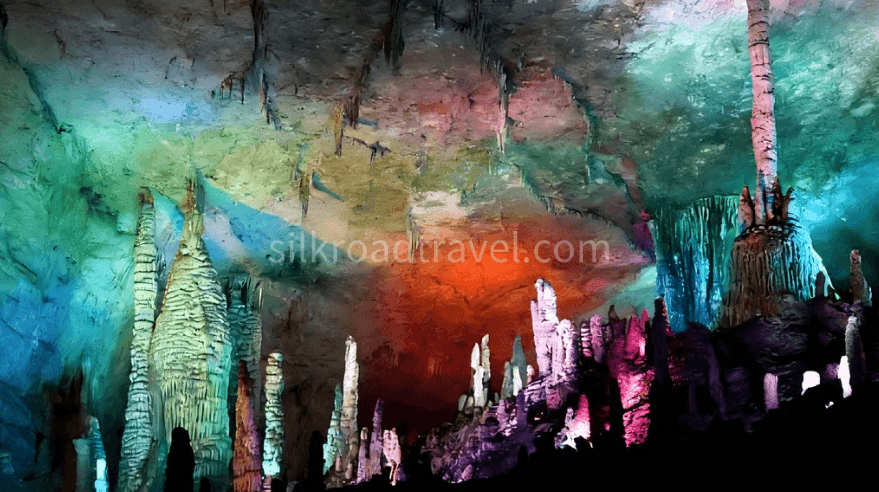
As a typical representative karst cave of Wulingyuan Scenic Area, Huanglong Cave features a huge underground space over 100 meters high, dark underground rivers and dense stalactites and stalagmites. The 20-meter-tall “Dinghai Shenzhen” stalagmite serves as the cave’s iconic landmark. Tourists can walk through the cave and take a river cruise to appreciate magnificent underground karst landscapes. >>More Tourist Attractions in Zhangjiajie, Hunan
How to Get to Zhangjiajie
Zhangjiajie enjoys convenient external transportation. Zhangjiajie Hehua International Airport operates frequent direct flights from major domestic cities including Beijing, Shanghai and Xi'an. With increasing direct air routes, optimized visa-free policies and continuous international cultural exchanges, the city has become highly accessible for global tourists for both short getaways and in-depth long-term travel.
Travelers from Europe/America/Australia: Fly long-haul to Beijing/Shanghai/Xi'an then connect domestic flights to Zhangjiajie airport.
Travelers from Southeast Asia/South Korea: Take direct international flights to Zhangjiajie for short mountain trips.
Visitors already inside China: Choose high-speed trains for slow, scenic land travel.
All overseas tourists: Book our private transfer service to avoid language barriers and overcharging risks.
The expanding international air routes and optimized visa-free rules make Zhangjiajie suitable for both short weekend getaways and in-depth multi-day hiking tours. Our English-speaking travel team designs personalized itineraries covering all flights, trains, transfers, skip-the-line tickets and guided sightseeing for your hassle-free China mountain trip.
Anchor text internal link: >> Zhangjiajie Private Custom Tour Packages
Zhangjiajie Food & Local Culture
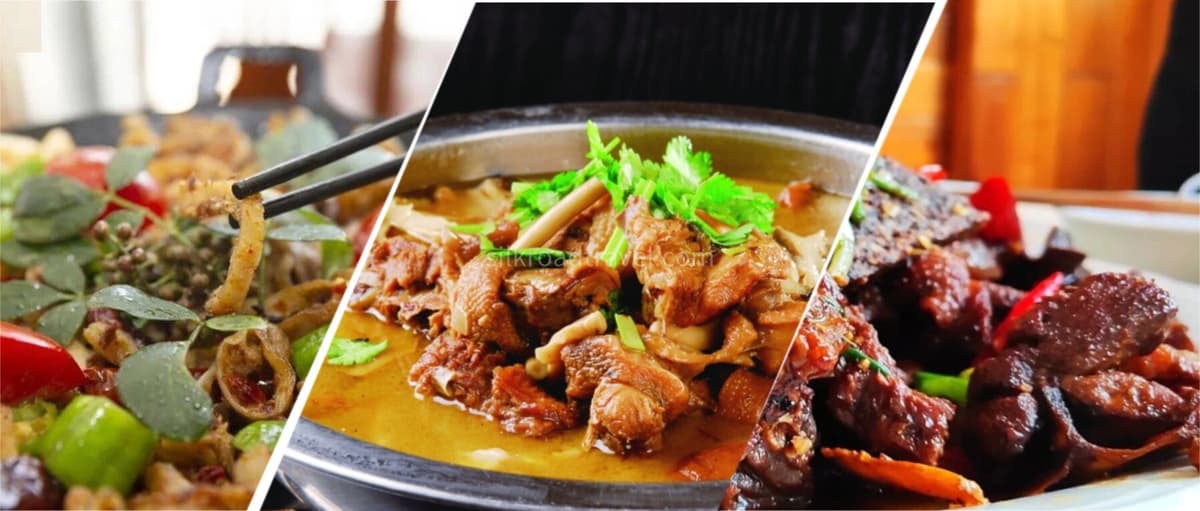
Zhangjiajie retains authentic Tujia ethnic culture with unique folk performances including Hand-Waving Dance and Maogusi dance. Local cuisine belongs to Hunan flavor, featuring wild mountain ingredients with fresh and slightly spicy tastes. Restaurants can adjust spiciness or provide non-spicy options to accommodate international tourists’ dietary habits.
Zhangjiajie Travel Tips for Foreign Travelers
Entry & Ticket Policy:
All official AAAAA-level scenic spots in Zhangjiajie fully accept valid original passports and Chinese tourist visas for ticket checking and entry. Electronic copies, screenshots or expired documents are not acceptable. Most core scenic areas require real-name reservation on official platforms during holidays and peak travel seasons.Mountain Weather & Dressing Prep:
Zhangjiajie mountain areas feature changeable microclimate, frequent mountain fog, valley wind and obvious temperature difference between day and night. Even in summer, the mountain temperature is 5–8℃ lower than urban areas. It is essential to prepare windproof lightweight jackets, breathable quick-dry clothes, sunscreen and sun hats. Non-slip hiking shoes are strongly recommended for large amounts of mountain steps and wet plank roads.Safety Regulations:
All tourists must walk only on open, marked official sightseeing routes. Do not climb unopened wild trails, approach cliff edges, or cross safety guardrails. For glass bridge and glass plank road experiences, strictly follow staff instructions, avoid running or jumping, and do not carry sharp hard objects that may damage the glass surface.Tour Service & Language Support:
Major scenic areas including Wulingyuan, Tianmen Mountain and Huanglong Cave provide rental English audio guide devices, covering detailed introductions of geology, history and folk culture. Scenic area service centers have basic English-speaking staff to assist with consultation, route guidance and ticket problems.Diet & Living Tips:
Local Hunan food is slightly spicy. International tourists can ask restaurants to remove chili or prepare totally non-spicy meals. Bottled drinking water is recommended for mountain tours; tap water is not drinkable. Most scenic area rest areas and homestays support mobile payment and provide universal USB/220V power sockets.Photography & Visiting Etiquette:
Natural scenic spots allow daily landscape photography. No commercial shooting, drone flying or tripod long-exposure shooting is permitted without official approval. Keep quiet in scenic areas, do not litter, and do not damage vegetation, stone carvings and natural landscapes.Physical & Travel Arrangement Tips:
Zhangjiajie requires continuous walking, stair climbing and cable car transfers. Please arrange your itinerary reasonably and avoid over-scheduling multiple core scenic spots in one day. Elderly visitors and travelers with weak physical conditions can choose cable cars, elevators and sightseeing shuttles to save physical strength.