



Content›Weather & Climate in Xishuangbanna ›Where to Stay in Xishuangbanna |
Weather & Climate in Xishuangbanna
Xishuangbanna has a tropical monsoon climate, warm all year, with a dry season (Nov–Apr) and a rainy season (May–Oct). November to February is the most comfortable travel season — daytime 22–28°C, little rain, ideal for outdoor activities. However, this is also peak season, so hotel prices rise. March to April gets hotter; April brings the lively Water Splashing Festival, but also huge crowds — prepare to get wet. May to September is the rainy season: the rainforest is at its greenest, waterfalls are strong, but humidity is very high, mosquitoes are active, and afternoon showers are common. Slow down and avoid midday heat. October is an underrated month — less rain, comfortable temperatures, fewer tourists, and stable prices.
How to Get to Xishuangbanna
By Air — The Most Convenient Option
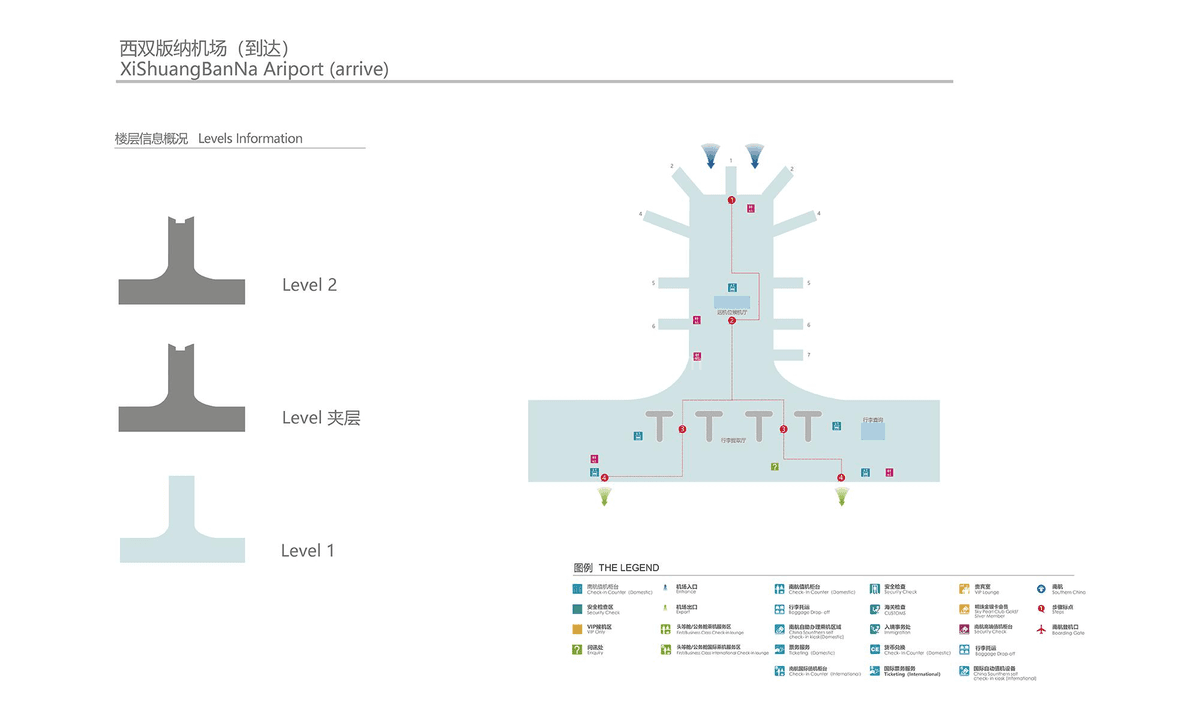
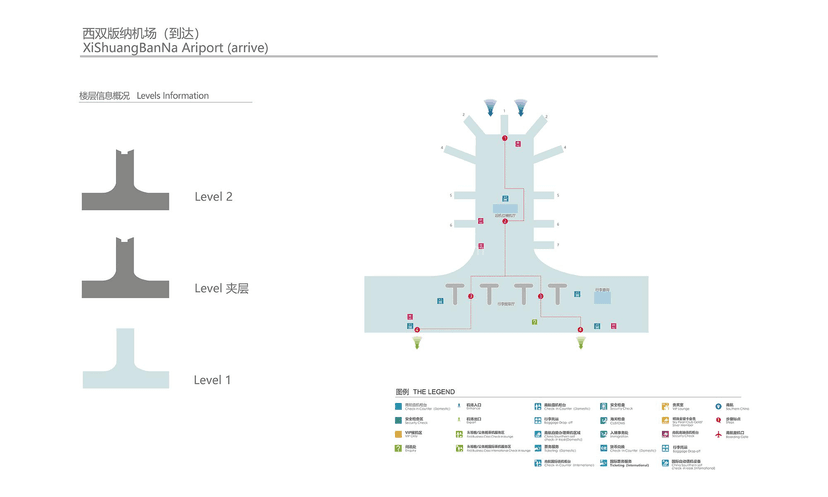
For most international travelers, flying is the easiest way to reach Xishuangbanna. The main airport is Xishuangbanna Gasa International Airport, located about 15–20 minutes from central Jinghong by car. Although there are currently limited international routes, domestic connections within China are very convenient. Many travelers first arrive in Kunming and then take a short connecting flight south.
Direct flights are available from major Chinese cities such as Beijing, Shanghai, Guangzhou, Chengdu, Chongqing, Shenzhen, and Hangzhou. During the winter and holiday seasons, flight demand increases significantly, so booking earlier is recommended.
One detail many travelers notice immediately after landing is the climate change. Even at the airport, the air already feels warmer and more humid than most other parts of China, especially during the winter months.
By High-Speed Train — A More Scenic & Relaxed Journey
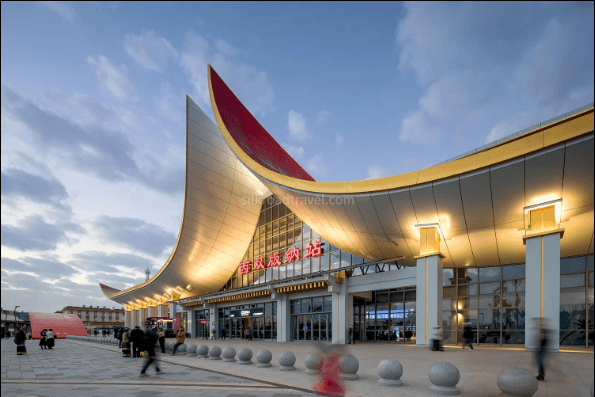
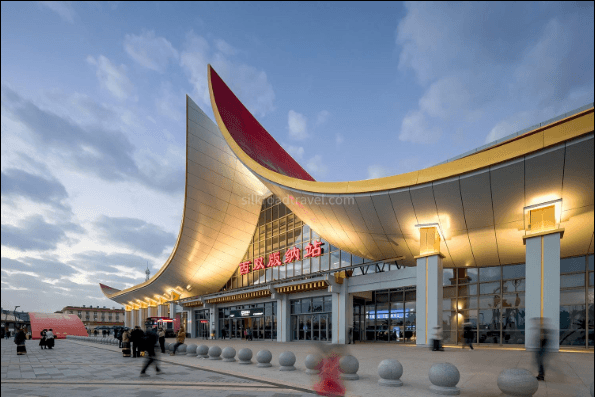
Since the opening of the China-Laos Railway, traveling to Xishuangbanna by high-speed train has become increasingly popular. The journey from Kunming to Xishuangbanna usually takes around 3.5 to 4 hours, making it a comfortable alternative to flying.
The railway journey passes through mountains, valleys, tunnels, and tropical landscapes, so many travelers prefer daytime trains for the scenery. Compared with airports, train stations also tend to feel less stressful, especially for visitors carrying larger luggage.
The main arrival station is Xishuangbanna Railway Station, located outside central Jinghong. From there, taxis and ride-hailing services are easy to find, but during peak arrival times, there may be queues.
For foreign travelers, train tickets are generally easy to purchase through Chinese travel apps or ticket platforms, although passport information is required during booking.
Visa Information for International Visitors
ASEAN Tour Group Visa Exemption
Since February 2025, tour groups (2 or more persons) from 10 ASEAN countries — Malaysia, Indonesia, Thailand, Philippines, Singapore, Brunei, Vietnam, Laos, Myanmar, and Cambodia — can enter visa-free via Xishuangbanna Gasa International Airport or the Mohan Railway/Highway Port. They are allowed to stay within the administrative area of Xishuangbanna Prefecture for up to 6 days. This is a very helpful option for short trips for ASEAN visitors.
Other Useful Policies
China and Thailand have signed a mutual visa exemption agreement for ordinary passport holders, allowing Thai citizens to enter China without a visa and stay for up to 30 days.
The 240-hour (10-day) transit visa-free policy for 54 countries has also been implemented, and eligible travelers can transit through ports including Xishuangbanna without a visa.
Visitors from countries not covered above should check the latest visa requirements with their local Chinese embassy or consulate before travel, and may take advantage of the convenient online visa application process.
For travelers from countries not covered by visa-free policies, we recommend starting your visa application at least 4–6 weeks in advance. The Chinese visa application process is generally smooth, but early preparation avoids stress.
How to Travel Around Xishuangbanna
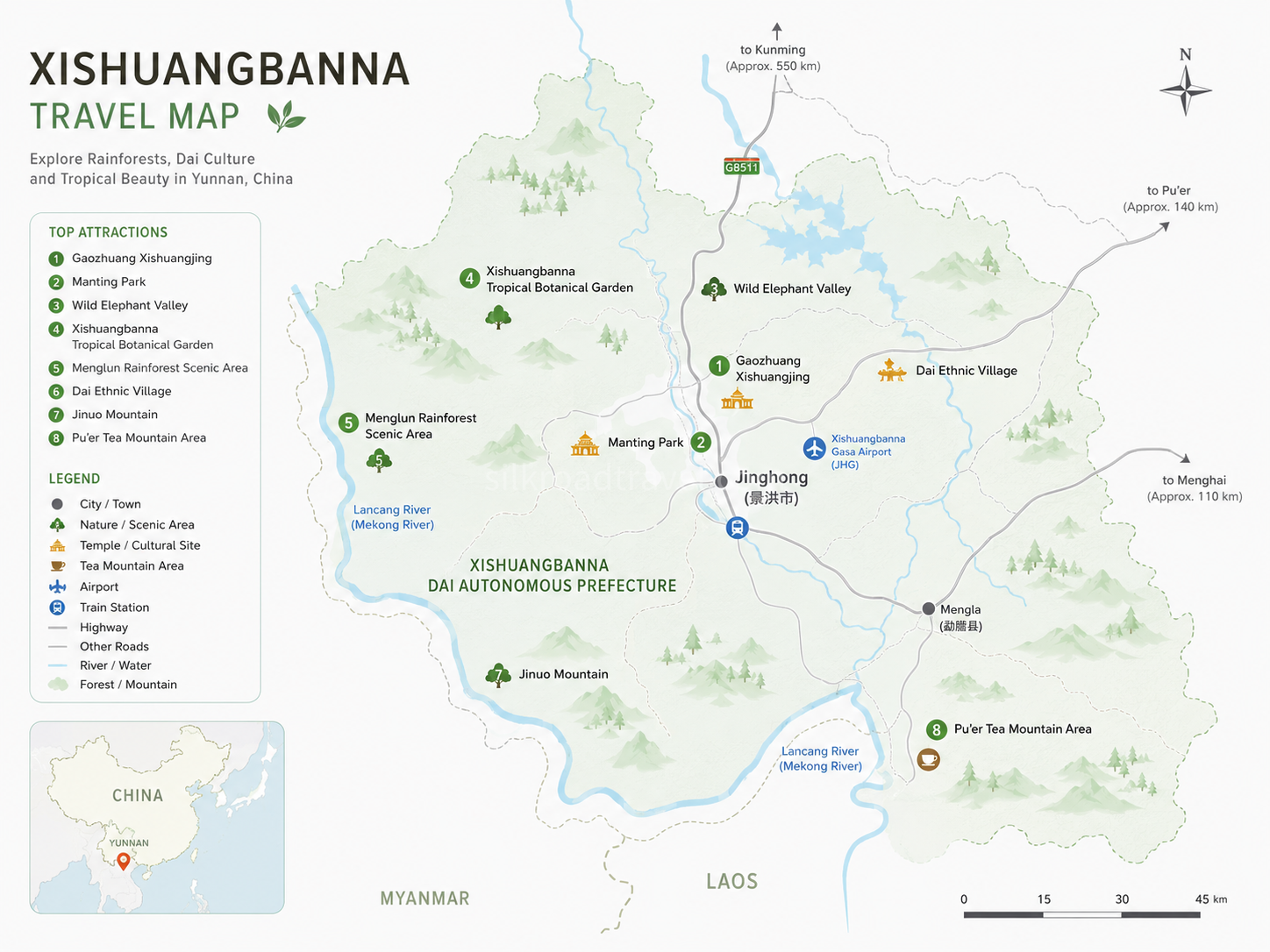
The most convenient way to get around Xishuangbanna is by taxi or ride-hailing apps like Didi (starting at ¥10). Electric scooters are popular for short trips, especially around Gaozhuang, but local traffic can be chaotic — ride-hailing is safer for less confident visitors. For remote attractions like Wangtianshu or the Botanical Garden, charter a car (approx. ¥300–500/day) through your hotel. Shuttle buses connect major scenic spots with round-trip fares of ¥20–50; check schedules in advance. Overall, slow down — don't pack too many sites in one day. Rain can worsen road conditions, and English signage is limited outside tourist centers, so offline maps and translation apps are helpful.
Transportation Tips
One common misunderstanding is assuming that all attractions are close together. In reality, Xishuangbanna is much larger than it first appears on maps. Rainforest parks, tea mountains, elephant reserves, and botanical gardens are often located far outside Jinghong city center.
Because of this, trying to visit too many places in one day can quickly become exhausting, especially during hot or humid weather. A slower travel pace usually works much better here.
Another detail travelers often underestimate is how the weather affects transportation. Heavy rain can slow traffic, make rural roads muddy, and increase travel times significantly during the summer months.
Finally, while major tourist areas are becoming more international, English signage is still limited outside central tourist zones. Offline maps, translation apps, and saved hotel addresses can make daily travel much easier.
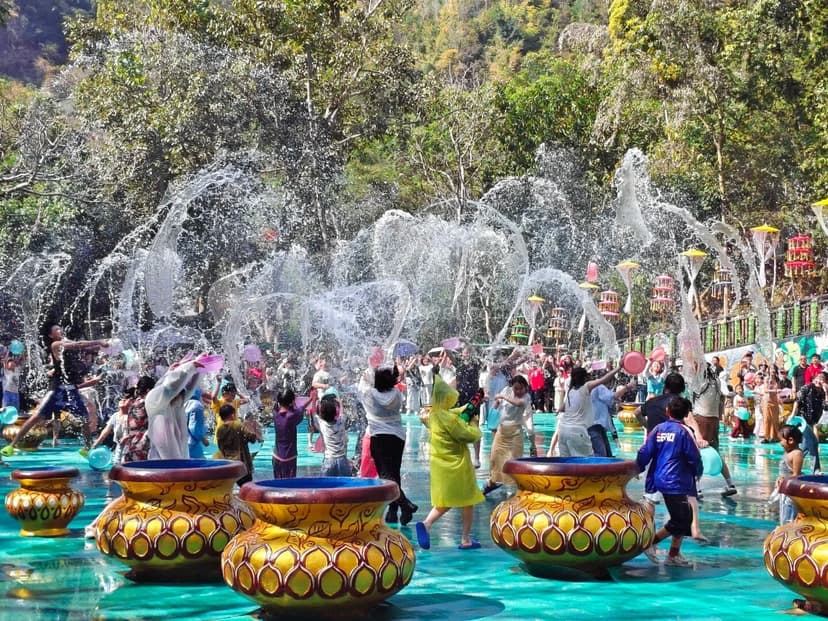
Where to Stay in Xishuangbanna
Jinghong City — The Most Practical Base
For first-time visitors, staying in central Jinghong is usually the easiest and most practical choice. Most restaurants, shopping areas, cafés, transportation services, and tour pickup points are concentrated here.
The city itself is not extremely large, but it is lively, walkable in certain districts, and relatively easy to navigate. Many hotels also offer better English support compared with more remote areas.
This area is especially suitable for travelers who want convenience, food options, nightlife, and easier transportation access.
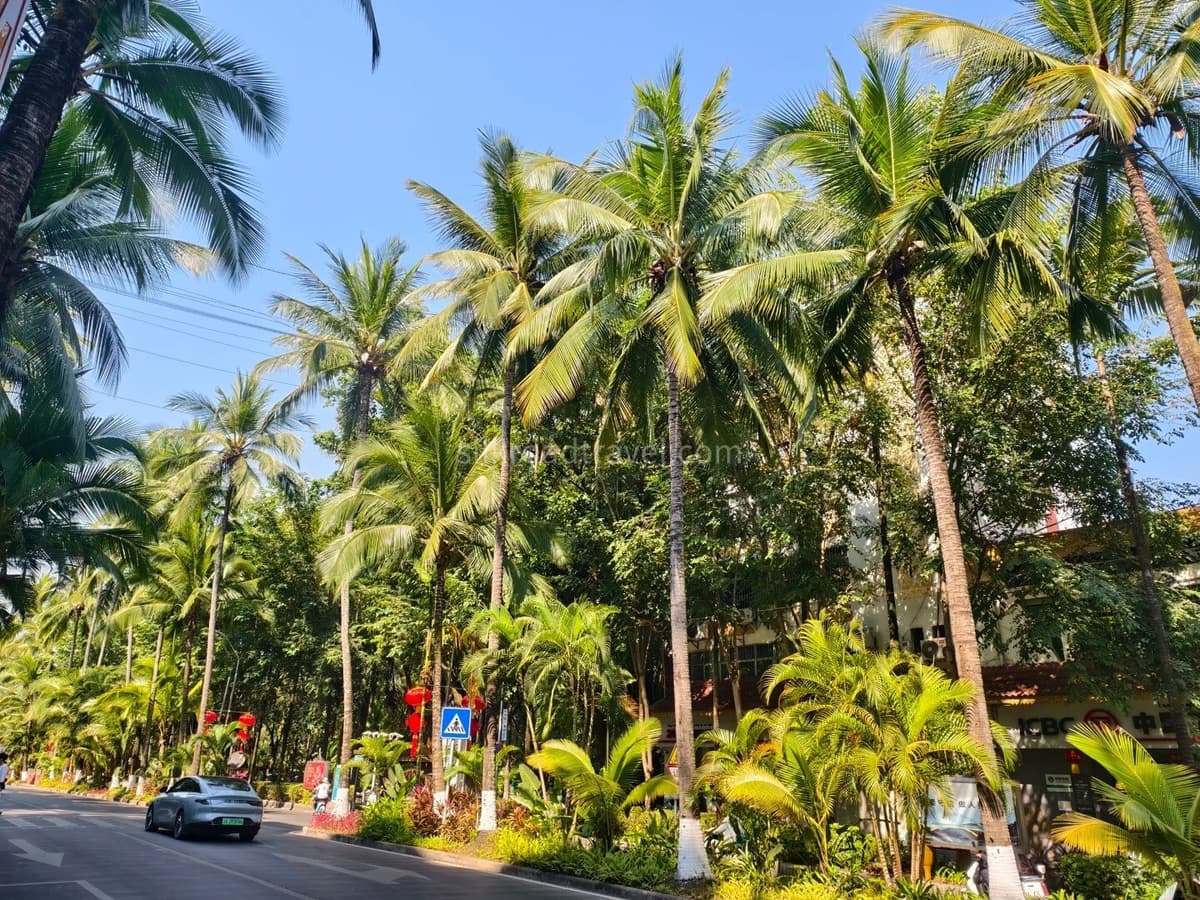
Gaozhuang Xishuangjing — The Most Popular Tourist Area
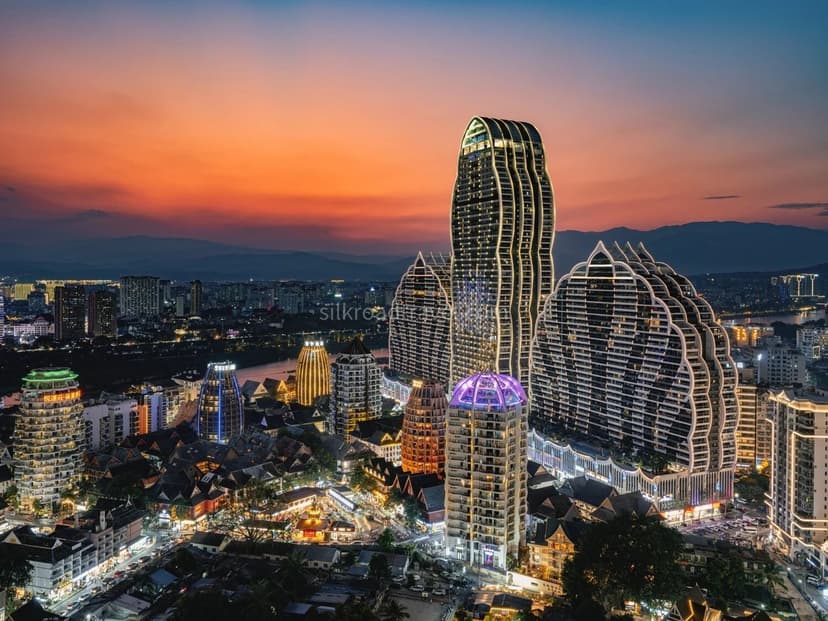
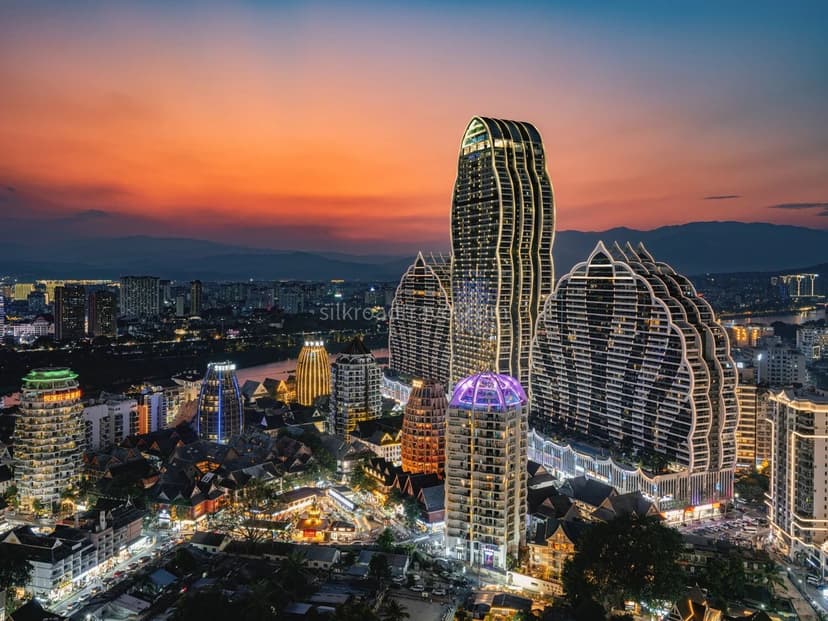
Gaozhuang is probably the most recognizable tourist district in Xishuangbanna. The area is known for its Southeast Asian-style architecture, riverside atmosphere, cafés, souvenir shops, and busy night markets.
Many visitors enjoy staying here because everything feels lively and visually interesting, especially at night. The famous Starlight Night Market is also located nearby, making evening walks extremely convenient.
However, Gaozhuang is also one of the busiest and most commercialized parts of Xishuangbanna. During holidays, noise levels and crowds can become intense, especially near nightlife streets.
This area works best for travelers who enjoy nightlife, photography, food markets, and a more social atmosphere.
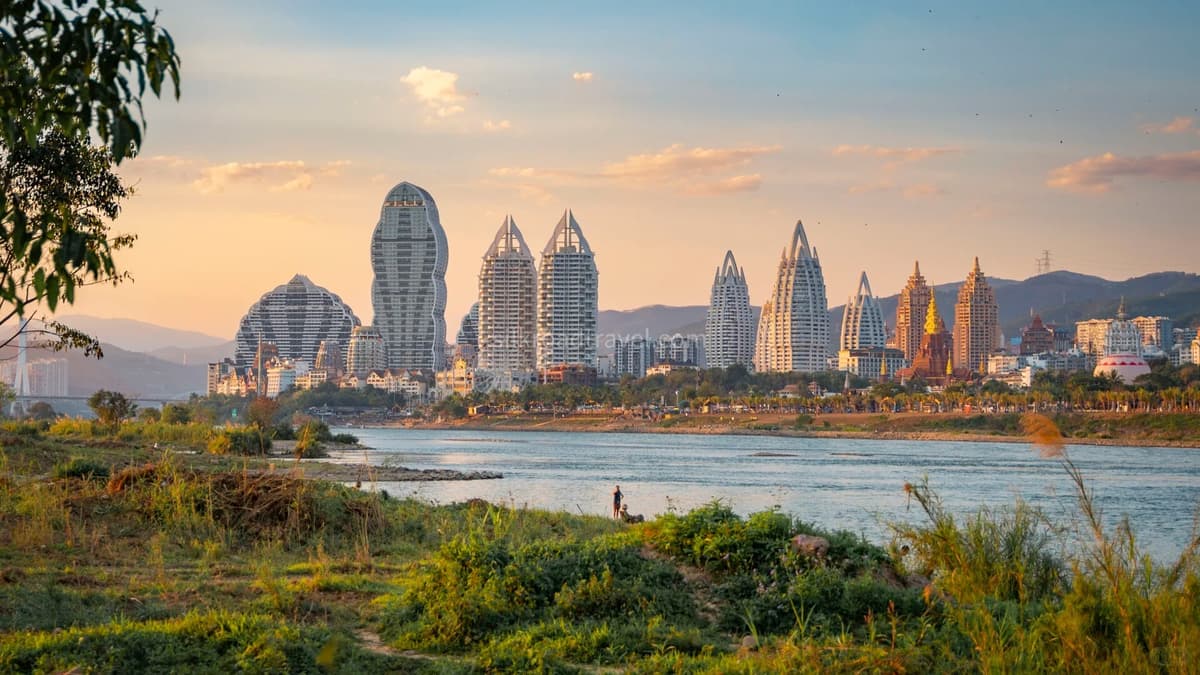
Staying Near the Rainforest — A Slower Experience
Outside the city, more eco-lodges, boutique resorts, and rainforest guesthouses have appeared in recent years. These accommodations are usually surrounded by greenery and feel much quieter than central Jinghong.
For travelers who want nature, relaxation, bird sounds in the morning, and slower travel rhythms, staying outside the city can be a memorable experience. However, these areas are less convenient for restaurants, transportation, and nightlife. Some properties may also require longer drives on rural roads. This is ideal if you really want to unplug and slow down.
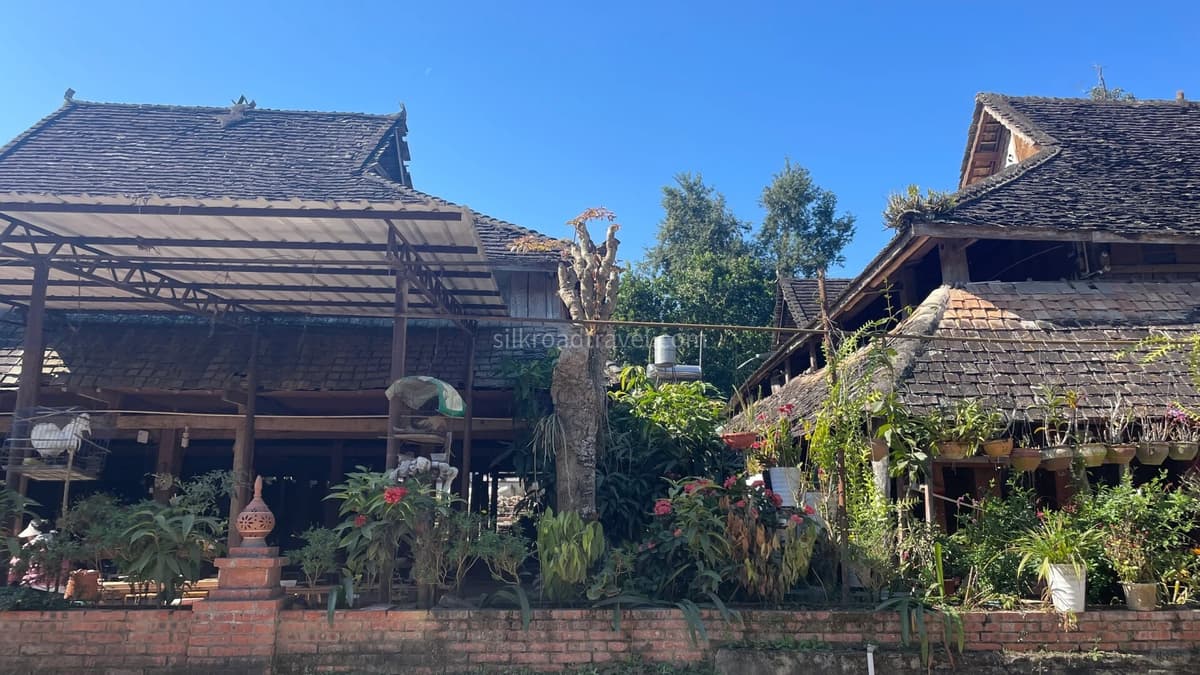
Top Attractions in Xishuangbanna
Xishuangbanna Tropical Botanical Garden, CAS (5A)
Address: Menglun Town, Mengla County. Admission: ¥80 (approx. USD 11).
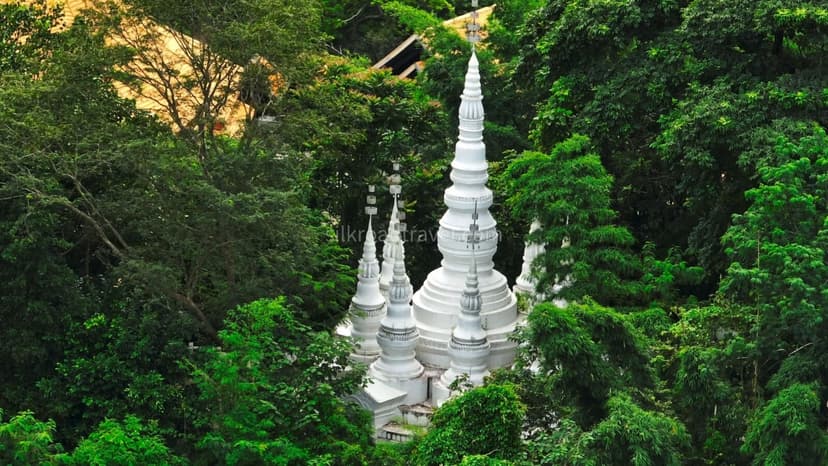
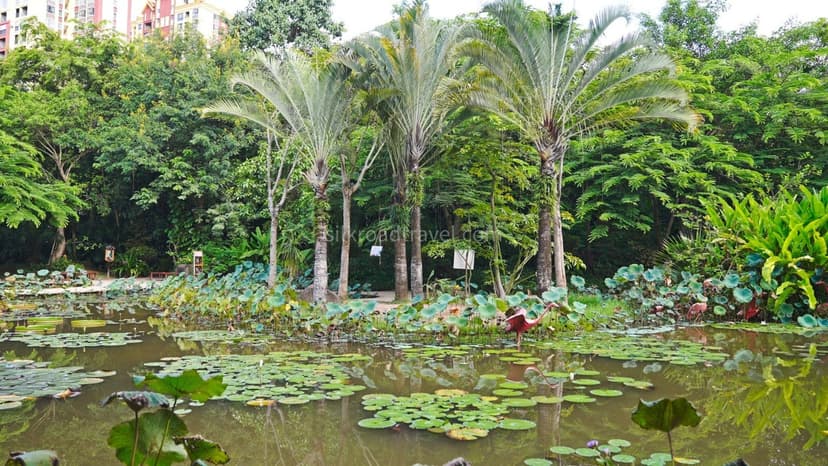
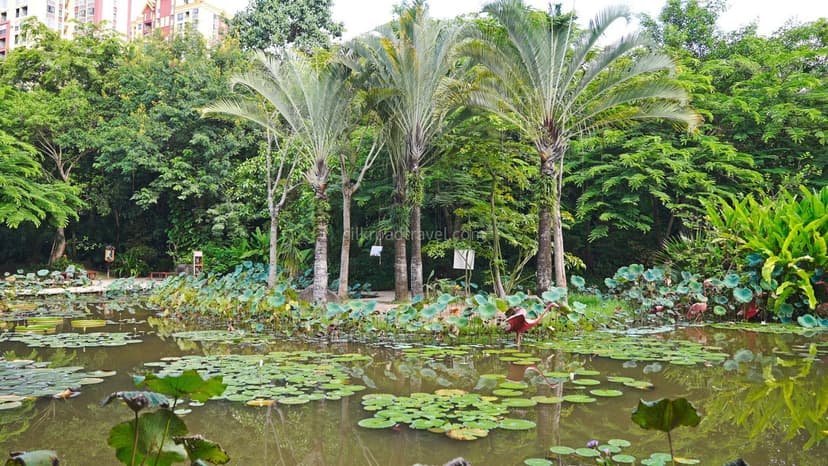
As China's largest, most biodiverse, and best-curated botanical garden, this is the ultimate pilgrimage site for nature lovers. The garden is divided into the West Zone and the East Zone. The West Zone features cultivated gardens, lily ponds, and giant Victoria amazonica water lilies whose pads can support a child's weight — a magical sight. The East Zone preserves a pristine tropical rainforest valley, where you can walk among strangler figs and massive buttress roots. The unmissable highlight is a summer nighttime guided tour to spot fireflies, bioluminescent fungi, and nocturnal wildlife.
Wild Elephant Valley (4A)
Address: Mengyang Town, Jinghong City. Admission: ¥60 (approx. USD 8.3); cable car round trip ¥70.
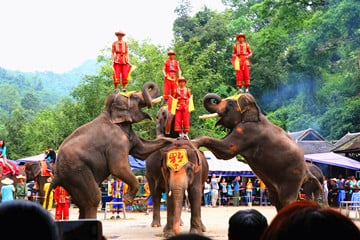
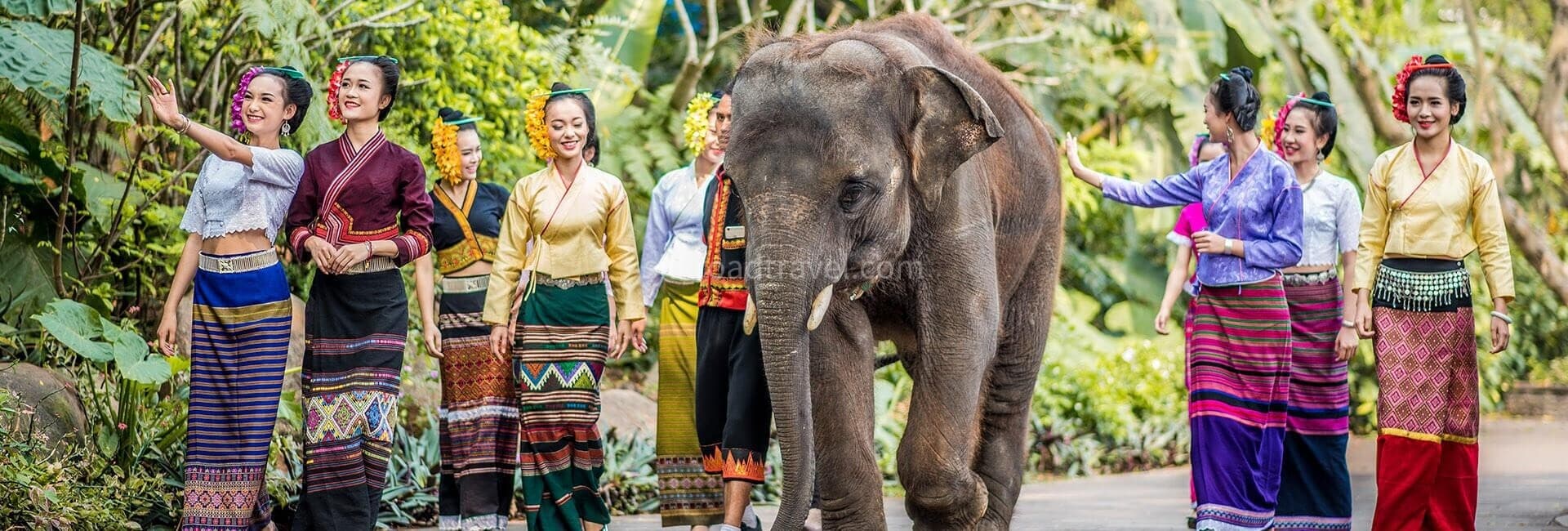
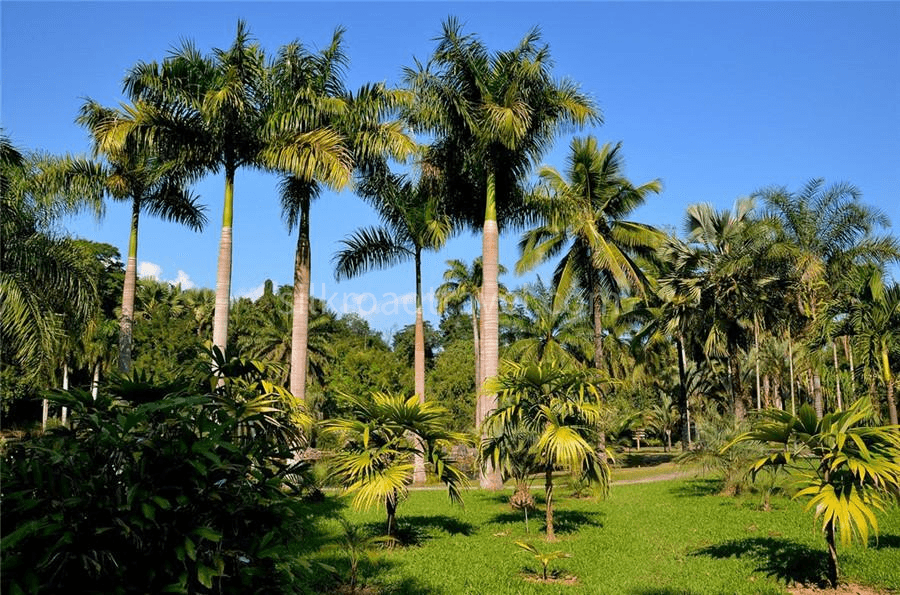
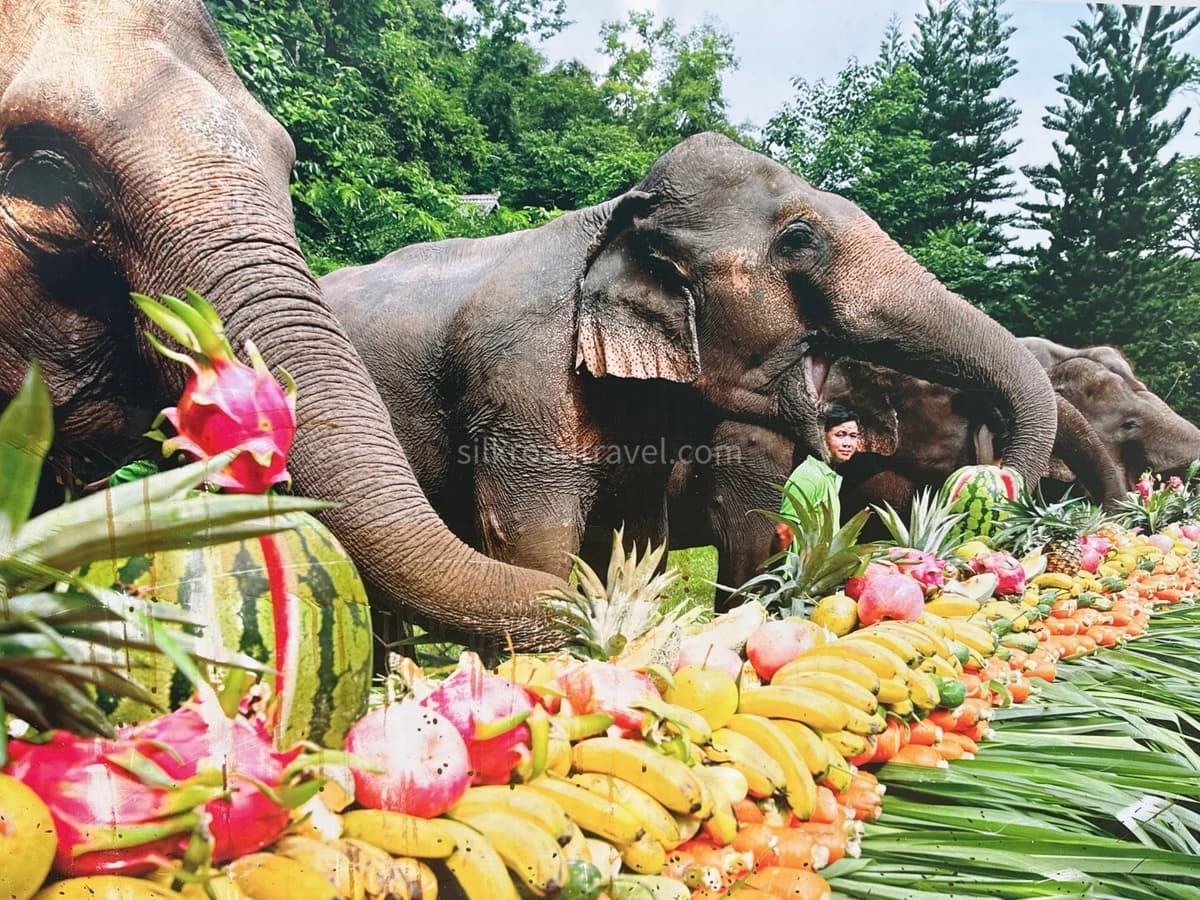
This is China's only place where you can safely observe wild Asian elephants. A 2,280-meter elevated observation walkway allows you to look down upon the elephant's favorite watering holes from the canopy level. A 2,063-meter cable car ride offers a bird's-eye view of the jungle where elephants may roam. The Elephant School puts on an educational show demonstrating the animals' intelligence, while the "Rainforest Elephant Walk" (limited to 30 groups per day, booking essential) lets you join a keeper and walk alongside elephants through the forest for an unforgettable, close-up experience.
Even without elephant sightings, the rainforest environment itself is still interesting. Elevated walking bridges pass through dense forest, allowing visitors to experience the tropical ecosystem from above. After rain, mist and humidity make the scenery feel especially dramatic.
Morning visits are usually recommended because temperatures are cooler and wildlife activity is slightly higher.
Wangtianshu (Parashorea) Scenic Area (4A)
Address: Mengla County. Admission: ¥75; combined ticket with corridor ¥198 (approx. USD 27.5).
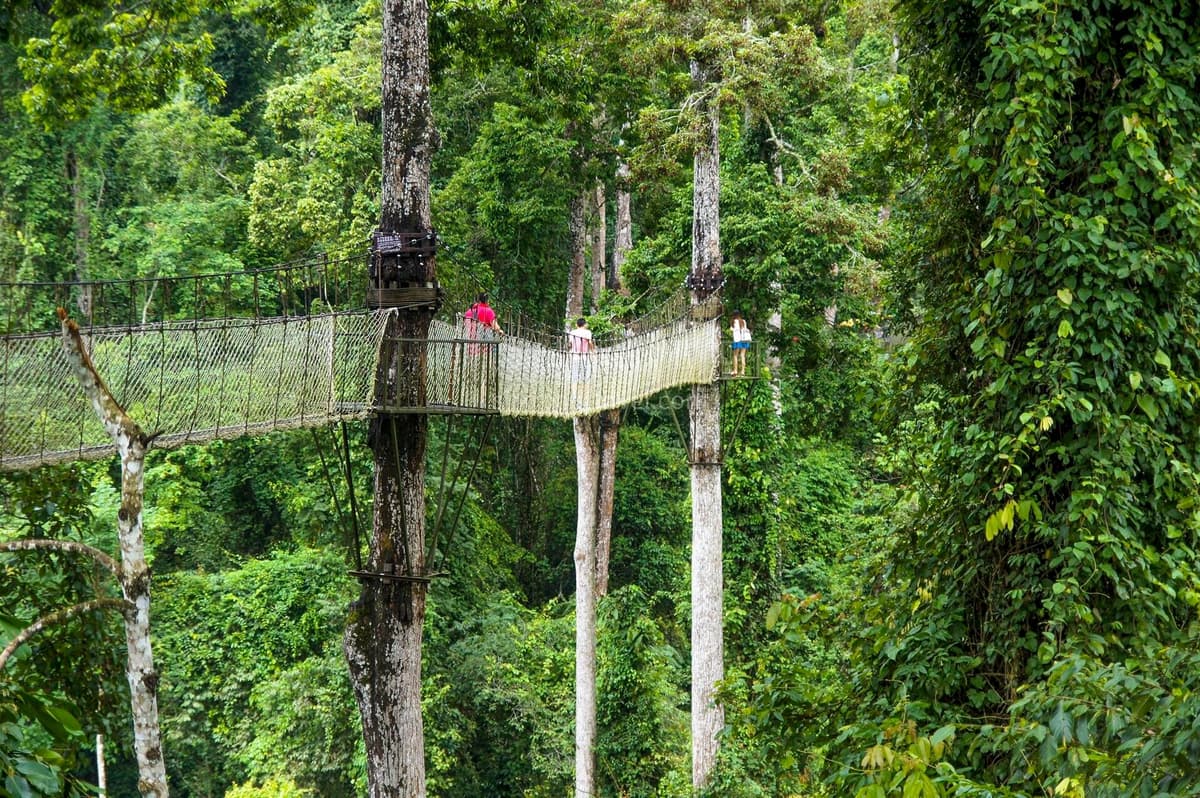
Home to the only internationally recognized tropical rainforest at latitude 21°N, this site's defining feature is the 500-meter-long, 36-meter-high "Tree Canopy Corridor." Suspended between towering Parashorea trees that can reach over 80 meters tall, it offers a thrilling and breathtaking walk with the rainforest floor far below. You can also take a boat ride on the Nanla River or hike the Phillip Trail to immerse yourself deeper into the rainforest.
Xishuangbanna Primitive Forest Park (4A)
Address: North of Jinghong City. Admission: ¥45 (approx. USD 6.3).
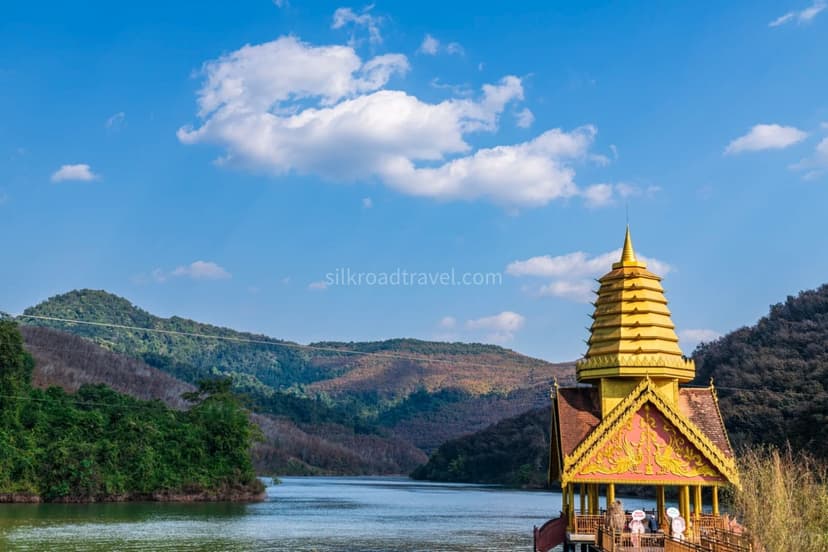
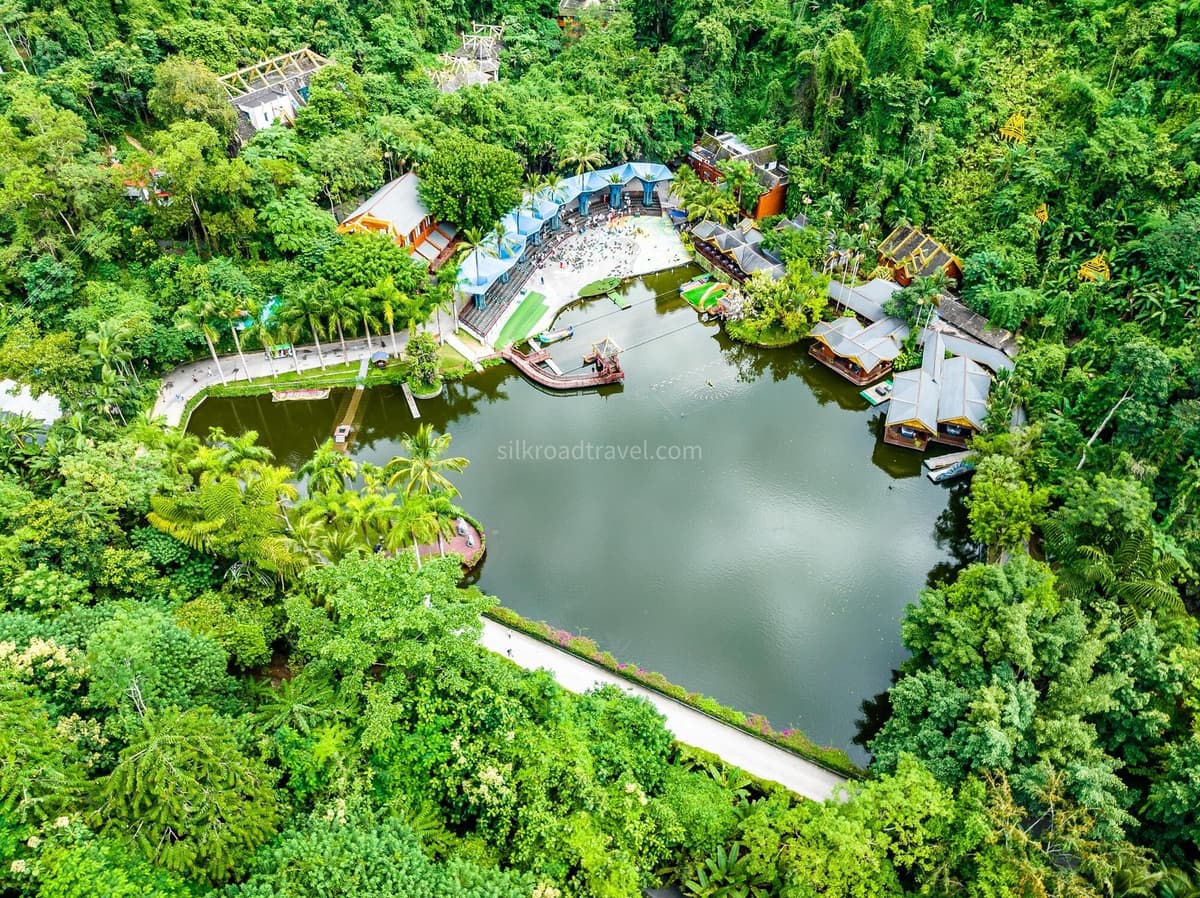
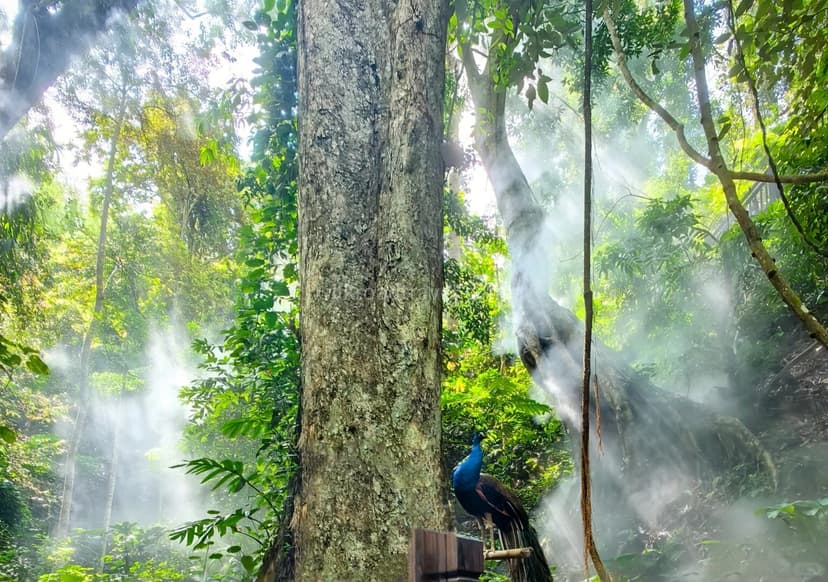
Just 8 km from downtown Jinghong, this is the most accessible rainforest experience. The daily "Peacock Fly" show is the absolute highlight — hundreds of peacocks glide down from a hillside pavilion across a golden lake in a spectacular, graceful display. Additionally, you can visit an Aini ethnic village, enjoy folk dance performances, or try an adrenaline-pumping jungle zip-line adventure.
Manting Park & Zongfo Temple
Address: No. 35, Manting Road, Jinghong. Daytime admission: ¥40 (approx. USD 5.5); evening gala ticket from ¥280.
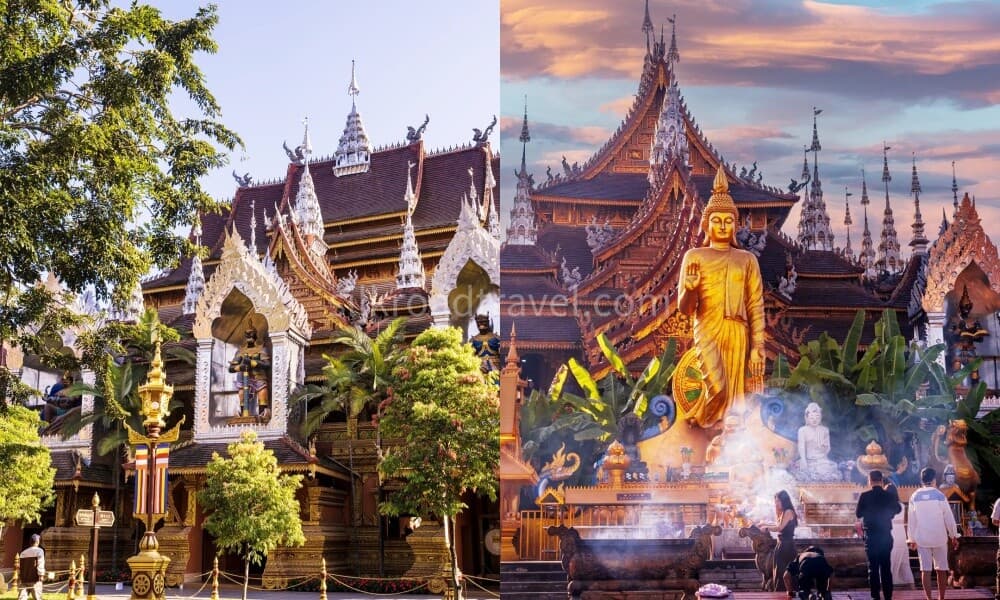
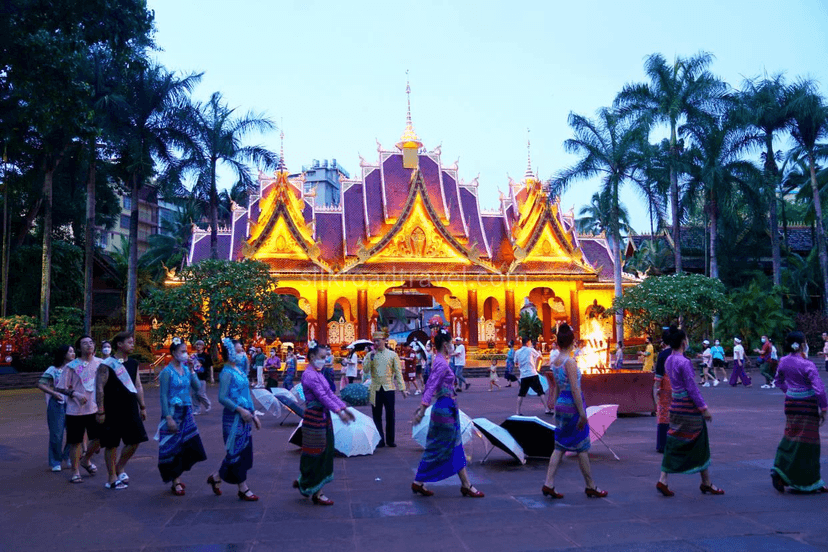
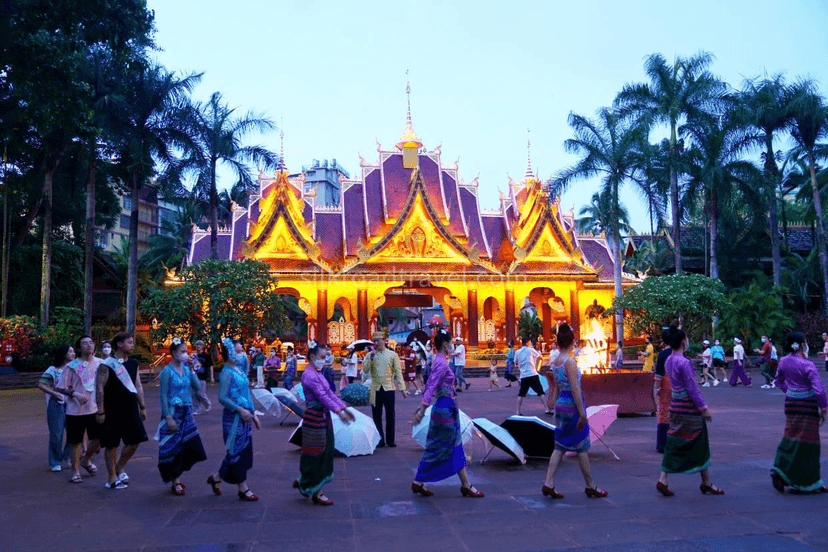
With a history of over 1,300 years, Manting Park was once the royal garden of the Dai kings. It blends tropical flora with reconstructed royal halls and pagodas, creating an exotic atmosphere. Adjacent to it, Zongfo Temple is the highest-ranking Theravada Buddhist temple in Xishuangbanna, with awe-inspiring gold-gilded architecture and ancient palm-leaf manuscripts as its most precious treasure. At night, the park hosts the "Lancang-Mekong Night" cultural gala, featuring a large-scale ethnic performance, a water-lantern releasing ceremony, and a thousand-person bonfire dance — all highly interactive and memorable.
Gaozhuang Xishuangjing & Starlight Night Market
Address: Xuanwei Road, Jinghong. Free entry.
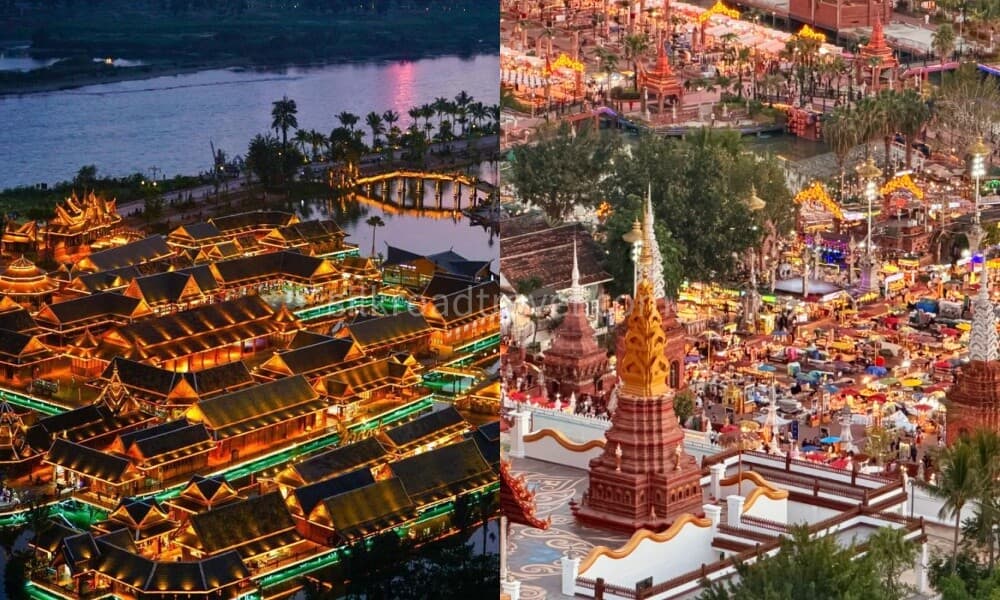
"Gaozhuang Xishuangjing," meaning "Nine Pagodas and Twelve Walled Villages," is the largest cultural and entertainment complex in the region. It comes alive every evening. The Starlight Night Market, reputedly Southeast Asia's largest, stretches for blocks with over 6,000 stalls selling everything from Dai-style BBQ to handmade crafts. The Grand Golden Pagoda Temple glitters under the lights, surrounded by shops renting Dai traditional costumes — for as little as ¥50, you can be transformed into a Dai beauty or gentleman and have a professional photoshoot. The adjacent Six-Nation Floating Market offers boat rides and waterside photo opportunities, adding to the exotic riverside atmosphere.
Dai Ethnic Garden (4A)
Address: Ganlanba, Jinghong. Admission: ¥45 (approx. USD 6.3).
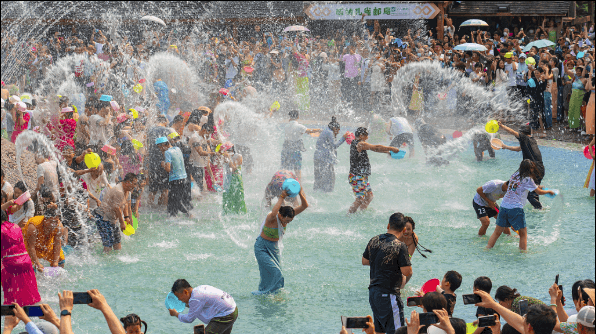
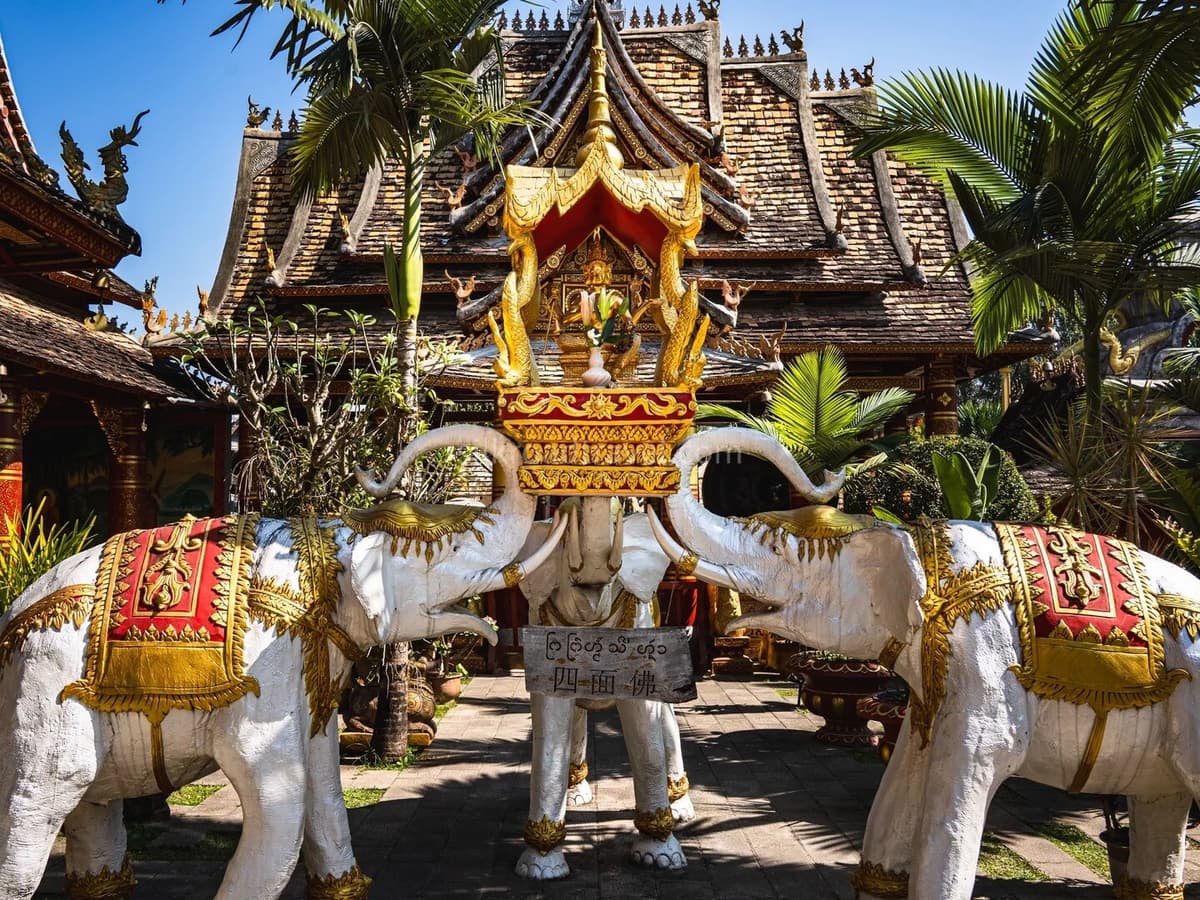
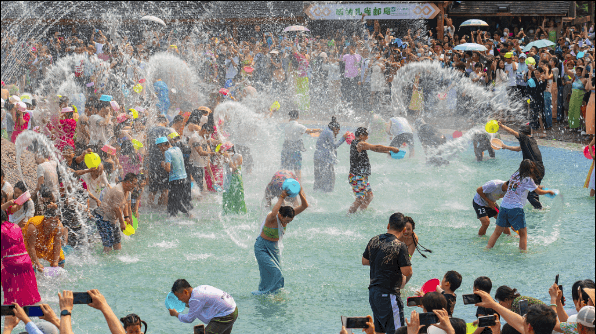
A living open-air museum composed of five well-preserved, authentic Dai villages. Every afternoon, a "Daily Water-Splashing Festival" is enacted here — you can don Dai attire, grab a water basin, and join villagers in a joyous water fight to the rhythmic beat of gongs and elephant-foot drums. You can also visit an intangible cultural heritage center to learn Dai palm-leaf writing, or craft your own pottery using the traditional slow-wheel technique. The ancient Mansongman Buddhist temple stands amid the bamboo houses, its golden pagoda and incense-filled air perfectly capturing the spiritual and everyday life of the Dai people.
Mengle Grand Buddha Temple
Address: Mantong Road, Jinghong. Admission: ¥120 (approx. USD 16.7).
Built along a hillside, the temple is dominated by a 45-meter-tall gilded Buddha statue — one of the tallest outdoor Buddhas in Southeast Asia — visible from across Jinghong. From the top, you are rewarded with panoramic views of the city and the winding Lancang (Mekong) River. The architecture blends Thai and Burmese Theravada styles, resplendent with gold detailing, especially the impressive long staircase lined with 80 monk statues holding alms bowls.
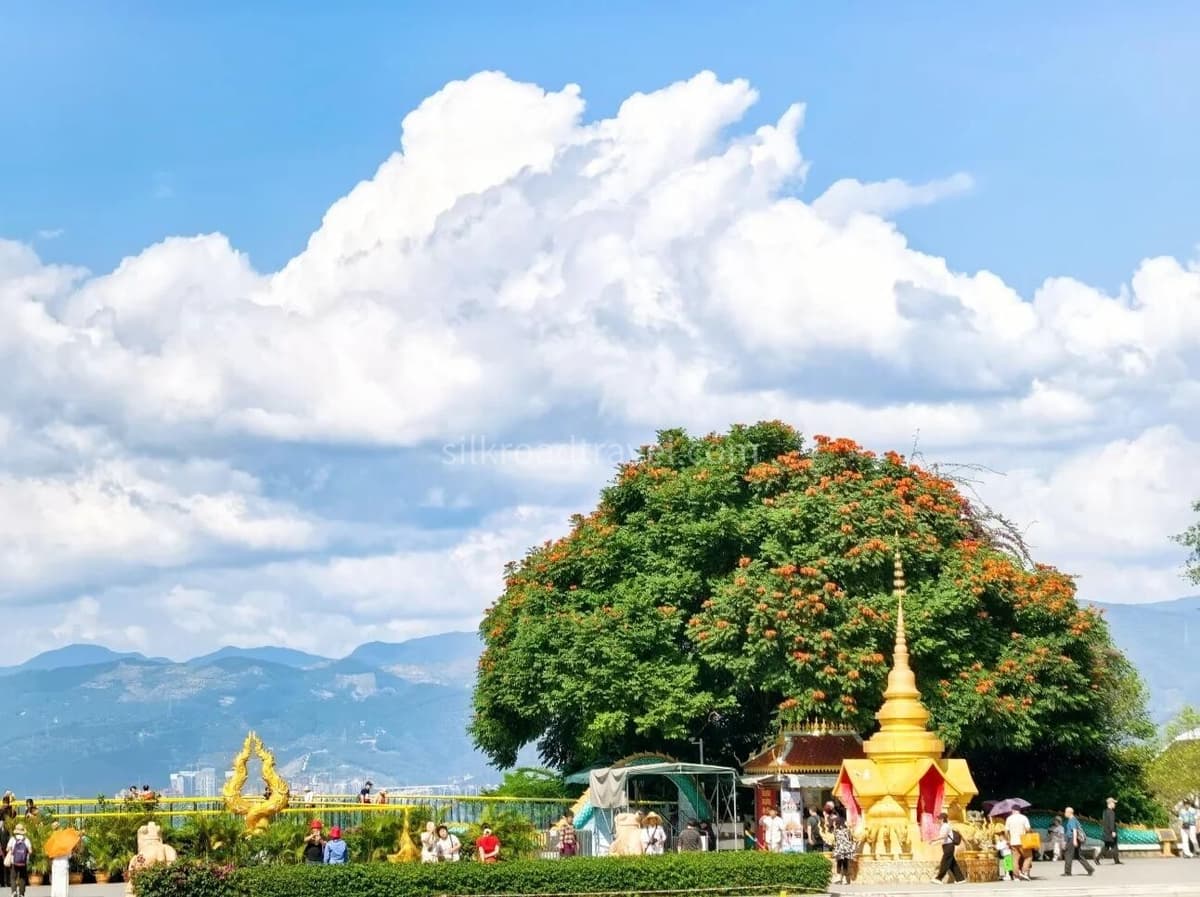
Manzhang Village
Address: Mengyang Town, Jinghong. Free entry; crafts experiences ¥10–20 each.
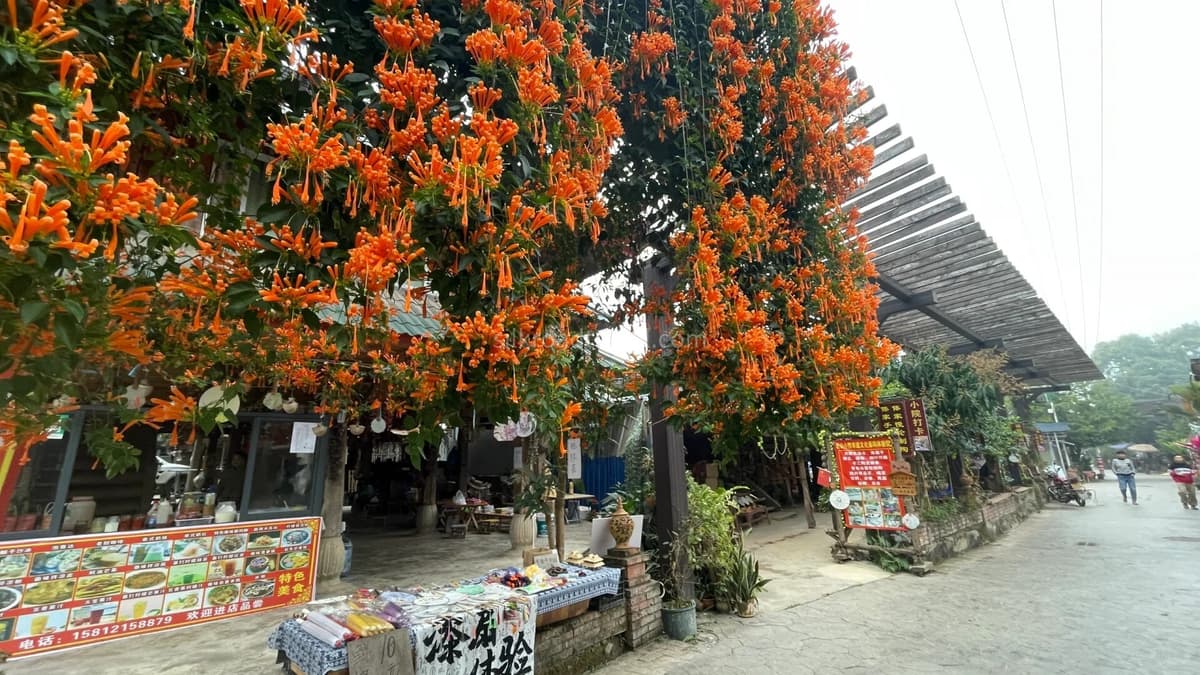
A perfectly preserved Dai traditional handicraft village where every household masters a specific craft. Here, you can slow down and try your hand at slow-wheel pottery, ancient papermaking from bark and flowers, or palm-leaf scripture carving, all under the patient guidance of villagers. The village is small and free of commercial hype; for lunch, eat at a villager's home to taste the most authentic Dai home cooking.
Rainforest & Nature Experiences
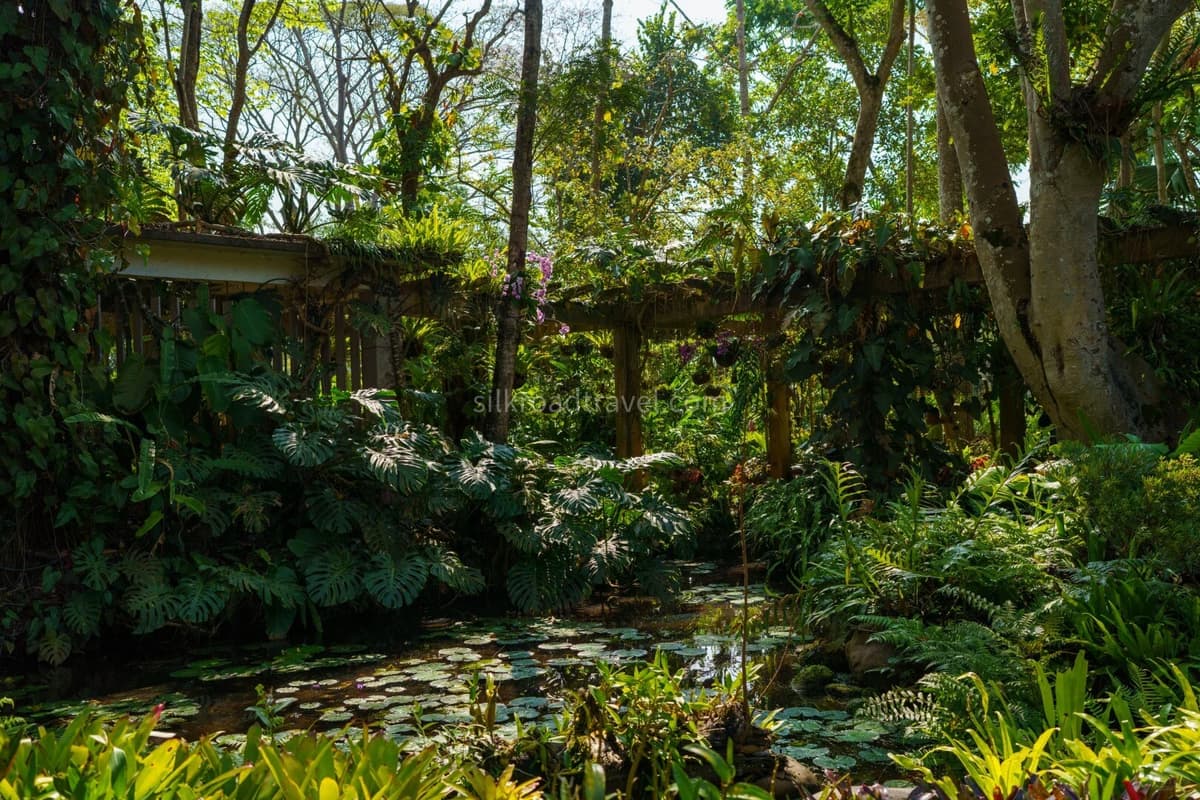
Xishuangbanna's rainforest is genuinely tropical and one of China's most important ecological regions. Rainforest hiking is easier than many expect — most trails are accessible to ordinary visitors. However, humidity and heat can still tire you out quickly. Go in the early morning, bring plenty of water, and walk slowly. Regarding wildlife, don't expect safari-style encounters. The chance of spotting wild elephants is about 30% from observation walks. You are more likely to see birds, butterflies, insects, and frogs. The rainforest itself is the real highlight. Also, mosquitoes become very active after rain — wear long sleeves and use insect repellent.
Dai Culture & Ethnic Traditions
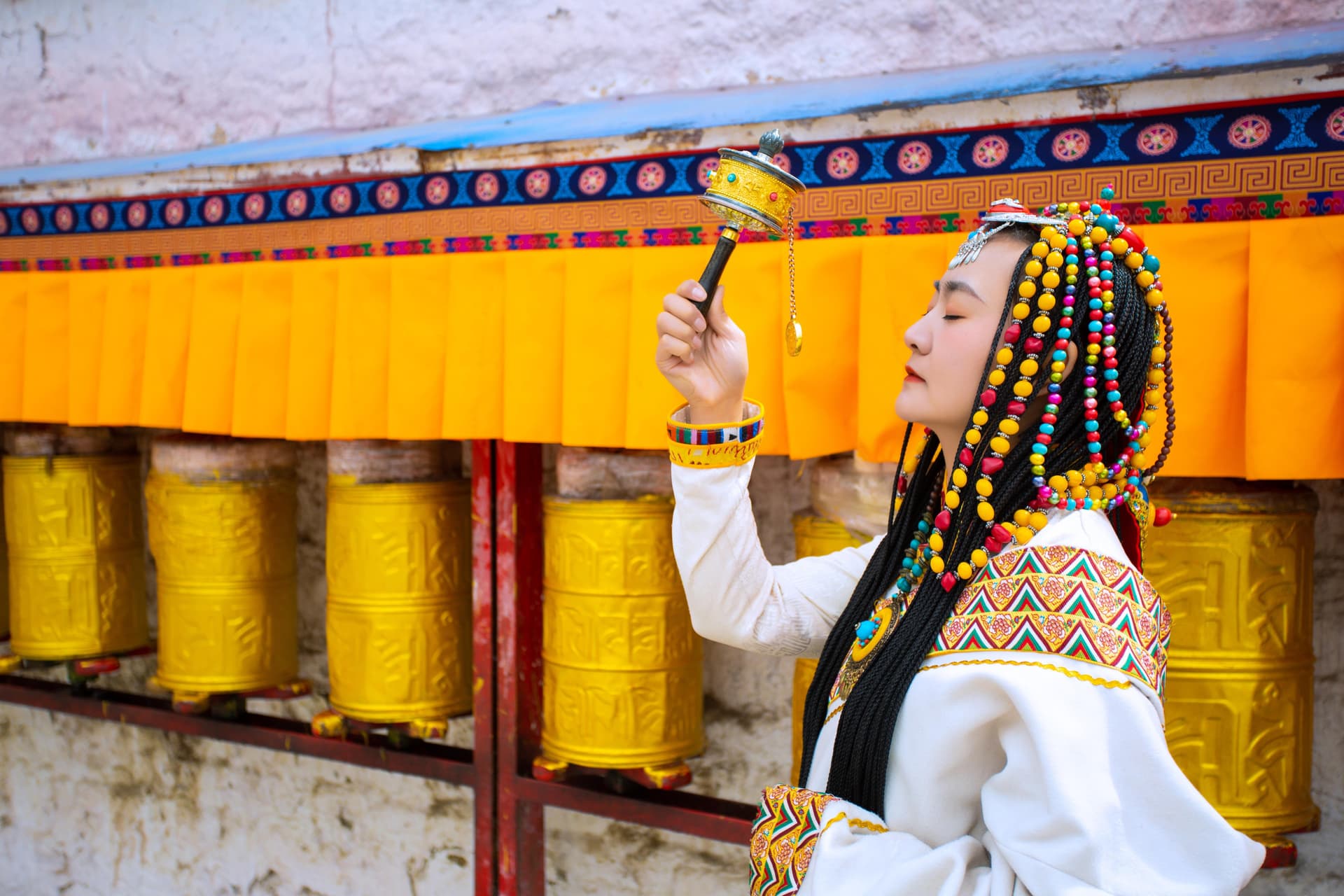
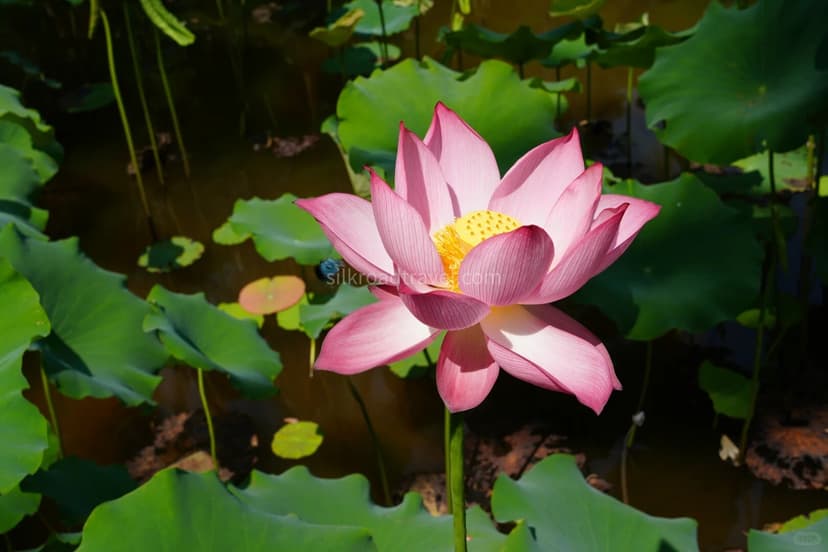
What makes Xishuangbanna so unique is its strong Dai culture. Architecture, food, religion, clothing, festivals, and daily life all carry a distinct Southeast Asian flavor. Theravada Buddhism is the main faith of the Dai people, and temples are everywhere. When visiting temples, dress modestly (cover shoulders and knees) and behave respectfully. The Water Splashing Festival is the biggest annual celebration, held in mid-April over three days: day one features dragon boat races and sky lanterns, day two is a city-wide water fight, and day three involves temple visits and floating water lanterns. If you plan to join the festival, book your hotel one to two months in advance, wear quick-dry clothing, put your phone in a waterproof pouch, and accept that you will get completely soaked.
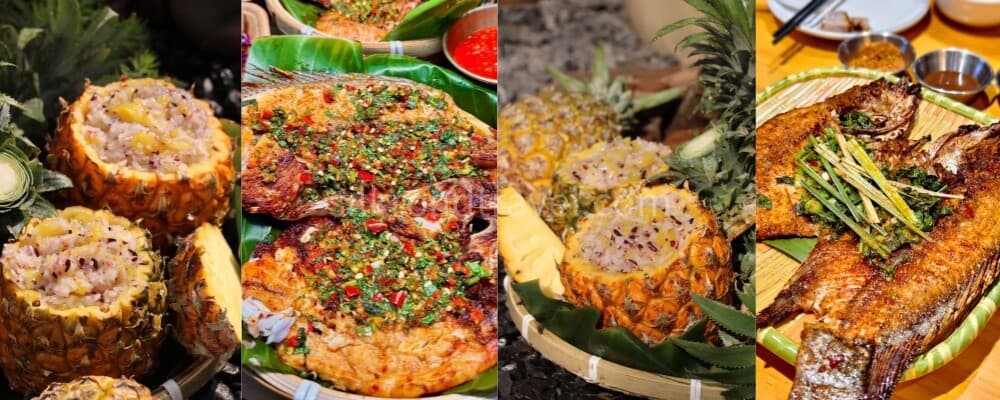
Lemongrass Grilled Fish (香茅草烤鱼)
This is the undisputed king of Dai barbecue. A whole fish, typically tilapia or local river fish, is stuffed with a fragrant paste of lemongrass, cilantro, garlic, and chilies. It's then wrapped in lemongrass stalks and grilled over charcoal. The result is a smoky, herbaceous masterpiece with crackling skin and tender, flaky flesh that you peel off and dip in a tangy lemon-chili sauce.
Pineapple Purple Rice (菠萝紫米饭)
A beautiful, sweet-savory dish that doubles as a dessert. A hollowed-out pineapple is filled with steamed glutinous purple rice that has been pre-soaked and cooked to sticky, chewy perfection. The rice absorbs the fruit's tangy sweetness, creating a vibrant purple-and-yellow treat that is as Instagram-worthy as it is delicious.
Dai-Style BBQ (傣味烧烤)
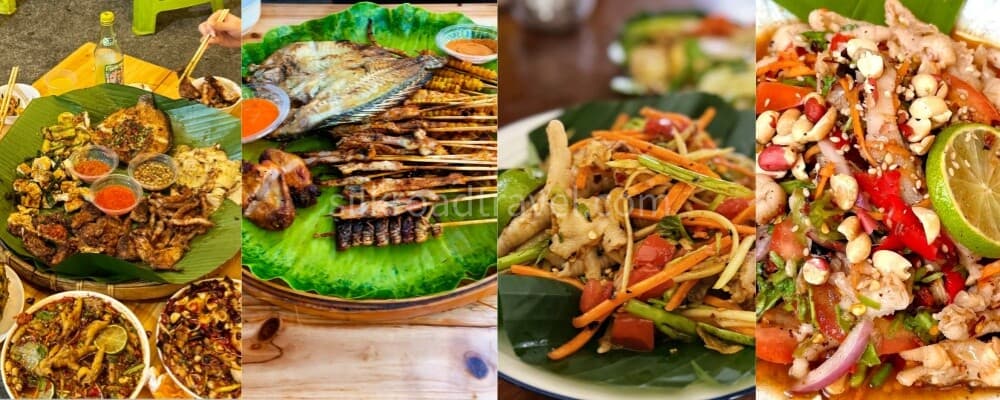
More than just grilled meat, this is a social experience. Skewers of marinated pork belly, chicken wings, and local sausages are grilled over open flames, but the soul of the dish lies in the dips: nam prik (a potent chili paste) and a dry dip of salt, crushed Sichuan pepper, and local herbs. Don't miss the grilled eggplant, peeled open and slathered with garlic, chili, and a squeeze of lime.
Pounded Chicken Feet (舂鸡脚)
The ultimate street-food icon. Cooked chicken feet, boned and chopped, are pounded in a heavy mortar with green papaya shreds, tomatoes, yardlong beans, garlic, bird's-eye chilies, fish sauce, and lime juice. The result is a crunchy, sour-spicy-salty explosion that's refreshingly addictive. You'll find vendors rhythmically pounding away in every night market.
Pao Lu Da (泡鲁达)
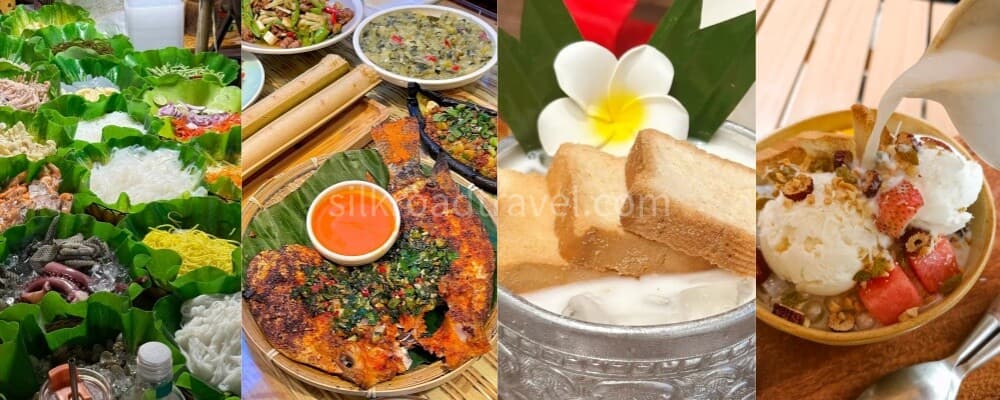
This beloved drink was introduced from Myanmar and Thailand, but has been fully adopted as a local essential. It's a tall glass of chilled coconut milk, sweetened with condensed milk, and loaded with sago pearls, colorful jelly, and a slice of bread. The crowning glory is the crispy, buttery bread cube and a sprinkle of shredded coconut on top. It's the perfect antidote to a hot afternoon.
A gentle note for sensitive stomachs: Dai cuisine is bold with herbs, spices, and raw vegetables. Start with grilled or cooked items if you're unsure, and always drink bottled or boiled water. Most travelers handle it just fine — but a little caution goes a long way.
Packing essentials: Light summer clothing (cotton/linen), a thin jacket (evenings in dry season ~16℃), SPF50+ sunscreen, wide-brimmed hat, sunglasses, insect repellent (DEET or picaridin), rain gear (May–Oct), waterproof phone pouch (essential for Water Splashing Festival), comfortable closed-toe walking sandals or lightweight hiking shoes, swimwear & quick-dry towel, personal medications including stomach remedies and rehydration salts.
Key tips:
The chance of seeing wild elephants in Wild Elephant Valley is about 30%. For a guaranteed close encounter, book the "Rainforest Elephant Walk" at least a week in advance.
Don't buy jewelry or jade at night markets — many are fakes. Buy Pu'er tea at the source (tea mountain villages).
During peak seasons (Water Splashing Festival and winter), book hotels and train tickets at least one month ahead.
Respect wildlife and temple etiquette: don't feed or shout at elephants; remove shoes before entering temple halls, cover shoulders/knees, never touch a monk's head or sit higher than a monk.
Final Thoughts
Xishuangbanna doesn't try to impress you with skylines or fast city life. Instead, it greets you with humid rainforest air, golden temples hidden among palm trees, night markets glowing by the Lancang River, and the smell of Dai barbecue drifting through warm evenings. Between the famous attractions, you'll find slower moments that stay with you longer — fruit sellers by the roadside, scooters passing banana trees at sunset, and sudden tropical rain that changes everything in minutes.
Because attractions are spread out, a well-planned trip makes all the difference. With over 20 years of designing Yunnan journeys for international travelers, we focus on relaxed, personal experiences — from rainforest stays to tea mountain routes. Best service, fair price, and a Xishuangbanna journey that feels less like "checking attractions" and more like spending time in tropical southern China.
Waiting for you in Xishuangbanna! :)
Content›Weather & Climate in Xishuangbanna ›Where to Stay in Xishuangbanna |
Weather & Climate in Xishuangbanna
Xishuangbanna has a tropical monsoon climate, warm all year, with a dry season (Nov–Apr) and a rainy season (May–Oct). November to February is the most comfortable travel season — daytime 22–28°C, little rain, ideal for outdoor activities. However, this is also peak season, so hotel prices rise. March to April gets hotter; April brings the lively Water Splashing Festival, but also huge crowds — prepare to get wet. May to September is the rainy season: the rainforest is at its greenest, waterfalls are strong, but humidity is very high, mosquitoes are active, and afternoon showers are common.
Slow down and avoid midday heat. October is an underrated month — less rain, comfortable temperatures, fewer tourists, and stable prices.
Best time to visit Xishuangbanna
How to Get to Xishuangbanna
By Air — The Most Convenient Option
For most international travelers, flying is the easiest way to reach Xishuangbanna. The main airport is Xishuangbanna Gasa International Airport, located about 15–20 minutes from central Jinghong by car. Although there are currently limited international routes, domestic connections within China are very convenient. Many travelers first arrive in Kunming and then take a short connecting flight south.
Direct flights are available from major Chinese cities such as Beijing, Shanghai, Guangzhou, Chengdu, Chongqing, Shenzhen, and Hangzhou. During the winter and holiday seasons, flight demand increases significantly, so booking earlier is recommended.
One detail many travelers notice immediately after landing is the climate change. Even at the airport, the air already feels warmer and more humid than most other parts of China, especially during the winter months.
By High-Speed Train — A More Scenic & Relaxed Journey
Since the opening of the China-Laos Railway, traveling to Xishuangbanna by high-speed train has become increasingly popular. The journey from Kunming to Xishuangbanna usually takes around 3.5 to 4 hours, making it a comfortable alternative to flying.
The railway journey passes through mountains, valleys, tunnels, and tropical landscapes, so many travelers prefer daytime trains for the scenery. Compared with airports, train stations also tend to feel less stressful, especially for visitors carrying larger luggage.
The main arrival station is Xishuangbanna Railway Station, located outside central Jinghong. From there, taxis and ride-hailing services are easy to find, but during peak arrival times, there may be queues.
For foreign travelers, train tickets are generally easy to purchase through Chinese travel apps or ticket platforms, although passport information is required during booking.
Visa Information for International Visitors
ASEAN Tour Group Visa Exemption
Since February 2025, tour groups (2 or more persons) from 10 ASEAN countries — Malaysia, Indonesia, Thailand, Philippines, Singapore, Brunei, Vietnam, Laos, Myanmar, and Cambodia — can enter visa-free via Xishuangbanna Gasa International Airport or the Mohan Railway/Highway Port. They are allowed to stay within the administrative area of Xishuangbanna Prefecture for up to 6 days. This is a very helpful option for short trips for ASEAN visitors.
Other Useful Policies
China and Thailand have signed a mutual visa exemption agreement for ordinary passport holders, allowing Thai citizens to enter China without a visa and stay for up to 30 days.
The 240-hour (10-day) transit visa-free policy for 54 countries has also been implemented, and eligible travelers can transit through ports including Xishuangbanna without a visa.
Visitors from countries not covered above should check the latest visa requirements with their local Chinese embassy or consulate before travel, and may take advantage of the convenient online visa application process.
For travelers from countries not covered by visa-free policies, we recommend starting your visa application at least 4–6 weeks in advance. The Chinese visa application process is generally smooth, but early preparation avoids stress.
How to Travel Around Xishuangbanna
The most convenient way to get around Xishuangbanna is by taxi or ride-hailing apps like Didi (starting at ¥10). Electric scooters are popular for short trips, especially around Gaozhuang, but local traffic can be chaotic — ride-hailing is safer for less confident visitors. For remote attractions like Wangtianshu or the Botanical Garden, charter a car (approx. ¥300–500/day) through your hotel. Shuttle buses connect major scenic spots with round-trip fares of ¥20–50; check schedules in advance. Overall, slow down — don't pack too many sites in one day. Rain can worsen road conditions, and English signage is limited outside tourist centers, so offline maps and translation apps are helpful.
How to Travel Around Xishuangbanna
Transportation Tips
One common misunderstanding is assuming that all attractions are close together. In reality, Xishuangbanna is much larger than it first appears on maps. Rainforest parks, tea mountains, elephant reserves, and botanical gardens are often located far outside Jinghong city center.
Because of this, trying to visit too many places in one day can quickly become exhausting, especially during hot or humid weather. A slower travel pace usually works much better here.
Another detail travelers often underestimate is how the weather affects transportation. Heavy rain can slow traffic, make rural roads muddy, and increase travel times significantly during the summer months.
Finally, while major tourist areas are becoming more international, English signage is still limited outside central tourist zones. Offline maps, translation apps, and saved hotel addresses can make daily travel much easier.
Where to Stay in Xishuangbanna
Jinghong City — The Most Practical Base
For first-time visitors, staying in central Jinghong is usually the easiest and most practical choice. Most restaurants, shopping areas, cafés, transportation services, and tour pickup points are concentrated here.
The city itself is not extremely large, but it is lively, walkable in certain districts, and relatively easy to navigate. Many hotels also offer better English support compared with more remote areas.
This area is especially suitable for travelers who want convenience, food options, nightlife, and easier transportation access.
Gaozhuang Xishuangjing — The Most Popular Tourist Area
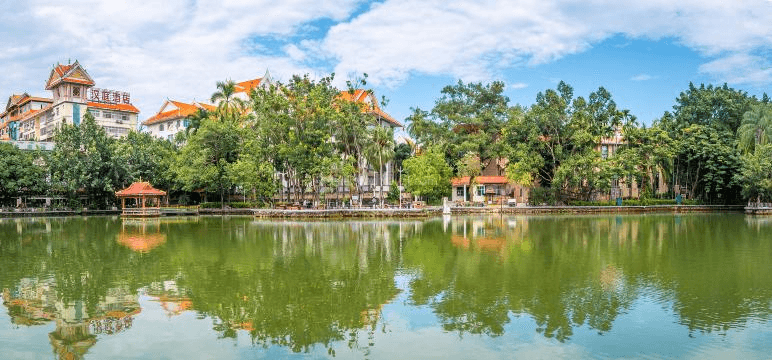
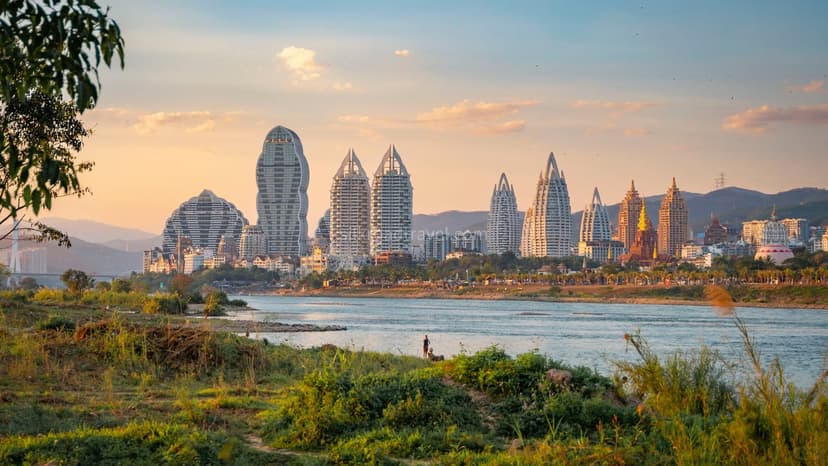
Gaozhuang is probably the most recognizable tourist district in Xishuangbanna. The area is known for its Southeast Asian-style architecture, riverside atmosphere, cafés, souvenir shops, and busy night markets.
Many visitors enjoy staying here because everything feels lively and visually interesting, especially at night. The famous Starlight Night Market is also located nearby, making evening walks extremely convenient.
However, Gaozhuang is also one of the busiest and most commercialized parts of Xishuangbanna. During holidays, noise levels and crowds can become intense, especially near nightlife streets.
This area works best for travelers who enjoy nightlife, photography, food markets, and a more social atmosphere.
Staying Near the Rainforest — A Slower Experience
Outside the city, more eco-lodges, boutique resorts, and rainforest guesthouses have appeared in recent years. These accommodations are usually surrounded by greenery and feel much quieter than central Jinghong.
For travelers who want nature, relaxation, bird sounds in the morning, and slower travel rhythms, staying outside the city can be a memorable experience. However, these areas are less convenient for restaurants, transportation, and nightlife. Some properties may also require longer drives on rural roads. This is ideal if you really want to unplug and slow down.
Top Attractions in Xishuangbanna
Xishuangbanna Tropical Botanical Garden, CAS (5A)
Address: Menglun Town, Mengla County. Admission: ¥80 (approx. USD 11).
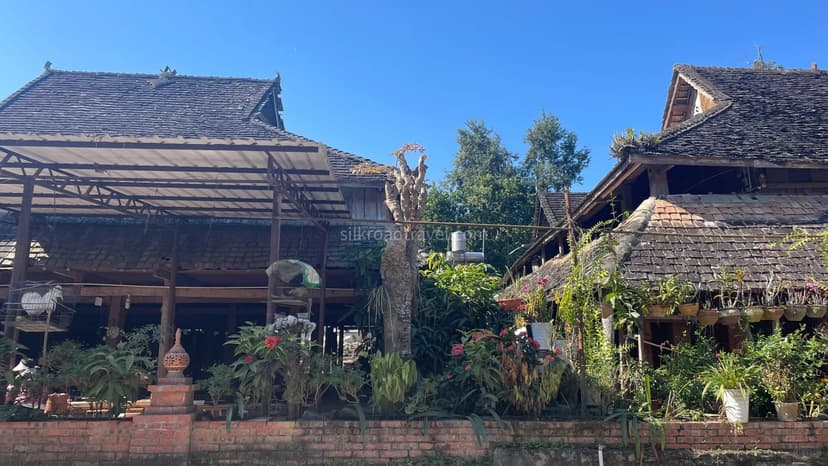
As China's largest, most biodiverse, and best-curated botanical garden, this is the ultimate pilgrimage site for nature lovers. The garden is divided into the West Zone and the East Zone. The West Zone features cultivated gardens, lily ponds, and giant Victoria amazonica water lilies whose pads can support a child's weight — a magical sight. The East Zone preserves a pristine tropical rainforest valley, where you can walk among strangler figs and massive buttress roots. The unmissable highlight is a summer nighttime guided tour to spot fireflies, bioluminescent fungi, and nocturnal wildlife.
Wild Elephant Valley (4A)
Address: Mengyang Town, Jinghong City. Admission: ¥60 (approx. USD 8.3); cable car round trip ¥70.
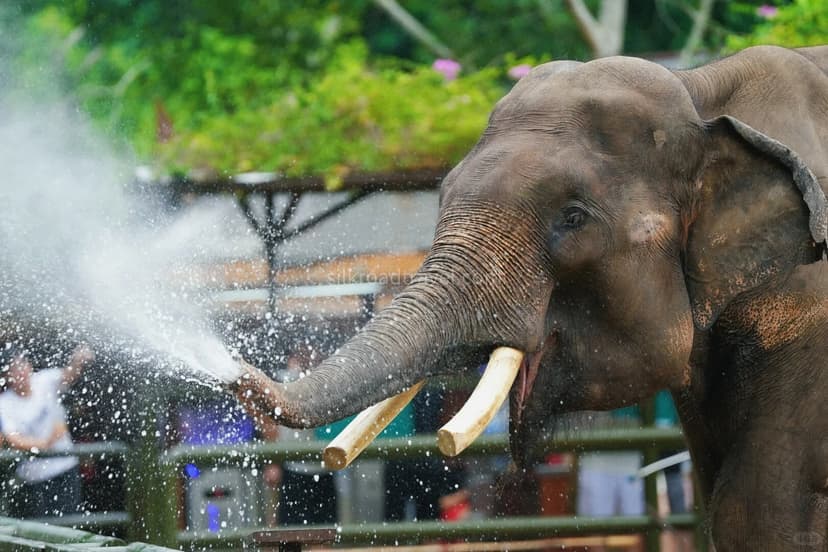
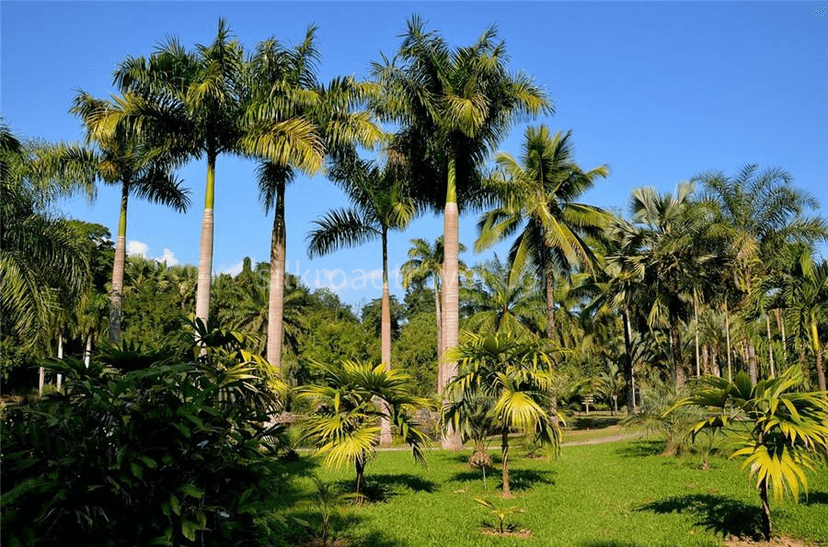
This is China's only place where you can safely observe wild Asian elephants. A 2,280-meter elevated observation walkway allows you to look down upon the elephant's favorite watering holes from the canopy level. A 2,063-meter cable car ride offers a bird's-eye view of the jungle where elephants may roam. The Elephant School puts on an educational show demonstrating the animals' intelligence, while the "Rainforest Elephant Walk" (limited to 30 groups per day, booking essential) lets you join a keeper and walk alongside elephants through the forest for an unforgettable, close-up experience.
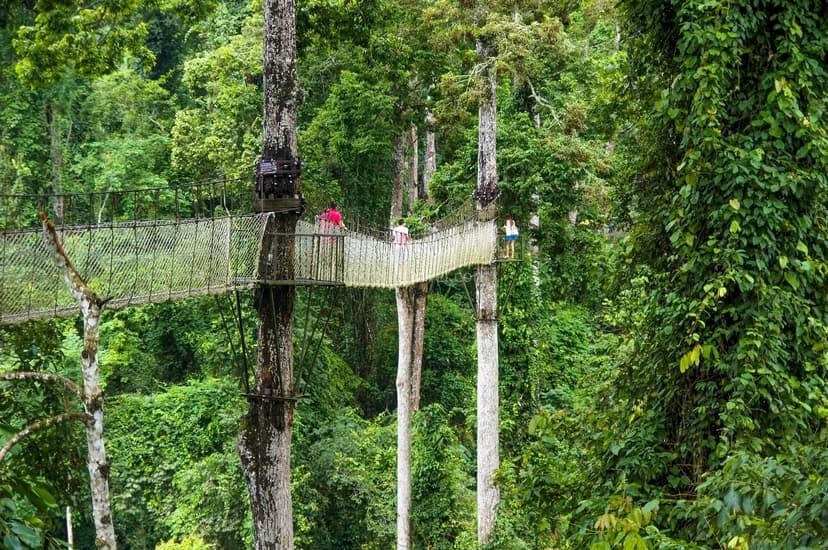
Even without elephant sightings, the rainforest environment itself is still interesting. Elevated walking bridges pass through dense forest, allowing visitors to experience the tropical ecosystem from above. After rain, mist and humidity make the scenery feel especially dramatic.
Morning visits are usually recommended because temperatures are cooler and wildlife activity is slightly higher.
Wangtianshu (Parashorea) Scenic Area (4A)
Address: Mengla County. Admission: ¥75; combined ticket with corridor ¥198 (approx. USD 27.5).
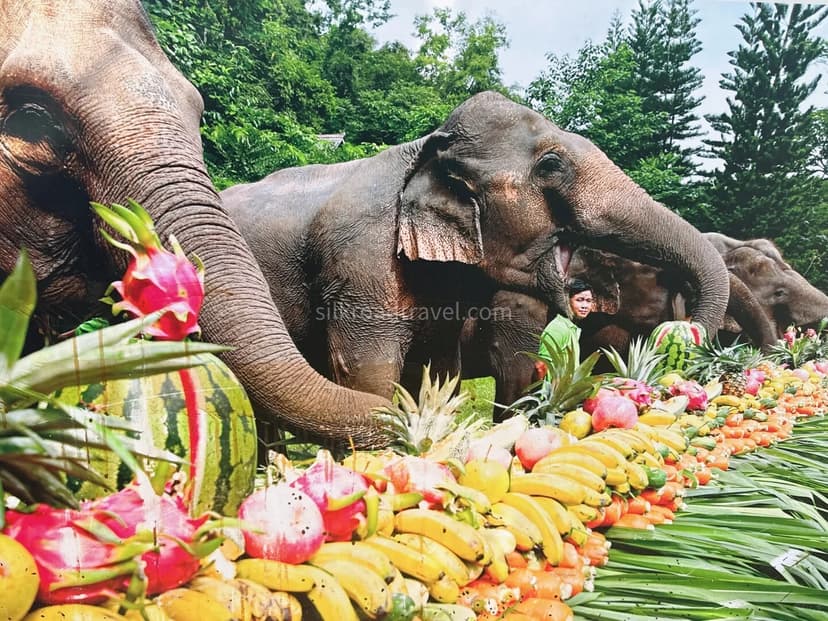
Home to the only internationally recognized tropical rainforest at latitude 21°N, this site's defining feature is the 500-meter-long, 36-meter-high "Tree Canopy Corridor." Suspended between towering Parashorea trees that can reach over 80 meters tall, it offers a thrilling and breathtaking walk with the rainforest floor far below. You can also take a boat ride on the Nanla River or hike the Phillip Trail to immerse yourself deeper into the rainforest.
Xishuangbanna Primitive Forest Park (4A)
Address: North of Jinghong City. Admission: ¥45 (approx. USD 6.3).
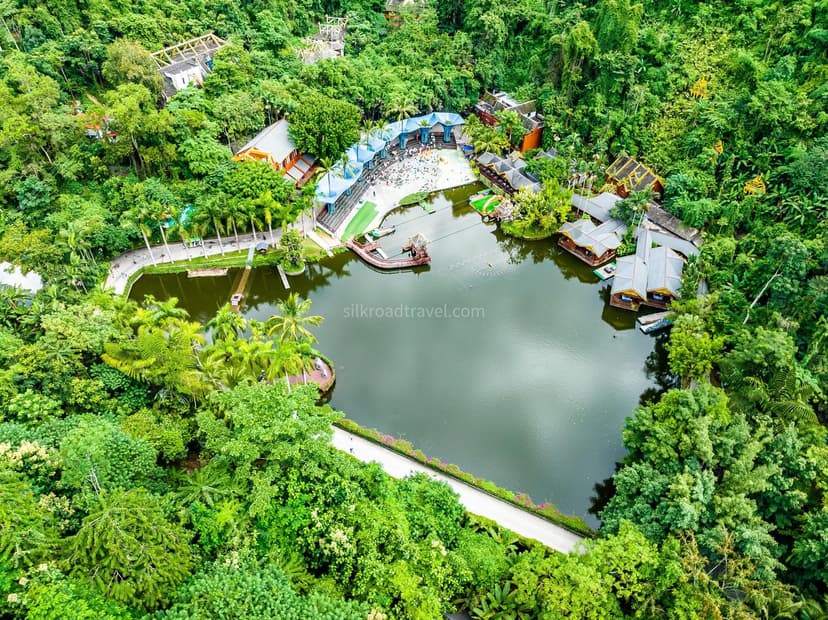
Just 8 km from downtown Jinghong, this is the most accessible rainforest experience. The daily "Peacock Fly" show is the absolute highlight — hundreds of peacocks glide down from a hillside pavilion across a golden lake in a spectacular, graceful display. Additionally, you can visit an Aini ethnic village, enjoy folk dance performances, or try an adrenaline-pumping jungle zip-line adventure.
Manting Park & Zongfo Temple
Address: No. 35, Manting Road, Jinghong. Daytime admission: ¥40 (approx. USD 5.5); evening gala ticket from ¥280.
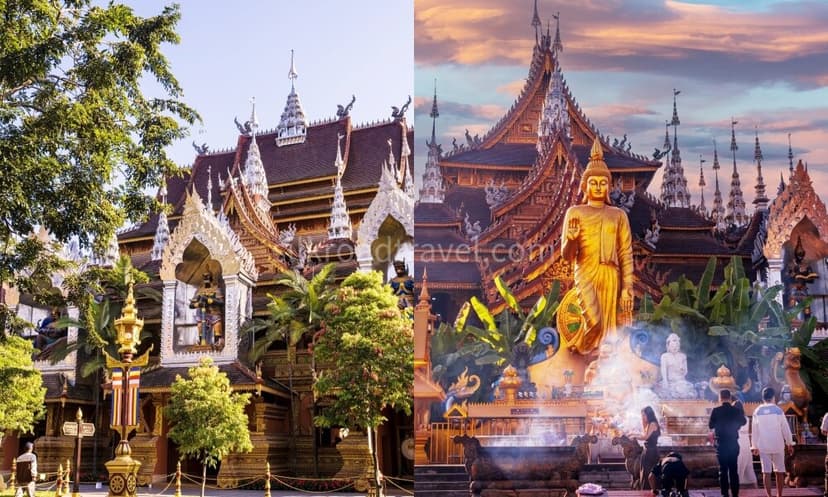
With a history of over 1,300 years, Manting Park was once the royal garden of the Dai kings. It blends tropical flora with reconstructed royal halls and pagodas, creating an exotic atmosphere. Adjacent to it, Zongfo Temple is the highest-ranking Theravada Buddhist temple in Xishuangbanna, with awe-inspiring gold-gilded architecture and ancient palm-leaf manuscripts as its most precious treasure. At night, the park hosts the "Lancang-Mekong Night" cultural gala, featuring a large-scale ethnic performance, a water-lantern releasing ceremony, and a thousand-person bonfire dance — all highly interactive and memorable.
Gaozhuang Xishuangjing & Starlight Night Market
Address: Xuanwei Road, Jinghong. Free entry.
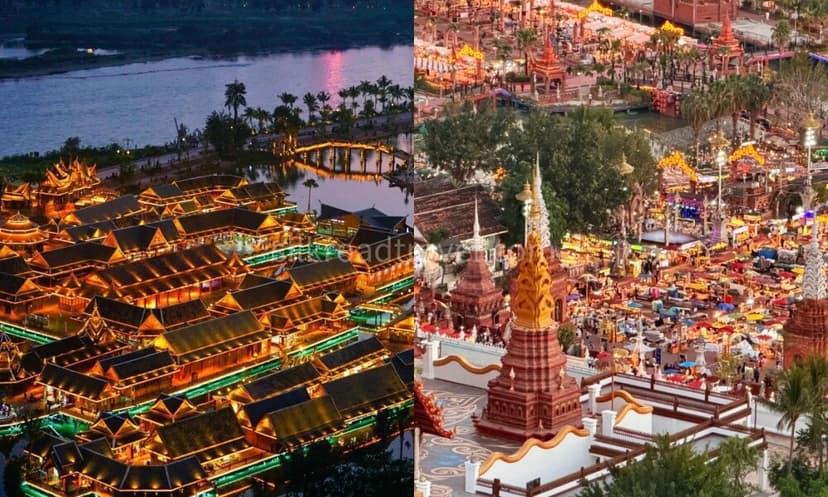
"Gaozhuang Xishuangjing," meaning "Nine Pagodas and Twelve Walled Villages," is the largest cultural and entertainment complex in the region. It comes alive every evening. The Starlight Night Market, reputedly Southeast Asia's largest, stretches for blocks with over 6,000 stalls selling everything from Dai-style BBQ to handmade crafts. The Grand Golden Pagoda Temple glitters under the lights, surrounded by shops renting Dai traditional costumes — for as little as ¥50, you can be transformed into a Dai beauty or gentleman and have a professional photoshoot. The adjacent Six-Nation Floating Market offers boat rides and waterside photo opportunities, adding to the exotic riverside atmosphere.
Dai Ethnic Garden (4A)
Address: Ganlanba, Jinghong. Admission: ¥45 (approx. USD 6.3).
A living open-air museum composed of five well-preserved, authentic Dai villages. Every afternoon, a "Daily Water-Splashing Festival" is enacted here — you can don Dai attire, grab a water basin, and join villagers in a joyous water fight to the rhythmic beat of gongs and elephant-foot drums. You can also visit an intangible cultural heritage center to learn Dai palm-leaf writing, or craft your own pottery using the traditional slow-wheel technique. The ancient Mansongman Buddhist temple stands amid the bamboo houses, its golden pagoda and incense-filled air perfectly capturing the spiritual and everyday life of the Dai people.
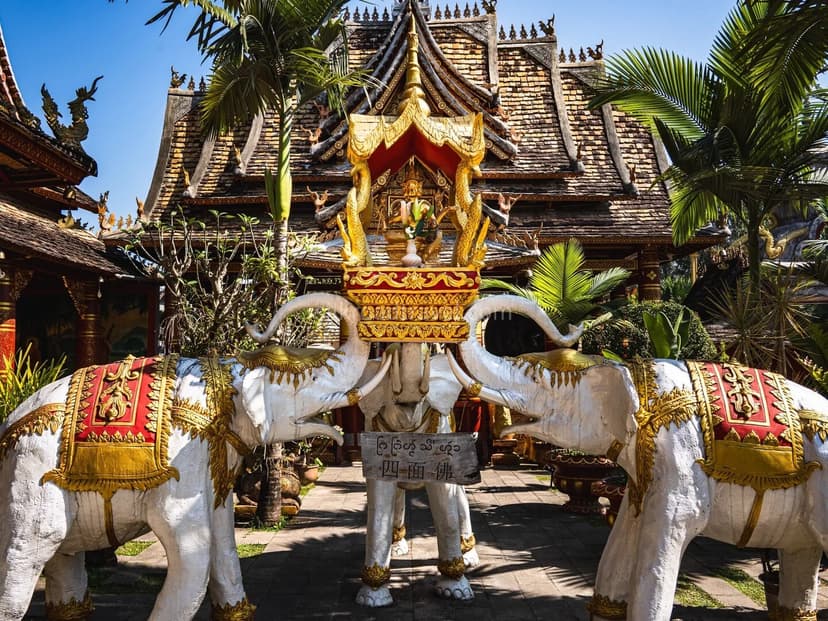
Mengle Grand Buddha Temple
Address: Mantong Road, Jinghong. Admission: ¥120 (approx. USD 16.7).
Built along a hillside, the temple is dominated by a 45-meter-tall gilded Buddha statue — one of the tallest outdoor Buddhas in Southeast Asia — visible from across Jinghong. From the top, you are rewarded with panoramic views of the city and the winding Lancang (Mekong) River. The architecture blends Thai and Burmese Theravada styles, resplendent with gold detailing, especially the impressive long staircase lined with 80 monk statues holding alms bowls.
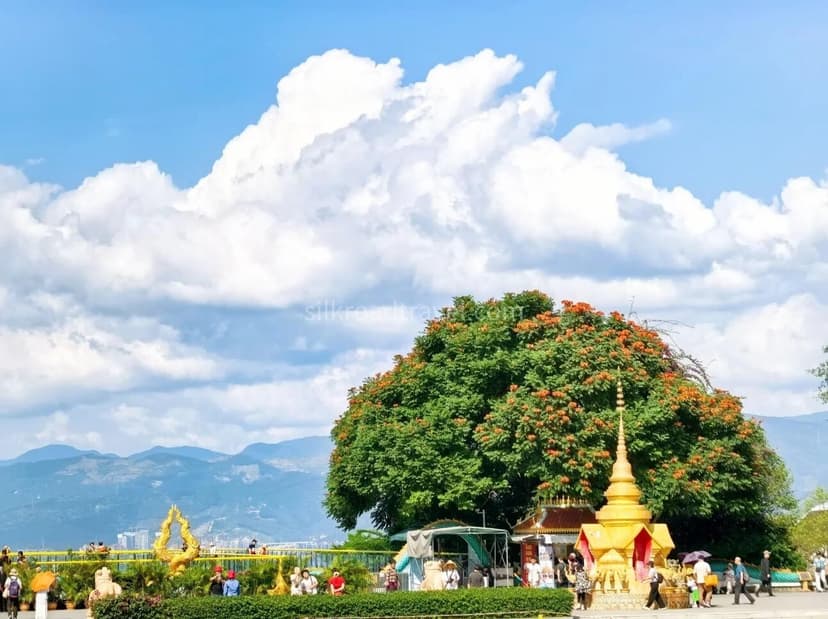
Manzhang Village
Address: Mengyang Town, Jinghong. Free entry; crafts experiences ¥10–20 each.
A perfectly preserved Dai traditional handicraft village where every household masters a specific craft. Here, you can slow down and try your hand at slow-wheel pottery, ancient papermaking from bark and flowers, or palm-leaf scripture carving, all under the patient guidance of villagers. The village is small and free of commercial hype; for lunch, eat at a villager's home to taste the most authentic Dai home cooking.
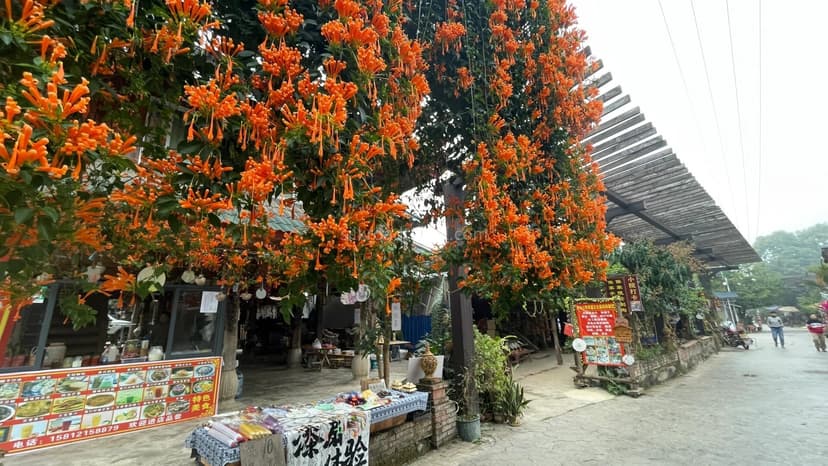
Rainforest & Nature Experiences
Xishuangbanna's rainforest is genuinely tropical and one of China's most important ecological regions. Rainforest hiking is easier than many expect — most trails are accessible to ordinary visitors. However, humidity and heat can still tire you out quickly. Go in the early morning, bring plenty of water, and walk slowly. Regarding wildlife, don't expect safari-style encounters. The chance of spotting wild elephants is about 30% from observation walks. You are more likely to see birds, butterflies, insects, and frogs. The rainforest itself is the real highlight. Also, mosquitoes become very active after rain — wear long sleeves and use insect repellent.
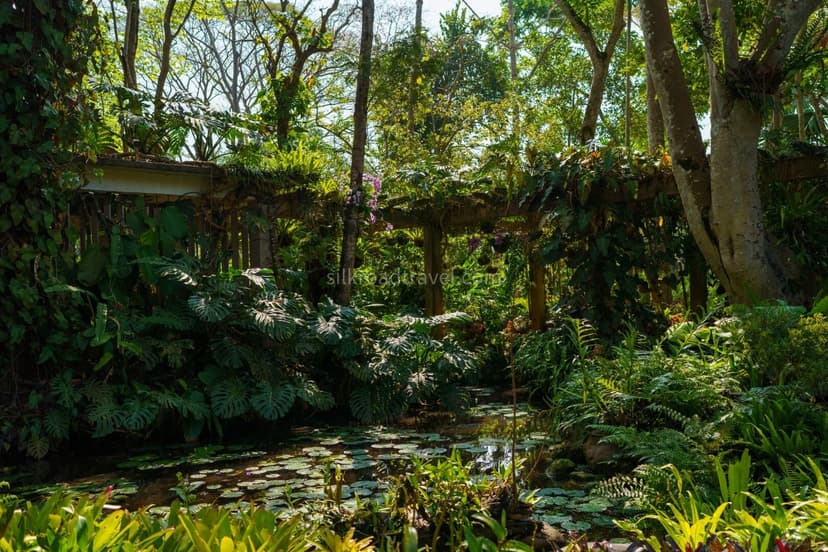
Dai Culture & Ethnic Traditions
What makes Xishuangbanna so unique is its strong Dai culture. Architecture, food, religion, clothing, festivals, and daily life all carry a distinct Southeast Asian flavor. Theravada Buddhism is the main faith of the Dai people, and temples are everywhere. When visiting temples, dress modestly (cover shoulders and knees) and behave respectfully. The Water Splashing Festival is the biggest annual celebration, held in mid-April over three days: day one features dragon boat races and sky lanterns; day two is a citywide water fight; and day three involves temple visits and floating water lanterns. If you plan to join the festival, book your hotel one to two months in advance, wear quick-dry clothing, put your phone in a waterproof pouch, and accept that you will get completely soaked.
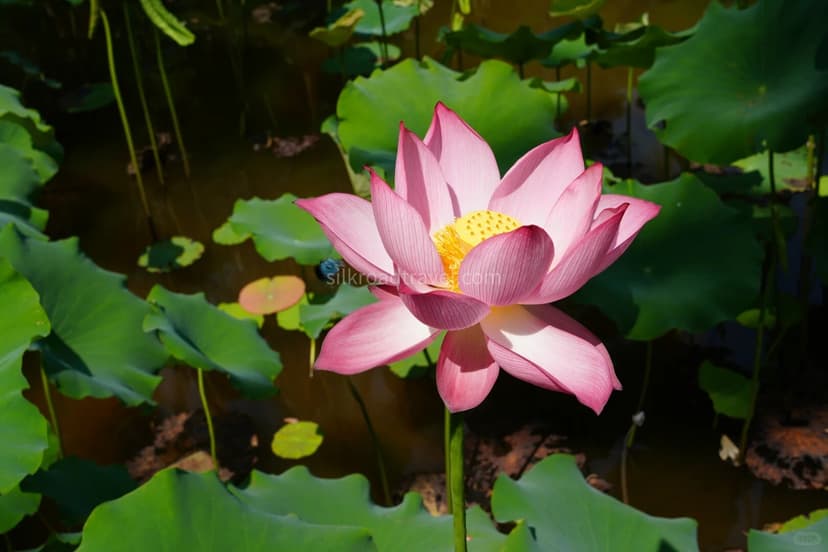
Xishuangbanna Rainforest & Dai Culture Guide
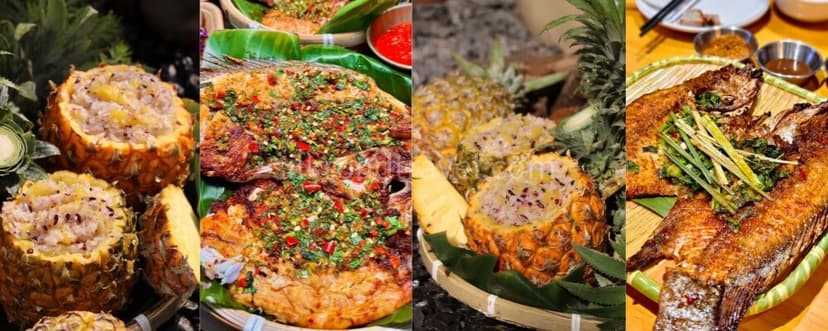
Lemongrass Grilled Fish (香茅草烤鱼)
This is the undisputed king of Dai barbecue. A whole fish, typically tilapia or local river fish, is stuffed with a fragrant paste of lemongrass, cilantro, garlic, and chilies. It's then wrapped in lemongrass stalks and grilled over charcoal. The result is a smoky, herbaceous masterpiece with crackling skin and tender, flaky flesh that you peel off and dip in a tangy lemon-chili sauce.
Pineapple Purple Rice (菠萝紫米饭)
A beautiful, sweet-savory dish that doubles as a dessert. A hollowed-out pineapple is filled with steamed glutinous purple rice that has been pre-soaked and cooked to sticky, chewy perfection. The rice absorbs the fruit's tangy sweetness, creating a vibrant purple-and-yellow treat that is as Instagram-worthy as it is delicious.
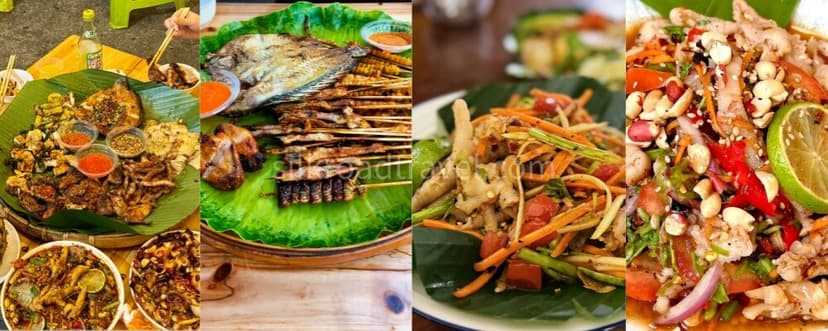
Dai-Style BBQ (傣味烧烤)
More than just grilled meat, this is a social experience. Skewers of marinated pork belly, chicken wings, and local sausages are grilled over open flames, but the soul of the dish lies in the dips: nam prik (a potent chili paste) and a dry dip of salt, crushed Sichuan pepper, and local herbs. Don't miss the grilled eggplant, peeled open and slathered with garlic, chili, and a squeeze of lime.
Pounded Chicken Feet (舂鸡脚)
The ultimate street-food icon. Cooked chicken feet, boned and chopped, are pounded in a heavy mortar with green papaya shreds, tomatoes, yardlong beans, garlic, bird's-eye chilies, fish sauce, and lime juice. The result is a crunchy, sour-spicy-salty explosion that's refreshingly addictive. You'll find vendors rhythmically pounding away in every night market.
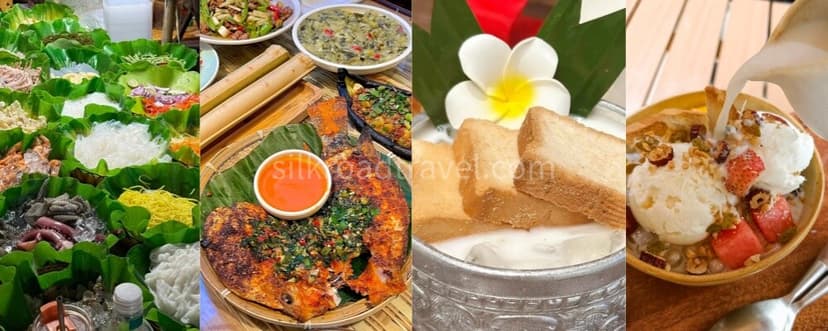
Pao Lu Da (泡鲁达)
This beloved drink was introduced from Myanmar and Thailand, but has been fully adopted as a local essential. It's a tall glass of chilled coconut milk, sweetened with condensed milk, and loaded with sago pearls, colorful jelly, and a slice of bread. The crowning glory is the crispy, buttery bread cube and a sprinkle of shredded coconut on top. It's the perfect antidote to a hot afternoon.
A gentle note for sensitive stomachs: Dai cuisine is bold with herbs, spices, and raw vegetables. Start with grilled or cooked items if you're unsure, and always drink bottled or boiled water. Most travelers handle it just fine — but a little caution goes a long way.
Packing essentials: Light summer clothing (cotton/linen), a thin jacket (evenings in dry season ~16℃), SPF50+ sunscreen, wide-brimmed hat, sunglasses, insect repellent (DEET or picaridin), rain gear (May–Oct), waterproof phone pouch (essential for Water Splashing Festival), comfortable closed-toe walking sandals or lightweight hiking shoes, swimwear & quick-dry towel, personal medications including stomach remedies and rehydration salts.
Key tips:
The chance of seeing wild elephants in Wild Elephant Valley is about 30%. For a guaranteed close encounter, book the "Rainforest Elephant Walk" at least a week in advance.
Don't buy jewelry or jade at night markets — many are fakes. Buy Pu'er tea at the source (tea mountain villages).
During peak seasons (Water Splashing Festival and winter), book hotels and train tickets at least one month ahead.
Respect wildlife and temple etiquette: don't feed or shout at elephants; remove shoes before entering temple halls, cover shoulders/knees, never touch a monk's head or sit higher than a monk.
Final Thoughts
Xishuangbanna doesn't try to impress you with skylines or fast city life. Instead, it greets you with humid rainforest air, golden temples hidden among palm trees, night markets glowing by the Lancang River, and the smell of Dai barbecue drifting through warm evenings. Between the famous attractions, you'll find slower moments that stay with you longer — fruit sellers by the roadside, scooters passing banana trees at sunset, and sudden tropical rain that changes everything in minutes.
Because attractions are spread out, a well-planned trip makes all the difference. With over 20 years of designing Yunnan journeys for international travelers, we focus on relaxed, personal experiences — from rainforest stays to tea mountain routes. Best service, fair price, and a Xishuangbanna journey that feels less like "checking attractions" and more like spending time in tropical southern China.
Waiting for you in Xishuangbanna! :)