


How to Travel Around Xishuangbanna
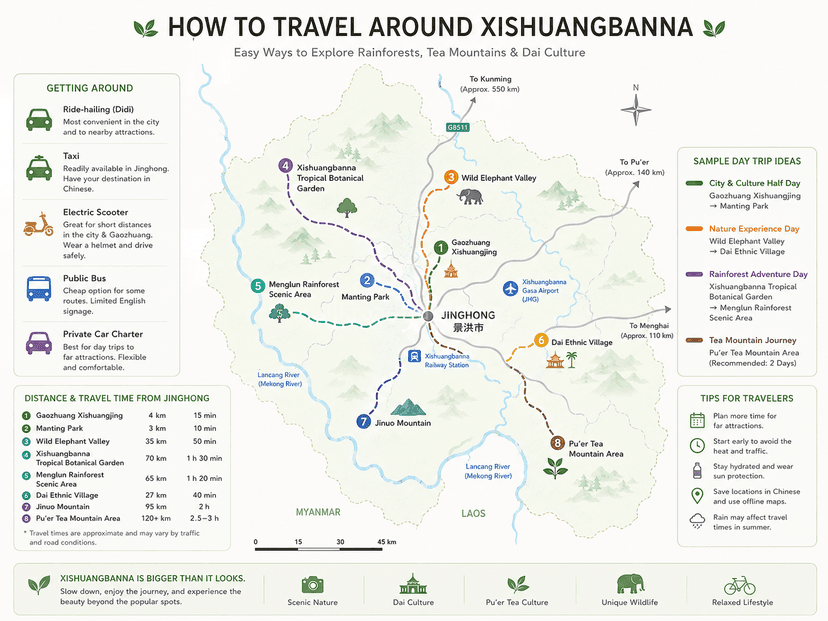
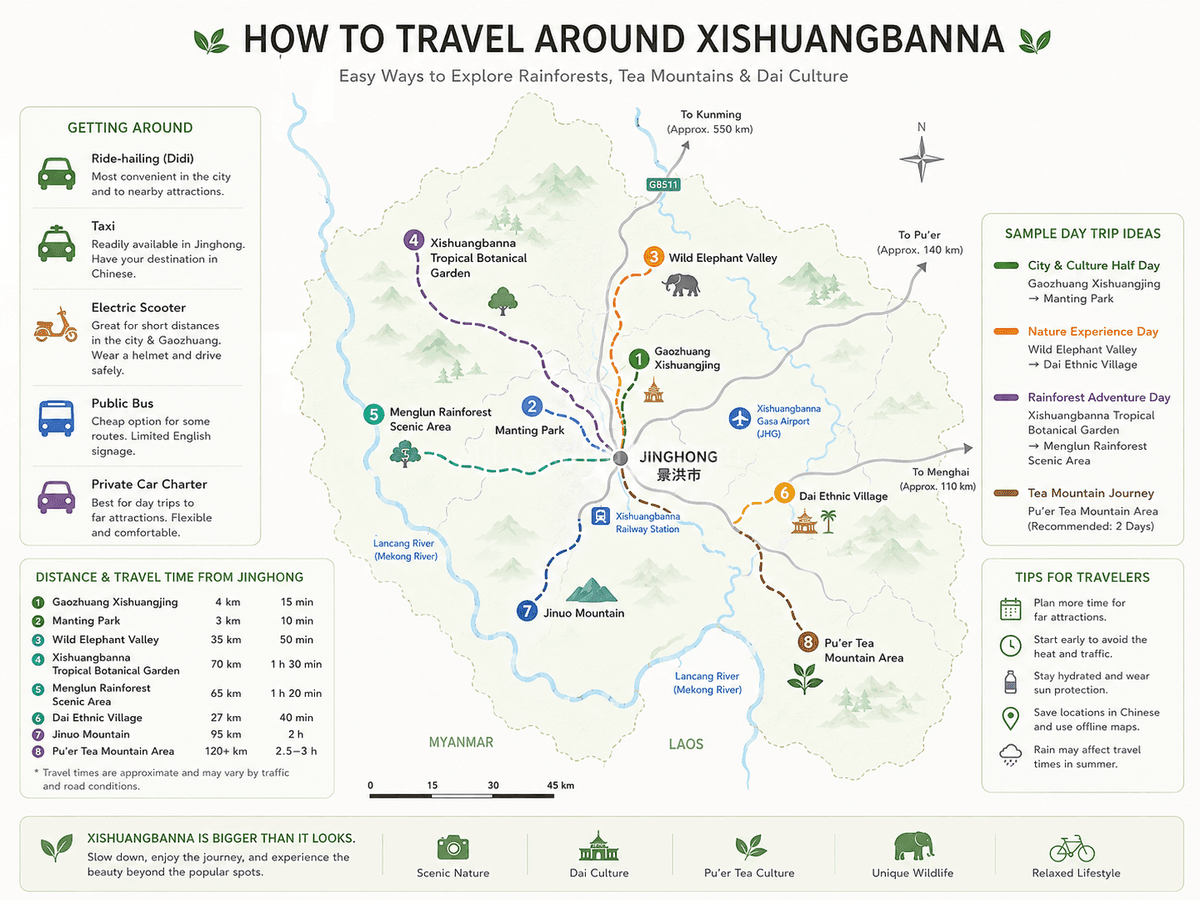
Xishuangbanna's attractions are spread far apart — the drive from downtown Jinghong to the farthest site, Wangtianshu, can take nearly two hours. Poor transportation planning can leave you spending most of your day on the road. This guide tells you exactly how to get around, with honest pros and cons of each option.
Taxi & Ride-Hailing Apps: The Easiest Way in the City
In downtown Jinghong, taxis and Didi are the simplest and most reliable options. Taxis start at ¥10 for the first 3 km, then about ¥2 per km. Didi offers accurate pickup location and transparent pricing, even during peak hours. Both are easy to find.
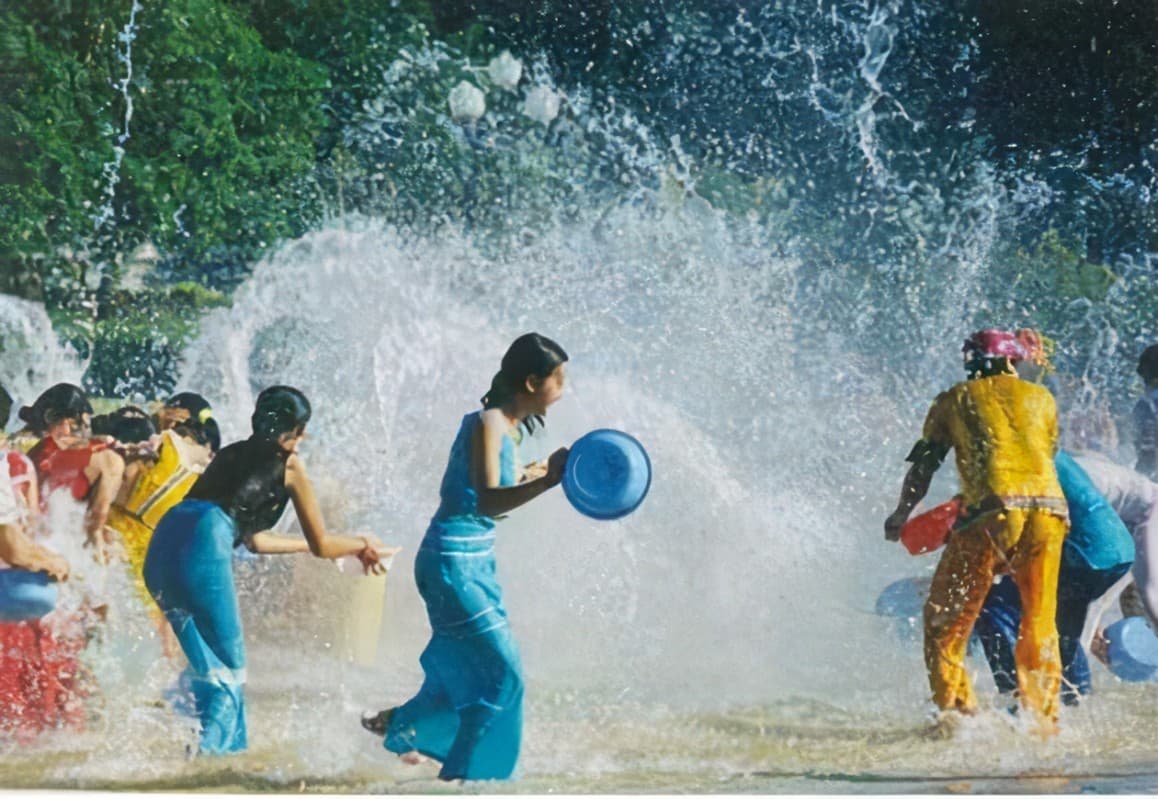
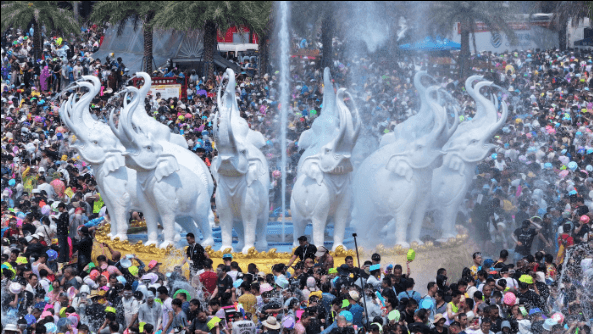
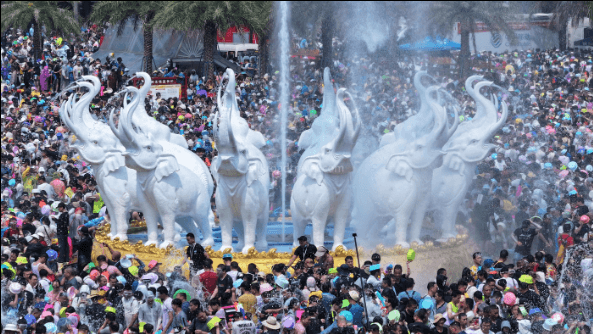
Detail tip: During morning/evening rush hours or the Water Splashing Festival, main roads may get congested, and fares can be slightly higher. A taxi from the airport or train station to Gaozhuang typically costs ¥30–40; anything above ¥50 is too much.
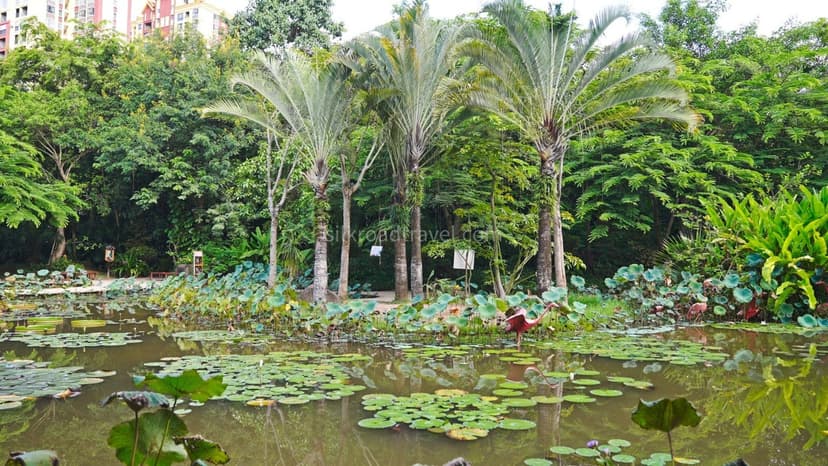
Electric Scooters: Fun for Short Trips, But Know Your Limits
Electric scooters are very popular around Gaozhuang Xishuangjing and the Water-Splashing Square. Rental costs about ¥10–15 per hour, or ¥40–60 per day. Riding under palm trees or along the Lancang River is genuinely enjoyable.
But here's the reality: Traffic rules in Xishuangbanna are… flexible. Scooters, cars, motorbikes, and pedestrians share the road chaotically — no turn signals, wrong-way driving, sudden stops. If you're already comfortable riding scooters in other Chinese cities, you'll be fine. If not, stick to quiet side streets or internal resort roads. Never ride in the rain — the roads get slippery, and brakes can fail.
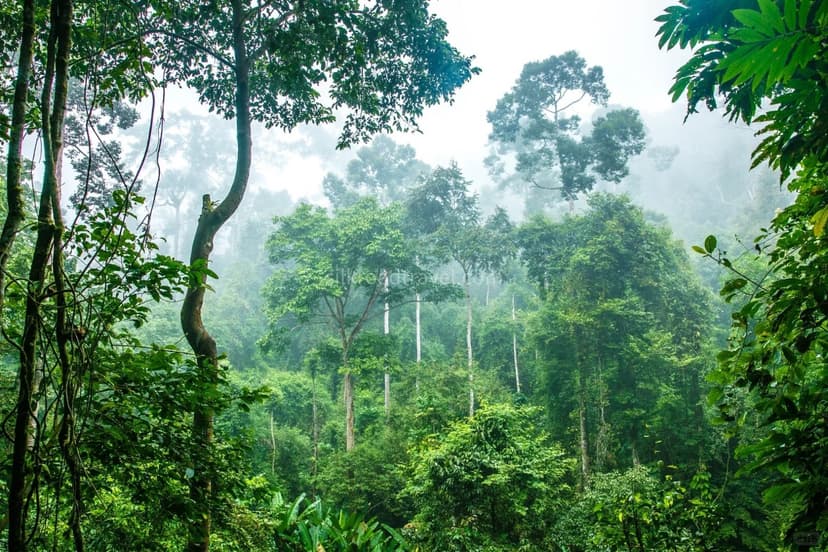
Chartered Car: The Gold Standard for Remote Attractions
For Wild Elephant Valley (~40 km), Wangtianshu (~140 km), the Botanical Garden (~60 km), or tea mountains, a chartered car is the best balance of time and comfort. The daily rate is around ¥300–500 (7-seat vans cost more). The driver waits in the parking lot for as long as you need.
How to find a reliable driver: The safest way is to book through your hotel front desk — they usually work with licensed fleets. Alternatively, use platforms like Ctrip or Fliggy and read reviews. Do not randomly flag down unmarked cars on the street.
Additional details: The rate usually covers fuel, parking, and the driver's labor, but not his meals. Most drivers will politely decline a meal invitation, but a ¥20–30 meal allowance is a nice gesture. Also, confirm the route order in advance to avoid extra charges for last-minute changes.
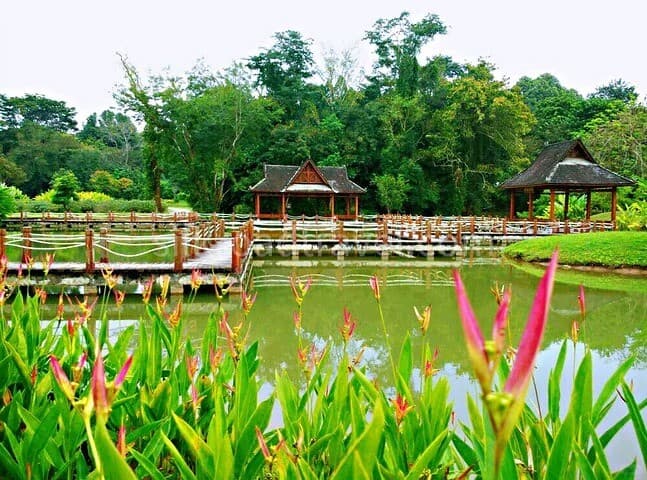
Scenic Shuttle Buses: Cheap But Inflexible
Tourist distribution centers near Gaozhuang and the Water-Splashing Square operate shuttle buses to major sites like Wild Elephant Valley, the Botanical Garden, and Dai Ethnic Park. Round-trip fares range from ¥20–50 — much cheaper than a chartered car.
The downsides are clear: Fixed departure times — usually leaving around 9 AM and returning at 3–4 PM. You're tied to the group's schedule. This works if you're short on time and just want a quick look. But if you like to wander slowly or stay longer at a site, this option will frustrate you.
Self-Drive Rental: Freedom, But With Caveats
National rental platforms like Shenzhou and Yihai have branches in Jinghong, with daily rates around ¥150–300. It looks freeing, but there are real issues:
Unfamiliar roads: Routes to Wangtianshu and the tea mountains have many curves and narrow sections. During the rainy season, there's also a risk of mudslides.
Parking headaches: Near the Gaozhuang night market, parking spaces are extremely limited. Illegal parking fines start at ¥200.
Accident hassles: If you get into a minor scrape (and local scooters are everywhere), the insurance and repair process can eat up a whole day.
Verdict: If you have extensive driving experience in China, go for it. Otherwise, the charter + ride-hailing combo is much smarter.
Final Honest Tips
Xishuangbanna is much larger than it looks on a map. Two attractions that seem close on paper might be 80 km apart. Don't schedule more than two sites per day — you'll exhaust yourself on the road.
The rainy season slows everything down. Dirt rural roads can turn into muddy tracks, turning a 1-hour drive into 1.5 hours. Confirm with your chartered driver whether extra time costs more.
Chinese addresses are your lifeline. English signage is rare. Save your hotel, train station, and airport names in Chinese characters on your phone — just show them to taxi drivers. Download offline translation apps ahead of time.
Don't trust touts offering “one-day tours” for ¥50. Those vans usually turn into shopping traps or hit you with hidden fees halfway.
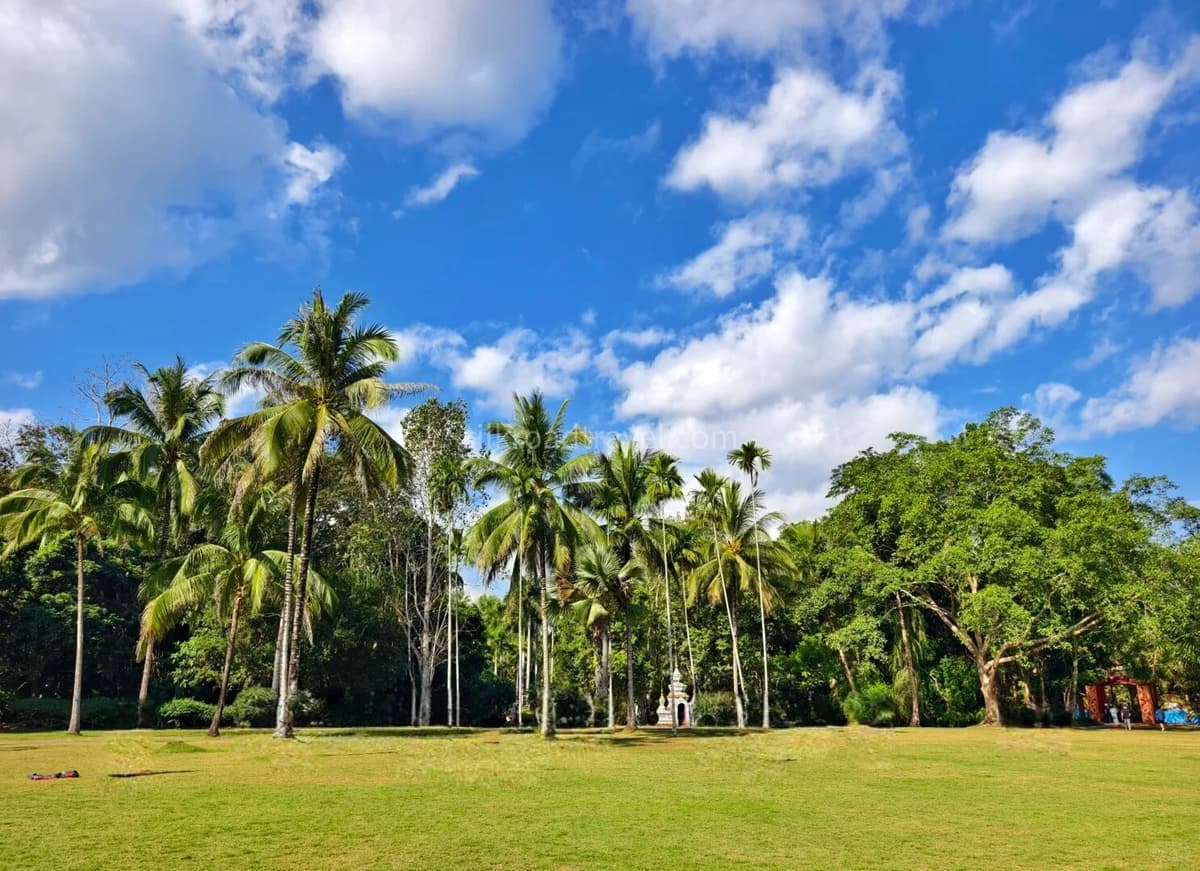
Remember: In Xishuangbanna, slow is fast. Get your transport right, and you'll have more time for the rainforest breeze, the tea in a Dai bamboo house, and the lively chaos of the night market.
Waiting for you in Xishuangbanna! :)