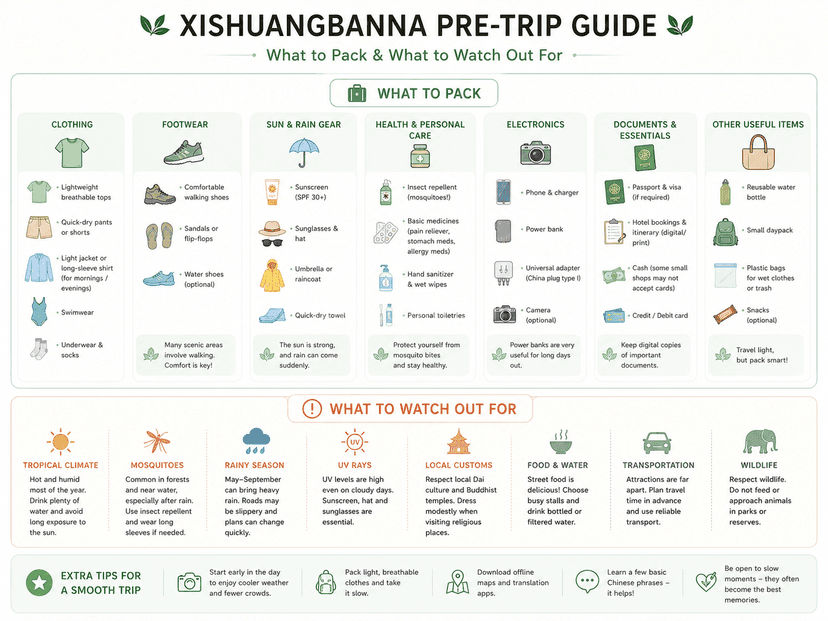

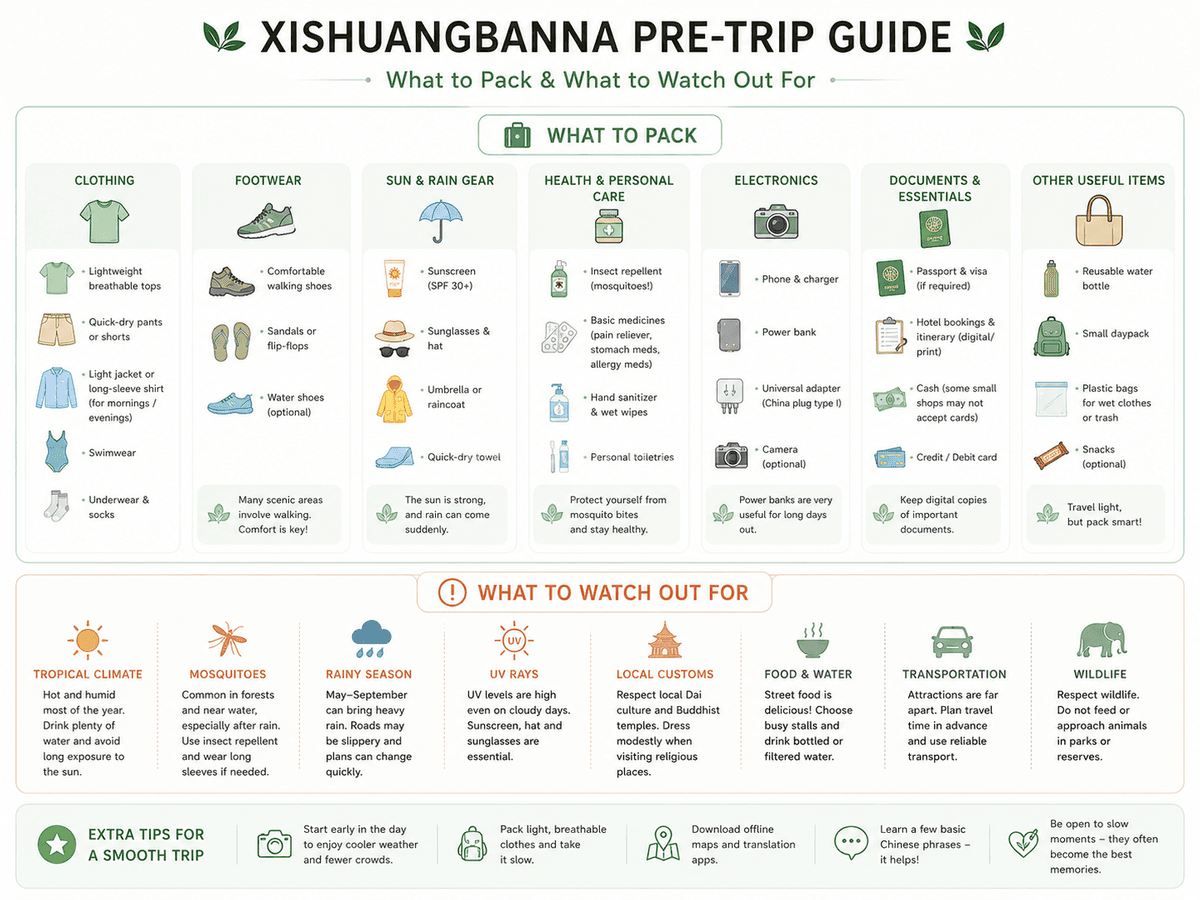
Many travelers wonder before departure: What clothes should I bring? Do I need an umbrella? How bad are the mosquitoes? Based on the real environment of Xishuangbanna, I'll tell you the most essential items and the easily overlooked details. At the end, a few common pitfalls — so you can avoid them before they happen.
Packing Essentials
To make your trip to Xishuangbanna more comfortable and safe, good packing and preparation are essential. Here is a detailed guide based on local experience.
Clothing: Light, Quick-Dry, Layered:
Xishuangbanna is warm year-round, but "warm" doesn't mean "always hot enough to sweat." During the dry season (Nov–Feb), temperatures drop to around 16 °C in the mornings and evenings. And in the rainy season, indoor air conditioning can leave you chilly.
What to pack:
Quick-dry T-shirts and shorts (2–3 sets): Cotton gets sweaty and takes forever to dry, especially in the rainy season.
Light long-sleeve shirt or sun hoodie (1–2): Sun protection, mosquito barrier, and shoulder coverage for temples.
A thin jacket or hoodie: Useful on the plane, in air-conditioned buses, and for dry-season evenings.
Quick-dry long pants (1 pair): For rainforest hikes — protects against thorny plants and leeches.
Underwear: Bring extra sets; high humidity means slow drying.
Footwear: One Good Pair Beats Everything
You'll walk more than you expect — cobblestone night market lanes, muddy rainforest trails, temple staircases.
Best choice: Closed-toe hiking sandals (like Keen or Teva style) or lightweight hiking shoes. Sandals handle wet conditions; hiking shoes offer more grip. If you bring only one pair, go with hiking sandals.
Avoid: Canvas sneakers (soak through instantly), flip-flops (hotel pool only), new leather shoes (blisters).
Sun Protection & Rain Gear: The Two Faces of the Tropics
UV rays in Xishuangbanna are intense — you can get burned even on cloudy days. Rain arrives suddenly, especially from May to October.
What to pack:
SPF50+ water-resistant sunscreen (face and body)
Wide-brimmed hat (a straw hat is cooler than a baseball cap)
Polarized sunglasses
Compact umbrella or lightweight poncho (poncho works better in the forest)
Mosquito Repellent: Not Optional, But Essential
Mosquito density is high near rainforests and water. Don't rely on "natural essential oils" — they are far less effective. Spray is more convenient than lotion. Reapply morning and evening, and always after rain.
Medical Kit: Don't Let a Small Illness Ruin the Trip
Dai cuisine is sour, spicy, and sometimes raw. Sensitive stomachs may struggle. Mountain roads are winding — motion sickness is common.
Basic kit:
Stomach medication (berberine, smectite powder)
Oral rehydration salts (for dehydration after diarrhea)
Motion sickness pills (tea mountain roads are winding)
Band-aids, antiseptic wipes
Antihistamines (in case of pollen or insect allergy)
Personal prescriptions (enough for the whole trip, keep original packaging)
Electronics & Waterproofing
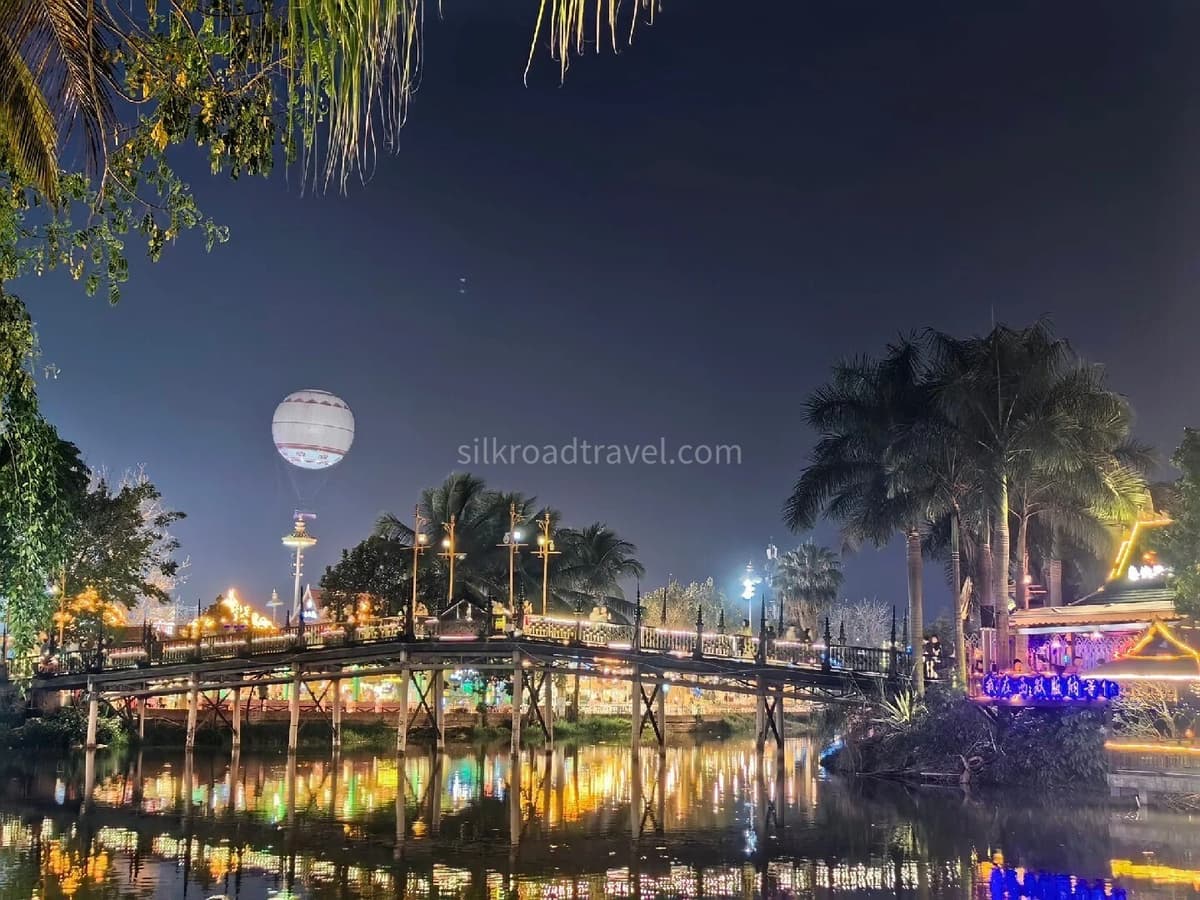
Water Splashing Festival, sudden rain showers, even the hotel pool — water is everywhere.
What to pack:
Waterproof phone pouch (essential for Water Splashing Festival, recommended for rainy season)
Power bank (long distances between attractions, navigation drains battery, it must have the 3C mark.)
Travel adapter (China uses two-prong flat plugs, 220V)
Key Tips & Cautions
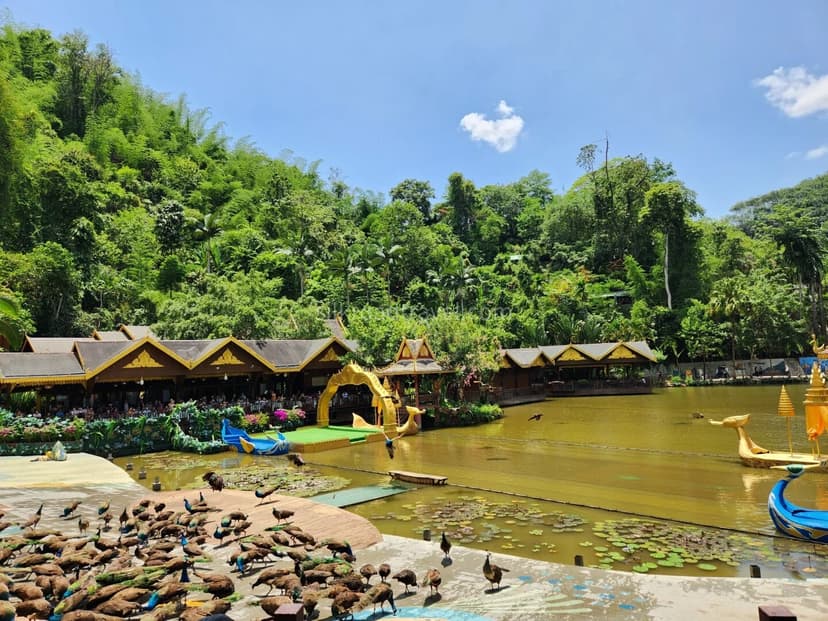
On Wild Elephants: Don't Believe "Guaranteed Sightings"
At Wild Elephant Valley's observation deck, the chance of seeing wild Asian elephants is about 30%. That's not a scam — elephants don't keep a schedule. If you want a guaranteed close encounter, book the "Rainforest Elephant Walk" at least one week in advance through official channels (limited to 30 groups per day). It's not cheap, but walking alongside elephants in the forest is unforgettable.
Never: Shout, feed, or approach wild elephants. Mothers with calves are dangerous.
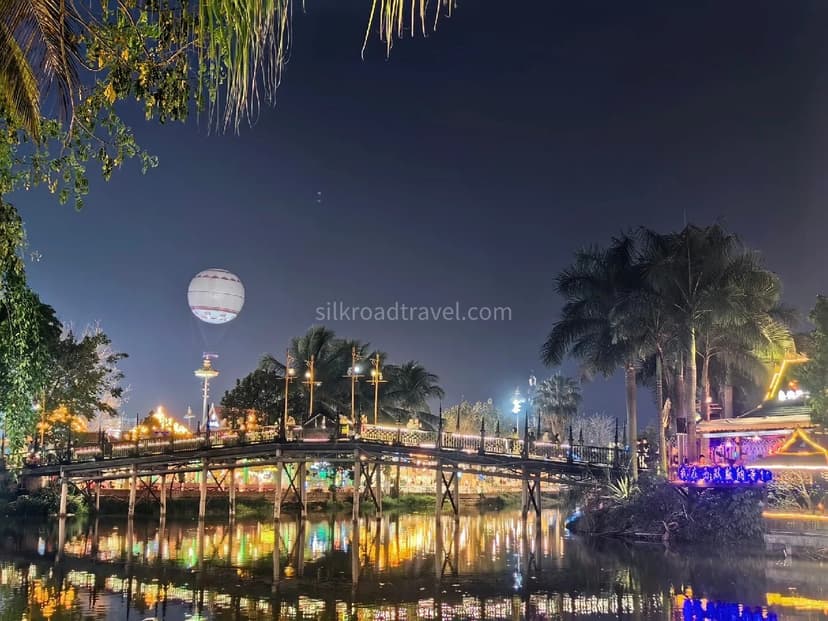
On Shopping: Night Markets for Small Items, Licensed Stores for Valuables
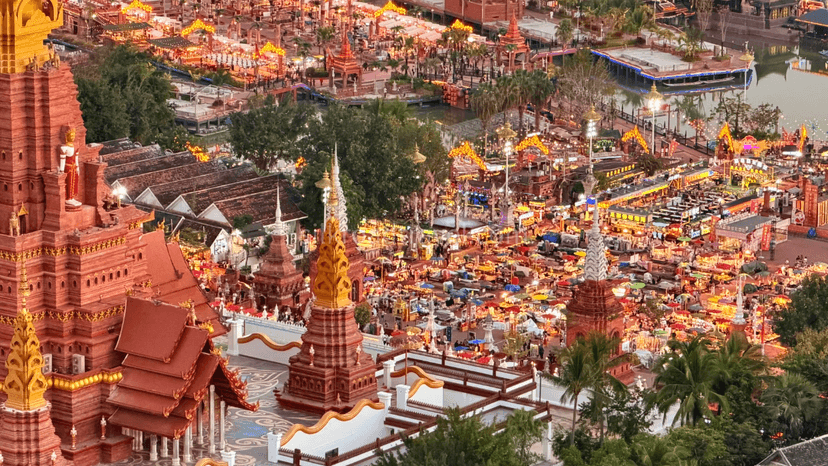
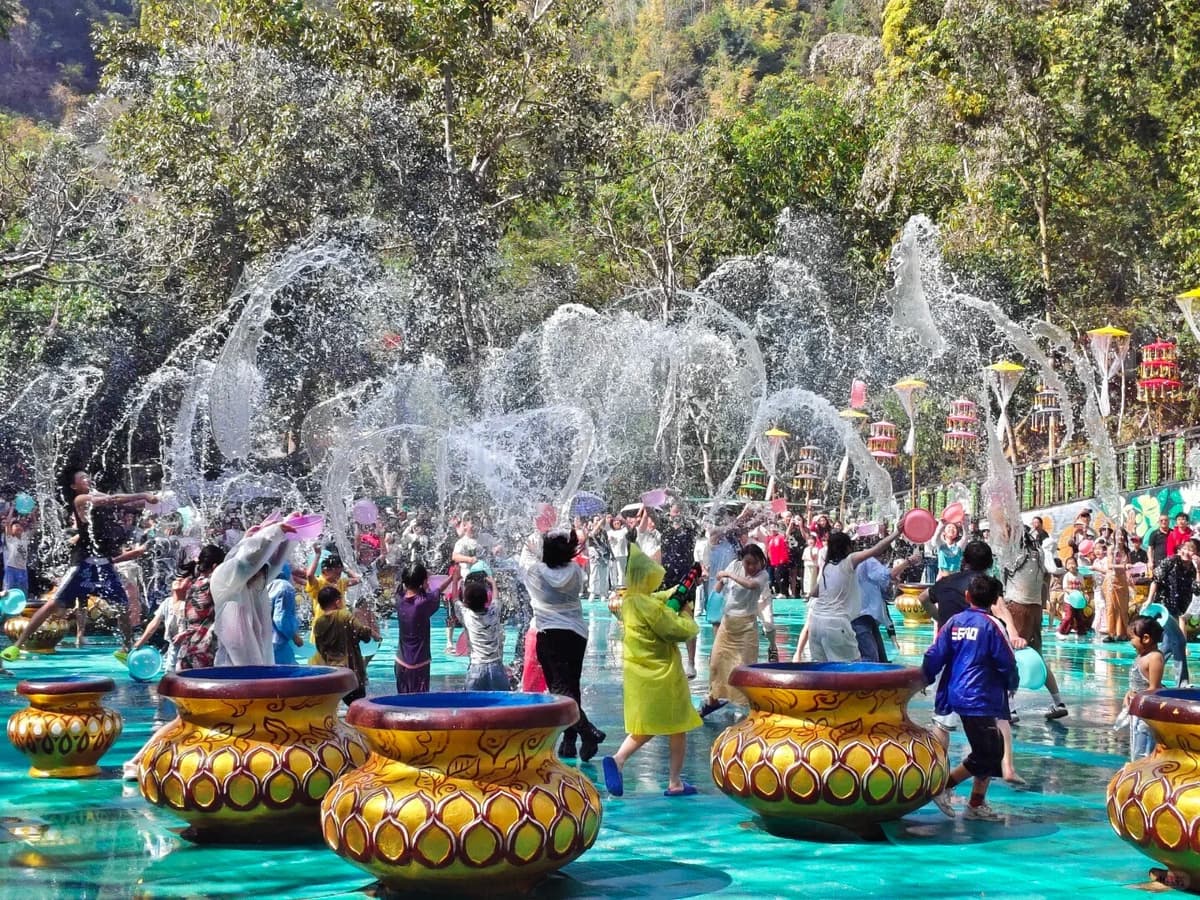
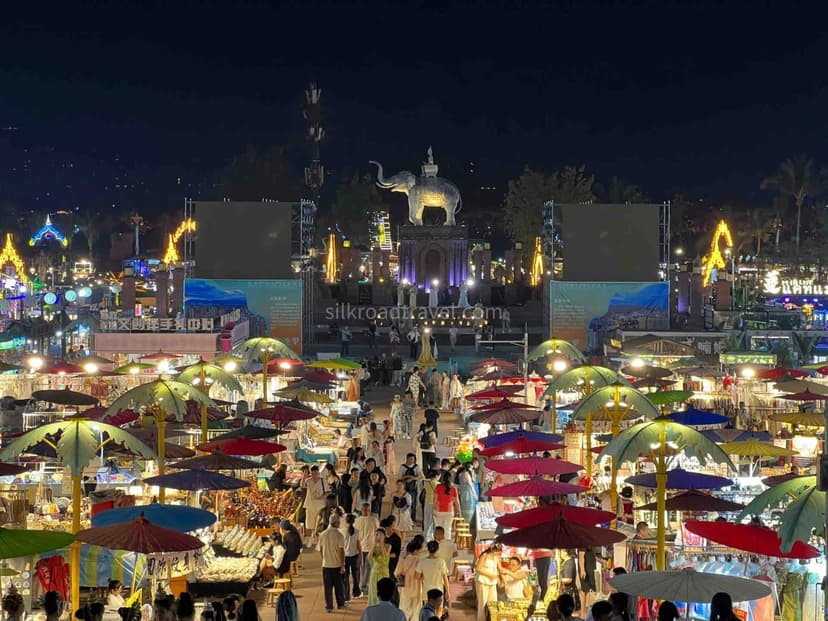
Gaozhuang Starlight Night Market is beautiful, but those "jade bangles" and "silver belts" for a few dozen yuan are almost all fake or very low quality. If you want real Pu'er tea, go directly to tea farmers on Nannuo Mountain or Yiwu Mountain, or to the tea shops inside the Botanical Garden — they are happy to let you taste before you buy.
What's worth buying at night markets: Dai handmade paper fans, small ceramics, bamboo crafts, dried fruit, and grilled fish. For anything under ¥50, don't worry too much about authenticity.
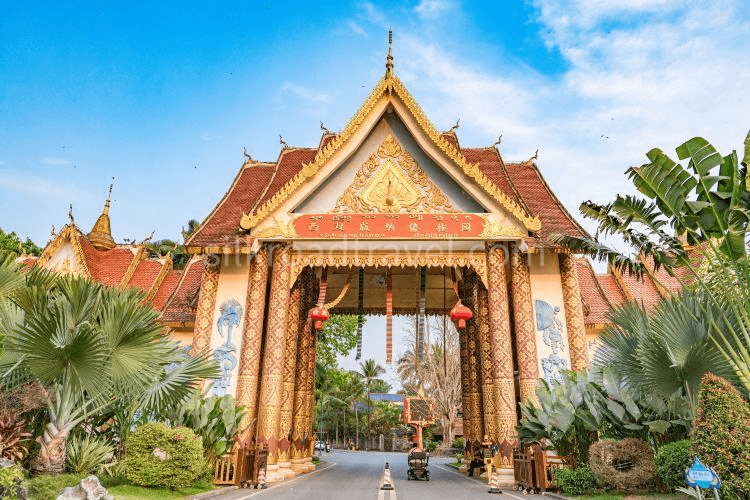
On Temples: Your Demeanor Matters More Than You Think
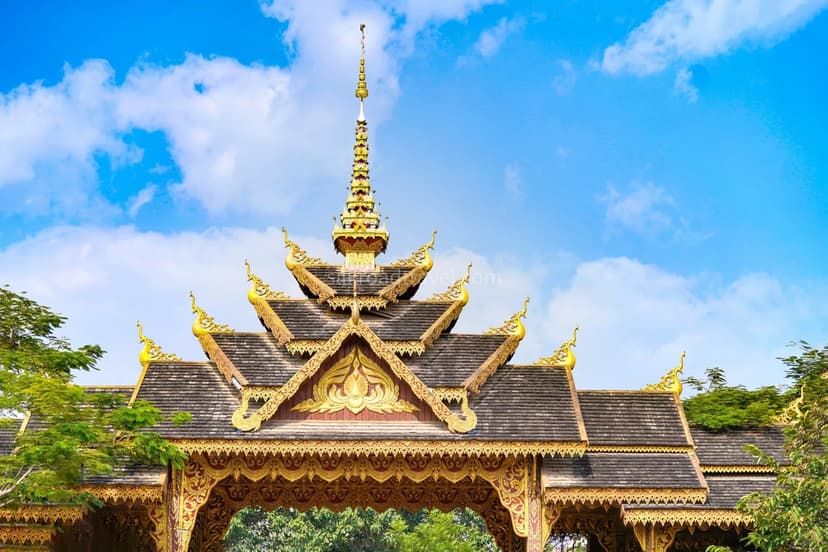
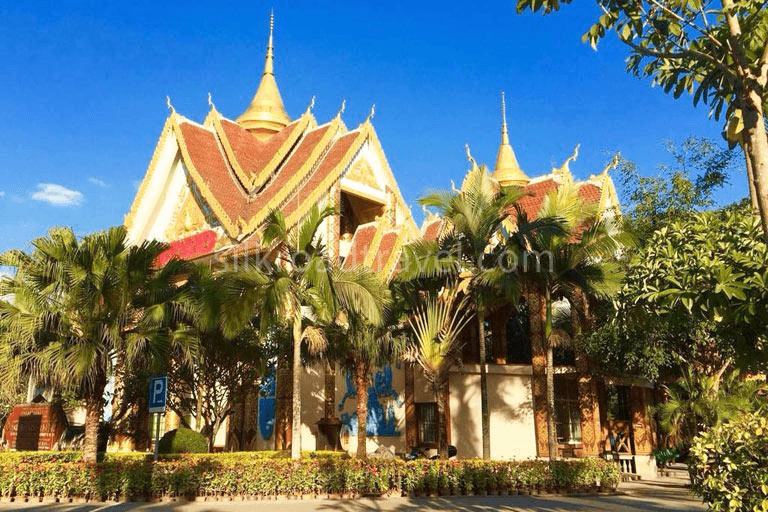
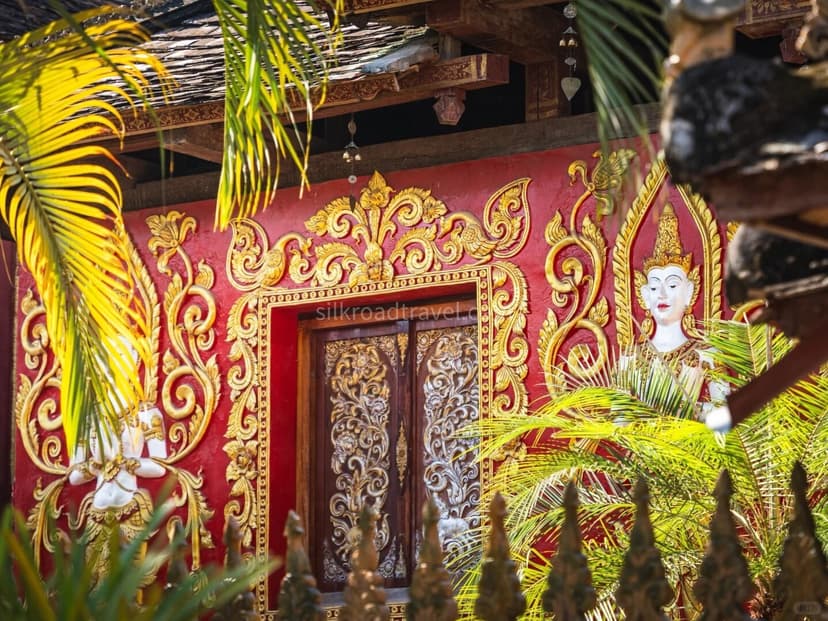
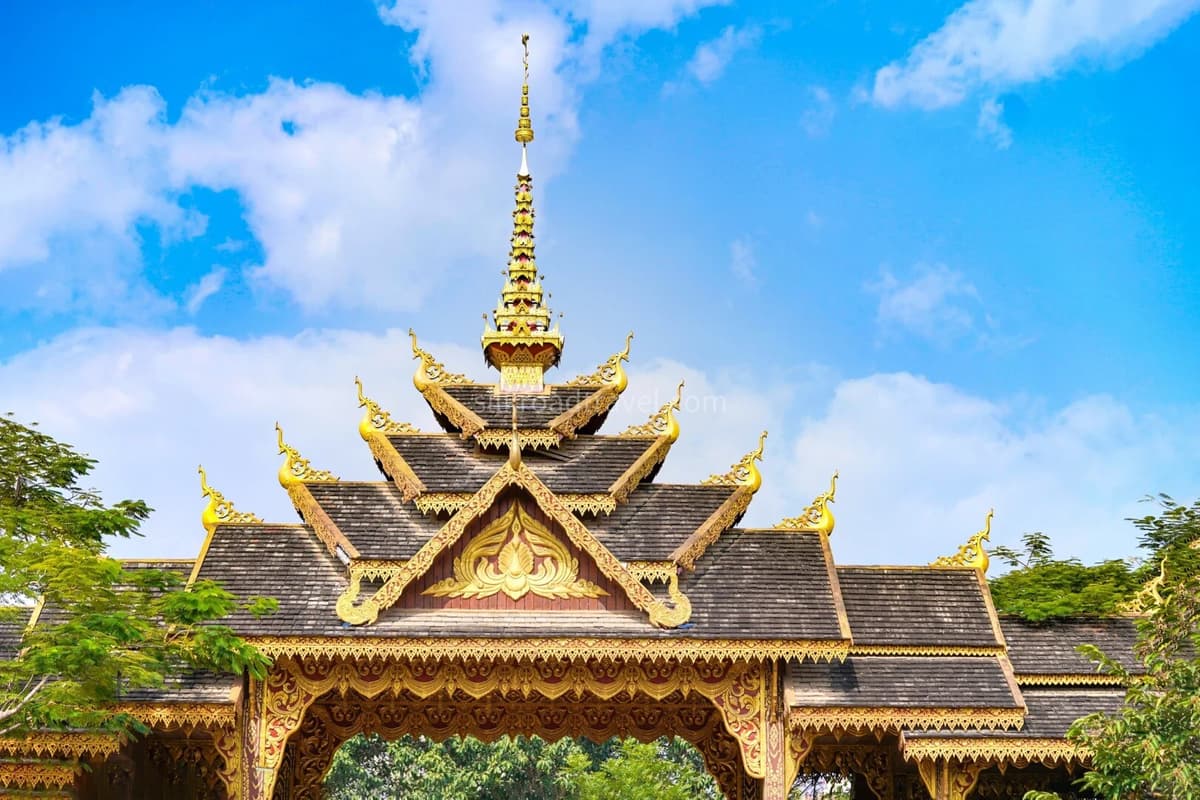
Dai Buddhist temples are not tourist attractions; they are places of worship. When you walk into a hall, locals may be chanting or meditating. The following are not "suggestions" — they are requirements:
Remove your shoes before entering the main hall (leave them on the racks outside)
Don't step on the threshold — step over it
Cover your shoulders and knees (there are often wrap skirts available at the entrance)
Don't point at Buddha statues with your finger — use your whole open hand
Never touch a monk's head, and never sit higher than a monk
No flash photography
When you respect these rules, monks and devotees will truly appreciate it. Occasionally, they might even offer you a small blessing charm.
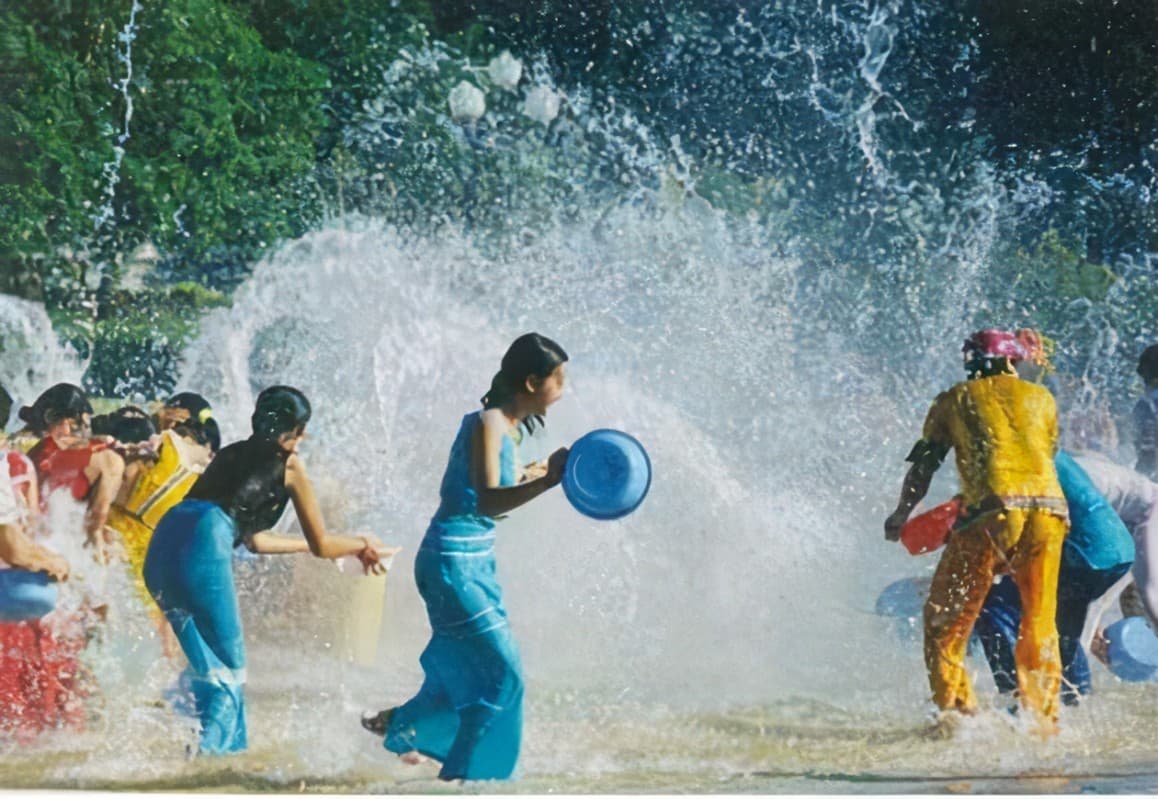
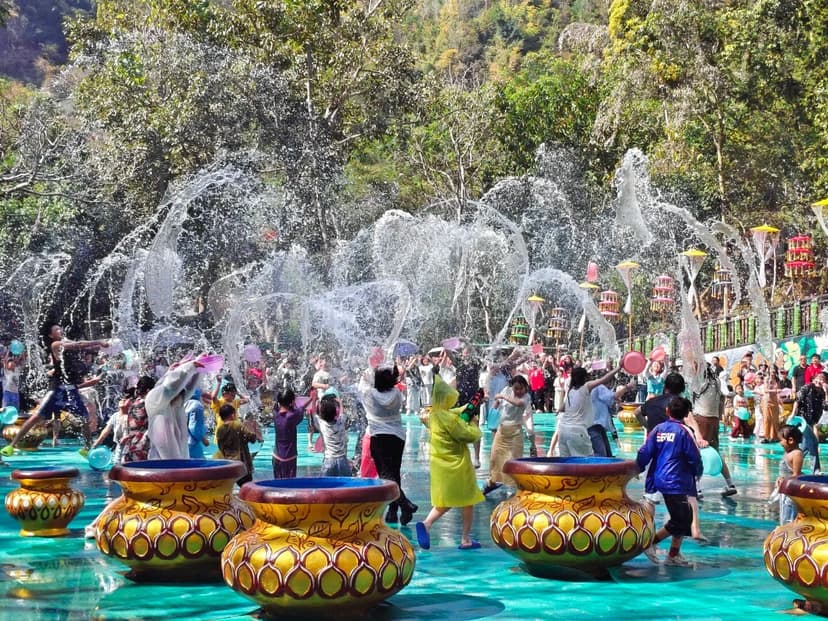
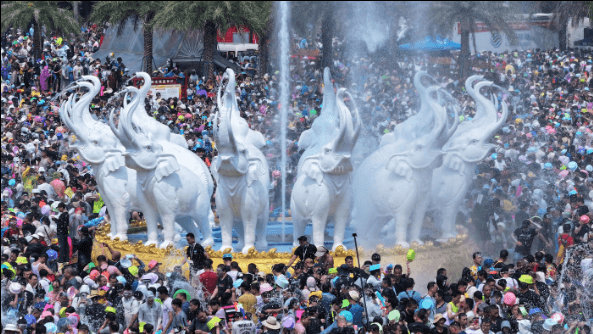
On the Water Splashing Festival: No Joke, You Will Get Drenched
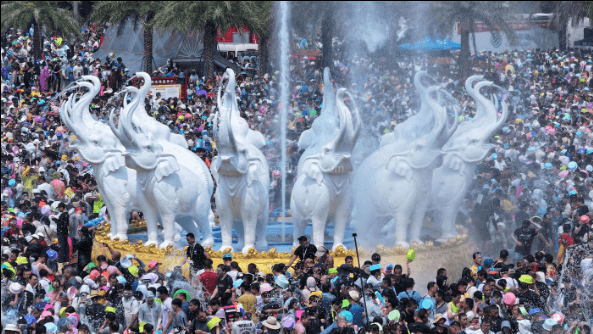
Every year on April 13–15, the entire city splashes water. This is not "a gentle sprinkle of blessing" — it's buckets, water guns, and even fire hoses. You need to:
Book your hotel 1–2 months in advance (it really fills up)
Wear quick-dry clothes (no jeans or cotton T-shirts)
Put your phone and camera in waterproof pouches
Wear sandals (flip-flops will wash away)
Wear goggles or swim goggles (water in the eyes is painful)
Leave any water-sensitive valuables at your hotel
Most importantly: let go of your dignity. When someone dumps a bucket of water on you, laugh and dump one back. Three days later, you might feel like you've never had this much fun.
On Transportation: Slow Is Fast
Attractions are far apart. Schedule no more than two per day. During the rainy season, rural dirt roads can turn into mud. A 1-hour drive on the map might take 1.5 hours. When chartering a car, confirm whether the driver charges by actual time.
On Connectivity & Communication
4G/5G signals are good in Jinghong city and major attractions. You can buy a local SIM card at the airport (China Mobile, China Unicom, China Telecom), or set up an eSIM before departure (e.g., Airalo, Nomad). Most hotels and cafés offer free Wi-Fi.
Translation apps: Recommended: Google Translate (needs VPN) or Microsoft Translator (works in China). Download offline Chinese language packs in advance.
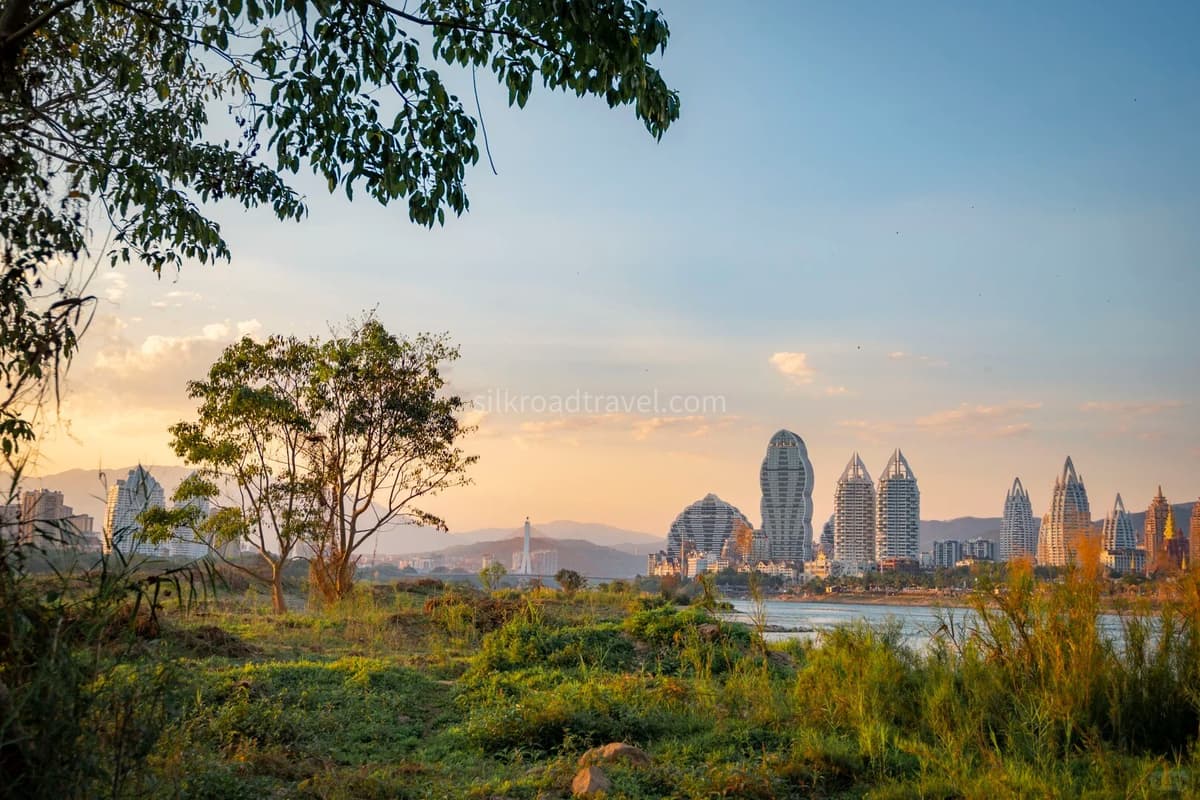
Xishuangbanna won't trouble those who come prepared. Pack right, bring the essentials, remember the customs. Then all that's left is to enjoy the rainforest breeze, the night market's glow, and the smiles of the Dai people.
Waiting for you in Xishuangbanna! :)

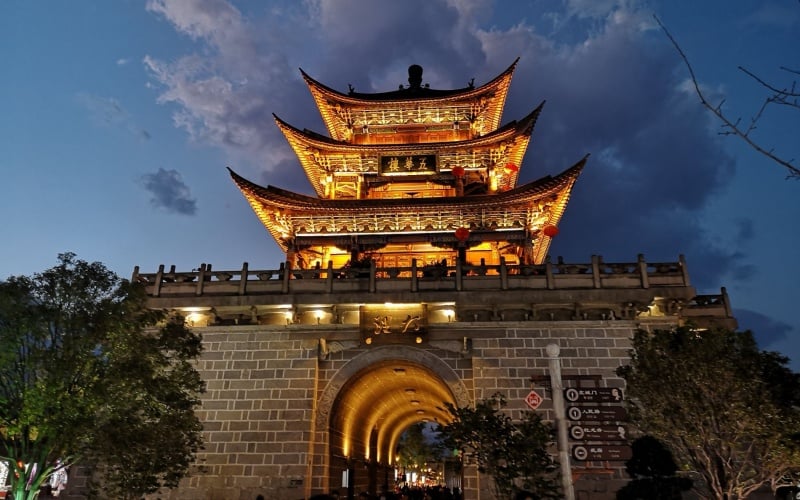
Lijiang - Tiger Leaping Gorge - Shangri-La - Shaxi - Dali
Welcome to join in this 8-day Yunnan tour to Lijiang, Shangri-La and Dali. We will go hiking at Tiger Leaping Gorge, do outdoor activities at farmhouse in Dali, and visit Dukezong, Shaxi ancient town
Live Broadcast Photos of Silk Road Tours


Many travelers wonder before departure: What clothes should I bring? Do I need an umbrella? How bad are the mosquitoes? Based on the real environment of Xishuangbanna, I'll tell you the most essential items and the easily overlooked details. At the end, a few common pitfalls — so you can avoid them before they happen.

Packing Essentials
To make your trip to Xishuangbanna more comfortable and safe, good packing and preparation are essential. Here is a detailed guide based on local experience.
Clothing: Light, Quick-Dry, Layered:
Xishuangbanna is warm year-round, but "warm" doesn't mean "always hot enough to sweat." During the dry season (Nov–Feb), temperatures drop to around 16 °C in the mornings and evenings. And in the rainy season, indoor air conditioning can leave you chilly.
What to pack:
Quick-dry T-shirts and shorts (2–3 sets): Cotton gets sweaty and takes forever to dry, especially in the rainy season.
Light long-sleeve shirt or sun hoodie (1–2): Sun protection, mosquito barrier, and shoulder coverage for temples.
A thin jacket or hoodie: Useful on the plane, in air-conditioned buses, and for dry-season evenings.
Quick-dry long pants (1 pair): For rainforest hikes — protects against thorny plants and leeches.
Underwear: Bring extra sets; high humidity means slow drying.
Beijing, Gansu, and Yunnan Tour
Footwear: One Good Pair Beats Everything
You'll walk more than you expect — cobblestone night market lanes, muddy rainforest trails, temple staircases.
Best choice: Closed-toe hiking sandals (like Keen or Teva style) or lightweight hiking shoes. Sandals handle wet conditions; hiking shoes offer more grip. If you bring only one pair, go with hiking sandals.
Avoid: Canvas sneakers (soak through instantly), flip-flops (hotel pool only), new leather shoes (blisters).
Sun Protection & Rain Gear: The Two Faces of the Tropics
UV rays in Xishuangbanna are intense — you can get burned even on cloudy days. Rain arrives suddenly, especially from May to October.
What to pack:
SPF50+ water-resistant sunscreen (face and body)
Wide-brimmed hat (a straw hat is cooler than a baseball cap)
Polarized sunglasses
Compact umbrella or lightweight poncho (poncho works better in the forest)
Mosquito Repellent: Not Optional, But Essential
Mosquito density is high near rainforests and water. Don't rely on "natural essential oils" — they are far less effective. Spray is more convenient than lotion. Reapply morning and evening, and always after rain.

Medical Kit: Don't Let a Small Illness Ruin the Trip
Dai cuisine is sour, spicy, and sometimes raw. Sensitive stomachs may struggle. Mountain roads are winding — motion sickness is common.
Basic kit:
Stomach medication (berberine, smectite powder)
Oral rehydration salts (for dehydration after diarrhea)
Motion sickness pills (tea mountain roads are winding)
Band-aids, antiseptic wipes
Antihistamines (in case of pollen or insect allergy)
Personal prescriptions (enough for the whole trip, keep original packaging)
Electronics & Waterproofing
Water Splashing Festival, sudden rain showers, even the hotel pool — water is everywhere.
What to pack:
Waterproof phone pouch (essential for Water Splashing Festival, recommended for rainy season)
Power bank (long distances between attractions, navigation drains battery, it must have the 3C mark.)
Travel adapter (China uses two-prong flat plugs, 220V)

Key Tips & Cautions
On Wild Elephants: Don't Believe "Guaranteed Sightings"
At Wild Elephant Valley's observation deck, the chance of seeing wild Asian elephants is about 30%. That's not a scam — elephants don't keep a schedule. If you want a guaranteed close encounter, book the "Rainforest Elephant Walk" at least one week in advance through official channels (limited to 30 groups per day). It's not cheap, but walking alongside elephants in the forest is unforgettable.
Never: Shout, feed, or approach wild elephants. Mothers with calves are dangerous.
On Shopping: Night Markets for Small Items, Licensed Stores for Valuables
Gaozhuang Starlight Night Market is beautiful, but those "jade bangles" and "silver belts" for a few dozen yuan are almost all fake or very low quality. If you want real Pu'er tea, go directly to tea farmers on Nannuo Mountain or Yiwu Mountain, or to the tea shops inside the Botanical Garden — they are happy to let you taste before you buy.
What's worth buying at night markets: Dai handmade paper fans, small ceramics, bamboo crafts, dried fruit, and grilled fish. For anything under ¥50, don't worry too much about authenticity.
On Temples: Your Demeanor Matters More Than You Think
Dai Buddhist temples are not tourist attractions; they are places of worship. When you walk into a hall, locals may be chanting or meditating. The following are not "suggestions" — they are requirements:
Remove your shoes before entering the main hall (leave them on the racks outside)
Don't step on the threshold — step over it
Cover your shoulders and knees (there are often wrap skirts available at the entrance)
Don't point at Buddha statues with your finger — use your whole open hand
Never touch a monk's head, and never sit higher than a monk
No flash photography
When you respect these rules, monks and devotees will truly appreciate it. Occasionally, they might even offer you a small blessing charm.

On the Water Splashing Festival: No Joke, You Will Get Drenched
Every year on April 13–15, the entire city splashes water. This is not "a gentle sprinkle of blessing" — it's buckets, water guns, and even fire hoses. You need to:
Book your hotel 1–2 months in advance (it really fills up)
Wear quick-dry clothes (no jeans or cotton T-shirts)
Put your phone and camera in waterproof pouches
Wear sandals (flip-flops will wash away)
Wear goggles or swim goggles (water in the eyes is painful)
Leave any water-sensitive valuables at your hotel
Most importantly: let go of your dignity. When someone dumps a bucket of water on you, laugh and dump one back. Three days later, you might feel like you've never had this much fun.
On Transportation: Slow Is Fast
Attractions are far apart. Schedule no more than two per day. During the rainy season, rural dirt roads can turn into mud. A 1-hour drive on the map might take 1.5 hours. When chartering a car, confirm whether the driver charges by actual time.
On Connectivity & Communication
4G/5G signals are good in Jinghong city and major attractions. You can buy a local SIM card at the airport (China Mobile, China Unicom, China Telecom), or set up an eSIM before departure (e.g., Airalo, Nomad). Most hotels and cafés offer free Wi-Fi.
Translation apps: Recommended: Google Translate (needs VPN) or Microsoft Translator (works in China). Download offline Chinese language packs in advance.

Xishuangbanna won't trouble those who come prepared. Pack right, bring the essentials, remember the customs. Then all that's left is to enjoy the rainforest breeze, the night market's glow, and the smiles of the Dai people.
Waiting for you in Xishuangbanna! :)