



Latest Chengdu Travel Guide: Top Attractions, Local Food, Itineraries & Practical Travel Tips
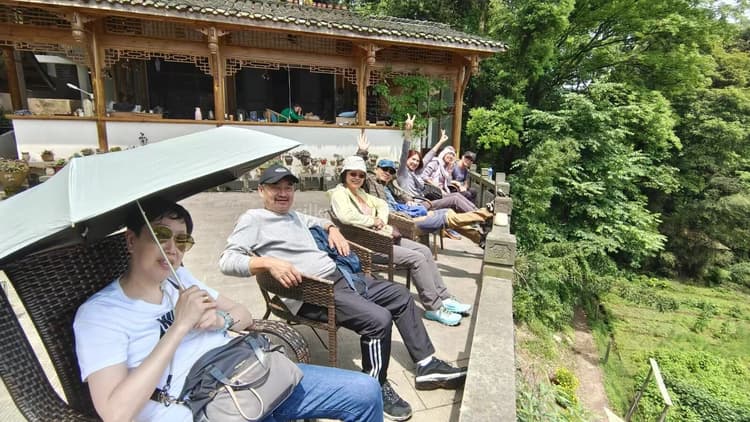
Discover authentic Chengdu travel experiences and flexible private Chengdu tours through our complete destination resource hub. As the capital of Sichuan Province, Chengdu ranks among China's most beloved travel destinations, drawing millions of international visitors every year. Famous worldwide as the hometown of giant pandas and a UNESCO City of Gastronomy, this ancient city balances rare wildlife, 3,000-year-old ancient Shu civilisation, world heritage sites and a uniquely laid-back slow lifestyle unseen in fast-paced Chinese metropolises.

Content›Chengdu Weather & Best Travel Seasons ›3-Day Chengdu Itinerary Routes ›Useful Tips for booking Chengdu Attractions ›Chengdu Folk Culture & Outdoor Experiences |
Chengdu Weather & Best Travel Seasons
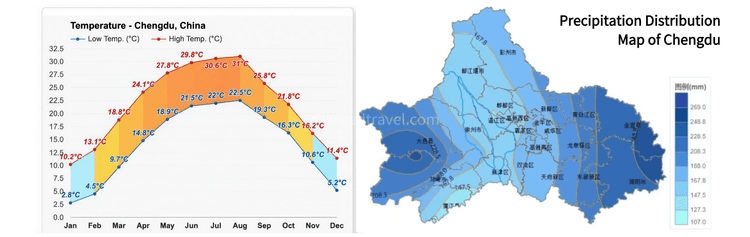
Chengdu features a humid subtropical monsoon climate with four distinct seasons, shaped by its unique location in the Sichuan Basin. Overall, the city enjoys mild year-round temperatures, abundant rainfall, and high atmospheric humidity, creating a soft, comfortable living environment that earns Chengdu the reputation of one of China's most livable cities. The annual average temperature stays between 16°C and 18°C, with no extreme cold in winter or scorching heat in most seasons. Unlike dry northern Chinese cities or tropical southern regions, Chengdu's weather is characterised by damp air, frequent night rain, and stable temperature transitions throughout the year.
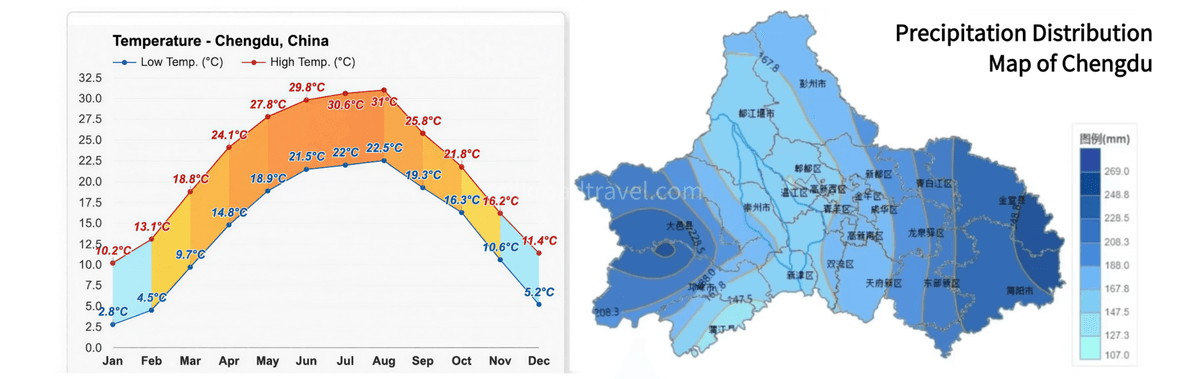
Understanding Chengdu's seasonal weather patterns is critical for planning a smooth Chengdu travel itinerary, especially for outdoor sightseeing, panda viewing, and mountain day trips to Dujiangyan and Qingcheng Mountain.
Best Time to Visit Chengdu
Your overall Chengdu travel experience is largely affected by local weather, giant panda activity and tourist crowds. Below we break down seasonal conditions to help you figure out the ideal time to plan your trip to Chengdu all year round.
Spring (March–May): Spring brings mild temperatures, fresh air and lush vegetation. Cool conditions keep giant pandas energetic outdoors, making spring the perfect window to explore the Panda Base. Light drizzles happen frequently, so pack lightweight waterproof outerwear.
Autumn (September–November): Autumn offers steady, comfortable weather with low humidity. It is the best season for day excursions to Dujiangyan, Qingcheng Mountain, Leshan Giant Buddha and Sanxingdui Museum. Tourist numbers drop notably once the summer school vacation ends.
Summer (June–August):Summer features high temperatures and frequent heavy downpours. Most giant pandas move indoors to avoid heat after 11:00. This coincides with China’s school break, resulting in massive visitor queues at major attractions.
Winter (December–February): Winter marks Chengdu's low travel season. Hotel rates become much more affordable, and popular scenic spots have far fewer visitors. The climate feels cool and damp, though heavy snow rarely appears within downtown Chengdu.
Top Attractions in Chengdu
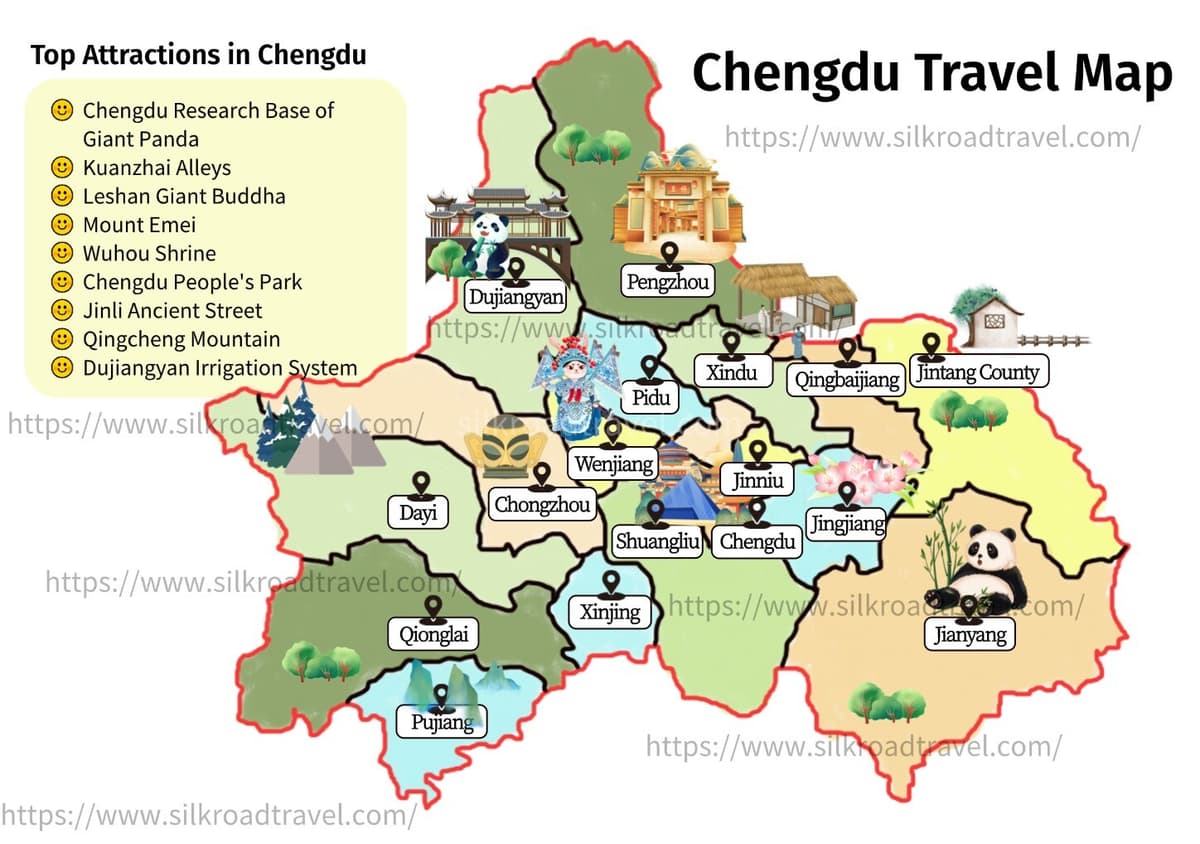
Planning your Chengdu travel itinerary? This overview introduces top urban landmarks and world heritage day-trip destinations across Chengdu. Each entry includes visitor-focused background, practical logistics, crowd-evading strategies and photography advice tailored for international travellers. Every attraction features verified opening hours, ticket fees, accessible transit guidance and realistic visiting durations, so you can easily integrate these spots into your custom Chengdu tours. You can dive deeper into every location within our dedicated feature article :
>>>Top Attractions in Chengdu >>>Best Time to Visit Chengdu >>>Chengdu Local Food
3-Day Chengdu Itineraries Designed for you:
Discover flexible Chengdu travel arrangements with our curated 3-day downtown itineraries. Each day combines landmark sightseeing, cultural heritage exploration, authentic local food and leisurely folk experiences. You can follow the planned routes directly, or freely adjust attractions according to your travel pace and personal interests.
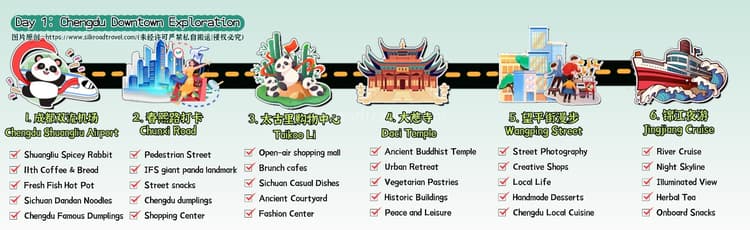
Day 1: Chengdu Downtown Exploration
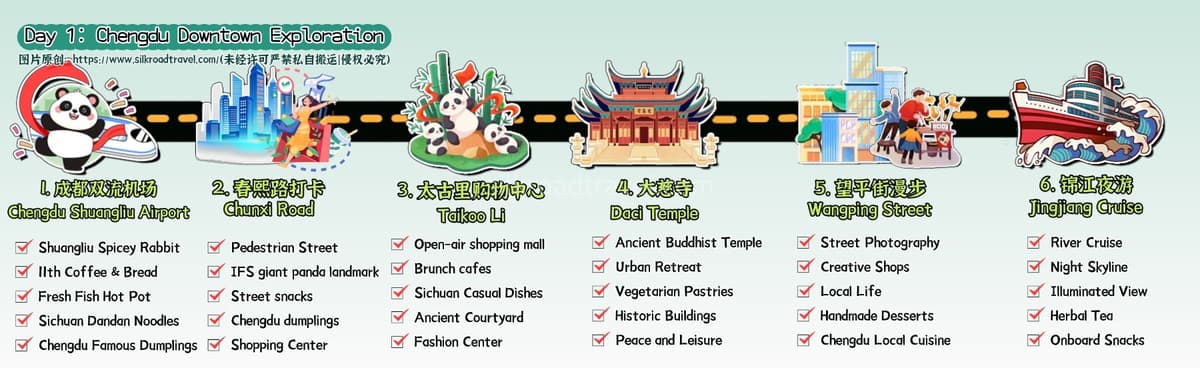
Focus: City arrival, urban landmarks, trendy shopping culture and magical river night cruise.
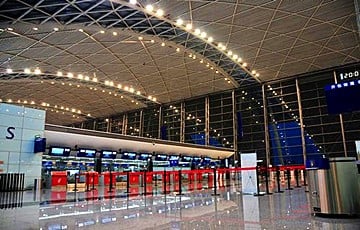
Chengdu Shuangliu Airport (Free): Arrive in Chengdu and settle into the city. After arrival, taste classic local flavours including Shuangliu Spicy Rabbit and Dan Dan Noodles to kick off your Sichuan journey.
Chunxi Road (Free): Wander Chengdu's iconic pedestrian street. Capture photos with the famous giant climbing panda sculpture at Chengdu IFS, browse retail stores and try assorted street snacks and Chengdu dumplings.
Sino-Ocean Taikoo Li (Free): Stroll through the open-air complex that blends modern fashion and ancient architecture. Relax at brunch cafes and sample casual Sichuan dishes amid traditional courtyard scenery.
Daci Temple (Free): Step into a peaceful ancient Buddhist temple hidden inside Taikoo Li. Escape busy shopping crowds and enjoy quiet time, and try delicate vegetarian pastries.
Wangping Street (Free): Roam this artistic residential lane lined with creative independent shops. Enjoy specialty coffee, handmade desserts and experience genuine everyday local life.
Jinjiang Cruise (118 RMB): Board an evening river cruise along Jinjiang River. Admire illuminated riverside landmarks and Chengdu’s stunning night skyline, with light onboard snacks and herbal tea available.
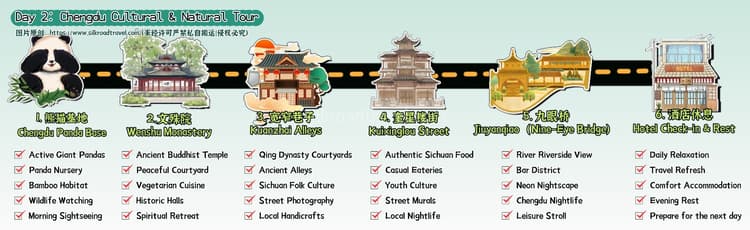
Day 2: Chengdu Cultural & Natural Tour
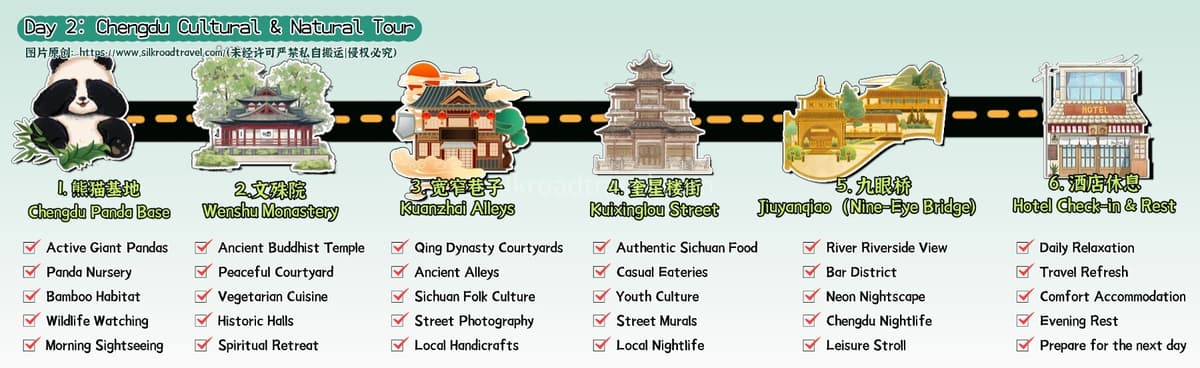
Focus: Giant panda wildlife, ancient Buddhism, traditional alleys, local food and vibrant urban nightlife.
Chengdu Research Base of Giant Panda Breeding (55 RMB): Visit early before 8:00 to watch energetic giant pandas wandering outdoors. Explore bamboo habitats and the panda nursery to meet fluffy baby cubs, the most beloved highlight of any Chengdu trip.
Wenshu Monastery (Free): Visit this tranquil 1,400-year-old Buddhist sanctuary. Walk through elegant wooden halls and quiet courtyards, unwind from bustling city noise and try traditional vegetarian cuisine.
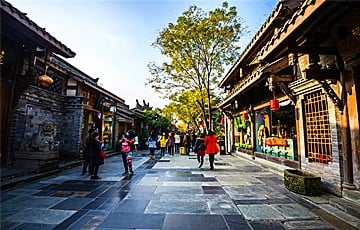
Kuanzhai Alleys (Free): Wander interconnected Qing Dynasty lanes with well-preserved Sichuan courtyard buildings. Hunt for folk handicrafts, take street photos and immerse yourself in authentic Sichuan folk culture.
Kuixinglou Street (Free): This food-focused street is packed with genuine local eateries and creative wall murals. Taste all kinds of authentic Sichuan food and experience laid-back youth neighbourhood culture.
Jiuyanqiao (Nine-Eye Bridge) (Free): Walk along the riverside embankment. Explore the lively bar district and admire neon-lit river scenery, the perfect spot to experience Chengdu’s famous nightlife.
Hotel Check-in & Rest (Free): Head back to your accommodation to relax after a full day's sightseeing. Refresh yourself and prepare for the folk culture tour on Day 3.
Day 3: Chengdu Folk Culture Adventure
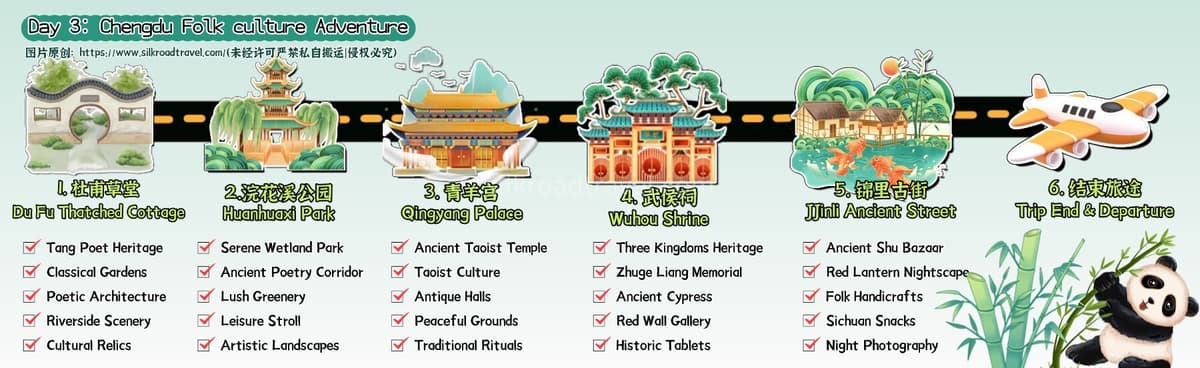
Focus: Poetic literary heritage, Taoist culture, Three Kingdoms history, ancient Shu folk bazaar and departure arrangement.
Du Fu Thatched Cottage (50 RMB): Visit the former residence of Du Fu, a great Tang Dynasty poet. Wander classical Chinese gardens, appreciate poetic architecture and view precious cultural relics recording ancient literary history.
Huanhuaxi Park (Free): Stroll through a serene wetland park beside Du Fu Cottage. Walk along the poetry corridor surrounded by lush greenery, take casual photos and enjoy peaceful natural landscapes.
Qingyang Palace (Free): Explore Chengdu's most important ancient Taoist temple. Learn about traditional Taoist culture, admire antique halls and relax in quiet tree-shaded courtyards.
Wuhou Shrine (50 RMB): Pay tribute to Zhuge Liang, the legendary strategist of the Three Kingdoms Period. Admire ancient cypress trees, the famous red wall corridor and historic stone tablets full of cultural stories.
Jinli Ancient Street (Free): Roam the restored ancient Shu commercial street. When dusk falls, thousands of red lanterns light up the whole lane. Try abundant Sichuan snacks, browse folk handicrafts and take wonderful night photos.
Trip End & Departure: Wrap up your Chengdu travel. Collect souvenirs and transfer to the airport or railway station to finish your Sichuan adventure.
Useful Tips for Booking Chengdu Attractions
Chengdu Museum: Free entry. Book 3 days ahead; closed every Monday. Do not miss the Bashu bronze exhibits on the basement floor.
Wenshu Monastery: Free access with no reservation required. Morning visits are recommended; vegetarian meals are available inside.
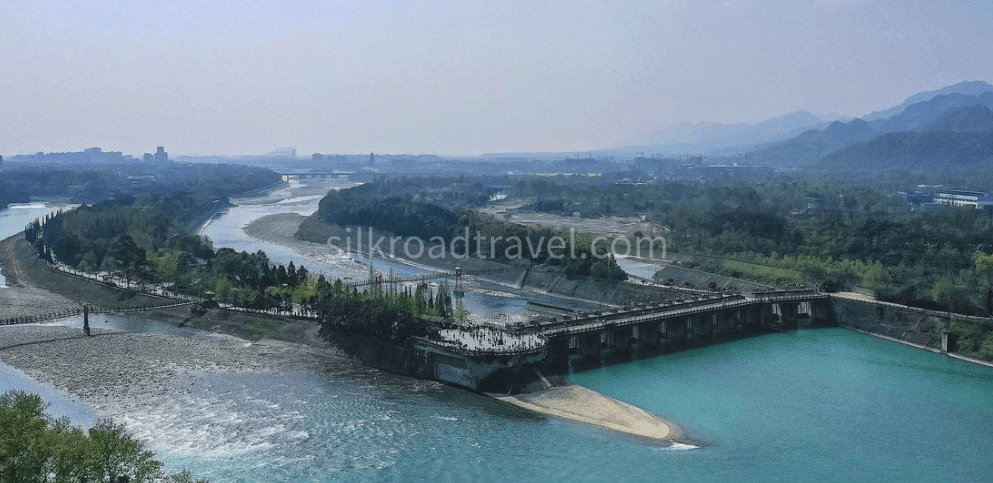
Dujiangyan Scenic Area: Book tickets in advance. Ticket price 80 CNY; student discount available. The Yuzui water project delivers spectacular views.
Chengdu Research Base of Giant Panda Breeding: Pre-book tickets 7 days in advance. Arrive before 08:00 to watch active pandas.
Wuhou Shrine: Book up to 10 days ahead. Ticket 50 CNY. Pair your visit with Jinli Ancient Street.
Du Fu Thatched Cottage: Ticket 50 CNY. Rainy days offer fantastic photo opportunities with red walls and bamboo.
Where to Stay in Chengdu
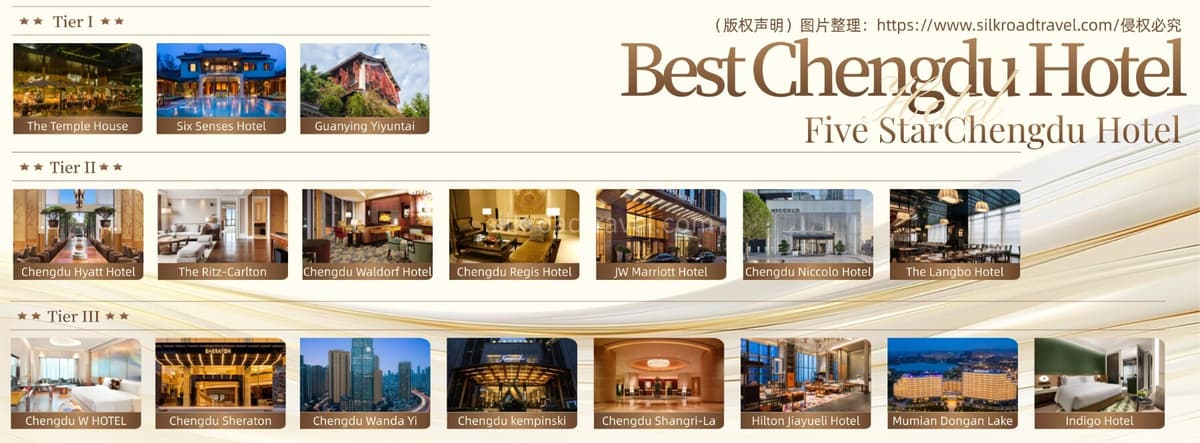
✅ Chunxi Road / Taikoo Li AreaConvenient Metro Lines 2 & 3. Ideal for first-time visitors, surrounded by shopping, dining and nightlife.
✅ Kuanzhai Alleys / People's Park AreaFull of authentic local atmosphere. Great choice if you want to experience slow Chengdu lifestyle.
✅ Wuhou Shrine / Jinli AreaRich Three Kingdoms cultural vibe. Perfect for history lovers and food explorers.
✅ Jiuyanqiao / Langfang AreaCentral nightlife district, packed with bars and creative boutique homestays, popular among young travellers.
Accommodation Tips:
Book rooms 7–10 days in advance during peak travel seasons.
Prioritize hotels within a 5-minute walk from metro stations.
Check guest reviews focusing on sanitation and noise before booking.
What to Eat in Chengdu
Food hunting can be seamlessly combined with your Chengdu travel schedule. Below we introduce top dining zones near major scenic spots, signature dishes and highly recommended local eateries for international travellers.
No Chengdu food journey is complete without iconic signature dishes that define Sichuan gastronomy, including Sichuan hot pot, mapo tofu, twice-cooked pork, kung pao chicken, boiled fish and yu-shiang eggplant. Trusted local restaurants such as Chunli Maokao Duck, Taode Casserole, Chuanxi Bazai Hot Pot, Leshan Pangge Qiaojiao Beef and Jiangjunfu No.1 Sichuan Cuisine faithfully preserve genuine regional cooking techniques. Between formal meals, sample affordable street snacks and refreshing desserts: spicy rabbit heads, dan dan noodles, spicy wontons, ice jelly and sour plum drink work perfectly to refresh your palate after savouring heavy spicy dishes.

Practical Food Tips for Foreign Visitors
All regular restaurants support adjustable spiciness: No spicy, Less spicy, Medium spicy and Extra spicy. Feel free to communicate with waiters.
Food stalls around scenic spots usually charge higher prices. For genuine local flavours, head to residential streets such as Kuixinglou Street instead.
Many eateries only open for lunch and dinner; plan your food tour reasonably to avoid missing opening hours.
Pair spicy food with herbal tea, sour plum drink or ice jelly to soothe your taste buds.
Chengdu Folk Culture & Outdoor Experiences
Beyond delicious cuisine and historic landmarks, Chengdu offers a rich mix of traditional folk culture and diverse outdoor experiences, allowing travelers to dive deeper into local lifestyles and enjoy relaxing, adventurous moments during their Chengdu travel. Blending intangible cultural heritage performances and seasonal outdoor recreations, these activities suit all types of visitors, from culture enthusiasts and family travelers to outdoor lovers seeking unique Chengdu tours beyond ordinary sightseeing.
Traditional Sichuan Opera Culture
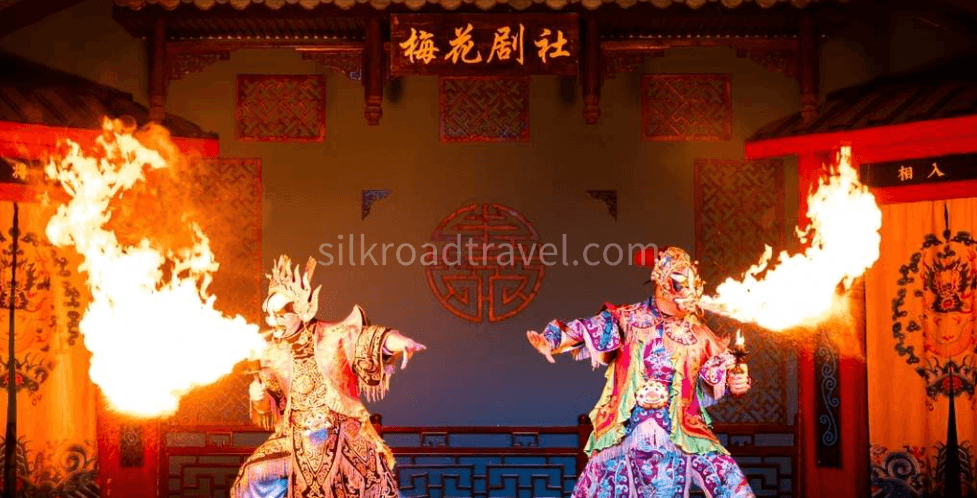
Sichuan opera stands as one of Chengdu's most precious folk cultural treasures, renowned nationwide for its stunning and interactive performances. Core highlights include the iconic face-changing act, fire-spitting stunts, elegant traditional costumes, and melodic Sichuan tunes. Professional theaters and local folk venues across downtown Chengdu host daily public shows, delivering authentic and beginner-friendly cultural experiences. Travelers can watch classic opera excerpts, appreciate traditional Shu art aesthetics, and gain a vivid understanding of Sichuan's profound folk heritage, making it an unmissable indoor cultural activity for all weather conditions.
Jinjiang River Cruise & Night Tour Experience
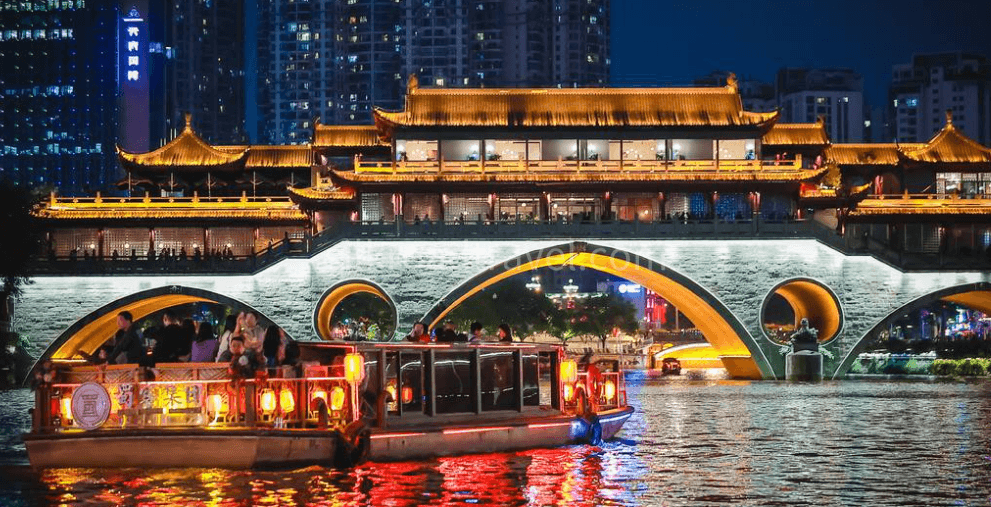
A signature leisure experience in Chengdu, the Jinjiang River cruise presents a panoramic view of the city's ancient charm and modern glamour. Both daytime and night cruises are available for different travel preferences. Daytime sailing offers gentle river breezes and clear views of riverside ancient architecture, waterfront parks and historic pavilions. The night cruise is far more popular, with dazzling landscape lights, immersive light shows, and themed cultural performances along the shore. Some featured cruise ships provide exclusive experiences, including MR immersive visual effects, hot pot dining on board, and casual tea tastings. Many waterfront piers also host intangible cultural heritage markets, folk shows and traditional handicraft interactions, perfectly showcasing the prosperous ancient Shu waterfront lifestyle.
Seasonal Water Play & Drifting Activities
Perfect for summer travel, Chengdu's surrounding suburban areas feature well-developed drifting and water play resources. Dujiangyan and nearby mountain areas boast clear alpine waterways with gentle yet exciting drifting routes, suitable for both adults and children. Equipped with professional safety facilities, life jackets, shower stations and full-time rescue teams, these water scenic spots guarantee a safe and refreshing outdoor experience. Travelers can enjoy cool river rafting, splash water games and mountain stream sightseeing, escaping the urban heat and embracing natural summer fun close to Chengdu city center.
Outdoor Rock Climbing & Wilderness Camping:
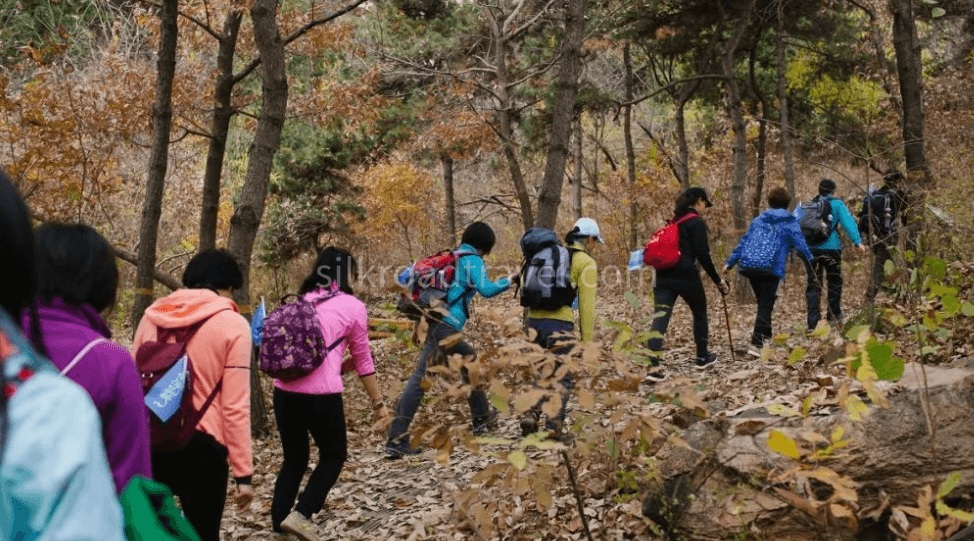
For adventure and nature lovers, Chengdu's suburban mountain areas offer professional outdoor rock climbing and premium wilderness camping experiences. Featuring beginner-friendly climbing routes and professional instructor guidance, outdoor rock climbing allows novice travelers to challenge themselves and enjoy panoramic mountain views. The surrounding ecological scenic areas provide standard camping grounds with complete supporting facilities, including parking areas, rest rooms and catering supplies. Travelers can set up tents in lush mountain forests, enjoy sunset views, stargaze at night, and experience a quiet outdoor getaway away from the bustling city, creating relaxing and memorable outdoor moments during their Chengdu trip.
FAQ: Most Asked Questions by Foreign Tourists
Q1: Is Chengdu worth visiting for international tourists?
A1: Yes. Chengdu is a top tourist destination in western China, famous for lovely giant pandas, UNESCO World Heritage Sites, authentic Sichuan cuisine, ancient Shu civilization and a relaxing slow-paced lifestyle. It is friendly to all types of travelers, including solo visitors, couples and families.
Q2: How many days should I spend in Chengdu?
A2: 2 full days are enough for downtown core attractions and food tours. For surrounding day trips (Sanxingdui, Dujiangyan, Leshan Giant Buddha), 3–4 days is ideal for a leisurely itinerary.
Q3: When is the best time to see active pandas?
A3: Visit the Panda Base before 8:00 a.m. Pandas stay active from 07:30 to 11:00, and retreat indoors to rest in the hot afternoon. Spring and autumn are the best seasons for panda viewing.
Q4: Can foreigners use Chengdu's public transport easily?
A4: Absolutely. Chengdu Metro supports English operation, with clear English signs and broadcasts. It covers all major scenic spots, making it the most convenient and reliable travel option for foreign visitors.
Q5: Are tourist venues closed on Mondays?
A5: Museums (Chengdu Museum, Sanxingdui Museum) are closed on Mondays (excluding public holidays). All outdoor scenic spots and ancient streets open daily all year round.
Q6: Is Sichuan food extremely spicy for foreigners?
A6: No. Local restaurants offer adjustable spiciness (no spicy / less spicy / medium spicy). Plenty of delicious non-spicy dishes are available, suitable for visitors who cannot tolerate spicy food.
Q7: What is the daily travel budget in Chengdu?
A7: Chengdu features affordable consumption. A mid-range trip costs 60–90 USD per person daily, covering accommodation, food, tickets and transport. Budget travel can be kept under 50 USD per day.
Q8: Is Chengdu safe for solo foreign travelers?
A8: Very safe. Chengdu has a low crime rate, sound public security and friendly locals. Solo travel, evening strolls and night market visits are completely safe for foreign tourists, including female travelers.
Recommended Tour Itinerary
2 days Chengdu Classic TourChengdu, Gaint panda base, Leshan (9)90+ booked From US$ 260 |
Chengdu Tour to Mout Emei and JiuzhaigouChengdu, Leshan, Mount Emei, Dujiangyan, Huanglong (20)200+ booked |
3 Days Chengdu Weekend TourMount Qingcheng, Dujiangyan, Panda Base, People's Park, Wide and Narrow Alley (20)200+ booked From US$ 393 |
Discover authentic Chengdu travel experiences and flexible private Chengdu tours through our complete destination resource hub. As the capital of Sichuan Province, Chengdu ranks among China's most beloved travel destinations, drawing millions of international visitors every year. Famous worldwide as the hometown of giant pandas and a UNESCO City of Gastronomy, this ancient city balances rare wildlife, 3,000-year-old ancient Shu civilisation, world heritage sites and a uniquely laid-back slow lifestyle unseen in fast-paced Chinese metropolises.

Content›Chengdu Weather & Best Travel Seasons ›3-Day Chengdu Itinerary Routes ›Useful Tips for booking Chengdu Attractions ›Chengdu Folk Culture & Outdoor Experiences |
Chengdu Weather & Best Travel Seasons
Chengdu features a humid subtropical monsoon climate with four distinct seasons, shaped by its unique location in the Sichuan Basin. Overall, the city enjoys mild year-round temperatures, abundant rainfall, and high atmospheric humidity, creating a soft, comfortable living environment that earns Chengdu the reputation of one of China's most livable cities. The annual average temperature stays between 16°C and 18°C, with no extreme cold in winter or scorching heat in most seasons. Unlike dry northern Chinese cities or tropical southern regions, Chengdu's weather is characterised by damp air, frequent night rain, and stable temperature transitions throughout the year.
Understanding Chengdu's seasonal weather patterns is critical for planning a smooth Chengdu travel itinerary, especially for outdoor sightseeing, panda viewing, and mountain day trips to Dujiangyan and Qingcheng Mountain.
Best Time to Visit Chengdu
Your overall Chengdu travel experience is largely affected by local weather, giant panda activity and tourist crowds. Below we break down seasonal conditions to help you figure out the ideal time to plan your trip to Chengdu all year round.
Spring (March–May): Spring brings mild temperatures, fresh air and lush vegetation. Cool conditions keep giant pandas energetic outdoors, making spring the perfect window to explore the Panda Base. Light drizzles happen frequently, so pack lightweight waterproof outerwear.
Autumn (September–November): Autumn offers steady, comfortable weather with low humidity. It is the best season for day excursions to Dujiangyan, Qingcheng Mountain, Leshan Giant Buddha and Sanxingdui Museum. Tourist numbers drop notably once the summer school vacation ends.
Summer (June–August):Summer features high temperatures and frequent heavy downpours. Most giant pandas move indoors to avoid heat after 11:00. This coincides with China’s school break, resulting in massive visitor queues at major attractions.
Winter (December–February): Winter marks Chengdu's low travel season. Hotel rates become much more affordable, and popular scenic spots have far fewer visitors. The climate feels cool and damp, though heavy snow rarely appears within downtown Chengdu.
Top Attractions in Chengdu
Planning your Chengdu travel itinerary? This overview introduces top urban landmarks and world heritage day-trip destinations across Chengdu. Each entry includes visitor-focused background, practical logistics, crowd-evading strategies and photography advice tailored for international travellers. Every attraction features verified opening hours, ticket fees, accessible transit guidance and realistic visiting durations, so you can easily integrate these spots into your custom Chengdu tours. You can dive deeper into every location within our dedicated feature article :
>>>Top Attractions in Chengdu >>>Best Time to Visit Chengdu >>>Chengdu Local Food
3-Day Chengdu Itineraries Designed for you:
Discover flexible Chengdu travel arrangements with our curated 3-day downtown itineraries. Each day combines landmark sightseeing, cultural heritage exploration, authentic local food and leisurely folk experiences. You can follow the planned routes directly, or freely adjust attractions according to your travel pace and personal interests.
Day 1: Chengdu Downtown Exploration
Focus: City arrival, urban landmarks, trendy shopping culture and magical river night cruise.
Chengdu Shuangliu Airport (Free): Arrive in Chengdu and settle into the city. After arrival, taste classic local flavours including Shuangliu Spicy Rabbit and Dan Dan Noodles to kick off your Sichuan journey.
Chunxi Road (Free): Wander Chengdu's iconic pedestrian street. Capture photos with the famous giant climbing panda sculpture at Chengdu IFS, browse retail stores and try assorted street snacks and Chengdu dumplings.
Sino-Ocean Taikoo Li (Free): Stroll through the open-air complex that blends modern fashion and ancient architecture. Relax at brunch cafes and sample casual Sichuan dishes amid traditional courtyard scenery.
Daci Temple (Free): Step into a peaceful ancient Buddhist temple hidden inside Taikoo Li. Escape busy shopping crowds and enjoy quiet time, and try delicate vegetarian pastries.
Wangping Street (Free): Roam this artistic residential lane lined with creative independent shops. Enjoy specialty coffee, handmade desserts and experience genuine everyday local life.
Jinjiang Cruise (118 RMB): Board an evening river cruise along Jinjiang River. Admire illuminated riverside landmarks and Chengdu’s stunning night skyline, with light onboard snacks and herbal tea available.
Day 2: Chengdu Cultural & Natural Tour
Focus: Giant panda wildlife, ancient Buddhism, traditional alleys, local food and vibrant urban nightlife.
Chengdu Research Base of Giant Panda Breeding (55 RMB): Visit early before 8:00 to watch energetic giant pandas wandering outdoors. Explore bamboo habitats and the panda nursery to meet fluffy baby cubs, the most beloved highlight of any Chengdu trip.
Wenshu Monastery (Free): Visit this tranquil 1,400-year-old Buddhist sanctuary. Walk through elegant wooden halls and quiet courtyards, unwind from bustling city noise and try traditional vegetarian cuisine.
Kuanzhai Alleys (Free): Wander interconnected Qing Dynasty lanes with well-preserved Sichuan courtyard buildings. Hunt for folk handicrafts, take street photos and immerse yourself in authentic Sichuan folk culture.
Kuixinglou Street (Free): This food-focused street is packed with genuine local eateries and creative wall murals. Taste all kinds of authentic Sichuan food and experience laid-back youth neighbourhood culture.
Jiuyanqiao (Nine-Eye Bridge) (Free): Walk along the riverside embankment. Explore the lively bar district and admire neon-lit river scenery, the perfect spot to experience Chengdu’s famous nightlife.
Hotel Check-in & Rest (Free): Head back to your accommodation to relax after a full day's sightseeing. Refresh yourself and prepare for the folk culture tour on Day 3.
Day 3: Chengdu Folk Culture Adventure
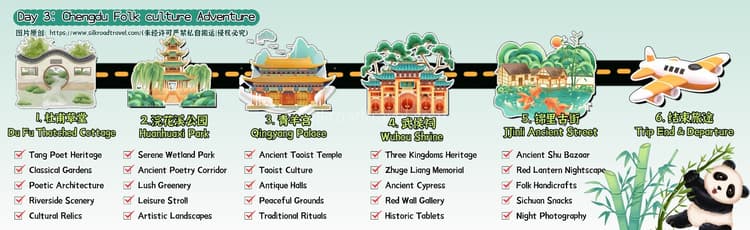
Focus: Poetic literary heritage, Taoist culture, Three Kingdoms history, ancient Shu folk bazaar and departure arrangement.
Du Fu Thatched Cottage (50 RMB): Visit the former residence of Du Fu, a great Tang Dynasty poet. Wander classical Chinese gardens, appreciate poetic architecture and view precious cultural relics recording ancient literary history.
Huanhuaxi Park (Free): Stroll through a serene wetland park beside Du Fu Cottage. Walk along the poetry corridor surrounded by lush greenery, take casual photos and enjoy peaceful natural landscapes.
Qingyang Palace (Free): Explore Chengdu's most important ancient Taoist temple. Learn about traditional Taoist culture, admire antique halls and relax in quiet tree-shaded courtyards.
Wuhou Shrine (50 RMB): Pay tribute to Zhuge Liang, the legendary strategist of the Three Kingdoms Period. Admire ancient cypress trees, the famous red wall corridor and historic stone tablets full of cultural stories.
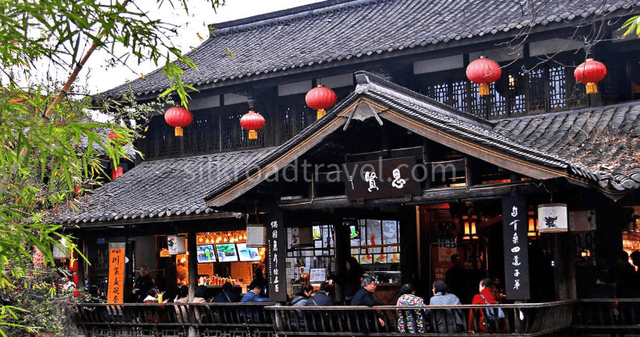
Jinli Ancient Street (Free): Roam the restored ancient Shu commercial street. When dusk falls, thousands of red lanterns light up the whole lane. Try abundant Sichuan snacks, browse folk handicrafts and take wonderful night photos.
Trip End & Departure: Wrap up your Chengdu travel. Collect souvenirs and transfer to the airport or railway station to finish your Sichuan adventure.
Useful Tips for Booking Chengdu Attractions
Chengdu Museum: Free entry. Book 3 days ahead; closed every Monday. Do not miss the Bashu bronze exhibits on the basement floor.
Wenshu Monastery: Free access with no reservation required. Morning visits are recommended; vegetarian meals are available inside.
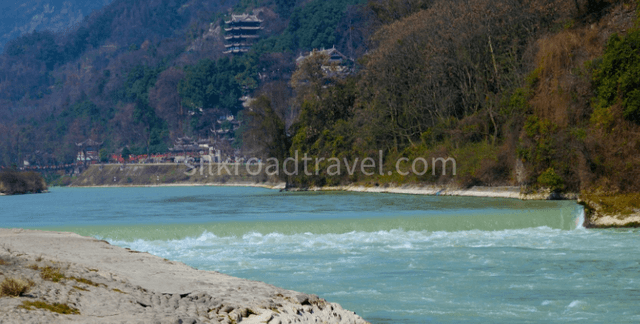
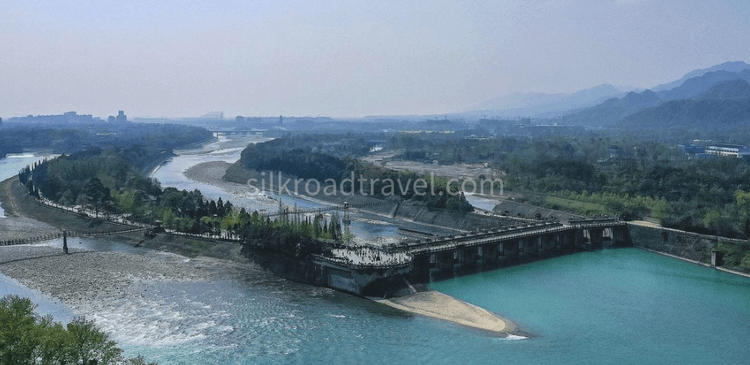
Dujiangyan Scenic Area: Book tickets in advance. Ticket price 80 CNY; student discount available. The Yuzui water project delivers spectacular views.
Chengdu Research Base of Giant Panda Breeding: Pre-book tickets 7 days in advance. Arrive before 08:00 to watch active pandas.
Wuhou Shrine: Book up to 10 days ahead. Ticket 50 CNY. Pair your visit with Jinli Ancient Street.
Du Fu Thatched Cottage: Ticket 50 CNY. Rainy days offer fantastic photo opportunities with red walls and bamboo.
Where to Stay in Chengdu
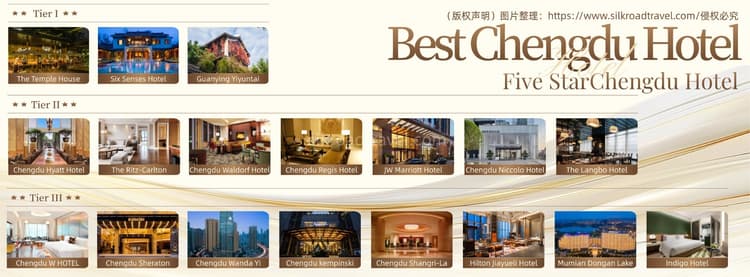
✅ Chunxi Road / Taikoo Li AreaConvenient Metro Lines 2 & 3. Ideal for first-time visitors, surrounded by shopping, dining and nightlife.
✅ Kuanzhai Alleys / People's Park AreaFull of authentic local atmosphere. Great choice if you want to experience slow Chengdu lifestyle.
✅ Wuhou Shrine / Jinli AreaRich Three Kingdoms cultural vibe. Perfect for history lovers and food explorers.
✅ Jiuyanqiao / Langfang AreaCentral nightlife district, packed with bars and creative boutique homestays, popular among young travellers.
Accommodation Tips:
1. Book rooms 7–10 days in advance during peak travel seasons.
2. Prioritize hotels within a 5-minute walk from metro stations.
3. Check guest reviews focusing on sanitation and noise before booking.
What to Eat in Chengdu
Food hunting can be seamlessly combined with your Chengdu travel schedule. Below we introduce top dining zones near major scenic spots, signature dishes and highly recommended local eateries for international travellers.
No Chengdu food journey is complete without iconic signature dishes that define Sichuan gastronomy, including Sichuan hot pot, mapo tofu, twice-cooked pork, kung pao chicken, boiled fish and yu-shiang eggplant. Trusted local restaurants such as Chunli Maokao Duck, Taode Casserole, Chuanxi Bazai Hot Pot, Leshan Pangge Qiaojiao Beef and Jiangjunfu No.1 Sichuan Cuisine faithfully preserve genuine regional cooking techniques. Between formal meals, sample affordable street snacks and refreshing desserts: spicy rabbit heads, dan dan noodles, spicy wontons, ice jelly and sour plum drink work perfectly to refresh your palate after savouring heavy spicy dishes.

Practical Food Tips for Foreign Visitors
All regular restaurants support adjustable spiciness: No spicy, Less spicy, Medium spicy and Extra spicy. Feel free to communicate with waiters.
Food stalls around scenic spots usually charge higher prices. For genuine local flavours, head to residential streets such as Kuixinglou Street instead.
Many eateries only open for lunch and dinner; plan your food tour reasonably to avoid missing opening hours.
Pair spicy food with herbal tea, sour plum drink or ice jelly to soothe your taste buds.
Chengdu Folk Culture & Outdoor Experiences
Beyond delicious cuisine and historic landmarks, Chengdu offers a rich mix of traditional folk culture and diverse outdoor experiences, allowing travelers to dive deeper into local lifestyles and enjoy relaxing, adventurous moments during their Chengdu travel. Blending intangible cultural heritage performances and seasonal outdoor recreations, these activities suit all types of visitors, from culture enthusiasts and family travelers to outdoor lovers seeking unique Chengdu tours beyond ordinary sightseeing.
Traditional Sichuan Opera Culture
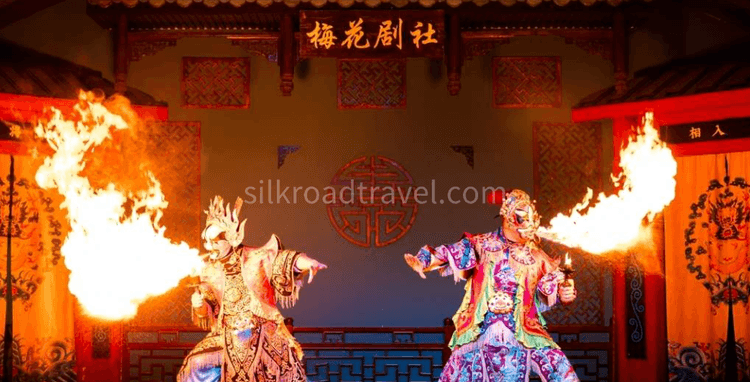
Sichuan opera stands as one of Chengdu's most precious folk cultural treasures, renowned nationwide for its stunning and interactive performances. Core highlights include the iconic face-changing act, fire-spitting stunts, elegant traditional costumes, and melodic Sichuan tunes. Professional theaters and local folk venues across downtown Chengdu host daily public shows, delivering authentic and beginner-friendly cultural experiences. Travelers can watch classic opera excerpts, appreciate traditional Shu art aesthetics, and gain a vivid understanding of Sichuan's profound folk heritage, making it an unmissable indoor cultural activity for all weather conditions.
Jinjiang River Cruise & Night Tour Experience
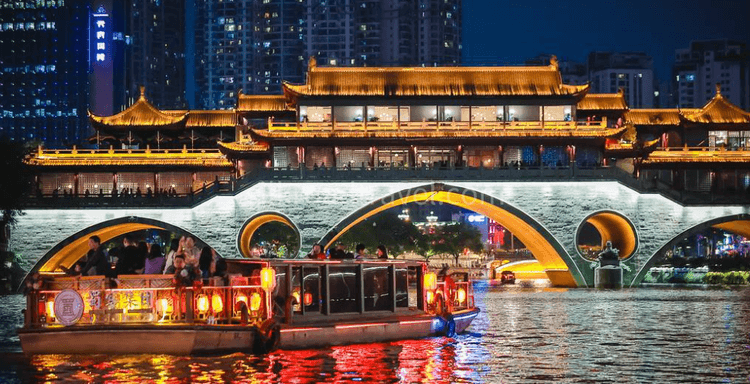
A signature leisure experience in Chengdu, the Jinjiang River cruise presents a panoramic view of the city's ancient charm and modern glamour. Both daytime and night cruises are available for different travel preferences. Daytime sailing offers gentle river breezes and clear views of riverside ancient architecture, waterfront parks and historic pavilions. The night cruise is far more popular, with dazzling landscape lights, immersive light shows, and themed cultural performances along the shore. Some featured cruise ships provide exclusive experiences, including MR immersive visual effects, hot pot dining on board, and casual tea tastings. Many waterfront piers also host intangible cultural heritage markets, folk shows and traditional handicraft interactions, perfectly showcasing the prosperous ancient Shu waterfront lifestyle.
Seasonal Water Play & Drifting Activities
Perfect for summer travel, Chengdu's surrounding suburban areas feature well-developed drifting and water play resources. Dujiangyan and nearby mountain areas boast clear alpine waterways with gentle yet exciting drifting routes, suitable for both adults and children. Equipped with professional safety facilities, life jackets, shower stations and full-time rescue teams, these water scenic spots guarantee a safe and refreshing outdoor experience. Travelers can enjoy cool river rafting, splash water games and mountain stream sightseeing, escaping the urban heat and embracing natural summer fun close to Chengdu city center.
Outdoor Rock Climbing & Wilderness Camping:
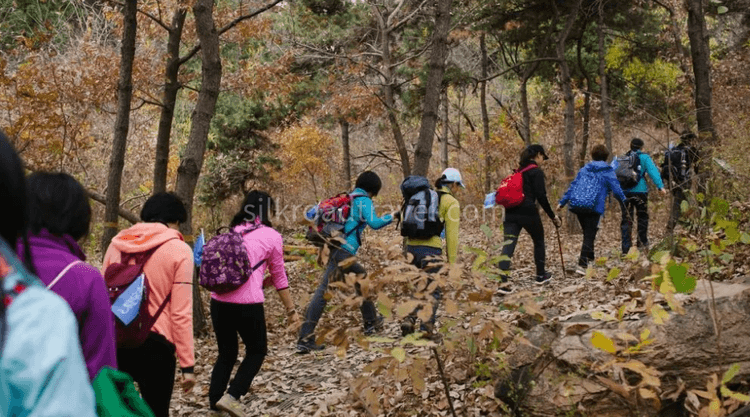
For adventure and nature lovers, Chengdu's suburban mountain areas offer professional outdoor rock climbing and premium wilderness camping experiences. Featuring beginner-friendly climbing routes and professional instructor guidance, outdoor rock climbing allows novice travelers to challenge themselves and enjoy panoramic mountain views. The surrounding ecological scenic areas provide standard camping grounds with complete supporting facilities, including parking areas, rest rooms and catering supplies. Travelers can set up tents in lush mountain forests, enjoy sunset views, stargaze at night, and experience a quiet outdoor getaway away from the bustling city, creating relaxing and memorable outdoor moments during their Chengdu trip.
FAQ: Most Asked Questions by Foreign Tourists
Q1: Is Chengdu worth visiting for international tourists?
A1: Yes. Chengdu is a top tourist destination in western China, famous for lovely giant pandas, UNESCO World Heritage Sites, authentic Sichuan cuisine, ancient Shu civilization and a relaxing slow-paced lifestyle. It is friendly to all types of travelers, including solo visitors, couples and families.
Q2: How many days should I spend in Chengdu?
A2: 2 full days are enough for downtown core attractions and food tours. For surrounding day trips (Sanxingdui, Dujiangyan, Leshan Giant Buddha), 3–4 days is ideal for a leisurely itinerary.
Q3: When is the best time to see active pandas?
A3: Visit the Panda Base before 8:00 a.m. Pandas stay active from 07:30 to 11:00, and retreat indoors to rest in the hot afternoon. Spring and autumn are the best seasons for panda viewing.
Q4: Can foreigners use Chengdu's public transport easily?
A4: Absolutely. Chengdu Metro supports English operation, with clear English signs and broadcasts. It covers all major scenic spots, making it the most convenient and reliable travel option for foreign visitors.
Q5: Are tourist venues closed on Mondays?
A5: Museums (Chengdu Museum, Sanxingdui Museum) are closed on Mondays (excluding public holidays). All outdoor scenic spots and ancient streets open daily all year round.
Q6: Is Sichuan food extremely spicy for foreigners?
A6: No. Local restaurants offer adjustable spiciness (no spicy / less spicy / medium spicy). Plenty of delicious non-spicy dishes are available, suitable for visitors who cannot tolerate spicy food.
Q7: What is the daily travel budget in Chengdu?
A7: Chengdu features affordable consumption. A mid-range trip costs 60–90 USD per person daily, covering accommodation, food, tickets and transport. Budget travel can be kept under 50 USD per day.
Q8: Is Chengdu safe for solo foreign travelers?
A8: Very safe. Chengdu has a low crime rate, sound public security and friendly locals. Solo travel, evening strolls and night market visits are completely safe for foreign tourists, including female travelers.