


Chengdu Travel Guide: Top Attractions, Local Food, Itineraries & Practical Tips for Foreign Visitors
Chengdu Travel Guide: Why Visit Chengdu & Core City Highlights
Created for all types of overseas travellers, this Chengdu travel guide covers family visitors travelling with kids, global food enthusiasts, history and archaeology lovers, budget backpackers and mountain hiking fans. Whether you are planning a short transit stop or a week-long deep exploration, you can build your ideal travel plan using the practical tips and curated itineraries inside this guide. Chengdu stands among China's most welcoming travel destinations, blending rare wildlife, millennia-old history, mouth-watering cuisine and a famously relaxed way of life. As the Giant Panda Capital of the World and UNESCO City of Gastronomy, the capital of Sichuan delivers a travel experience unlike any other Chinese metropolis.
Four core travel themes draw international visitors year-round: encounters with giant pandas, immersive ancient Shu and Three Kingdoms history, slow local teahouse culture, and accessible UNESCO natural and cultural heritage sites within day-trip distance. Unlike fast-paced megacities such as Shanghai and Beijing, Chengdu encourages visitors to slow down, sip tea and embrace local daily life.
This guide is tailored for multiple types of travellers: family visitors travelling with kids, global food enthusiasts, history and archaeology lovers, budget backpackers and hiking fans seeking mountain scenery. Whether you plan a short transit stop or a week-long deep exploration, you can build a suitable travel plan within this guide.
Chengdu Weather & Best Travel Seasons
Chengdu features a humid subtropical monsoon climate with four distinct seasons, shaped by its unique location in the Sichuan Basin. Overall, the city enjoys mild year-round temperatures, abundant rainfall, and high atmospheric humidity, creating a soft, comfortable living environment that earns Chengdu the reputation of one of China's most livable cities. The annual average temperature stays between 16°C and 18°C, with no extreme cold in winter or scorching heat in most seasons. Unlike dry northern Chinese cities or tropical southern regions, Chengdu's weather is characterised by damp air, frequent night rain, and stable temperature transitions throughout the year.
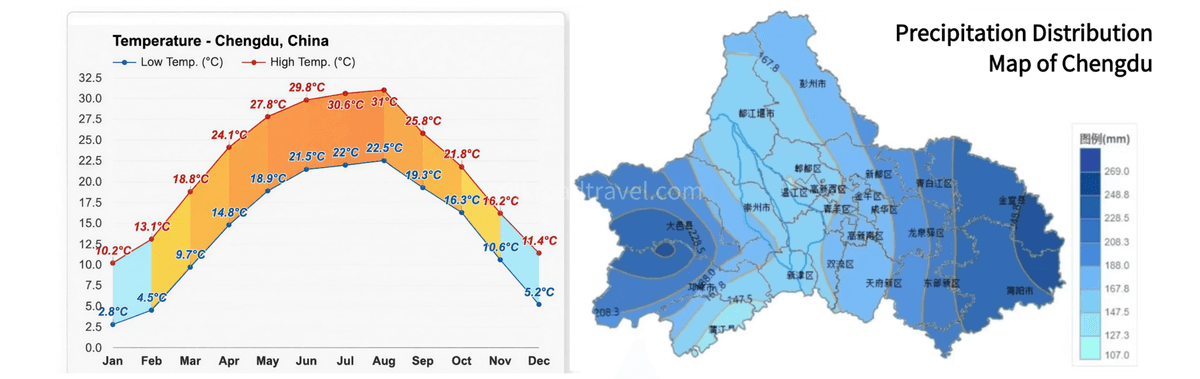
Understanding Chengdu's seasonal weather patterns is critical for planning a smooth Chengdu travel itinerary, especially for outdoor sightseeing, panda viewing, and mountain day trips to Dujiangyan and Qingcheng Mountain.
Best Time to Visit Chengdu
Weather, panda activity levels and tourist crowds heavily shape your experience in Chengdu. Here are the best time to visit Chengdu during the whole year of different seasons.
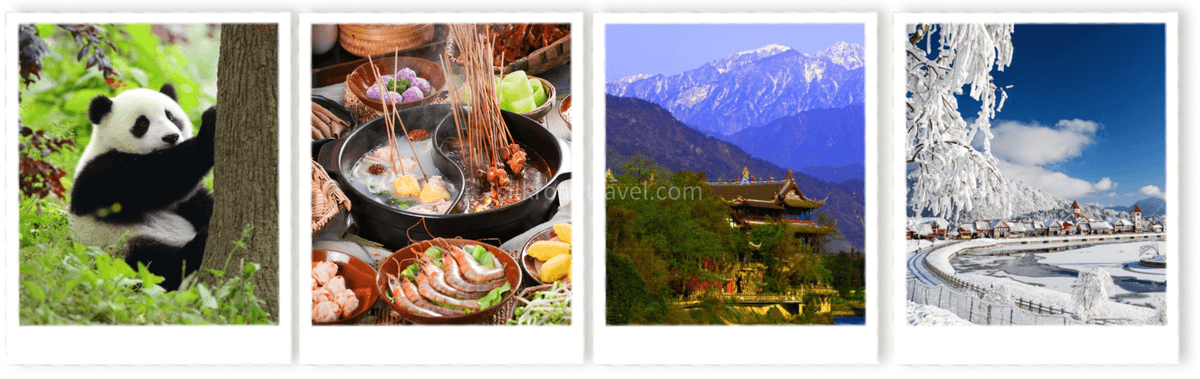
Spring (March–May): Ideal for Active Pandas & Blooming Scenery
Spring features mild temperatures, fresh air and flourishing plants. Giant pandas stay energetic in cooler weather, making this the top season to visit the Panda Base. Occasional light rain is common; bring lightweight waterproof outerwear.
Autumn (September–November): Cool Weather for Mountain Day Trips
Autumn delivers stable, comfortable weather with low humidity. It is perfect for day trips to Dujiangyan, Qingcheng Mountain, Leshan Giant Buddha and Sanxingdui. Crowds thin out after China's summer vacation.
Summer (June–August): Hot, Rainy & Holiday Crowds
Summer brings high temperatures and frequent heavy rain. Pandas tend to rest indoors after 11:00. Schools are on holiday, so major scenic spots face large visitor volumes.
Winter (December–February): Budget Off-Season Travel
Winter is Chengd's low travel season. Hotel prices drop significantly, and scenic spots are far less crowded. Temperatures are cool and damp, without heavy snow in downtown areas.
Top Attractions in Chengdu & Surrounding Day Trips
You can explore full introductions inside our dedicated article Top Attractions in Chengdu. This section breaks down downtown urban landmarks and world-heritage day-trip destinations, with visitor-focused context, practical logistics, crowd avoidance guidance and photo tips tailored exclusively for international travellers. Every listing includes verified opening hours, ticket pricing, transit routes and realistic expected visiting duration, so you can seamlessly fit sights into your custom itinerary.
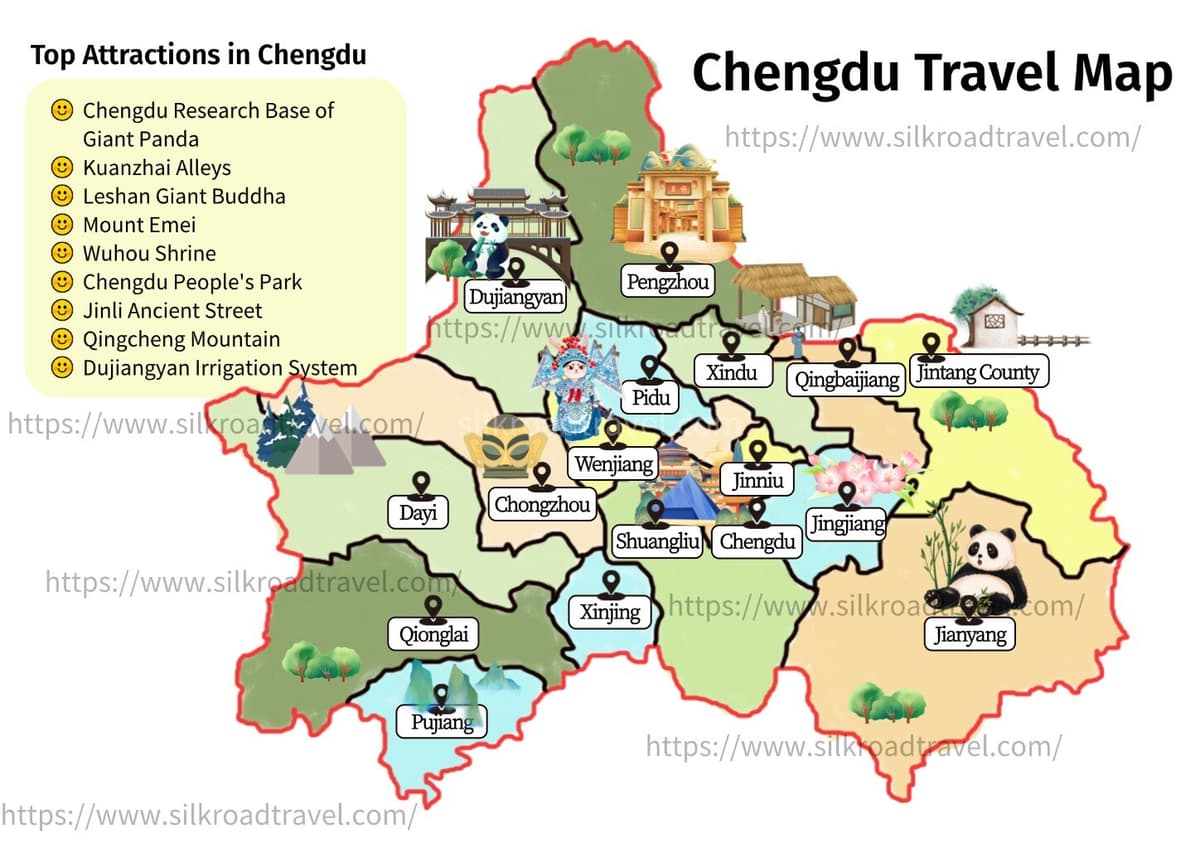
Downtown Core Urban Spots
1. Chengdu Research Base of Giant Panda Breeding
As the most anticipated destination for nearly all overseas visitors, the Chengdu Research Base of Giant Panda Breeding represents the world's leading giant panda conservation facility. Unlike isolated zoos, this base replicates natural mountain habitats, offering unobstructed views of pandas feeding, climbing bamboo structures and resting outdoors. The site hosts more than 100 giant pandas, including playful cubs inside the panda nursery area, alongside lesser-known red pandas that many travellers overlook.
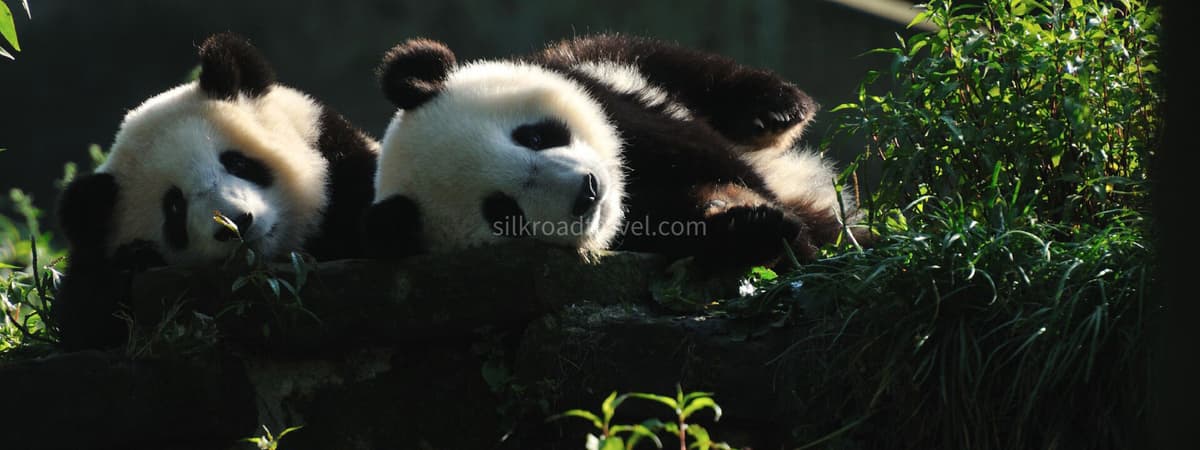
Opening Hours:07:30–18:00 (last entry 17:00)
Ticket:55 CNY adult; children under 1.2m free
Transport:Metro Line 3 to Panda Avenue Station + 10-minute taxi ride
Recommended visiting time: 3–4 hours
Best Visiting Hour:Before 8:00 a.m.
Tips: Pandas become inactive and retreat indoors after 11 a.m. No flash photography. Do not tap viewing glass or shout toward enclosures. Book tickets online in advance during spring, autumn and holiday seasons, as entry tickets frequently sell out. The nursery zone is the top photo spot for young panda cubs.
2. Kuanzhai Alleys & Zhai Alleys
Formed by three connected ancient alleyways — Kuan Alley, Zhai Alley and Jing Alley — this preserved Qing Dynasty neighbourhood balances historic architecture, local handicraft shops, casual cafes and street snack stalls. Many first-time visitors only stroll along the main crowded path, yet the quieter side lanes reveal authentic Sichuan courtyard houses and ideal street photography opportunities.
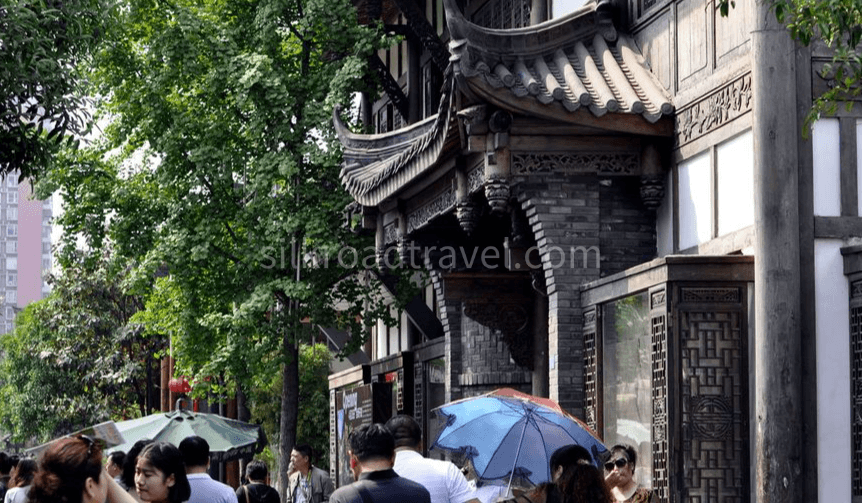
Opening Hours:All day; retail shops 10:00–22:00
Ticket:Free
Transport:Metro Line 4 Kuanzhai Alleys Station
Recommended visiting time: 1.5–2 hours
Tips: Visit before 10:00 or after 19:00 to avoid overwhelming tour groups. Jing Alley carries far fewer crowds than the main wide alley. Avoid dining directly inside the core scenic zone; walk outward into nearby residential streets for better-priced local restaurants.
3. Jinli Ancient Street & Wuhou Shrine
Wuhou Shrine honours Zhuge Liang, the legendary strategist of the Three Kingdoms era, and ranks among China's most important historical sites for Three Kingdoms culture. Adjacent to the shrine, Jinli Ancient Street reconstructs the atmosphere of an ancient Shu commercial thoroughfare. The street transforms dramatically after sunset once thousands of red lanterns light up, creating one of Chengdu's most iconic night-time scenes.
.png&w=1200&q=75 "Jinli Ancient Street & Wuhou Shrine (2).png")
Opening Hours: Wuhou Shrine 08:30–18:30; Jinli 09:00–22:00
Ticket: Wuhou Shrine 50 CNY, Jinli free
Transport: Metro Line 3 Wuhou Shrine Station
Recommended visiting time: 2.5 hours
Tips: Tour Wuhou Shrine in the late afternoon, then wander Jinli after sunset for lantern views. The red wall corridor inside Wuhou Shrine is a classic cultural photo location. Street snacks inside Jinli are convenient but slightly higher-priced than neighbourhood markets.
4. Chengdu People's Park & Heming Teahouse
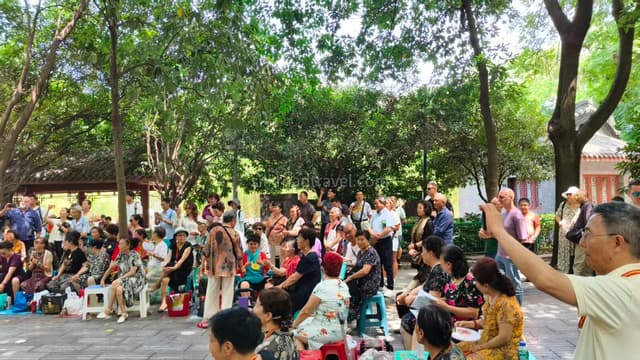
Far more than a city green space, Chengdu People's Park is the living showcase of Chengdu's famous slow-life culture. Locals gather here to walk, dance, play mahjong and spend hours drinking tea. Heming Teahouse, situated within the park, has operated for decades and remains the most well-known venue to experience traditional gaiwan jasmine tea.
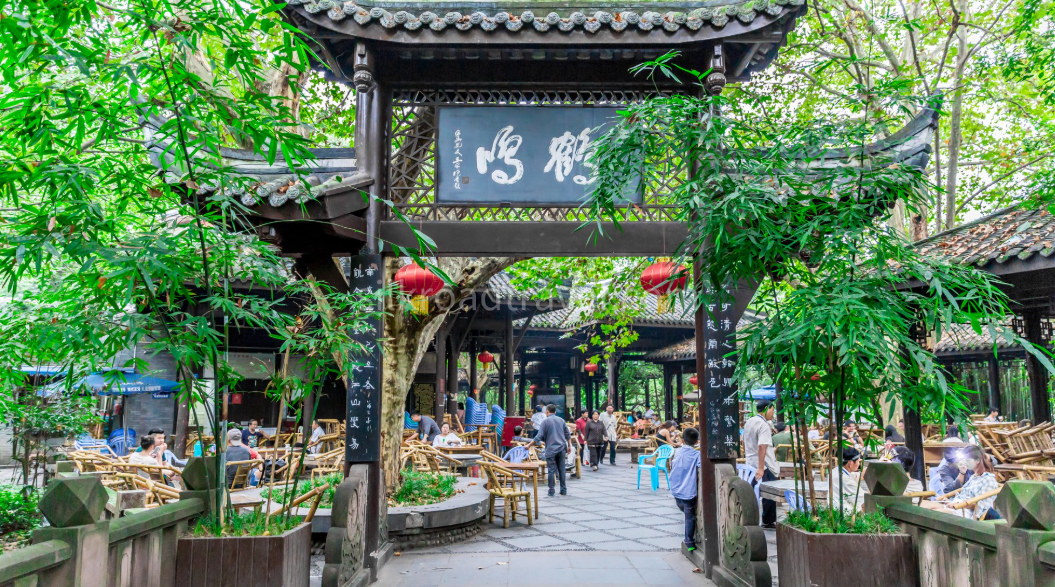
Opening Hours:Park all day; teahouse 08:00–21:00
Ticket:Free
Transport:Metro Line 2 People's Park Station
Recommended visiting time: 1–2 hours
Tips: Order one cup of jasmine tea and stay seated all day with no extra charge. You can also try traditional ear-cleaning service offered by local artisans around the teahouse.
5. Wenshu Monastery
Wenshu Monastery is a serene 1,400-year-old Buddhist sancturay hidden in central Chengdu. Dedicated to Manjushri Bodhisattva, the temple features elegant wooden halls, bamboo gardens and stone courtyards. It offers a peaceful escape from busy city streets, and runs a highly regarded vegetarian restaurant serving traditional Sichuan Buddhist cuisine.
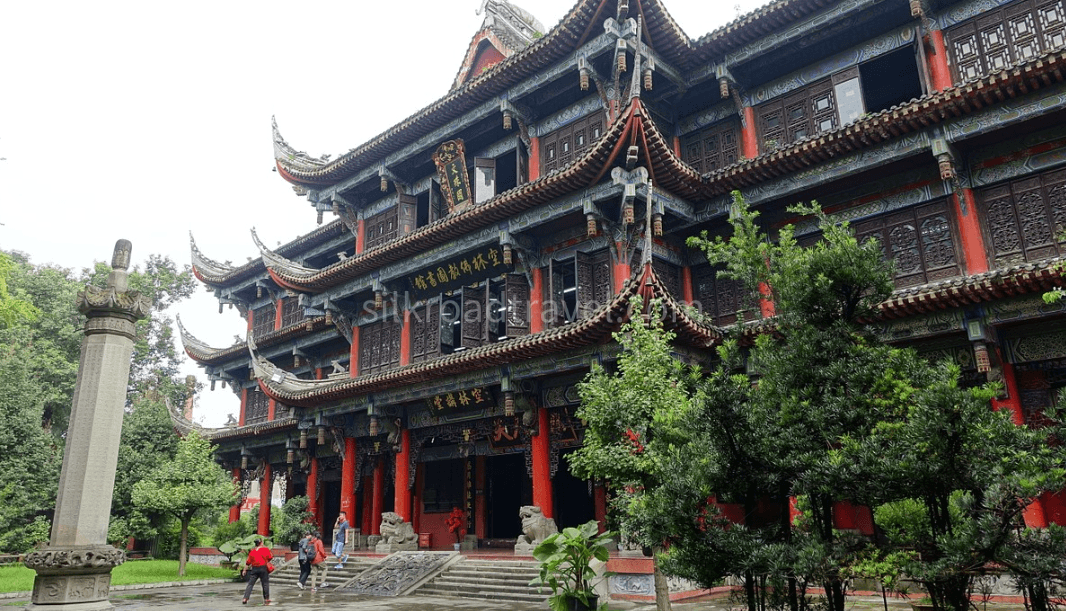
Opening Hours: 8:00-17:00
Ticket: Free
Transport: Metro Line 1 Wenshu Monastery Station
Recommended visiting time: 1-1.5 hours
Tips: Dress modestly and cover shoulders and knees when entering prayer halls. Photography inside main shrine buildings is prohibited. Arrive early to avoid large tour groups.
6. Chunxi Road & Sino-Ocean Taikoo Li (IFS Giant Panda)
Chunxi Road is Chengdu's primary commercial artery, while the adjacent Sino-Ocean Taikoo Li blends modern luxury shopping with restored ancient Daci Temple architecture. The climbing giant panda sculpture on the exterior of Chengdu IFS has become the city's most recongnisable modern landmark.
.png&w=1200&q=75 "Chunxi Road & Sino-Ocean Taikoo Li (IFS Giant Panda).png")
Opening Hours:Block all day; shops 10:00–22:00
Ticket:Free
Transport:Metro Line 2/3 Chunxi Road Station
Recommended visiting time: 2–3 hours
Tips: Head to the 7th-floor outdoor terrace for the famous climbing panda landmark photos. Explore Daci Temple tucked inside Taikoo Li for a quiet cultural break amid shopping.
7. Tianfu Square & Chengdu Museum
Tianfu Square serves as Chengdu's geographic city centre. Directly beside the square sits Chengdu Museum, a world-class municipal museum housing nearly 200,000 artefacts tracing 4,000 years of local history from ancient Shu civilisation to modern urban development.
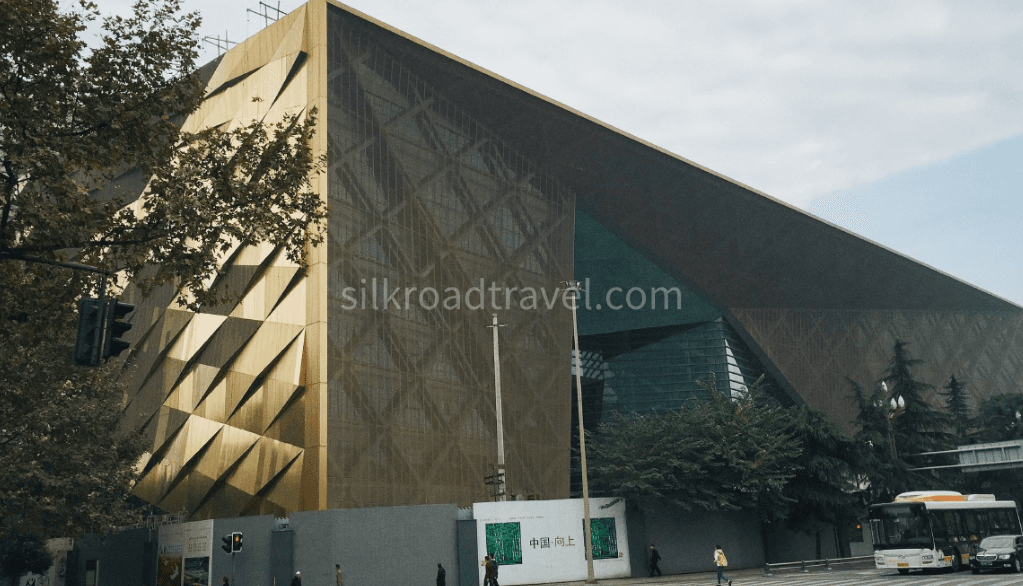
Opening Hours: Square all day; Museum 09:00-17:00, closed Mondays
Ticket: Square free; museum free with real-name passport reservation
Transport: Metro Line 1/2 Tianfu Square Station
Recommedned visiting time: 2-3 hours for the museum
Tips: Always reserve museum entry tickets several days in advance during peak travel seasons.
8. Hidden Local Spots: Yulin District, Dongjiao Memory
Yulin District is a mature residential neighbourhood favoured by local residents, packed with family restaurants, casual bars and authentic night markets. Dongjiao Memoty repurposes abandoned industrial factory buildings into a retro creative park with vintage train tracks, art murals and photographt-friendly industrial scenery.
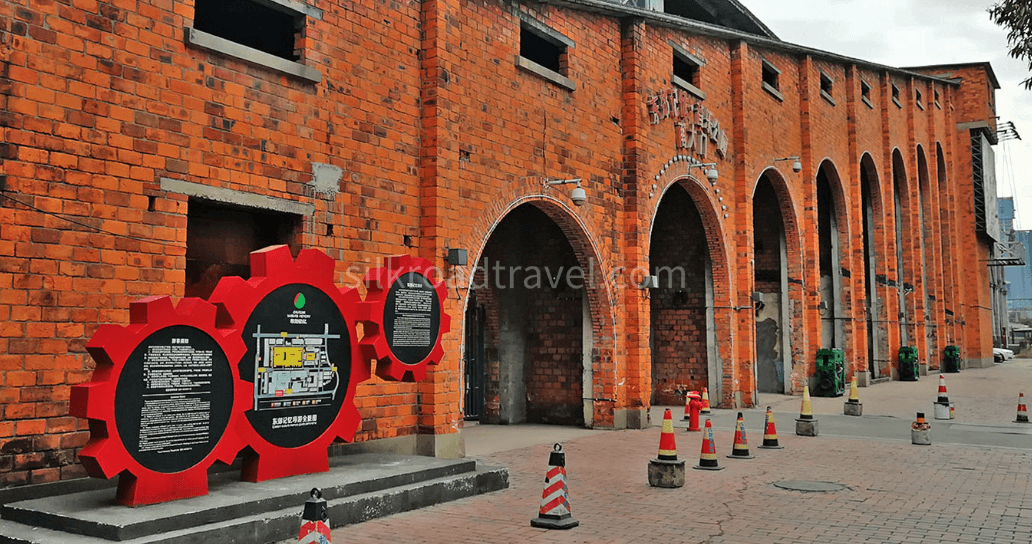
Transport: Yulin – Metro Line 8; Dongjiao Memory – Metro Line 7
Tips: Visit Yulin after sunset to experience the lively night market atmosphere. Dongjiao Memory works best for outdoor photos in late afternoon soft sunlight.
1-Day World Heritage Excursions
Sanxindui Museum
Sanxingdui Museum displays mysterious bronze relics belonging to the lost Ancient Shu Kingdom, discoveries that completely rewrote academic understanding of early Chinese civilisation. The alien-like bronze masks with protruding eyes attract archaeology lovers globally. Two separate exhibition halls showcase gold artefacts, bronze statues, jade and ivory excavated from sacrificial pits.
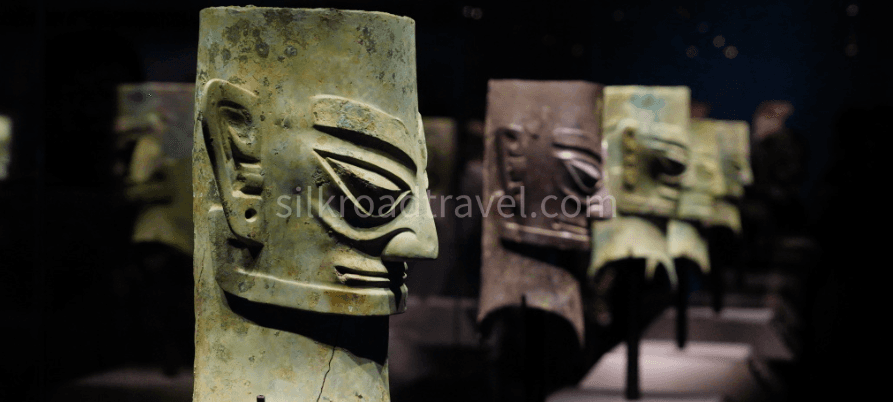
Opening Hours:08:30–18:00, closed Mondays (except national holidays)
Ticket:72 CNY
Transport:High-speed rail from Chengdu East to Guanghan North, then short taxi
Recommended visiting time: 3–4 hours
Tips: Book tickets weeks ahead on holidays. Hiring an English-speaking guide is strongly recommended to interpret the relic history, as most exhibition captions are simplified Chinese.
Dujiangyan Irrigation System + Qingcheng Mountain
Dual UNESCO-listed sites that can be combined for one full day. The Dujiangyan Irrigation System is a 2,200-year-old water engineering project still functioning to supply farmland around Chengdu. Nearby Qingcheng Mountain, the birthplace of Chinese Taoism, features misty forest trails, ancient Taoist temples and outstanding mountain scenery.
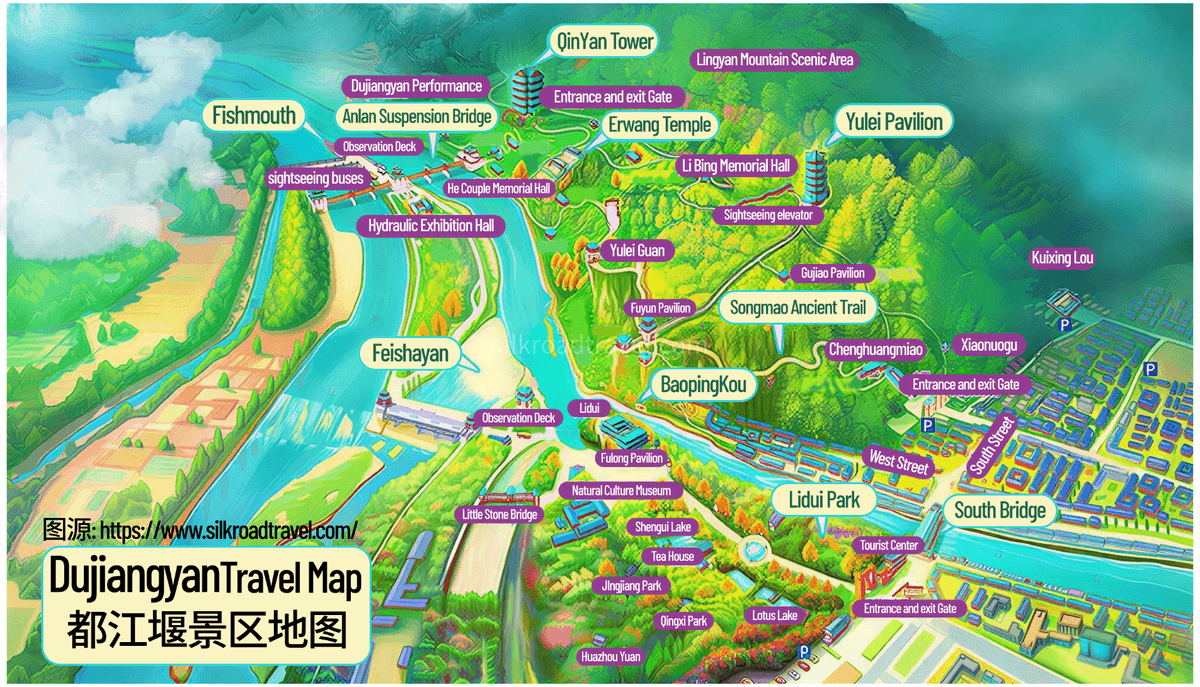
Ticket:Dujiangyan 80 CNY; Qingcheng Front Mountain 80 CNY
Transport:Intercity train from Xipu Station
Recommended visiting time: Full day (7–8 hours)
Tips: Start early to fit both attractions. Wear comfortable walking shoes for mountain hiking.
Leshan Giant Buddha
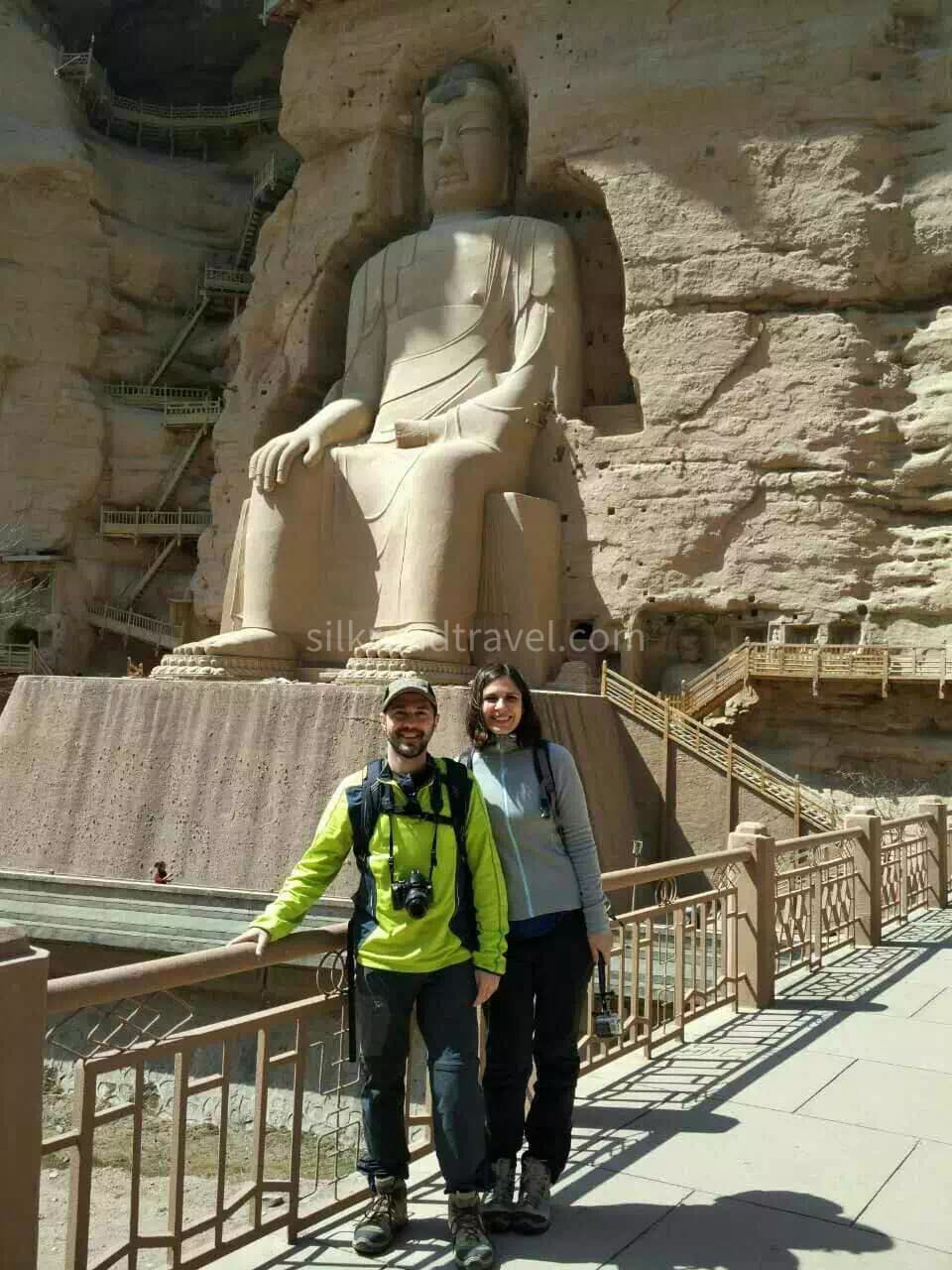
Carved directly into a riverside cliff more than 1,300 years ago, the 71-metre-tall Leshan Giant Buddha is the largest stone Buddha statue in the world. Visitors can walk down the narrow cliffside plank road to view the Buddha up close.
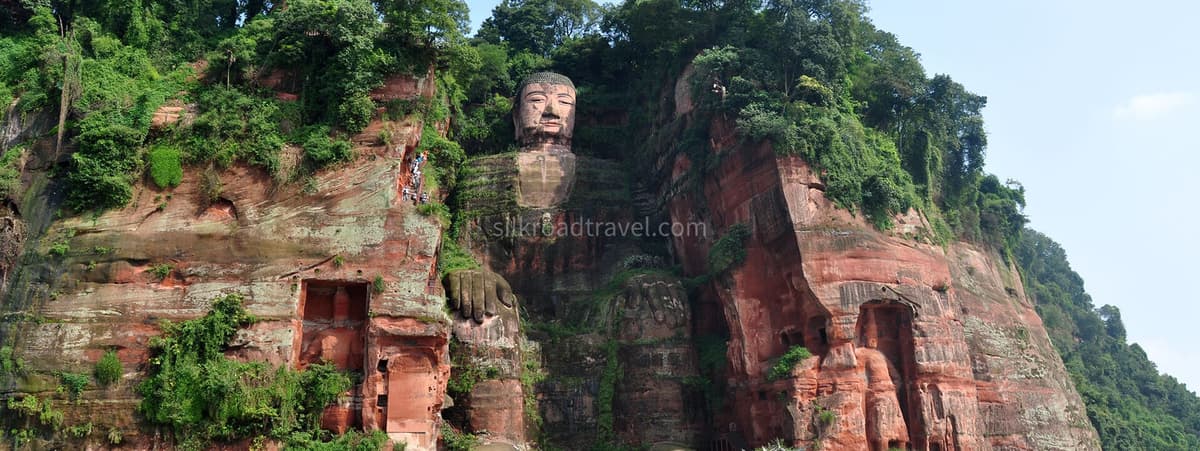
Opening Hours:07:30–18:00 (peak season)
Ticket:80 CNY
Transport:High-speed train Chengdu East → Leshan Station
Recommended visiting time: 3 hours
Tips: Arrive early to avoid multi-hour queues on the cliff plank road. Taking a river cruise offers unobstructed panoramic photos of the giant Buddha.
Mount Emei
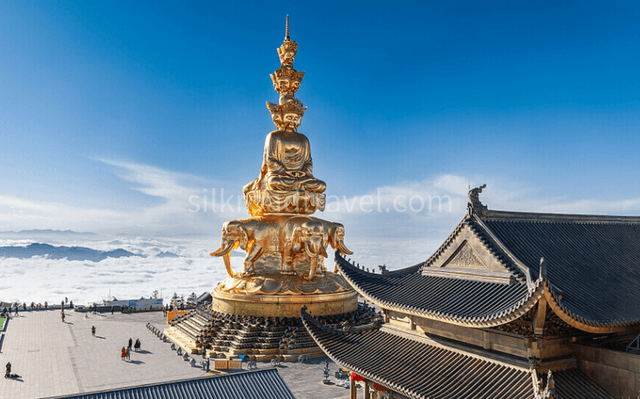
Mount Emei is a UNESCO dual natural and cultural heritage site, famous for Buddhist temples, wild macaques and spectacular sunrise sea-of-clouds views at the Golden Summit. Many travellers choose to stay overnight on the mountain to catch the early morning sunrise.
.png&w=1200&q=75 "emei mountain (2).png")
Tips: Temperatures on the Golden Summit are 8–10°C lower than downtown Chengdu; carry warm outerwear. Keep all food securely packed, and avoid making eye contact with wild macaques to prevent theft.
Chengdu Local Food & Food Districts
Sichuan cuisine and authentic street food form the living soul of Chengdu local food and stand as one of the greatest draws for every traveller exploring Chengdu. Many overseas visitors only hold a superficial impression that all Sichuan dishes are overwhelmingly spicy, unaware of the rich spectrum of layered, balanced flavours that define regional Chengdu gastronomy. From hearty sit-down restaurant classics enjoyed during family gatherings to cheap, flavour-packed street snacks sold at bustling night markets, the food culture of Chengdu reflects the city's laid-back lifestyle and thousands of years of culinary inheritance.
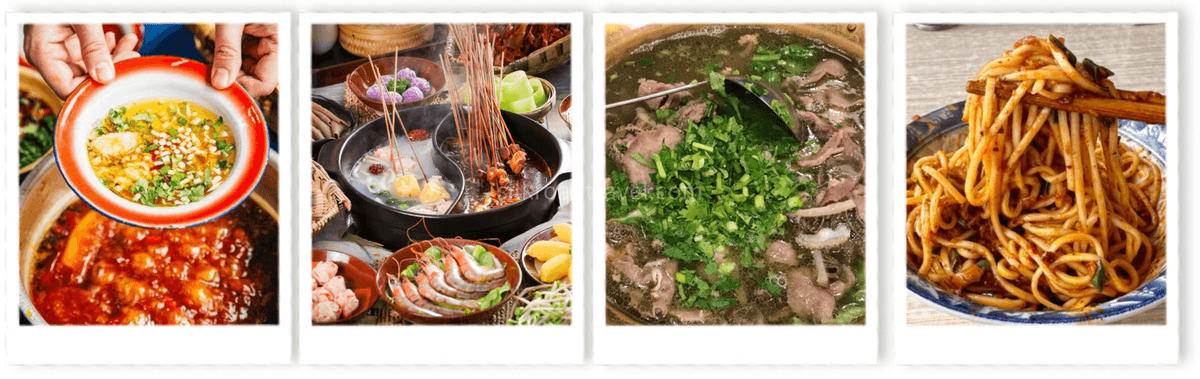
Iconic Must-Try Sichuan Main Dishes
These classic signature dishes are staple menu selections at authentic local Sichuan restaurants, ideal for formal sit-down meals when you want to experience the standard flavour system of Chengdu cuisine. The most well-known picks include Sichuan Hot Pot, Mapo Tofu, Twice-Cooked Pork, Kung Pao Chicken, Boiled Fish and Yu-Shiang Eggplant. Each dish carries distinct flavour characteristics and unique local cooking techniques, delivering a completely different taste experience for diners.
Classic Street Snacks & Cooling Desserts
Street snacks and refreshing desserts are indispensable parts of Chengdu local food, widely available in residential neighbourhoods, night markets and commercial blocks across the city. These affordable delicacies are perfect for light meals, casual tastings and late-night feasts. The must-try list covers Spicy Rabbit Head, Dan Dan Noodles, Spicy Wonton (Chao Shou), Ice Jelly and Sour Plum Drink. Plenty of these snacks work perfectly as palate cleansers or supplementary treats after enjoying heavy spicy main courses.
Chengdu Transportation
Transportation in Chengdu is highly convenient for international tourists. The city features a mature metro network, affordable taxis, accessible high-speed railway systems, and international air routes. Whether you travel downtown or plan day trips to surrounding UNESCO sites, Chengdu's integrated transportation system supports flexible, efficient, and budget-friendly travel.
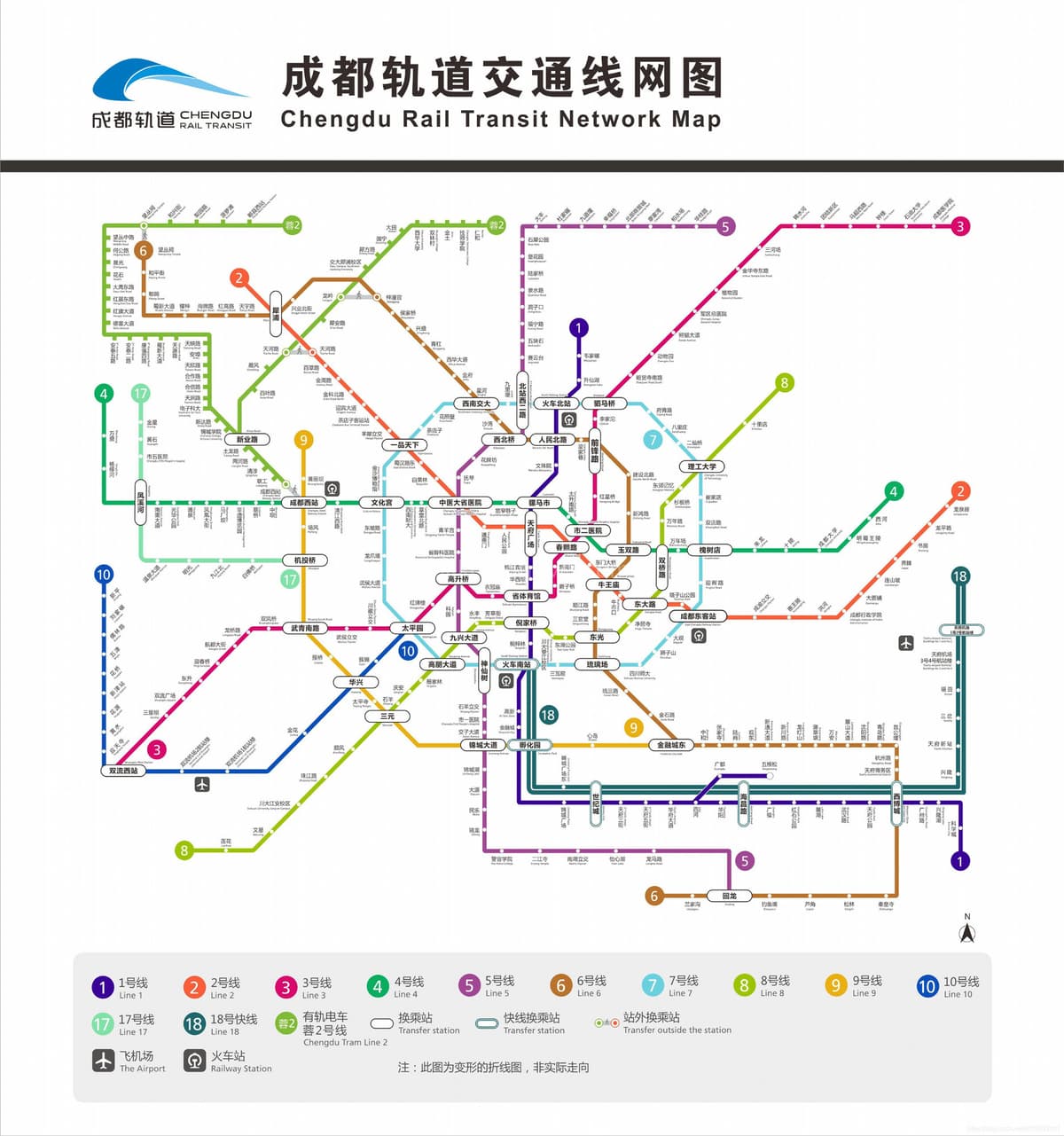
How to Get to Chengdu: Airport & High-Speed Rail
Chengdu Tianfu International Airport (TFU)
As Chengdu's main international aviation hub, Tianfu Airport operates numerous direct international flights connecting Southeast Asia, Europe, Middle East, and other regions. It is the primary entry point for most overseas travelers.
Downtown transfer: Airport metro line, airport shuttle buses, and official taxi fleets are available daily.
Travel tip: Prefer official taxi stands and avoid unlicensed private car solicitors at the arrival exit.
Chengdu East Railway Station
The largest high-speed rail hub in Sichuan Province, connecting Chengdu with major Chinese cities. It is also the main departure station for high-speed trains to Leshan and Guanghan (Sanxingdui).
Xipu Railway Station
The key intercity station for Dujiangyan and Qingcheng Mountain day trips, with frequent short-distance trains running every few minutes during peak hours.
Foreigner Transport Tips
Download English-version map and transport apps before arrival.
Metro is strongly recommended during rush hours to avoid traffic congestion.
Keep small cash or mobile payment options ready for shuttle buses and street transport.
For mountain day trips, reserve transportation in advance on weekends and holidays.
Chengdu Authentic Local Cultural Experiences
Beyond iconic pandas and world-famous Sichuan food, Chengdu's most precious travel charm lies in its profound and down-to-earth local culture. Unlike China's fast-paced metropolitan cities that focus on modern prosperity, Chengdu preserves a slow, leisurely lifestyle that has lasted for thousands of years, known as the "Happiest City in China". For international travelers, exploring authentic local cultural experiences is the best way to escape superficial tourist check-ins and truly understand the core temperament of Chengdu locals.
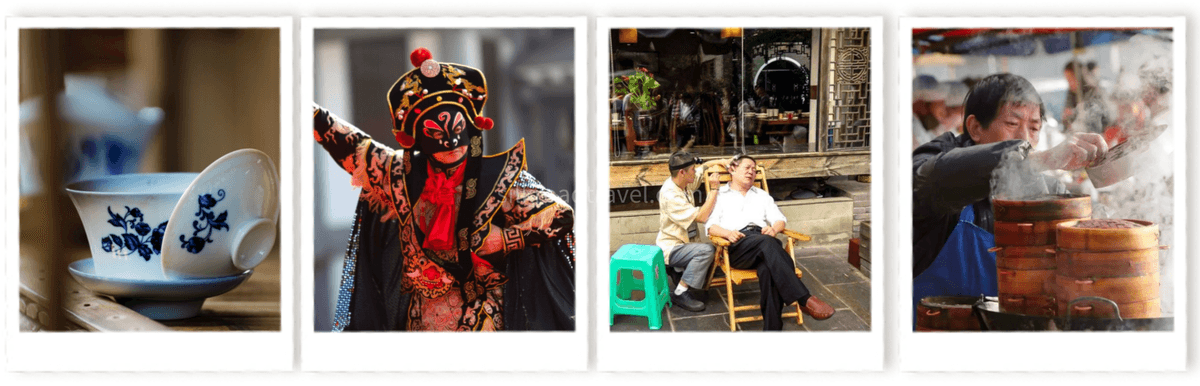
1. Traditional Gaiwan Tea Culture at People's Park Heming Teahouse
Gaiwan tea (lidded bowl tea) is the symbol of Chengdu's slow-life culture and a daily leisure habit of local residents. Heming Teahouse in People's Park, the oldest and most famous civilian teahouse in downtown Chengdu, is the top spot for travelers to experience authentic tea culture. Different from high-end commercial tea houses for tourists, this century-old teahouse maintains a pure folk style: locals gather here every morning and afternoon to drink tea, chat, play mahjong and enjoy casual leisure time.
2. Sichuan Opera Face-Changing & Traditional Folk Shows
Sichuan Opera is one of China's four major local operas, and the famous Face-Changing (Bian Lian) stunt is the most shocking and representative folk performance, exclusive to Sichuan culture. Different from ordinary stage performances, Face-Changing features rapid, mysterious mask switching in one second, with vivid facial expressions matching the rhythm of traditional music, leaving overseas audiences amazed. Professional theaters in Chengdu also integrate fire-spitting, rolling lanterns, folk storytelling and traditional music performances, presenting a complete Sichuan folk art feast.
3. Classic Local Leisure: Traditional Ear-Cleaning Service
Ear-cleaning is a unique traditional leisure activity deeply popular among Chengdu locals, known as "the most comfortable enjoyment in Sichuan". Professional local artisans provide portable ear-cleaning services in teahouses and parks, with gentle techniques and professional tools. It is a relaxing, characteristic local experience that cannot be found in other Chinese cities.
4. Local Morning Market & Residential Alley Folk Tour
To understand the real Chengdu, why don't you walk out of scenic spots and enter local residential communities and feel the morning markets? Chengdu's old neighborhoods retain strong fireworks and folk customs: early morning street breakfast stalls, fresh vegetable and fruit markets, elderly locals walking birds and practicing Tai Chi, and residents chatting and relaxing in alleyways. These unpolished daily scenes are the most authentic cultural display of Chengdu.
Chengdu Essential Travel Tips
Payment barriers, cultural differences, tourist scams, crowd avoidance strategies and travel tool adaptation are the most critical factors that determine the smoothness of overseas travel. This chapter focuses exclusively on foreign travelers' pain points, sorting out 100% practical, first-hand verified travel tips and anti-scam strategies, making your Chengdu trip safer, more economical and more comfortable, completely different from ordinary superficial travel guides.
.png&w=1200&q=75 "chengdu travel tips (2).png")
Common Avoidance Strategies
Chengdu is overall a safe and friendly tourist city, but there are fixed commercial traps in scenic areas that easily confuse foreign tourists who are unfamiliar with local conditions. We have sorted out the most frequent scams for targeted avoidance:
1. Unofficial guide & fast-track ticket scam: Strangers at the entrance of scenic spots claiming to provide fast entry tickets, internal preferential tickets and private explanation services are all unlicensed black guides with overcharged fees and false services.
2. Overpriced souvenir stalls: Souvenir shops at the entrance of Jinli, Kuanzhai Alleys and Panda Base have serious premium pricing. Panda peripherals, tea and handicrafts are 2–3 times more expensive than urban supermarkets and residential stores.
3. Fake Sichuan Opera & tea experience traps: Street vendors soliciting customers for low-cost Sichuan opera shows and high-end tea ceremonies are mostly low-quality counterfeit performances with hidden consumption traps.
Core Anti-Scam Rule: All tickets and experience projects are purchased through official platforms; refuse all active door-to-door sales and private guide services.
Crowd Avoidance & Time-Saving Travel Strategies
To avoid massive tourist crowds and queue waste, follow these exclusive time-saving rules tailored for foreign travelers:
1. Panda Base must be visited before 8:00 a.m. to avoid crowds and inactive pandas;
2. Ancient streets (Jinli, Kuanzhai) are recommended for night tours after 19:00, with fewer crowds and better lighting for photography;
3. Museums (Chengdu Museum, Sanxingdui Museum) are closed on Mondays; visit on weekday mornings to avoid weekend peak crowds;
4. Avoid traveling during Chinese legal holidays (Spring Festival, May Day, National Day), with ticket shortages and soaring accommodation prices.
FAQ: Most Asked Questions by Foreign Tourists
Q1: Is Chengdu worth visiting for international tourists?
A1: Yes. Chengdu is a top tourist destination in western China, famous for lovely giant pandas, UNESCO World Heritage Sites, authentic Sichuan cuisine, ancient Shu civilization and a relaxing slow-paced lifestyle. It is friendly to all types of travelers, including solo visitors, couples and families.
Q2: How many days should I spend in Chengdu?
A2: 2 full days are enough for downtown core attractions and food tours. For surrounding day trips (Sanxingdui, Dujiangyan, Leshan Giant Buddha), 3–4 days is ideal for a leisurely itinerary.
Q3: When is the best time to see active pandas?
A3: Visit the Panda Base before 8:00 a.m. Pandas stay active from 07:30 to 11:00, and retreat indoors to rest in the hot afternoon. Spring and autumn are the best seasons for panda viewing.
Q4: Can foreigners use Chengdu's public transport easily?
A4: Absolutely. Chengdu Metro supports English operation, with clear English signs and broadcasts. It covers all major scenic spots, making it the most convenient and reliable travel option for foreign visitors.
Q5: Are tourist venues closed on Mondays?
A5: Museums (Chengdu Museum, Sanxingdui Museum) are closed on Mondays (excluding public holidays). All outdoor scenic spots and ancient streets open daily all year round.
Q6: Is Sichuan food extremely spicy for foreigners?
A6: No. Local restaurants offer adjustable spiciness (no spicy / less spicy / medium spicy). Plenty of delicious non-spicy dishes are available, suitable for visitors who cannot tolerate spicy food.
Q7: What is the daily travel budget in Chengdu?
A7: Chengdu features affordable consumption. A mid-range trip costs 60–90 USD per person daily, covering accommodation, food, tickets and transport. Budget travel can be kept under 50 USD per day.
Q8: Is Chengdu safe for solo foreign travelers?
A8: Very safe. Chengdu has a low crime rate, sound public security and friendly locals. Solo travel, evening strolls and night market visits are completely safe for foreign tourists, including female travelers.
Recommended Chengdu Itineraries:
15D Cultural Tour From Chengdu, Chongqing to SilkRoadShanghai, Chengdu,Chongqing, Xi'an, Dunhuang, Turpan, Urumqi, Kashgar (20)200+ booked |
5D Chengdu, Jiuzhaigou and Dujiangyan Tourchengdu, Leshan, Emei Mountain, Jiuzhaigou, Huanglong, Dujiangyan (10)100+ booked |
Gaint Panda Base and Leshan Gaint Buddha Day TourChengdu, Leshan, Chengdu (30)300+ booked |

Chengdu is undoubtedly one of the most distinctive, friendly and worthwhile travel destinations in China, perfectly combining rare wildlife resources, world-class cultural and natural heritage, world-renowned gourmet culture and a rare slow-paced urban lifestyle. For international travelers tired of crowded, fast-paced modern tourist cities, Chengdu offers a unique healing travel experience that balances sightseeing, food, culture and leisure.