


Chengdu Local Food: Ultimate Guide to Authentic Sichuan Cuisine & Street Snacks
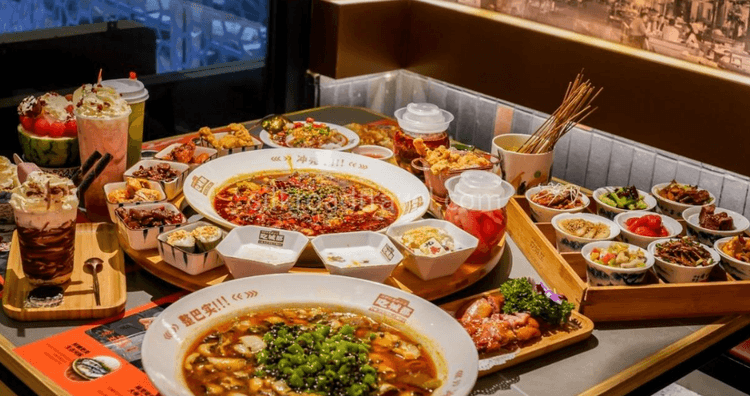
Chengdu local food stands as one of the biggest highlights of any visit to Sichuan's capital. Honoured as the UNESCO Capital of Gastronomy, Chengdu nurtures a profound culinary culture built on authentic Sichuan cuisine, classic street snacks and time-honored local flavours that attract food enthusiasts across the globe. Numerous first-time travellers exploring what to eat in Chengdu only recognise Sichuan hot pot, and hold the misconception that all Chengdu local food carries extreme spiciness. Authentic Sichuan cooking delivers a sophisticated spectrum of balanced tastes, with its most iconic flavour profile being "ma la" — the unique numbing and spicy sensation created by Sichuan peppercorns combined with chillies.
Travellers can enjoy hearty meals at family-run local restaurants, hunt for affordable Chengdu street food in lively night markets, or integrate food tasting into a relaxing Chengdu citywalk. This comprehensive guide sorts out signature main courses, must-try snacks, traditional desserts and trusted dining zones. Readers can easily combine this food-focused itinerary with our guide Top Attractions in Chengdu to design a complete and well-rounded Chengdu travel plan.
Understand Sichuan Flavor: What Makes Chengdu Local Food Special
A basic understanding of Sichuan flavour logic allows travellers to order suitable Chengdu local food and gain a deeper appreciation of local culinary art.
Ma La – Numbing & Spicy
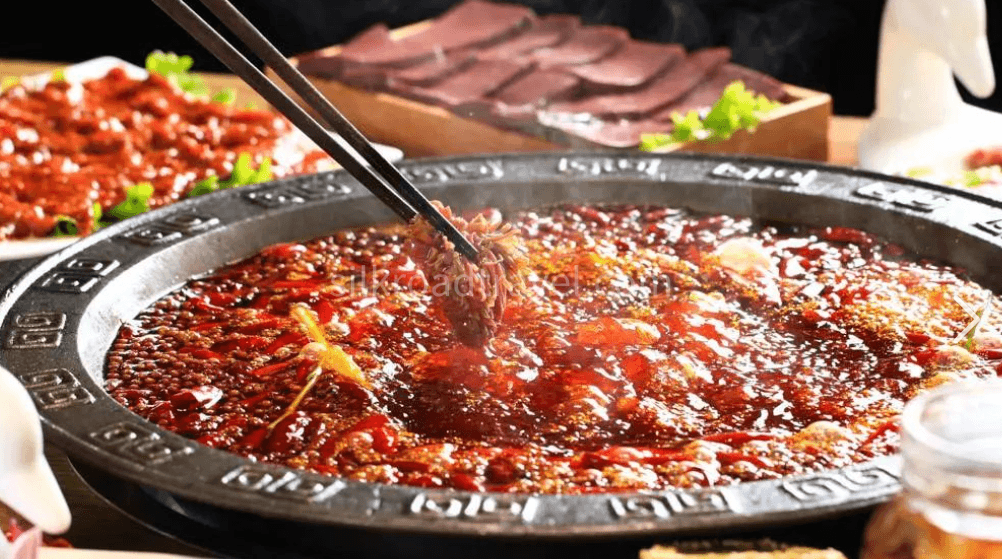
Sichuan peppercorn releases a distinctive tingling, numbing sensation on the tongue, paired with the rich heat of dried chilli. This iconic combination defines most signature Chengdu local food. Many overseas visitors only notice the spiciness and overlook the unique numbing texture that separates Sichuan cuisine from other spicy food around the world.Diverse layered flavour profiles
Sichuan cuisine contains more than 20 recognised official flavour types. Apart from mala, the most common styles include yu xiang (fish fragrant), suan la (sour spicy), gan xiang (dry aromatic), tian suan (sweet sour) and xian xian (mild savoury). Plenty of well-loved dishes contain no chilli at all.Core foundational ingredients
Fermented broad bean paste known as doubanjiang, native Sichuan peppercorns, pickled mustard greens, local rice vinegar and rapeseed oil form the fundamental base of most classic recipes. Local chefs prioritise fresh seasonal ingredients to maintain natural, bright flavours.
Iconic Chengdu Main Dishes
These staple dishes dominate menus at authentic local restaurants, ideal for formal sit-down meals when you want to experience standard Sichuan cuisine.
1. Sichuan Hot Pot 川味火锅
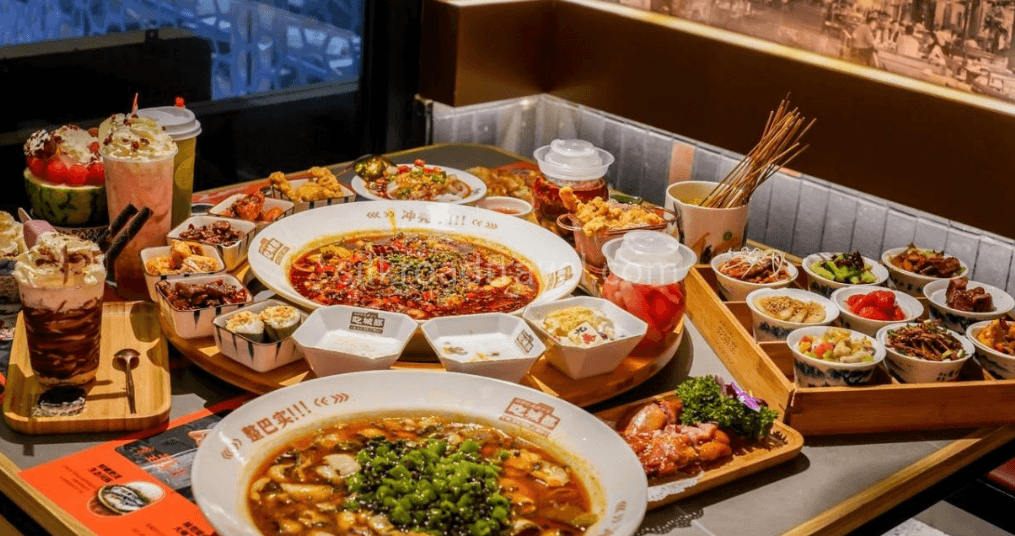
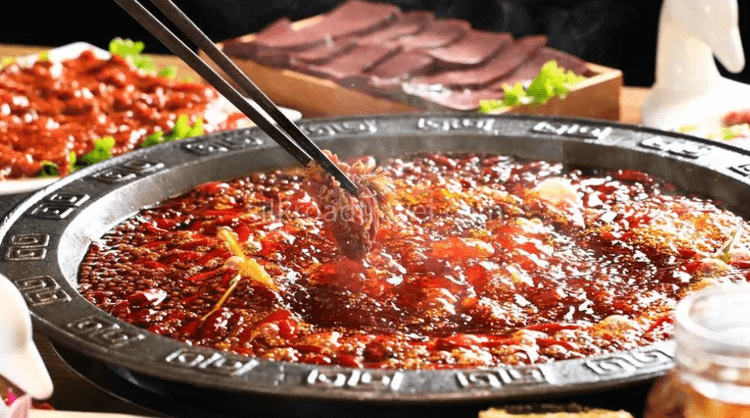
Sichuan hot pot stands as the most internationally recognised representative of Chengdu local food. A rich simmering broth infused with chilli oil and Sichuan peppercorns sits at the centre of the table. Diners select raw ingredients including beef slices, lotus root, tofu, mushrooms, vermicelli and vegetables, cook them briefly in the boiling broth, then dip ingredients in custom sesame or garlic chilli dipping sauce.
Many restaurants provide dual-flavour pots, combining spicy mala broth and mild bone broth, perfectly catering to groups with different taste preferences. Hot pot is more than food for Chengdu locals; it serves as a vital social activity for family and friends gatherings.
.png&w=1200&q=75 "chengdu hot pot (2).png")
Travel Tip: Hot pot is most popular during cool autumn and winter. If you visit in summer, pair hot pot with ice jelly or sour plum drink to balance the intense heat.
2. Mapo Tofu 麻婆豆腐
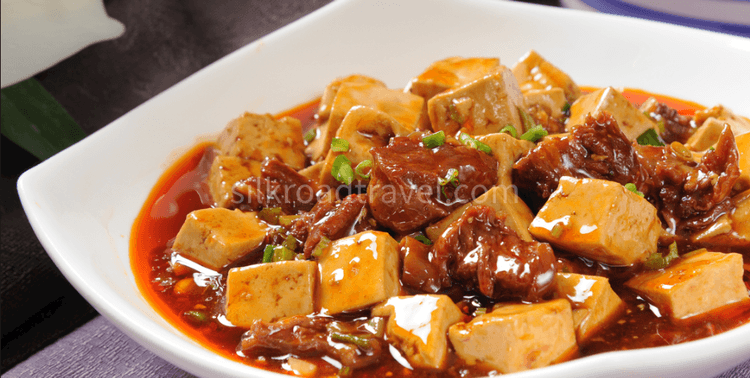
Mapo Tofu ranks among the most famous exported Sichuan dishes. Ultra-silken soft tofu simmers in thick mala sauce with minced beef, fermented bean paste and ground Sichuan peppercorn. The combination of smooth texture and powerful layered flavour makes it an ideal pairing with steamed rice.
Many western restaurants serve modified mild versions. Travellers visiting Chengdu can taste the original strong-flavoured recipe that maintains the classic balance of numbing, spicy, salty and aromatic notes.
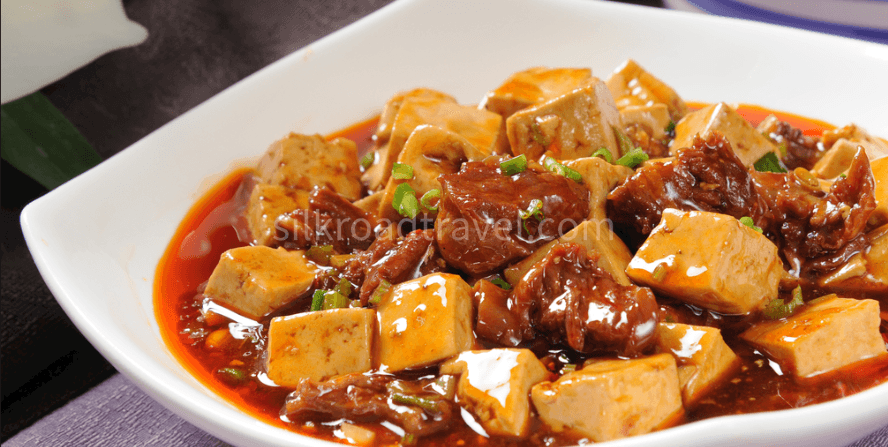
Travel Tip: Order steamed rice together, this sauce-heavy dish tastes best when mixed with rice.
3. Twice-Cooked Pork (Hui Guo Rou) 回锅肉
Known as the king of Sichuan home cooking, Twice-Cooked Pork is a daily favourite for local Chengdu residents. Pork belly is first boiled until tender, thinly sliced, then stir-fried with green peppers, fermented broad bean paste and garlic sprouts. The pork edges turn slightly crispy, carrying a savoury, oily and aromatic flavour.
This dish rarely appears on tourist-focused restaurant menus overseas, so it is highly recommended for travellers hoping to experience genuine household Chengdu cuisine.
.png&w=1200&q=75 "Twice-Cooked Pork (Hui Guo Rou).png")
Travel Tip: Choose family-style local restaurants for the most authentic version.
4. Kung Pao Chicken 宫保鸡丁
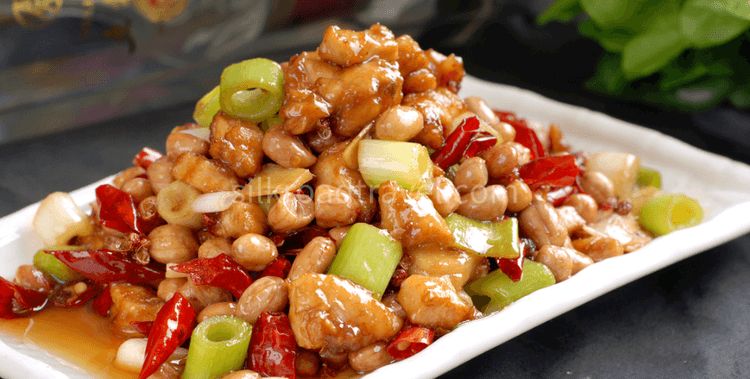
Diced tender chicken stir-fried with dried chillies, roasted peanuts and spring onions. The flavour balances mild spiciness, sweetness and subtle sourness, making it suitable for visitors who cannot handle heavy mala taste.
Countless international restaurants have altered the recipe by adding vegetables or extra sugar. The authentic Chengdu version focuses on tender chicken and crunchy peanuts, without excessive additions.
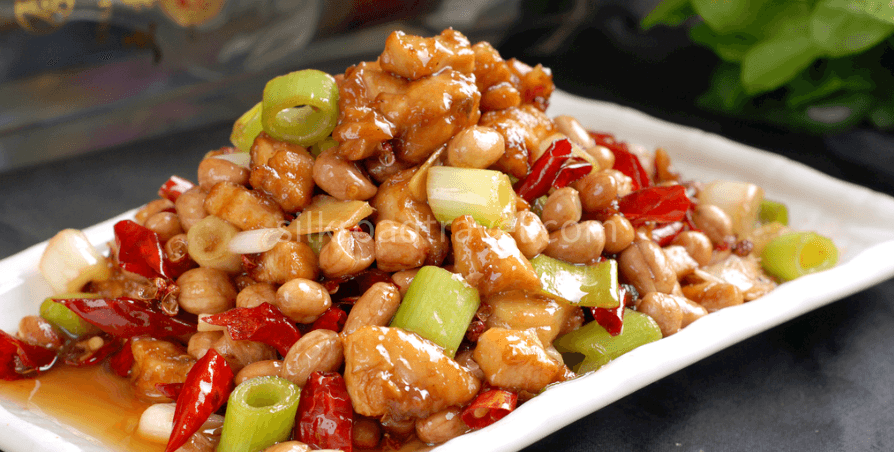
Travel Tip: This dish works well as a shared starter for mixed groups with different spice tolerance.
5. Boiled Fish (Shui Zhu Yu) 水煮鱼
Fresh fish fillets submerged in boiling spicy oil together with bean sprouts. The dish delivers intense mala flavour, with tender fish meat and vegetables fully absorbing the rich broth. Oil is poured over the dish right before serving to lock in the aromatic fragrance.
.png&w=1200&q=75 "Boiled Fish (Shui Zhu Yu).png")
Travel Tip: Share this dish among multiple people; the portion size is usually large.
6. Yu-Shiang Eggplant 鱼香茄子
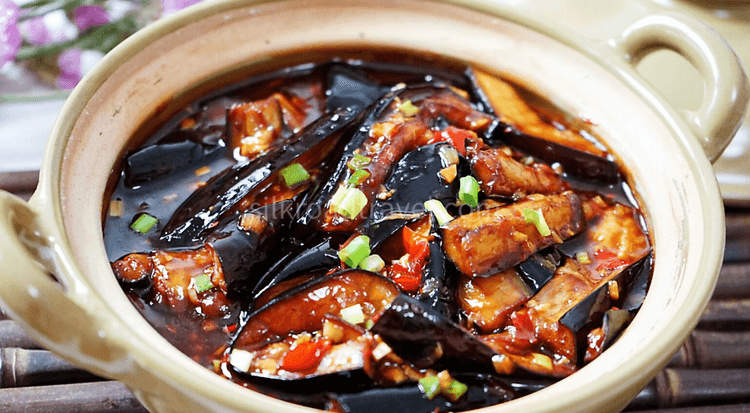
Despite the name "fish fragrant", no fish ingredients are used in this dish. The signature yu xiang sauce blends sour, sweet, savoury and mild spicy flavours, cooked together with soft braised eggplant. It serves as an excellent vegetarian option for travellers avoiding meat.
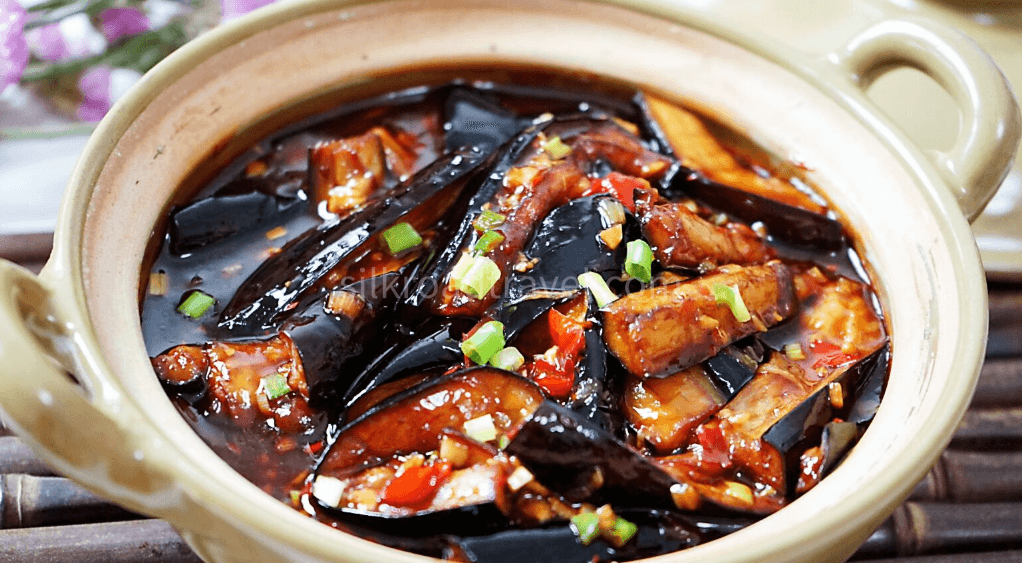
Travel Tip: Eggplant easily absorbs oil, you can ask for less oil when ordering if preferred.
Must-Try Chengdu Street Snacks
Street food forms the living soul of Chengdu local food, affordable, convenient and widely available in night markets and old residential neighbourhoods.
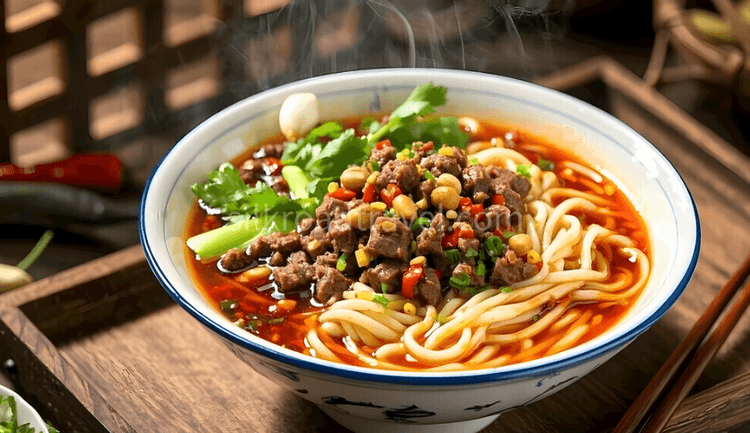
1. Dan Dan Noodles 担担面
Thin wheat noodles tossed with spicy sesame sauce, minced pork, chopped green onion and chilli oil. Originally sold by street vendors carrying shoulder poles, Dan Dan Noodles remains a classic light meal choice for locals and tourists.
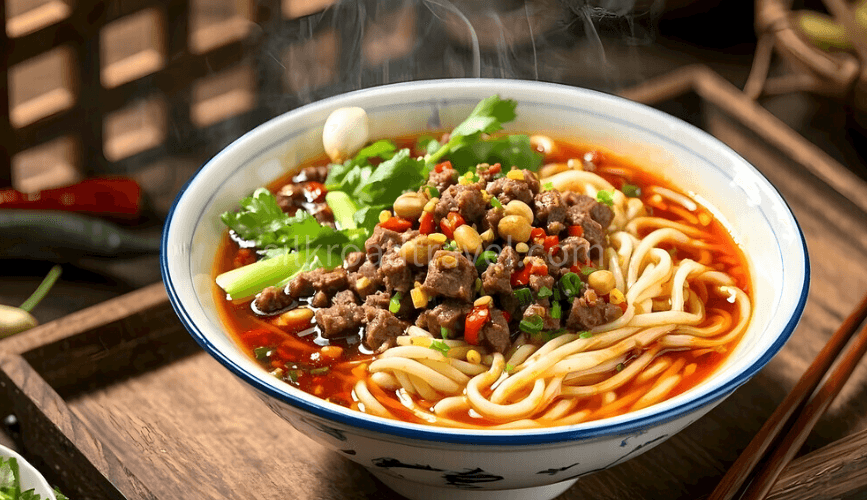
Travel Tip: Order a small portion if you plan to try multiple different snacks in one trip.
2. Zhong Dumplings (Zhong Shui Jiao) 钟水饺
Pork dumplings covered in sweet-spicy chilli sauce, different from regular boiled dumplings served inside clear soup. The balanced sweet and spicy sauce creates its distinctive flavour feature.
.png&w=1200&q=75 "Zhong Dumplings (Zhong Shui Jiao).png")
Travel Tip: Do not confuse Zhong Dumplings with chaoshou, these two snacks carry completely different seasoning styles.
3. Spicy Wonton (Chao Shou) 抄手
Wonton with ultra-thin wrappers filled with fresh pork, served either in spicy mala broth or mild clear soup. Many locals eat a bowl of chaoshou for breakfast or late-night supper.
.png&w=1200&q=75 "Spicy Wonton (Chao Shou).png")
Travel Tip: Clear soup chaoshou is an ideal option for visitors sensitive to spicy food.
4. Sichuan Skewers (Chuan Chuan Xiang) 串串香
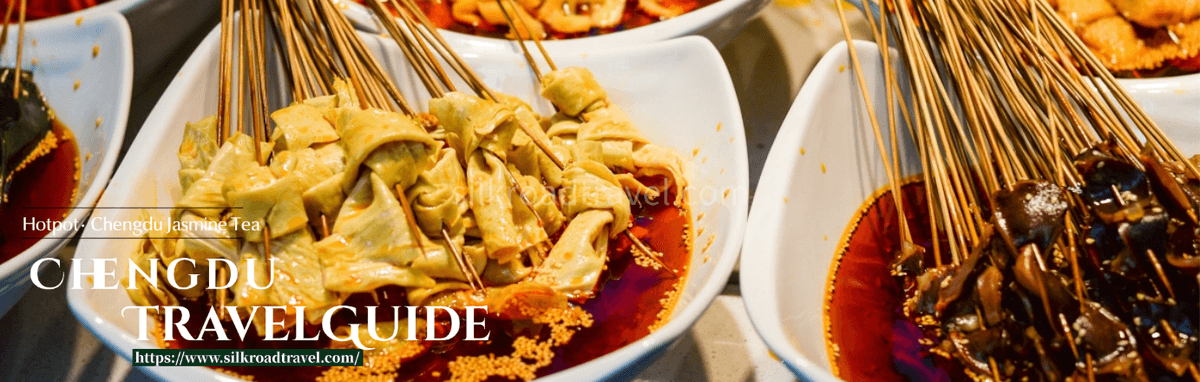
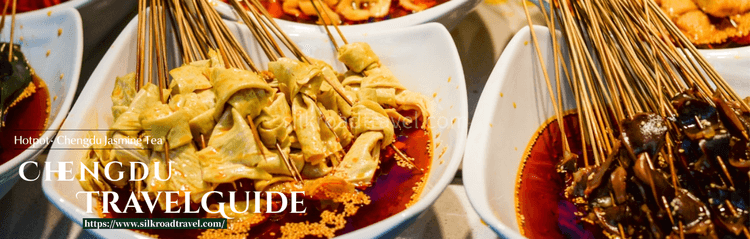
Chuan Chuan Xiang works as a casual, lightweight version of hot pot. Visitors pick various ingredients threaded on thin bamboo skewers and cook them in simmering mala broth. It allows diners to taste dozens of ingredients in small portions without ordering large dishes.
.png&w=1200&q=75 "Sichuan Skewers (Chuan Chuan Xiang).png")
Travel Tip: Most stalls charge by the number of skewers, easy to control your food budget.
5. Ice Jelly (Bing Fen) 冰粉
The most popular cooling dessert to counteract spicy food. Translucent plant jelly served with brown sugar syrup, crushed peanuts, raisins and osmanthus honey. Cold, sweet and refreshing after eating mala dishes.
.png&w=1200&q=75 "Ice Jelly (Bing Fen).png")
Travel Tip: You can ask vendors to adjust the amount of brown sugar according to your preference for sweetness.
Traditional Local Drinks & Desserts
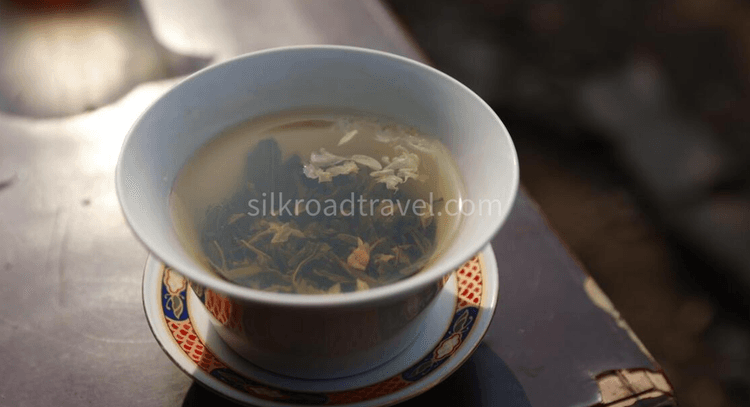
1. Gaiwan Jasmine Tea 盖碗茉莉花茶
Gaiwan Jasmine Tea is far more than simply a beverage; it represents the core of Chengdu slow-life culture. Locals gather in park teahouses for hours, sipping jasmine gaiwan tea, chatting and relaxing away from busy schedules. Travellers can experience authentic gaiwan tea culture at Heming Teahouse inside Chengdu People’s Park, perfectly matching your citywalk route.
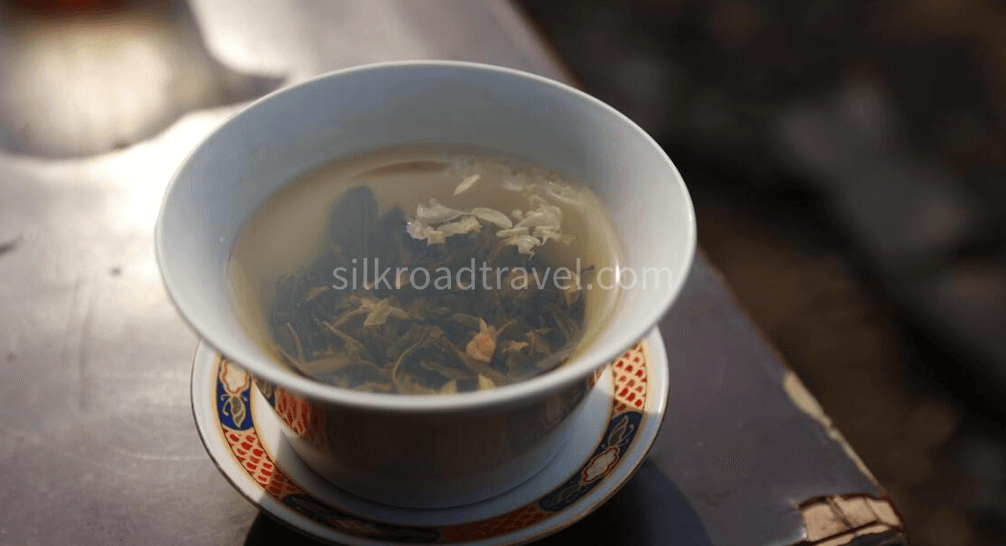
Travel Tip: Order a cup of tea and stay seated all day, extra fees are not required for extended seating.
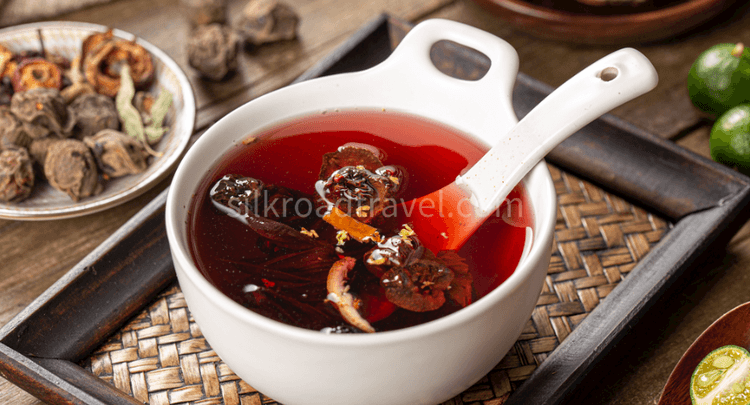
2. Sour Plum Drink 酸梅汤
Chilled homemade sour plum syrup stands as another classic drink to neutralise spicy flavours. Most hot pot restaurants and street snack stalls provide freshly brewed sour plum drink. The natural sour and sweet taste eases burning sensations after eating mala food.
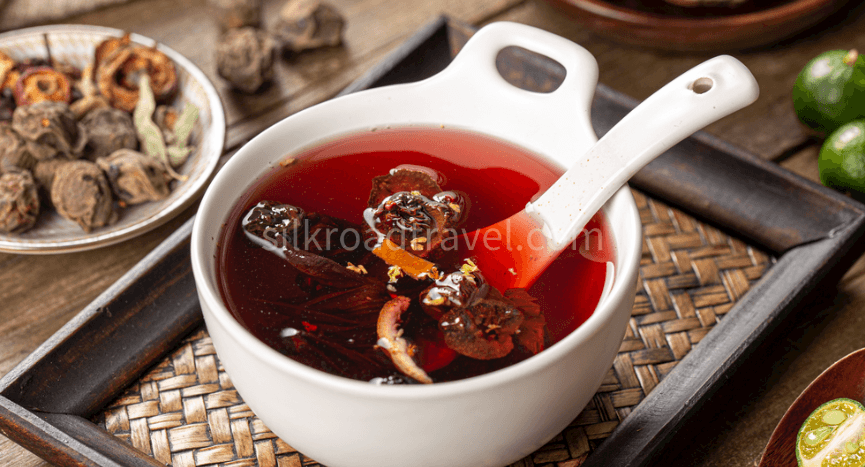
Travel Tip: Choose freshly brewed versions instead of bottled industrial drinks for better flavour.
Best Areas to Taste Chengdu Local Food
Selecting the right dining area greatly improves your experience hunting for Chengdu local food. The following zones cover tourist-friendly locations and authentic residential food districts, matching your sightseeing schedule.
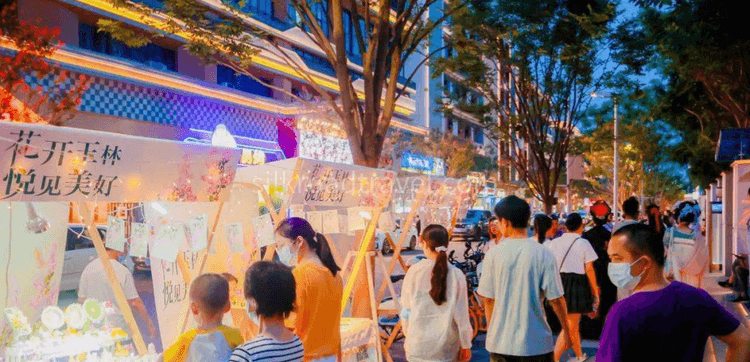
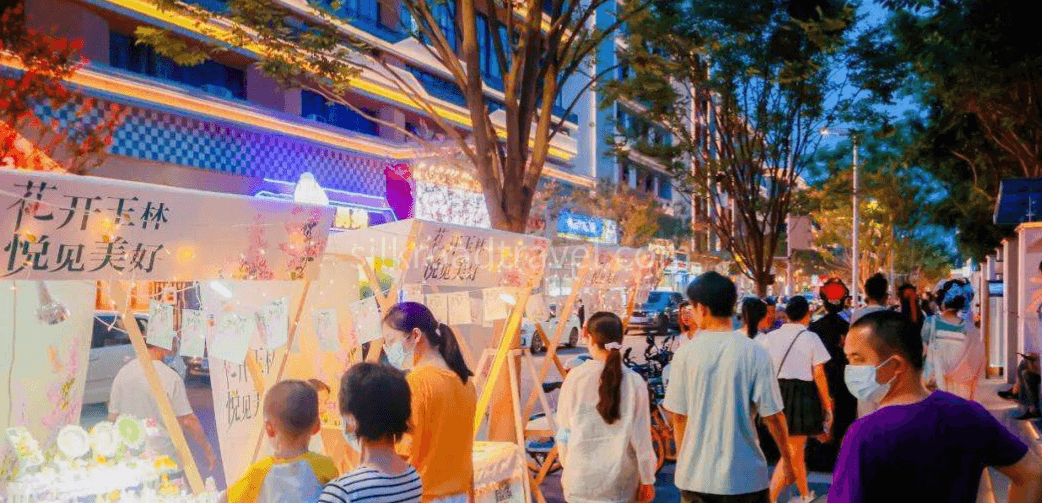
1. Yulin Night Market 玉林夜市
Yulin Night Market remains a favourite dining destination among permanent Chengdu residents. Compared with scenic spot food streets, it has fewer tourist traps, reasonable prices and genuine home-style snacks. This area is highly recommended for travellers hoping to eat like local citizens.
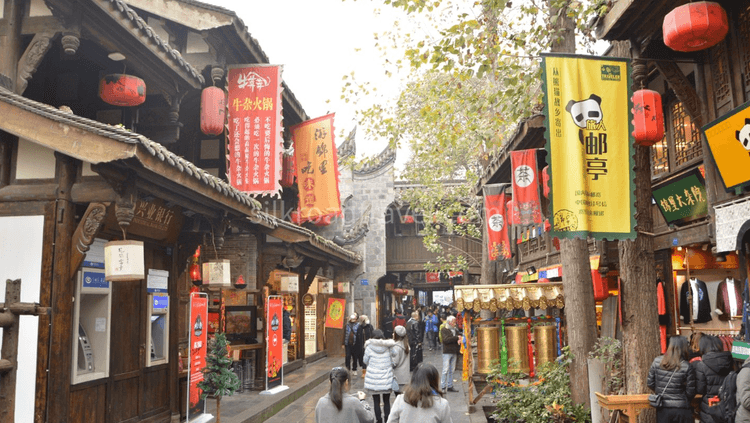
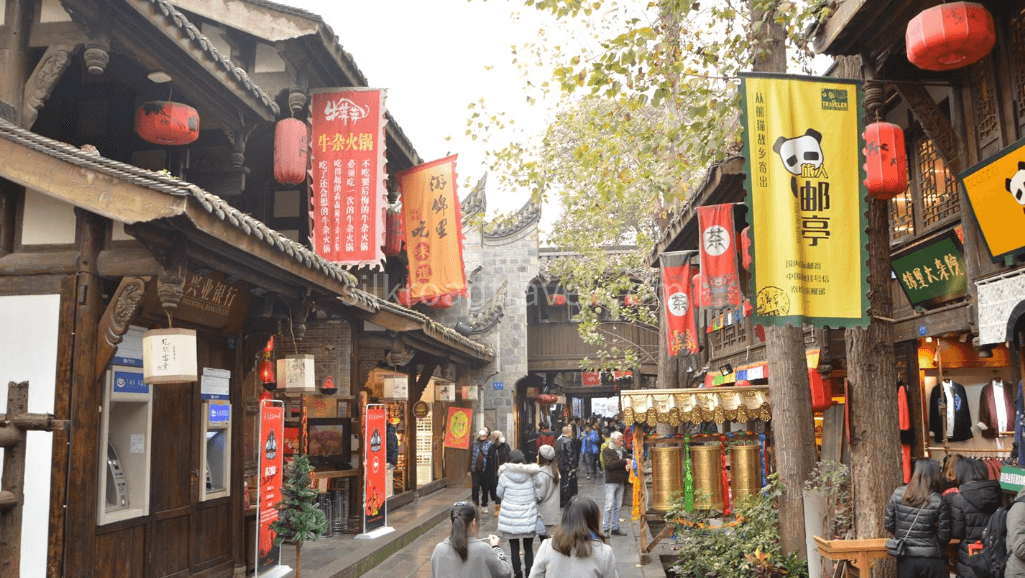
2. Jinli Ancient Street 锦里古街
Jinli sits directly adjacent to Wuhou Shrine, offering convenient one-stop snack tasting during sightseeing. It is perfect if you combine food sampling with visiting historical attractions. Note that prices are slightly higher than neighbourhood night markets.
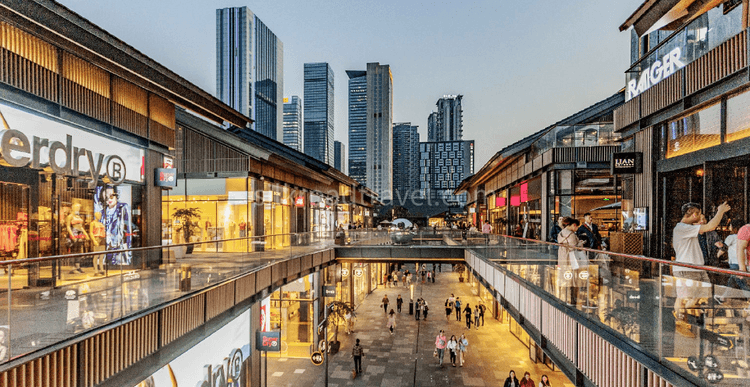
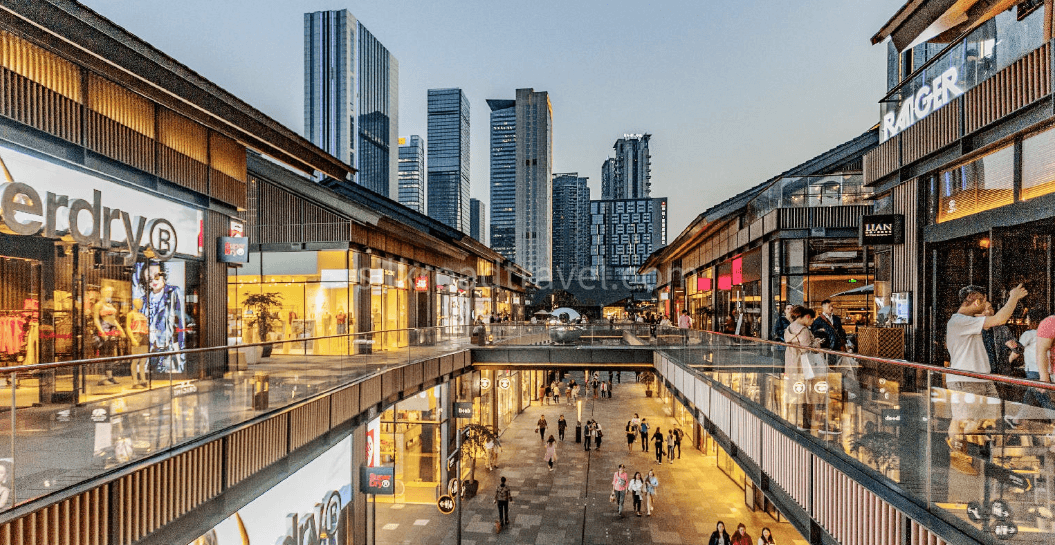
3. Chunxi Road & Taikoo Li Surrounding Streets 春熙路 & 太古里周边街区
Easily accessible after downtown shopping. This zone mixes trendy internet-famous snacks and chain Sichuan restaurants. Suitable for quick food stops while exploring the city centre landmarks.
Practical Food Travel Tips
How to communicate spiciness requirements You can clearly tell restaurant staff: Less spicy / No spicy. Simple phrases work well in most local eateries.
Chinese shared dining culture Dishes are designed for group sharing. It is common practice to order multiple different dishes and share food with travel partners.
Distinguish tourist restaurants and local eateries Restaurants located deep inside residential blocks generally deliver better value and authentic flavours than shops right at main scenic spot entrances.
Try small portions first If you have limited experience with strong Sichuan mala flavours, start with small servings to test taste before ordering larger portions.
Smart flavour matching strategy Always prepare cooling drinks such as ice jelly or sour plum drink when eating mala hot pot or spicy street snacks.
Conclusion
The enduring charm of Chengdu local food comes from its incredible diversity. Visitors can choose elegant sit-down restaurant courses, budget-friendly street snacks, refreshing traditional desserts and relaxing tea experiences to build a personalised food tour. Whether travellers prefer intense mala flavours or mild non-spicy dishes, there are satisfying options suitable for every taste preference in Chengdu.
All food routes introduced in this guide can be combined with our sightseeing article Top Attractions in Chengdu, helping you craft a seamless travel schedule balancing sightseeing and food tasting. Travellers who want a fully arranged food-focused journey can browse our tailor-made Chengdu food tour packages, to explore authentic Sichuan cuisine without complicated self-planning.
















.png&w=750&q=75 "chengdu hot pot (2).png")
.png&w=750&q=75 "Twice-Cooked Pork (Hui Guo Rou).png")
.png&w=750&q=75 "Boiled Fish (Shui Zhu Yu).png")
.png&w=750&q=75 "Zhong Dumplings (Zhong Shui Jiao).png")
.png&w=750&q=75 "Spicy Wonton (Chao Shou).png")
.png&w=750&q=75 "Sichuan Skewers (Chuan Chuan Xiang).png")
.png&w=750&q=75 "Ice Jelly (Bing Fen).png")