


Best Time to Visit Chengdu: Weather, Seasons & Monthly Travel Guide
Undoubtedly, the best time to visit Chengdu is during the spring (March to May) and autumn (September to November) seasons. As one of China's most beloved travel destinations, Chengdu is world-famous for its adorable giant pandas, authentic spicy Sichuan cuisine, ancient teahouse culture, and convenient day trips to the Leshan Giant Buddha and Mount Emei. Boasting a humid subtropical climate, Chengdu features distinct four seasons, with sweltering and rainy summers, cold and foggy winters, and incredibly pleasant transitional spring and autumn months. Choosing the right travel period will directly impact your sightseeing experience, tourist crowd density, accommodation and flight budgets, as well as your chances of seeing active giant pandas. This detailed travel guide will break down Chengdu's weather, monthly travel suitability, peak and off-season rules, crowd avoidance tips, and exclusive activity recommendations, helping you figure out when is the best season to go to Chengdu and plan a flawless trip.
Content›Overall Best Travel Seasons to visit Chengdu ›Best time for Key Chengdu Activities |
Overall Best Travel Seasons to Visit Chengdu:
Spring (March – May)
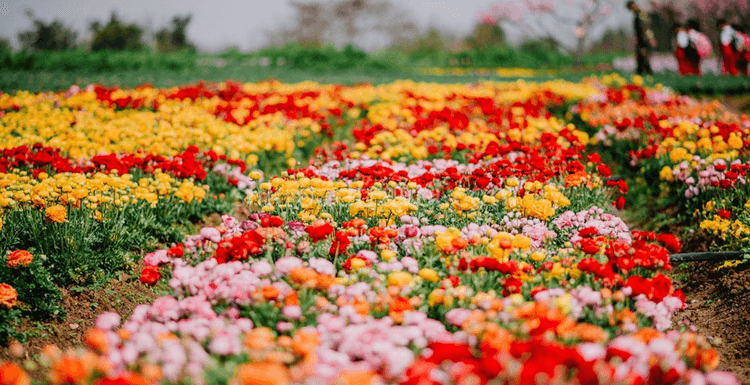
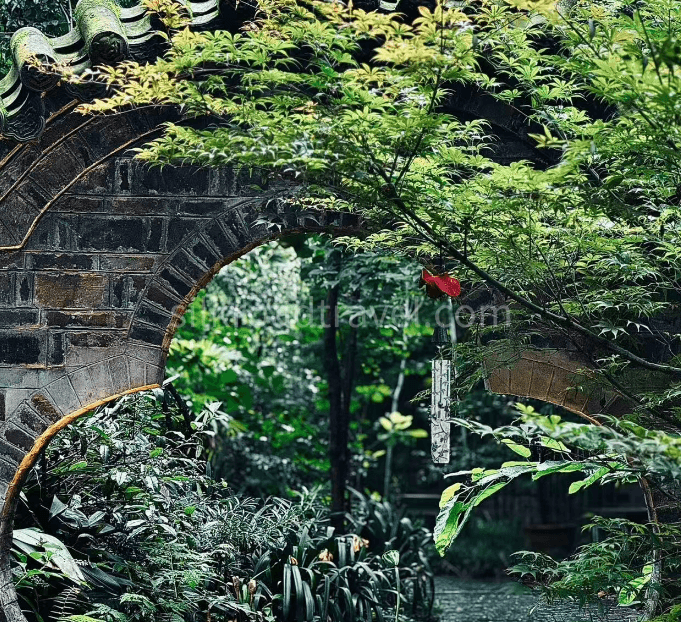
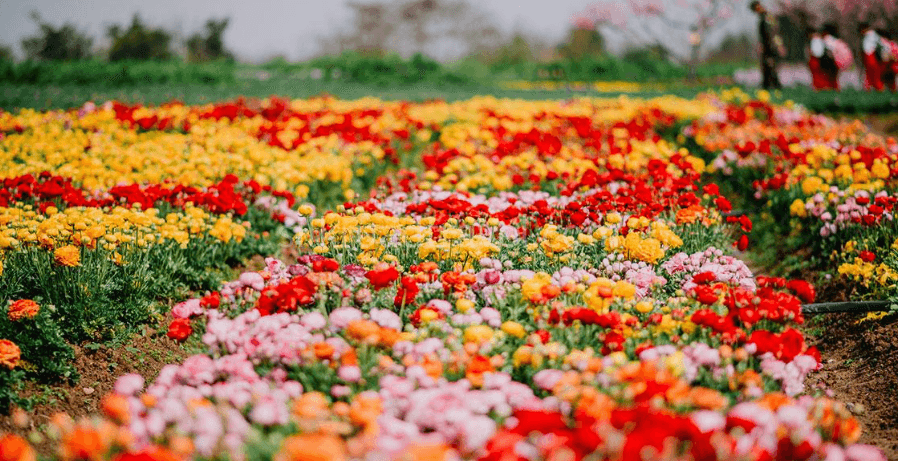
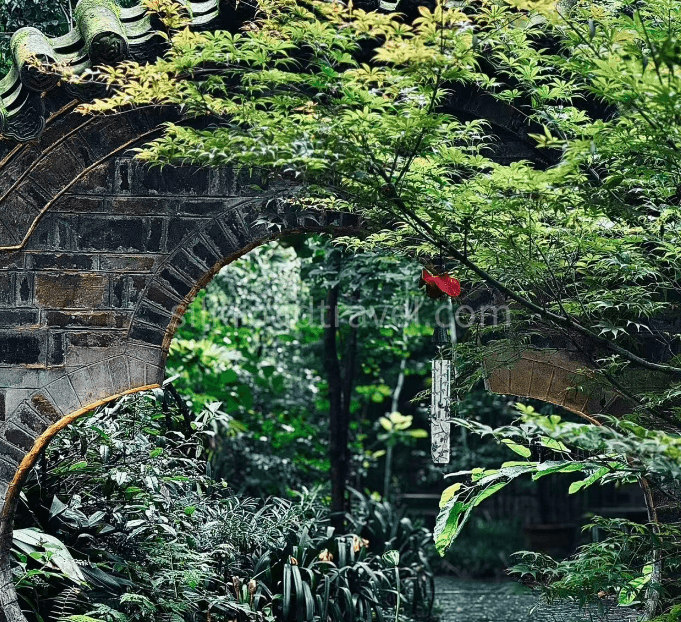
Spring is widely regarded as the most comfortable and worthwhile season to explore Chengdu. From March to May, the city bid farewell to the cold and foggy winter, with temperatures gradually rising to a mild range of 12°C to 25°C. Rainfall is sparse and concentrated in sporadic light drizzles, avoiding the continuous heavy rain of summer. The entire city is covered in blooming peach blossoms, cherry blossoms, and rape flowers, creating extremely beautiful natural scenery for urban sightseeing and outdoor photography.
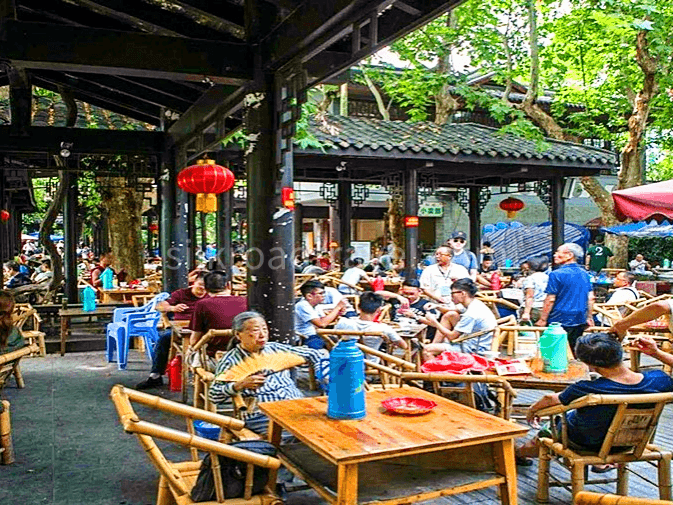
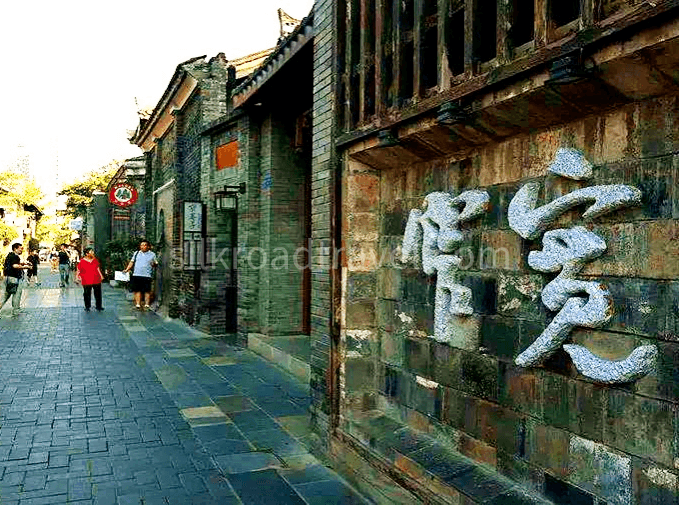
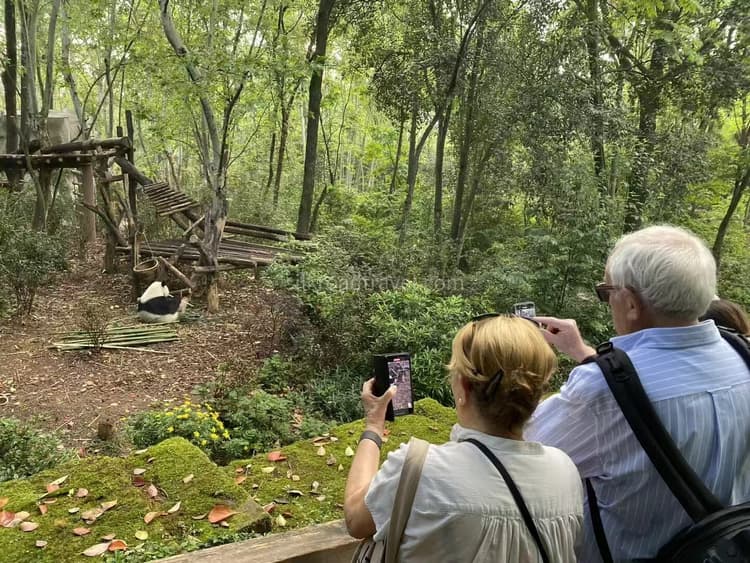
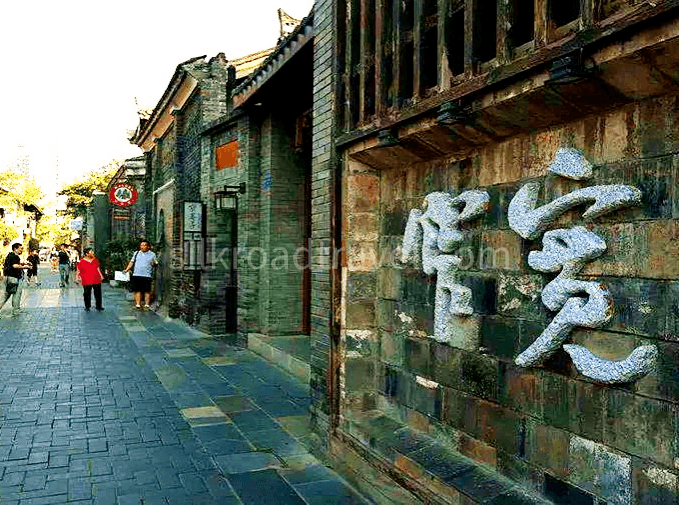
When it comes to core travel experiences, spring is the best month to see pandas in Chengdu as well. The mild temperature makes giant pandas extremely active. Unlike the lazy and inactive state in cold winter and the heat-evading lethargy in summer noon, pandas in spring love walking, climbing trees, and eating bamboo outdoors all day long, bringing tourists perfect shooting and viewing opportunities. In addition, spring is suitable for visiting Jinli Ancient Street, Kuanzhai Alleys, and Chengdu People's Park, where you can experience local slow life, drink Sichuan tea, and watch Sichuan opera performances in a pleasant environment.
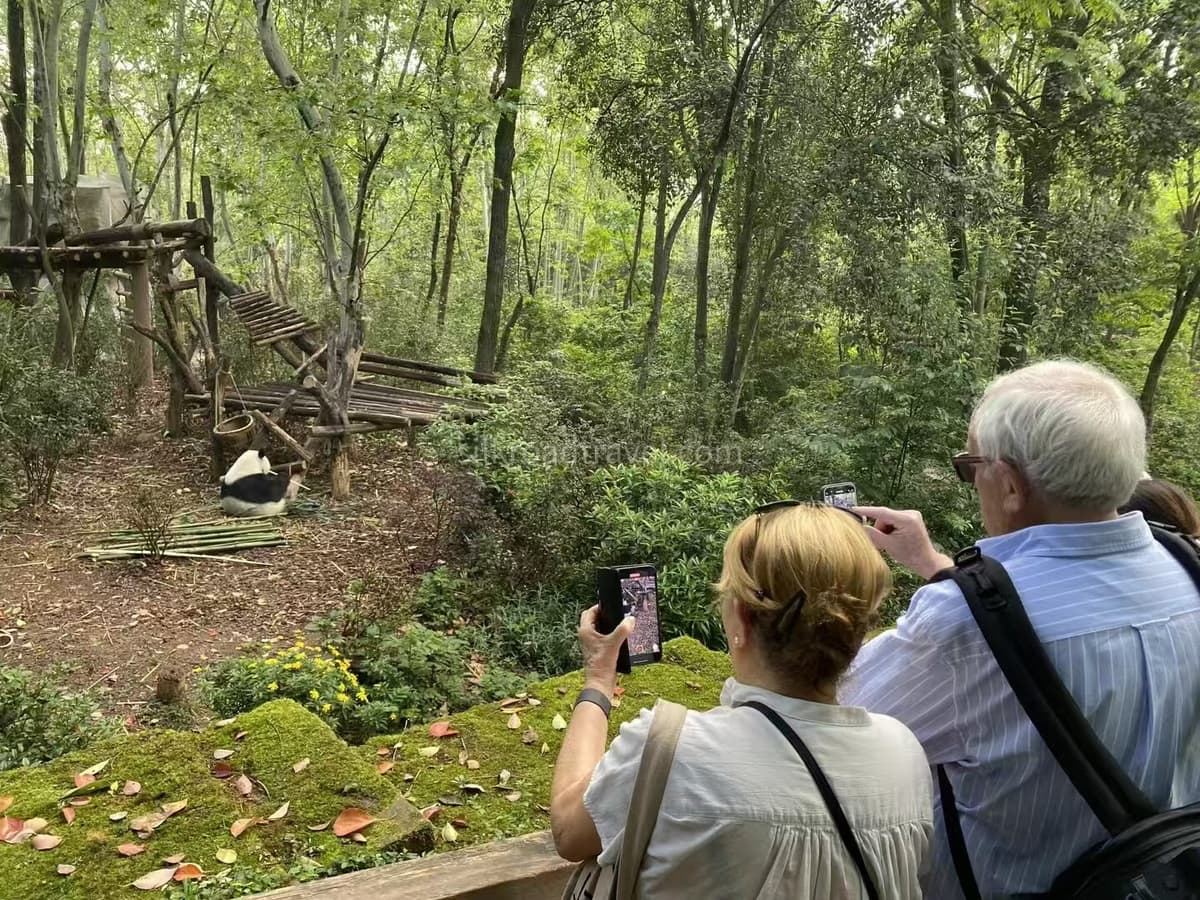
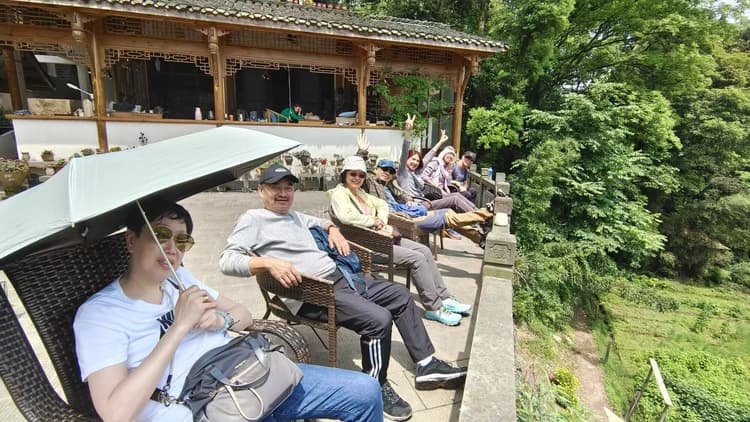
Our Customers are having fun with pandas in spring of chengdu
Summer (June – August)
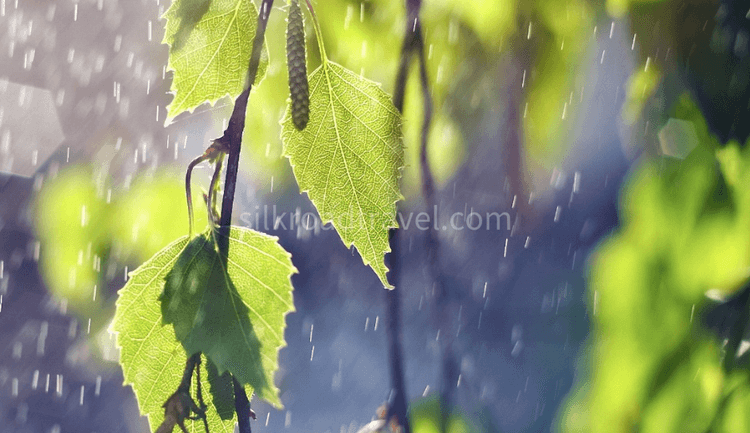
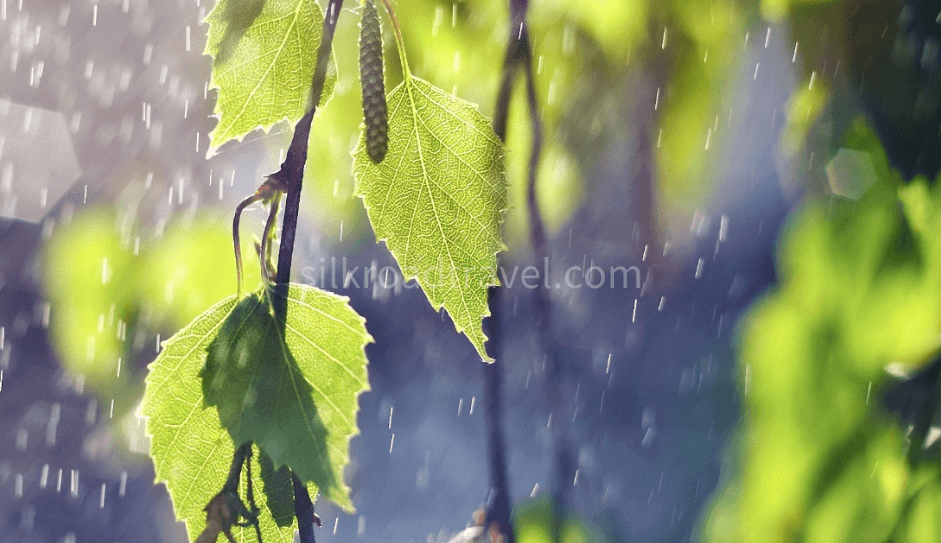
Summer in Chengdu lasts from June to August, belonging to the traditional peak tourist season. This period is characterized by high temperature, high humidity and frequent convective rainfall. The daily temperature usually ranges from 28°C to 35°C, and the air is extremely humid, making people feel sweltering and stuffy even without direct sunlight. Afternoon sudden thunderstorms and light rains are common in summer, which will briefly cool down the temperature but also bring inconvenience to outdoor sightseeing.
Summer coincides with European and American student summer vacations, so it welcomes the largest number of foreign tourists throughout the year. Major scenic spots such as Chengdu Panda Base, Jinli Ancient Street, and Leshan Giant Buddha are always crowded. Affected by peak travel demand, the prices of flights, hotels and homestays will rise sharply, with a 30%-50% premium compared with off-season prices, making it the most expensive travel season in Chengdu.
If you have to visit Chengdu in summer, mastering Chengdu rainy season travel tips is essential. It is recommended to arrange panda base visits in the early morning (8:00-10:00), when the temperature is low and pandas are active. Avoid outdoor activities from 12:00 to 16:00 with the highest temperature and strongest ultraviolet rays. Carry portable raincoats and sun protection equipment at all times, and arrange indoor experiences such as Sichuan cuisine making, teahouse leisure, and museum visits in the afternoon.
Autumn (September – November)
Autumn is the most pleasant and refreshing season in Chengdu, ranking second only to spring for travel. From September to November, Chengdu enters a dry season with low humidity, and the temperature is stably maintained at 10°C to 24°C. The sweltering summer heat completely fades, and the air is fresh and dry with extremely low rainfall. Unlike the humid and stuffy feeling of other seasons, autumn in Chengdu features clear skies and high visibility, making it the top choice for outdoor excursions and long-distance day trips.
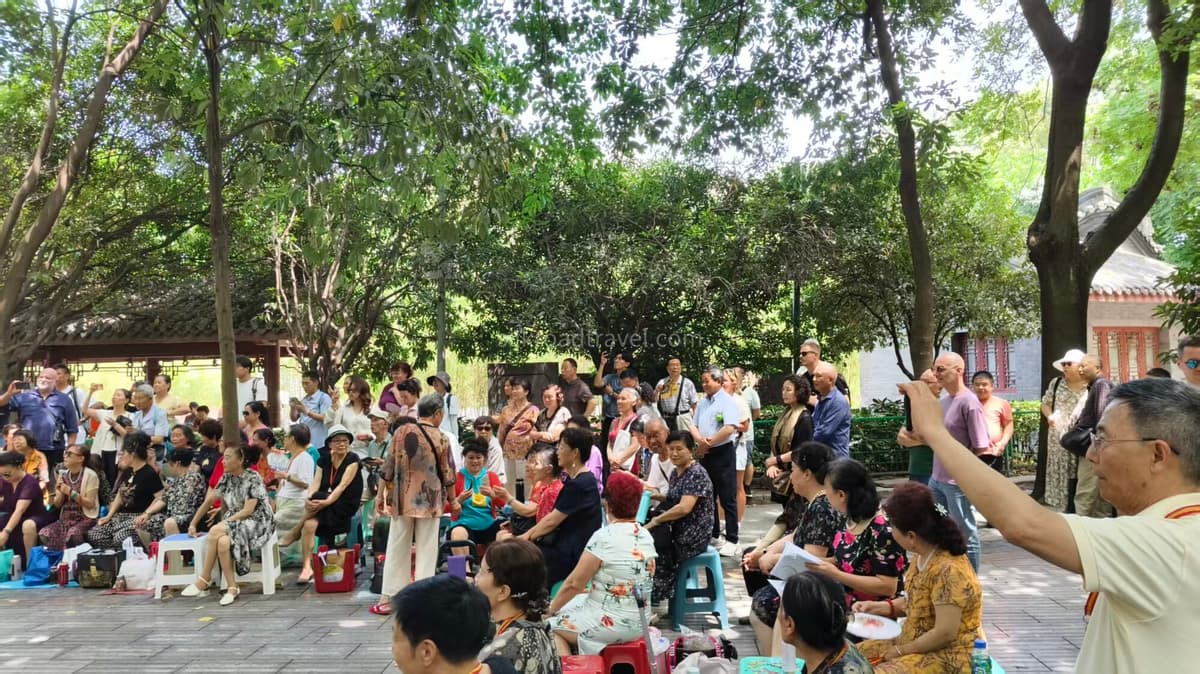
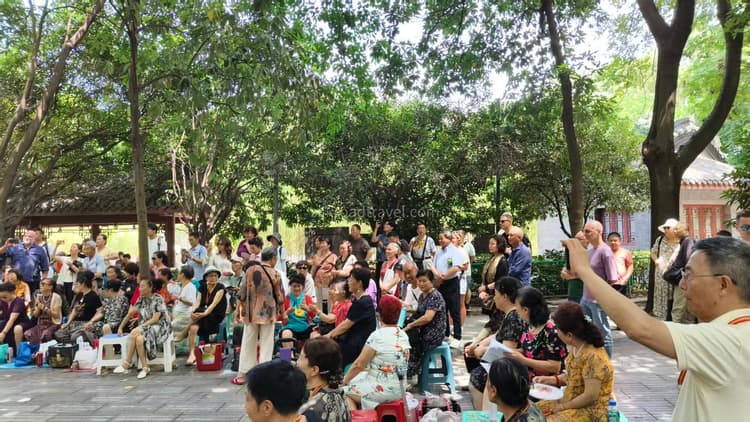
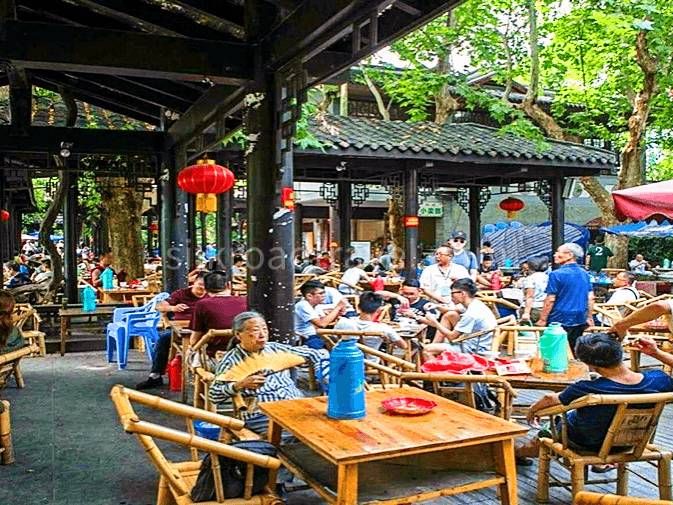
Our guests are appreciating the interesting local show in Chengdu people's park
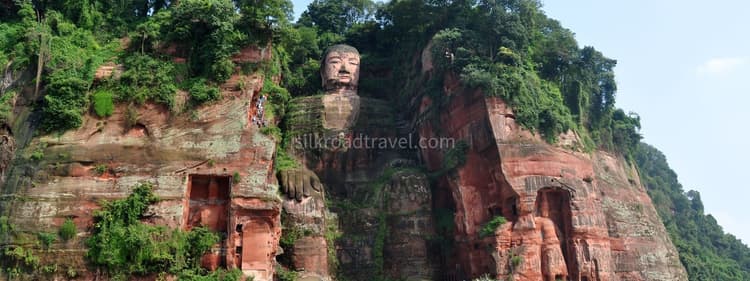
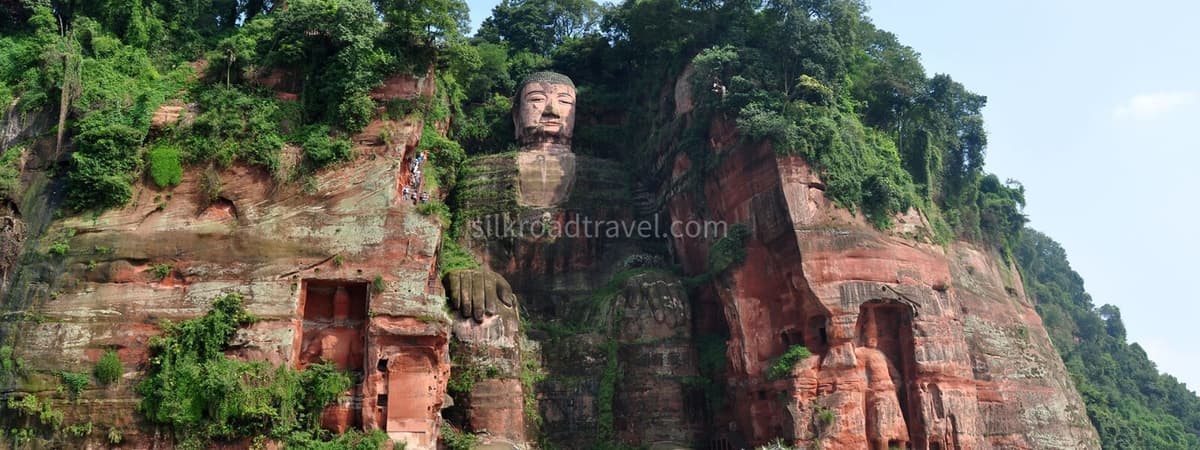
This season is highly recommended for Chengdu and Leshan combined trips and Mount Emei hiking tours. The dry weather avoids the slippery mountain roads and fog-shrouded scenery caused by summer rains and winter heavy fogs. Tourists can clearly overlook the entire Leshan Giant Buddha and enjoy the layered autumn foliage scenery of Mount Emei, with a significantly higher hiking safety and viewing experience. Meanwhile, autumn is the harvest season in Sichuan, with abundant fresh local ingredients. Tasting authentic Sichuan hot pot, boiled fish, and local snacks in cool autumn weather is an unparalleled gourmet experience.
Winter (December – February)
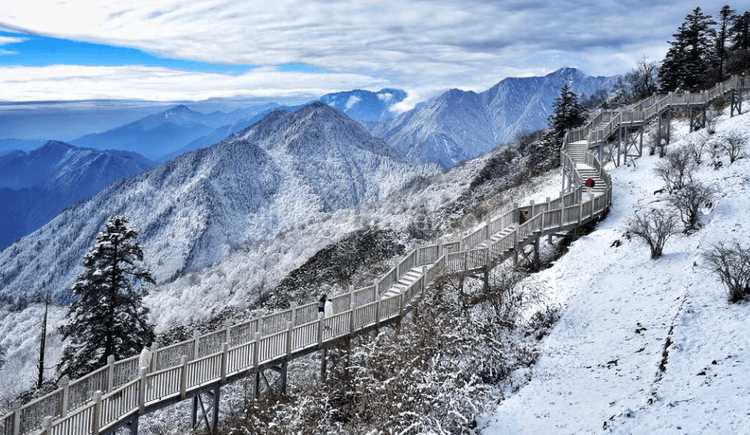
Chengdu's winter runs from December to February, which is the absolute off-season for local tourism and the cheapest time to visit Chengdu. The winter temperature in Chengdu is mild compared with northern Chinese cities, generally ranging from 3°C to 12°C, with no severe cold and rare snowfall. However, affected by the basin terrain, winter in Chengdu is foggy and humid, with fewer sunny days, and the morning and evening temperatures are low, making people feel damp and cold.
The biggest advantages of winter travel are ultra-low crowds and friendly prices. Except for the Chinese Spring Festival holiday (the first week of the lunar new year), all winter periods belong to the low tourist season. The number of tourists in major scenic spots is sharply reduced, and you can enjoy sightseeing without queuing. Meanwhile, flight and hotel prices hit the lowest point of the year, which is very suitable for budget travelers and backpackers.
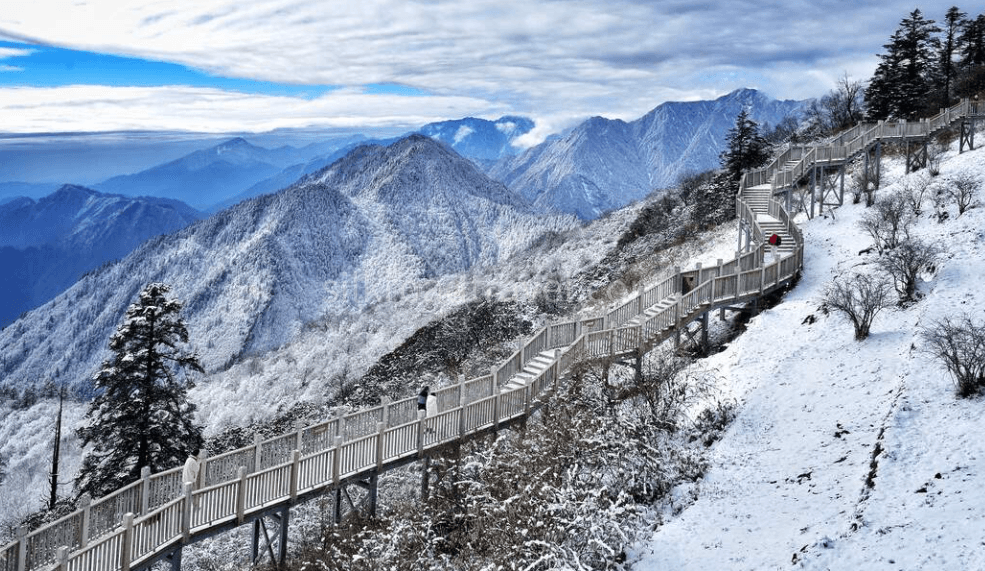
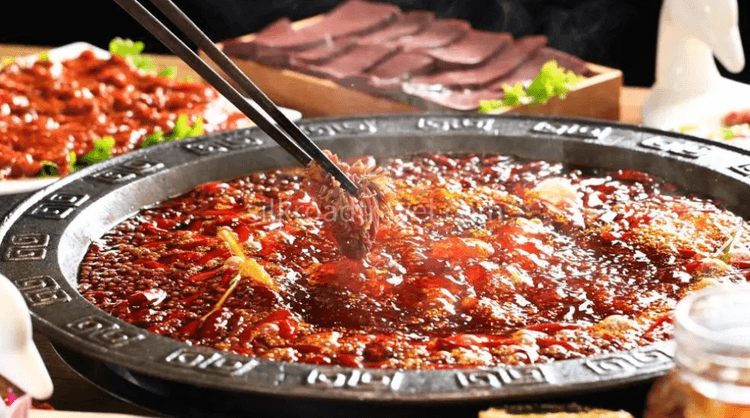
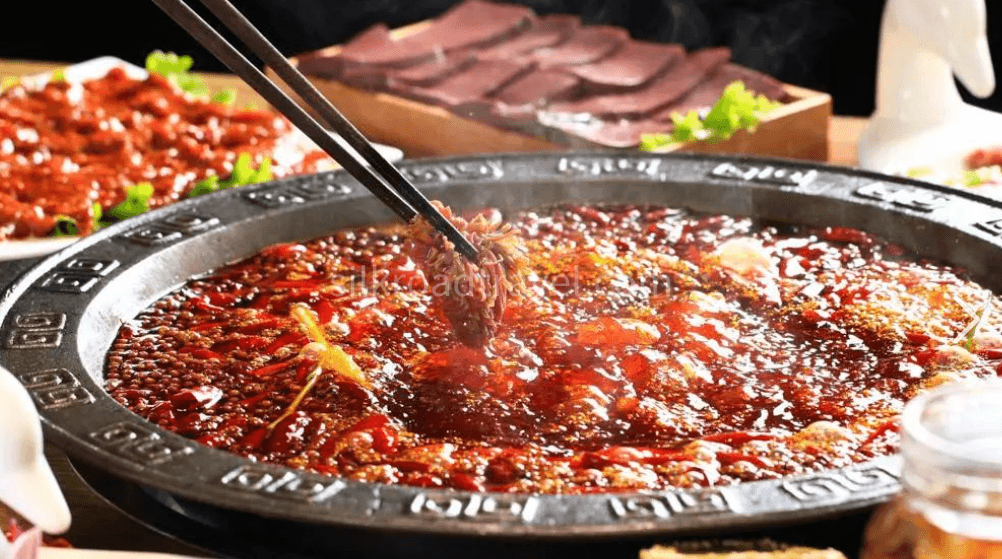
Winter has a unique gourmet travel experience. The damp and cold weather is perfect for tasting authentic Sichuan hot pot. The spicy and hot hot pot can drive away the cold moisture, which is a exclusive enjoyment of Chengdu winter travel. The only disadvantage is that pandas are less active in low temperature weather, and they mostly stay indoors to rest and keep warm, so the outdoor panda viewing effect is slightly inferior to spring and autumn.
Best Time for Key Chengdu Travel Activities:
Different travel activities in Chengdu have their own most suitable seasons. Choosing the targeted travel time according to your travel goals can maximize your travel experience, which is the core advantage of this guide compared with ordinary seasonal strategies.
Best time to see giant pandas:March to May and September to November. The temperature is moderate all day long, and giant pandas are highly active. The best viewing time of the day is 8:00-10:00 in the morning, when pandas concentrate on foraging and playing, with the best shooting effect.
Best time for Leshan & Emei mountain trips:Spring and Autumn. The air is dry with high visibility, no summer slippery roads and winter heavy fog barriers, ensuring safe hiking and panoramic landscape viewing.
Best time for city sightseeing & food tasting:All year round. Spring and autumn are suitable for outdoor city walking tours; summer is perfect for night market food tours; winter is exclusive for hot pot feasts.
Best time for budget travel:December to February (excluding Spring Festival). Lowest airfare and hotel prices, few tourists, super high travel cost performance.
Best time for travel photography:March to May (spring blossoms) and October to November (autumn foliage). The natural scenery is layered and colorful, with soft light, suitable for portrait and landscape photography.
Early Spring (March – April) | Temperature 10°C-22°C, mild and warm, with occasional light fog. The city enters the blooming season, with cherry blossoms and peach blossoms in full bloom. Tourist crowds are small and stable, and prices are moderate. It is most suitable for couple travel, photography enthusiasts and panda lovers. |
Late Spring (May) | Temperature rises to 18°C-28°C, the weather is sunny and pleasant, with almost no rainfall. Panda activity reaches its peak, and outdoor sightseeing is extremely comfortable. Before the arrival of summer vacation peaks, the crowd density is low, making it the most balanced travel month in Chengdu. |
Summer Peak (June – August) | Temperature 28°C-35°C, hot and humid with frequent afternoon thunderstorms. Tourist crowds and prices both reach the annual peak. It is suitable for student groups and tourists with flexible travel time. It is recommended to arrange indoor activities in the afternoon to avoid high temperature and rain. |
Golden Autumn (September – November) | Temperature 10°C-24°C, dry and refreshing with high visibility. September has a small number of tourists and high cost performance; October has the best autumn scenery but slightly more crowds; November has sparse tourists and pleasant weather. The whole season is suitable for family travel, hiking and parent-child travel. |
Winter Low Season (December – February) | Temperature 3°C-12°C, humid and foggy. Except for the Spring Festival holiday with skyrocketing prices and crowded people, other time periods have ultra-low prices and sparse tourists. It is the best choice for budget travelers and food lovers who focus on hot pot and local snacks. |
Practical Travel Tips & Crowd Avoidance Guide of Chengdu:
To help overseas tourists avoid travel pitfalls and further optimize the travel experience, we have sorted out exclusive practical tips for Chengdu travel, covering rainy season protection, peak avoidance, off-season advantages and exclusive panda viewing tips.
Rainy Season Packing Tips (June–August):Chengdu's summer rain is sudden and short-lived. It is not recommended to carry bulky umbrellas. Prepare lightweight portable raincoats, waterproof mobile phone bags and quick-drying clothes. Meanwhile, do good sun protection work, as ultraviolet rays are strong on sunny summer days.
Peak Holiday Warning:Avoid traveling during Chinese Spring Festival (January-February) and National Day Holiday (October 1-7). During these periods, all scenic spots are overcrowded, hotel prices triple or quadruple, and ticket booking is difficult, which will seriously affect the travel experience.
Off-season Travel Benefits:Traveling in Chengdu's off-season (winter except Spring Festival) can save nearly 40% of travel costs. Tourists can enjoy core scenic spots exclusively, take photos without strangers in the background, and experience local teahouses and food markets more authentically.
Exclusive Panda Visiting Tips:No matter which season you travel, visit Chengdu Panda Base before 10:00 a.m. Pandas will hide indoors to avoid heat or rest after 10 a.m. It is also recommended to visit the Dujiangyan Panda Base, which has fewer crowds and a more natural ecological environment.
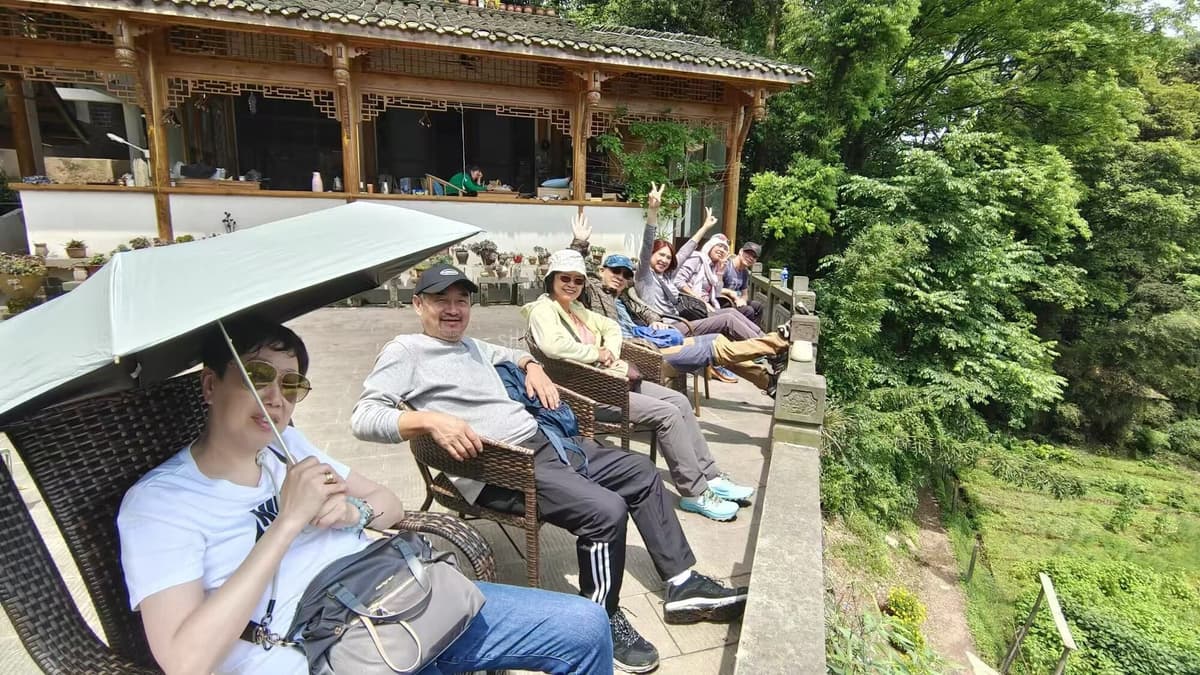
In conclusion, the best time to visit Chengdu is undoubtedly spring (March to May) and autumn (September to November). These two seasons balance pleasant weather, moderate crowds, rich natural scenery and diverse travel experiences, suitable for almost all types of tourists and travel needs. If you pursue blooming scenery and active panda viewing experiences, spring is your top choice; if you prefer cool and dry weather, comfortable hiking and high-cost performance travel, autumn is more suitable for you.
For budget travelers who do not pursue extreme scenery and panda viewing effects, winter off-season travel can save a lot of costs and avoid crowds. Summer is only recommended for tourists with fixed travel time and student groups, and strict high-temperature and rain protection is required.
To make your Chengdu trip more convenient and wonderful, SilkRoad Travel provides professional customized Chengdu tour packages, one-day panda base sightseeing tours, and Chengdu-Leshan-Emei integrated travel itineraries. You can choose exclusive travel plans according to your travel time and preferences to start your authentic Chengdu cultural and gourmet journey.