


Top Attractions in Chengdu: Must-See Places for First-Time Visitors
Looking for the top attractions in Chengdu to plan your perfect Sichuan trip? This ultimate full guide covers all must-see Chengdu attractions, including world-famous panda sites, historic ancient streets, UNESCO World Heritage landmarks, museums, local lifestyle parks and popular day-trip destinations. Each attraction features detailed highlights, in-depth travel explanations, official opening hours, ticket fees, precise transportation routes, professional photography guidance, crowd avoidance strategies and exclusive foreign tourist tips. Whether you are a first-time visitor, culture lover, nature enthusiast or budget traveler, you can find systematic and practical travel advice here to build a high-quality Chengdu sightseeing itinerary.
Many first-time visitors only arrange rushed visits to the panda base and overlook Chengdu's deep cultural charm. We have sorted each attraction with detailed highlights, practical visiting tips, recommended length of stay and feasible route matching suggestions. Whether you plan a short 3-day city break or an in-depth week-long Sichuan journey, you can select suitable sights according to your interests. At the end of this guide, you will also find ready-made sightseeing combinations and exclusive travel advice to help you avoid crowds and maximize your travel experience.
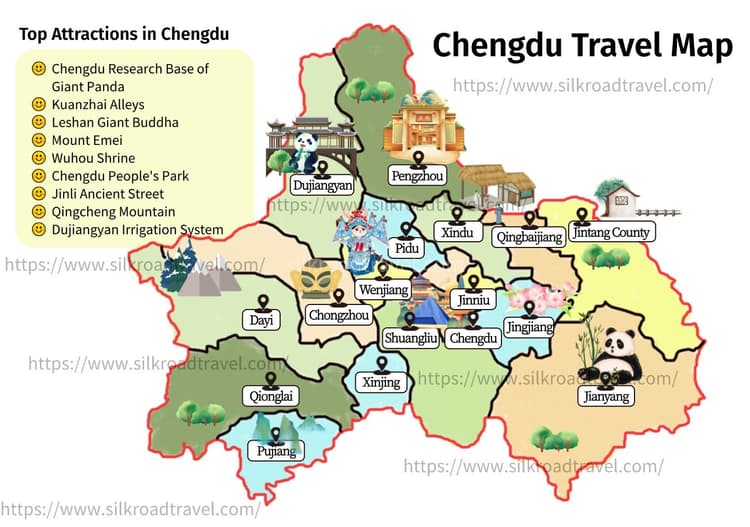
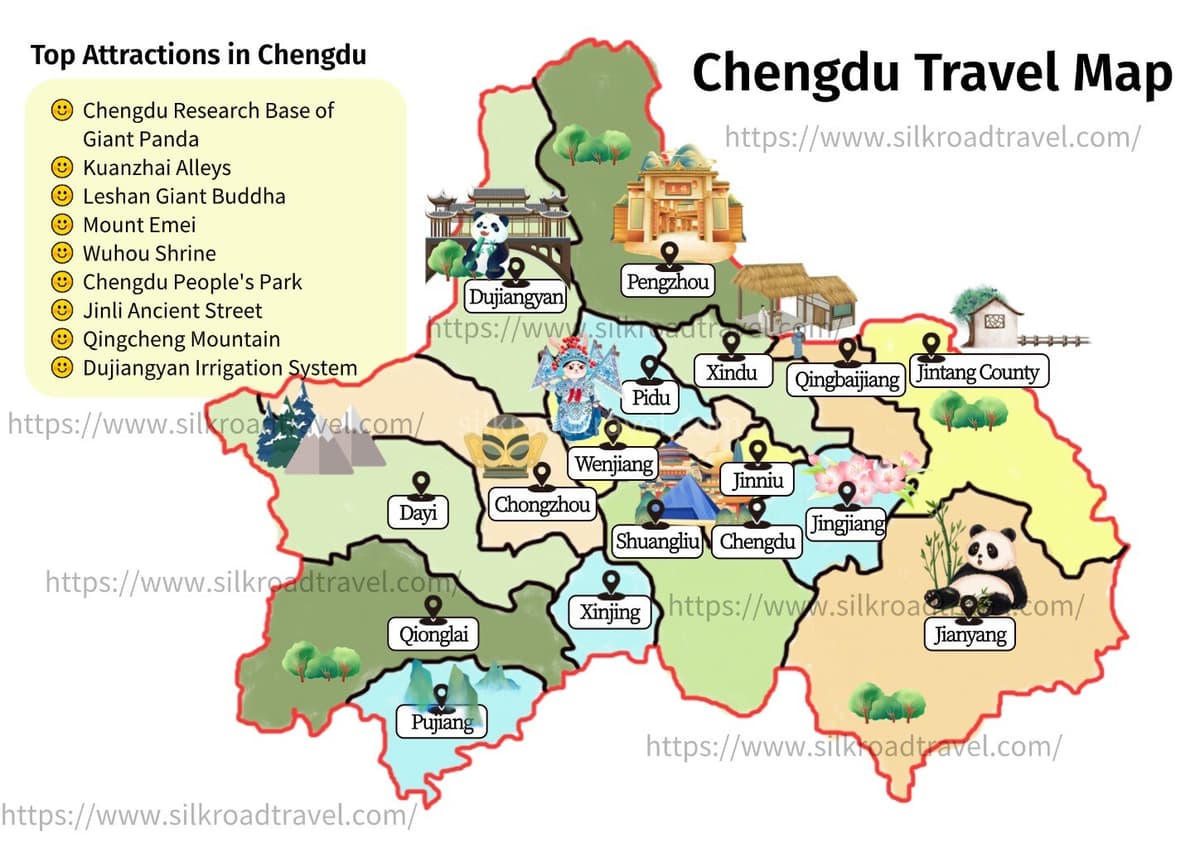
Chengdu Travel Map For You:
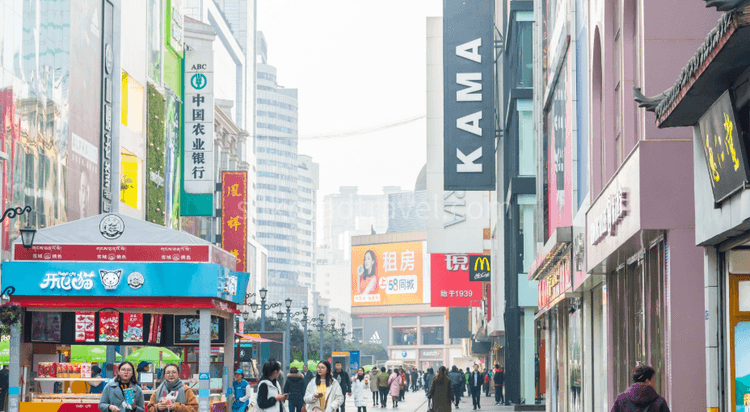
Chengdu, the capital city of Sichuan Province, is one of China's most livable and tourist-friendly cities, famous for its unique combination of lovely giant pandas, profound ancient Shu culture, well-preserved Ming and Qing architecture, relaxing slow-paced local life, and world-famous spicy Sichuan cuisine. Unlike bustling modern metropolises, Chengdu presents a gentle, leisurely and inclusive travel temperament, perfectly integrating natural scenery, historical heritage and urban humanistic customs.
Content›Chengdu Research Base of Giant Panda Breeding ›Kuanzhai Alleys (Wide and Narrow Alleys) ›Jinli Ancient Street & Wuhou Shrine |
Chengdu Research Base of Giant Panda Breeding
Without doubt, the Chengdu Research Base of Giant Panda Breeding ranks first among the top attractions in Chengdu. It is the world’s largest professional facility for giant panda conservation, breeding and scientific research, and the best place on earth to observe giant pandas and red pandas in a semi-natural habitat.
The base houses dozens of giant pandas of all ages: fluffy newborn cubs, playful sub-adult pandas and calm adult pandas. Unlike zoo exhibits in other cities, spacious outdoor enclosures allow pandas to climb trees, wander around and feed on fresh bamboo. Early morning, from 8:00 to 10:00, is the golden viewing window. Temperatures are cool, and pandas stay active for feeding. After 11 a.m., most pandas will retreat into air-conditioned indoor houses to rest, especially during summer.

Red pandas are another highlight here. These rust-colored cute creatures live in separate zones and are easy to photograph. The base also features panda-themed gardens, exhibition halls introducing panda protection work and clean walking trails suitable for casual hiking.
Tips For You:
Opening Hours:07:30 – 18:00 daily (Last entry: 17:00). Arrive before 8:00 AM for the best panda viewing experience.
Ticket Fee:55 CNY per adult; 27 CNY for students and seniors. Free entry for children under 1.2 meters. Online reservation is mandatory during peak seasons.
Best Visiting Duration:3–4 hours, enough to visit all core viewing areas without rushing.
Transportation Guide:Take Metro Line 3 to Panda Avenue Station, then transfer to scenic shuttle bus or take a 10-minute taxi. Direct private car transfer is the most convenient for foreign independent travelers.
Crowd Avoidance Strategy:Avoid weekends, Chinese statutory holidays and summer vacation. Weekday early morning visits ensure fewer crowds and active pandas.
Photography Tips:Natural soft light in the morning is perfect for shooting. Do not use flash photography, which will scare pandas. Shoot outdoor active scenes first, then visit indoor exhibition halls.
Foreign Tourist Reminder:No loud noise, no feeding, no tapping on glass. The on-site panda postcard office can send international postcards as exclusive travel souvenirs.
Seasonal Suggestion:Spring and autumn are the best seasons; summer is hot and pandas are inactive at noon; winter pandas stay indoors longer.
Kuanzhai Alleys (Wide and Narrow Alleys)
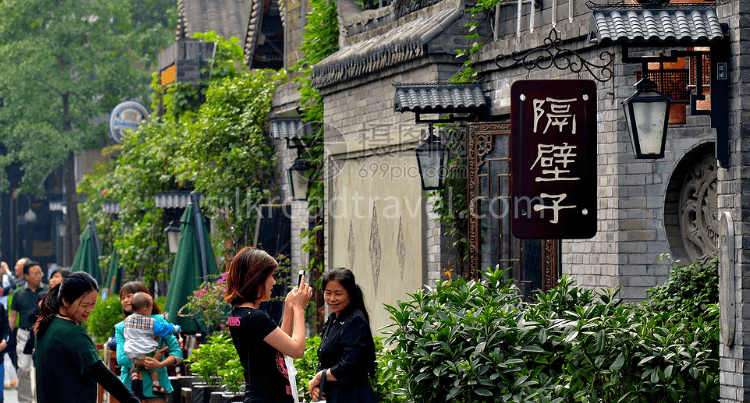
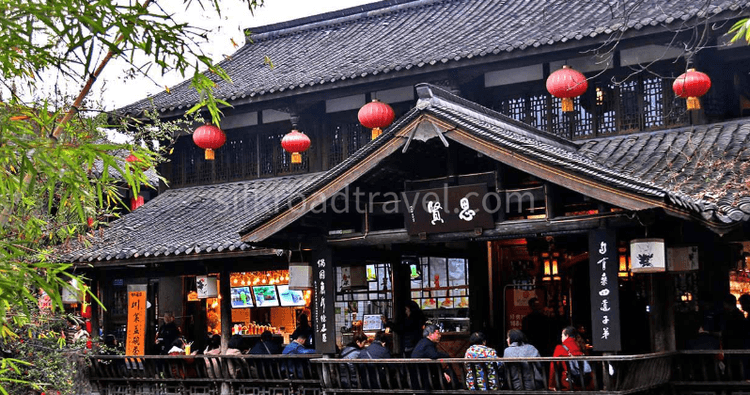
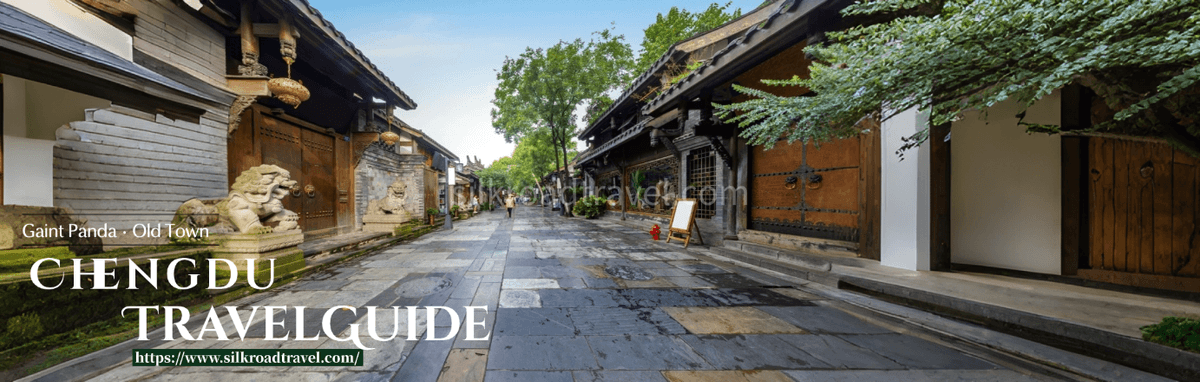
As one of the most iconic urban landmarks and classic top attractions in Chengdu, Kuanzhai Alleys is a well-preserved ancient courtyard complex built in the Qing Dynasty, consisting of Kuan Alley, Zhai Alley and Jing Alley. It perfectly retains the traditional residential pattern of old Chengdu, integrating ancient architecture, folk culture, creative commerce and local slow life. Different from the overly commercial ancient streets, Kuanzhai Alleys balances historical charm and modern tourism, becoming the best spot for tourists to experience old Chengdu's urban style.
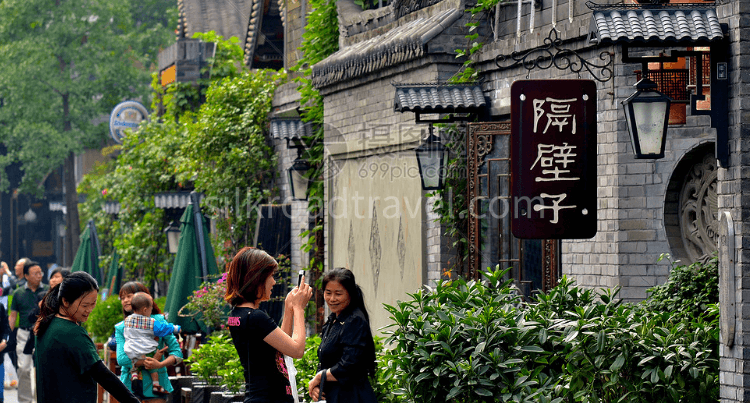
The three alleys have distinct styles. Kuan Alley focuses on traditional ancient courtyards, old teahouses and cultural exhibition halls, highlighting historical and nostalgic charm. Zhai Alley is dominated by creative boutiques, specialty snack shops and folk experience projects, suitable for casual shopping and food tasting. Jing Alley is the quietest and least crowded, with artistic wall paintings and literary street scenes, being the best location for street photography. Tourists can experience classic Sichuan teahouse culture, ear-picking service, traditional handicraft making and ancient-style shooting here.
Tips For You:
Opening Hours:All-day open (00:00–24:00). Shop business hours: 10:00–22:00.
Ticket Fee:Completely free, no reservation required.
Best Visiting Duration:2–3 hours for casual sightseeing; half a day for in-depth cultural experience and photography.
Transportation Guide:Take Metro Line 4 to Kuanzhai Alleys Station, direct subway access, very convenient for independent travelers.
Crowd Avoidance Strategy:Visit before 10:00 AM or after 19:00 PM. Morning features quiet old street style, while night view with lanterns is extremely romantic.
Food & Consumption Tips:Tourist area snacks are moderately priced; for authentic Sichuan hotpot and local dishes, choose restaurants in surrounding residential areas to avoid overpricing.
Photography Guide:Jing Alley graffiti walls, old courtyard door frames and lantern corridors are core shooting spots. Wear casual or ancient-style clothes for better effects.
Route Matching:Perfectly connect with Chengdu People’s Park to form a one-day old Chengdu slow-life tour route.
Jinli Ancient Street & Wuhou Shrine
Wuhou Shrine and Jinli Ancient Street are tightly adjacent, forming a combined cultural sightseeing complex and one of the most representative top attractions in Chengdu. This dual scenic spot perfectly combines solemn historical culture and lively folk customs, suitable for tourists who love Chinese Three Kingdoms history and traditional Sichuan folk culture. Wuhou Shrine is the oldest and most well-preserved memorial temple dedicated to Zhuge Liang, a famous strategist of the Three Kingdoms Period, carrying profound historical and cultural heritage.
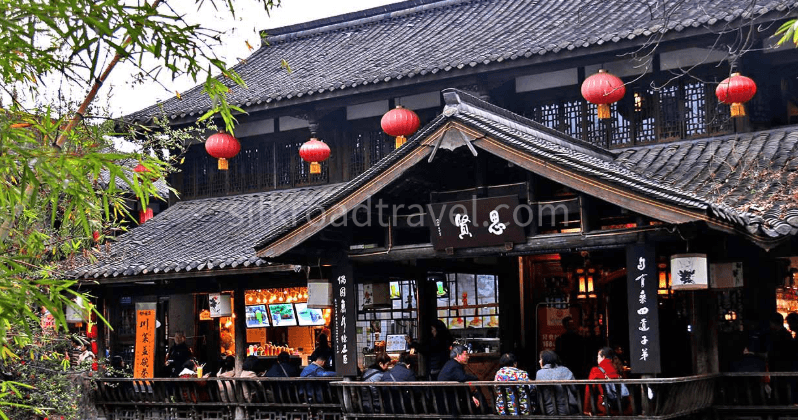
Adjacent to the shrine, Jinli Ancient Street is a restored ancient commercial street that reproduces the prosperous street scene of the ancient Shu Kingdom. With antique wooden buildings, red lanterns, flowing streams and stone roads, the whole street has a strong vintage ancient style. Tourists can watch classic Sichuan opera performances including face-changing, fire-spitting and lantern rolling, taste dozens of Sichuan characteristic snacks, buy traditional Chinese handicrafts, and experience folk customs. The night scenery of Jinli is far more stunning than daytime, becoming a famous night view card of Chengdu.
Tips For You:
Opening Hours:Wuhou Shrine 08:30–18:30; Jinli Ancient Street 09:00–22:00.
Ticket Fee:Wuhou Shrine 50 CNY per adult; Jinli Ancient Street free entry.
Best Visiting Duration:Wuhou Shrine 1.5–2 hours; Jinli Ancient Street 2 hours, total half-day sightseeing.
Transportation Guide:Take Metro Line 3 to Wuhou Shrine Station, walk 300 meters to reach the scenic area entrance.
Recommended Visiting Order:Visit Wuhou Shrine in the afternoon to appreciate historical culture, then wander Jinli after sunset to enjoy night scenery and folk performances.
Performance Tips:Sichuan opera shows start from 18:00. Arrive early to grab front-row seats for better viewing experience.
Crowd Avoidance:Weekday afternoons and nights have fewer crowds; weekend night markets are lively but crowded.
Cultural Suggestion:Hire an English-speaking guide for Wuhou Shrine to fully understand Three Kingdoms stories and cultural relic background.
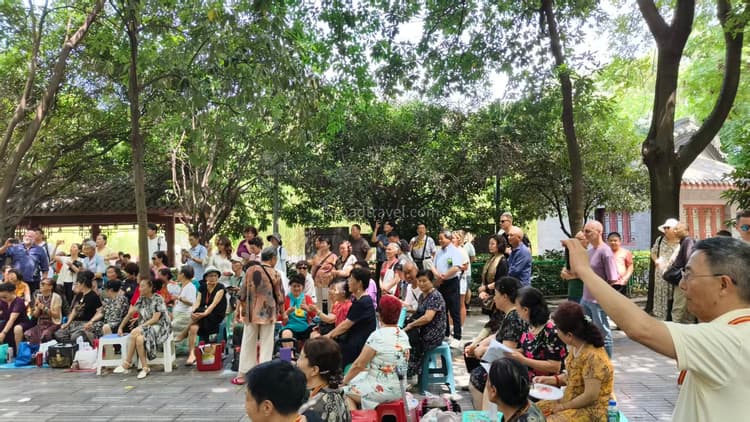
Among alltop attractions in Chengdu, Chengdu People's Park is the most authentic local life scenic spot and a hidden gem favored by countless international travelers. Unlike commercialized tourist attractions, this urban central park completely presents the daily leisure life of local Chengdu people, being the best window to understand Chengdu’s slow-life culture and relaxed urban temperament.
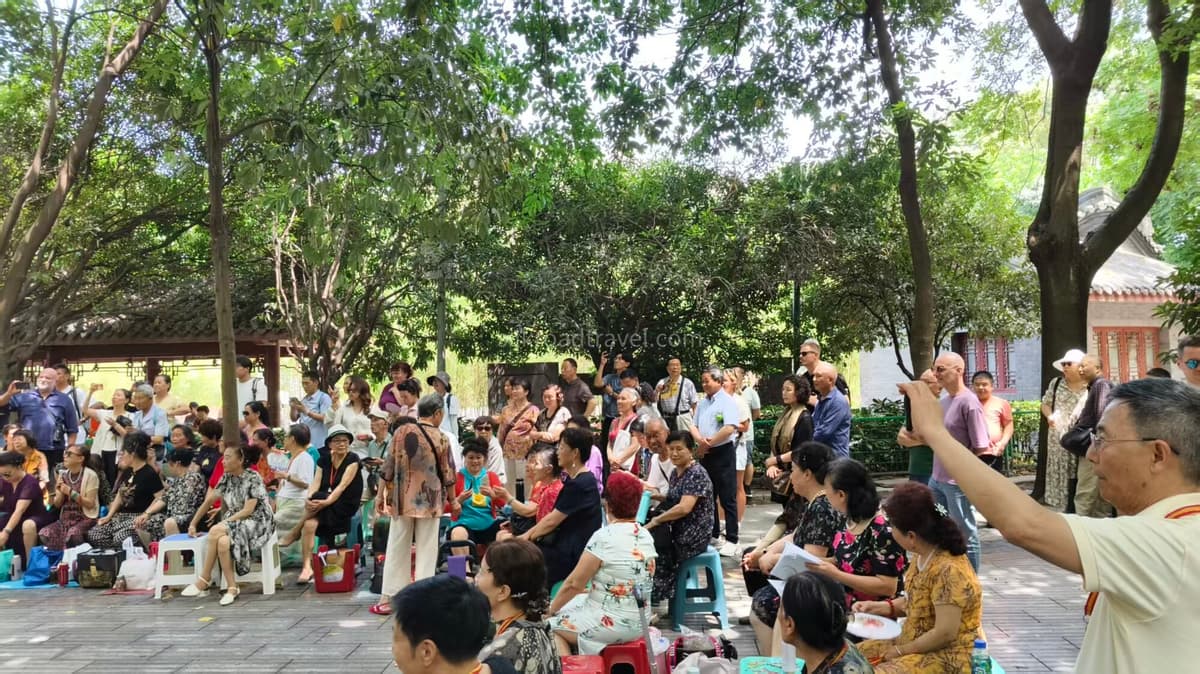
The core highlight of People's Park is Heming Teahouse, a century-old famous teahouse with a history of more than 100 years. Every morning and afternoon, a large number of locals gather here to drink jasmine tea, play mahjong, chat and enjoy leisure time. Tourists can sit by the lake, order a cup of local jasmine tea, experience the traditional ear-picking service, and integrate into the local slow life atmosphere. In addition, the park has lotus ponds, ancient corridors, memorial monuments and flower gardens, with pleasant scenery all year round.
Tips For You:
Opening Hours:All-day open, teahouse business hours: 08:00–21:00.
Ticket Fee:100% free entry, no reservation needed.
Best Visiting Duration:1.5–2.5 hours, suitable for leisure relaxation and cultural experience.
Transportation Guide:Take Metro Line 2 to People’s Park Station, direct subway access.
Best Visiting Time:Morning 09:00–11:00, when locals gather in large numbers with the strongest authentic life atmosphere.
Consumption Tips:Jasmine tea costs about 20–30 CNY per cup, super cost-effective. Ear-picking service is professional and affordable, no hidden consumption.
Photography Spots:Lakeside teahouse seats, ancient corridor railings and lotus pond scenery are classic shooting spots.
Itinerary Matching:Match with Kuanzhai Alleys to form a classic one-day old Chengdu cultural tour.
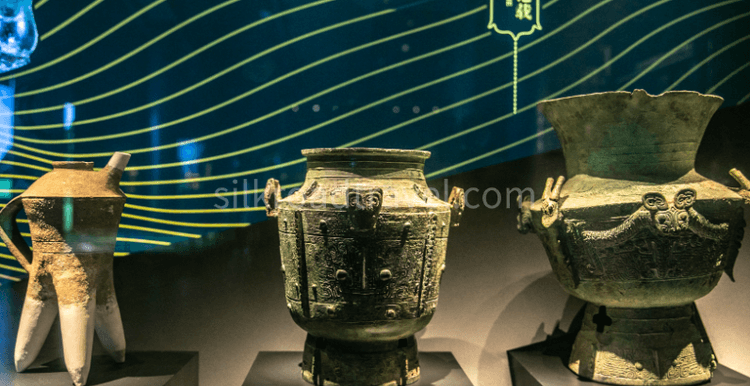
Sanxingdui Museum has become the most popular rising niche high-value attraction and one of the top top attractions near Chengdu in recent years. Located in Guanghan City, about 1 hour's drive from Chengdu downtown, this world-class museum displays mysterious and shocking cultural relics of the ancient Shu Civilization dating back more than 3,000 years, completely different from traditional Chinese Central Plains civilization.
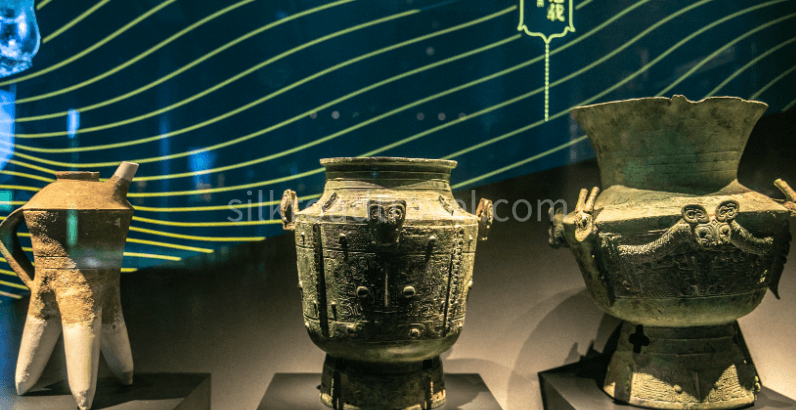
The core collections include giant bronze masks, bronze sacred trees, golden masks, ivory artifacts and unique bronze human statues. These exotic and exquisite cultural relics subvert tourists' inherent cognition of ancient Chinese history, attracting a large number of foreign archaeology and history enthusiasts to take special day trips. The museum is divided into multiple exhibition halls with systematic and complete display logic, equipped with multilingual explanation introduction, which is very friendly for overseas tourists.
Tips For You:
Opening Hours:08:30–18:00 (Last entry 17:00), closed every Monday (except statutory holidays).
Ticket Fee:72 CNY per adult, half price for students and seniors. Advance online reservation is essential, especially on weekends.
Best Visiting Duration:3–4 hours for in-depth viewing; 2 hours for quick sightseeing.
Transportation Guide:Take high-speed train from Chengdu East to Guanghan North (20 minutes), then transfer taxi 10 minutes to the museum; private one-day tour car is the most stable and convenient option.
Visiting Route:Start from the second floor, browse exhibition halls layer by layer downwards, do not miss the core bronze mask and sacred tree exhibition areas.
Guide Service:Book an English professional guide in advance to understand the cultural background and historical stories of cultural relics, avoiding empty sightseeing.
Crowd Avoidance:Weekday morning visits have the fewest tourists and the best viewing experience.
Photography Rules:No flash photography, no tripod; common mobile phone shooting is allowed.
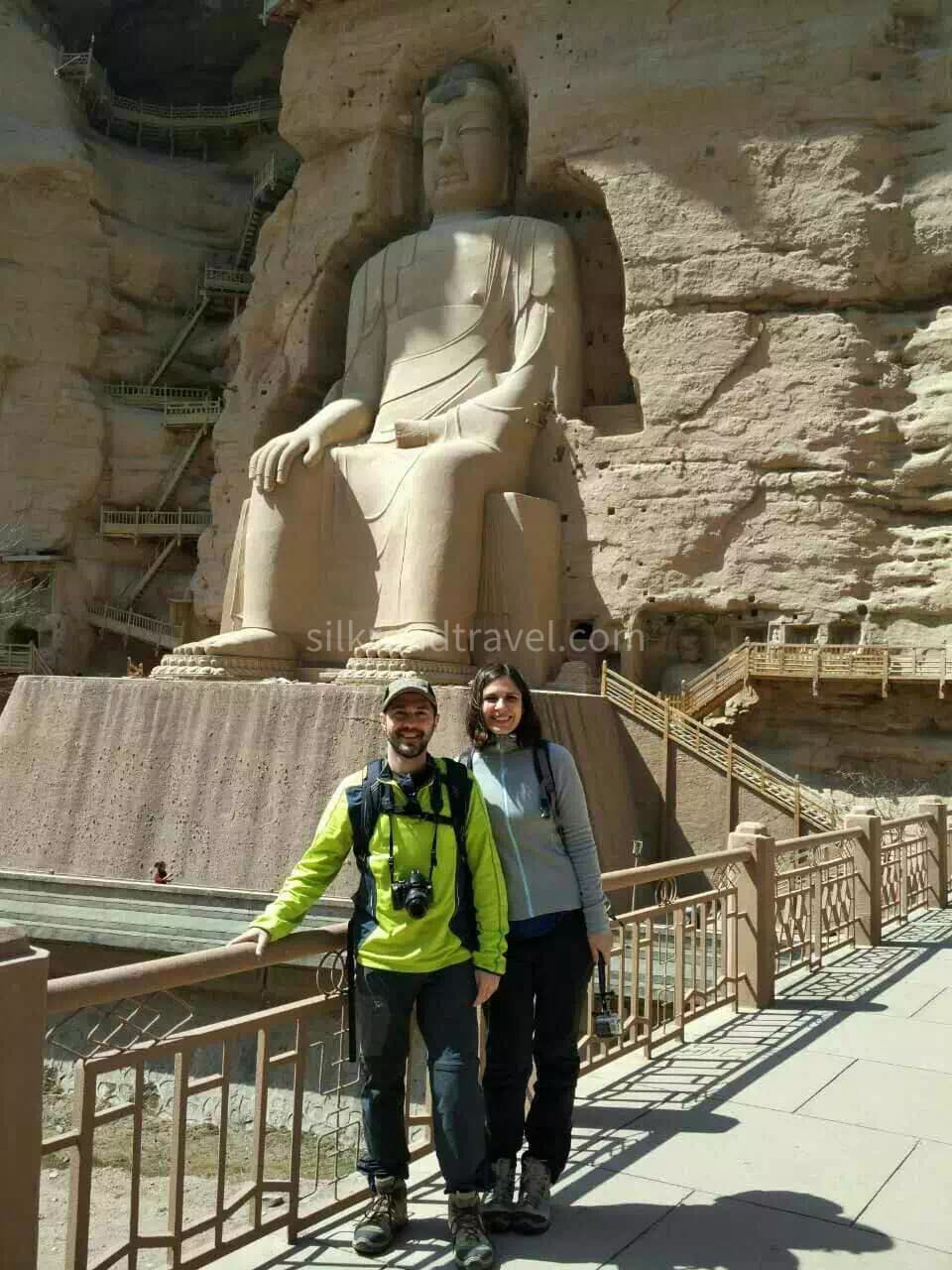
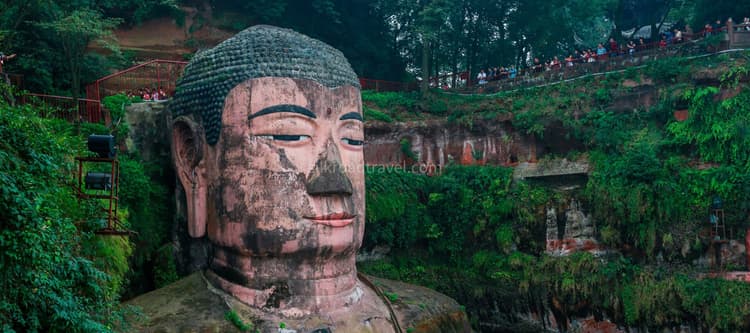
As a world-famous UNESCO World Heritage Site, Leshan Giant Buddha is the most representative day-trip attraction among the top attractions in Chengdu area and a must-visit landmark for foreign tourists. Carved in the Tang Dynasty more than 1,300 years ago, the 71-meter-tall stone Buddha statue is the largest ancient stone Buddha in the world, standing grandly at the confluence of Min River, Qingyi River and Dadu River.
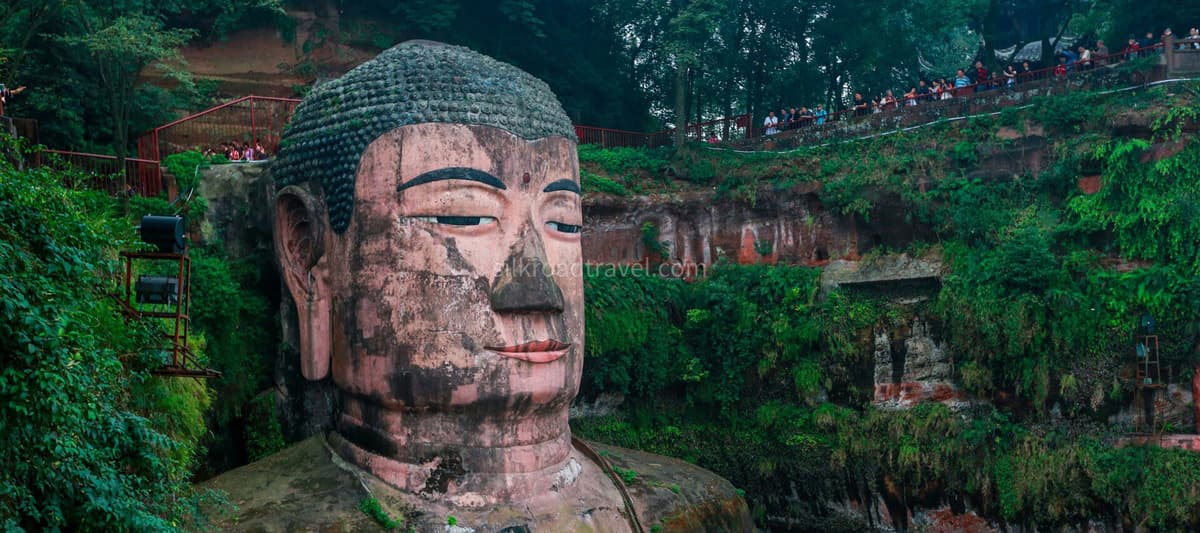
The whole scenic area integrates giant Buddha landscape, cliff plank roads, ancient temples and river scenery. Tourists can walk down the steep cliff plank road to overlook the Buddha statue from a zero-distance perspective, and enjoy the magnificent scene of three rivers converging. The grand and shocking architectural craftsmanship and natural scenery make it an irreplaceable classic Sichuan tourism card.
Tips For You:
Opening Hours:07:30–18:00 (peak season); 08:00–17:30 (off-season).
Ticket Fee:80 CNY per adult, valid for the whole scenic area including Lingyun Temple.
Best Visiting Duration:3 hours for complete sightseeing.
Transportation Guide:High-speed train from Chengdu East to Leshan Station (1 hour), then transfer scenic shuttle bus; private day tour transfer is the most worry-free choice.
Crowd Avoidance Core Tip:The cliff plank road is extremely crowded during holidays and weekends. Must enter the park before 08:30 in peak seasons to avoid long queues.
Physical Reminder:The plank road is narrow, steep and winding, with many steps. Wear non-slip comfortable walking shoes, avoid high heels and slippers.
Best Shooting Angle:The middle platform of the plank road and the opposite river bank are the best positions to capture the full view of the giant Buddha.
Route Extension:Combine with Mount Emei to form a classic 2-day Chengdu surrounding heritage tour.
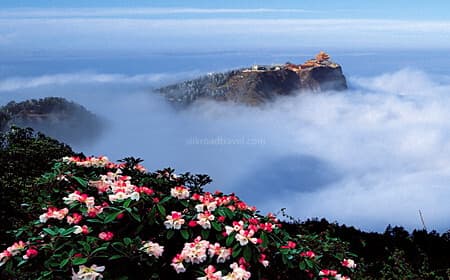
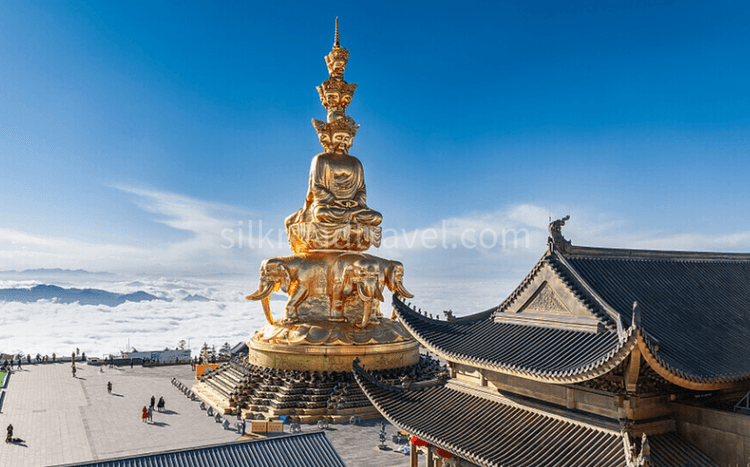
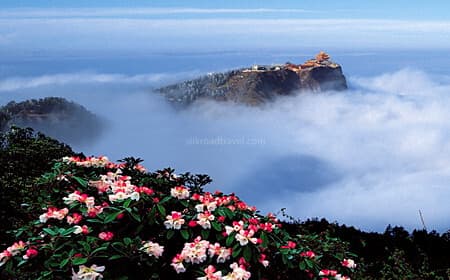
Mount Emei, another world-famous UNESCO World Natural and Cultural Heritage near Chengdu, ranks among the top attractions around Chengdu. As one of China's four great Buddhist mountains, it integrates Buddhist culture, primitive forest ecology, alpine sea of clouds, sunrise wonders and mountain water scenery, being the best in-depth travel destination around Chengdu.
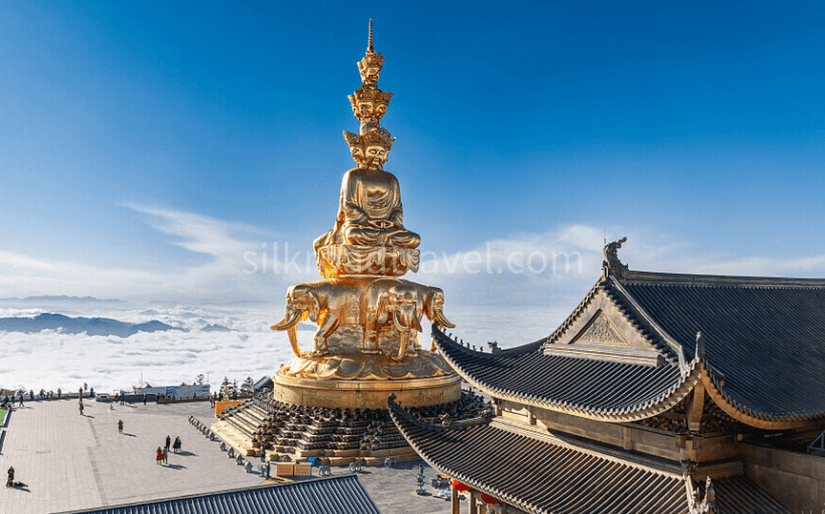
The mountain has a vertical climate with distinct layered scenery. The foot of the mountain features dense subtropical forests and ancient temples, suitable for casual walking and cultural appreciation. The golden summit at an altitude of 3079 meters boasts magnificent sea of clouds, sunrise, Buddha light and snow scenery in winter. Wild macaques inhabit the mountain roads, becoming a unique interesting landscape. Spring and autumn have the most stable weather and the highest visibility, being the best travel seasons.
Tips For You:
Opening Hours:Whole scenic area open all day; Golden Summit cable car 07:00–18:00.
Ticket Fee:160 CNY per adult (peak season); 110 CNY (off-season). Cable car and sightseeing bus fees are separate.
Best Visiting Duration:1–2 days, one-day tour for quick sightseeing, two-day tour for sunrise and in-depth hiking.
Transportation Guide:High-speed train from Chengdu East to Emei Station, then transfer scenic sightseeing bus; private chartered car is more flexible for in-depth travel.
Temperature Reminder:The mountain top temperature is 8–10℃ lower than the foot of the mountain. Prepare lightweight warm and waterproof outerwear even in summer.
Wild Monkey Warning:Do not take food in hand, do not tease macaques, keep backpacks tightly closed to avoid snatching.
Sunrise Strategy:Overnight on the mountain top in advance, get up early to occupy viewing positions; check the weather forecast in advance.
Route Suggestion:Sightseeing bus + cable car for lazy travel; section hiking for outdoor enthusiasts.
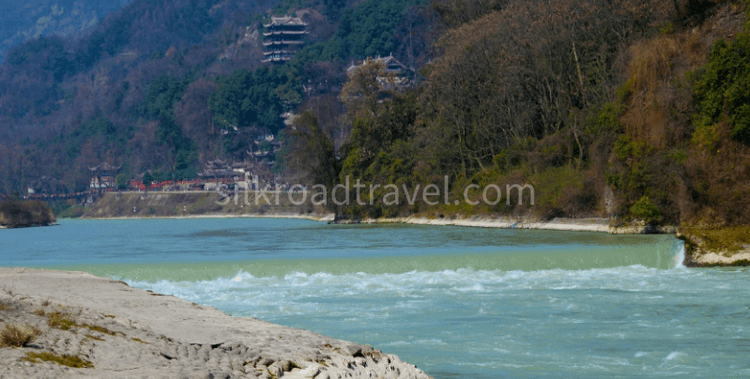
Dujiangyan Irrigation System, another world-famous UNESCO World Heritage Site, is one of the most practical and historic top attractions near Chengdu. Built in the Warring States Period more than 2,200 years ago, it is the oldest and only existing no-dam water conservancy project in the world, perfectly solving local flood control and irrigation problems and making Chengdu a fertile land of abundance.
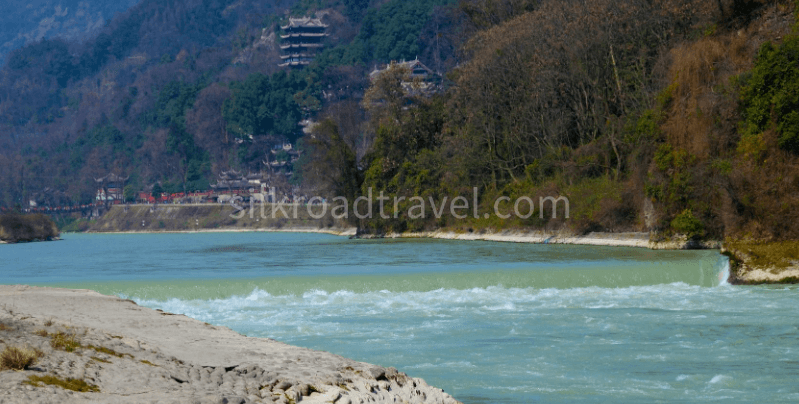
Different from ordinary scenic spots focusing on landscape or culture, Dujiangyan combines ancient human wisdom and natural river ecology. Tourists can visit three core water conservancy structures: Fish Mouth Water Divider, Feisha Weir and Baopingkou, understand the ancient Chinese scientific water management wisdom, and enjoy the clear Min River scenery and lush mountain forests. It is highly suitable for science popularization travel, parent-child travel and history science enthusiasts.
Tips For You:
Opening Hours:08:00–18:00 (peak season); 08:00–17:30 (off-season).
Ticket Fee:80 CNY per adult.
Best Visiting Duration:3 hours for in-depth sightseeing and study.
Transportation Guide:Take Metro Line 2 to Xipu Station, transfer intercity train to Dujiangyan Station, then transfer shuttle bus; private transfer is more convenient for foreign tourists.
Core Visiting Points:Focus on the three major water conservancy projects to understand the working principle; do not miss the ancient Anlan Cable Bridge.
Guide Suggestion:Professional explanation is essential, otherwise it is difficult to understand the historical and scientific value of the project.
Crowd Avoidance:Weekday morning visits are recommended with fresh air and few tourists.
Route Matching:Combine with Qingcheng Mountain to form a one-day Chengdu surrounding classic route.
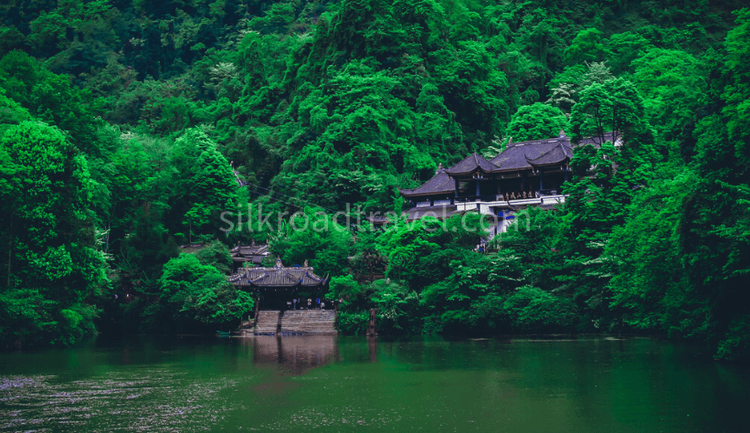
As a supporting UNESCO World Heritage Site of Dujiangyan, Qingcheng Mountain is one of the most famous top attractions near Chengdu and a renowned Taoist sacred mountain in China. Known as "the most serene mountain under heaven", it features dense primeval forests, overlapping green peaks, clear mountain streams and ancient Taoist temples, forming a quiet and elegant natural and cultural landscape. It is far less crowded than popular scenic spots, perfect for tourists who love quiet mountains, natural oxygen bars and traditional Taoist culture.
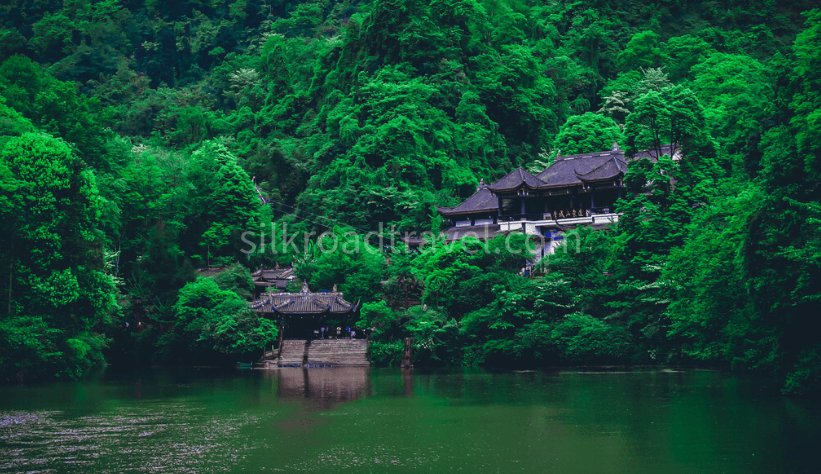
Qingcheng Mountain is divided into Front Mountain and Back Mountain. Front Mountain focuses on Taoist cultural landscapes, with concentrated temples, pavilions and cultural relics, suitable for cultural sightseeing and casual pilgrimage. Back Mountain is dominated by original ecological natural scenery, with waterfalls, canyons and forest trails, ideal for hiking and leisure vacation. The whole mountain has a high forest coverage rate, cool summer temperature and fresh air, being a famous summer resort in Chengdu. Most tourists choose to visit Dujiangyan and Qingcheng Mountain together to complete a one-day natural and cultural heritage tour.
Tips For You:
Opening Hours:Front Mountain 08:00–18:00; Back Mountain 08:00–17:30, open all year round.
Ticket Fee:Front Mountain 80 CNY (peak) / 70 CNY (off-season); Back Mountain 20 CNY, super cost-effective. Cable car fees are separate.
Best Visiting Duration:2–3 hours for Front Mountain casual tour; 4–5 hours for Back Mountain hiking; one-day tour for two mountains linkage.
Transportation Guide:Take intercity train from Xipu Station to Qingchengshan Station, then transfer scenic shuttle bus; private charter car is the most convenient for one-day tour.
Route Selection Suggestion:Culture-focused tourists choose Front Mountain; hiking and nature lovers choose Back Mountain; time sufficient tourists can visit both.
Crowd Avoidance:Weekday visits are highly recommended; weekends have more family tourists but no serious congestion.
Seasonal Tips:Summer for summer retreat, autumn for layered forest scenery, winter for quiet mountain views.
Physical Reminder:The mountain road is gentle overall, suitable for all ages; wear comfortable walking shoes and carry a small bottle of water.
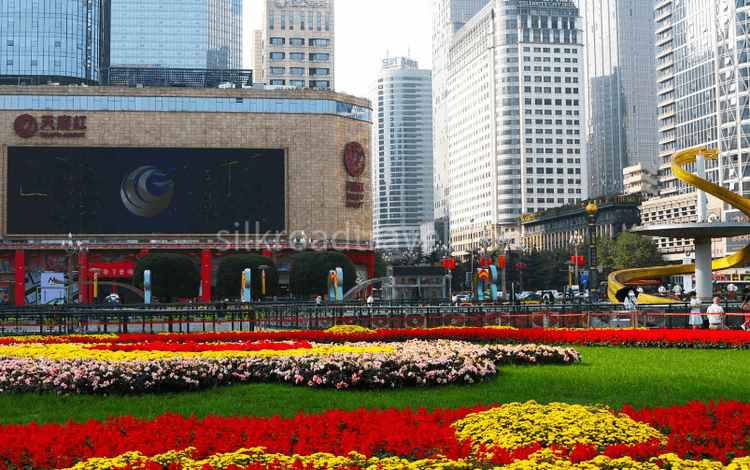
Tianfu Square is the geometric and cultural center of Chengdu downtown, a core urban landmark and one of the most representative top attractions in Chengdu for city sightseeing. As the heart of Chengdu, it carries the city’s urban memory and cultural symbol, equivalent to the city center square of Chengdu. Different from tourist-oriented scenic spots, Tianfu Square focuses on urban style and cultural display, being the first stop for many foreign tourists to understand Chengdu's urban temperament.
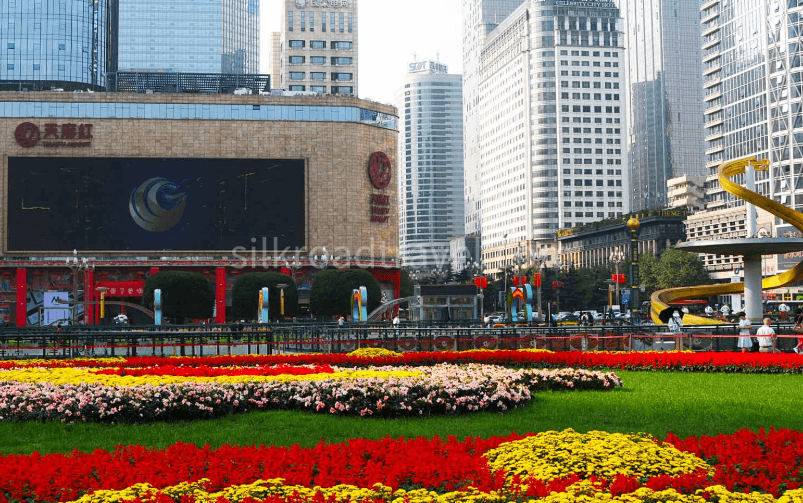
The square features symmetrical modern architectural design, giant cultural sculpture groups and spacious central open space. Surrounding the square are core public cultural venues including Chengdu Museum, Sichuan Science and Technology Museum, Sichuan Art Museum and Sichuan Library, forming a concentrated cultural and leisure cluster. Tourists can take city landmark photos, visit free public exhibition halls, and experience the modern and cultural integration of Chengdu urban construction. It is closely connected with Chunxi Road and Taikoo Li, only a 5-minute walking distance, forming a mature urban fashion and cultural sightseeing loop.
Tips For You:
Opening Hours:All-day open; surrounding museums 09:00–17:00, closed on Mondays.
Ticket Fee:Free entry for the square; surrounding public museums are free with real-name reservation.
Best Visiting Duration:1 hour for landmark photos; 2–3 hours if visiting surrounding exhibition halls.
Transportation Guide:Take Metro Line 1/2 to Tianfu Square Station, direct subway exit, super convenient.
Best Visiting Time:Morning 09:00–11:00 with sufficient light for photos; night lights are bright and atmospheric.
Core Highlights:Symmetrical square architecture, urban landmark shooting, free cultural exhibition resources.
Crowd Avoidance:Avoid major holidays with large passenger flow; ordinary days have sparse crowds and good shooting effect.
Route Matching:Tianfu Square → Chengdu Museum → Chunxi Road & Taikoo Li one-day urban fashion tour.
Chunxi Road and Sino-Ocean Taikoo Li are integrated super commercial and fashion landmarks, ranking among the most trendy and bustling top attractions in Chengdu. Located in the core area of Jinjiang District, they are the business center of Chengdu, combining century-old commercial streets, modern luxury shopping malls, ancient temple architecture and trendy street culture, representing the fashionable and vibrant side of Chengdu city.
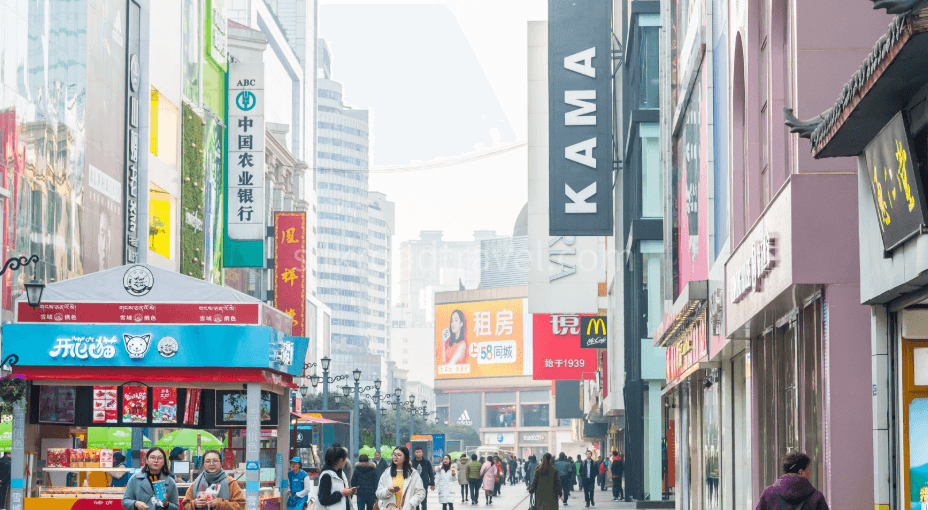
Chunxi Road retains the style of old Chengdu commercial street, with numerous specialty stores, casual snack shops and trendy street shooting spots. The iconic naked-eye 3D giant screen has become a viral Internet-famous landmark. Adjacent Taikoo Li adopts an open block design, blending modern minimalist commercial architecture and ancient Daci Temple, forming a unique "ancient temple + fashion mall" landscape. The 7-floor giant panda sculpture at IFS is the most classic check-in spot for foreign tourists. Tourists can shop, taste trendy snacks, take fashion street photos and experience Chengdu’s "slow life in fast city" unique charm here.
Tips For You:
Opening Hours:Block all-day open; shop business hours 10:00–22:00.
Ticket Fee:100% free, no reservation required for sightseeing and checking in.
Best Visiting Duration:2–4 hours, suitable for casual shopping, food tasting and street photography.
Transportation Guide:Take Metro Line 2/3 to Chunxi Road Station, exit C/D for direct access to IFS and Taikoo Li.
Best Visiting Time:15:00–21:00, with soft afternoon light for photos and brilliant night lights after 19:00.
Core Check-in Spots:IFS 7F giant panda terrace, Taikoo Li ancient temple corridor, Chunxi Road 3D screen, retro street alleys.
Crowd Avoidance Tips:Weekday afternoon visits have fewer crowds; avoid weekend nights and holiday peak hours.
Consumption Suggestion:Street snacks are cost-effective; high-end luxury brands gather in Taikoo Li, suitable for casual window shopping and experience.
With diverse scenery covering wildlife, ancient history, urban local life and world heritage sites, the top attractions in Chengdu can satisfy different types of travelers. Wildlife lovers should prioritize the Giant Panda Base. Culture enthusiasts can explore Sanxingdui, Wuhou Shrine and ancient alleys. Travelers chasing grand natural landscapes can plan day trips to Leshan Giant Buddha and Mount Emei. There is no universal perfect itinerary. You can adjust sightseeing spots according to your travel length, interests and travel seasons. If you want a fully arranged trip without complicated self-planning, browse our custom Chengdu travel routes and let our team design your ideal Sichuan journey.
Recommended Tour Itinerary
4 Days Tour from Jiuzhaigou to HuanglongChengdu, Jiuzhaigou, Huanglong (10)100+ booked |
13 Days discovery tour of SichuanChengdu, Gulgou, Aba, Garze, Rilong, Wulong (15)150+ booked |
5 Days Wonderful Sichuan AdventureChengdu, Kangding, Tagong, Danba, Rilong (18)180+ booked |