



Central Street, Harbin: Architecture, Food and a Practical Walking Route
Central Street, or Zhongyang Dajie, is Harbin's historic pedestrian shopping street, where early twentieth-Central Street, or Zhongyang Dajie, is Harbin's historic pedestrian shopping street, where early twentieth-century façades, local food and a walk towards the Songhua River come together. Its appeal lies in the details: the rounded granite paving, upper-storey ornament above modern shops, and the change from a busy commercial street to the open riverfront.
For a first visit, walk north from the Jingwei Street end and finish at the Flood Control Memorial Tower. Allow two to three hours for architectural stops and a snack, or half a day when adding a meal and nearby sights. Daylight reveals the buildings most clearly; an evening visit brings a different street scene, with illuminated facades and restaurants drawing people back outside.
Why Is Central Street Worth Visiting?
Central Street is a strong first stop for visitors interested in how Harbin looks, eats and uses its historic centre. It combines recognisable architectural landmarks with the ordinary choices of a commercial street: where to stop, what to eat and how far to continue.
The buildings provide the framework for the walk, but the street is still in use. Shops occupy ground floors, restaurants attract queues at busy periods, and visitors move between architectural photographs and food purchases. Look above the shop signs to see the parts of the facades that most clearly express their original design.
The pedestrian setting makes it easier to stop and compare details than on a busy traffic street. You can cross from one side to the other for a fuller view, then return to a doorway or decorative feature that caught your attention.
It also works well for travellers with different interests. One person can spend time examining a facade while another looks at a food shop, without the group committing to separate attractions or admissions.
For a short Harbin stay, the street gives a useful introduction to the city between larger outings. Visitors staying nearby can enjoy it in two shorter visits, using daylight for architecture and another evening for dinner.
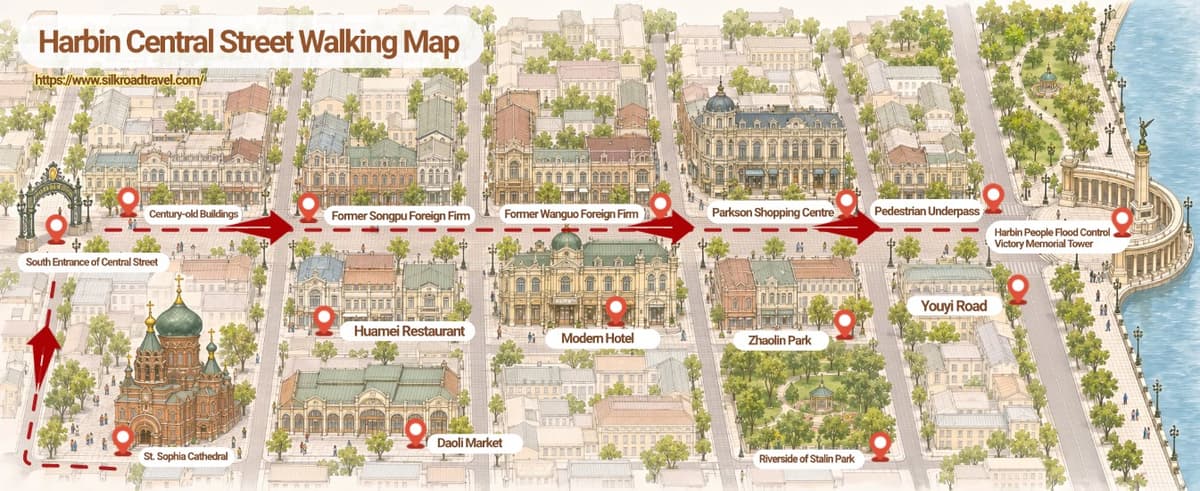
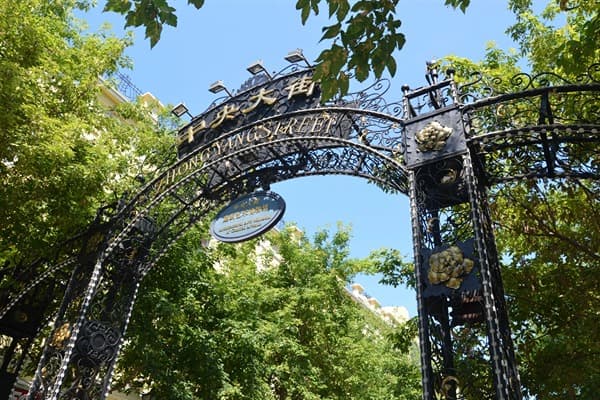
Where Does the Street Begin and End?
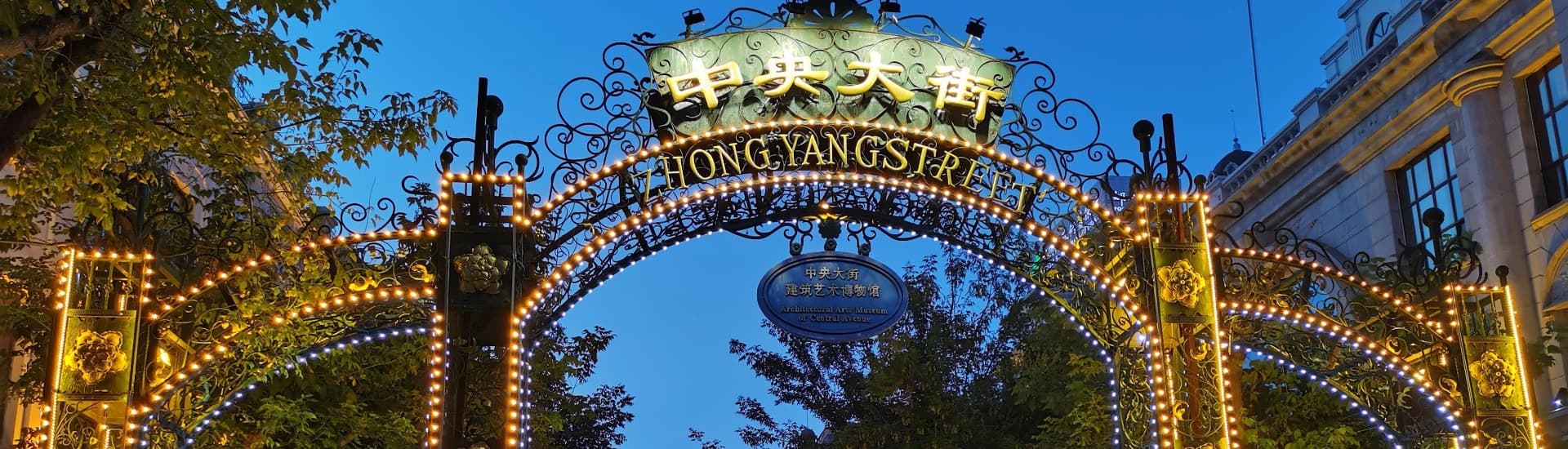
Central Street runs through Daoli District on the south side of the Songhua River. Its principal sightseeing stretch extends approximately 1,450 metres, from Jingwei Street at the southern end towards the Flood Control Memorial Tower at the riverfront.
The direction is useful to remember: walking north takes you towards the river. The numbered side streets and other roads intersecting the main street provide access to surrounding businesses and vehicle pick-up points.
The distance is manageable, but the visiting time is much longer than an uninterrupted walk. Photographs, shop visits and a meal account for most of a rewarding outing.
Visit style | Suggested allowance | What it includes |
Selected street section | About 45–75 minutes | Several facades and a short food or drink stop |
Main street to the river | About 2–3 hours | Architectural stops, a snack and the memorial tower |
Extended central-city outing | About half a day | Main street, a meal, the riverfront and a separate visit around Saint Sophia |
These are editorial planning allowances. A winter group moving slowly across slippery sections will cover less ground than independent walkers on a mild autumn day.
Saint Sophia Cathedral stands away from Central Street in the surrounding Daoli sightseeing area. It is a separate stop connected by ordinary city streets, rather than a building encountered automatically on the main pedestrian route.
What Does Its Architecture Reveal About Harbin?
Central Street developed alongside Harbin's growth as a railway and commercial city from the late nineteenth century. Its early name, China Street, reflects part of that urban history; the street later became an important trading address.
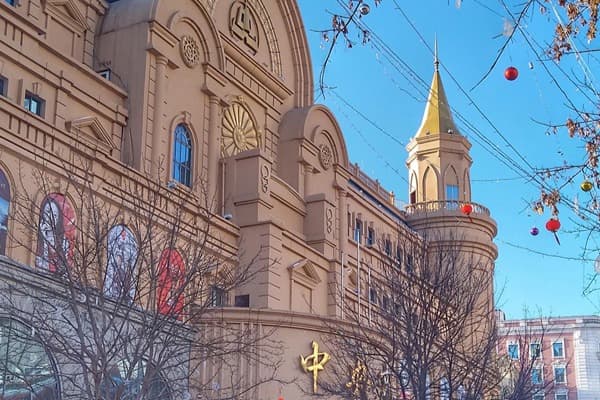
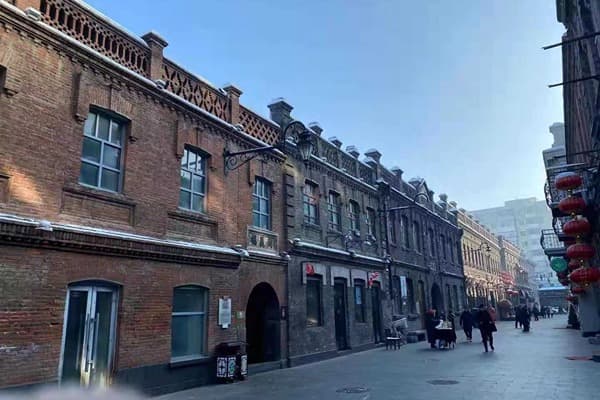
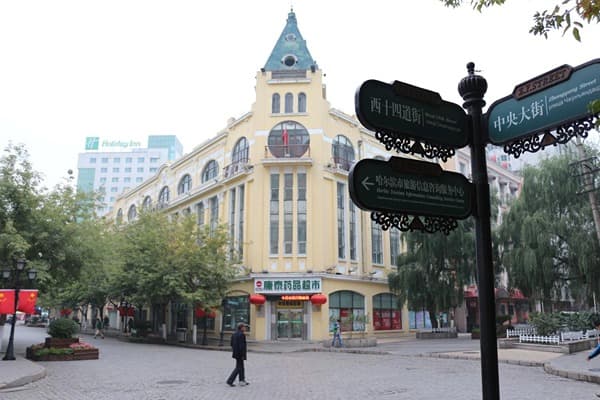
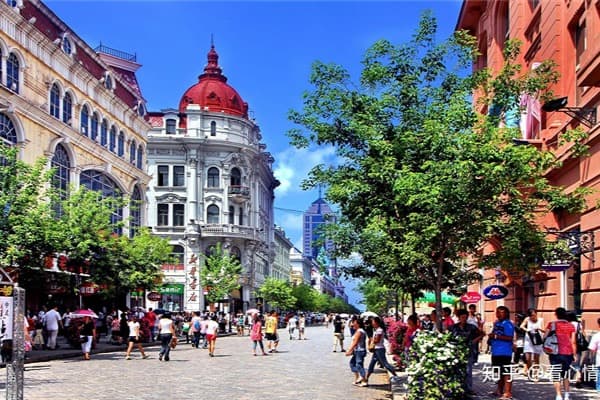
The architectural variety is evidence of the city's international commercial connections. Hotels, trading houses and restaurants brought different design influences into the same compact area. Renaissance-inspired symmetry, Baroque ornament and the curves of Art Nouveau appear in buildings developed for modern commercial use.
Look for differences rather than trying to identify every style. A facade organised around repeated windows creates a different effect from a corner building with a prominent roofline. Curved ornament and flowing outlines offer another contrast to heavier columns and pediments.
The granite paving is an important part of the street's identity. The distinctive blocks were laid in 1924 and are often nicknamed "bread stones" because of their rounded shape. Their texture becomes more noticeable when you look along the street at a low angle.
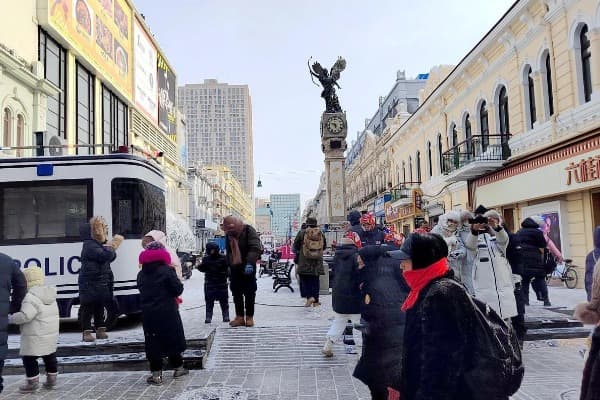
The street became pedestrianised in 1997, changing the way its buildings could be experienced. Today, walkers have more time to look upwards and stop in the centre of the route than the earlier traffic environment allowed.
The area's history is broader than a single national influence. Chinese residents, railway development, international businesses and successive periods of redevelopment all contributed to the streetscape. Seeing it simply as a "Russian street" leaves much of that history unexplained.
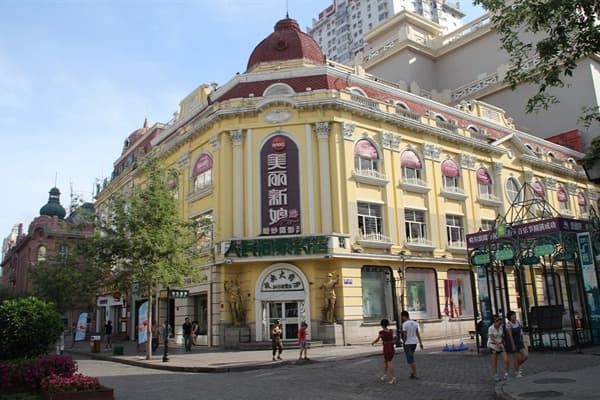
Which Buildings Should You Look For?
Choose a small number of buildings to examine properly. Addresses are useful landmarks, especially when shop signs or businesses change.
·Modern Hotel — 89 Central Street
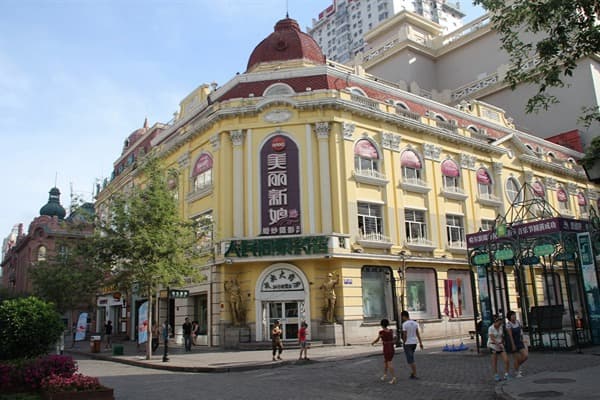
Modern Hotel, known locally as Madie'er, is one of the street's most recognisable historic addresses. Its Art Nouveau character rewards a look at the upper floors and the building's overall outline.
Move far enough back to see the facade as a whole before concentrating on individual details. The architectural stop and the well-known ice-cream purchase nearby serve different purposes, so give the building a moment before joining any food queue.
·Huamei Restaurant — 112 Central Street
Huamei is an established name in Harbin's Western-style dining tradition. Its present building represents a later stage in that history: the structure standing here was rebuilt in 1992.
This is a useful reminder that an old restaurant name and an old building are not necessarily the same thing. View it as part of the street's continuing food culture and changing commercial appearance.
·Former Matsuura Trading House — 120 Central Street
The former Matsuura Trading House is a prominent Baroque-style building, constructed between 1916 and 1918. Its decorative facade makes it a worthwhile stop even for visitors with little architectural knowledge.
Older descriptions identify it as the Education Bookstore, a former use. Refer to it by its historic building name and address when following a walking route.
Together, these stops offer different ways to read the street: a historic hotel, a long-established restaurant in a later building, and a former trading house with changing occupants. Their value lies in those distinctions, rather than in collecting a long list of similar photographs.
Building interiors have their own access arrangements. The public street provides the architectural view; a hotel lobby, restaurant dining room or occupied upper floor is a separate space.
A Practical Walk from Jingwei Street to the River
·Jingwei Street and the Southern Approach
Start at the southern end if you want the riverfront to form the conclusion of your walk. Before setting off, identify the northward direction and your intended final stop.
Use the first section to get accustomed to the street's scale. Look at the paving, the relationship between shopfronts and upper floors, and the way side streets interrupt the main route.
Avoid stopping at every souvenir shop immediately. Walk through enough of the street to understand the range of businesses, then return to a particular shop only if it offers something you genuinely want.
·The Central Building and Food Stops
Slow down around the historic commercial buildings. Cross to the opposite side for a fuller view, then return to inspect details from the pavement.
This is the most useful part of the walk for a planned snack or indoor break. Place it between architectural stops rather than waiting until everyone is tired at the exposed riverfront.
For lunch, leave enough time to sit down and eat properly. A restaurant meal changes the outing from a continuous outdoor walk into two manageable sections.
If photography is your priority, use the meal to separate two kinds of light. Explore the facades during daylight, eat indoors, then make a shorter second walk once the street is illuminated.
·The Northern End
Continue towards the river when the group still has energy for the open waterfront. As the street approaches its northern end, the visit becomes less about individual facades and more about the relationship between the city and the Songhua.
The Flood Control Memorial Tower provides a clear finishing point. It also makes a useful meeting landmark for companions who have separated along the street, although vehicle collection should be arranged on an accessible road nearby.
From here, choose whether to continue along the river or end the walk. There is little advantage in adding a long waterfront section when it means retracing the entire street while cold or tired.
·A Shorter Version
For a shorter visit, concentrate on the central architectural stops and one food experience. Finish at a convenient side street instead of walking to the river solely to complete the full length.
This version suits an arrival afternoon, a family with young children or a day that already includes a major winter attraction. The street is easy to revisit, so it does not need to be completed in one continuous outing.
What Should You Eat on Central Street?
The food experience works best when you choose one snack and one proper meal, rather than buying something at every stop. Several well-known foods are filling, and winter walking is more enjoyable with a seated break built into the route.
·Modern Ice Cream
Modern ice-cream bars are closely associated with Central Street. The appeal is a simple, milky frozen bar from a name connected with the street's hotel and food history.
For a first visit, share a small purchase or buy one each, then continue walking once you have finished. In winter, take off only the glove needed to hold the food or use your phone; lingering outside for repeated photographs can turn a brief snack into an unnecessarily long cold stop.
The experience is optional. A hot drink and a seat indoors serve a different need and are the better choice when the group is already cold.
·Hongchang and Dalieba
Hongchang is the red sausage associated with Harbin's food culture. It is generally a savoury snack or something to take away, rather than a substitute for a balanced meal during a full sightseeing day.
Dalieba is a substantial loaf associated with the city's Russian-influenced baking tradition. Its size makes it more suitable for sharing than for buying casually as an individual walking snack.
For food gifts, check the ingredients, packaging and storage instructions. Consider the remainder of your journey before buying a large loaf or perishable meat product.
These foods, together with Modern ice cream and Huamei's dining tradition, are specifically associated with the street in provincial cultural reporting.
·A Seated Meal
A meal is an opportunity to widen the experience beyond the most photographed street foods. The surrounding area offers access to the broader repertoire of Harbin food, including dumplings, crisp sweet-and-sour pork and northeastern shared dishes.
For two people, begin with two modest dishes and rice, or a suitable portion of dumplings with one vegetable dish. Add more after seeing the portions. Ordering a large stew, several starters and a full dumpling portion at once can leave little room to enjoy each item.
Huamei is an option for visitors interested in the city's established Western-style restaurant tradition. Choose it for that dining interest; a simple dumpling meal may fit a short walking day more easily.
Vegetarian diners should ask about stock, cooking fat and meat added to vegetable dishes. For allergies, carry a clear Chinese explanation of the ingredient and the seriousness of the reaction. A dish's translated name rarely gives the whole ingredient list.
How Do You Connect Saint Sophia Cathedral and the Waterfront?
Central Street, Saint Sophia Cathedral and the riverfront form a useful central-city group, but the order should reflect how much walking and indoor time you want.
·Saint Sophia Cathedral and Daoli Market
Begin around Saint Sophia if architecture is the main interest. Explore the cathedral exterior and square, then continue through the city streets towards Central Street.
Daoli Market is a separate food stop in the cathedral area. It is useful when you want to eat before joining the pedestrian-street walk, rather than interrupting the later route with a return towards the cathedral.
Allow for road crossings and the connecting streets. This link is part of the outing, not an invisible transfer between attractions.
For a half-day plan, keep the cathedral visit and Central Street walk as the two principal elements. Adding every nearby shopping stop can make the day longer without adding much variety.
·Flood Control Memorial Tower
The tower at the northern end gives the walk a clear geographical conclusion. It turns your attention from the commercial street towards the river and Harbin's relationship with flooding and river management.
Spend time looking at the setting as well as the monument. The open space changes the scale of the visit after the enclosed view along Central Street.
·Stalin Park and the Songhua River
Stalin Park follows the south-bank waterfront beside the central city. From the memorial area, choose a short section of the riverbank rather than assuming that a worthwhile visit requires a long walk.
In warmer weather, this is a natural place to slow down after the shops and restaurants. In winter, the open exposure often makes a shorter look more comfortable.
Keep to the riverbank and authorised visitor areas. Any organised activity on the frozen river has its own operating arrangements; the natural ice is not a pedestrian connection to Sun Island.
Daytime, Evening and Different Seasons
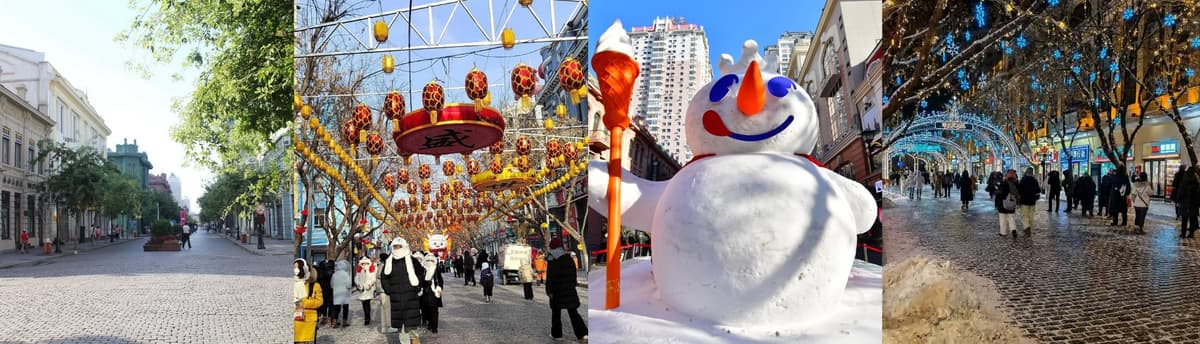
Choose daylight for architecture and evening for the illuminated street scene. Visitors with time for only one outing can arrive during the latter part of the afternoon, eat nearby and continue with a shorter evening section.
During the day, the upper-storey details and the differences between buildings are easier to read. A simple photograph from across the street often records more architectural information than a close-up taken directly beneath the facade.
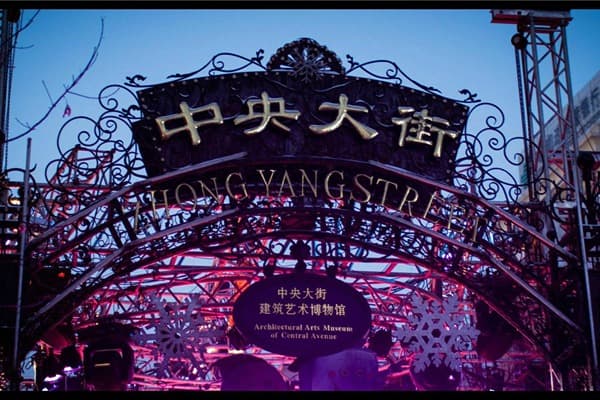
At night, shopfronts, building lighting and moving pedestrians become part of the composition. Keep people in the frame when you want to show how the street is used, or wait for a gap when concentrating on a building.
Lighting is an operating arrangement, so there is no single year-round minute when the whole street changes appearance. Sunset and the switching on of particular displays are separate events.
·Winter
Winter gives the walk a particular rhythm: a section outside, a meal or warm drink, then another short outing. Keep the riverfront extension flexible, as exposure there is different from walking between buildings.
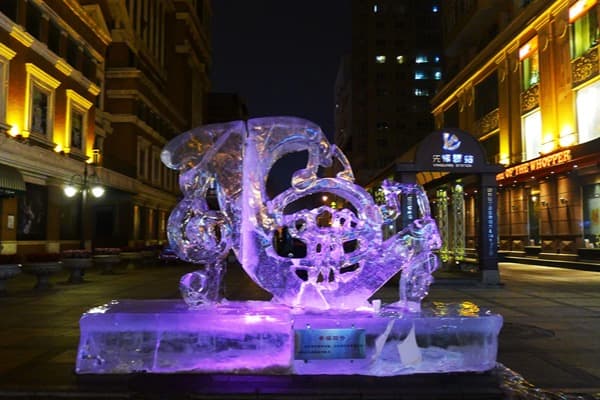
Seasonal ice decorations and displays vary by year and installation programme. They add to the street when present, but the architecture and food provide the core visit throughout the season.
Choose shoes with grip and pay attention where snow has been carried into shop entrances. The rounded paving, compacted snow and wet indoor floors require different footing.
·Spring, Summer and Autumn
Outside winter, it is easier to spend longer on side streets and at the river. Summer encourages a later evening walk, while autumn often suits a more extended daytime architectural outing.
Rain gives the paving a different appearance but makes surfaces and entrances more slippery. Keep indoor stops available rather than treating the entire street as an all-weather outdoor programme.
The quieter, more detailed visit is often the one with fewer objectives: several buildings, one meal and a river view are enough to give the street a clear place in a Harbin trip.
Getting There and Choosing Where to Stay
Zhongyang Dajie station on Metro Line 2 serves the Central Street area. Match the station exit and walking route to the part of the street where you want to begin; the station name covers a location, not every hotel and doorway along the pedestrian route.
For a taxi, specify an accessible road beside your chosen section. Jingwei Street is the reference for the southern end, while a northern finish requires a pick-up point near the riverfront road network.
The pedestrian section itself is not a convenient door-to-door taxi destination. Send your driver a map pin on a road where stopping is allowed, rather than a pin in the middle of the street.
Staying near Central Street is useful when you want several short walks and independent meals. It allows a daytime architectural visit and a separate dinner outing without committing to a full sightseeing day.
Choose the actual hotel entrance carefully. A room advertised as being in the Central Street area may be on a side street, and the most recognisable address is not necessarily the easiest one for luggage.
For travellers who value quiet, ask where the room faces. The advantage of being beside a lively commercial street comes with activity outside, particularly during busy evenings.
If your hotel is in Songbei, combine the street with other south-bank plans. A cathedral visit, meal and selected Central Street walk make better use of the journey than crossing the river for a brief photograph alone.
Planning the Walk with Children or Older Travellers
Choose a section with a clear start, a seated break and an agreed finish. This makes the outing easier to shorten without turning the return into a second full-length walk.
For children, alternate looking with doing: notice a building detail, choose a snack, then continue to the next landmark. A long sequence of architectural explanations is unlikely to hold the same interest as a few distinctive stops.
For older travellers, the main considerations are standing, footing and access to a seat. A restaurant break is more dependable than planning around an empty outdoor bench in winter.
Keep shopping until later in the walk where possible. Carrying several bags makes photography, balance and putting gloves back on more awkward.
Pushchairs and wheelchairs require attention to paving, accumulated snow, kerbs and the entrances of individual businesses. The pedestrian setting reduces traffic along the main stretch, but it does not make every doorway step-free.
If companions want different lengths of walk, arrange a meeting inside a named business where everyone is welcome to wait, or at an agreed outdoor landmark for a short interval. Avoid separating without a clear plan in a crowded evening street.
Fitting Central Street into a Harbin Itinerary
Central Street is most rewarding when it has a defined role in the day: a first introduction to the city, an architectural half-day or an evening meal after another outing.
For an arrival afternoon, use a short central section and dinner near the hotel. Leave the riverfront and a more detailed building walk for another day if the journey to Harbin has already been long.
For a city-focused day, begin around Saint Sophia, eat before or during the Central Street walk, and finish with a short look at the Songhua River. This keeps the geographical movement clear and leaves room to shorten the final section.
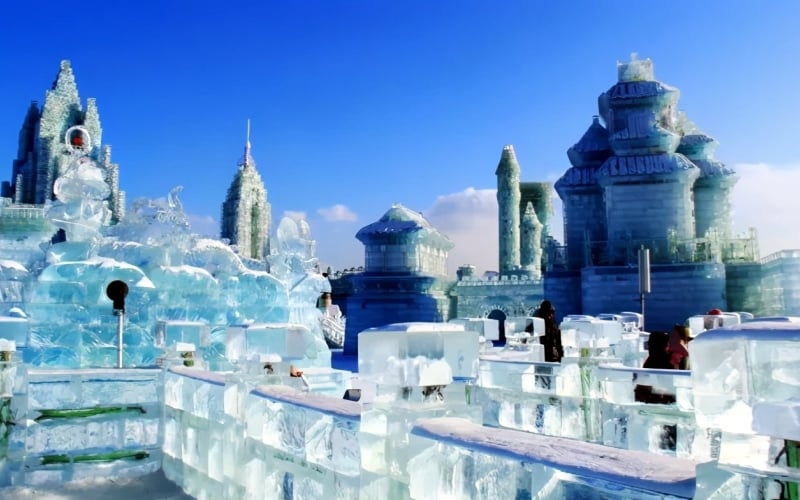
On a day that includes a large winter exhibition, make Central Street the lighter element. A selected walk and meal are more realistic than an extended architectural visit followed by several hours in an outdoor park.
Silk Road Travel's 3 Days Harbin City Tour includes Central Street and Saint Sophia alongside the winter exhibitions. Its published sightseeing day is concentrated, so travellers interested in buildings and leisurely meals should discuss additional city time.
The 5 Days Harbin Winter Tour with Yabuli Skiing places Central Street within a wider winter journey. That approach suits visitors seeking skiing as well as city sightseeing; the available street time should be assessed alongside the departure arrangements.
Central Street FAQs
·Is Central Street free to visit?
Yes. Walking along the public pedestrian street does not require an attraction ticket. Restaurants, shops and any separately operated indoor experiences charge for their own services.
·Is Zhongyang Dajie a different place?
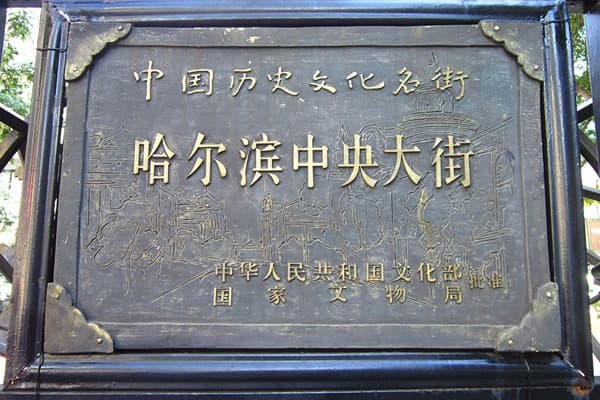
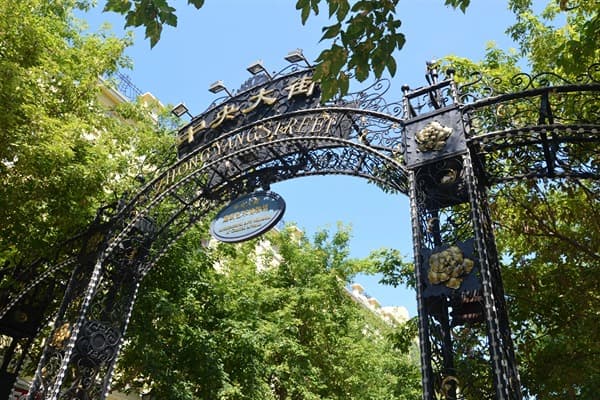
No. Zhongyang Dajie is the Chinese name for Central Street. Save both names when using maps or communicating with a driver.
·Is Saint Sophia Cathedral on Central Street?
No. It is in the surrounding Daoli sightseeing area and requires a separate walk or short road connection.
·Can I visit late at night?
The street and the businesses along it have different arrangements. For a food-focused visit, arrive while your chosen restaurants are serving rather than treating the pedestrian street as a single attraction with one closing time.
·Is it worth returning after seeing it during the day?
Yes, if you enjoy evening street photography or want dinner in the area. Keep the second visit shorter and focus on the illuminated section that interests you.
·Can I walk across the frozen river to reach the northern attractions?
Use the operating road or public-transport connections. Riverbank sightseeing and managed ice activities are separate from a journey to Sun Island or other north-bank attractions.