



Harbin Food Guide: What to Eat
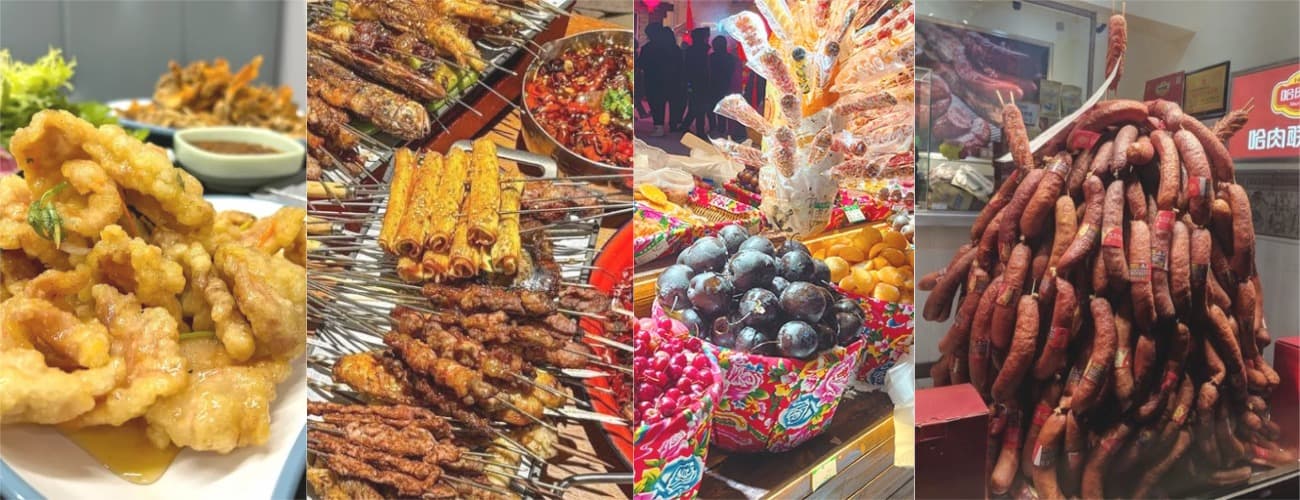
Start with Guo Bao Rou (锅包肉), a shared plate of crisp sweet-and-sour pork, then try dumplings or an iron-pot stew for a more filling meal. Between sightseeing stops, Harbin red sausage (哈尔滨红肠), firm Da Lie Ba bread (大列巴) and a Modern ice cream bar (马迭尔冰棍) offer a different side of the city's food. A breakfast of hot soya milk and freshly fried dough sticks is an easy way to begin the day.
This Harbin food guide explains flavours, Chinese menu names and sensible quantities. Some foods have strong links to Harbin; others belong to northeastern cooking or are popular across China. Choose one shared restaurant meal, leave room for a snack, and check ingredients whenever a dietary requirement matters.
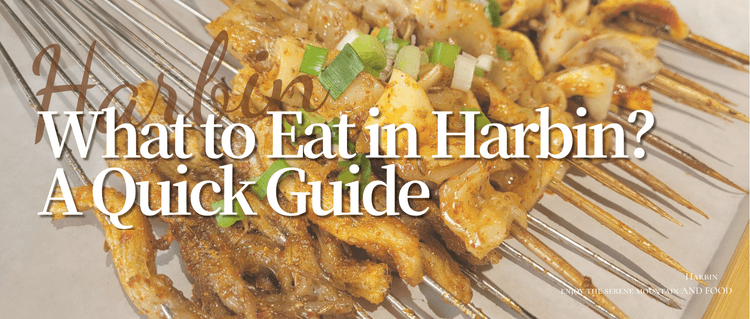
What to Eat in Harbin: A Quick Guide
Show these Chinese names to staff or search a menu. “Best for” describes the eating occasion.
| Food | Chinese name | What to expect | Best for |
| Guo Bao Rou | 锅包肉 | Crisp pork; sweet vinegar glaze | Shared main |
| Jiaozi | 饺子 | Wheat dumplings; varied fillings | Simple meal |
| Di San Xian | 地三鲜 | Aubergine, potato and green pepper | Shared dish |
| Tie Guo Dun | 铁锅炖 | Meat or fish simmered in a large pot | Unhurried group meal |
| Shaokao | 烧烤 | Grilled skewers; seasoning varies | Casual supper |
| Youtiao / Doujiang | 油条、豆浆 | Fried dough sticks and soya milk | Breakfast |
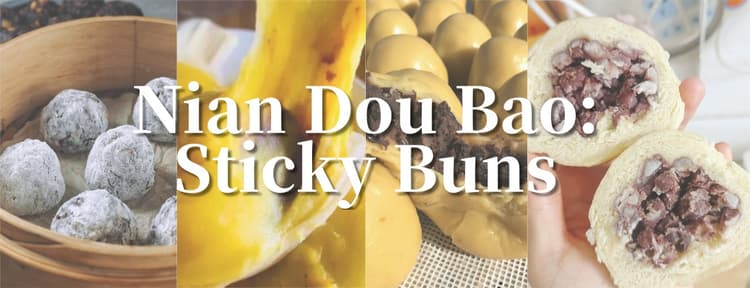
| Nian Dou Bao | 粘豆包、黏豆包 | Sticky grain wrapper; bean filling | Breakfast or snack |
| Modern ice cream bar | 马迭尔冰棍 | Rich, milky frozen bar | Single snack |
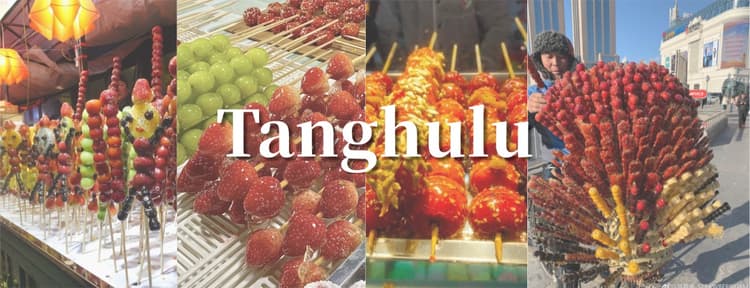
| Tanghulu | 冰糖葫芦 | Fruit with a brittle sugar shell | Street snack |
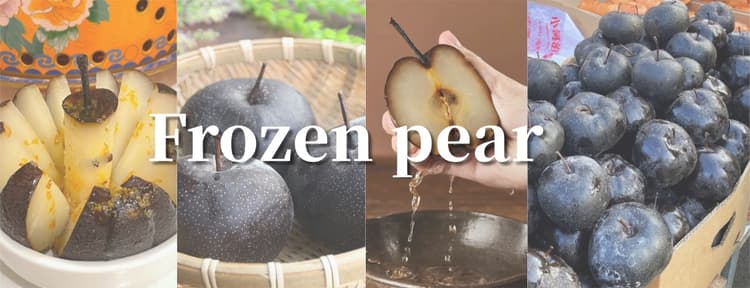
| Frozen pear | 冻梨 | Juicy fruit after thawing | Seasonal treat |
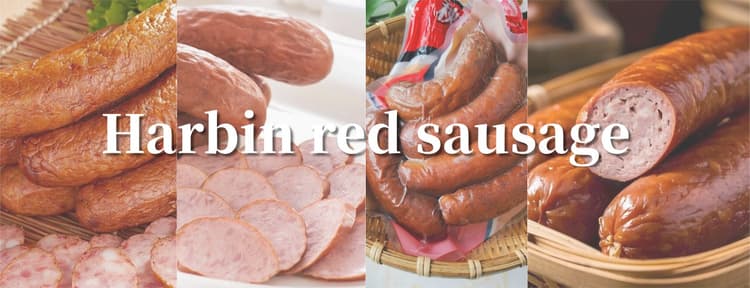
| Harbin red sausage | 哈尔滨红肠 | Firm, savoury smoked sausage | Snack or takeaway |
| Da Lie Ba | 大列巴 | Substantial, slightly sour bread | Sliced accompaniment |
Harbin Dishes and Local Specialities to Try
Guo Bao Rou: Crisp Sweet-and-Sour Pork
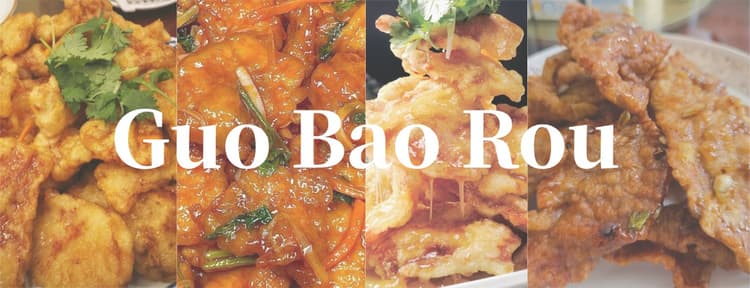
Guo Bao Rou (锅包肉) is a strong first choice for exploring Harbin dishes. Pork slices receive a starch coating, are fried and quickly tossed with a sweet-and-sour sauce. Expect a crisp exterior, tender meat and a noticeable vinegar aroma, rather than the thick red sauce familiar from some overseas Chinese restaurants.
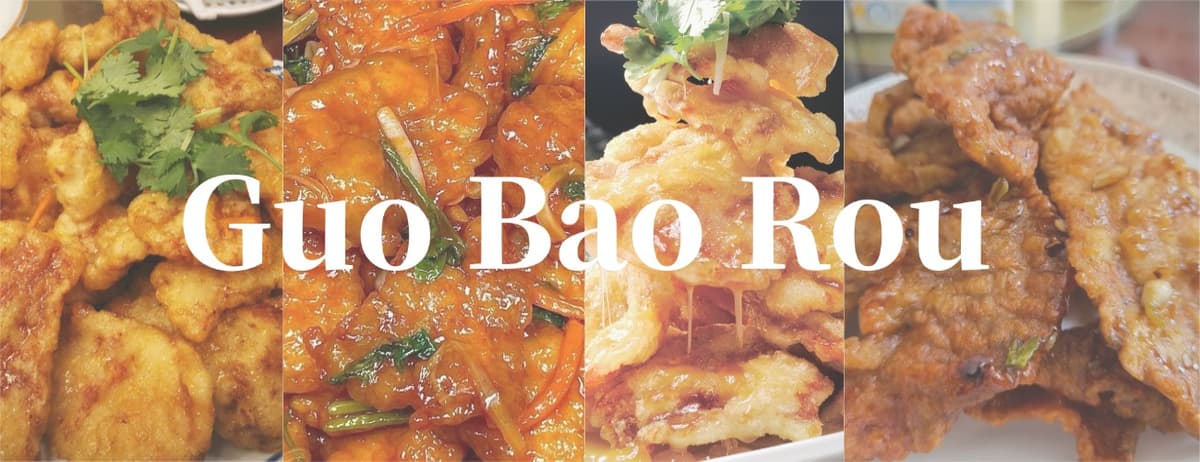
Local reporting confirms its close association with Harbin. Recipes vary between restaurants and regions.
Order one restaurant portion to share and eat it soon after it arrives, while the coating is crisp. Rice and a simpler vegetable dish make a useful pairing. A takeaway cup from a stall is a snack-sized purchase, not necessarily equivalent to a restaurant plate.
Jiaozi: Dumplings with a Choice of Fillings
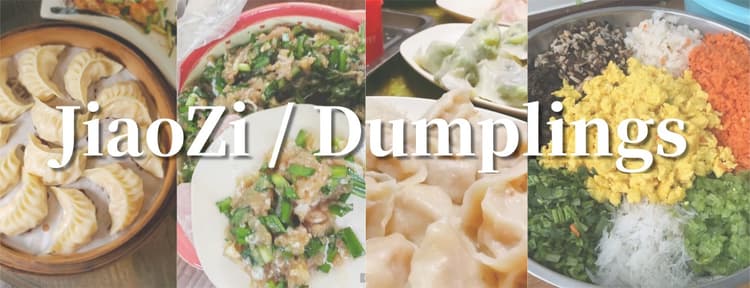
Jiaozi (饺子) are common across northern China and particularly useful for a straightforward meal in Harbin. Boiled dumplings have soft wheat wrappers around fillings such as pork and cabbage, pork and celery, or egg and vegetables. Fried versions have a different texture; check the cooking method as well as the filling.
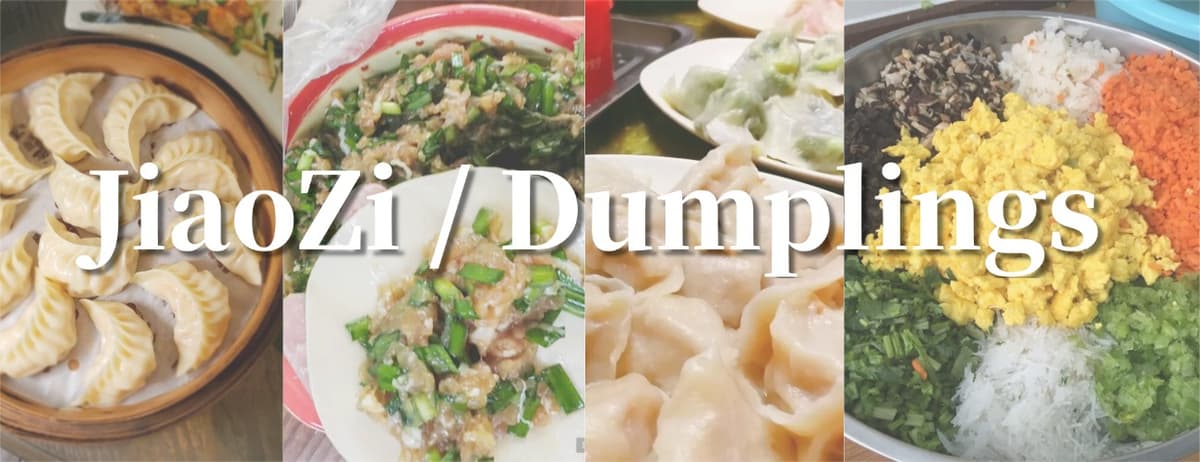
Look for 猪肉白菜 for pork and cabbage, and ask what 三鲜, or “three ingredients”, contains. That name does not specify a universal recipe and may include prawns, meat or egg. Do not treat a vegetable-sounding name as an ingredient guarantee.
Ask how many dumplings come in an order before choosing two fillings. If they are the main meal, one vegetable side may be enough.
Di San Xian: Aubergine, Potato and Green Pepper
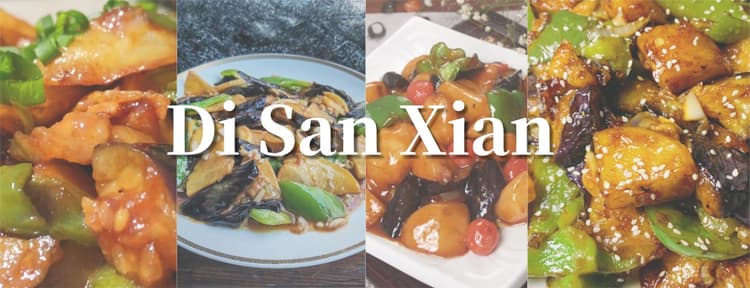
Di San Xian (地三鲜) is a northeastern dish of aubergine, potato and green pepper, usually fried and finished in a savoury sauce. The aubergine becomes soft, the potatoes more substantial, and the peppers provide contrast. It is satisfying with rice, but it is not a light bowl of steamed vegetables.
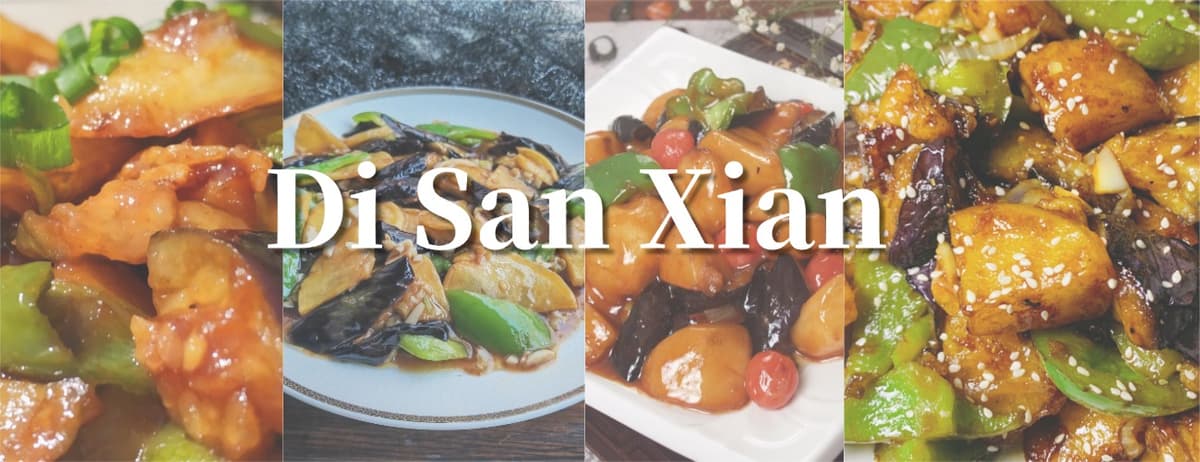
Choose it when you want a vegetable-centred shared dish with plenty of flavour. If your other choice is fried pork, consider simpler greens instead to avoid making the whole meal heavy. Vegetarian and vegan diners should confirm the cooking fat, sauce and any stock used.
Tie Guo Dun: A Shared Iron-Pot Stew
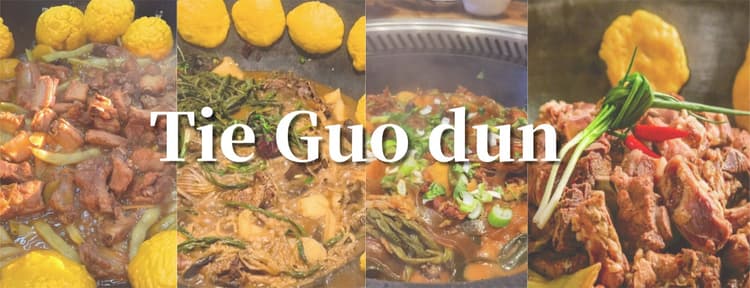
Tie Guo Dun (铁锅炖) turns dinner into a slower shared meal. A large iron pot holds meat or fish with vegetables and other additions; chicken, goose, ribs and fish are among the combinations documented in local reporting. This is a northeastern dining style, not a dish exclusive to Harbin.
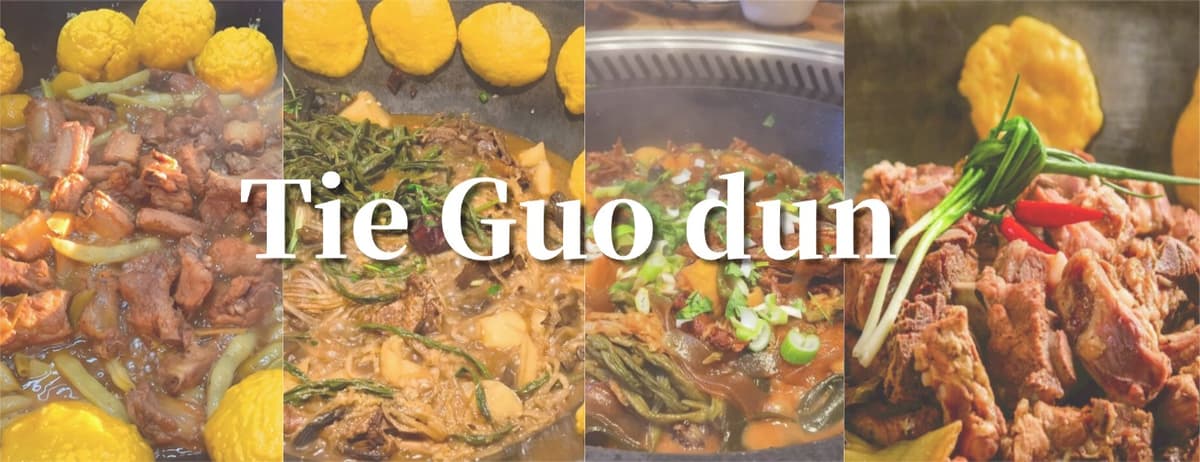
Ask for the smallest suitable pot and the number of diners it serves. Check whether vegetables, bread or other staples are included, and whether extras are charged separately. A large advertised set may be designed for a group, even if its headline price looks attractive.
Allow cooking time before a timed visit, and expect bones in some fish or meat versions. For two people, the pot can be the whole meal.
Shaokao: Grilled Skewers for a Casual Supper
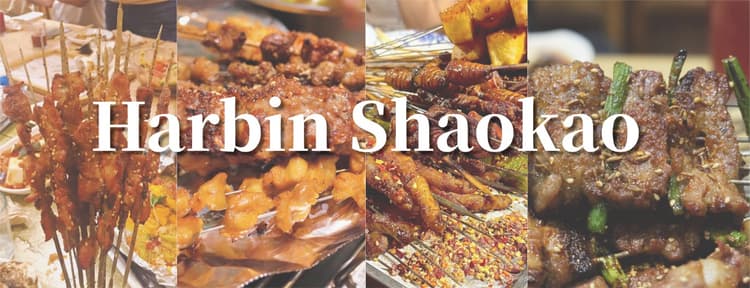
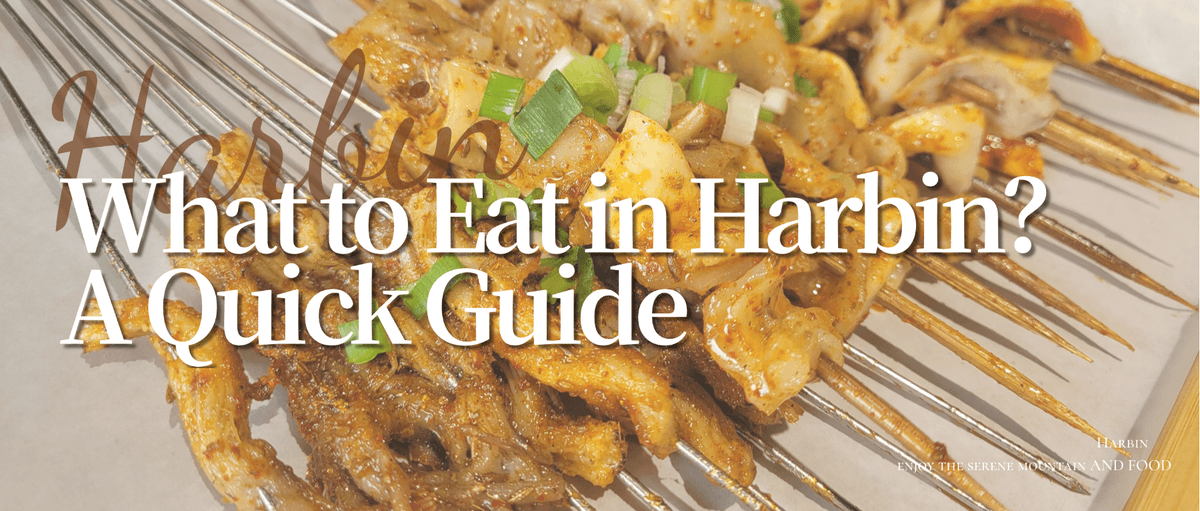
Shaokao (烧烤) is widely available in China, and barbecue is also part of Harbin's local dining scene. Menus can include meat, mushrooms and other vegetables. Lamb with cumin offers a different flavour from sweet-and-sour pork, although seasoning and cuts vary by shop.
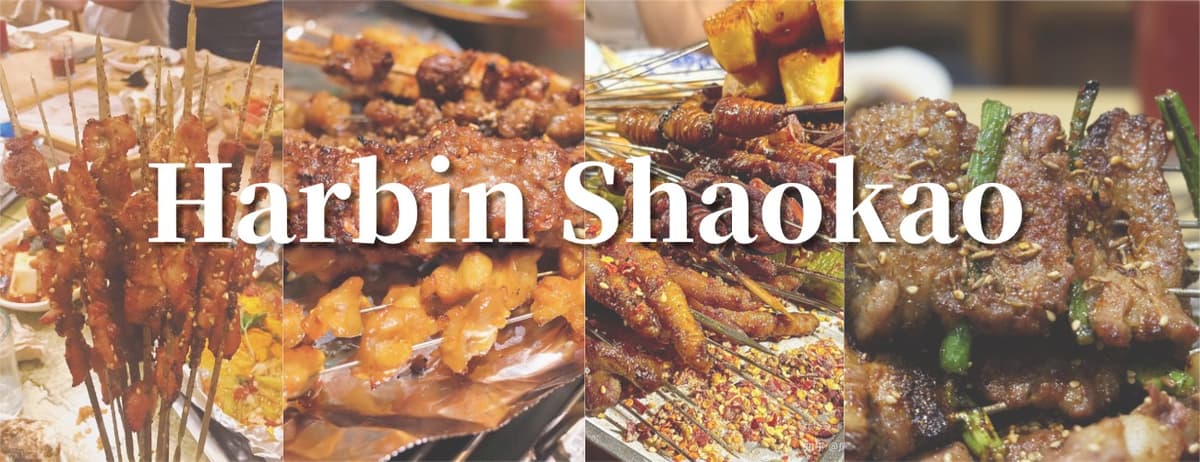
Start with a few skewers of each choice, then add more if hungry. Confirm whether the price is per skewer or per bundle, especially for very small skewers. Request no chilli before cooking if needed; spice may already be present in a marinade or seasoning mix.
Breakfast, Snacks and Sweet Treats
Youtiao and Doujiang: A Simple Hot Breakfast
Youtiao (油条) are long fried dough sticks; doujiang (豆浆) is soya milk, often served hot. The combination is common across China rather than a Harbin invention. Fresh dough sticks have a crisp surface and airy centre, making them a useful alternative to a hotel buffet.
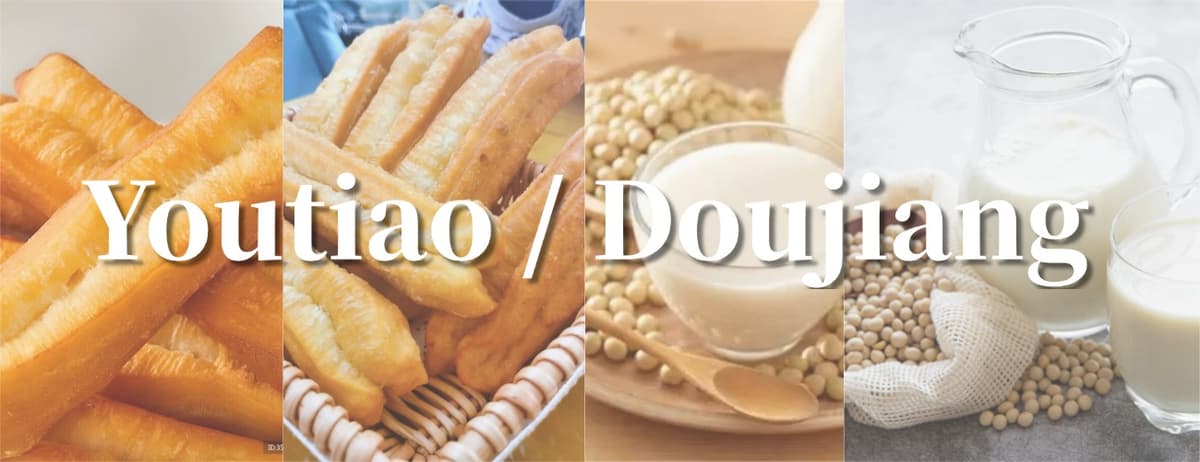
Ask whether the soya milk is sweetened. Reporting from Hongzhuan Street's morning market confirms this breakfast combination there. Before an early transfer, choose a shop near your hotel rather than crossing town for the market.
Nian Dou Bao: Sticky Buns with Bean Filling
Nian Dou Bao (粘豆包, also written 黏豆包) have a chewy wrapper made from sticky grains and a bean filling. Yellow millet and glutinous rice versions both occur in northeastern food traditions; Heilongjiang agricultural reporting documents several variations. They are denser than a fluffy wheat bun.
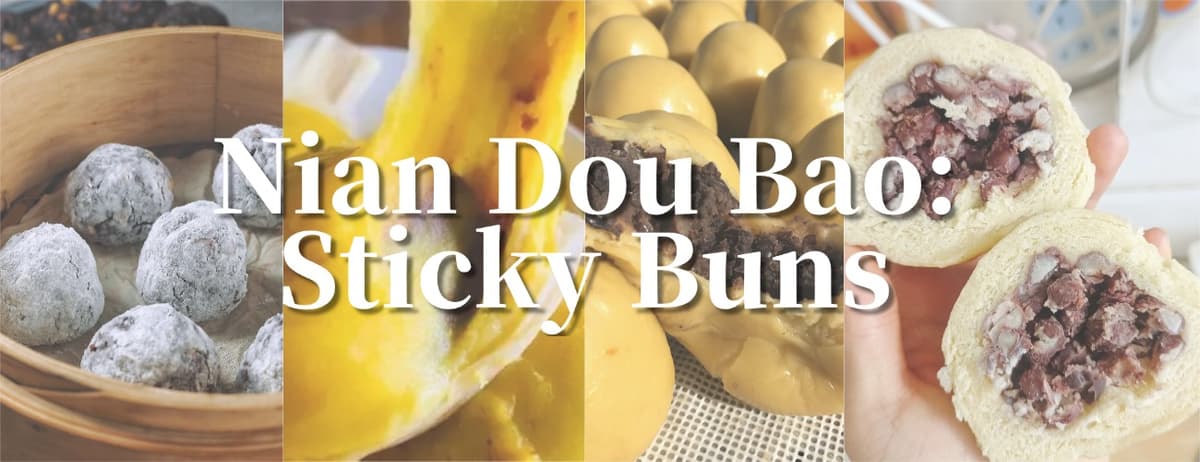
Try one warm bun before buying a bag. Confirm whether a stall is selling ready-to-eat buns or frozen products intended for steaming at home. These are particularly associated with cold-season eating, and individual vendors' availability varies.
Modern Ice Cream Bars
Modern ice cream bars (马迭尔冰棍) are closely associated with Central Street. The familiar milky bar is rich and smooth; the brand also sells other flavours and shaped products. A 2026 Heilongjiang Daily report identifies milk and egg in the classic formulation, so it should not be assumed suitable for dairy-free or egg-free diets.
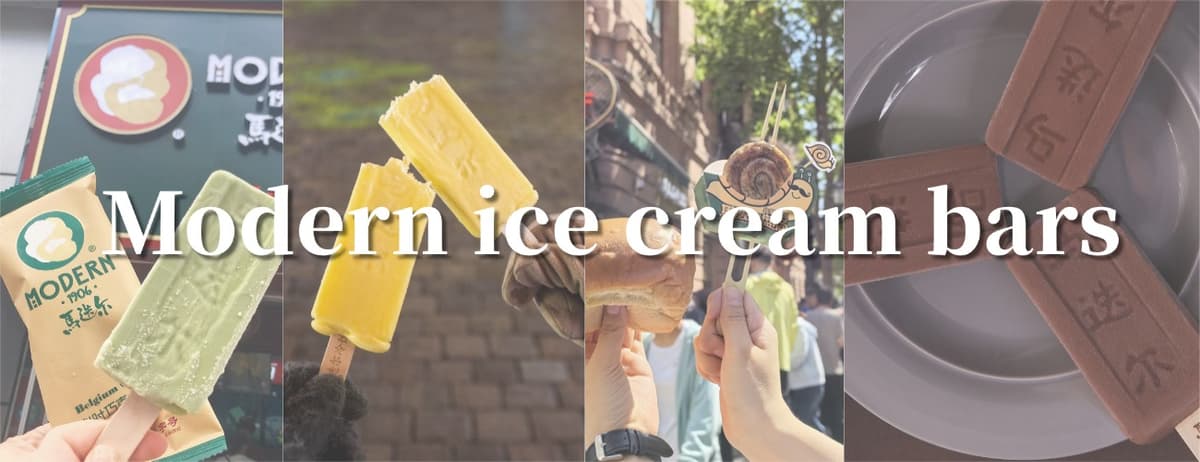
Check the price per bar for your chosen flavour. This is a year-round treat, also popular with winter visitors; there is no need to stay outside to finish it.
Tanghulu: Fruit Under a Crisp Sugar Shell
Tanghulu (冰糖葫芦) combines fruit on a skewer with a hard sugar coating. Traditional hawthorn gives a tart contrast to the sweetness; other fruit versions are also sold. This is a northern Chinese snack found in Harbin, not a food invented by the city.
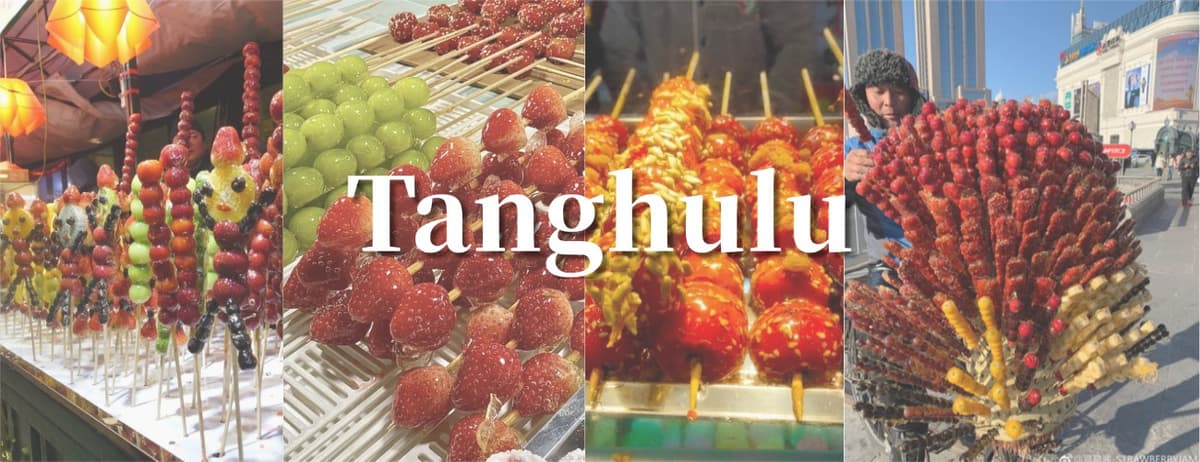
Buy one skewer to share if you are already planning a substantial meal. Ask whether hawthorn has been deseeded, especially when buying for children, and take care with the pointed stick. Filled or mixed-fruit versions need their own ingredient check.
Frozen Pear: A Seasonal Northeastern Treat
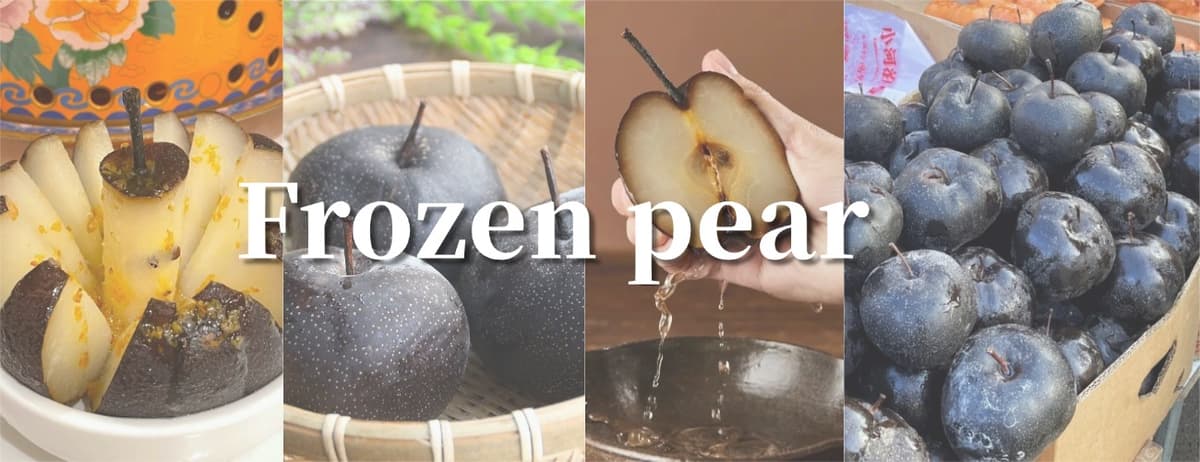
Frozen pear (冻梨) is associated with northeastern winter markets. Freezing darkens the skin and changes the texture; after thawing, the fruit is soft and juicy rather than crisp like a fresh pear. Look for it in cold-season fruit displays, but do not assume year-round availability.
Ask whether it is ready to eat or needs thawing. Choose a prepared portion for immediate eating; a frozen-pear-flavoured drink is a different purchase.
Russian-Style Food in Harbin
Harbin Red Sausage: Smoked and Savoury
Harbin red sausage (哈尔滨红肠) has a firm bite and a smoky, savoury flavour. It differs from the sweet dried Chinese sausage often used in fried rice. Heilongjiang's heritage account of Qiulin Lidaosi sausage describes a pork-and-beef preparation and a smoking process; other producers' recipes must be checked individually.
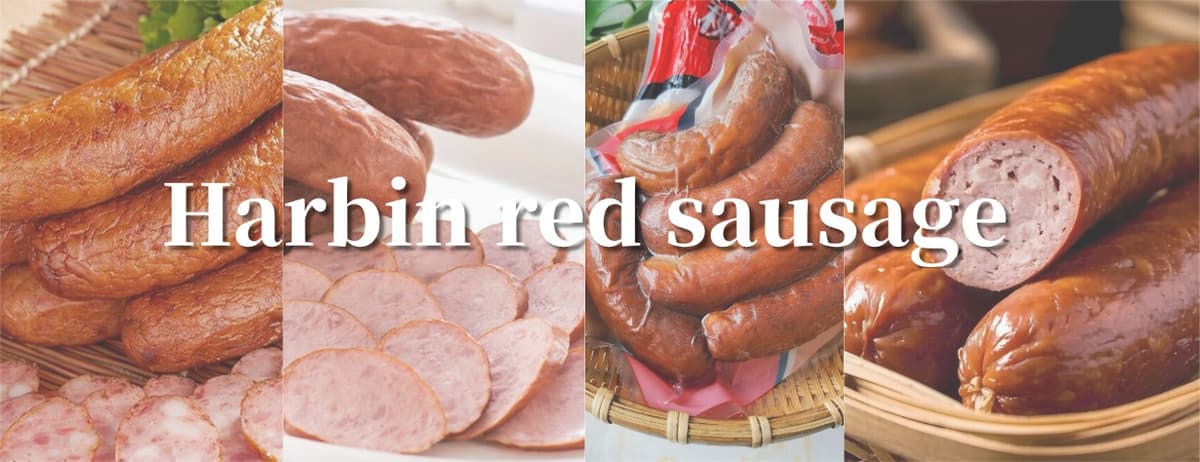
A small sliced portion works alongside bread or as a snack. Ask whether a counter sells it by weight, by whole sausage or in a sealed pack. Before taking it away, check the product's storage instructions rather than assuming all smoked sausage can stay unrefrigerated.
Da Lie Ba: Substantial Russian-Influenced Bread
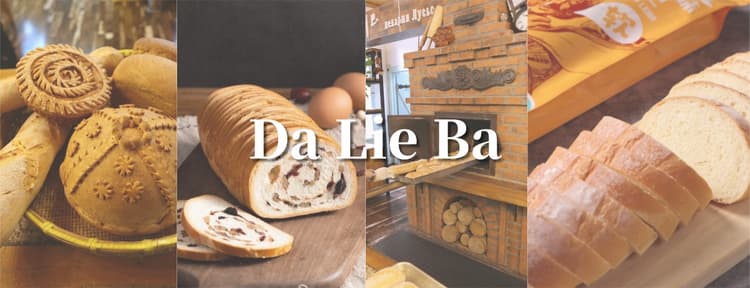
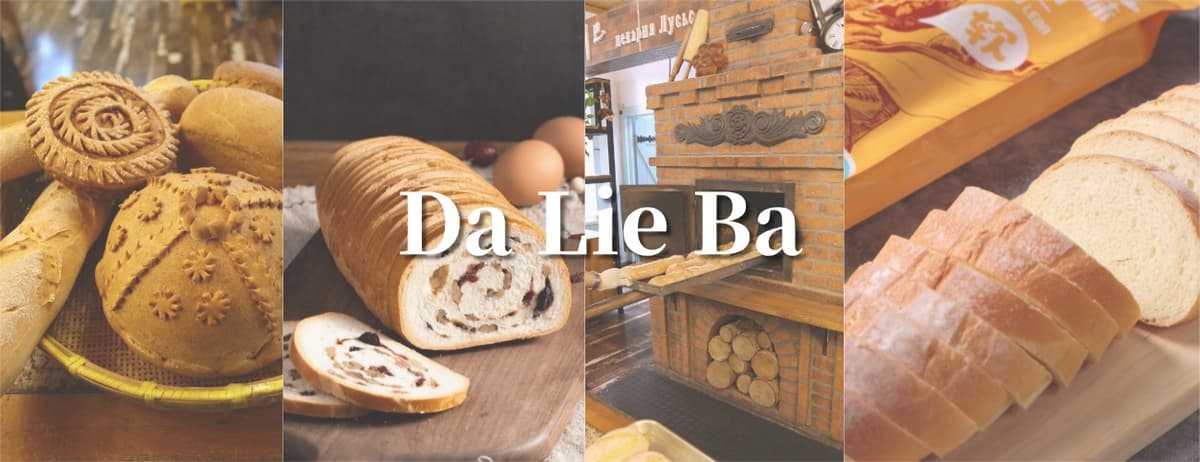
Da Lie Ba (大列巴) is bread with strong links to Harbin's Russian-influenced food culture. Traditional Qiulin bread is substantial and slightly sour, with a firm crust and dense texture, as described in reporting on its production. It is not necessarily the dark rye bread visitors may expect from the name.
Try slices with sausage, or with butter and jam where offered. A whole loaf can be too much for a short stay, so ask about smaller sizes or cut portions. Nut-and-raisin breads sold under similar names have different ingredients and should not be treated as the same recipe.
Choosing a Sit-Down Russian-Style Meal
Harbin Russian food also includes restaurant meals rather than just bakery and sausage purchases. Expect menus that may combine soups, pot-baked meat, fish and bread with a broader selection of Western dishes. Local adaptation is part of the experience; a Russian-themed interior does not establish that every recipe is a traditional Russian version.
Check whether a set includes soup, bread and a main, how many people it serves, and whether drinks are extra. Allow more time and budget than for a dumpling meal.
Where to Eat in Harbin
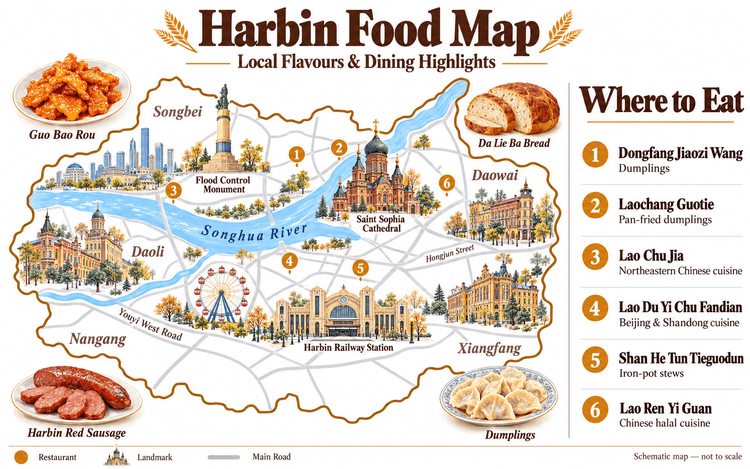
Central Street and nearby streets in Daoli are convenient for combining sightseeing with snacks, bakeries and Russian-style dining. The city's official food-route information identifies this area as a concentration of Western-style restaurants and established food businesses. Compare menus on side streets as well as the pedestrian street, and check the exact branch on your map.
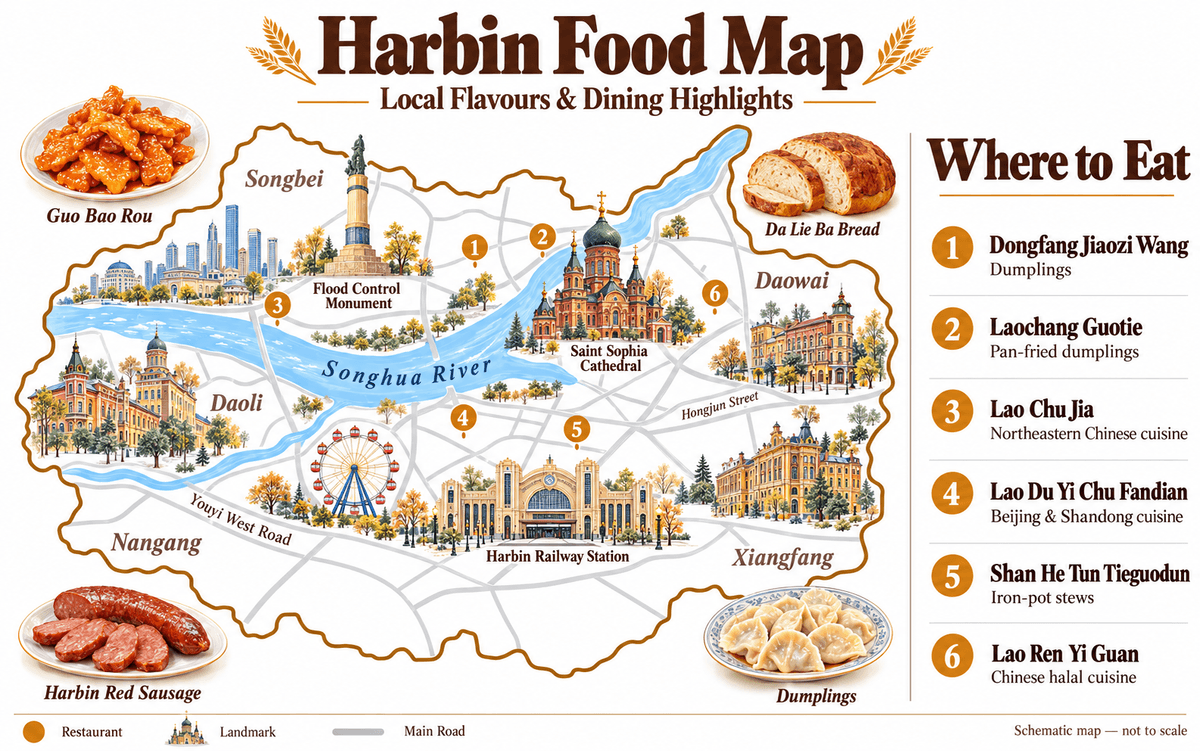
Hongzhuan Street morning market suits breakfast browsing. Buy small quantities and confirm current arrangements locally; compare each stall's prices and portions.
Daowai and the Chinese Baroque area combine older streets with snacks or a northeastern meal. Check current menus rather than assuming every business specialises in local food. Nangang's Guogeli Street and Haxi areas are other options near hotels or onward transport.
Neighbourhood restaurants suit everyday meals; shopping-centre dining offers choices in one indoor stop. Neither is automatically cheaper than a tourist street. Compare prices and portions, and check whether staff can take your order without a Chinese app.
How to Order Northeastern Food
For two adults, start with one shared main, one vegetable dish and modest amounts of a staple. For example, Guo Bao Rou, a plate of greens and a small bowl of rice each make a useful first order. This is a suggested combination, not a fixed restaurant set; add another dish after seeing the portions.
If choosing dumplings, use them as the staple or the main rather than automatically adding them to a full rice-based meal. For iron-pot stew, first confirm the smallest pot, minimum order and included additions. Ask about cooking time before committing.
On menus, 份 means a portion, 个 an individual item, 串 a skewer, and 套餐 a set. Weight-based prices need extra care: in mainland China, 斤 normally means 500 grams, while 公斤 means one kilogram. Ask the vendor to confirm the total weight and cost before slicing sausage or packing food.
These phrases help with initial questions. Replace the allergen and discuss preparation separately.
No chilli, please.
— 请不要放辣椒。
Could you serve the sauce separately?
— 可以把酱汁单独放吗?
I do not eat meat or fish. Does this contain meat stock or animal fat?
— 我不吃肉和鱼。这里面有肉汤或动物油吗?
I am allergic to peanuts, not just avoiding them.
— 我对花生过敏,不是口味偏好。
Are shared oil, utensils or surfaces used for foods containing peanuts?
— 会使用做过含花生食物的油、厨具或操作台吗?
How many people does this portion serve?
— 这一份适合几个人吃?
A sauce-separation request may not suit a wok-finished dish. If staff cannot clarify ingredients or preparation, choose another option.
Food Costs in Harbin
The following are editorial planning allowances, not current menu quotations. They allow room above older low-cost examples: TravelChinaGuide lists selected simple meals around CNY 30–50 per person, while January 2025 local reporting describes some iron-pot dining around CNY 60–70 per person. Neither establishes a citywide price today.
| Eating occasion | Allowance in CNY | Unit and conditions |
| Simple breakfast | 15-30 | Per person per breakfast; local shop, not hotel buffet |
| Ordinary lunch or dinner | 40-80 | Per person per meal; modest shared dishes or dumplings; no alcohol |
| Fuller or Russian-style meal | 100-180 | Per person per meal; planning cushion, not a set-menu price |
| Small snack | 5-20 | Per item or small portion; premium products can exceed this |
| Coffee or café drink | 15-35 | Per cup; allowance, not a citywide tariff |
A simple day's example is CNY 20 for breakfast, CNY 50 for lunch, CNY 70 for dinner and CNY 25 for a snack and drink: CNY 165 per person per day. For two adults, that is CNY 330 in total, with restaurant sharing already reflected in the per-person allowances. It excludes alcohol, hotel breakfast charges and transport to restaurants.
Sharing spreads the cost of full dishes; solo diners may pay more for the same selection. Drinks, premium ingredients and extra snacks raise the bill. Compare the final order total, including charged accompaniments, rather than a platform's “average spend”. For wider planning, see the Harbin winter travel cost guide.
Vegetarian Options, Allergies and Dietary Needs
Vegetable dishes, tofu and some dumplings can provide starting points, but a vegetable name does not establish a vegetarian recipe. Ask about meat stock, lard, oyster sauce and hidden meat in the filling. Vegans also need to specify no egg or dairy; “I do not eat meat” alone leaves those requirements unclear.
Check sausage ingredients, bread labels and the filling of every dumpling variety. Wheat wrappers, soya-based sauces, milk, egg, sesame and nuts may matter depending on your needs. A starch-coated pork dish should not be assumed gluten-free without checking the coating and sauce.
For serious allergies, carry a Chinese explanation naming the allergen and the need to avoid cross-contact. Speak with someone who can confirm ingredients and kitchen practice, including shared frying oil and utensils. The Food Standards Agency's guidance explains why a vegan label does not itself guarantee freedom from animal-based allergens.
For halal dining, look for 清真 and verify the individual restaurant's status, ingredients and preparation. A lamb or beef restaurant is not automatically halal. Confirm suitable options before travelling to an outlying attraction, where changing restaurants may take longer.
Planning Meals Around Winter Sightseeing
Eat a proper meal before a long outdoor visit, then keep a snack as a supplement. If visiting daytime snow sculptures followed by evening ice displays, plan a heated meal break and check where it fits geographically. A restaurant across the river may involve more travel than its straight-line distance suggests.
Choose a dinner option near your hotel or return route before leaving for the parks. Confirm its kitchen's last-order time rather than assuming it serves until the attraction closes. Leave room for a hot drink and an indoor pause; a packed schedule can make meals unnecessarily rushed.
For Snow Town or Yabuli, check the accommodation's dining arrangements separately. Ask which meals are included, whether advance orders are needed and how dietary requests will be confirmed. City food choices and budgets do not automatically apply to those stays.
Harbin Food FAQs
What Food Is Harbin Known For?
Guo Bao Rou, Harbin red sausage, Da Lie Ba and Modern ice cream bars are closely associated with the city. Dumplings and iron-pot stew add a broader northeastern Chinese element to a visit.
What Should I Try on My First Visit?
Choose a shared Guo Bao Rou meal or dumplings, then try a small sausage portion and one sweet snack on another outing. This gives more variety than ordering several rich main dishes together.
Is Harbin Food Spicy?
Many familiar dishes are savoury or sweet-and-sour rather than chilli-heavy. Barbecue, sauces and individual stews can still contain chilli, so request your preferred seasoning before ordering.
Is Vegetarian Food Easy to Find?
There are vegetable dishes to investigate, but recipes need checking. Confirm stock, fat and sauce ingredients, and make egg and dairy requirements explicit if you are vegan.
How Much Should I Budget for Meals?
The example above allows CNY 165 per person for a day of ordinary meals, a snack and a drink. It is an editorial estimate; a Russian-style dinner or alcohol requires extra room.
Can I Find Russian-Style Food in Harbin?
Yes, including restaurant meals, bread and sausage traditions. Check the menu, set quantities and inclusions.
Explore Harbin with Silk Road Travel
Browse Silk Road Travel's Harbin tours, including the three-day Harbin city itinerary, to see how city sights fit together. When enquiring, share your dates, group size, dietary requirements and interest in markets or leisurely restaurant stops. Confirm meal inclusions and any food-related arrangements in the written proposal.