



Harbin & Heilongjiang Travel Guide: Things to Do, Best Time and Routes
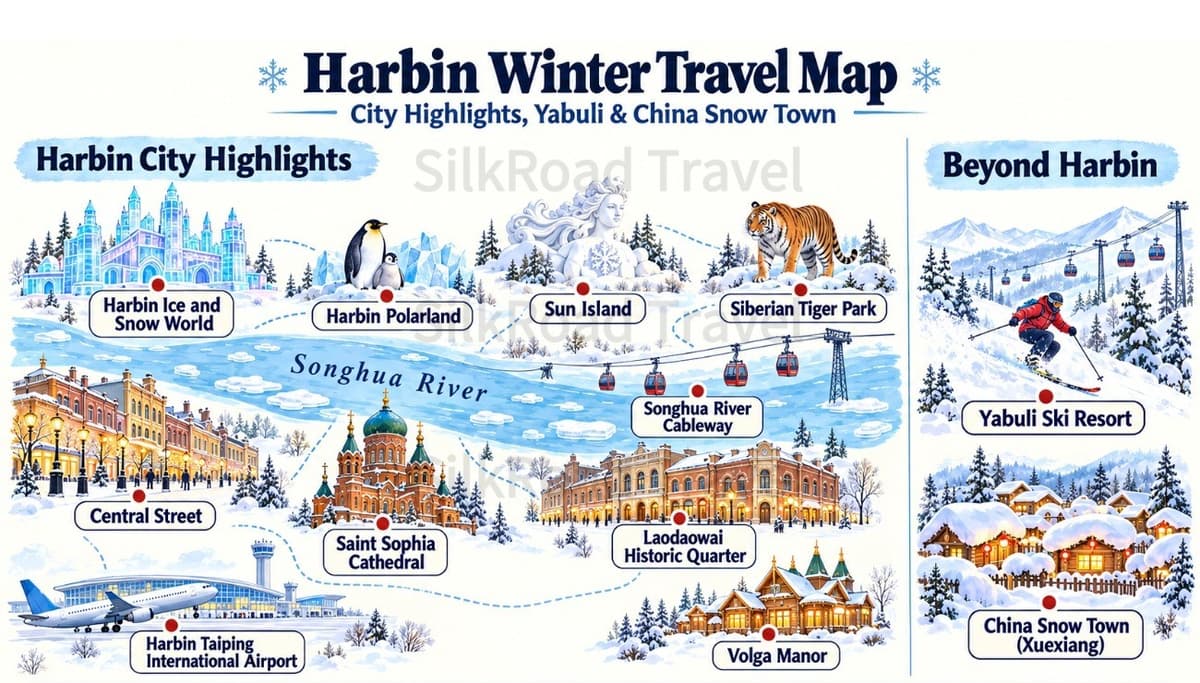
Harbin is famous for its winter ice sculptures, but there is much more to discover beyond the festival grounds. Walk past the red-brick walls of Saint Sophia Cathedral, explore the old shopfronts of Central Street, and settle into a restaurant for crisp sweet-and-sour pork or a warming northeastern stew.
As the capital of Heilongjiang Province, Harbin is also a starting point for exploring a much larger region. Depending on the season, you can add skiing in Yabuli, an overnight stay in China Snow Town, volcanic scenery at Jingpo Lake and Wudalianchi, or a journey north to Mohe.
The key is choosing a route that suits your interests and the time you have. Some destinations work well as short extensions; others require longer transfers and several extra nights. This guide introduces Harbin's city highlights and the main places to visit in Heilongjiang, with practical advice on seasons, transport and itinerary planning.
Recommended Tour Itinerary
6 Days Harbin, China Snow Town & Changbai Mountain Winter TourHarbin - China Snow Town - Changbai Mountain Inquiry |
10-Day Northeast China Winter Tour: Harbin, Changbaishan & ShenyangShenyang - Changbaishan - Hrbin - Snow town Inquiry |
13 Days Northeast China Tour to Harbin & Inner MongoliaHarbin - Qiqihaer - Hailaer - Manzhouli - Heishantou - Ergun - Genhe - Mangui - Mohe - North Pole Village - Jiagedaqi - Heihe - Wudalianchi Inquiry |
Why Visit Harbin and Heilongjiang?
Historic Streets and a Distinctive Food Culture
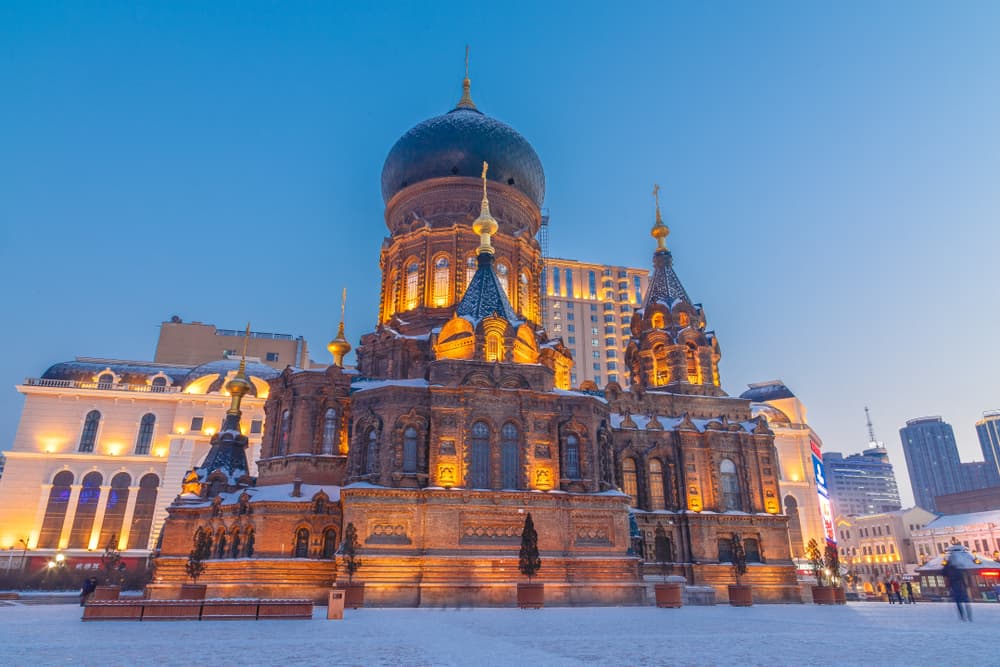
Harbin's Russian-influenced architecture gives the city a character unlike many other destinations in China. Domed churches, European-style facades and old commercial streets reflect its history as a railway and trading centre.
You do not need a detailed architecture itinerary to enjoy this side of Harbin. Begin around Saint Sophia Cathedral, continue to Central Street, and make time for the Songhua River waterfront. Add Laodaowai if you would like to explore another historic neighbourhood and try more local food.
The city's culinary traditions are equally distinctive. Northeastern Chinese dishes sit alongside smoked sausage, Russian-style bread and Western restaurants. Food is an easy way to experience Harbin between sightseeing stops, especially when you need a warm break in winter.
Different Experiences in Different Seasons
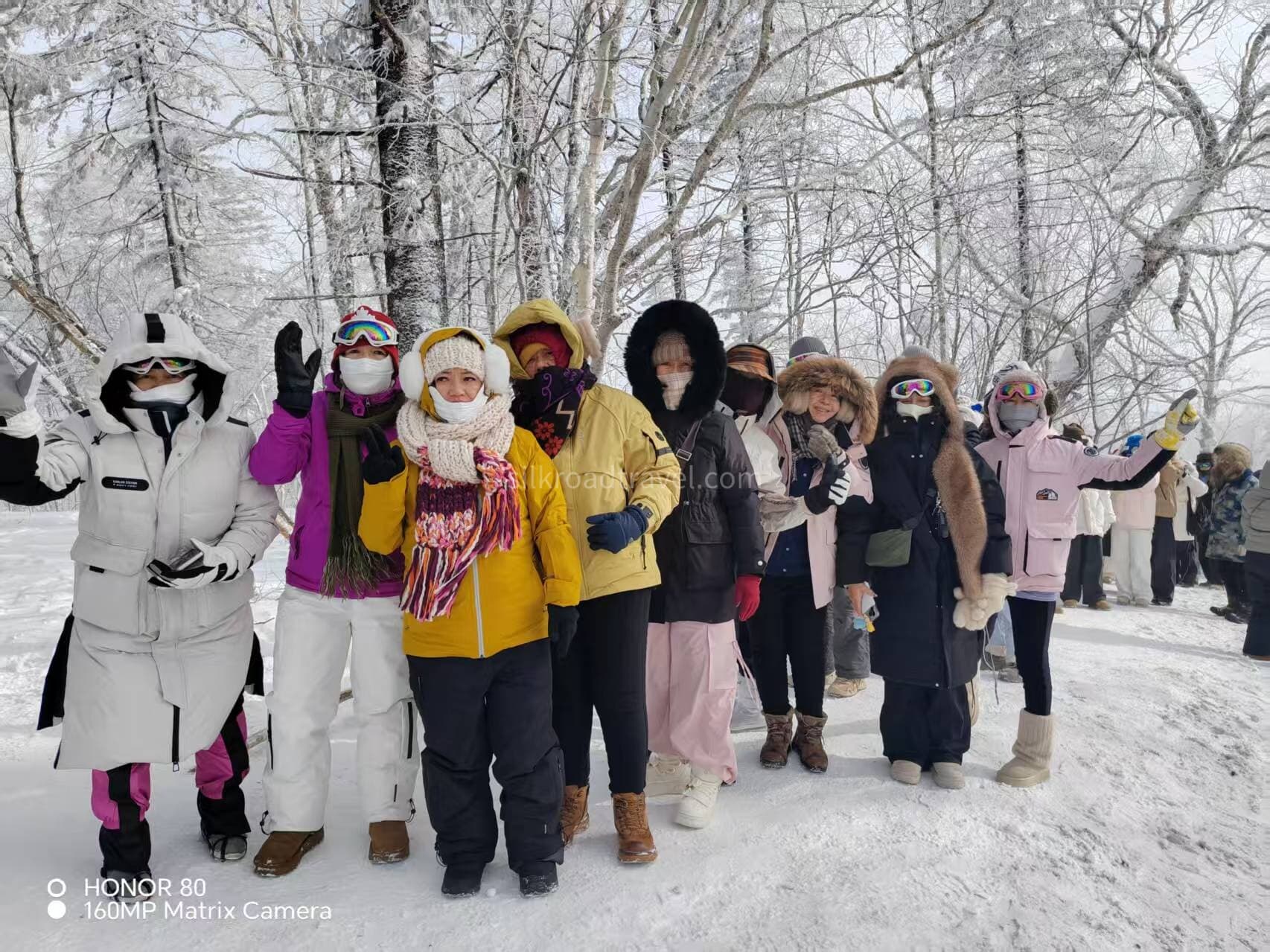
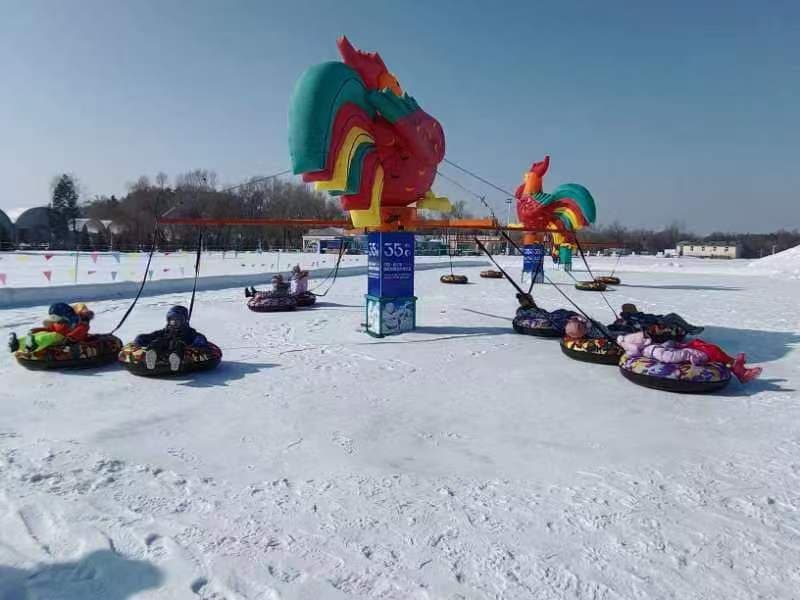
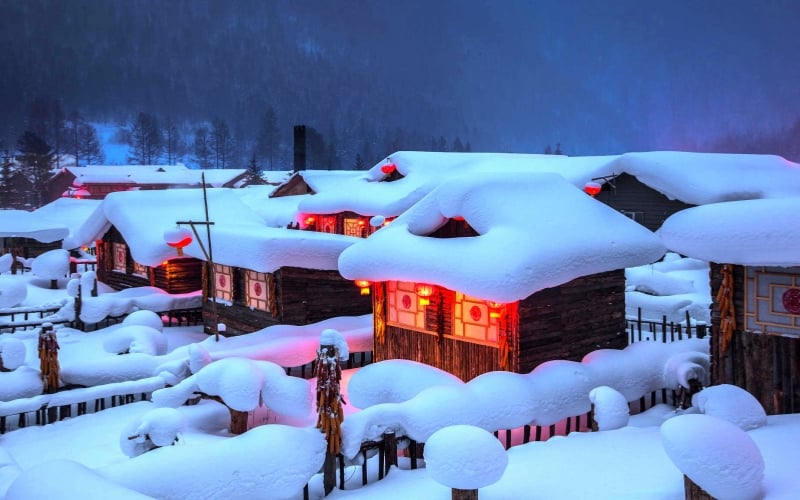
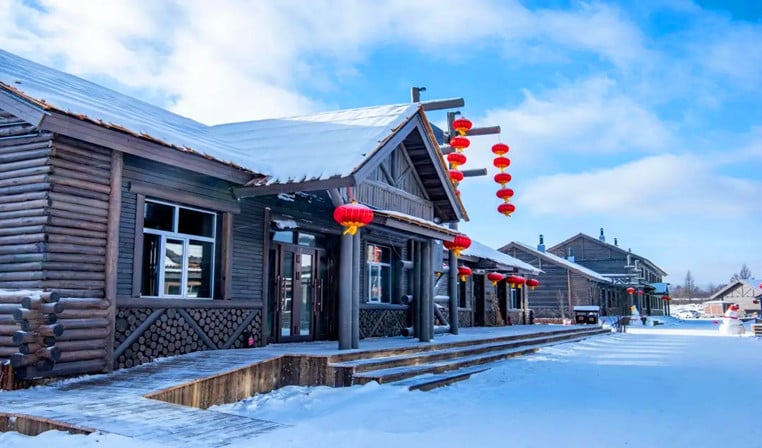
Winter brings illuminated ice sculptures, snow-covered villages and skiing. Summer offers riverfront walks and opportunities to explore lakes, wetlands and forest landscapes. Autumn suits travellers interested in foliage and photography.
Your preferred experience should guide your travel dates. A winter festival trip needs a different route from a summer journey through Heilongjiang's scenic areas. Trying to include every well-known destination in one short visit usually means spending too much time travelling between them.
This is China's true north: winters of −20°C to −30°C that build palaces of ice, and brief, glorious summers of 18–28°C that turn the province into a cool green escape. Our guides, who run trips here year-round, always tell clients the same thing: winter shows you Harbin's spectacle, but summer and autumn reveal the province's wilderness — volcanoes, crater lakes, wetlands, and the taiga forests of the Greater Khingan Range.
Heilongjiang Climate at a Glance
Fact | Details |
Location | Northeast China; borders Russia |
Airport | Harbin Taiping International Airport (HRB), 40 km from downtown |
Best time | Dec–Feb for ice & snow; Jun–Aug for cool summers; Sep–Oct for autumn colors |
Winter temps | −15°C to −30°C (Mohe can dip below −45°C) |
Summer temps | 18–28°C |
Currency | Chinese Yuan (CNY); Alipay and WeChat Pay accept international cards |
Language | Mandarin Chinese; limited English |
Things to do in Harbin: Top Attractions
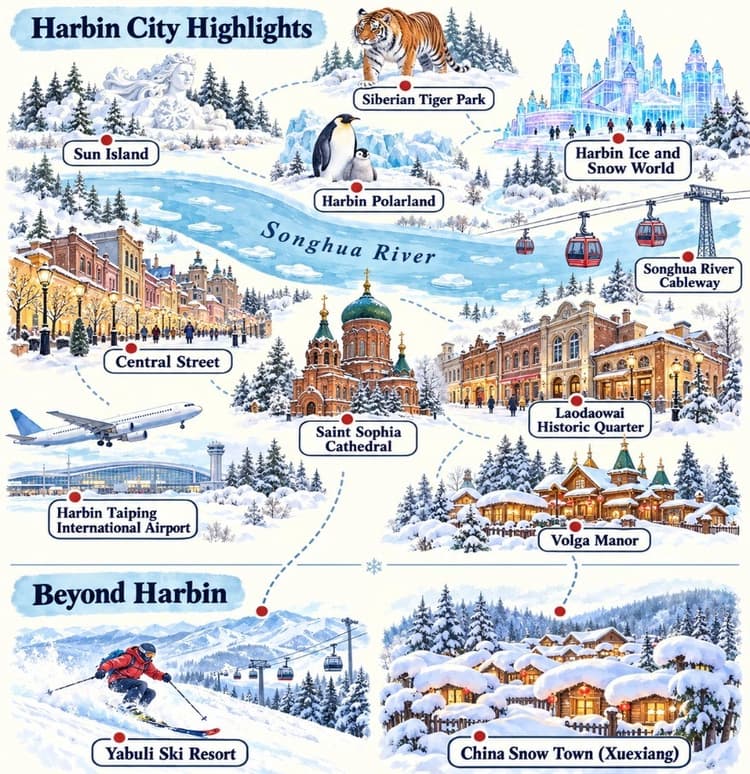
Saint Sophia Cathedral
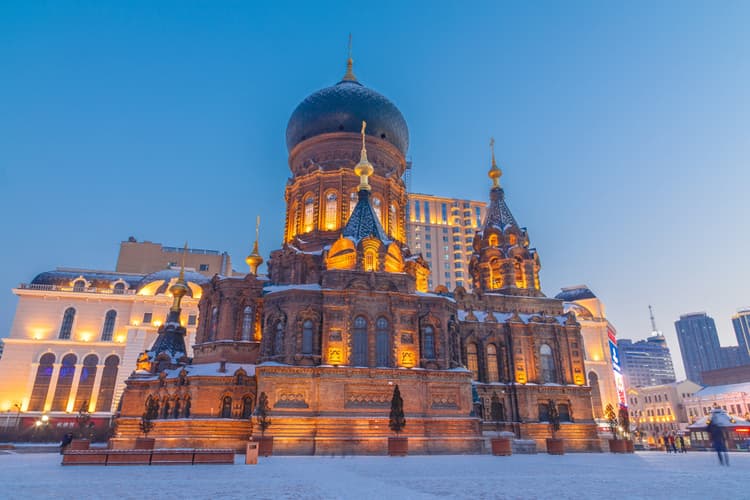
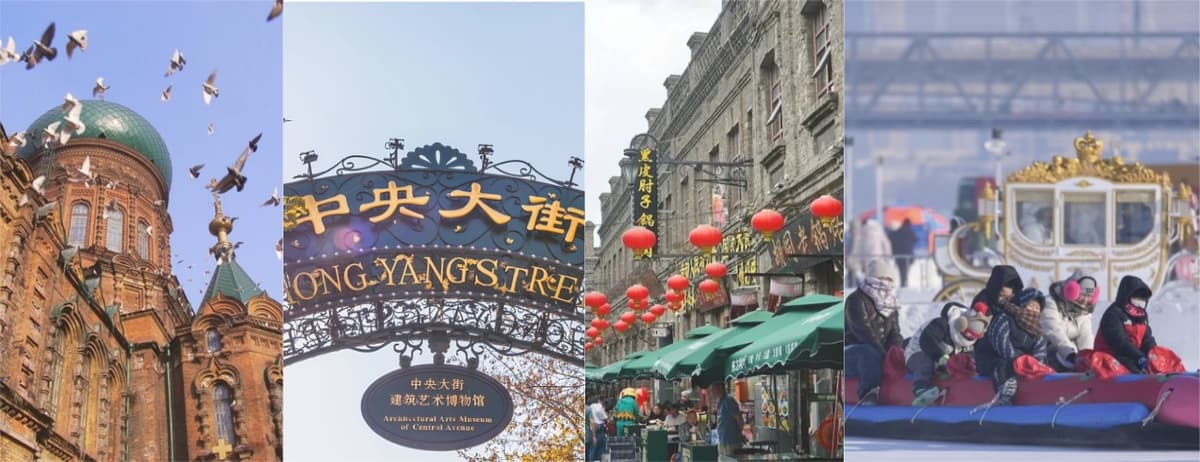
With its green dome and red-brick exterior, Saint Sophia Cathedral is one of Harbin's most recognisable landmarks. The surrounding square is a good starting point for discovering the city's architectural heritage.
Take time to view the building from different angles rather than stopping for a single photograph. You can combine the square with Central Street in the same outing, leaving room for a café or restaurant break along the way. If you would like to enter the building, check the current visitor arrangements separately from access to the square.
Central Street: Architecture, Snacks and Shopping
Central Street, also known as Zhongyang Dajie, is one of the easiest places to get a feel for Harbin. Its pedestrian setting brings together historic buildings, shops, restaurants and familiar local snacks.
Look up at the facades as you walk, then stop to try a Madier ice cream or browse shops selling Harbin sausage and Russian-style bread. The street also works well for an evening stroll when the buildings are illuminated.
In winter, keep your route flexible. Short walks with indoor breaks are often more enjoyable than spending several hours outside without a pause.
Laodaowai: Harbin's Chinese Baroque Quarter
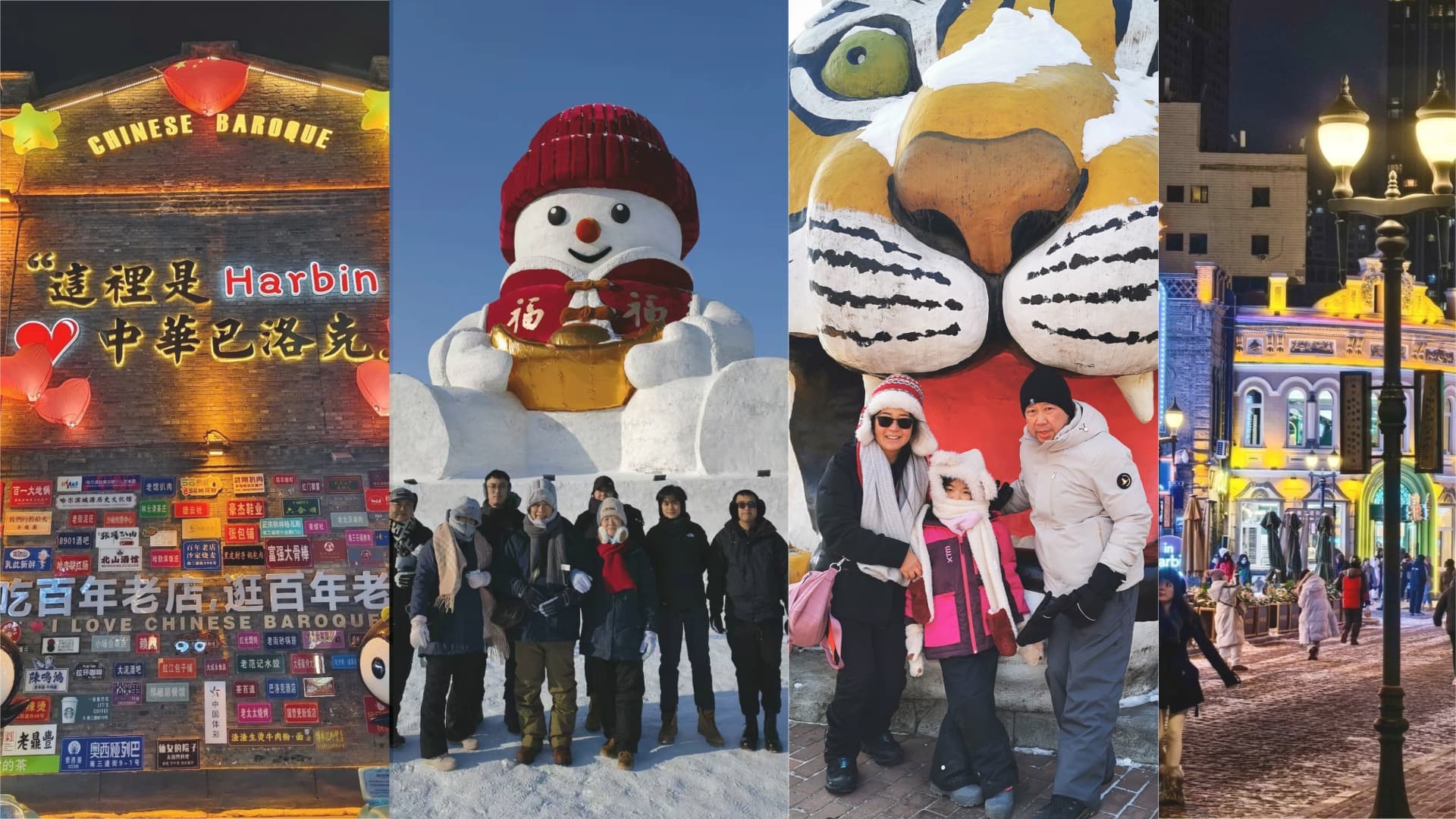
Laodaowai offers a different perspective on the city's history. Its Chinese Baroque buildings combine European-style facades with Chinese decorative details, creating a distinctive streetscape.
Explore the lanes and courtyards at an unhurried pace, and pair the visit with a local meal. This neighbourhood is particularly appealing if you enjoy older commercial districts, architectural details and street photography.
Treat Laodaowai as a separate stop in your city itinerary rather than assuming that all of Harbin's historic areas are clustered around Central Street.
The Songhua River waterfront
The waterfront near Central Street is a natural addition to a city walk. Stalin Park and the Flood Control Memorial Tower provide places to pause, look across the river and experience a different side of Harbin.
The atmosphere changes with the seasons. In warmer weather, the riverside suits a leisurely walk. In winter, organised ice activities may be available in designated areas.
Follow local access instructions and use managed activity areas. A frozen surface should never be taken as an invitation to walk onto an unmarked section of the river.
Harbin Grand Theatre
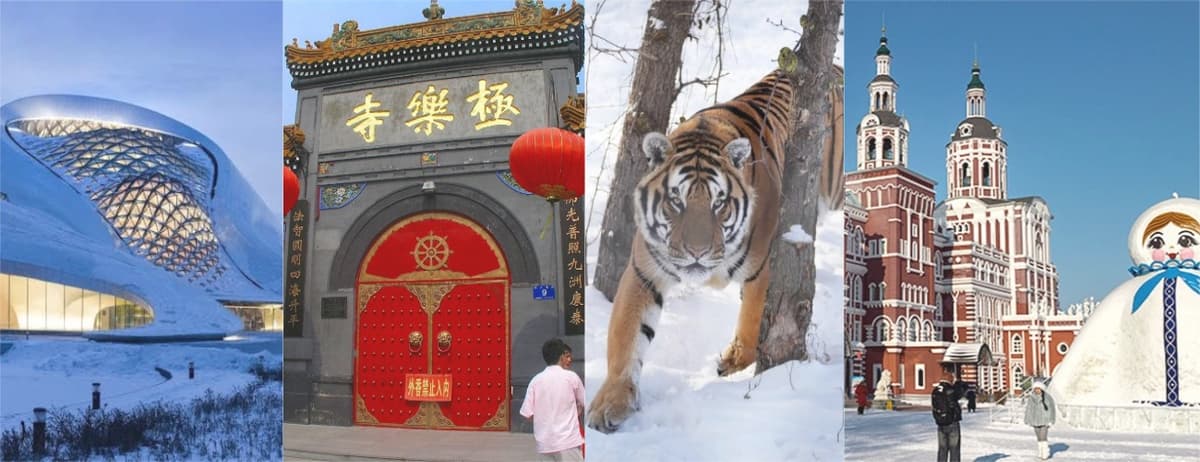
Harbin Grand Theatre introduces a contemporary contrast to the city's older architecture. Its flowing white exterior makes it an interesting stop for visitors who enjoy design and photography.
Consider it when planning activities on the north side of the river, rather than adding a separate cross-city journey just for a quick photo. If you want to attend a performance or explore inside, check the current programme and visitor access before setting out.
Museums and Jile Temple
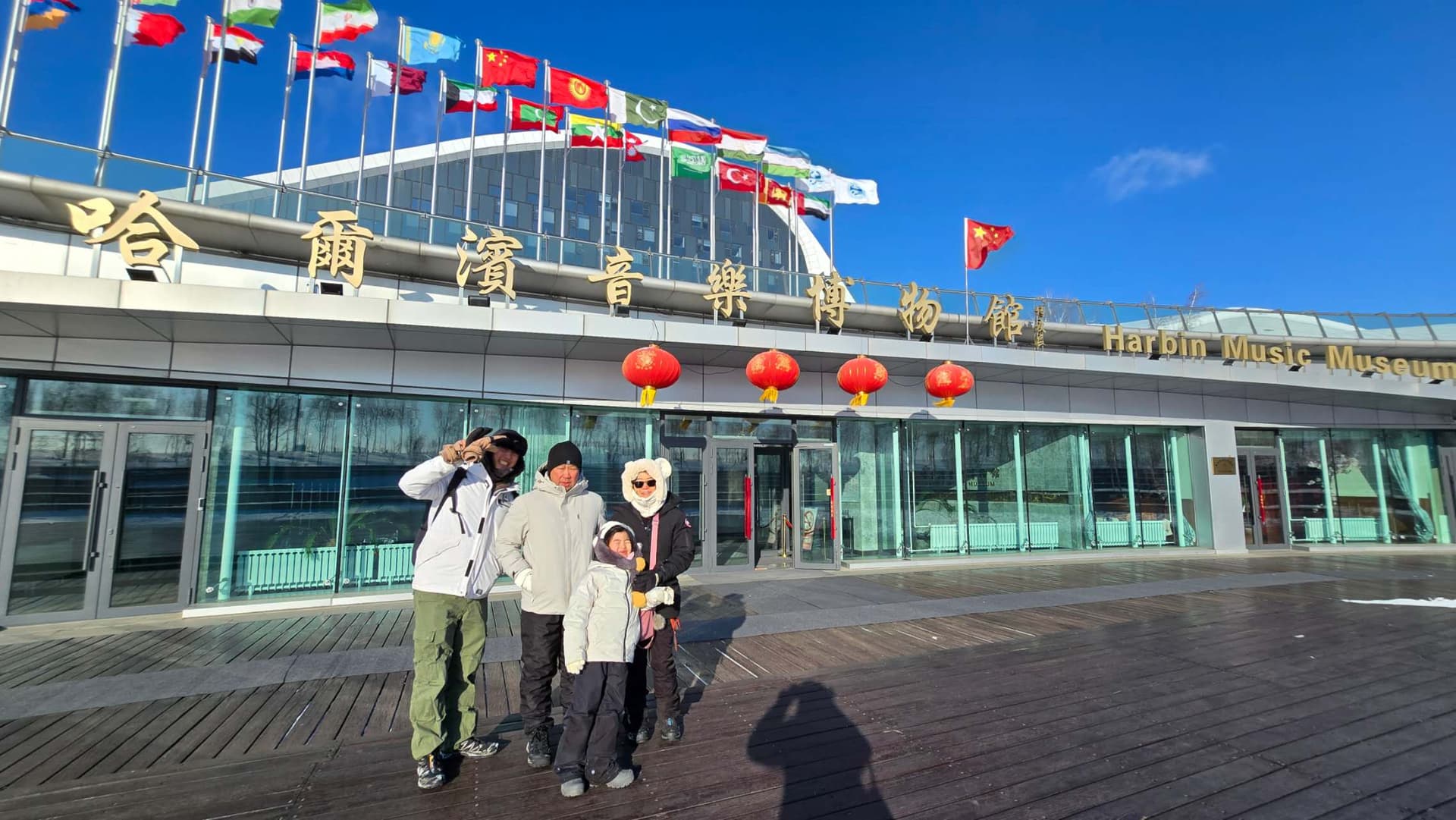
Harbin's museums offer context for the region's history and can provide an alternative to a long outdoor sightseeing day. The Heilongjiang Provincial Museum is an option for visitors interested in regional history and collections. The Unit 731 Museum addresses the wartime history of Japanese biological warfare; its subject matter requires a more considered visit than an ordinary sightseeing stop.
Jile Temple introduces another aspect of Harbin's cultural heritage. Include it if you are interested in Buddhist architecture and religious sites.
Museum locations, booking requirements and opening arrangements should be checked close to your visit, particularly around holidays.
Siberian Tiger Park
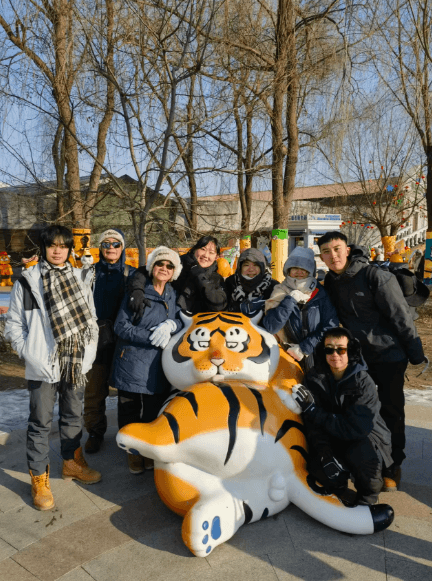
Siberian Tiger Park is an option for visitors interested in seeing Amur tigers. Before including it, review the current visitor experience and decide whether it matches your interests and expectations.
Allow time for the park's internal transport and any waiting periods. Keep the day manageable if you are also visiting other attractions across the river.
Volga Manor
Volga Manor offers Russian-style architecture and landscaped grounds outside central Harbin. It can suit travellers who would like a more spacious setting for walking and photography.
Plan it as a dedicated excursion with time for the journey and a meal. Seasonal activities and transport arrangements should be checked in advance.
It is worth considering for a longer stay, but it does not need to be squeezed into a short itinerary already covering the city and its main winter attractions.
Harbin's Ice and Snow Attractions
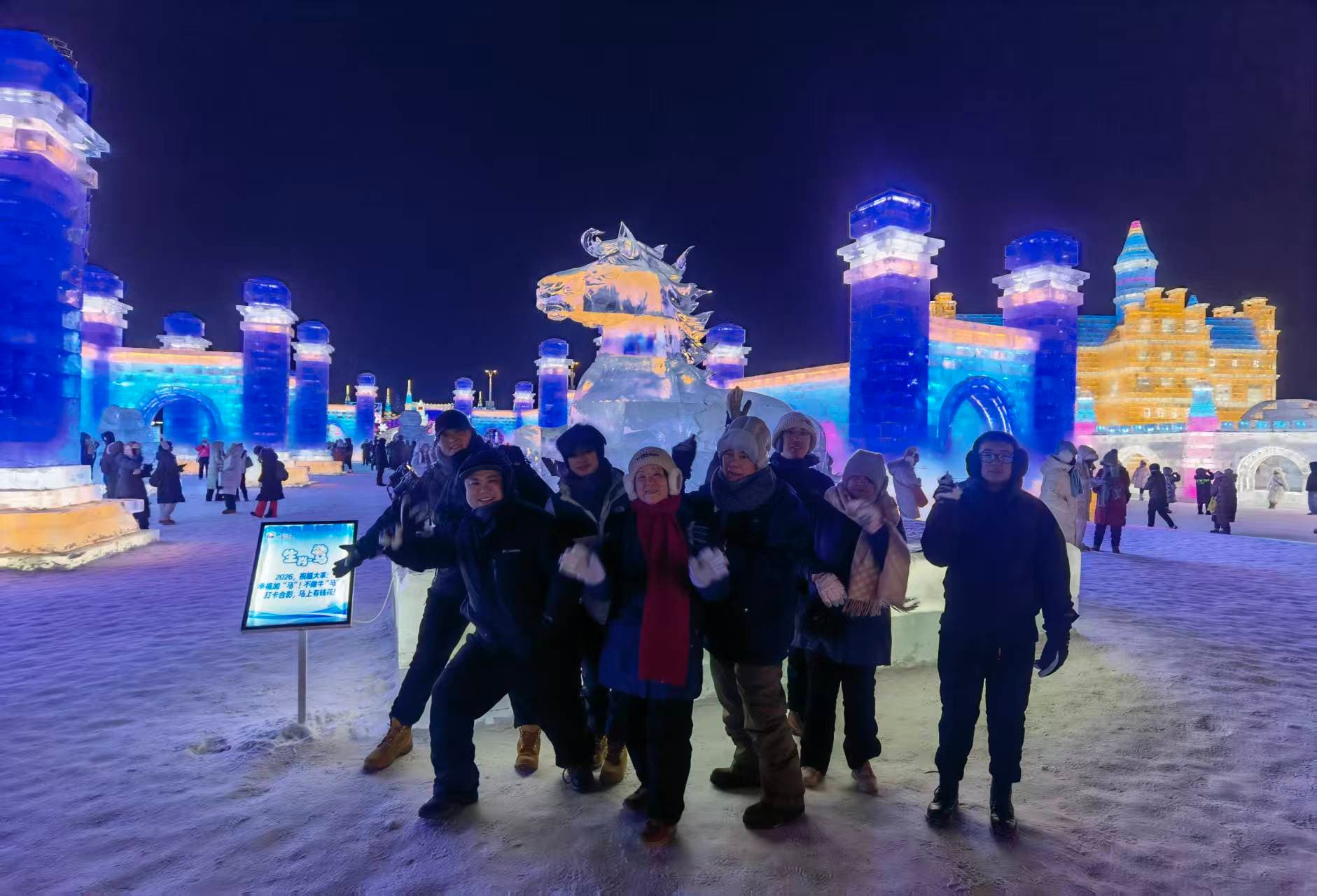
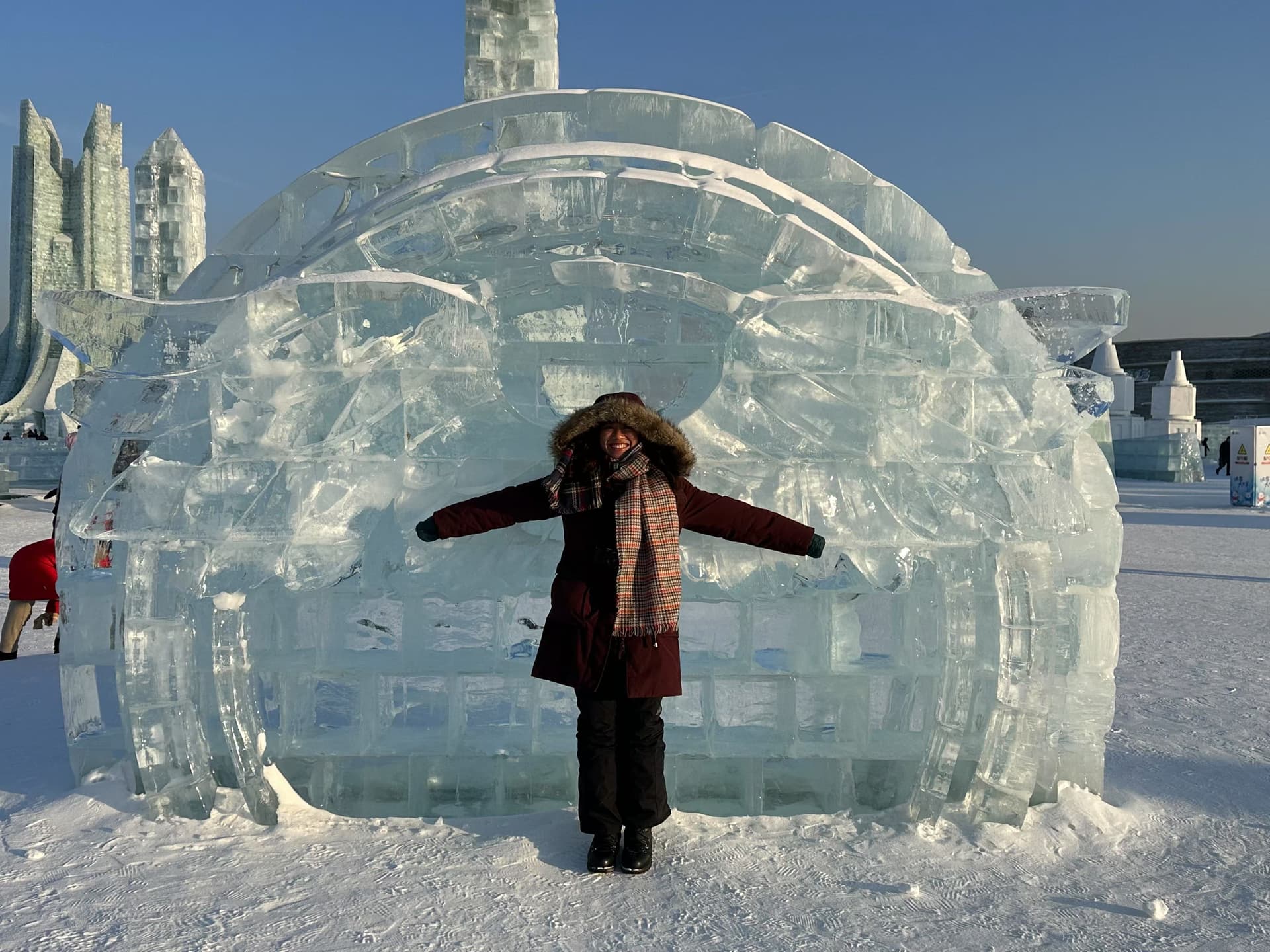
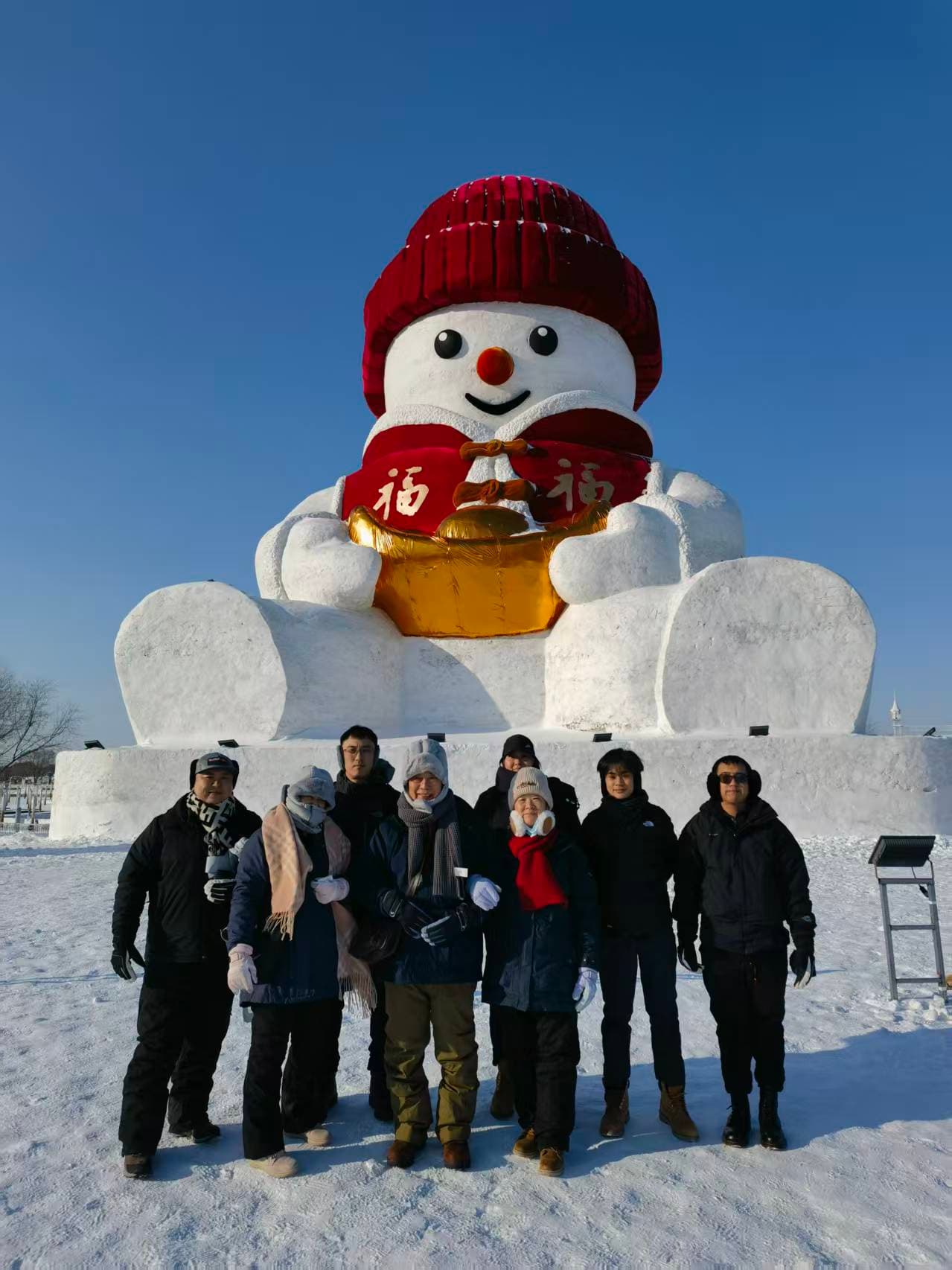
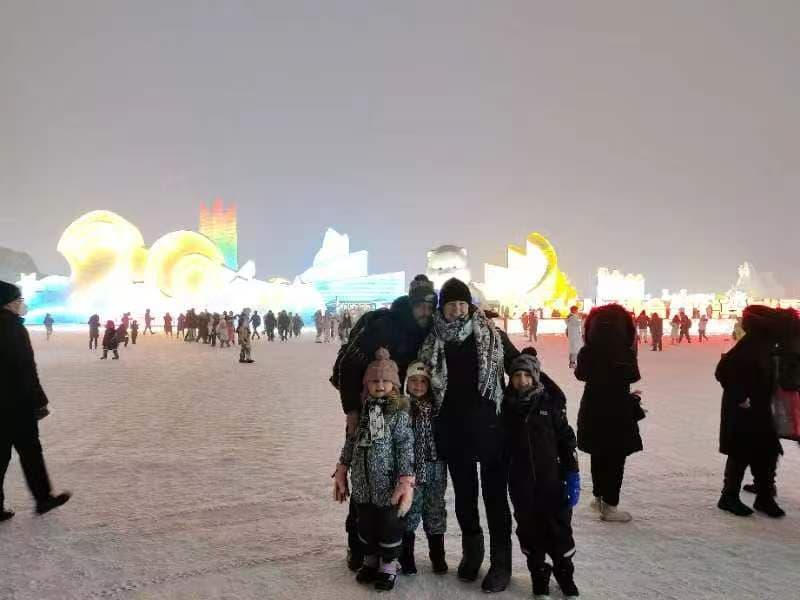
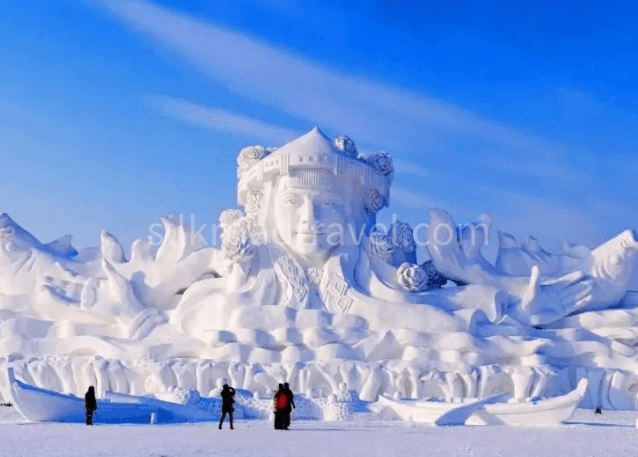
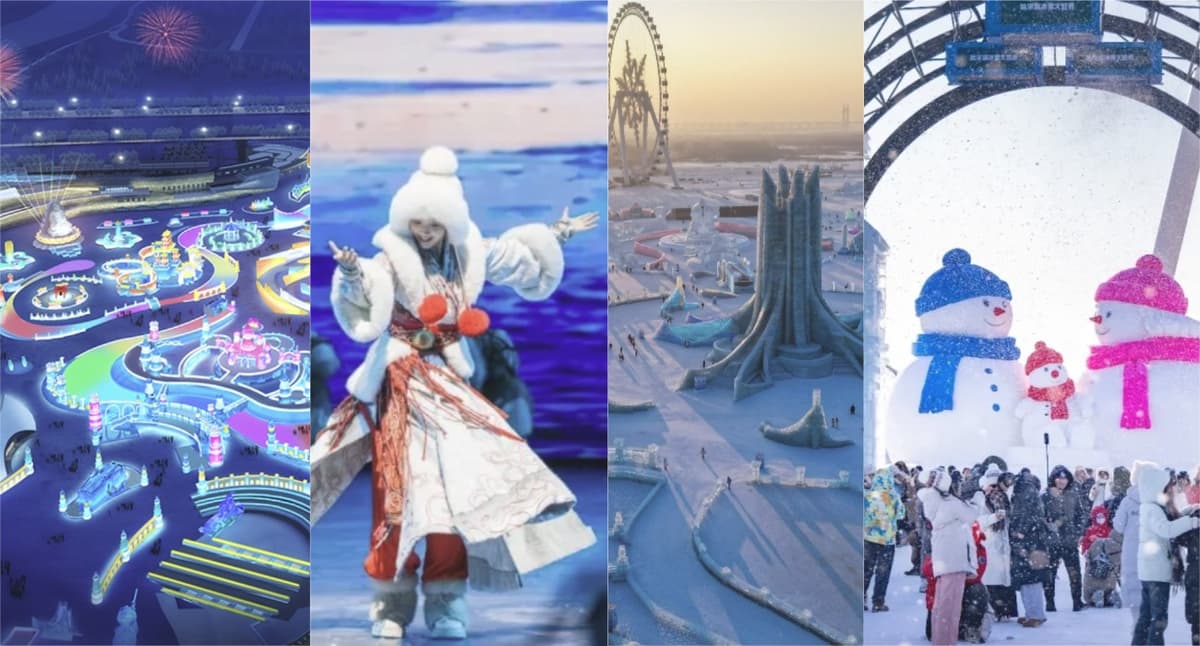
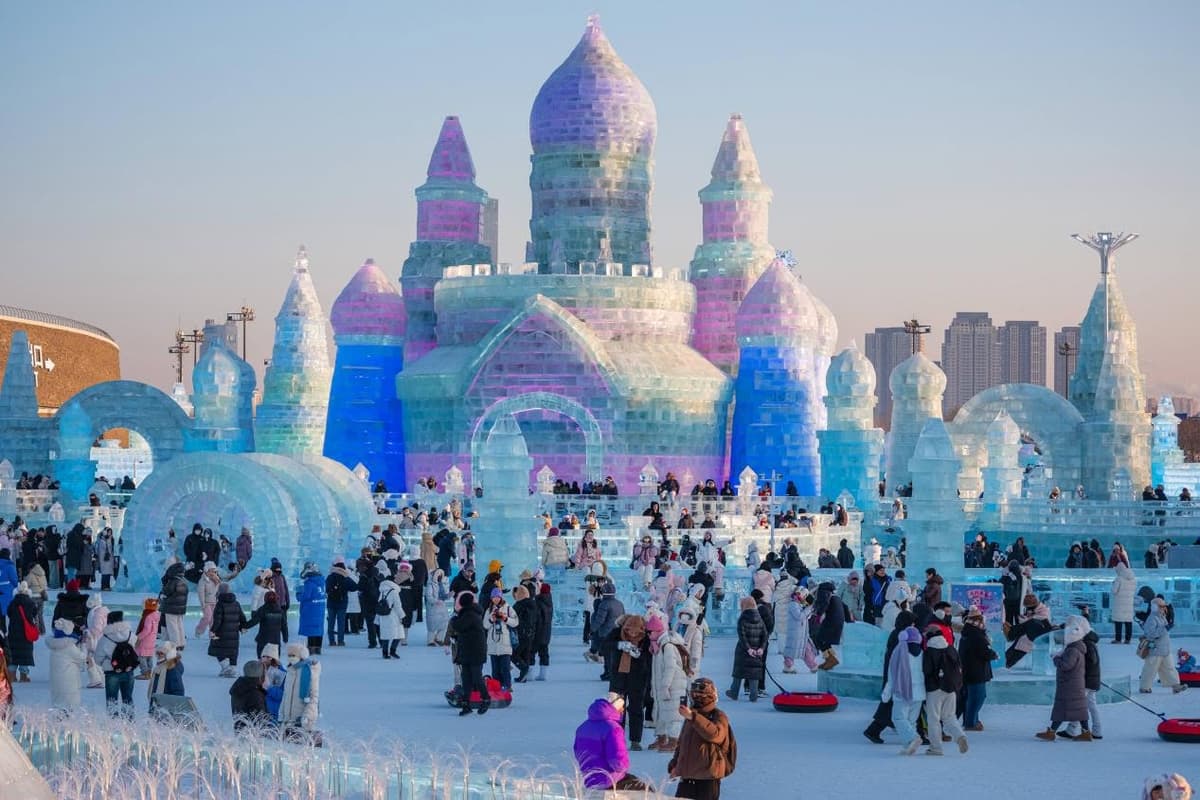
For a winter visit, Harbin Ice and Snow World and the Sun Island Snow Sculpture Expo are important options to consider. They offer different experiences: illuminated ice architecture at Ice and Snow World, and large snow sculptures at Sun Island.
The city-wide Harbin International Ice and Snow Festival is not the same thing as a single park. Each venue has its own tickets, visitor arrangements and operating dates.
Check the announcements for your travel season before confirming your itinerary. Do not assume that a winter attraction will be open throughout December, January and February, or that different venues share the same schedule.
Harbin City Attractions: Key Facts
Attraction | Entry Fee | Hours (approx.) | Time from Central Avenue |
Saint Sophia Cathedral | CNY 15–20 | 08:30–17:00 | 10 min walk |
Central Avenue | Free | 24 hrs | — |
Laodaowai Blocks | Free | 24 hrs | 15 min walk |
Flood Tower & Stalin Park | Free | 24 hrs | 20 min walk |
Harbin Grand Theatre | Free exterior | 24 hrs exterior | 15 min by taxi |
Provincial Museum | Free | 09:00–16:30, closed Monday | 10 min by taxi |
Unit 731 Museum | Free | 09:00–15:30, closed Mon | 45 min by metro/taxi |
Jile Temple | CNY 10 | 08:00–16:00 | 20 min by taxi |
Siberian Tiger Park | CNY 120 | 08:30–16:30 | 15 min by taxi |
Volga Manor | CNY 100–150 | 08:30–17:00 | 50 min by car |
Beyond Harbin: where to go in Heilongjiang
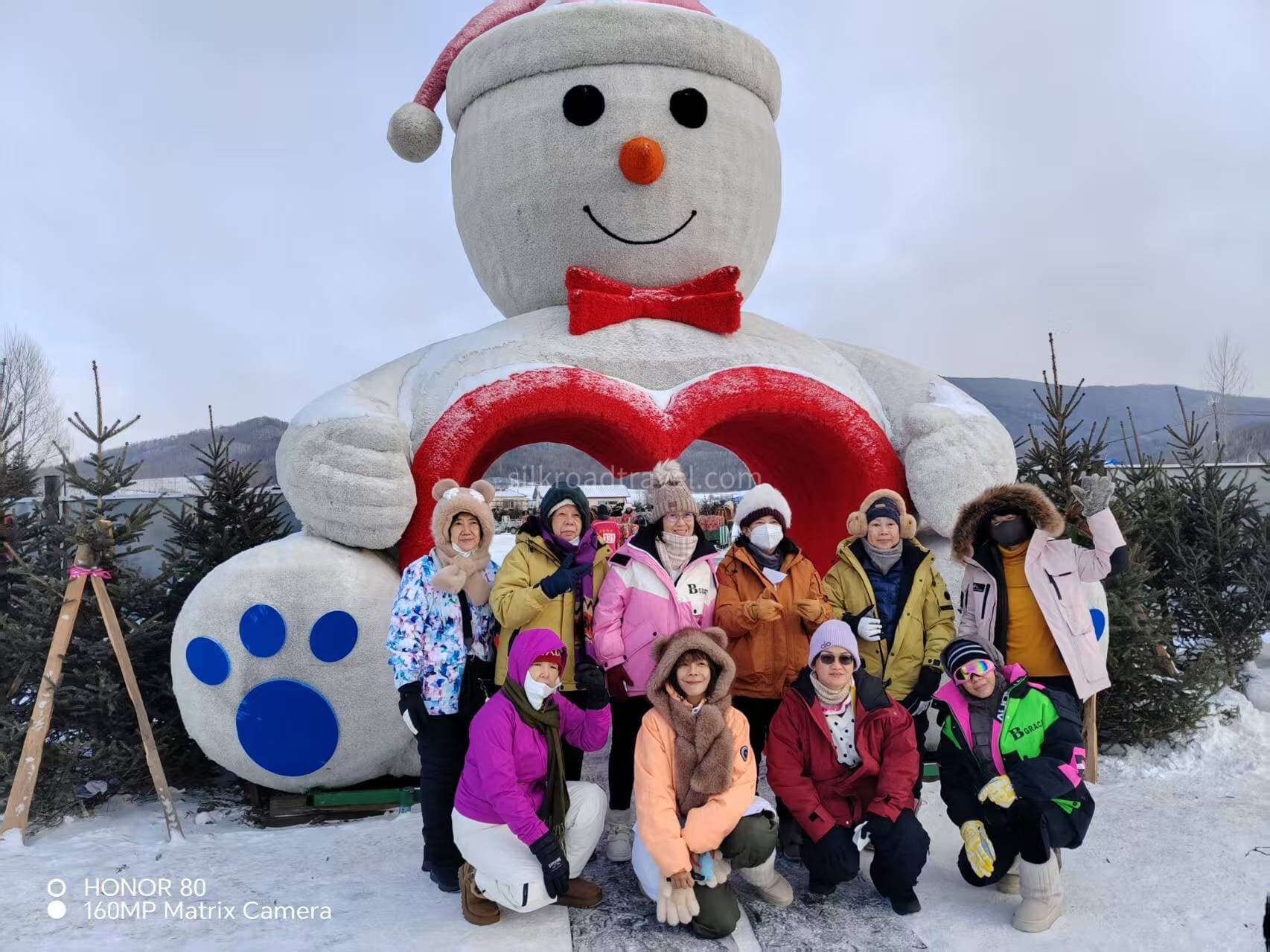
❄China Snow Town: Snowy Village Scenery
China Snow Town, also known as Xuexiang, is best known for thick snow resting on rooftops and the warm glow of village lights after dark.
An overnight stay gives you time to experience the village in both daylight and the evening. It also avoids turning the visit into a long return journey with little time at the destination.
When choosing accommodation, compare the room layout, bathroom facilities, heating and location. Ask which activities are included and which require separate payment.
Snow Town is a separate destination from Harbin, so transport and accommodation should be planned as part of the route from the outset.
Yabuli: Skiing and Resort Stays
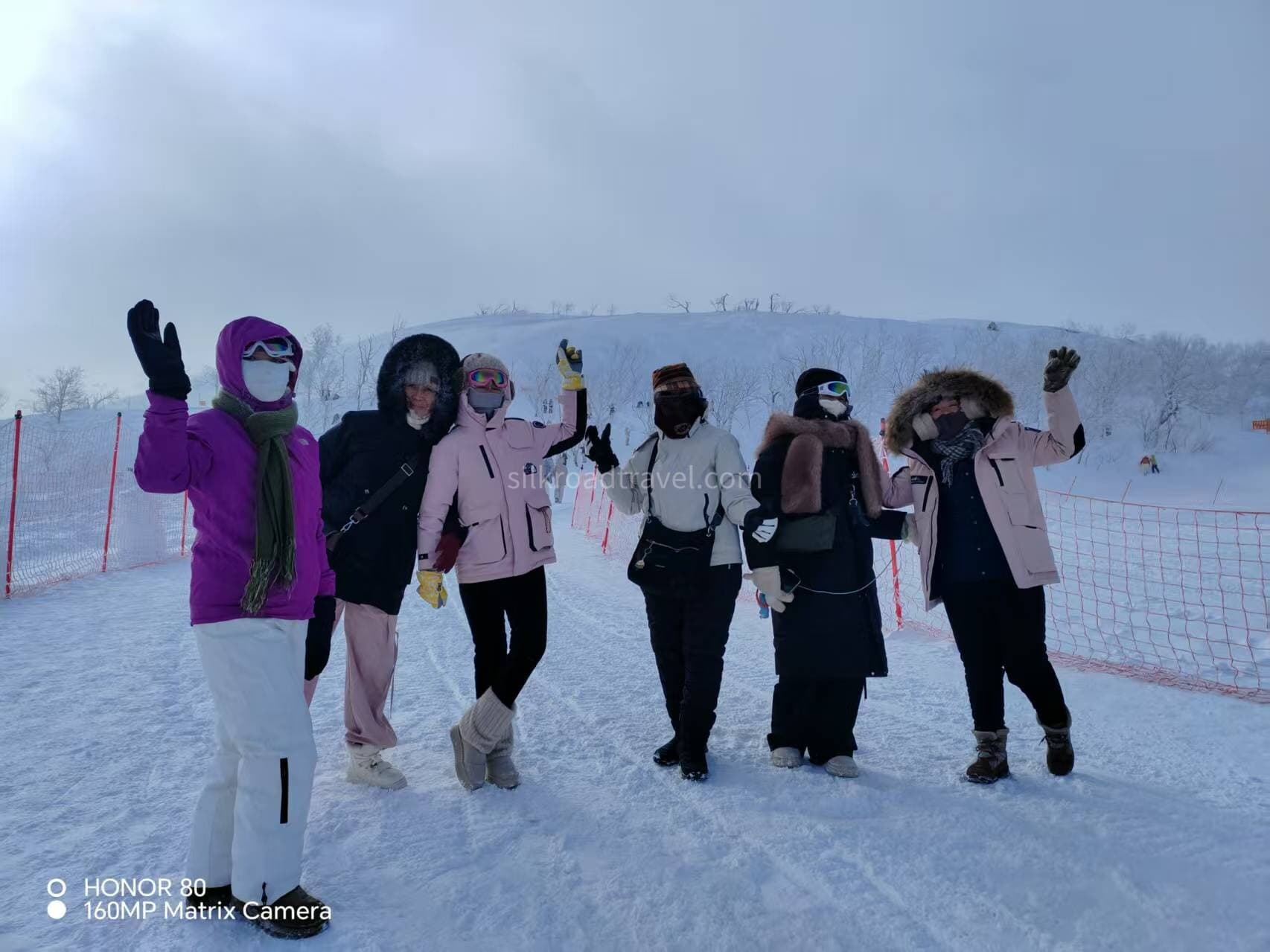
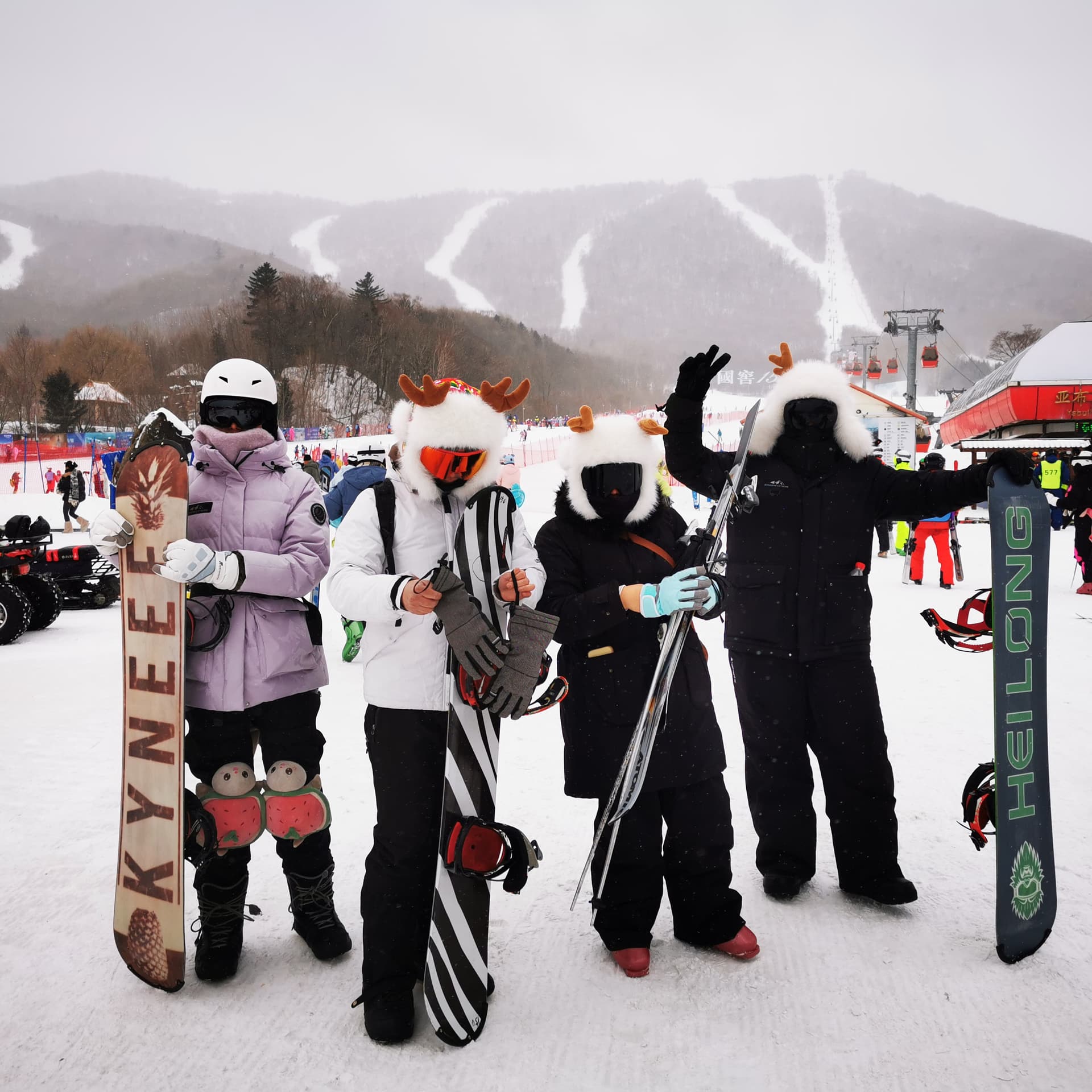
Yabuli is a natural choice if skiing is a priority. Your experience will depend on the resort, your ability level and the time you allow on the slopes.
For beginners, the useful questions are practical: Are lessons available in a language you understand? What equipment is included? Does the package cover lift access, and how much time will you actually spend skiing?
An overnight stay can make the trip more relaxed, particularly for families or anyone taking lessons. If you prefer a day trip, include station transfers, equipment collection and changing time in your schedule.
High-speed rail services use Yabuli West Station; onward transport to the resort is still required. Check the station name carefully when booking.
Jingpo Lake: Waterfalls and Volcanic Landscapes
Jingpo Lake, near Mudanjiang, combines lake scenery with a volcanic landscape. It is part of Jingpohu UNESCO Global Geopark, making it an appealing choice for travellers interested in nature and geology.
The experience varies by season. In warmer months, focus on the lake and surrounding scenery. Winter visits may offer frozen landscapes, depending on conditions and the areas open to visitors.
Plan around the specific sites you want to see. Reaching Mudanjiang does not mean you have arrived at the lake; the onward road transfer also needs to be included.
Wudalianchi: Volcanoes, Lava Fields and Lakes
Wudalianchi UNESCO Global Geopark offers a different landscape from Harbin's streets and winter attractions. Volcanic landforms, lava fields and connected lakes make it particularly interesting for visitors who enjoy geology and outdoor exploration.
Choose the sites that match your interests rather than trying to cover the entire area in a short stop. Allow time for walks and travel between attractions, and check seasonal access before finalising your plans.
Wudalianchi is better approached as a regional extension than as a quick excursion from Harbin.
Qiqihar and Zhalong: Wetlands and Cranes
Qiqihar is the starting point for visiting Zhalong National Nature Reserve, known for its wetlands and red-crowned cranes.
This extension suits travellers interested in birdlife and landscapes. Plan for the transfer between the city and the reserve, and check current viewing arrangements before visiting.
Wildlife sightings and visitor activities should be treated separately. Any scheduled crane-viewing activity does not guarantee a particular wild bird encounter.
Mohe: A Journey to China's Far North
Mohe offers a more remote northern experience, with Beiji Village, also known as Arctic Village, among its best-known destinations.
Choose Mohe for the setting and the journey itself: northern villages, forest landscapes and a slower pace beyond Harbin. It requires additional travel time and should have a dedicated place in your itinerary.
Do not build the trip around a promise of seeing the northern lights. Instead, decide whether the destination appeals to you regardless of an aurora sighting.
For a winter journey, review the transfers, accommodation and amount of outdoor time carefully. Conditions in the far north call for more preparation than a short city break.
Heihe: Border History and Riverfront Life
Heihe is an option for travellers interested in the Amur River border region and the history of connections between China and Russia.
Consider it within a longer northern Heilongjiang route, with time for the city and its historical sites. If you are thinking about crossing into Russia, treat that as a separate travel arrangement with its own entry requirements and operating conditions.
Getting from Harbin to Regional Destinations
Destination | Distance | Best Route | Travel Time |
Yabuli Ski Resort | 200 km | High-speed train + shuttle | 2 hrs |
Mudanjiang / Jingpo Lake | 300+ km | High-speed rail + road | 3.5–4.5 hrs |
Wudalianchi | 350 km | Train via Bei’an + road | 4–5 hrs |
Qiqihar / Zhalong | 300 km | High-speed rail + road | 2–2.5 hrs |
Mohe (Arctic Village) | 1,100+ km | Flight, or overnight train | 2 hrs / 15 hrs |
Heihe | 570 km | Flight or train | 1.5 hrs / 7 hrs |
China Snow Town | 280 km | Tourist coach / private car | 5–6 hrs |
What to Eat in Harbin: A Food Guide
Food is part of the pleasure of visiting Harbin, from substantial northeastern meals to snacks associated with the city's Russian-influenced heritage. Local tourism guidance highlights dishes and products such as guobaorou, iron-pot stew, red sausage, dalieba bread and Madier ice cream.
Guobaorou is a good place to start: crisp pieces of pork coated in a sweet-and-sour sauce. Iron-pot stew, or tieguo dun, is a warming shared meal, with ingredients varying by restaurant and the pot you order.
Other choices include dumplings and disanxian, a dish made with potato, aubergine and green pepper. For snacks, look for Harbin red sausage, dalieba, a Russian-style bread, and Madier ice cream.
Portions can be generous, so ask about serving sizes before ordering several dishes. If you have dietary restrictions, confirm ingredients and cooking methods rather than relying only on the English name of a dish.

Classic Dongbei Dishes
Dongbei (Northeast) cuisine is generous, warming, and built for the cold. The essentials: guo bao rou — Harbin's signature crispy sweet-and-sour pork, invented in 1907 by a local chef adapting the dish for Russian guests; iron pot stew (tieguo dun) — goose, ribs, or river fish simmered with potatoes and corn over a wood fire, eaten communally from the pot itself; di san xian, a home-style stir-fry of potato, eggplant, and pepper; and sha zhu cai, a hearty pork, pickled cabbage, and blood-sausage stew that's pure winter fuel.
Russian Legacy & Frozen Treats
Harbin's European past lives on in its food: red sausage (hongchang), smoky and garlicky, best bought from heritage brands like Qiulin; da lieba, massive wood-oven sourdough loaves; and kvass, the lightly fermented bread drink sold on street corners. Don't leave without the full cold-weather ritual: a Madier popsicle on Central Avenue, and frozen pears and persimmons — thawed in cold water until slushy — eaten indoors while the snow falls outside. Wash it all down with Harbin Beer, brewed since 1900 and China's oldest brewery.
How Many Days Do You Need in Harbin?
Two or Three Full Days: Harbin City
Two or three full sightseeing days allow you to combine Harbin's main historic areas with selected attractions elsewhere in the city.
In winter, leave room for the ice and snow venues you want to visit. At other times of year, use that time for architecture, museums or a more leisurely food-focused stay.
Count arrival and departure time separately. A late arrival followed by an early flight home does not provide two full days of sightseeing.
Four or Five Full Days: Harbin and One Extension
With four or five days, choose one main extension according to your interests.
Snow Town suits snowy village scenery; Yabuli suits skiing; other regional destinations may appeal more for lakes, geology or birdlife. Keeping the route focused gives you more time to enjoy each place.
Six or Seven Full Days: A Longer Winter Route
A week can accommodate a combination of Harbin, Snow Town and Yabuli, provided that transfers and overnight stops are planned sensibly.
Decide how much skiing you want before allocating the days. A short introduction to the slopes and a multi-day ski stay require different itineraries.
Eight Days or More: A Regional Journey
For Mohe or a route involving several parts of Heilongjiang, allow more time and organise the trip around transport connections.
Select a clear theme, such as northern villages, volcanic landscapes or wildlife. A focused route is usually more rewarding than trying to tick off every destination in the province.
Itinerary | Route | Best For |
1 day | Saint Sophia → Central Avenue → riverside → night at an ice venue (winter) | Stopovers, first-timers |
2 days | Day 1: city sights + Laodaowai + Grand Theatre; Day 2: Tiger Park + Sun Island + Ice and Snow World by night | Winter city break |
4 days | 2 Harbin days + Yabuli skiing + Jingpo Lake | Active travelers |
6–7 days | Harbin + China Snow Town + Yabuli | The classic winter circuit |
8–10 days | Harbin + Wudalianchi + Mohe + Qiqihar | The grand Heilongjiang loop, or summer exploration |
Getting to Harbin and Travelling Around
Arriving by Air or Train
Harbin Taiping International Airport is the main air gateway. Rail services provide another option for travellers arriving from other Chinese cities.
Compare the whole journey: flight or train time, airport or station transfers, departure times and the location of your hotel. The shortest advertised journey is not always the most convenient option.
Check your arrival station carefully when booking rail tickets, and allow extra flexibility for winter weather.
Getting Around the City
Walking works well within individual sightseeing areas, while the metro, taxis and private transfers help connect them.
Plan attractions by location to reduce unnecessary journeys across the city. In winter, think about the return trip as carefully as the outward journey, particularly after an evening visit to an ice attraction.
Save your hotel address and important destinations in Chinese. This can make communication easier when using taxis or asking for directions.
Travelling Beyond Harbin
Regional journeys may involve a train or flight followed by a road transfer. Allow time for connections, luggage and travel from the station to your accommodation or scenic area.
For mountain destinations, consider road conditions and daylight when planning the schedule. Avoid a tight connection between a long road transfer and a flight home.
Best Time to Visit Harbin: Season by Season
Season | Months | Conditions | Best For |
Deep winter | Dec–Feb | −15 to −30°C; festivals open late Dec | Ice & Snow World, Snow Fair, rime ice, winter sports |
Spring thaw | Mar–Apr | 0–10°C; parks quiet | Museums, low prices, no crowds |
Summer | Jun–Aug | 18–28°C; long daylight | Escape the southern heat; wetlands, cranes, river life |
Autumn | Sep–Oct | 5–18°C; fiery foliage | Jingpo Lake, Khingan forests, photography |
Our verdict: December–February for the spectacle (book ice-park visits in January), or late August–September if you prefer wilderness, comfortable temperatures, and empty trails.
Practical Tips for International Visitors
Keep Documents and Addresses Accessible
Carry the identification required for your bookings, and keep copies of hotel and transport details available offline. Chinese addresses and screenshots can be useful when mobile reception or translation is inconvenient.
Prepare Your Payment Options
Check how you will pay before travelling, especially if you plan to use mobile payment apps. Keep a backup payment method and confirm the options available for any tickets or transfers booked in advance.
Plan for Outdoor Time in Winter
Bring suitable layers, insulated footwear with good grip, gloves and headwear. Match your clothing to the forecast and the length of time you expect to spend outdoors.
Include indoor breaks in the itinerary, particularly when travelling with children or older family members. Keep phones and spare batteries warm between uses, and check current airline rules before packing power banks.
Confirm What Each Booking Includes
For tours and activity packages, check admission, transfers, guide services, meals and optional activities. For skiing, confirm equipment, lessons and lift access separately.
Clear booking details help you compare options fairly and avoid unexpected costs during the trip.
Harbin and Heilongjiang Travel FAQs
Is Harbin worth visiting outside winter?
Yes, particularly if you enjoy architecture, local food and city walks. Summer and autumn also offer different opportunities to explore Heilongjiang's lakes, wetlands and volcanic landscapes.
Should I stay in Harbin or travel around Heilongjiang?
Start with Harbin if this is your first visit and your time is limited. Add a regional destination when you have a specific interest, such as skiing, birdwatching or northern village scenery, and enough time for the transfers.
Can I visit Snow Town on a day trip?
A return day trip can leave little time at the destination. An overnight stay is a more relaxed choice if you want to enjoy the village in daylight and after dark.
Can I combine Harbin, Snow Town and Yabuli?
Yes, but the route should account for transfers, accommodation and the amount of time you want to spend skiing. Decide on those priorities before choosing the trip length.
Is Mohe a short excursion from Harbin?
No. Mohe requires a separate journey and additional nights. Treat it as a planned extension rather than an extra stop squeezed into a city itinerary.
Do I need an English-speaking guide?
That depends on your travel style. Independent travel is an option if you are comfortable organising transport, using translation tools and handling bookings. A guide can be helpful for cultural interpretation, multi-stop routes and arrangements involving several transfers.
>>>more information and details about harbin and snow ice festival 2027
Plan Your Trip with Silk Road Travel
Whether you are planning a short Harbin city break, a winter journey through Snow Town and Yabuli, or a longer trip to Mohe, begin with the experiences that matter most to you.
Explore our Harbin tours, including itineraries combining Harbin, Snow Town and Yabuli and a Harbin and Mohe journey.
Send us your travel dates, group size, preferred hotel standard and main interests. Our team can help you compare routes and discuss the arrangements for your trip.
Silk Road Travel
Email:info@silkroadtravel.com
Phone / WhatsApp:+86 15909912575