Since 2003, over 30000+ Customers Explored Silk Road with us


This comprehensive Inner Mongolia travel guide provides everything you need to know before your trip, from the best time to visit and how to get there to the top attractions, things to do, local food, and practical travel tips for international visitors. Whether you are dreaming of riding horses across endless grasslands, exploring spectacular desert landscapes, discovering Mongolian traditions, or simply experiencing a different side of northern China, Inner Mongolia offers a remarkable variety of travel experiences.
Inner Mongolia is a land of vast grasslands, rolling sand dunes, crystal-clear lakes, and rich Mongolian cultural traditions in northern China. Stretching for thousands of kilometers from east to west, the region is one of China's most geographically diverse destinations. Travelers can move from the lush grasslands and wetlands of Hulunbuir to the forests and volcanic scenery of Arshan, explore the cultural and historical attractions around Hohhot and Baotou, or venture west to the spectacular deserts and golden Populus euphratica forests of Alxa and Ejina.
This remarkable diversity means that an Inner Mongolia trip can be much more than a traditional grassland holiday. Depending on your interests and the season, you can enjoy horseback riding, yurt stays, desert adventures, hiking, photography, wildlife and bird watching, hot springs, traditional Mongolian food, and cultural experiences. You can also combine natural scenery with historic temples, museums, border towns, and sites connected with Mongolian history.
Whether you are planning your first trip to Inner Mongolia or looking for inspiration for your next adventure, this guide will help you understand the region, choose the destinations that best match your interests, and plan a more comfortable and rewarding journey.
Inner Mongolia Trip to Hohhot and Grassland
12 Days Oriental Express Silk Road & Inner Mongolia Adventure
9-Day Inner Mongolia Hulunbuir Tour
View more Inner Mongolia Tours...
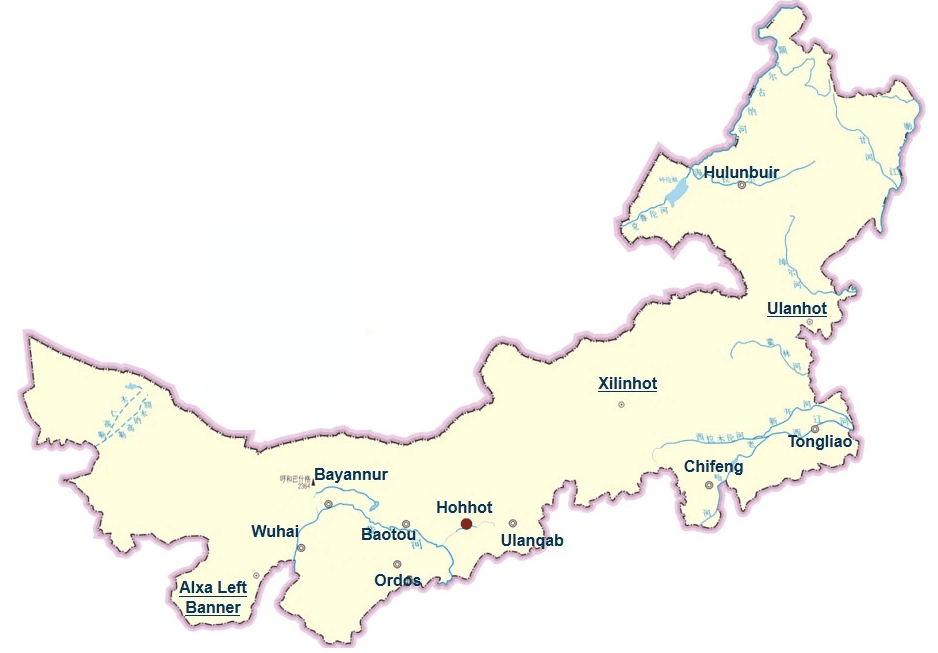
Inner Mongolia Autonomous Region is located in northern China and borders Mongolia and Russia. As one of China's largest provincial-level regions, it covers an area of approximately 1.18 million square kilometers and stretches in a long, narrow shape from east to west. This vast territory results in significant differences in landscapes and climate across the region, which can generally be divided into Eastern, Central, and Western Inner Mongolia.
Eastern Inner Mongolia is ideal for travelers seeking expansive grasslands and natural scenery, while Central Inner Mongolia offers a convenient combination of culture, history, and grassland experiences. Western Inner Mongolia is the best choice for desert landscapes and unique seasonal scenery. The capital city of Inner Mongolia is Hohhot, which is also an important transportation and cultural hub for exploring the region.
Region | Main Destinations | What It Is Known For |
Eastern Inner Mongolia | Hulunbuir, Manzhouli, Ulanhot, Arshan | Vast grasslands, forests, wetlands, lakes, and pastoral scenery |
Central Inner Mongolia | Hohhot, Baotou, Ulanqab, Xilingol | Mongolian culture, grasslands, temples, history, and convenient access from Beijing |
Western Inner Mongolia | Ordos, Alxa, Wuhai | Deserts, sand dunes, desert lakes, and golden Populus euphratica forests |
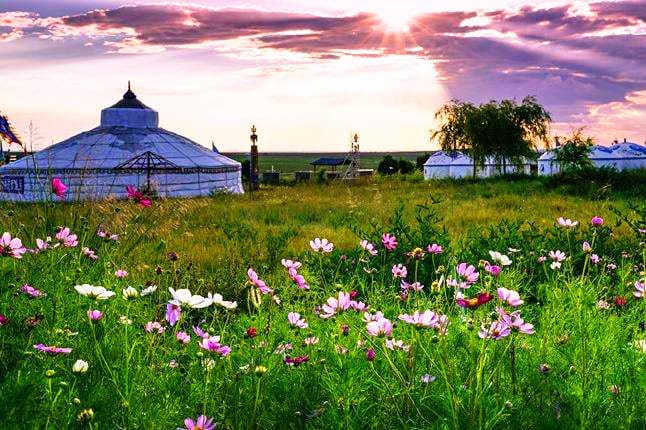
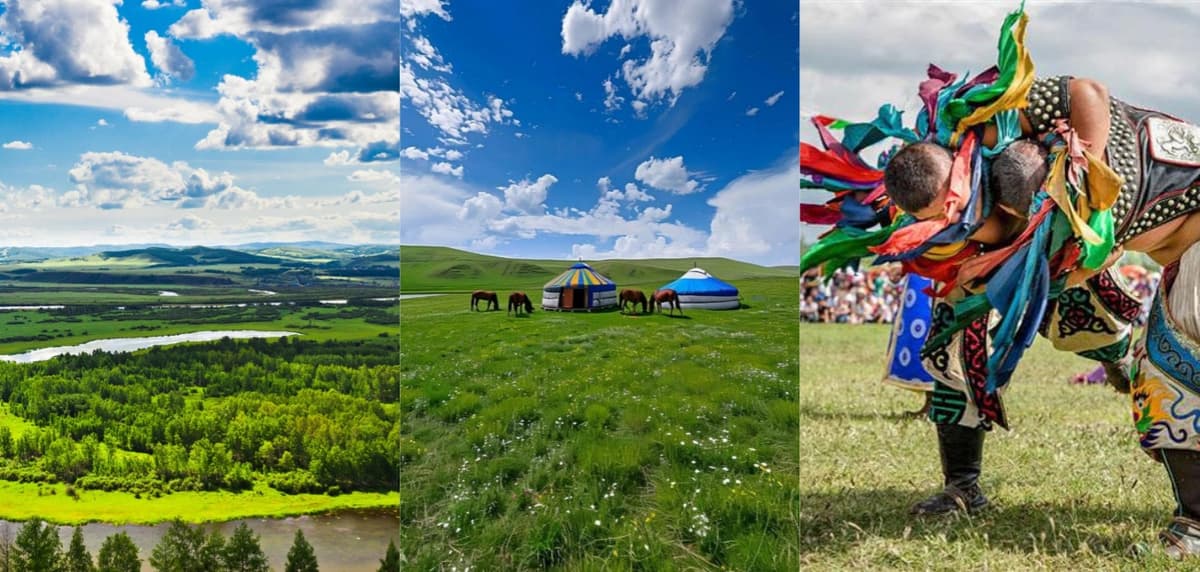
When it comes to vast grasslands, Inner Mongolia is often one of the first destinations that comes to mind. In summer, destinations such as Hulunbuir, Xilingol, and Huitengxile transform into expansive green landscapes dotted with horses, sheep, yurts, and wildflowers. You can ride horses, walk across the grasslands, photograph the scenery, or simply watch the sunset over the horizon.
Inner Mongolia is also home to some of China's most spectacular deserts. The Kubuqi Desert and Badain Jaran Desert offer a completely different landscape from the grasslands, with towering dunes and dry valleys. This contrast between grassland and desert is one of the most distinctive features of traveling in Inner Mongolia.
Inner Mongolia provides an opportunity to experience traditions associated with Mongolian pastoral culture. Depending on your destination and itinerary, you may encounter traditional Mongolian yurts, music, dancing, costumes, food, horseback riding, and local festivals.
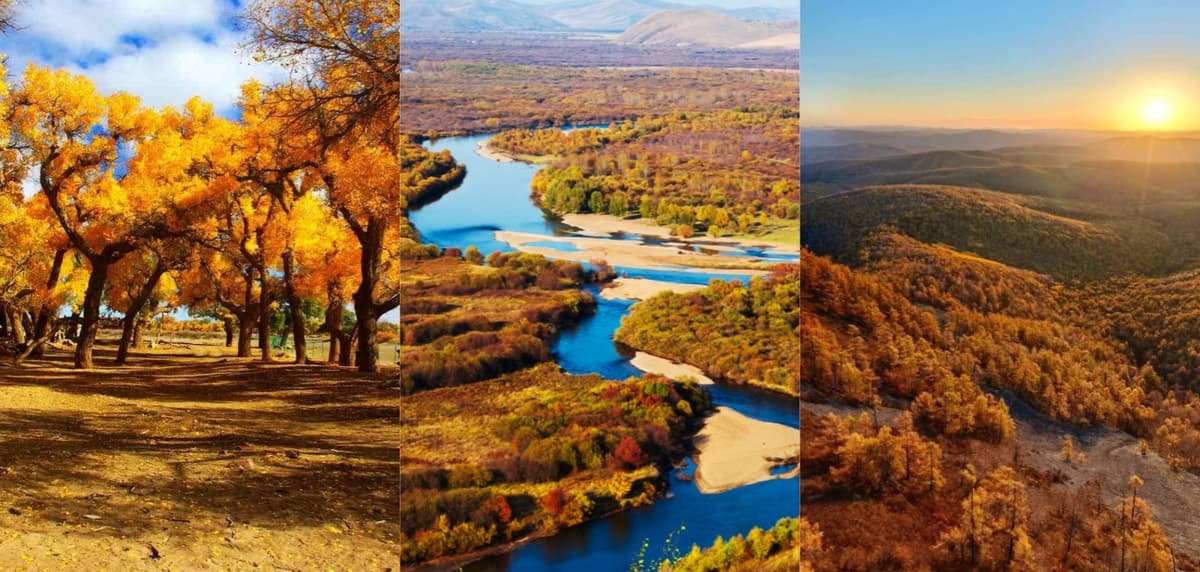
Inner Mongolia is home to some of China's most beautiful Populus euphratica forests, especially in Ejina in western Inner Mongolia. In autumn, the trees turn brilliant golden yellow, creating a striking contrast with the surrounding desert landscape. The short peak foliage season attracts travelers and photographers from around the world, making Ejina a must-visit destination for experiencing Inner Mongolia's golden autumn scenery.
The best times to visit Inner Mongolia are generally Summer (June to August) and Autumn (September to October), although the ideal season depends on what you want to see and experience. Due to its vast territory, Inner Mongolia has a diverse climate, with significant differences in climate and landscapes from east to west and from north to south. If you want to explore lush green grasslands, summer is the best time to visit eastern Inner Mongolia, while autumn is ideal for experiencing golden landscapes, desert scenery, and the famous Populus euphratica forests of Ejina.
The table below provides a quick overview of the best times to visit Inner Mongolia by season:
Season | Highlights | Where to go |
Summer (June–August) | Lush grasslands, wildflowers, Naadam | Hulunbuir, Xilingol, Arshan |
Autumn (September–October) | Golden grasslands, autumn foliage, Populus euphratica | Ejina, Arshan, Greater Khingan Mountains |
Spring (April–May) | Fewer crowds, lower costs, spring scenery | Hulunbuir and eastern grasslands |
Winter (November–March) | Snowy landscapes, winter activities, hot springs | Hulunbuir, Arshan, Ulanqab |
Summer is the best season for experiencing Inner Mongolia's iconic grasslands and outdoor activities.
From June to August, the grasslands are generally at their greenest, with blooming wildflowers, long daylight hours, and mild to warm temperatures. This is an excellent time to visit Hulunbuir, Xilingol, Huitengxile, and other grassland destinations. Travelers can enjoy horseback riding, grassland walks, staying in a traditional Mongolian yurt, and experiencing local Mongolian culture.
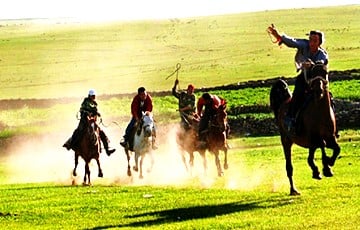
Summer is also the main season for Naadam, a traditional Mongolian festival featuring wrestling, horse racing, and archery. The exact dates and locations of Naadam events vary, so check the local event schedule when planning your trip.
Summer in Inner Mongolia is generally mild to warm rather than extremely hot, although temperatures vary considerably from region to region. Average temperatures generally range from around 17°C (63°F) to 26°C (79°F). Days are usually comfortable for outdoor activities, while temperatures can drop noticeably after sunset, especially in grassland areas. Rainfall is also more common during summer, particularly in eastern Inner Mongolia.
Wear light and breathable clothing during the day and bring a light jacket for cool mornings and evenings. Comfortable walking shoes are recommended for grassland activities. As you will spend a lot of time outdoors, bring sunglasses, sunscreen, and a hat for sun protection.
Summer is the busiest travel season in Inner Mongolia, especially in July and August. Popular accommodations, yurts, and tours can fill up quickly, so advance booking is recommended during peak periods.
Autumn is one of the most beautiful seasons to explore Inner Mongolia, especially for golden grasslands, colorful forests, and desert scenery.
From September to October, the grasslands gradually turn golden, while the forests of the Greater Khingan Mountains display brilliant autumn colors. Hulunbuir and Arshan are particularly attractive in autumn, offering golden grasslands, colorful forests, and picturesque landscapes. In western Inner Mongolia, Ejina is famous for its spectacular Populus euphratica forests, which are especially beautiful during the short peak foliage season.
Autumn is also a good time for photography and desert travel, as temperatures are generally cooler and more comfortable than in summer.
Autumn temperatures in Inner Mongolia vary considerably by region and gradually decrease from September to October. Days are generally cool and comfortable, while mornings and evenings can be quite cold. Average temperatures are often around 5°C (41°F) to 20°C (68°F), depending on the destination and time of year.
Bring layers that can be added or removed as temperatures change throughout the day. A warm jacket, fleece, or light down jacket is recommended, especially for early mornings and evenings. Comfortable walking shoes are essential for exploring forests, grasslands, and desert areas.
Autumn is a popular season for photography, especially during the peak foliage periods. If you plan to visit Ejina for its Populus euphratica forests, book your accommodation and transportation in advance, as the peak viewing period is relatively short and demand can be high.
Spring is a transitional season in Inner Mongolia, offering fewer crowds and lower travel costs but less impressive grassland scenery than summer.
From April to May, temperatures gradually rise and nature begins to awaken. In eastern Inner Mongolia, grasslands slowly turn green and migratory birds return to wetlands and grassland areas. However, the grasslands have generally not yet reached the lush green appearance associated with summer.
Spring can be a good choice for travelers who prefer a quieter and more budget-friendly trip, but it is less suitable for those visiting Inner Mongolia specifically for its iconic green grasslands.
Spring weather in Inner Mongolia can be unpredictable, with significant temperature changes throughout the day. Average temperatures generally range from around 5°C (41°F) to 18°C (64°F), while some areas can be dry and windy.
Wear layers and bring a windproof jacket for changeable weather. Comfortable shoes are recommended for outdoor activities, while sunglasses and a mask can be useful on windy or dusty days.
If your main goal is to experience lush green grasslands, it is generally better to visit from June onward. Spring can nevertheless be a good option for travelers looking for lower prices, fewer crowds, and a quieter experience.
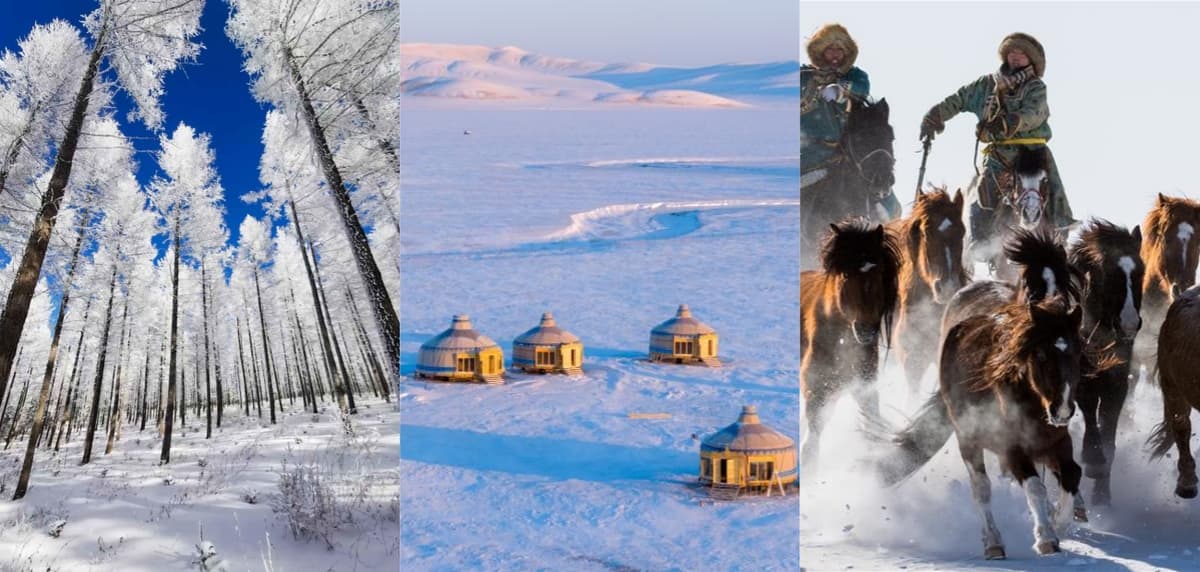
Winter transforms northern Inner Mongolia into a spectacular snowy landscape and offers a completely different travel experience.
From November to March, northern destinations such as Hulunbuir and Arshan can be covered in snow, creating dramatic winter scenery. Travelers can experience snow-covered forests and grasslands, frozen lakes, winter activities, and seasonal festivals. Manzhouli is also a popular destination for winter ice and snow experiences, while Arshan is known for its snowy landscapes and hot springs.
Winter is ideal for travelers who want to experience snow and unique seasonal activities, rather than conventional grassland sightseeing.
Winter is extremely cold, especially in northern Inner Mongolia. Average temperatures generally range from −20°C (−4°F) to −5°C (23°F).
Warm clothing is essential. Wear a heavy down jacket, thermal layers, insulated pants, gloves, a warm hat, and waterproof winter boots. Cover exposed skin when spending extended periods outdoors in extremely cold weather.
Winter travel requires careful preparation because of the extreme cold and potentially challenging road conditions. Some accommodations, scenic areas, and tourist facilities may operate on reduced schedules or close during the off-season, so check opening conditions and transportation options before traveling.
Because Inner Mongolia covers such a large area, the best way to reach and travel around the region depends largely on your itinerary. Major cities are well connected by flights and high-speed trains, making it easy to reach different parts of the region from across China. The region is also connected to China's national high-speed rail network, with the Beijing–Hohhot high-speed railway taking as little as 2 hours. Once you arrive, private cars and organized tours are often more convenient for reaching grasslands, deserts, forests, and other remote attractions.
Hohhot Baita International Airport is the main air gateway to central Inner Mongolia, with frequent flights to and from major cities across China. It is particularly convenient for travelers visiting Hohhot, Baotou, Ordos, Ulanqab, and nearby grassland destinations.
If your main destination is Hulunbuir, flying directly to Hulunbuir Dongshan International Airport is usually much more practical than traveling overland from Hohhot. Hulunbuir is more than 1,000 kilometers from Hohhot, so flying can save considerable travel time.
Other airports, including those in Ordos, Baotou, Chifeng, and Manzhouli, can also be useful depending on your itinerary.
High-speed trains connect Hohhot with major cities in northern China, including Beijing, as well as nearby destinations such as Baotou, Ordos, Ulanqab, and Zhangjiakou. For international travelers arriving in Beijing, taking a high-speed train from Beijing to Hohhot is a convenient way to combine a Beijing trip with an Inner Mongolia adventure.
However, trains are mainly useful for connecting major cities and do not reach many remote grasslands and desert attractions directly.
Because of the region's enormous size, getting around Inner Mongolia requires some planning. The most suitable transportation method depends on the distance, destination, and type of trip you are planning.
High-speed trains are a convenient option for traveling between major cities such as Hohhot, Baotou, Ordos, and Ulanqab. They are fast and comfortable, but railway coverage is limited in many grassland, desert, and remote scenic areas. For this reason, trains are often best used as part of a multi-mode itinerary, combined with private transportation or local tours.
Flying is the most time-efficient option for covering long distances within Inner Mongolia. For example, travelers going from central Inner Mongolia to Hulunbuir (eastern Inner Mongolia) can save many hours by flying rather than taking a long-distance train or driving. Domestic flights can be particularly useful when combining destinations in eastern and western Inner Mongolia.
For exploring grasslands, deserts, forests, and remote scenic areas, a private car with a driver is often the most convenient option. It offers greater flexibility to stop for photographs, visit viewpoints, and reach attractions that are not well connected by public transportation. This is particularly useful in Hulunbuir, where travelers often need a car to connect the grasslands, Ergun, Russian-style villages, forests, and other scenic areas.
For foreign visitors who are unfamiliar with China's transportation system, an organized tour can make traveling around Inner Mongolia much easier. A local travel agency can coordinate transportation, accommodation, attraction tickets, and local guides, which is especially useful for multi-day trips covering several remote destinations. For travelers who want to visit multiple grassland or desert areas without dealing with long-distance transportation themselves, a private or small-group tour can be a convenient choice.
Inner Mongolia is a vast region with dramatically different landscapes from east to west. To make it easier to plan your trip, the major attractions can be grouped into eastern, central, and western Inner Mongolia, each offering a distinct combination of grasslands, forests, deserts, and cultural sites.
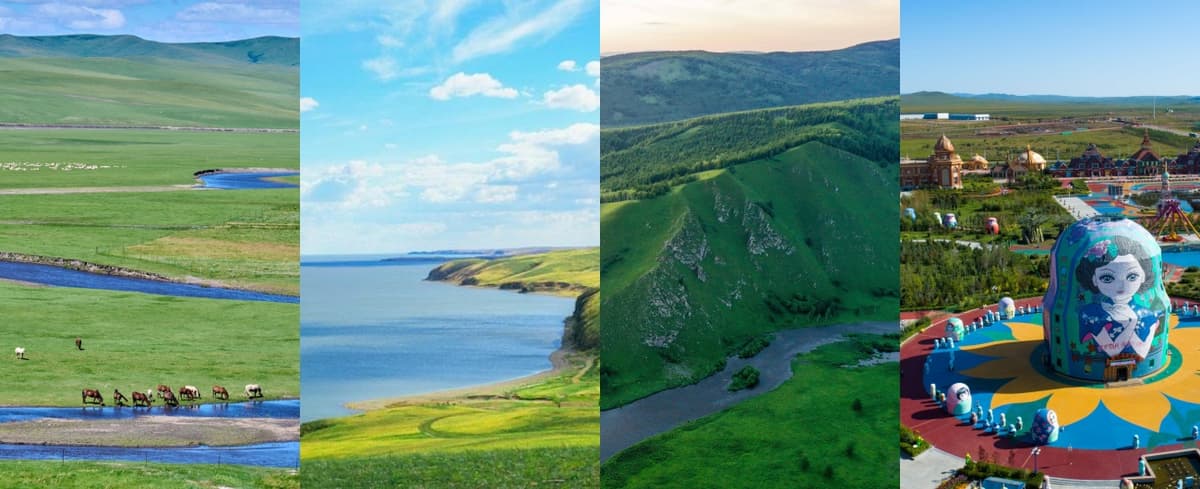
Eastern Inner Mongolia is best known for its vast grasslands, forests and lakes, making it an excellent choice for travelers seeking open landscapes and outdoor experiences.
Located in the western part of Hulunbuir, Hulunbuir Grassland is one of the most famous grassland destinations in Inner Mongolia. It is widely regarded as one of the most beautiful grasslands in China and is often considered a symbol of the classic Inner Mongolia travel experience.
The grassland is known for its vast open landscapes, rolling green hills, winding rivers, wildflowers, and grazing horses and sheep. In summer, the steppe becomes especially lush and vibrant, offering the quintessential scenery many travelers imagine when they think of Inner Mongolia.
A visit to Hulunbuir is not just about sightseeing. Travelers can ride horses across the grasslands, stay in a traditional Mongolian yurt, experience Mongolian cultural activities, enjoy local food, photograph the landscape, and watch the sunset over the open steppe. For a deeper experience, Hulunbuir can also be combined with nearby wetlands, forests, lakes, and border towns to create a multi-day journey.
Hulun Lake is one of the largest freshwater lakes in northern China and an important natural attraction on the Hulunbuir grasslands. Surrounded by vast grasslands and wetlands, the lake forms an important part of the region's distinctive landscape.
The lake is known for its wide open waters, surrounding grasslands, wetlands, and abundant birdlife, offering a peaceful contrast to the expansive steppe. Its changing scenery throughout the year also makes it a popular destination for nature lovers and photographers.
Visitors can enjoy views of the lake and surrounding grasslands, watch birds, photograph the scenery, take a leisurely walk along the lakeshore, and experience the peaceful atmosphere of the Hulunbuir region. Hulun Lake is particularly easy to combine with a Hulunbuir Grassland itinerary, making it a good addition to a trip through eastern Inner Mongolia.
Located in the Greater Khingan Mountains in eastern Inner Mongolia, Arshan National Forest Park is a scenic area known for its forests, volcanic landscapes, alpine lakes, rivers, and hot springs. It offers a refreshing contrast to the vast grasslands that Inner Mongolia is best known for.
The park is particularly attractive for travelers who want to experience forests and mountain scenery. In summer, the cool climate and lush greenery make it an excellent escape from the heat, while autumn transforms the forests into a colorful landscape of golden and red foliage. The area is also known for its distinctive volcanic landforms and clear lakes, creating a diverse landscape within a relatively compact area.
Visitors can hike through the forests, explore volcanic landforms and crater lakes, enjoy the scenery around Tianchi (Heavenly Lake), and experience the area's natural hot springs. Arshan is also a great destination for photography, especially in autumn, and can be combined with a broader Hulunbuir and eastern Inner Mongolia itinerary.
Located in northern Hulunbuir, near the borders of China, Russia, and Mongolia, Manzhouli is a distinctive border city known for its Russian-influenced architecture, colorful streets, and unique cross-border atmosphere. As an important gateway between China and Russia, the city offers a different experience from the surrounding grasslands and natural landscapes of eastern Inner Mongolia.
Manzhouli is particularly worth visiting for travelers interested in border culture, architecture, and the cultural connections between China, Russia, and Mongolia. The city's European-style buildings, Russian-inspired decorations, and lively streets create a striking contrast with the vast grasslands of Hulunbuir.
Visitors can explore the city's distinctive architecture, visit local markets and border attractions, photograph the colorful streets, enjoy Russian-influenced food, and experience the unique atmosphere of a northern border city.
Central Inner Mongolia is the political and cultural center of the region, offering a combination of grasslands, Mongolian culture, historic temples, and cultural attractions. With its deep historical and cultural roots, the region provides travelers with a great opportunity to explore the traditions, heritage, and diverse cultural experiences of Inner Mongolia.
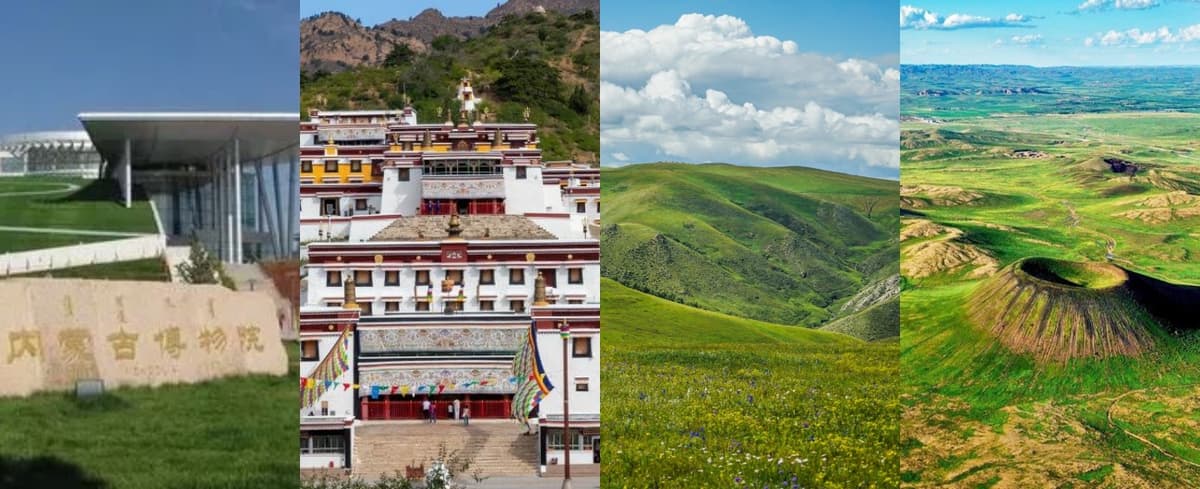
Hohhot is the capital of the Inner Mongolia Autonomous Region and an important cultural and transportation hub. The city offers a fascinating combination of Mongolian traditions, Buddhist temples, museums, local cuisine, and modern urban life.
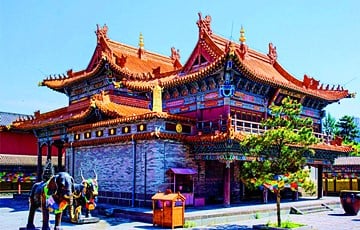
Hohhot is an excellent place to learn about the history and culture of Inner Mongolia before heading into the grasslands. The city is home to important cultural attractions such as Dazhao Temple and the Inner Mongolia Museum, where visitors can learn more about the region's history, ethnic cultures, and natural heritage.
Visitors can explore historic temples, visit museums, taste traditional Mongolian cuisine, experience local culture, and explore the city's old streets and markets. Hohhot can also serve as a convenient starting point for trips to nearby grasslands and other attractions in central Inner Mongolia.
Located in Baotou in central Inner Mongolia, Wudangzhao Monastery is one of the most important Tibetan Buddhist monasteries in the region and the largest monastery of the Gelug school of Tibetan Buddhism in Inner Mongolia. Built in a traditional Tibetan architectural style, the monastery is often known as the "Little Potala Palace" for its white buildings layered across the hillside.
The monastery is particularly worth visiting for its distinctive architecture, Buddhist sculptures, murals, religious atmosphere, and mountain setting. Unlike the grasslands and natural landscapes that dominate much of Inner Mongolia, Wudangzhao offers travelers an opportunity to explore the region's religious heritage and cultural history.
Visitors can explore the monastery complex, admire its Tibetan-style architecture and Buddhist artworks, learn about Tibetan Buddhist traditions, and enjoy views of the surrounding mountains.
Located in Ulanqab in central Inner Mongolia, Huitengxile Grassland is a highland grassland known for its rolling meadows, open landscapes, wildflowers, and cool summer climate. Its location relatively close to Hohhot makes it one of the more accessible grassland destinations in central Inner Mongolia.
The grassland is especially attractive in summer, when the meadows turn green and the surrounding hills are covered with wildflowers. Its broad landscapes and comfortable summer temperatures also make it a popular destination for outdoor activities and short grassland getaways.
Visitors can enjoy grassland walks, ride horses, photograph the scenery, stay in a yurt, and experience traditional Mongolian activities.
The Ulanhada Volcano Group in Ulanqab, central Inner Mongolia, is one of the region's most unique geological attractions. Formed by ancient volcanic activity, it features a series of volcanic cones, lava landscapes, and black volcanic rocks, creating a striking contrast with the surrounding grasslands.
The volcano group is a great destination for travelers interested in nature, geology, and photography. Compared with the endless green grasslands that Inner Mongolia is famous for, Ulanhada offers a completely different landscape, combining volcanic terrain with the open steppe and showcasing the diverse natural scenery of the region.
Visitors can explore volcanic craters, walk along scenic trails, photograph the unique lava formations, enjoy views of the surrounding grasslands, and experience the peaceful atmosphere of this geological landscape.
Western Inner Mongolia is characterized by some of the region's most spectacular desert landscapes, including towering sand dunes, desert lakes, and vast stretches of open wilderness. The area is also home to Ejina's famous Populus euphratica forests, which create one of Inner Mongolia's most distinctive autumn landscapes.
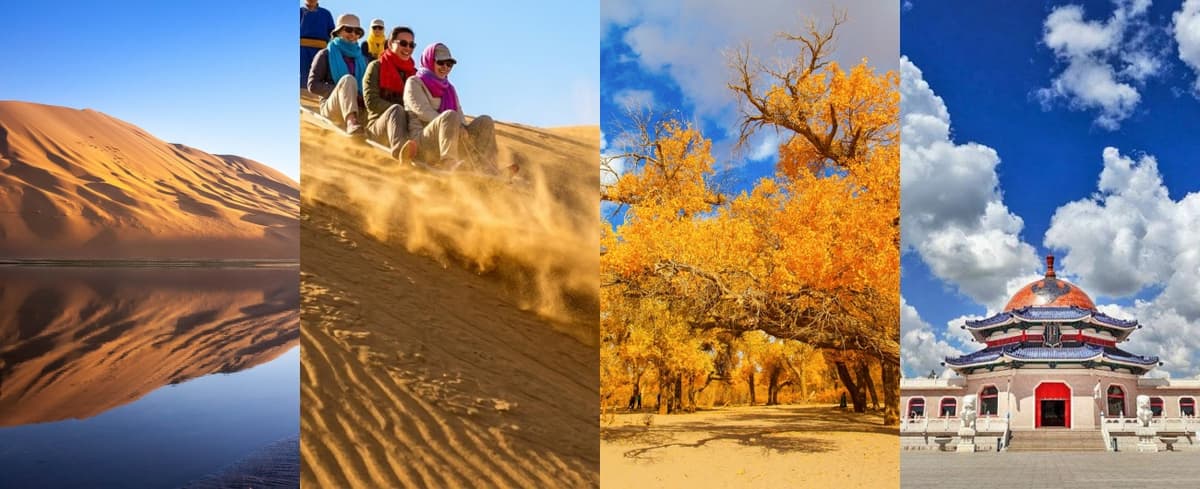
Located in Alxa League in western Inner Mongolia, the Badain Jaran Desert is one of China's most remarkable desert landscapes, famous for its towering sand dunes, desert lakes, and vast stretches of golden sand.
What makes the desert particularly unique is the striking contrast between enormous dunes and the lakes that appear among them. The combination creates an otherworldly landscape that is very different from the grasslands of eastern Inner Mongolia.
Visitors can explore the desert by off-road vehicle, climb sand dunes, photograph desert lakes, enjoy panoramic views from the dunes, and experience an overnight desert adventure. The desert is especially attractive for travelers looking for dramatic landscapes and photography opportunities.
The Kubuqi Desert in western Inner Mongolia is one of China's most accessible desert destinations, known for its golden sand dunes, unique desert scenery, and diverse outdoor experiences. As one of the largest deserts in China, it offers travelers a chance to experience the dramatic landscapes of the desert without traveling too far from major cities such as Ordos and Hohhot.
The desert is particularly famous for Xiangshawan (Resonant Sand Bay), one of its most popular scenic areas. Known for the mysterious "singing sand" phenomenon, Xiangshawan produces sounds when sand slides down the dunes under certain conditions. Beyond its natural landscape, it also combines desert scenery with entertainment and cultural experiences, making it a popular choice for families and first-time desert visitors.
Visitors can ride camels across the dunes, experience desert off-road vehicles, try sand sliding, enjoy sunset views, explore desert landscapes, and experience Mongolian-style cultural activities. The combination of vast sand dunes, unique natural phenomena, and convenient access makes the Kubuqi Desert an excellent destination for travelers looking to experience the desert side of Inner Mongolia.
Located in Ejina Banner in western Inner Mongolia, the Ejina Populus euphratica forest is one of the region's most famous seasonal attractions. The ancient trees are particularly known for their brilliant golden-yellow foliage in autumn, creating a striking contrast with the surrounding desert landscape.
The forest has a short but spectacular peak foliage season, making it one of the best places in Inner Mongolia for experiencing golden autumn scenery and landscape photography. The combination of golden trees, blue skies, and surrounding desert creates a landscape that is very different from the green grasslands of eastern Inner Mongolia.
Visitors can walk through the forest, photograph the golden foliage, explore scenic viewing areas, and enjoy sunrise and sunset photography. Because the peak viewing period is relatively short, travelers planning an autumn visit should check the foliage conditions and book accommodation and transportation in advance.
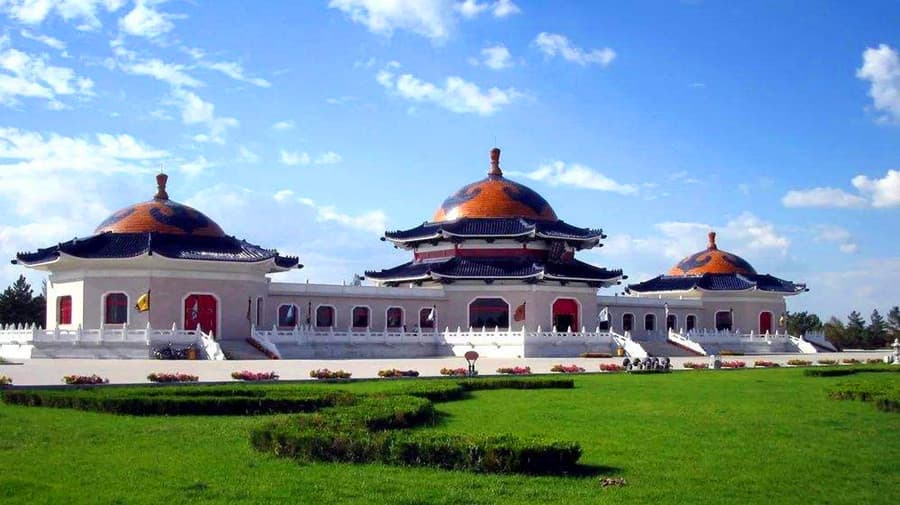
Located in Ordos, the Genghis Khan Mausoleum is an important cultural attraction associated with Genghis Khan and Mongolian history. The site provides an opportunity to learn more about Mongolian heritage, traditions, and the historical legacy of one of the most influential figures in Mongolian history.
The complex combines traditional Mongolian architectural elements, cultural exhibitions, and ceremonial spaces, making it a useful addition to an itinerary focused on the history and culture of Inner Mongolia.
Visitors can explore the mausoleum complex, learn about Genghis Khan and Mongolian history, view traditional Mongolian cultural displays, and experience the region's historical heritage. It can also be combined with other attractions in Ordos and the surrounding desert areas.
Inner Mongolia is not only about visiting scenic attractions. With its vast grasslands, remarkable deserts, forests, lakes, and rich Mongolian traditions, the region offers a wide range of unique experiences. From riding horses across the steppe to exploring desert landscapes and experiencing local culture, travelers can enjoy unforgettable activities throughout their journey.
Experiencing the grassland lifestyle is one of the most iconic things to do in Inner Mongolia. Travelers can ride horses across the open steppe, stay in a traditional Mongolian yurt, walk through endless grasslands, and enjoy the peaceful atmosphere of pastoral life.
The grasslands offer a chance to slow down and connect with nature. Visitors can enjoy sunrise and sunset views, photograph grazing horses and sheep, taste local Mongolian food, and experience traditional activities with local communities. Destinations such as Hulunbuir, Xilingol, and Huitengxile Grassland are ideal places for these experiences.
Beyond its famous grasslands, Inner Mongolia is also home to some of China's most impressive desert landscapes. Desert exploration offers a completely different travel experience, with activities ranging from relaxing sightseeing to exciting outdoor adventures.
Travelers can ride camels across golden dunes, experience desert off-road vehicles, try sand sliding, climb sand dunes, enjoy desert sunsets, and spend a night under the stars. The Badain Jaran Desert, Kubuqi Desert, and Xiangshawan are popular destinations for experiencing the unique beauty of the desert.
Inner Mongolia provides many opportunities to experience the traditions and lifestyle of Mongolian culture. Visitors can learn about local customs through festivals, performances, food, and daily cultural experiences.
The Naadam Festival is one of the best ways to experience Mongolian traditions, featuring traditional sports such as wrestling, horse racing, and archery. Travelers can also enjoy Mongolian singing and dancing performances, wear traditional costumes, stay in yurts, and taste local specialties such as roasted lamb and dairy products.
With its diverse landscapes, Inner Mongolia is an excellent destination for travelers who love nature and photography. Each season offers a different atmosphere, from green grasslands in summer to golden forests and deserts in autumn.
Visitors can hike through forests, explore volcanic landscapes, observe birds around wetlands and lakes, photograph colorful autumn scenery, and enjoy the changing landscapes throughout the year. Areas such as Arshan, Hulun Lake, the Greater Khingan Mountains, and Ejina are especially attractive for nature lovers.
Inner Mongolia has a rich history shaped by nomadic cultures, Mongolian traditions, and religious heritage. Travelers interested in history can explore the region's museums, temples, and cultural sites to gain a deeper understanding of its past.
Visitors can learn about Mongolian history at museums, admire Tibetan Buddhist architecture, explore historic temples, and discover the cultural legacy connected with figures such as Genghis Khan. Places such as Hohhot, Wudangzhao Monastery, and Genghis Khan Mausoleum offer valuable cultural experiences.
Inner Mongolia's cuisine is deeply connected with its nomadic traditions and pastoral lifestyle. Known for its high-quality meat and dairy products, the region offers a unique food experience that reflects the culture of the Mongolian grasslands.
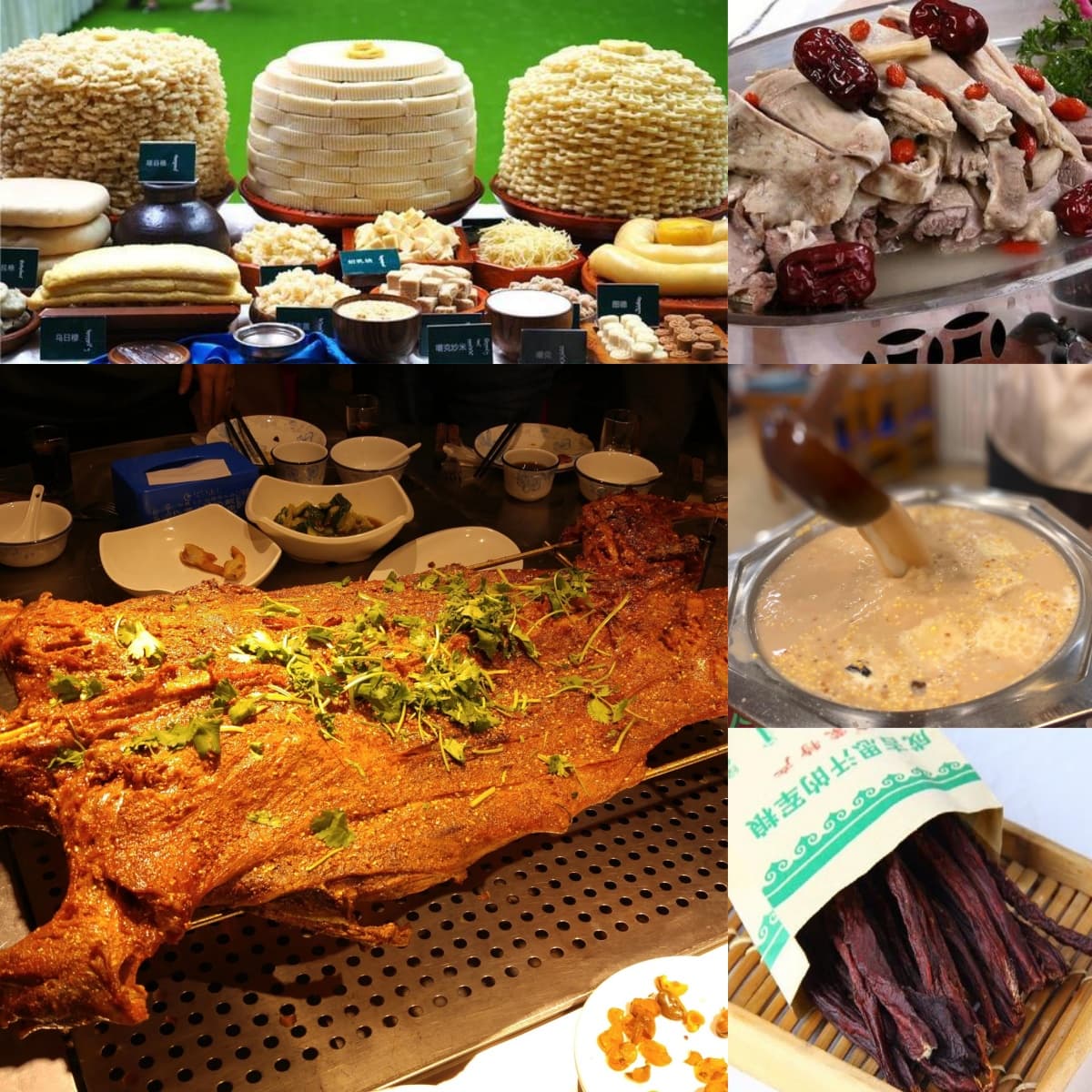
Whole roast lamb is one of the most iconic dishes in Inner Mongolia and is often served during festivals, celebrations, and important gatherings. A whole lamb is traditionally roasted over an open fire until the skin becomes golden and crispy while the meat remains tender and flavorful.
More than just a dish, whole roast lamb represents Mongolian hospitality and traditional dining culture. It is usually shared among family members or guests, making it a memorable experience for travelers who want to enjoy local customs.
Boiled mutton (Shou Ba Rou) is one of the most traditional everyday dishes in Inner Mongolia. Fresh lamb is simply boiled with minimal seasoning, allowing the natural flavor and tenderness of the meat to stand out. It is commonly enjoyed with dipping sauces and is a must-try for visitors interested in authentic local cuisine.
Mongolian milk tea is an important part of daily life in Inner Mongolia and a symbol of Mongolian hospitality. Unlike sweet milk tea in many other regions, traditional Mongolian milk tea is usually made with tea, milk, salt, and sometimes butter or roasted grains, creating a rich flavor.
Visitors may be offered milk tea when visiting Mongolian families, yurts, or cultural sites. Enjoying a bowl of warm milk tea is a simple way to experience the traditional lifestyle of the grasslands.
Dairy products are an essential part of Mongolian cuisine and are closely connected with the pastoral lifestyle. Made from milk, yogurt, cheese, and other dairy ingredients, these foods have long been an important source of nutrition for people living on the grasslands.
Popular dairy products include dried cheese, milk curds, yogurt, and fresh milk products. Travelers can try a variety of local dairy snacks at markets, restaurants, and grassland camps.
Air-dried meat is a traditional food developed from the needs of nomadic life. Meat is naturally dried in the open air, allowing it to be preserved for longer periods while creating a distinctive chewy texture and rich flavor. Usually made from beef or mutton, air-dried meat is a popular local snack and a convenient food for travelers. It is also commonly purchased as a local souvenir from Inner Mongolia.
Traveling in Inner Mongolia is generally safe and enjoyable, but the region's vast distances, diverse landscapes, and changing weather conditions mean that some preparation is important. The following tips can help foreign visitors have a smoother and more comfortable journey.
Inner Mongolia is a vast region, and many popular attractions are far apart from each other. Travel times between grasslands, deserts, forests, and cities can be several hours. When planning your itinerary, avoid trying to cover too many destinations in a short time. A multi-day itinerary with enough time at each destination will allow you to better enjoy the landscapes and experiences.
Weather conditions in Inner Mongolia can change quickly, especially in grassland and desert areas. Even in summer, temperatures can become cool in the morning and evening. Pack layers of clothing, comfortable walking shoes, sunscreen, sunglasses, and a hat. If visiting in winter, prepare sufficient thermal clothing and cold-weather gear due to the extremely low temperatures.
Many areas of Inner Mongolia have a dry climate and strong sunshine, especially deserts and open grasslands. Travelers should bring sunscreen, sunglasses, and stay well-hydrated, as well as gear up to protect against the wind and dust during outdoor activities.
Inner Mongolia has a rich Mongolian cultural heritage. When visiting local communities or grassland camps, travelers should respect local traditions and customs. Visitors may encounter traditional practices such as offering Mongolian milk tea or welcoming ceremonies. Accepting these experiences with respect is a great way to better understand local culture.
China is highly digitalized, and mobile payments such as Alipay and WeChat Pay are widely used. International visitors should set up payment methods before traveling and carry some cash as a backup, especially when visiting rural areas.
For international travelers, exploring Inner Mongolia with a reliable local travel agency can make the journey significantly easier. The region's biggest challenge is not a lack of attractions but the distance between them. Grasslands, deserts, forests, and cultural sites are spread across a huge area, and public transportation is not always convenient once you leave the major cities.
A professional travel agency can arrange private transportation, hotels, local guides, attraction tickets, and customized itineraries, allowing you to focus on enjoying the scenery rather than managing complicated logistics.
With more than 20 years of experience in inbound tourism, we specialize in authentic private and small group tours for international travelers. Our local travel experts design flexible Inner Mongolia tour itineraries that combine natural landscapes, ethnic cultures, and meaningful local experiences.
We will provide you with the best service and price to guarantee you a great Inner Mongolia tour!
Yes. Inner Mongolia is one of China's best destinations for travelers interested in grasslands, deserts, outdoor activities, wildlife, photography, and Mongolian culture. If you are looking for a unique grassland experience, Inner Mongolia is a destination you won't regret visiting.
For grassland scenery, June to August is generally the best period. For autumn landscapes and desert travel, September and October are excellent choices. Winter is ideal for travelers specifically interested in snow and winter scenery.
No. Inner Mongolia is an autonomous region of China, while Mongolia is an independent country located to the north of China. Although they share some historical and cultural connections, they are separate destinations with different borders, governments, and travel requirements.
Yes. Major cities and popular tourist destinations receive international visitors regularly. However, English services may be limited in remote grassland and desert areas. Traveling with a local guide can make communication and transportation much easier.
You can use trains, buses, taxis, and domestic flights between many major cities. However, public transportation is much more limited in remote grasslands and deserts. For scenic areas, private vehicles or organized tours are often the most practical choices.
Independent travel is possible, especially if you focus on cities and destinations with good transportation. However, if your itinerary includes remote grasslands, deserts, or several destinations spread across the region, arranging private transportation or joining a tour can make the trip much easier.
Bring comfortable walking shoes, sunscreen, sunglasses, a hat, layered clothing, a light jacket, and personal necessities. If you are visiting desert areas, bring extra sun protection and sufficient water.For summer grassland trips, remember that nights can be considerably cooler than daytime.
Visa requirements for Inner Mongolia are the same as those for mainland China. Since Inner Mongolia is an autonomous region of China, there is no separate visa required to visit the region. Whether you need a visa depends on your nationality and China's latest entry policies. If you meet the entry requirements for mainland China, you can visit Inner Mongolia without any additional regional visa.
Inner Mongolia offers an incredible mix of vast grasslands, spectacular deserts, forests, lakes, and rich Mongolian culture, making it a rewarding destination for both first-time visitors and experienced travelers. From horseback riding in Hulunbuir and exploring the cultural heritage of Hohhot to experiencing the deserts of Alxa and the golden Populus euphratica forests of Ejina, there is something to enjoy in every season.
Because the region is so large, careful planning is key. Choosing the right destinations and travel season, allowing enough time for long-distance journeys, and arranging convenient transportation can make your trip much more enjoyable. For international visitors, a private or small-group tour with a local travel agency can also be a convenient way to explore Inner Mongolia comfortably.
With so many landscapes and experiences to discover, Inner Mongolia is best explored with an itinerary tailored to your interests and travel style. Whether you are looking for a short grassland escape, a cultural journey, an adventurous desert trip, or a longer itinerary combining several regions, a well-planned trip can help you experience the best of this vast and fascinating destination.
Ready to explore Inner Mongolia? Let our local travel experts help you plan a private or small-group Inner Mongolia tour based on your interests, travel dates, and budget. From Hulunbuir Grassland and Hohhot's cultural sites to the deserts of Alxa and Ejina's golden Populus euphratica forests, we can create a comfortable and memorable journey for you.
Contact us for a customized Inner Mongolia tour and let us turn your travel ideas into an unforgettable journey.
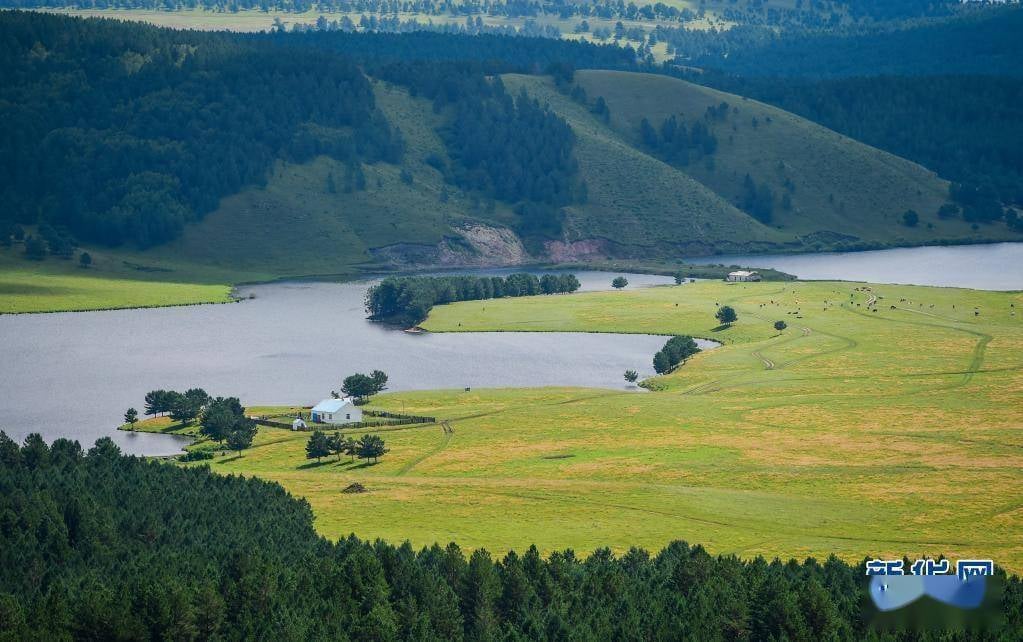
Hailar - Mergel River - Eerguna - GenHe - Mordoga National Forest Park - Haur River
Breaktaking sceneries of Inner Mongolia, Grassland and nomadic life.The Mergel River is a famous natural pasture. Mordoga National Forest Park is the largest forest park in China. The Haur River
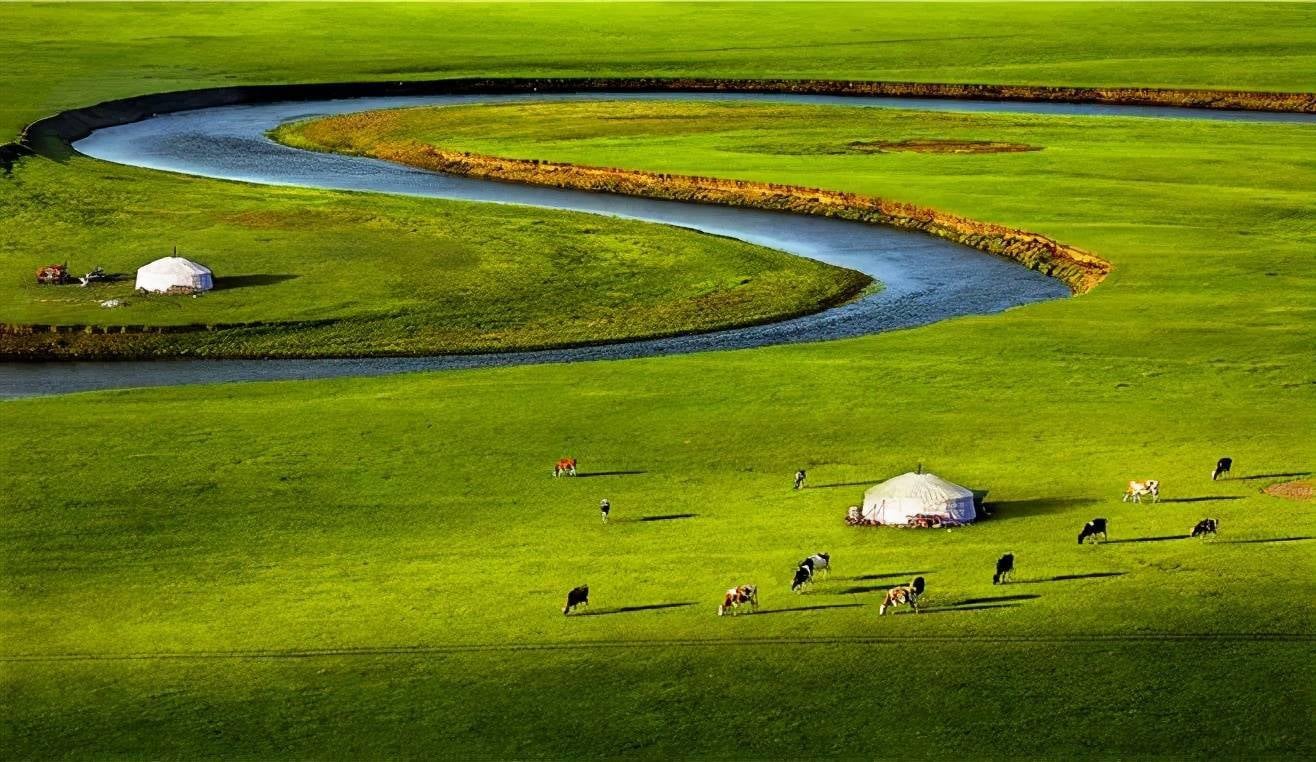
Xilamuren Grassland - Wudang Monastery - Xiangshawan- Mausoleum of Genghis Khan
Inner Mongolia Trip to Hohhot and Grassland, visit the beautiful Xilamuren Grassland and Wudang Monastery and the Genghis Khan Mausoleum, the national intangible cultural heritage of China.
Hohhot - Laoniuwan - Ordos - Baotou - Hailaer - Genhe - Shiwei - Heishantou - Manzhouli - Amugulang - Aershan - Hailaer
Experience Inner Mongolia in 2025 with this tour spanning the region's diverse landscapes and cultures. This journey connects cultural Hohhot, Baotou, and Ordos with picturesque Hulunbuir and Aershan.
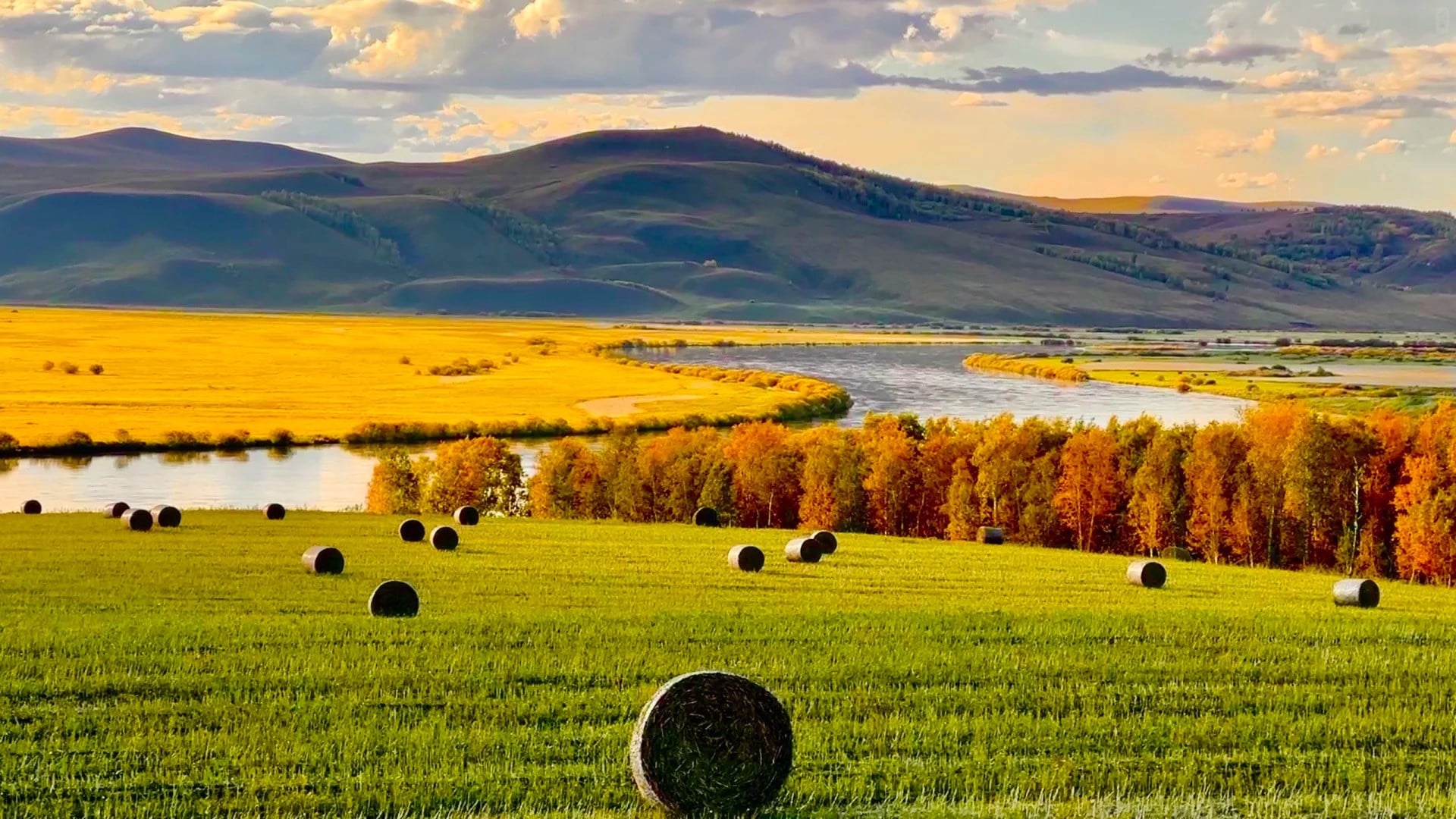
Hohhot - Ordos - Baotou - Hohhot - Hulunbuir - Manzhouli - Hulunbuir
This 11-day classic journey covers central and eastern Inner Mongolia, spanning Hohhot, Ordos, Baotou, Hulunbuir, and Manzhouli. It blends desert adventures, profound Mongolian history, Tibetan Buddhist culture, pristine grasslands, forests, wetlands, and unique Sino-Russian border customs, offering a full immersion into Inner Mongolia’s natural splendor and ethnic cultures.

Hailaer-Genhe-Mohe-Shibazhan-Heihe-Jiayin-Tangwanghe-Yichun-Harbin
Explore Northeast China on this 16-day deep tour. From Hulunbuir Grasslands and Mohe’s North Pole Village to Harbin’s city lights. Experience reindeer, wetlands, and Russian culture. Book your adventure now

Hulun Buir-Manzhouli-Heishantou-Ergun-Genhe-Beijicun-Mohe-Heihe-Wudalianchi-Qiqihar-Harbin
Discover the remote beauty of northern China on this 14-day Hulunbuir and Mohe adventure tour. Travel across endless grasslands, ancient forests, volcanic landscapes, and China's northernmost villages. Explore the vast Hulunbuir Grassland, experience Mongolian nomadic culture, visit the North Pole Village in Mohe, meet reindeer herders, and discover the volcanic wonders of Wudalianchi. This journey combines nature, wildlife, culture, and local experiences, offering an unforgettable adventure beyond China's classic tourist routes.