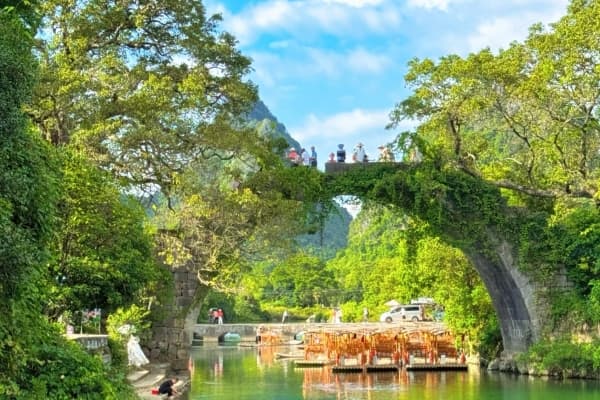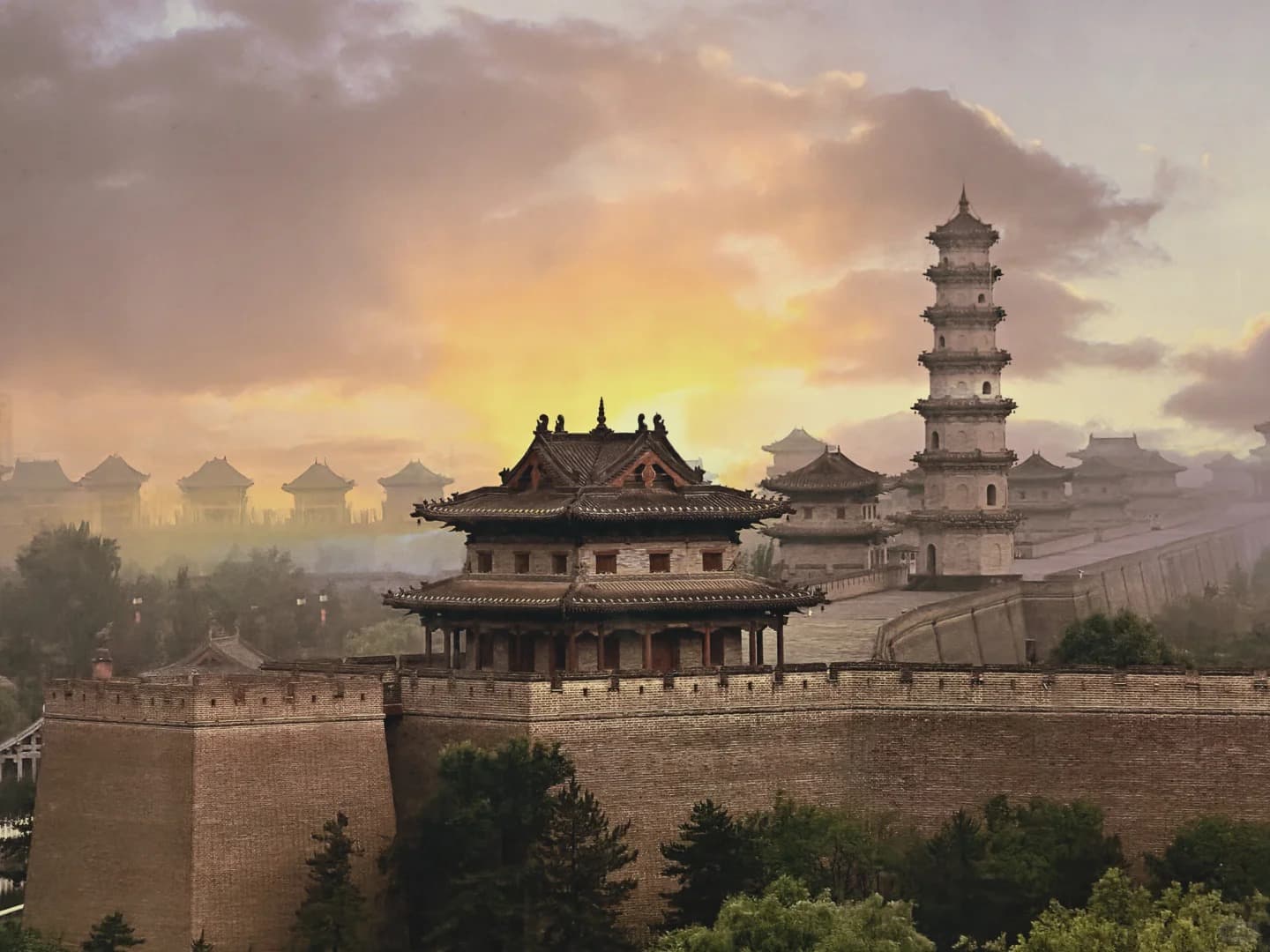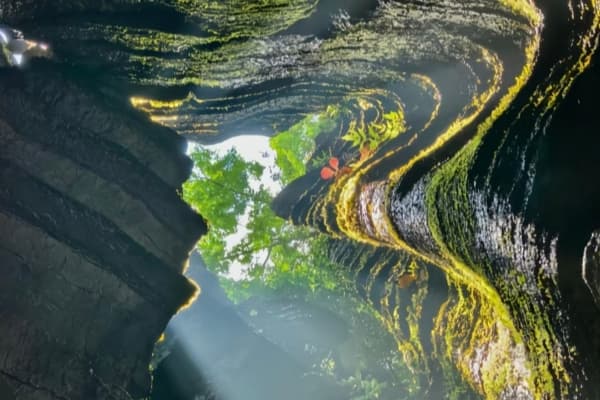



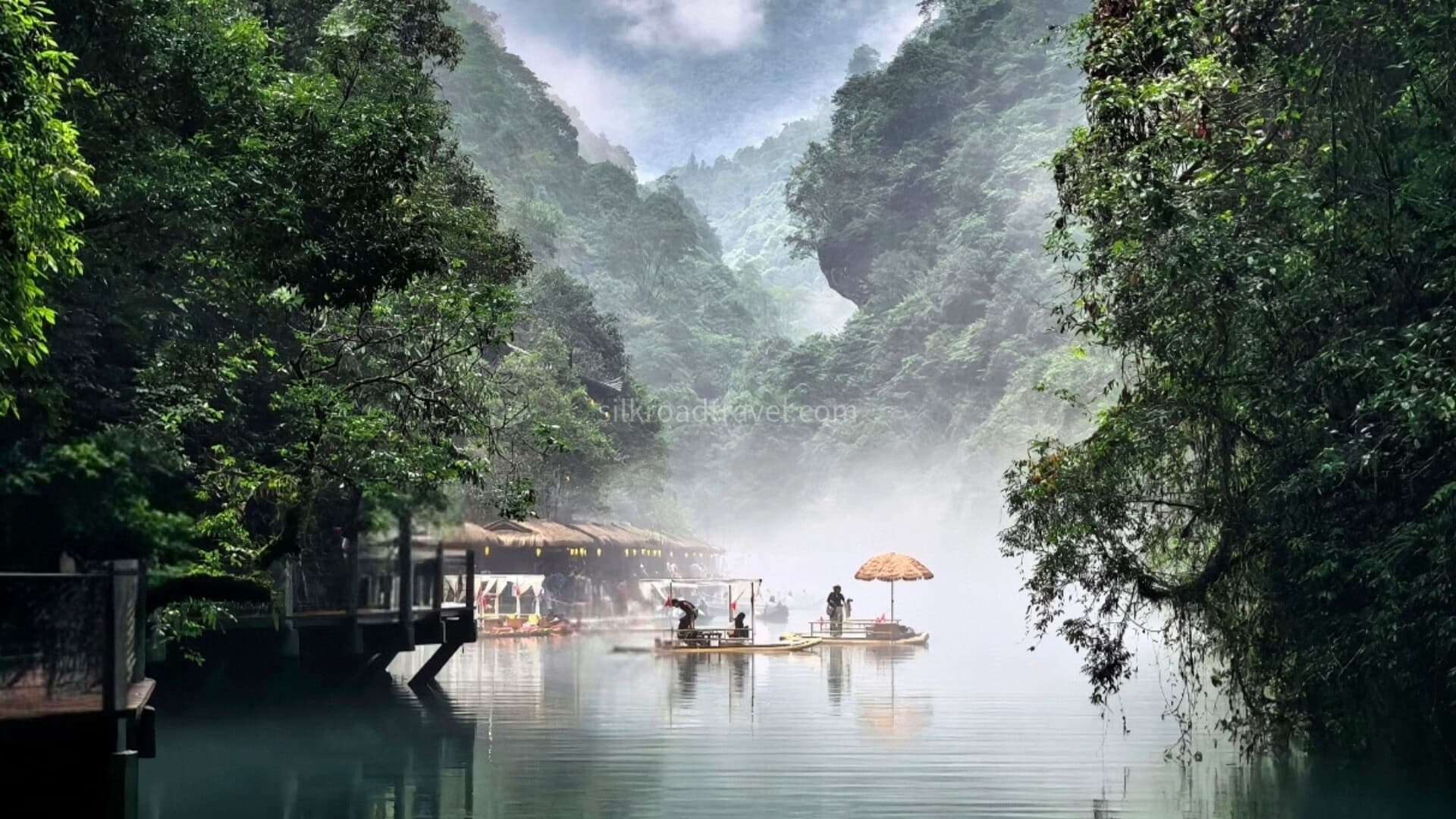

When people think of Hubei, they usually think of the Yangtze River, the Three Gorges, and the lively streets of Wuhan. But once you actually go, you'll find it’s much more than that. The misty Wudang Mountains, the calm East Lake, the deep canyons of Enshi, the wild forests of Shennongjia—this place has a way of surprising you.
Hubei can be grand, and it can be gentle. It's good for sightseeing, but even better if you slow down and just feel the life and stories hidden in the mountains and rivers.
Where is Hubei?
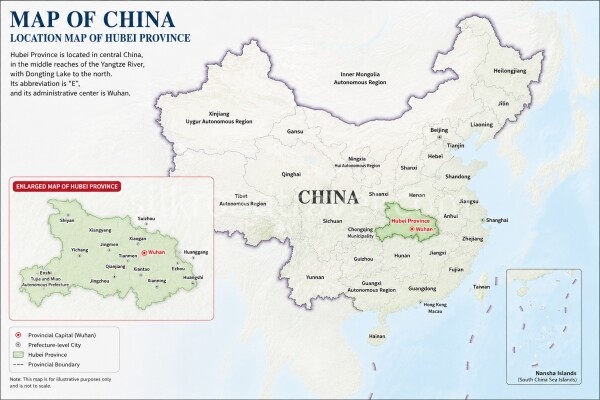
Hubei sits in the belly of China, along the middle stretch of the Yangtze River. It’s been called the "crossroads of nine provinces" for a long time. It touches Anhui to the east, Chongqing to the west, Henan to the north, and Hunan and Jiangxi to the south. It's a real hub connecting north, south, east, and west.
The capital Wuhan is one of the largest cities in central China, and a major center for high-speed rail, flights, and river shipping. From Wuhan, you can get to Beijing, Shanghai, Guangzhou, Chengdu, and other big cities pretty fast.
The land in Hubei changes a lot. The west is mostly mountains and canyons, the middle is full of lakes, and the east has rolling hills. So one trip can give you both grand mountain views and soft water town vibes.
From Villages to Cities: Hubei's Two Sides
Hubei has its modern cities, but it also keeps plenty of old villages and traditional spaces.
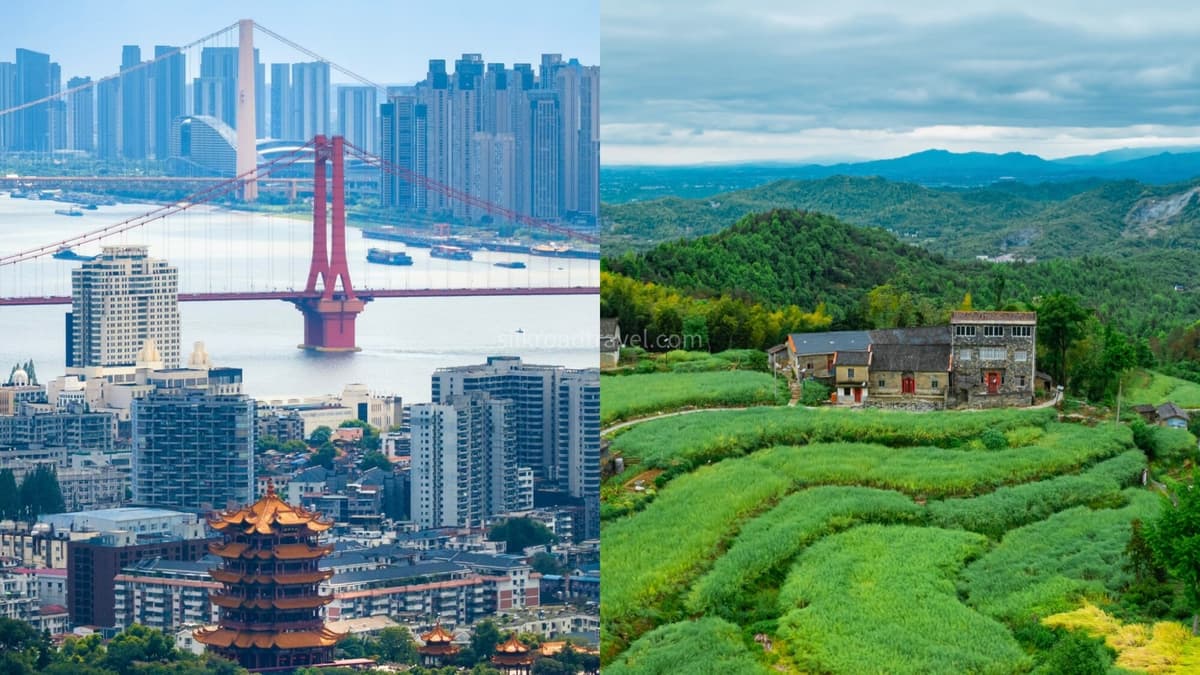
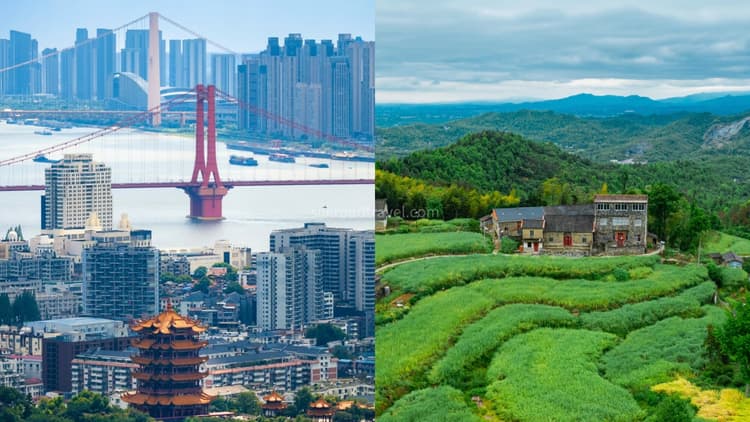
Wuhan has grown fast in recent years—tall buildings, busy shopping streets, expanding subway lines, and growing tech industries. At night, the riverbanks light up, and the city feels young and energetic.
But leave the city, and Hubei shows a completely different side. The Tujia villages in Enshi, the forest settlements in Shennongjia, the small towns along the Three Gorges, and the fishing villages by the lakes—they still move at an older, slower pace. You'll see modern roads and then turn onto a quiet country path. That shift from busy city to natural countryside is one of the most special things about traveling in Hubei.
What Hubei Offers Travelers
Hubei is often called the "province of a thousand lakes." The rivers and lakes here don’t just shape the land—they shape how people live. Lakes, wetlands, mountains, and forests come together to form a rich and varied environment.
At the same time, Hubei is one of the birthplaces of Chu culture. For thousands of years, poets, traders, and travelers have passed through, leaving behind old towns, traditional customs, and a deep cultural layer.
In Hubei, you can see:
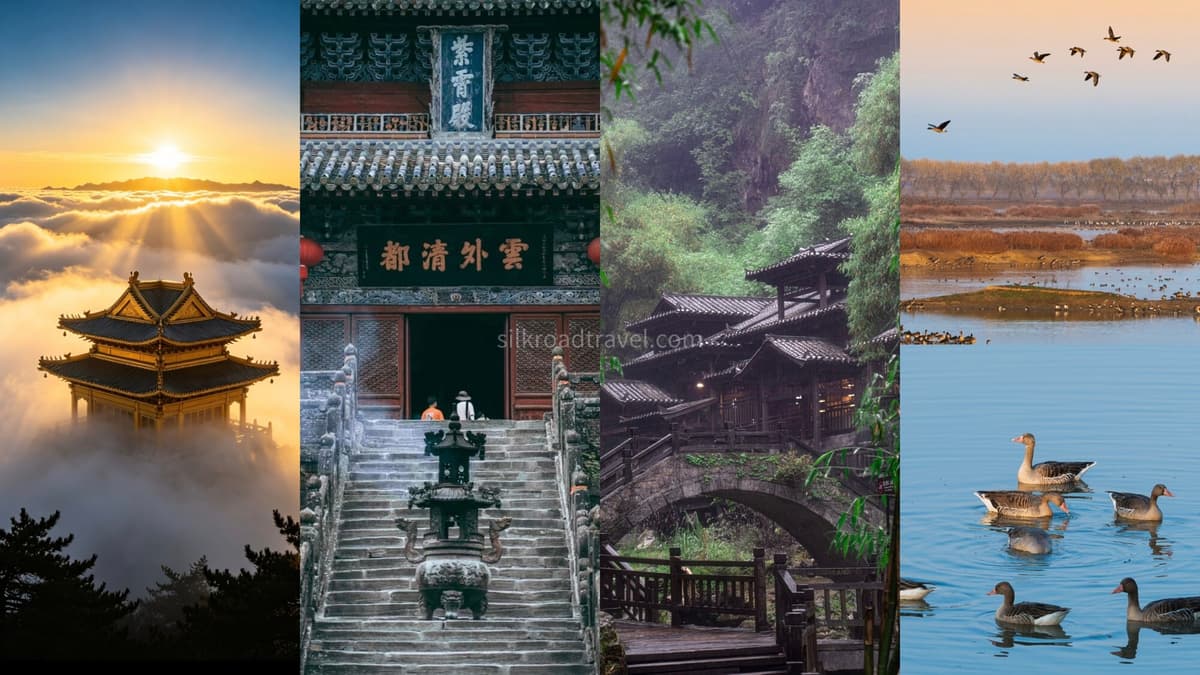
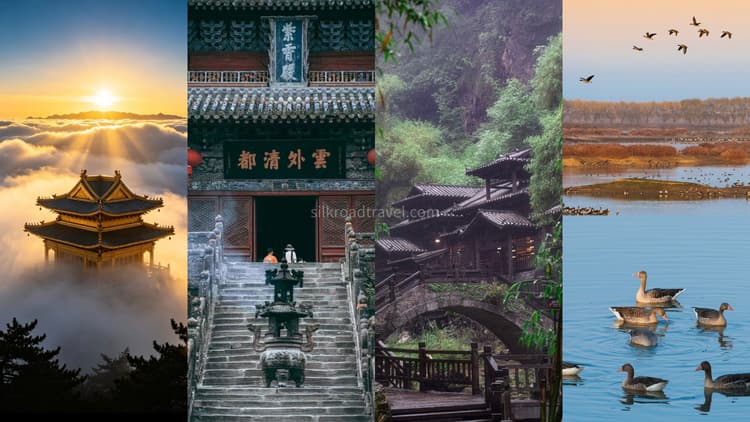
Mountains wrapped in clouds
Old Taoist buildings hidden in the hills
Riverside towns that still feel ancient
Wide wetlands where birds gather
Spicy, flavorful local food
Whether you like nature, history, outdoor adventure, or just eating well, Hubei has a lot to offer.
Popular Tourist Spots in Hubei
1. Yellow Crane Tower
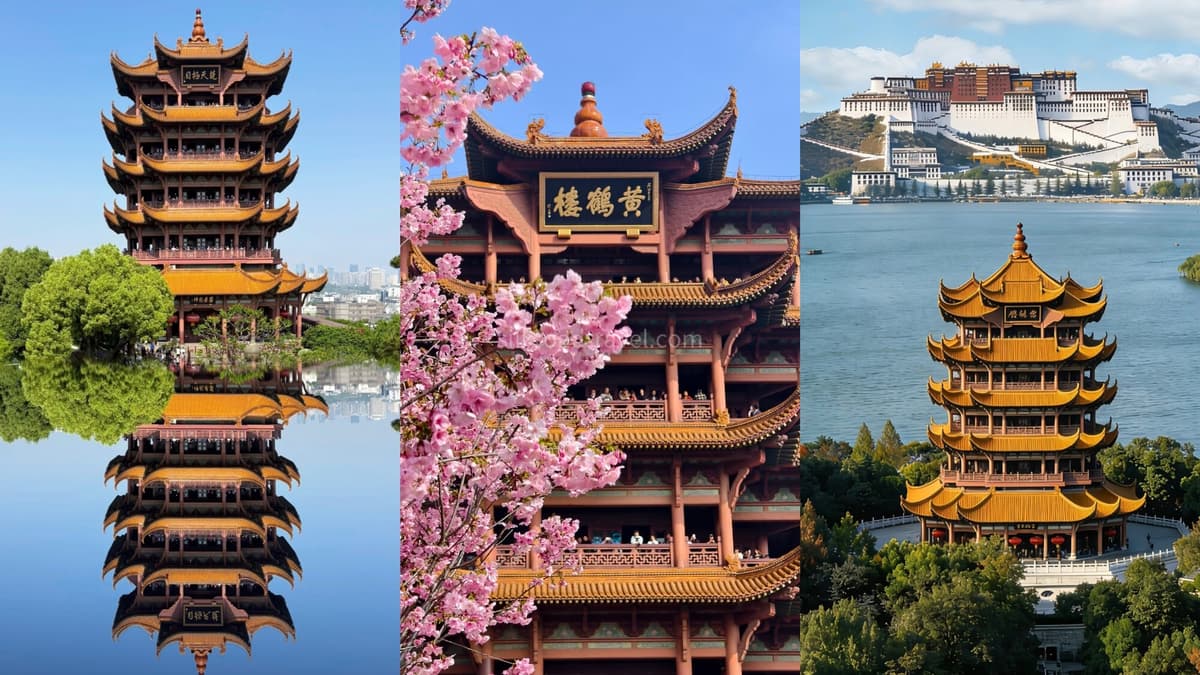
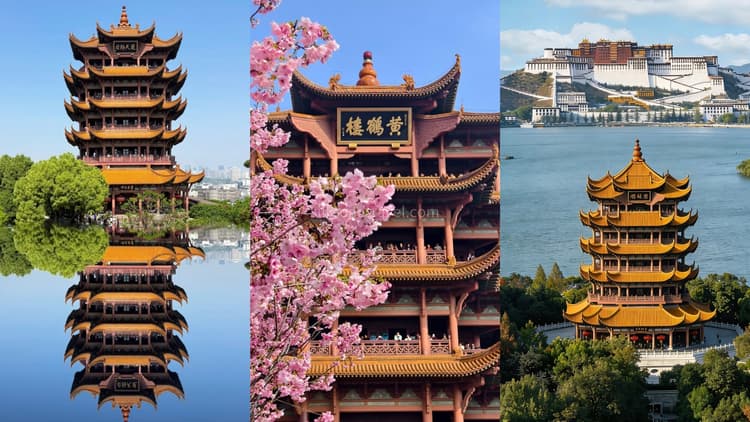
The Yellow Crane Tower sits by the Yangtze River. It's one of China's most famous old buildings, and a symbol of traditional culture.
Best time to go: Any season, but spring and autumn are best. Late afternoon is great for sunset over the river.
Opening hours:
March to October: 8:00–18:00 (last entry 17:20)
November to February: 8:00–17:00 (last entry 16:20)
Reservation needed? Yes. Book through the official "Yellow Crane Tower" WeChat account or a third-party app. For holidays, book 1–2 days early.
Note: Night tours have separate tickets and different hours.
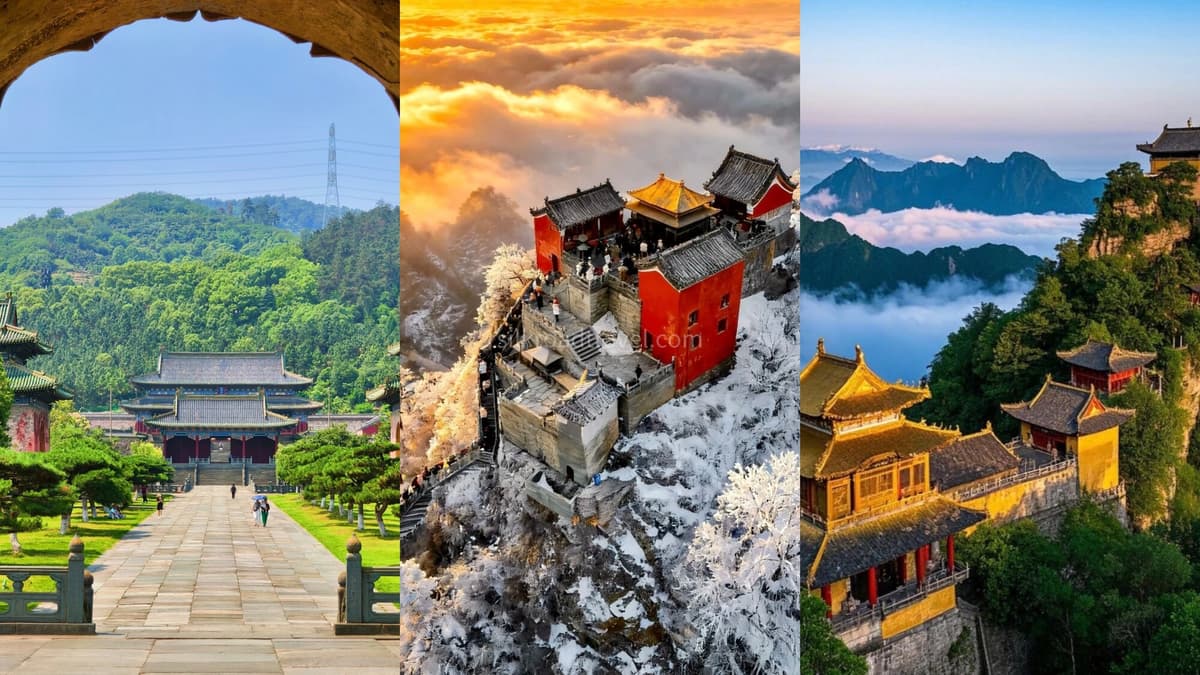
2. Wudang Mountains
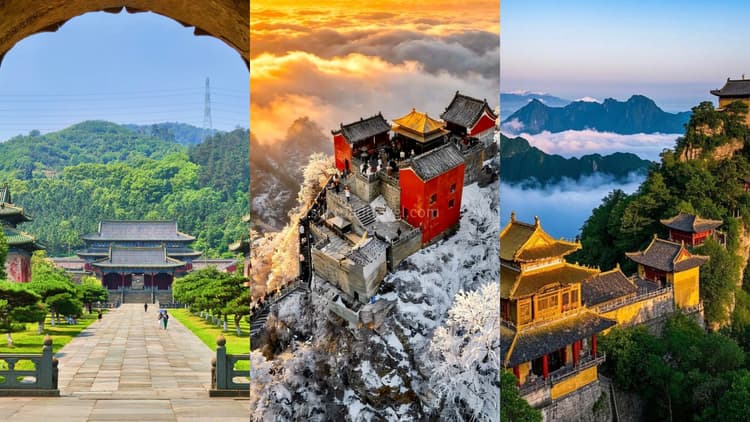
Wudang is a famous Taoist sacred site and a UNESCO World Heritage Site. It's known for Taoism, tai chi, and martial arts. Many people come not just for the views, but for the quiet, distant feeling you get up in the mountains.
Best time to go: Spring and autumn (April–May, September–October). Summer is cooler here—about 5–8°C less than down below.
Opening hours:
Main gate: 7:30–17:30 (varies slightly by season)
Golden Summit / Purple Cloud Palace: 8:00–17:00
Reservation needed? Yes. Book early on the official Wudang mini-program or Meituan / Ctrip. For holidays, book 3–5 days ahead.
Note: Golden Summit and Purple Cloud Palace require separate ticket checks.
3. The Three Gorges
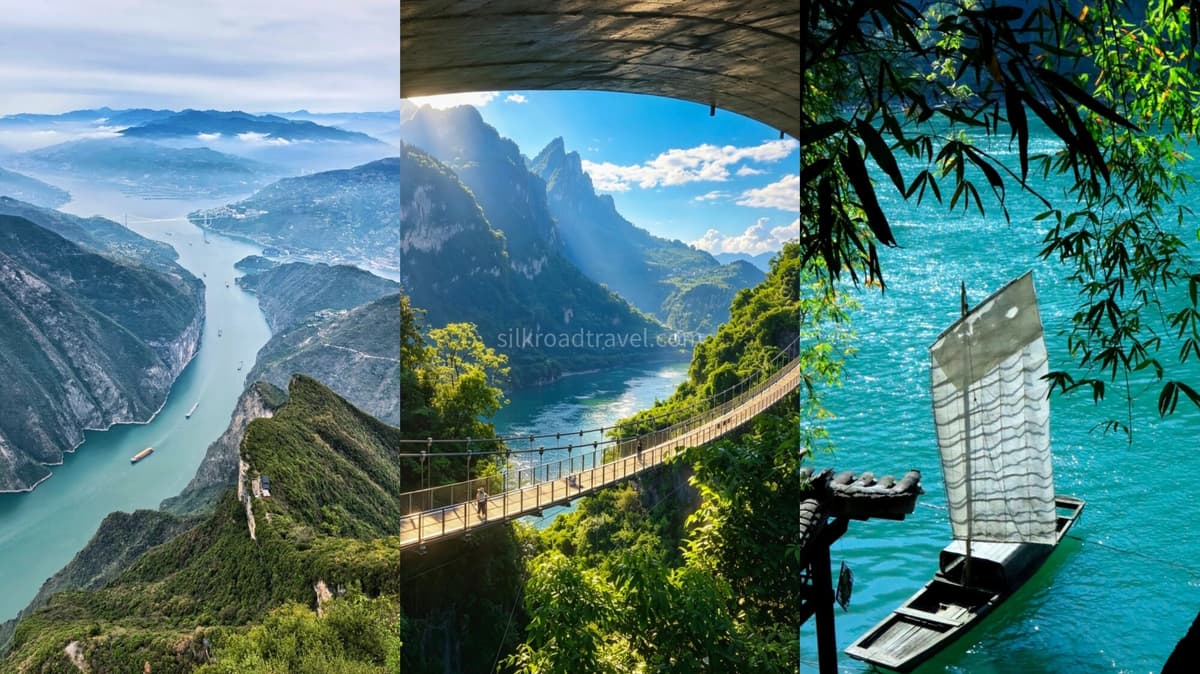
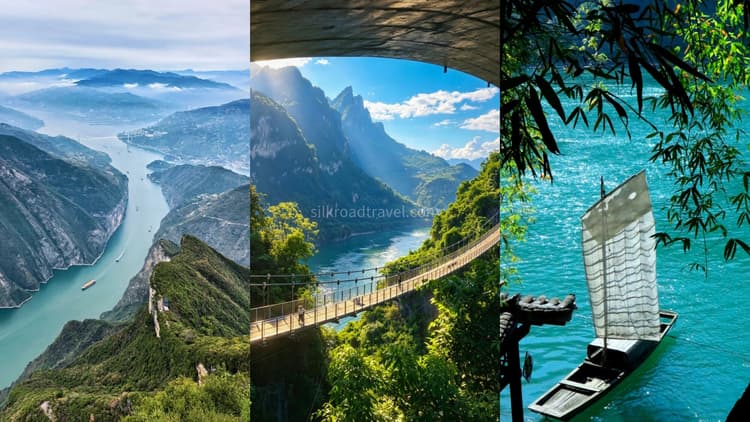
The Three Gorges of the Yangtze River are one of China's most famous natural sights. Every season looks different. Taking a cruise through the gorges is something many travelers never forget.
Best time to go: Spring and autumn (April–May, October–November). Summer is okay—ships have AC. Winter is colder but less crowded.
Opening hours: Depends on the cruise schedule. Common departure times:
From Yichang: around 8:00–9:00 AM
From Chongqing: around 5:00–6:00 PM (good for night views)
Reservation needed? Yes. Book 1–2 weeks in advance through an agency or online. For peak times like National Day, book a month ahead.
4. Enshi Grand Canyon
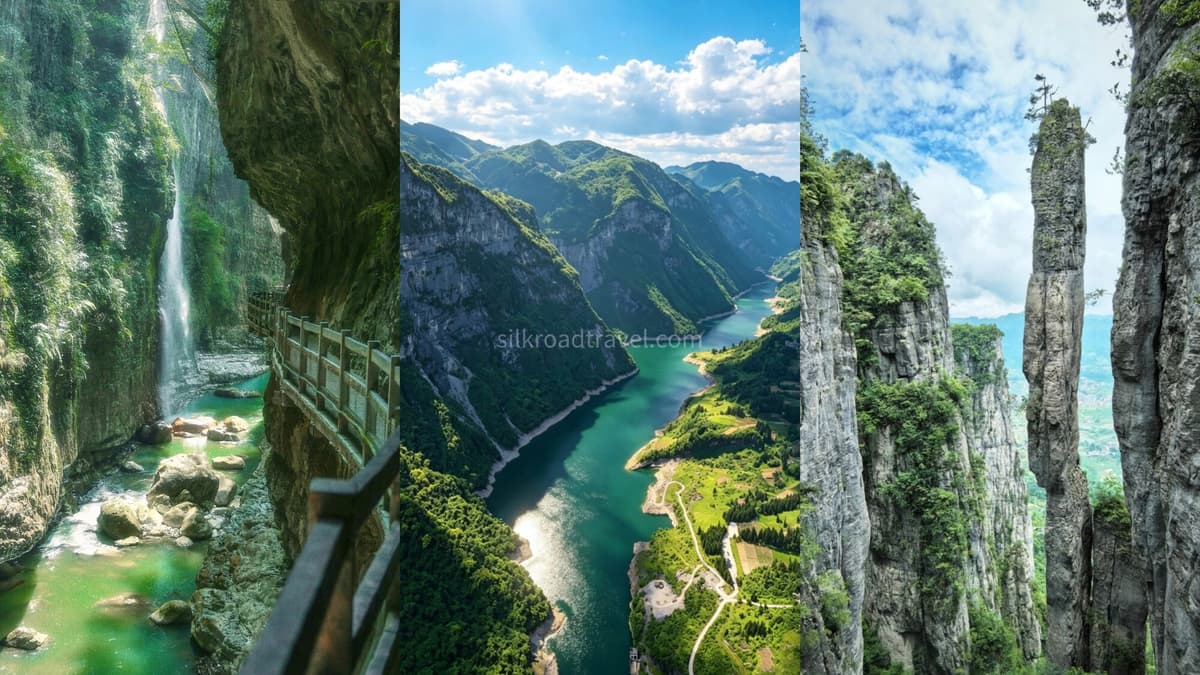
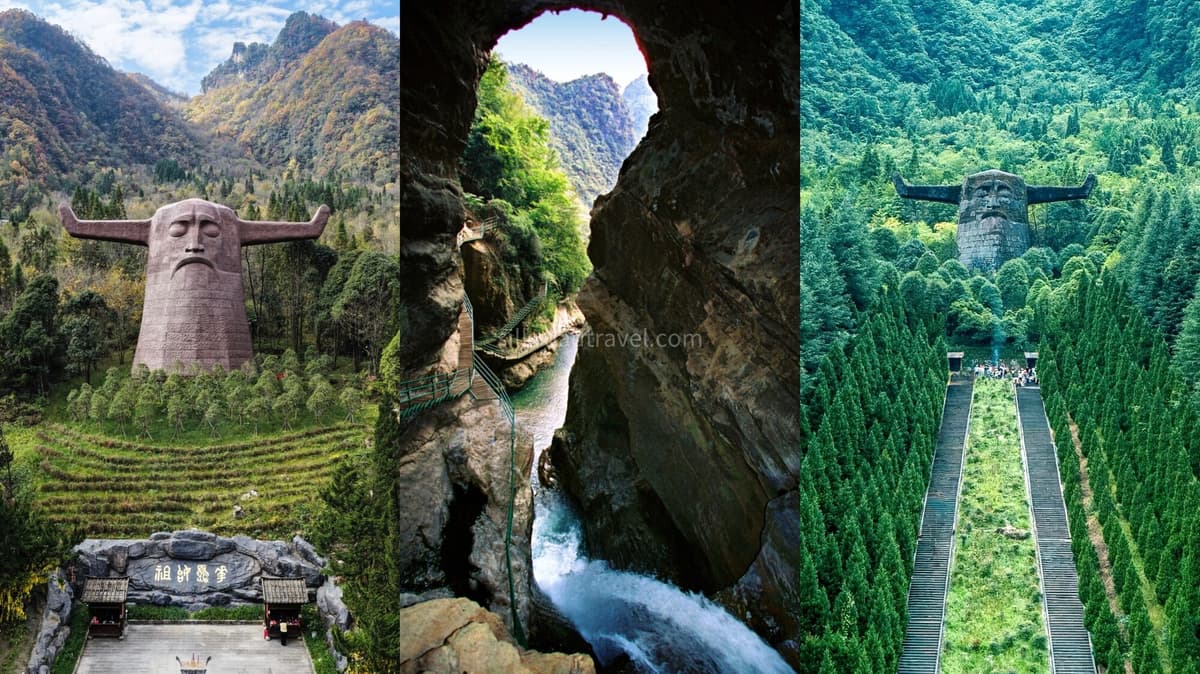
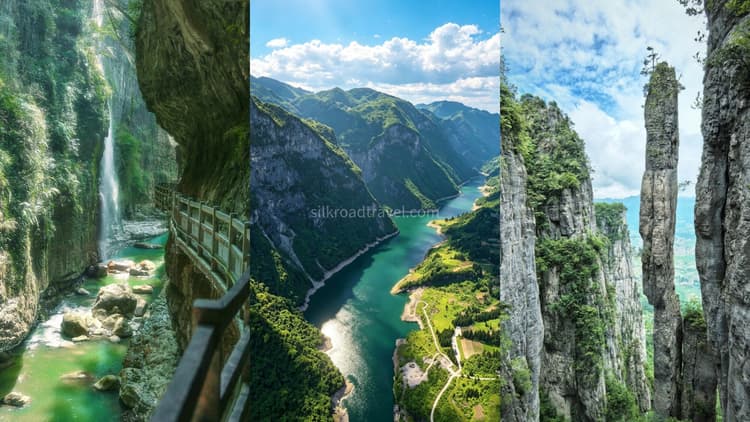
In western Hubei, the Enshi Grand Canyon is called one of China's most beautiful canyons. It has classic karst landforms—cliffs, sinkholes, cracks, plank paths, and waterfalls. The famous "One Incense Stick" stone pillar reaches straight into the clouds and is a popular photo spot.
Best time to go: April to October. Avoid winter—some paths get icy. Summer is cool but watch for rain.
Opening hours: 8:00–16:00 (in peak season maybe until 17:00, but cable cars and elevators stop earlier)
Reservation needed? Yes. Book at least a day early via the Enshi Grand Canyon WeChat account or Meituan / Ctrip. For holidays, book 3–5 days ahead.
Note: A full hike takes 5–7 hours and is tiring. The last return bus usually leaves around 16:30. Go early.
5. East Lake
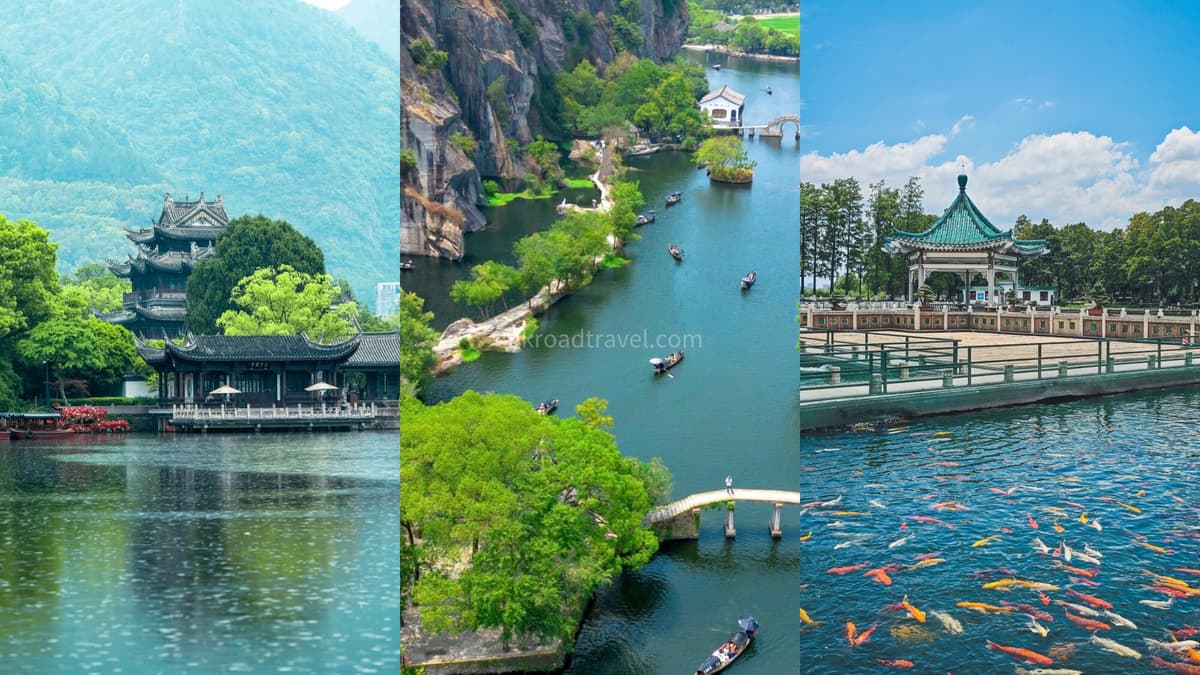
East Lake is the largest city lake in China, and one of Wuhan's favorite places to relax. You can bike the greenway, walk by the water, or sit in a cafe and watch the lake. Each season has its own feel.
Best time to go:
Late March to early April: cherry blossoms (Moshan Cherry Garden)
June to August: lotus flowers (East Lake Lotus Festival)
November: ginkgo and red maples (East Lake Greenway)
Opening hours: Greenway is open 24/7. Inner spots like Moshan, Luoyan Island, and Cherry Garden are mostly 8:30–17:30.
Reservation needed? Greenway: free, no reservation. Moshan / Cherry Garden / Plum Garden / Luoyan Island: need tickets. Search "East Lake" or "Wuhan Culture and Tourism Code" on WeChat.
6. Shennongjia
Shennongjia is one of China's most mysterious nature reserves and a UNESCO World Heritage site. The forest is dense, the mountains rise and fall, and the ecosystem is well preserved. Besides the rare plants and animals, the legend of "wild men" adds a layer of mystery.
Best time to go:
May–June: alpine azaleas in bloom
July–August: summer escape (20–25°C)
Late October: best fall colors (red birch, yellow smoke tree)
Winter: some areas open for skiing
Opening hours: Varies by spot. Roughly summer 7:30–17:30, winter 8:00–17:00. For Dajiuhu morning mist, best time is 5:00–7:00—stay in Pingqian Ancient Town.
Reservation needed? Yes. Buy a joint ticket (valid 5 days) via the official Shennongjia WeChat account or Meituan / Ctrip. For holidays, book 3–5 days ahead.
Note: Driving or hiring a car is easier—the sites are far apart.
Hubei Food
Hubei cooking is fresh, fragrant, and a bit spicy. It keeps the water-town flavors of the Yangtze and mixes in the bold tastes of central China.
Don't miss:
Hot Dry Noodles–Wuhan’s signature snack. One of China's top five noodle dishes, and a national intangible cultural heritage item.
Steamed Wuchang Fish–A traditional Hubei dish. Wuchang fish (blunt-snout bream) with winter mushrooms and bamboo shoots, steamed with clear chicken broth.
Three-delicacy Bean Skin–A famous Wuhan breakfast. A thin golden skin made from mung bean and rice flour, wrapped around sticky rice with fresh meat, mushrooms, and bamboo shoots.
Pork Rib and Lotus Root Soup–A homestyle Hubei classic. Soft, starchy lotus root from Hong Lake or Caidian, slow-cooked with pork ribs in a clay pot.
Zhou Hei Ya–A Wuhan-born braised snack brand. Sweet and spicy duck neck, wings, and clavicles.

Best Things to Do in Hubei
Take a Yangtze River cruise through the Three Gorges
Experience "early morning breakfast" in Wuhan
Climb Yellow Crane Tower for a Yangtze sunset
Bike along the East Lake Greenway
Feel tai chi culture in the Wudang Mountains
Hike through Enshi Grand Canyon
Escape the heat and watch clouds in Shennongjia in summer
Walk along the Wuhan riverbank at night
A lot of people end up liking Hubei not just for the views, but for the real, everyday life you feel here.
Best Time to Visit Hubei
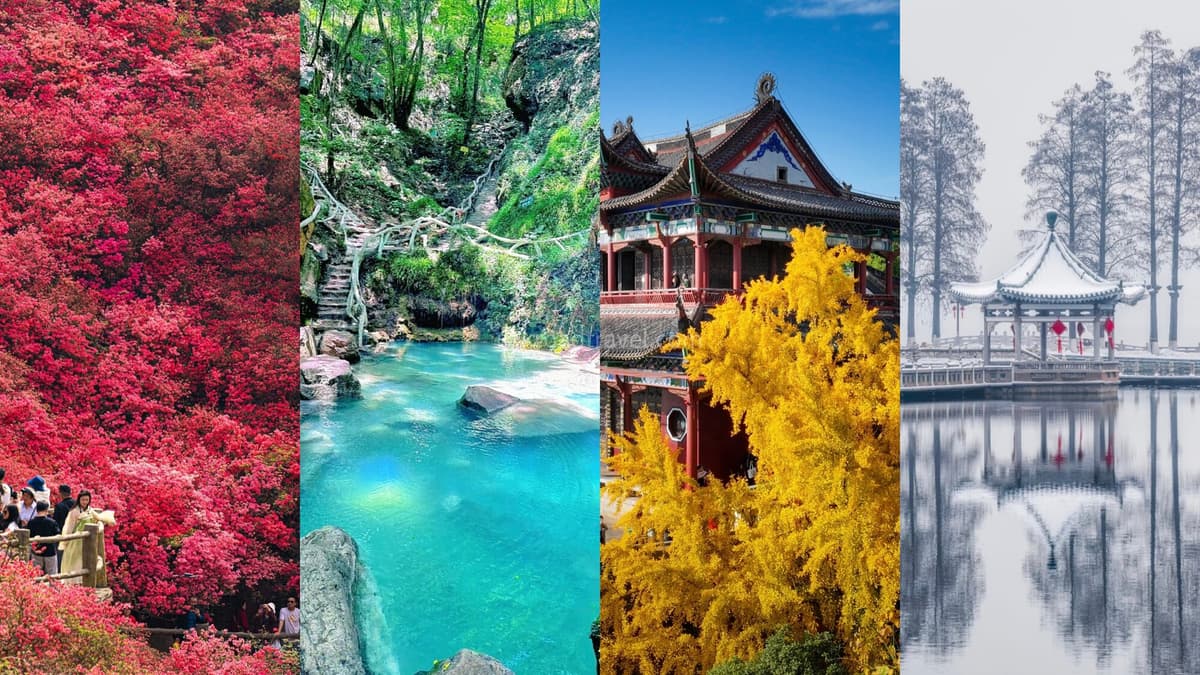
Hubei has a subtropical monsoon climate—four clear seasons, each with something different.
Spring (March–May)
Average temperature: 10°C–22°C. Spring is one of the most comfortable seasons. Weather warms up slowly, air is moist. Cherry blossoms, rapeseed flowers, and fresh mountain green make the place come alive. Early March can be a bit cool—bring a light jacket. April and May are very pleasant for walking around and taking photos.
Summer (June–August)
Average temperature: 26°C–35°C; in the mountains: 18°C–25°C. Summers are hot, especially in Wuhan—it's called one of China's "furnace cities." July and August can be stuffy hot, sometimes over 35°C. But the mountains—Wudang, Shennongjia, Enshi—are much cooler, and many people go there to escape the heat, hike, and see clouds.
Autumn (September–November)
Average temperature: 15°C–28°C. Autumn is another great season. The weather is clear and dry, good for outdoor activities and photography. September still has some summer heat; October and November cool down. The mountains in Shennongjia and Enshi hit their peak fall colors—layers of red and gold.
Winter (December–February)
Average temperature: 1°C–10°C; in the mountains: -5°C–5°C. Winters are cold, but not extreme for long periods. The cities, especially Wuhan, feel damp and cold—bring a down jacket or heavy coat. At higher spots like Wudang and Shennongjia, you may see snow, frost on trees, and winter clouds. Good for those who like quiet, snowy scenery and winter photography.
Q&A
Q: Is Hubei suitable for traveling with kids or elderly parents?
A: Yes, mostly. Cities like Wuhan and Yichang have good transportation and are family-friendly. East Lake and the Three Gorges cruise are fairly easy trips. But for Enshi Grand Canyon or Shennongjia hiking, plan carefully based on everyone's fitness level.
Q: How many days are enough for a trip to Hubei?
A: If you're just seeing Wuhan, 2–3 days works. If you also want to see the Three Gorges, Enshi, or Shennongjia, plan 5–8 days—more relaxed and more worthwhile.
Q: Which city in Hubei is most worth visiting?
A: Wuhan is usually the first stop for most travelers. It has the Yellow Crane Tower, Yangtze River Bridge, busy night markets, food streets, and modern shopping areas. If you prefer nature, go on to Enshi, Wudang, Shennongjia, or the Three Gorges area.
Q: Is Hubei expensive to travel in?
A: Generally, Hubei is good value. Hotels, transport, and food in Wuhan are cheaper than in Beijing, Shanghai, or Guangzhou. Natural spots like Enshi and Shennongjia are also reasonably priced—good for independent travelers.
Q: Is Hubei good for foreign tourists visiting China for the first time?
A: Yes, very good. Hubei has modern cities and also gives you a taste of traditional culture and nature. Wuhan is convenient and fairly international, while the Three Gorges and Wudang Mountains let you feel more of China’s history and landscapes.
Travel Tips
What to wear: Mountain areas (Shennongjia, Wudang) have high altitude and big temperature differences between day and night. Even in spring or autumn, bring a light jacket. Summer in the mountains is cooler—bring sunscreen. Winter has snow in the mountains—warm clothing needed.
Food note: Hubei food can be spicy (especially around Xiangyang and Enshi). If you don't eat spicy food, tell the restaurant "no spice." Hot dry noodles are best eaten right after they're mixed—they don't sit well for long.
Getting ready: Some parts of Shennongjia have weak phone signal. Download offline maps ahead of time. Enshi and Shennongjia get rain—bring a compact umbrella or raincoat. Comfortable hiking shoes are a must for mountains and old towns.
Where to stay: In Wuhan, consider Jianghan Road or near Wuchang Railway Station—good transport and close to sights. In Shennongjia or Enshi, pick a hotel or guesthouse near the park entrance to cut down on driving time. Travel agencies can offer good package deals combining value and comfort.
When people think of Hubei, they usually think of the Yangtze River, the Three Gorges, and the lively streets of Wuhan. But once you actually go, you'll find it’s much more than that. The misty Wudang Mountains, the calm East Lake, the deep canyons of Enshi, the wild forests of Shennongjia—this place has a way of surprising you.
Hubei can be grand, and it can be gentle. It's good for sightseeing, but even better if you slow down and just feel the life and stories hidden in the mountains and rivers.
Where is Hubei?
Hubei sits in the belly of China, along the middle stretch of the Yangtze River. It’s been called the "crossroads of nine provinces" for a long time. It touches Anhui to the east, Chongqing to the west, Henan to the north, and Hunan and Jiangxi to the south. It's a real hub connecting north, south, east, and west.
The capital Wuhan is one of the largest cities in central China, and a major center for high-speed rail, flights, and river shipping. From Wuhan, you can get to Beijing, Shanghai, Guangzhou, Chengdu, and other big cities pretty fast.
The land in Hubei changes a lot. The west is mostly mountains and canyons, the middle is full of lakes, and the east has rolling hills. So one trip can give you both grand mountain views and soft water town vibes.
From Villages to Cities: Hubei's Two Sides
Hubei has its modern cities, but it also keeps plenty of old villages and traditional spaces.
Wuhan has grown fast in recent years—tall buildings, busy shopping streets, expanding subway lines, and growing tech industries. At night, the riverbanks light up, and the city feels young and energetic.
But leave the city, and Hubei shows a completely different side. The Tujia villages in Enshi, the forest settlements in Shennongjia, the small towns along the Three Gorges, and the fishing villages by the lakes—they still move at an older, slower pace. You'll see modern roads and then turn onto a quiet country path. That shift from busy city to natural countryside is one of the most special things about traveling in Hubei.
What Hubei Offers Travelers
Hubei is often called the "province of a thousand lakes." The rivers and lakes here don’t just shape the land—they shape how people live. Lakes, wetlands, mountains, and forests come together to form a rich and varied environment.
At the same time, Hubei is one of the birthplaces of Chu culture. For thousands of years, poets, traders, and travelers have passed through, leaving behind old towns, traditional customs, and a deep cultural layer.
In Hubei, you can see:
Mountains wrapped in clouds
Old Taoist buildings hidden in the hills
Riverside towns that still feel ancient
Wide wetlands where birds gather
Spicy, flavorful local food
Whether you like nature, history, outdoor adventure, or just eating well, Hubei has a lot to offer.
Popular Tourist Spots in Hubei
1. Yellow Crane Tower
The Yellow Crane Tower sits by the Yangtze River. It's one of China's most famous old buildings, and a symbol of traditional culture.
Best time to go: Any season, but spring and autumn are best. Late afternoon is great for sunset over the river.
Opening hours:
March to October: 8:00–18:00 (last entry 17:20)
November to February: 8:00–17:00 (last entry 16:20)
Reservation needed? Yes. Book through the official "Yellow Crane Tower" WeChat account or a third-party app. For holidays, book 1–2 days early.
Note: Night tours have separate tickets and different hours.
2. Wudang Mountains
Wudang is a famous Taoist sacred site and a UNESCO World Heritage Site. It's known for Taoism, tai chi, and martial arts. Many people come not just for the views, but for the quiet, distant feeling you get up in the mountains.
Best time to go: Spring and autumn (April–May, September–October). Summer is cooler here—about 5–8°C less than down below.
Opening hours:
Main gate: 7:30–17:30 (varies slightly by season)
Golden Summit / Purple Cloud Palace: 8:00–17:00
Reservation needed? Yes. Book early on the official Wudang mini-program or Meituan / Ctrip. For holidays, book 3–5 days ahead.
Note: Golden Summit and Purple Cloud Palace require separate ticket checks.
3. The Three Gorges
The Three Gorges of the Yangtze River are one of China's most famous natural sights. Every season looks different. Taking a cruise through the gorges is something many travelers never forget.
Best time to go: Spring and autumn (April–May, October–November). Summer is okay—ships have AC. Winter is colder but less crowded.
Opening hours: Depends on the cruise schedule. Common departure times:
From Yichang: around 8:00–9:00 AM
From Chongqing: around 5:00–6:00 PM (good for night views)
Reservation needed? Yes. Book 1–2 weeks in advance through an agency or online. For peak times like National Day, book a month ahead.
4. Enshi Grand Canyon
In western Hubei, the Enshi Grand Canyon is called one of China's most beautiful canyons. It has classic karst landforms—cliffs, sinkholes, cracks, plank paths, and waterfalls. The famous "One Incense Stick" stone pillar reaches straight into the clouds and is a popular photo spot.
Best time to go: April to October. Avoid winter—some paths get icy. Summer is cool but watch for rain.
Opening hours: 8:00–16:00 (in peak season maybe until 17:00, but cable cars and elevators stop earlier)
Reservation needed? Yes. Book at least a day early via the Enshi Grand Canyon WeChat account or Meituan / Ctrip. For holidays, book 3–5 days ahead.
Note: A full hike takes 5–7 hours and is tiring. The last return bus usually leaves around 16:30. Go early.
5. East Lake
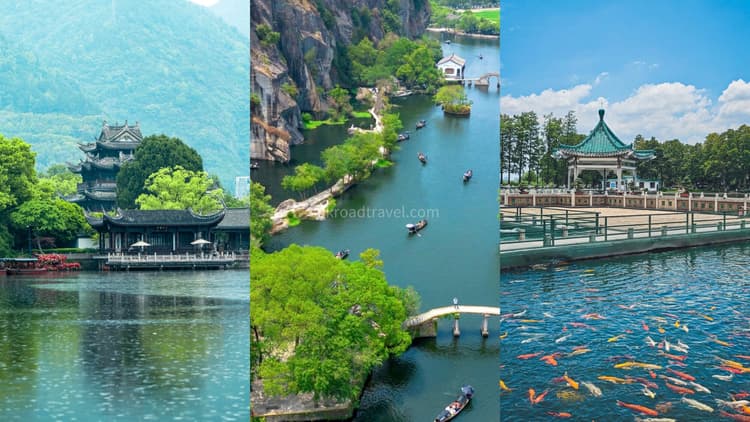
East Lake is the largest city lake in China, and one of Wuhan's favorite places to relax. You can bike the greenway, walk by the water, or sit in a cafe and watch the lake. Each season has its own feel.
Best time to go:
Late March to early April: cherry blossoms (Moshan Cherry Garden)
June to August: lotus flowers (East Lake Lotus Festival)
November: ginkgo and red maples (East Lake Greenway)
Opening hours: Greenway is open 24/7. Inner spots like Moshan, Luoyan Island, and Cherry Garden are mostly 8:30–17:30.
Reservation needed? Greenway: free, no reservation. Moshan / Cherry Garden / Plum Garden / Luoyan Island: need tickets. Search "East Lake" or "Wuhan Culture and Tourism Code" on WeChat.
6. Shennongjia
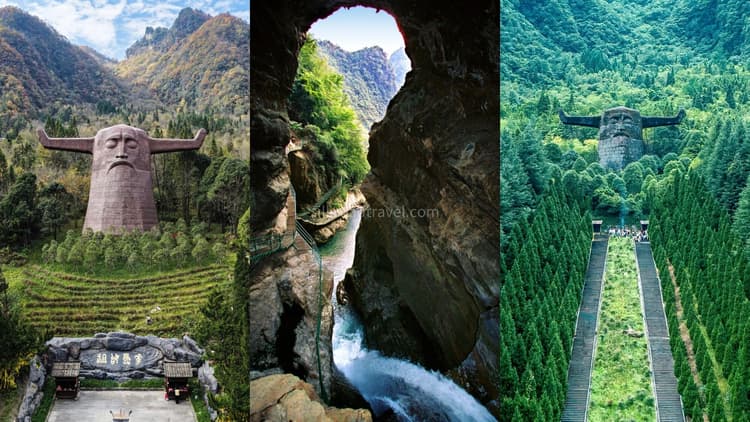
Shennongjia is one of China's most mysterious nature reserves and a UNESCO World Heritage site. The forest is dense, the mountains rise and fall, and the ecosystem is well preserved. Besides the rare plants and animals, the legend of "wild men" adds a layer of mystery.
Best time to go:
May–June: alpine azaleas in bloom
July–August: summer escape (20–25°C)
Late October: best fall colors (red birch, yellow smoke tree)
Winter: some areas open for skiing
Opening hours: Varies by spot. Roughly summer 7:30–17:30, winter 8:00–17:00. For Dajiuhu morning mist, best time is 5:00–7:00—stay in Pingqian Ancient Town.
Reservation needed? Yes. Buy a joint ticket (valid 5 days) via the official Shennongjia WeChat account or Meituan / Ctrip. For holidays, book 3–5 days ahead.
Note: Driving or hiring a car is easier—the sites are far apart.
Hubei Food
Hubei cooking is fresh, fragrant, and a bit spicy. It keeps the water-town flavors of the Yangtze and mixes in the bold tastes of central China.
Don't miss:
Hot Dry Noodles–Wuhan’s signature snack. One of China's top five noodle dishes, and a national intangible cultural heritage item.
Steamed Wuchang Fish–A traditional Hubei dish. Wuchang fish (blunt-snout bream) with winter mushrooms and bamboo shoots, steamed with clear chicken broth.
Three-delicacy Bean Skin–A famous Wuhan breakfast. A thin golden skin made from mung bean and rice flour, wrapped around sticky rice with fresh meat, mushrooms, and bamboo shoots.
Pork Rib and Lotus Root Soup–A homestyle Hubei classic. Soft, starchy lotus root from Hong Lake or Caidian, slow-cooked with pork ribs in a clay pot.
Zhou Hei Ya–A Wuhan-born braised snack brand. Sweet and spicy duck neck, wings, and clavicles.

Best Things to Do in Hubei
Take a Yangtze River cruise through the Three Gorges
Experience "early morning breakfast" in Wuhan
Climb Yellow Crane Tower for a Yangtze sunset
Bike along the East Lake Greenway
Feel tai chi culture in the Wudang Mountains
Hike through Enshi Grand Canyon
Escape the heat and watch clouds in Shennongjia in summer
Walk along the Wuhan riverbank at night
A lot of people end up liking Hubei not just for the views, but for the real, everyday life you feel here.
Best Time to Visit Hubei
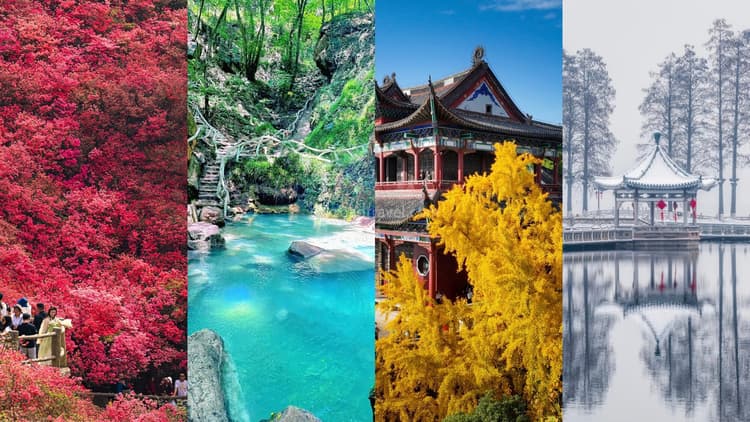
Hubei has a subtropical monsoon climate—four clear seasons, each with something different.
Spring (March–May)
Average temperature: 10°C–22°C. Spring is one of the most comfortable seasons. Weather warms up slowly, air is moist. Cherry blossoms, rapeseed flowers, and fresh mountain green make the place come alive. Early March can be a bit cool—bring a light jacket. April and May are very pleasant for walking around and taking photos.
Summer (June–August)
Average temperature: 26°C–35°C; in the mountains: 18°C–25°C. Summers are hot, especially in Wuhan—it's called one of China's "furnace cities." July and August can be stuffy hot, sometimes over 35°C. But the mountains—Wudang, Shennongjia, Enshi—are much cooler, and many people go there to escape the heat, hike, and see clouds.
Autumn (September–November)
Average temperature: 15°C–28°C. Autumn is another great season. The weather is clear and dry, good for outdoor activities and photography. September still has some summer heat; October and November cool down. The mountains in Shennongjia and Enshi hit their peak fall colors—layers of red and gold.
Winter (December–February)
Average temperature: 1°C–10°C; in the mountains: -5°C–5°C. Winters are cold, but not extreme for long periods. The cities, especially Wuhan, feel damp and cold—bring a down jacket or heavy coat. At higher spots like Wudang and Shennongjia, you may see snow, frost on trees, and winter clouds. Good for those who like quiet, snowy scenery and winter photography.
Q&A
Q: Is Hubei suitable for traveling with kids or elderly parents?
A: Yes, mostly. Cities like Wuhan and Yichang have good transportation and are family-friendly. East Lake and the Three Gorges cruise are fairly easy trips. But for Enshi Grand Canyon or Shennongjia hiking, plan carefully based on everyone's fitness level.
Q: How many days are enough for a trip to Hubei?
A: If you're just seeing Wuhan, 2–3 days works. If you also want to see the Three Gorges, Enshi, or Shennongjia, plan 5–8 days—more relaxed and more worthwhile.
Q: Which city in Hubei is most worth visiting?
A: Wuhan is usually the first stop for most travelers. It has the Yellow Crane Tower, Yangtze River Bridge, busy night markets, food streets, and modern shopping areas. If you prefer nature, go on to Enshi, Wudang, Shennongjia, or the Three Gorges area.
Q: Is Hubei expensive to travel in?
A: Generally, Hubei is good value. Hotels, transport, and food in Wuhan are cheaper than in Beijing, Shanghai, or Guangzhou. Natural spots like Enshi and Shennongjia are also reasonably priced—good for independent travelers.
Q: Is Hubei good for foreign tourists visiting China for the first time?
A: Yes, very good. Hubei has modern cities and also gives you a taste of traditional culture and nature. Wuhan is convenient and fairly international, while the Three Gorges and Wudang Mountains let you feel more of China’s history and landscapes.
Travel Tips
What to wear: Mountain areas (Shennongjia, Wudang) have high altitude and big temperature differences between day and night. Even in spring or autumn, bring a light jacket. Summer in the mountains is cooler—bring sunscreen. Winter has snow in the mountains—warm clothing needed.
Food note: Hubei food can be spicy (especially around Xiangyang and Enshi). If you don't eat spicy food, tell the restaurant "no spice." Hot dry noodles are best eaten right after they're mixed—they don't sit well for long.
Getting ready: Some parts of Shennongjia have weak phone signal. Download offline maps ahead of time. Enshi and Shennongjia get rain—bring a compact umbrella or raincoat. Comfortable hiking shoes are a must for mountains and old towns.
Where to stay: In Wuhan, consider Jianghan Road or near Wuchang Railway Station—good transport and close to sights. In Shennongjia or Enshi, pick a hotel or guesthouse near the park entrance to cut down on driving time. Travel agencies can offer good package deals combining value and comfort.