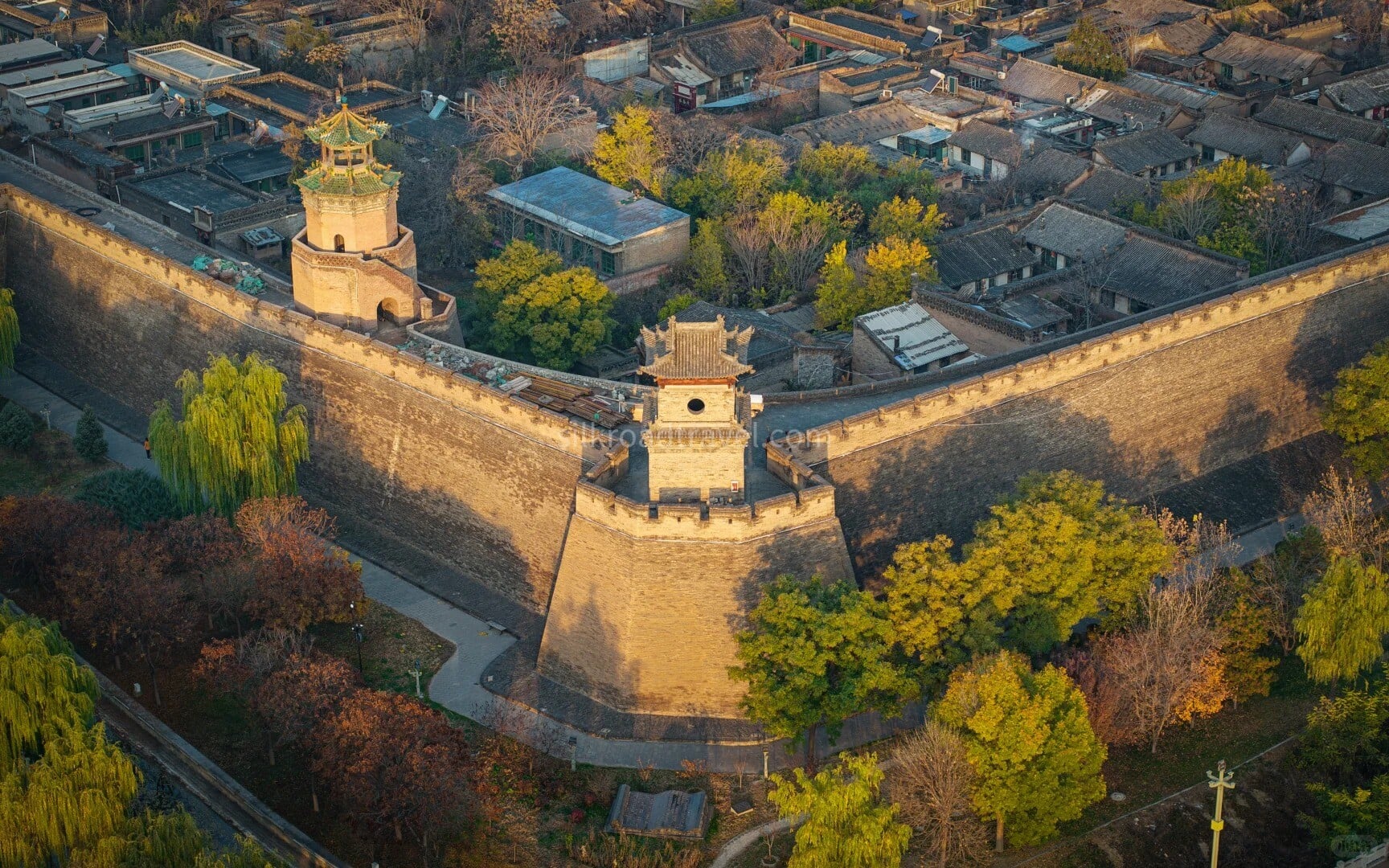



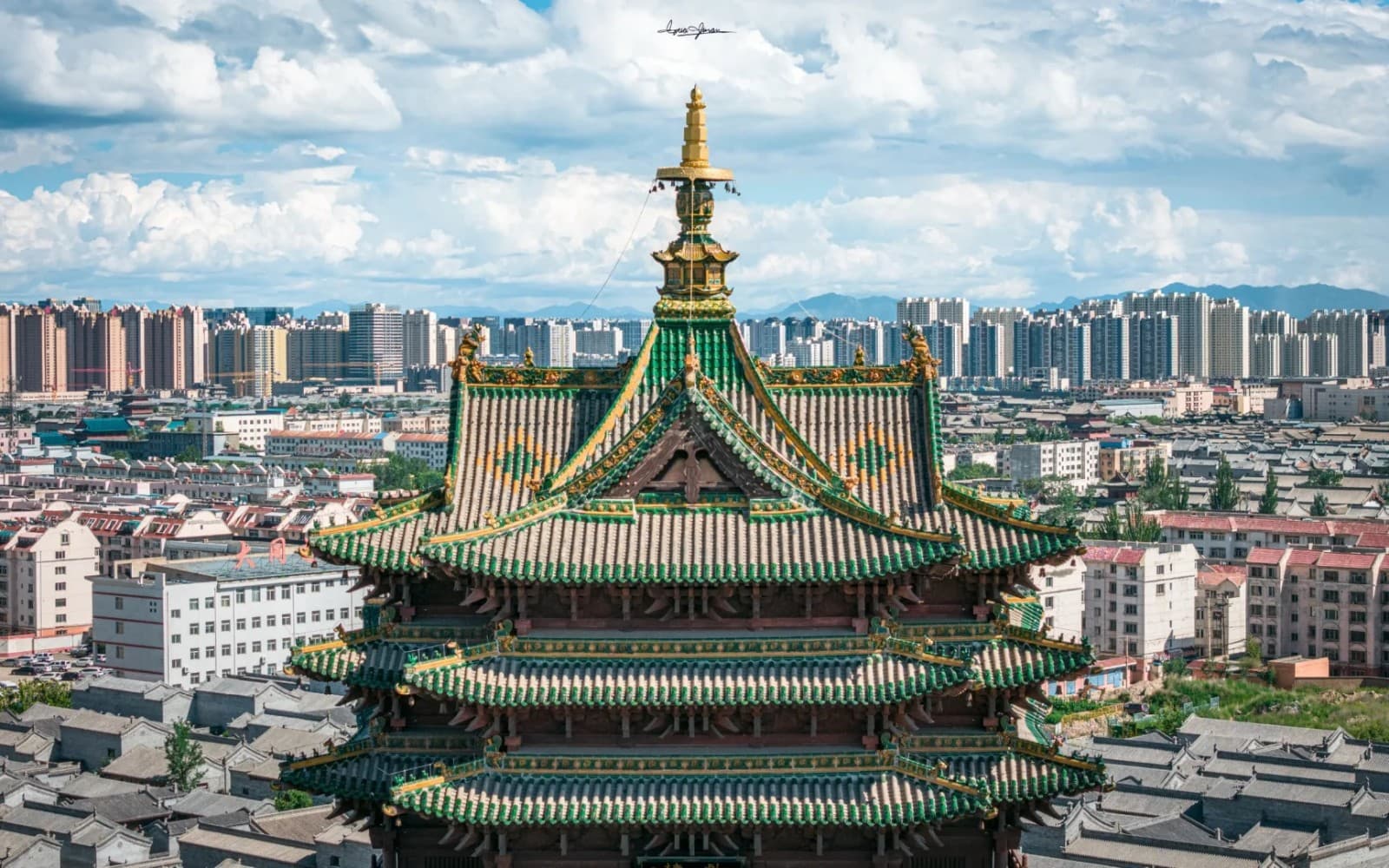

Walk through Datong's old city lanes in the evening, and you will see locals gathered around street-side noodle pots, the steam rising into the dry northern air. The rebuilt city wall — wider and taller than Pingyao's — encircles a district still finding its rhythm, with new boutiques tucked into grey-brick facades and old men playing chess under lantern-lit pagoda trees. It is not polished or picture-perfect everywhere, and that is precisely its appeal. Datong does not feel like a museum. It feels like a city genuinely in motion, one that remembers its imperial past while figuring out what it wants to be next. For the traveler, that tension between rough edges and world-class heritage is magnetic.
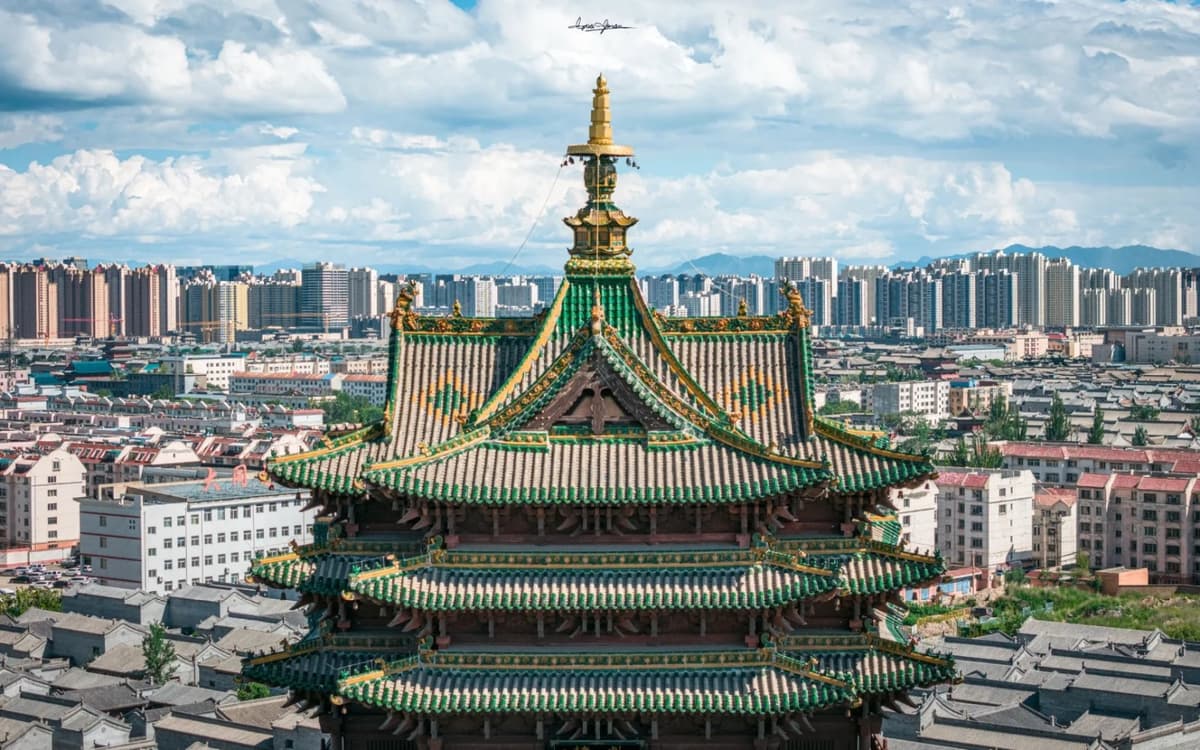
Compared to other Shanxi destinations, Datong operates on a different scale. Pingyao charms you with intimate courtyards and Ming-Qing merchant tales. Mount Wutai soothes you with pine-scented mountain air and temple bells. Datong does neither — it overwhelms you. A 17-metre-tall Buddha carved into a sandstone cliff. A temple dangling 50 metres above a canyon floor. A wooden pagoda built without a single nail that has shrugged off forty earthquakes. This is not delicate, understated China. This is China in bold capitals, forged by an empire that saw itself at the centre of a vast Buddhist universe stretching from Central Asia to the sea. If you want big history carved in stone, you come here.
Content |
The best months to visit Datong are March through October. Temperatures are comfortable (15–30°C), skies are blue, and all attractions are fully operational. June to August can be hot (up to 32°C) but remain dry — the main discomfort is sun exposure at Yungang, not humidity. September and October are ideal: cooler air, golden light, fewer domestic tourists after the National Day holiday ends.
Winter (November to March) is harshly cold, with temperatures dropping to -15°C at night and daytime highs hovering around 0°C. The upside: Yungang Grottoes are nearly empty, the snow on the Hanging Temple is spectacular, and you will have entire temple courtyards to yourself. Just pack thick down, thermal layers, gloves, and a scarf.
Avoid the Chinese national holidays if possible — especially Labor Day (May 1–5) and National Day (October 1–7). During these periods, Yungang Grottoes and the Hanging Temple can be extremely crowded, with climbing ticket queues stretching to two or three hours.
By Air — Datong Yungang Airport (DAT)
Datong has its own airport — Datong Yungang Airport (大同云冈机场, DAT) — about 17 km east of the city centre. Domestic flights connect it to most major Chinese cities. The most practical routes for international travellers are Beijing (about 1 hour, multiple flights daily), Shanghai (about 2.5 hours), and Xi'an (about 1.5 hours, several weekly). Direct international routes are still limited, with a handful of Asian connections such as Bangkok and Seoul. Most overseas visitors will find it easier to fly into Beijing or Taiyuan and take the high-speed train the rest of the way. From the airport, a taxi to the old city takes 25–30 minutes and costs roughly ¥30–40. An airport bus is available for about ¥15. Have your hotel name written in Chinese characters ready for the driver.
By High-Speed Train — The Easiest Option for Most
This is the easiest option for most travellers. Datong South Railway Station (大同南站), opened in 2019, handles all high-speed services and is well integrated into the national network. Direct trains run from Beijing (Qinghe Station) in about 2.5 hours for around ¥170, from Taiyuan in about 2 hours for around ¥90, and from Pingyao Ancient City in about 3.5 hours for around ¥130. Trains from Beijing and Taiyuan are frequent — roughly every 30–60 minutes throughout the day — making Datong a very accessible stop on a Shanxi itinerary.
Important: Datong has two stations. Datong South is the modern high-speed hub. The older Datong Station (大同站) serves slower regular trains and is about 12 km away. Double-check your ticket before heading out. From Datong South, a taxi to the old city takes 20–25 minutes and costs ¥25–35. Several city bus routes also serve the station for ¥1–2. Use the official taxi queue, not the touts outside.
Long-Distance Bus — The Budget Fallback
Long-distance buses connect Datong to most cities in Shanxi and neighbouring provinces, including Beijing (about 4–5 hours, ¥100–130). Buses are cheaper than trains but less comfortable and more susceptible to traffic delays. Use them only if train tickets are sold out. Datong's main long-distance bus station is near the old city centre.
Getting Around Datong
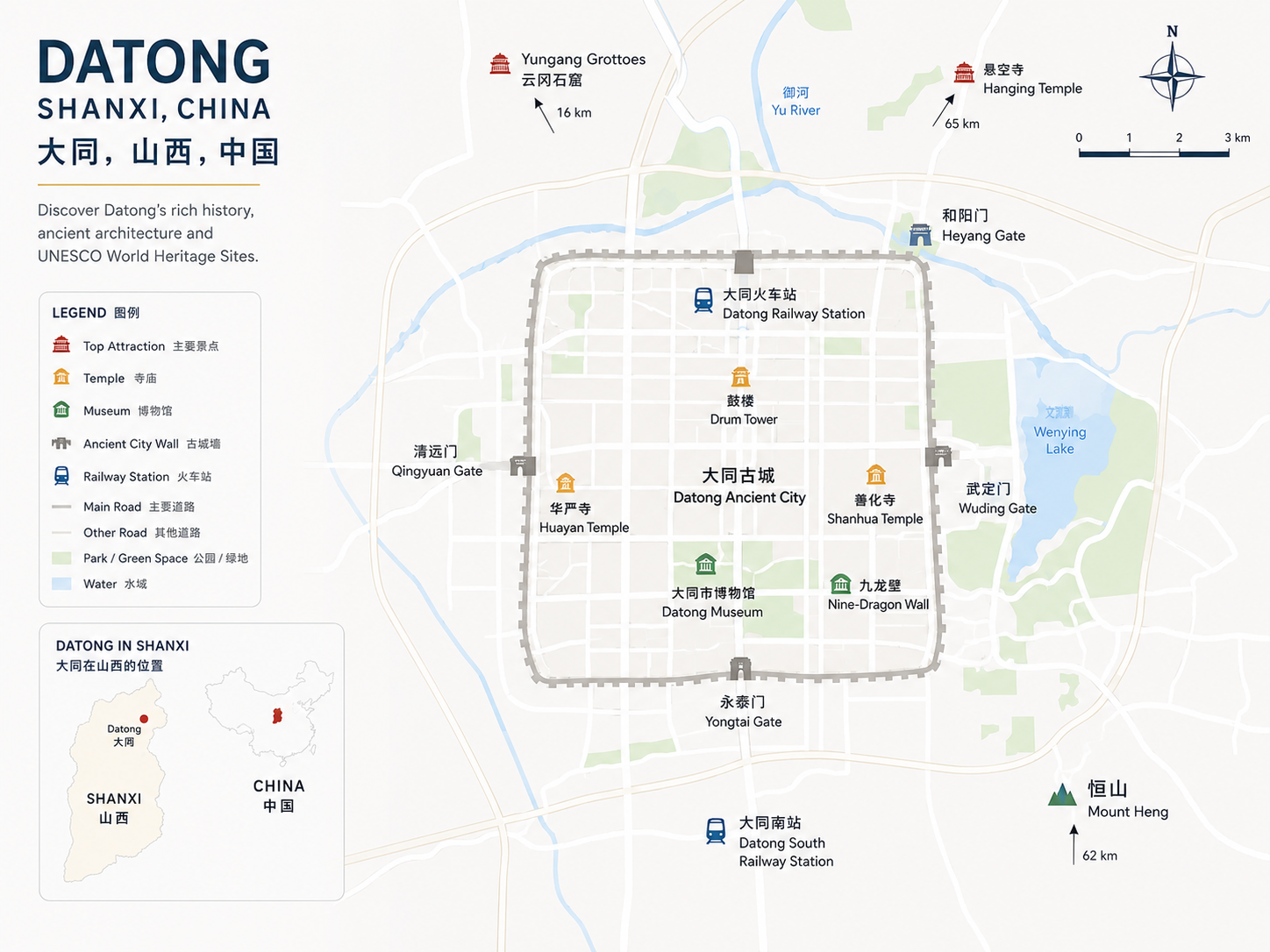
Within the city: The old city area — home to Huayan Temple, Shanhua Temple, the City Wall, and most restaurants — is compact and walkable. For longer hops, taxis are plentiful and affordable (flagfall around ¥8, rarely exceeding ¥25 across town). Ride-hailing apps work well. City buses cover all main routes for ¥1–2, but signage is mostly in Chinese, so a translation app helps.
To outer attractions: The Hanging Temple (65 km southeast) and Yingxian Wooden Pagoda (80 km south) lie on roughly the same route, making a combined day trip logical. Public buses exist but are infrequent, involve transfers, and have no English support. A taxi each way costs ¥150–250 per leg, but you will need to negotiate the return trip. The best option for most foreign visitors is hiring a private car with a driver for the day. Your hotel or guesthouse can arrange this in minutes. The full-day cost runs ¥300–500, covering both sites with door-to-door service and waiting time. For two or more people, splitting this cost is often cheaper and far less stressful than navigating rural buses.
Key Attractions — What to See & How to Visit
Yungang Grottoes (云冈石窟)
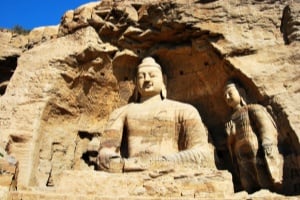
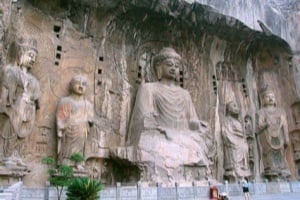
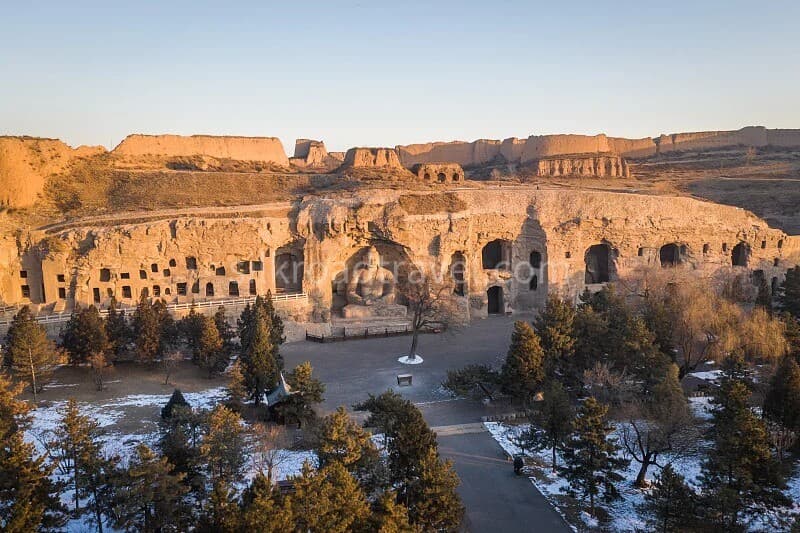
What it is: What: 51,000+ Buddhist statues carved into a 1-km sandstone cliff. 45 major caves, built 460–524 AD under Northern Wei emperors. A UNESCO site and one of the world's great rock-cut art treasures.
Tickets & hours: ¥120 peak (Apr–Oct), ¥100 off-peak (Nov–Mar). Open 8:30–17:30. Rent an audio guide for ¥20 (English available, limited — arrive early). Human guide ~¥150 (mostly Chinese).
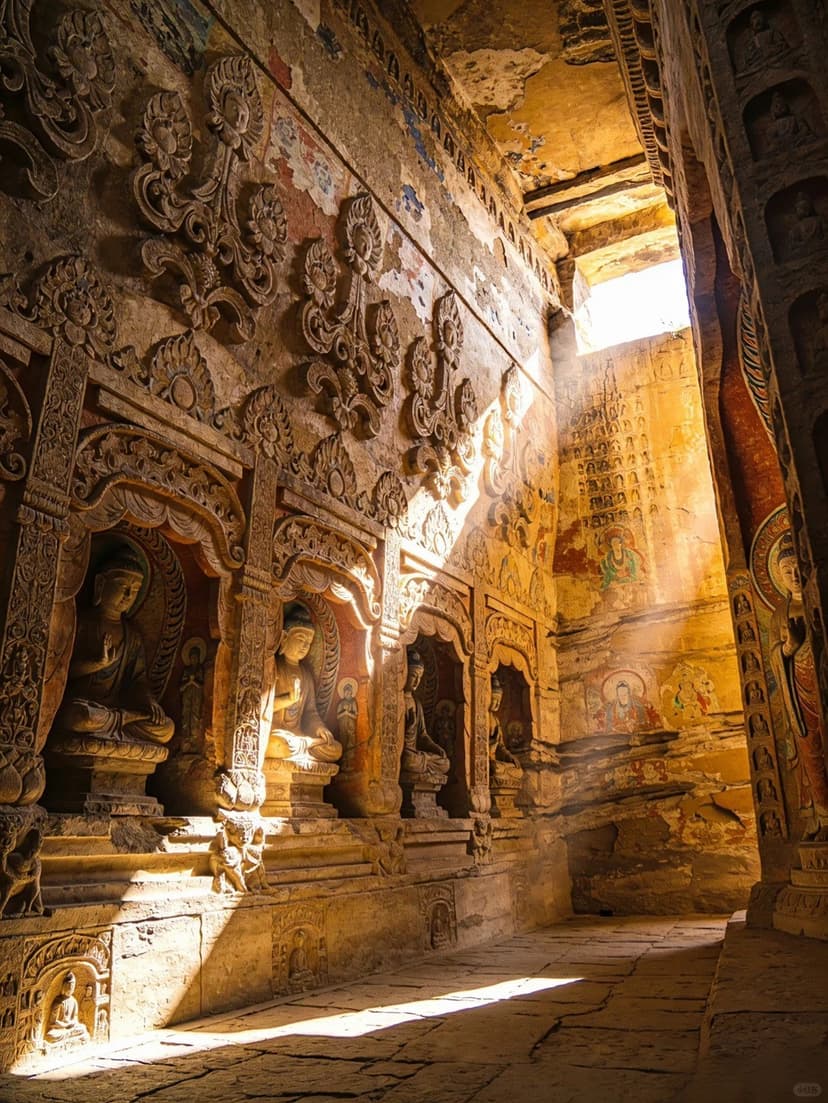
Must-see caves: Cave 20 — the iconic open-air Big Buddha, 13.7 m tall, Yungang's postcard image. Cave 12 — the "Music Cave," walls lined with celestial musicians playing Silk Road instruments. Caves 5–6 — the tallest Buddha (17 m) and a stone "comic strip" of the Buddha's life.
Hanging Temple (悬空寺) — Defying Gravity for 1,500 Years
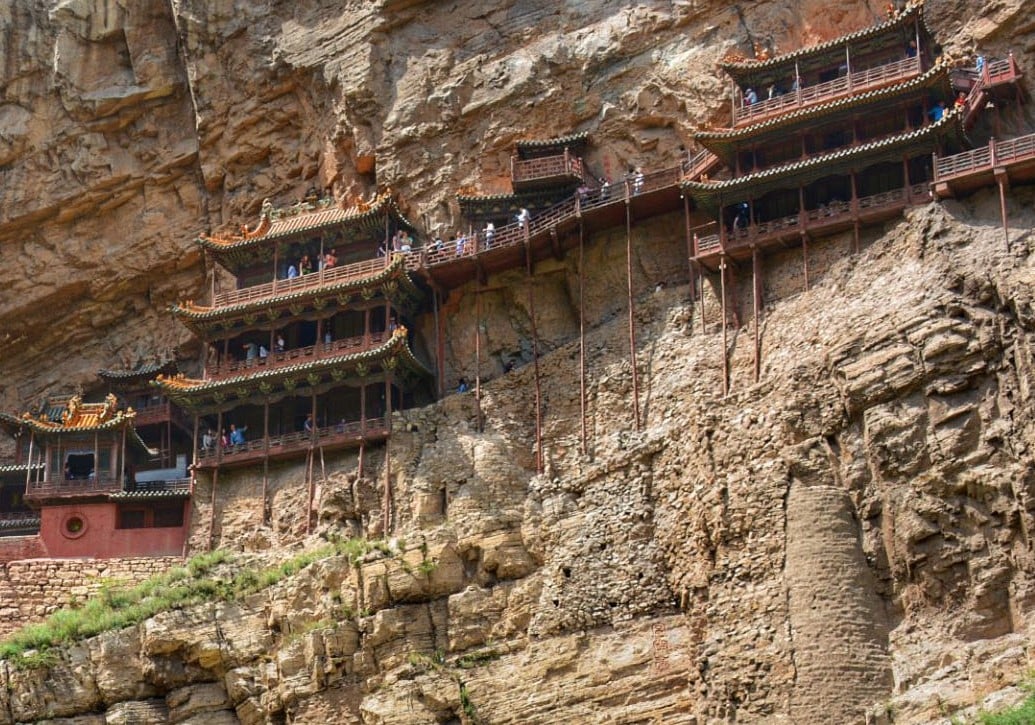
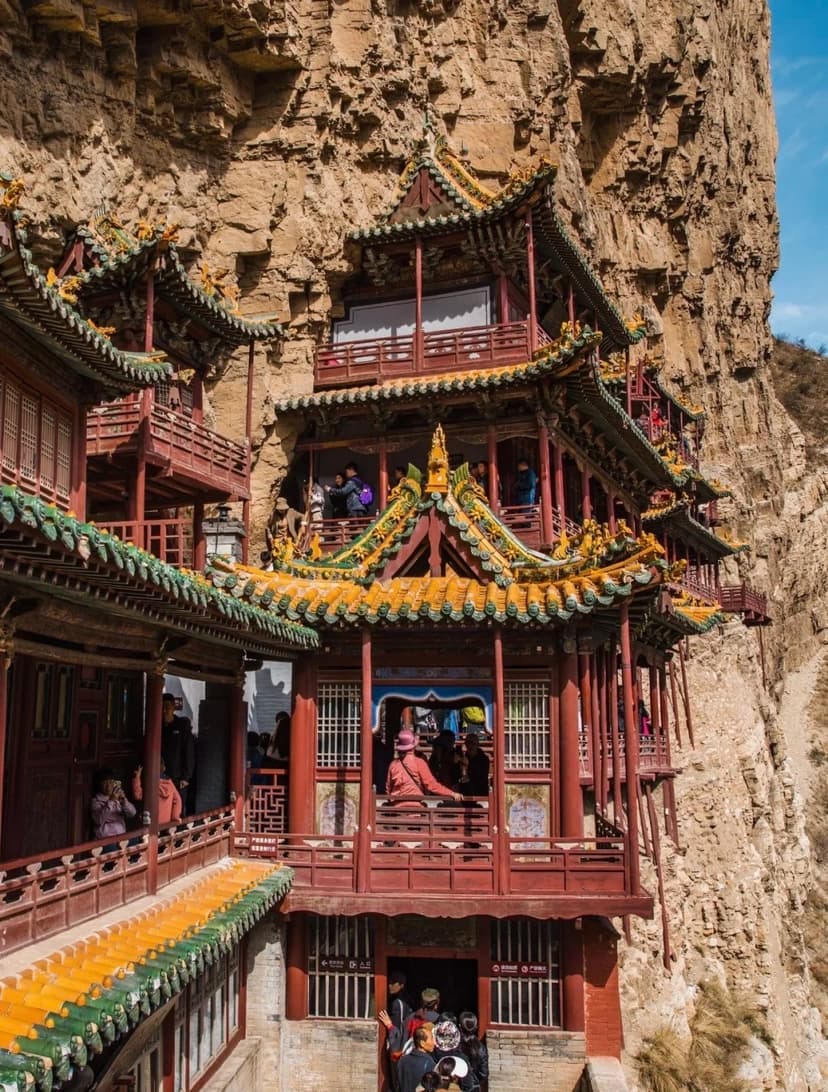
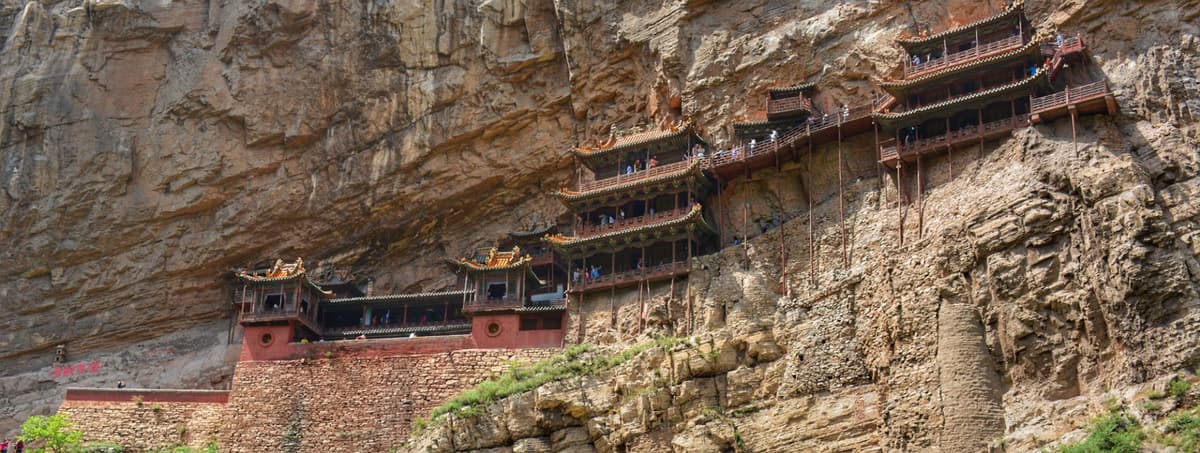
What it is: A temple pinned to a sheer cliff 50 m above the ground, built in 491 AD. The only surviving temple in China that combines Buddhism, Taoism, and Confucianism under one roof.
Tickets & hours: Ground-level entry ¥15, climbing ticket ¥100, combined ¥115. Open 8:00–17:00 (winter) / 8:00–18:00 (summer). Climbing tickets are limited daily — arrive at opening time or pre-book. Queues can stretch 2–3 hours during peak season and holidays.
Huayan Temple (华严寺) — Liao Dynasty Grandeur
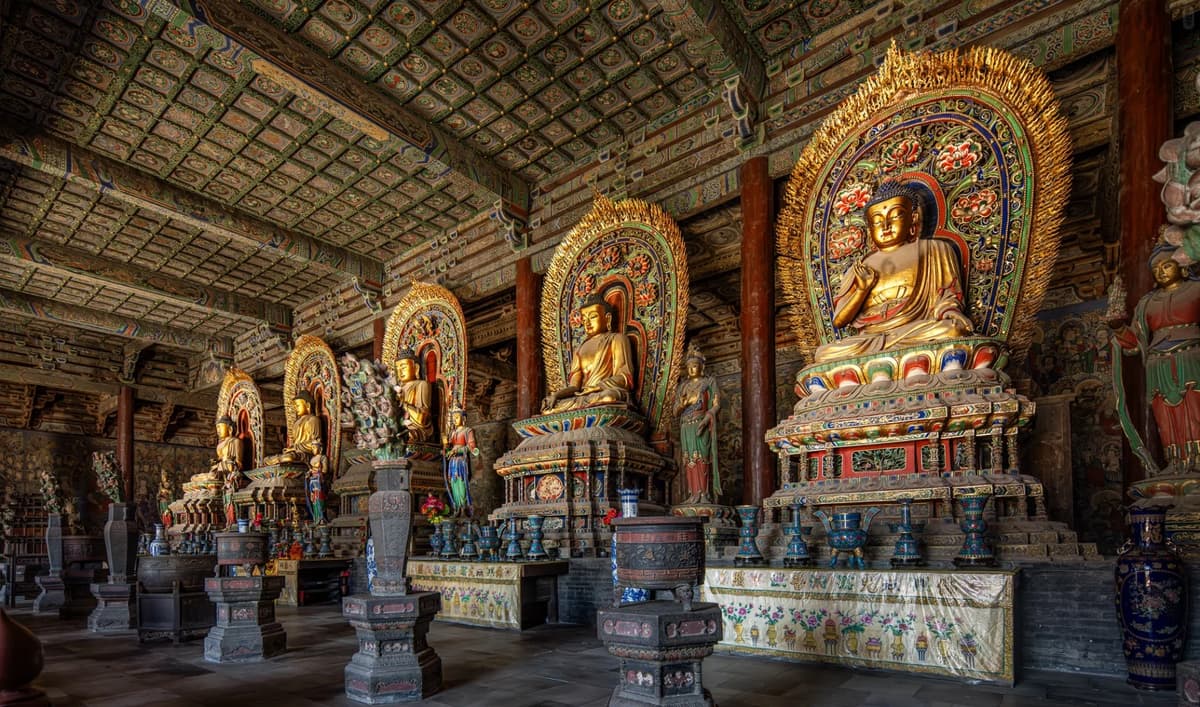
What it is: A sprawling Liao Dynasty (1038 AD) Buddhist temple complex. The Upper Temple main hall is one of the largest surviving Liao wooden structures; the Lower Temple houses the famous "Laughing Bodhisattva."
Tickets & hours: ¥65/person. Open 8:30–17:30. Allow 1.5–2 hours. The ticket includes the pagoda climb and the underground palace.
Highlights: The Upper Temple Main Hall — vast, dim, five golden Buddhas, original worn floor. The Lower Temple's Laughing Bodhisattva — hands clasped, faint smile, teeth visible through parted lips, startlingly human. The Huayan Pagoda — climb steep wooden stairs for panoramic old-city views; beneath it, a glittering golden shrine in the underground palace.
Shanhua Temple (善化寺) — Free, Quiet, Underrated
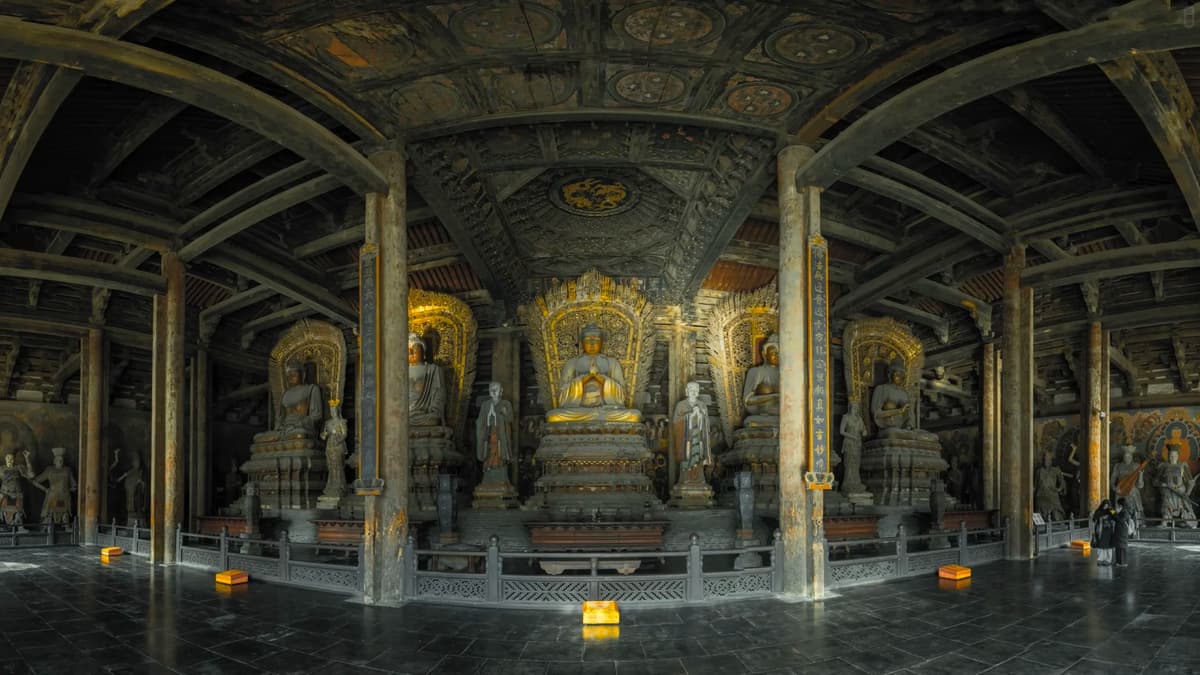
What it is: A Tang-style temple rebuilt in the Liao and Jin dynasties. Less restored, quieter, deeply atmospheric. Free with a passport.
Entry is free with your passport. There are no queues, no ticket booths, no crowds. Just an unlocked gate and a courtyard full of old pines and the smell of incense. If you need half an hour of genuine stillness in Datong, come here after Huayan. The two temples are a 10-minute walk apart and together form a complete Liao-Jin Buddhist picture.
Highlights: The main hall holds five large golden Buddhas (centre, four directions) surrounded by dramatically expressive guardian statues — they lean, twist, and glare, a fierce contrast to the serene Buddhas. Late afternoon light through the doors is beautiful. There are no crowds, no souvenir stalls — just old pines, worn stone, and incense.
Datong City Wall (大同古城墙) — Sunset & City Views
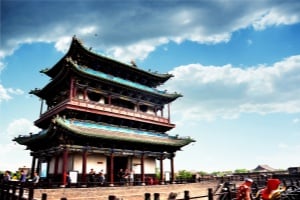
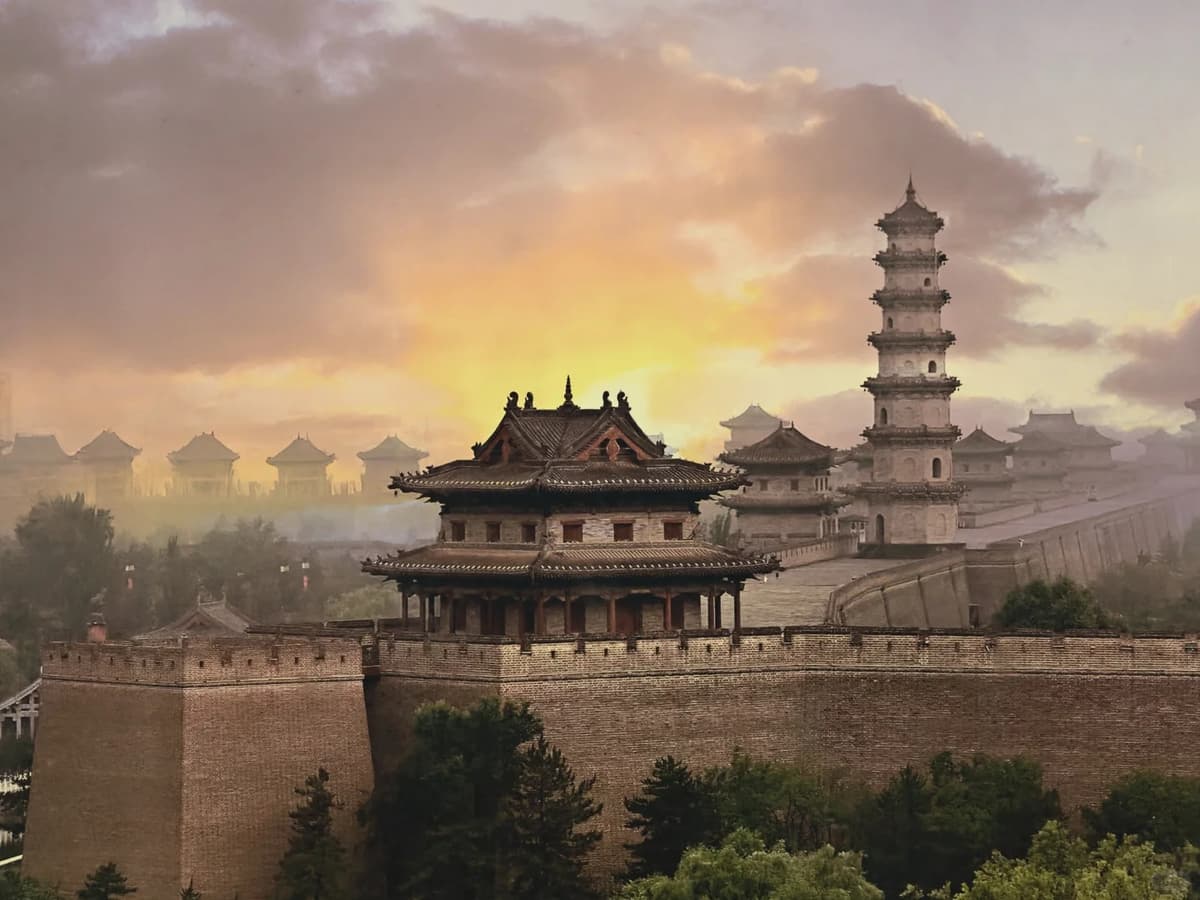
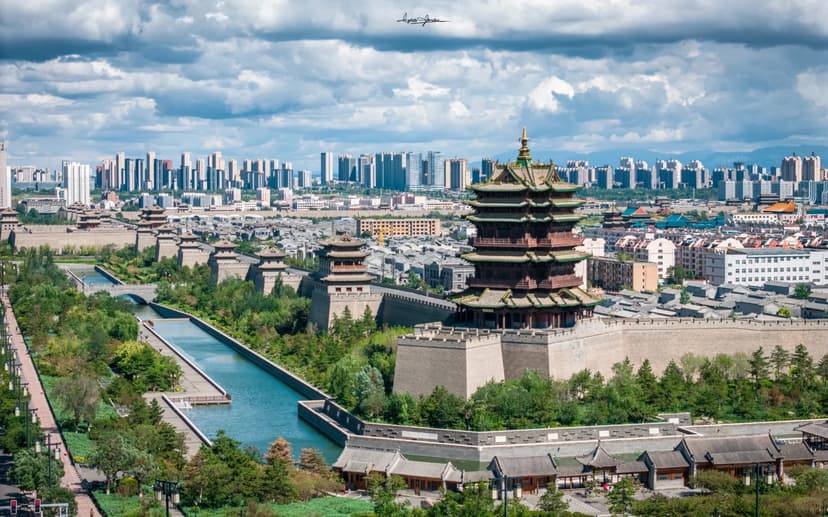
What it is: A rebuilt Ming-style wall encircling the old city, a 7.2 km loop. Broader and smoother than Pingyao's. Entry is free.
Hours: Roughly 8:00–21:00 (varies by season). Bike rental ~¥30–40/hour at South and East Gates. Sightseeing buggy ~¥30/person.
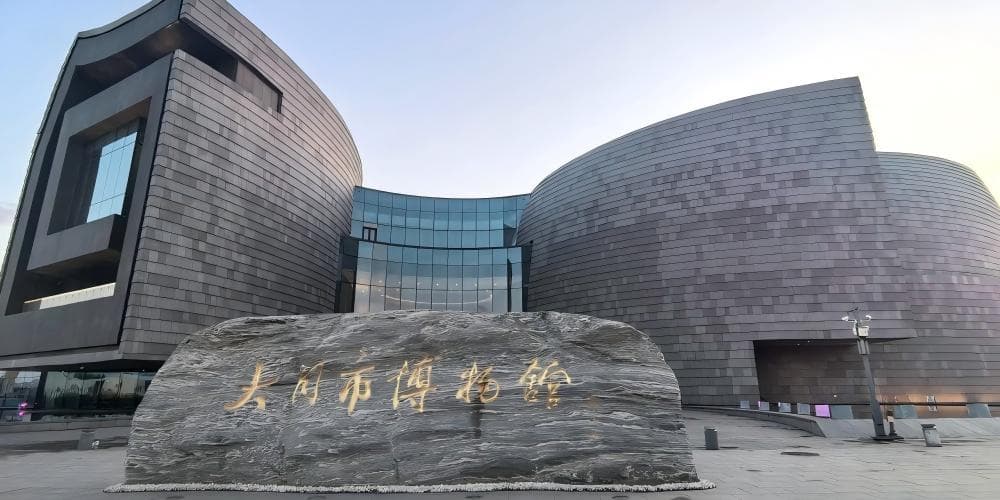
Datong Museum (大同博物馆) — Context Before Sights
What it is: A modern museum covering Datong's full history, with an especially strong Northern Wei section that gives context to Yungang. Free with a passport. Closed Mondays.
Hours: 9:00–17:00 (last entry ~16:00). Allow 1.5–2 hours. Excellent English signage throughout — some of the best in Shanxi.
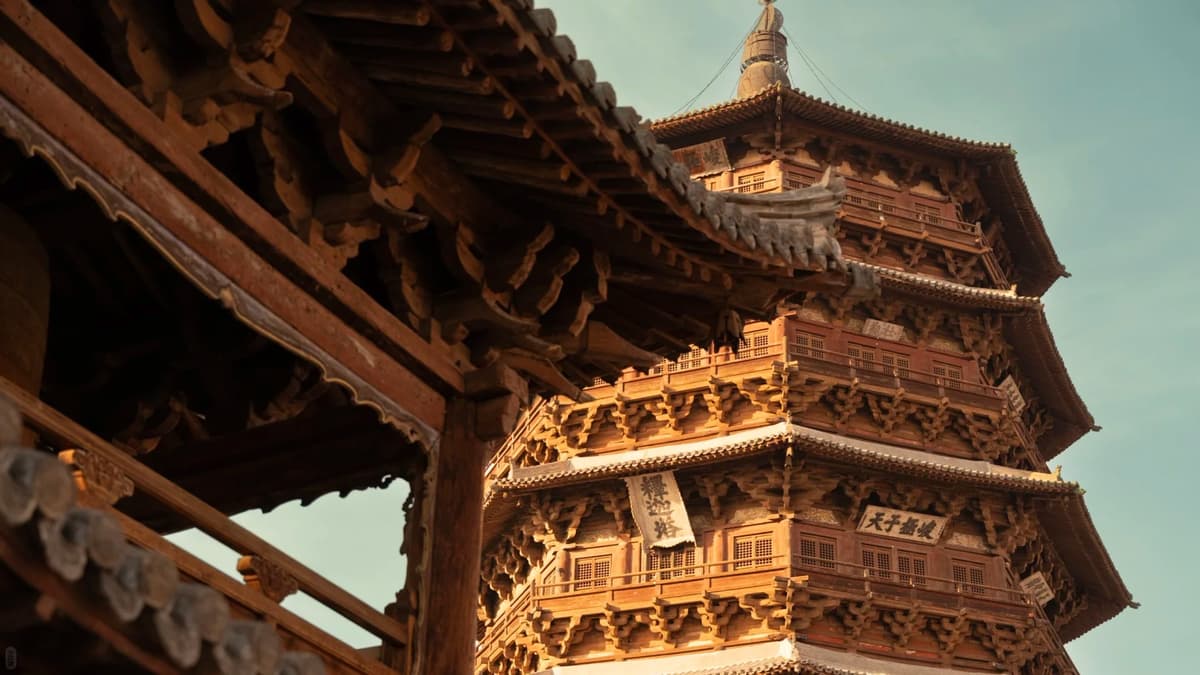
Yingxian Wooden Pagoda (应县木塔) — The World's Oldest All-Wood Skyscraper
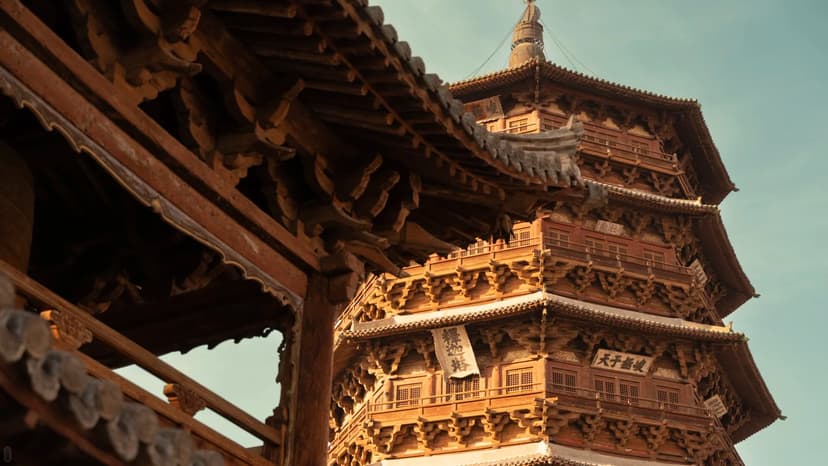
What it is: The world's oldest and tallest all-wood pagoda — 67.3 m, built in 1056 AD without a single nail. It has survived 40+ earthquakes over nearly a thousand years.
Tickets & access: ¥60/person. Only the ground floor is accessible — climbing has been banned since 2010 due to visible tilting. You can enter the ground-floor hall and look up at the enormous painted Buddha inside. Allow 1–1.5 hours on site.
Datong's food is hearty, wheat-based, and built for a cold northern climate. Lamb, aged vinegar, and hand-pulled noodles are the backbone, and the local twist on several Shanxi classics is richer and bolder than elsewhere. Here is what to hunt down, and where.
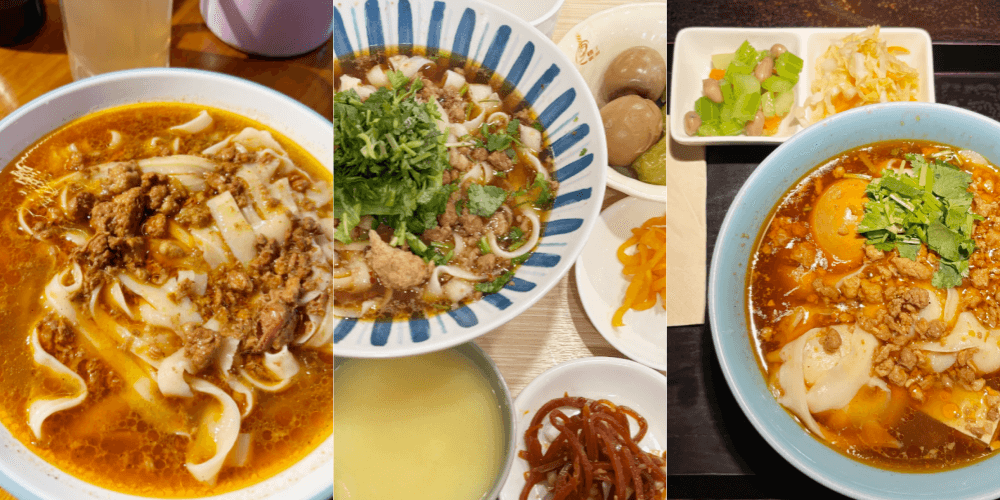
Knife-Cut Noodles (刀削面) — The Shanxi Signature, Datong-Style
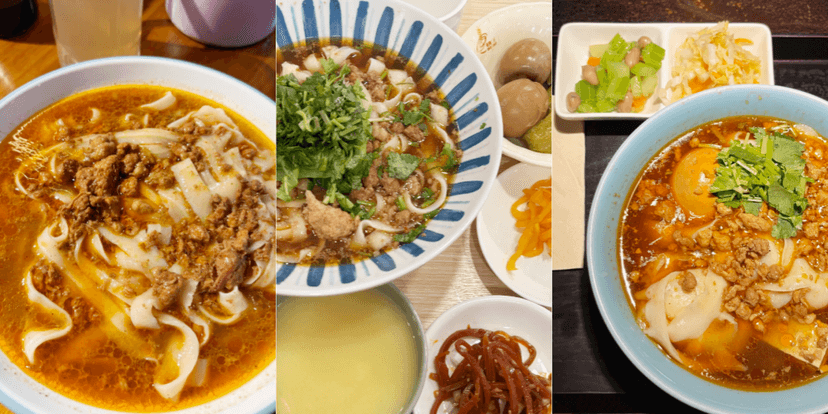
In Datong, the broth is often a deep pork-bone stock, topped with braised pork belly, pickled mustard greens, and a drizzle of black vinegar. The noodles themselves are shaved directly from a block of dough into boiling water, giving each piece an irregular, chewy edge.
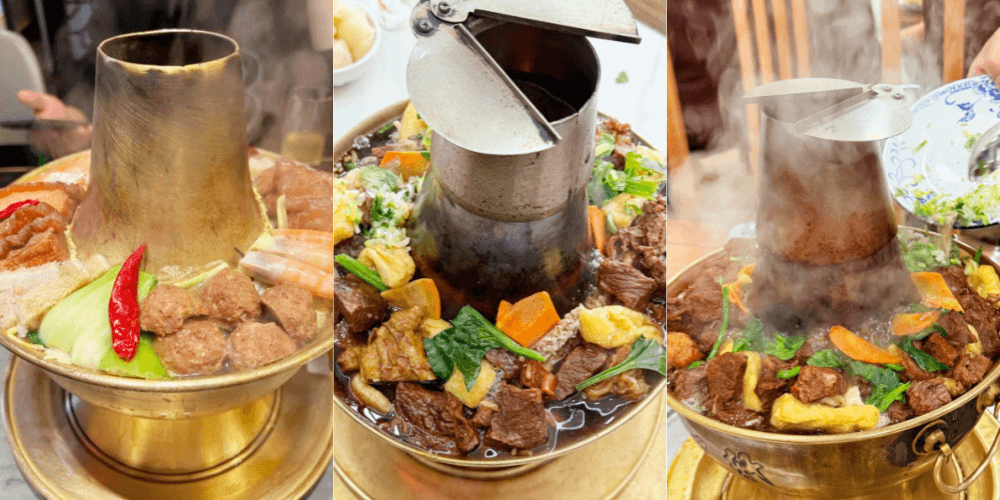
Datong Lamb Hot Pot (大同铜火锅) — Winter's Best Comfort
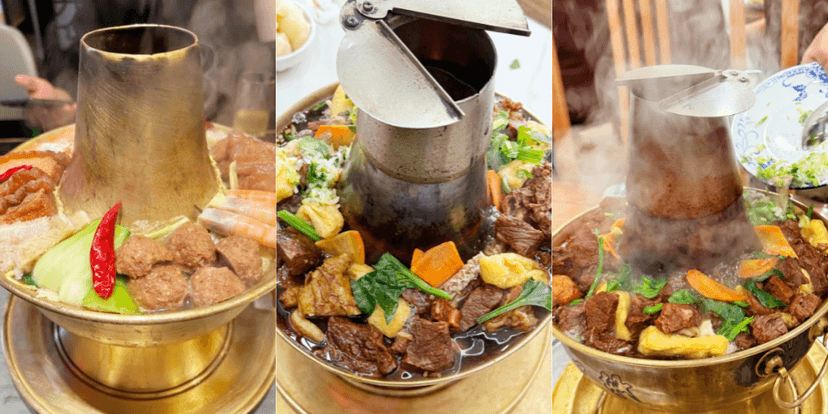
A traditional copper pot heated by charcoal, filled with thinly sliced lamb, tofu, vermicelli, and cabbage, bubbling in a mild broth. You dip each piece into a sesame-based sauce laced with chili oil and garlic. It is the ultimate cold-weather meal, and while Shanxi has hot pot everywhere, the copper pot version is Datong's proud specialty.
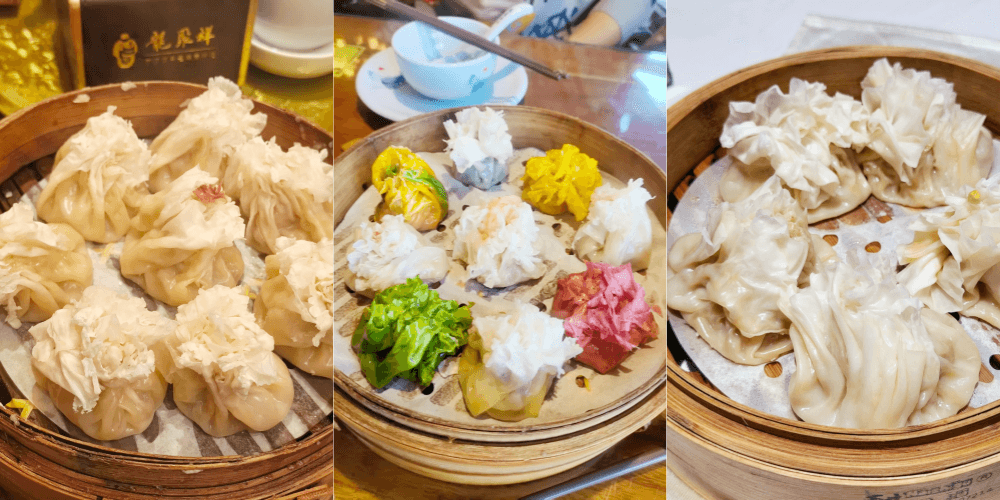
Datong-Style Shaomai (烧麦) — Not Your Dim Sum Variety
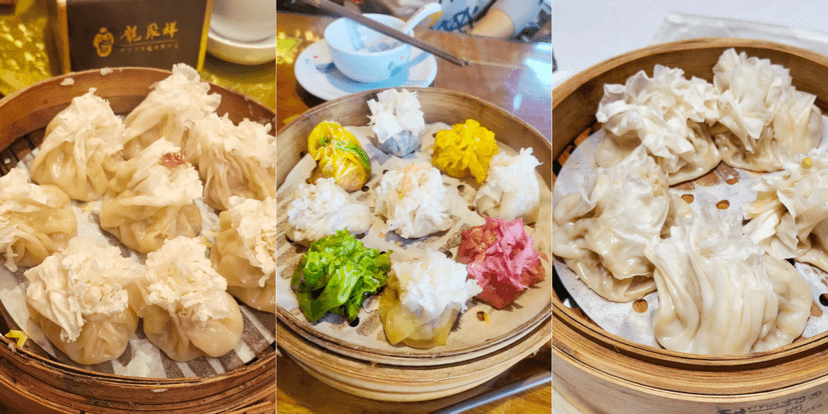
Unlike the Cantonese dim sum you may know, Datong's shaomai have paper-thin wrappers and are usually filled with pork or lamb. They are steamed until the edges ruffle like flower petals.
Liangfen (凉粉) — The Hunyuan County Star
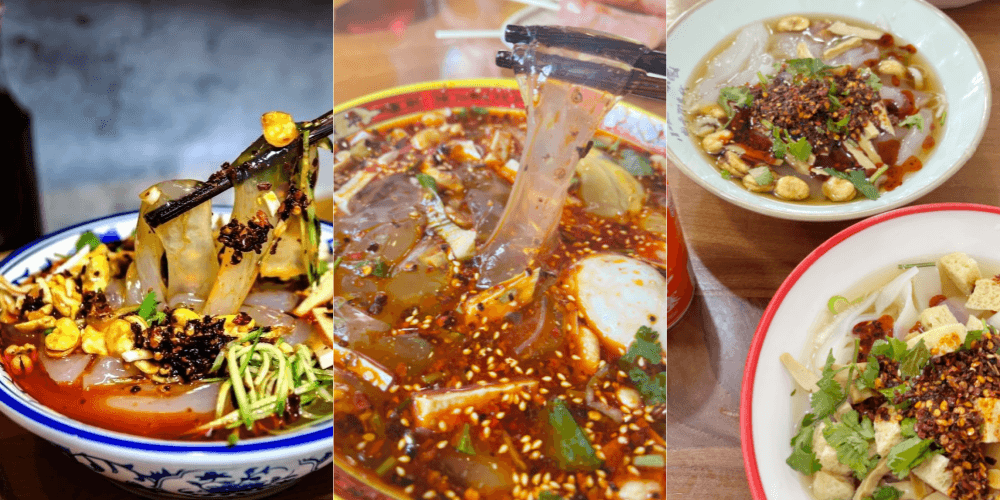
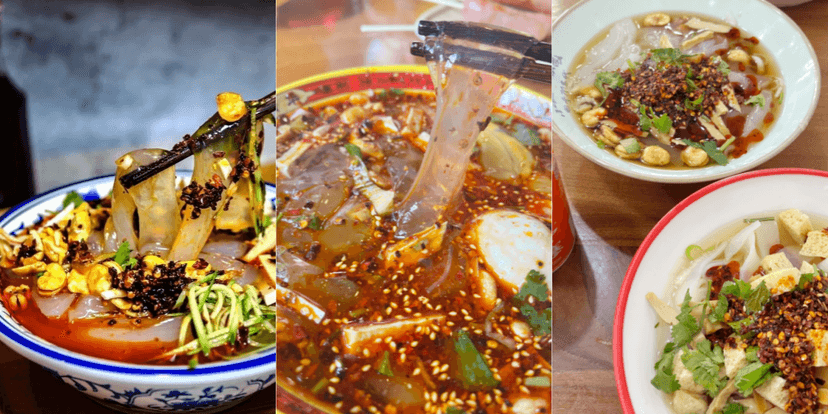
A cold jelly made from mung bean starch, drenched in chili oil, black vinegar, minced garlic, and topped with crispy fried soybeans. It is cool, slippery, tangy, and spicy all at once. Hunyuan County, right next to the Hanging Temple, is famous for it. If you are driving back from the temple, stopping at a roadside liangfen stall is a local ritual.
Practical Tips for Foreign Visitors
Language — Where English Works and Where It Doesn't
Yungang Grottoes and Datong Museum have good English signage — some of the best in Shanxi. At Huayan Temple and the Hanging Temple, key signs are bilingual, but detailed explanations are mostly in Chinese. In restaurants, small noodle shops, taxis, and bus stations, English is rare. Download a translation app with a camera function before your trip. It will read menus, signs, and even handwritten notes.
Payments
Datong, like most of urban China, runs on mobile payments. Alipay and WeChat Pay are accepted everywhere — at street stalls, by taxi drivers, and at temple ticket offices. Link your international card to one of these apps before your trip; it will save you fumbling with cash and change. ATMs exist, but many do not reliably accept foreign cards. Carry a small amount of Chinese yuan as a backup — ¥200–300 is enough for emergencies like a taxi when your phone dies. On-site ticket offices at attractions generally do not accept foreign credit cards, so either buy tickets online in advance through a platform that takes international cards or pay via WeChat/Alipay on arrival.
Connectivity — Get a Chinese SIM or eSIM
Public Wi-Fi exists at airports, train stations, and some hotels, but it is unreliable and often requires a local phone number to log in. Without mobile data, you cannot call a ride, scan a QR code menu, or use your translation app. Buy a Chinese SIM card or an international eSIM with Chinese data before arriving. A reliable VPN installed before your trip is essential if you want to access Google, WhatsApp, Instagram, or Gmail — they are blocked on local networks.
What to Pack — Dry Air, Stone Paths, and Long Walks
Datong's climate is dry year-round. Lip balm, moisturiser, and a water bottle are essential regardless of the season. In summer, the sun at Yungang is relentless — there is almost no shade along the 1-km cliff face. A broad-brimmed hat, sunglasses, and sunscreen are non-negotiable. In winter, temperatures drop to -15°C with biting wind from the steppe. Pack thermal underwear, a thick down coat, gloves, a scarf, and warm socks. Slip-resistant boots help on icy temple stairs.
Footwear matters more here than you might expect. Yungang Grottoes involves walking over a kilometre on stone paths. The Hanging Temple has steep, narrow, uneven steps. The City Wall is 7.2 km of flagstones. Comfortable, sturdy walking shoes with good grip are not optional — they will make or break your day.
Safety — Very Safe, But Watch Your Step
Datong is a safe city. Violent crime against foreigners is extremely rare. The main risks are physical, not criminal. Temple stairs, especially at the Hanging Temple and Huayan Pagoda, are steep and can be slippery in rain or snow. Yungang's stone paths can be uneven. The Hanging Temple walkways have low railings — keep both hands free, do not lean, and if you feel unsteady, skip the climb entirely. Traffic in Datong is calmer than in larger Chinese cities, but always look both ways when crossing — electric scooters move silently and may not stop.
Cultural Etiquette — Temples and Photos
Temples: Datong's temples are active religious sites, not just tourist stops. Dress modestly — cover shoulders and knees. Speak quietly. It is fine to take photos in most areas (unless a sign says otherwise), but do not use flash on painted statues or murals. If you see monks or worshippers in prayer, photograph them only from a respectful distance and never with flash.
Money in temples: Some temples have donation boxes. Donating is entirely voluntary. You may see locals lighting incense or bowing. You are welcome to simply observe.
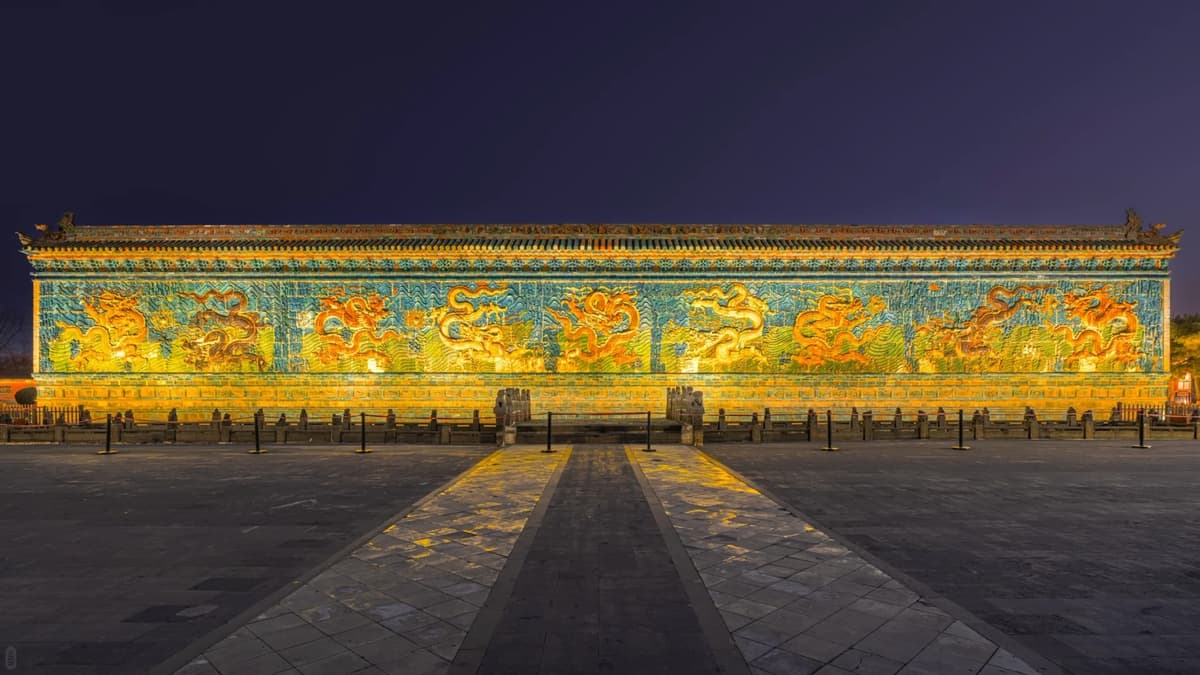
Datong doesn't try to charm you with polished streets. It meets you with a 17-metre Buddha carved into a cliff, a temple pinned to a sheer rock face, and a wooden pagoda that has stood for nearly a thousand years without a single nail. Between the big sights, you will find quiet temple courtyards, steaming bowls of knife-cut noodles, and a city wall that glows at sunset. The coal trucks still pass on the outskirts, and that is part of its honesty — Datong is not a museum. It is a city that remembers its past and is still shaping its future.
Because Datong's treasures spread wide, a well-planned trip makes all the difference. We have been crafting Shanxi journeys for international travellers for over 20 years, with 98% five-star reviews on TripAdvisor. From securing your Hanging Temple climbing tickets to arranging a private car for a sunrise at Yungang, we handle the details so you can simply stand in front of that 1,500-year-old Buddha and feel the wonder. Best service, fair price, and a Datong holiday that feels less like sightseeing and more like stepping into an epic.
Waiting for you in Datong! :)
Walk through Datong's old city lanes in the evening, and you will see locals gathered around street-side noodle pots, the steam rising into the dry northern air. The rebuilt city wall — wider and taller than Pingyao's — encircles a district still finding its rhythm, with new boutiques tucked into grey-brick facades and old men playing chess under lantern-lit pagoda trees. It is not polished or picture-perfect everywhere, and that is precisely its appeal. Datong does not feel like a museum. It feels like a city genuinely in motion, one that remembers its imperial past while figuring out what it wants to be next. For the traveler, that tension between rough edges and world-class heritage is magnetic.
Compared to other Shanxi destinations, Datong operates on a different scale. Pingyao charms you with intimate courtyards and Ming-Qing merchant tales. Mount Wutai soothes you with pine-scented mountain air and temple bells. Datong does neither — it overwhelms you. A 17-metre-tall Buddha carved into a sandstone cliff. A temple dangling 50 metres above a canyon floor. A wooden pagoda built without a single nail that has shrugged off forty earthquakes. This is not delicate, understated China. This is China in bold capitals, forged by an empire that saw itself at the centre of a vast Buddhist universe stretching from Central Asia to the sea. If you want big history carved in stone, you come here.
Content |
The best months to visit Datong are March through October. Temperatures are comfortable (15–30°C), skies are blue, and all attractions are fully operational. June to August can be hot (up to 32°C) but remain dry — the main discomfort is sun exposure at Yungang, not humidity. September and October are ideal: cooler air, golden light, fewer domestic tourists after the National Day holiday ends.
Winter (November to March) is harshly cold, with temperatures dropping to -15°C at night and daytime highs hovering around 0°C. The upside: Yungang Grottoes are nearly empty, the snow on the Hanging Temple is spectacular, and you will have entire temple courtyards to yourself. Just pack thick down, thermal layers, gloves, and a scarf.
Avoid the Chinese national holidays if possible — especially Labor Day (May 1–5) and National Day (October 1–7). During these periods, Yungang Grottoes and the Hanging Temple can be extremely crowded, with climbing ticket queues stretching to two or three hours.
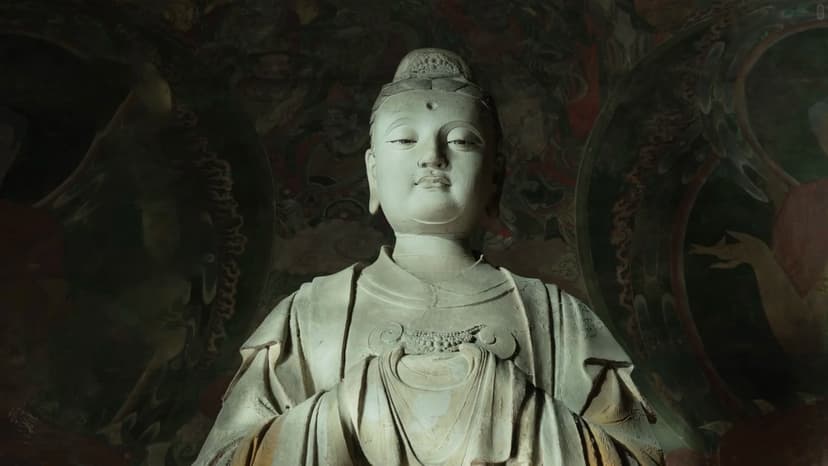
By Air — Datong Yungang Airport (DAT)
Datong has its own airport — Datong Yungang Airport (大同云冈机场, DAT) — about 17 km east of the city centre. Domestic flights connect it to most major Chinese cities. The most practical routes for international travellers are Beijing (about 1 hour, multiple flights daily), Shanghai (about 2.5 hours), and Xi'an (about 1.5 hours, several weekly). Direct international routes are still limited, with a handful of Asian connections such as Bangkok and Seoul. Most overseas visitors will find it easier to fly into Beijing or Taiyuan and take the high-speed train the rest of the way. From the airport, a taxi to the old city takes 25–30 minutes and costs roughly ¥30–40. An airport bus is available for about ¥15. Have your hotel name written in Chinese characters ready for the driver.
By High-Speed Train — The Easiest Option for Most
This is the easiest option for most travellers. Datong South Railway Station (大同南站), opened in 2019, handles all high-speed services and is well integrated into the national network. Direct trains run from Beijing (Qinghe Station) in about 2.5 hours for around ¥170, from Taiyuan in about 2 hours for around ¥90, and from Pingyao Ancient City in about 3.5 hours for around ¥130. Trains from Beijing and Taiyuan are frequent — roughly every 30–60 minutes throughout the day — making Datong a very accessible stop on a Shanxi itinerary.
Important: Datong has two stations. Datong South is the modern high-speed hub. The older Datong Station (大同站) serves slower regular trains and is about 12 km away. Double-check your ticket before heading out. From Datong South, a taxi to the old city takes 20–25 minutes and costs ¥25–35. Several city bus routes also serve the station for ¥1–2. Use the official taxi queue, not the touts outside.
Long-Distance Bus — The Budget Fallback
Long-distance buses connect Datong to most cities in Shanxi and neighbouring provinces, including Beijing (about 4–5 hours, ¥100–130). Buses are cheaper than trains but less comfortable and more susceptible to traffic delays. Use them only if train tickets are sold out. Datong's main long-distance bus station is near the old city centre.
Getting Around Datong
Within the city: The old city area — home to Huayan Temple, Shanhua Temple, the City Wall, and most restaurants — is compact and walkable. For longer hops, taxis are plentiful and affordable (flagfall around ¥8, rarely exceeding ¥25 across town). Ride-hailing apps work well. City buses cover all main routes for ¥1–2, but signage is mostly in Chinese, so a translation app helps.
To outer attractions: The Hanging Temple (65 km southeast) and Yingxian Wooden Pagoda (80 km south) lie on roughly the same route, making a combined day trip logical. Public buses exist but are infrequent, involve transfers, and have no English support. A taxi each way costs ¥150–250 per leg, but you will need to negotiate the return trip. The best option for most foreign visitors is hiring a private car with a driver for the day. Your hotel or guesthouse can arrange this in minutes. The full-day cost runs ¥300–500, covering both sites with door-to-door service and waiting time. For two or more people, splitting this cost is often cheaper and far less stressful than navigating rural buses.
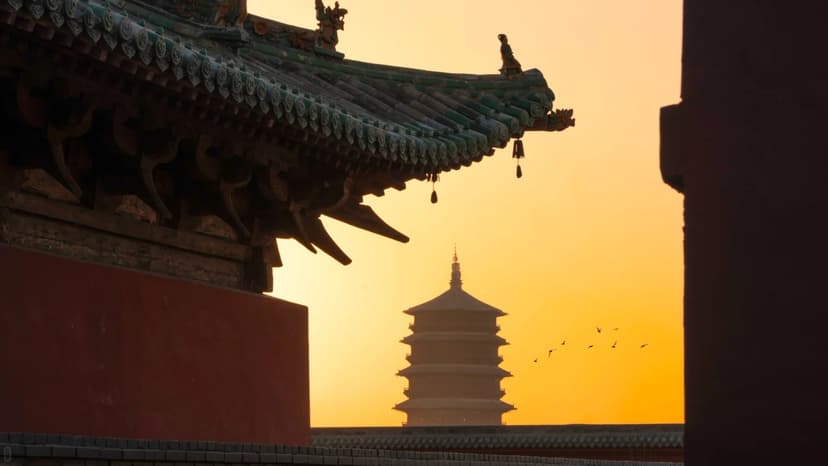
Key Attractions — What to See & How to Visit
Yungang Grottoes (云冈石窟)
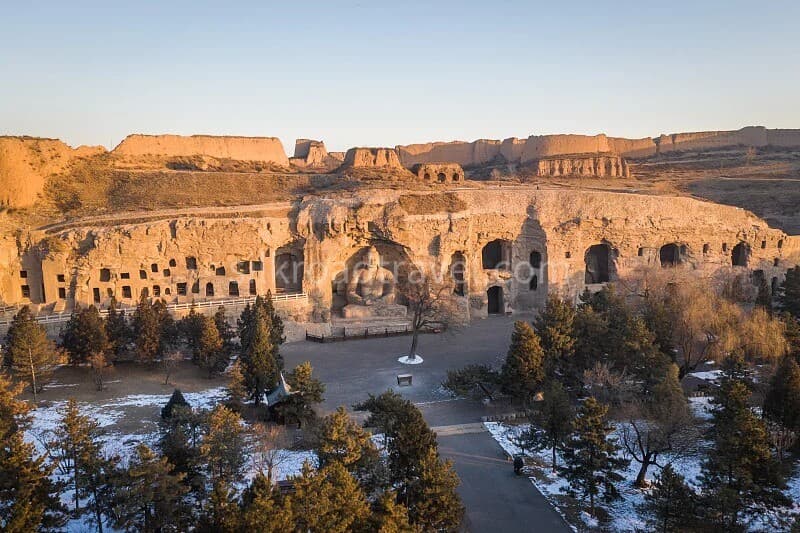
What it is: What: 51,000+ Buddhist statues carved into a 1-km sandstone cliff. 45 major caves, built 460–524 AD under Northern Wei emperors. A UNESCO site and one of the world's great rock-cut art treasures.
Tickets & hours: ¥120 peak (Apr–Oct), ¥100 off-peak (Nov–Mar). Open 8:30–17:30. Rent an audio guide for ¥20 (English available, limited — arrive early). Human guide ~¥150 (mostly Chinese).
Must-see caves: Cave 20 — the iconic open-air Big Buddha, 13.7 m tall, Yungang's postcard image. Cave 12 — the "Music Cave," walls lined with celestial musicians playing Silk Road instruments. Caves 5–6 — the tallest Buddha (17 m) and a stone "comic strip" of the Buddha's life.
Hanging Temple (悬空寺) — Defying Gravity for 1,500 Years
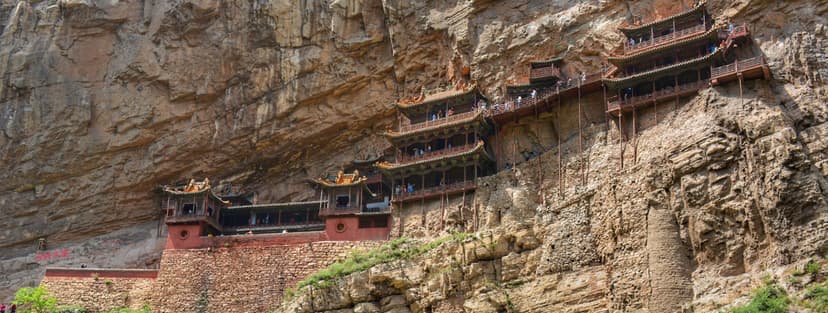
What it is: A temple pinned to a sheer cliff 50 m above the ground, built in 491 AD. The only surviving temple in China that combines Buddhism, Taoism, and Confucianism under one roof.
Tickets & hours: Ground-level entry ¥15, climbing ticket ¥100, combined ¥115. Open 8:00–17:00 (winter) / 8:00–18:00 (summer). Climbing tickets are limited daily — arrive at opening time or pre-book. Queues can stretch 2–3 hours during peak season and holidays.
Huayan Temple (华严寺) — Liao Dynasty Grandeur
What it is: A sprawling Liao Dynasty (1038 AD) Buddhist temple complex. The Upper Temple main hall is one of the largest surviving Liao wooden structures; the Lower Temple houses the famous "Laughing Bodhisattva."
Tickets & hours: ¥65/person. Open 8:30–17:30. Allow 1.5–2 hours. The ticket includes the pagoda climb and the underground palace.
Highlights: The Upper Temple Main Hall — vast, dim, five golden Buddhas, original worn floor. The Lower Temple's Laughing Bodhisattva — hands clasped, faint smile, teeth visible through parted lips, startlingly human. The Huayan Pagoda — climb steep wooden stairs for panoramic old-city views; beneath it, a glittering golden shrine in the underground palace.
Shanhua Temple (善化寺) — Free, Quiet, Underrated
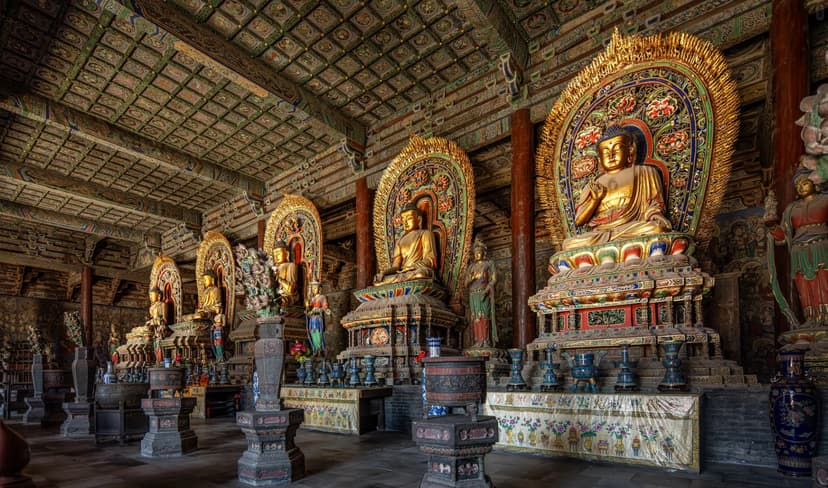
What it is: A Tang-style temple rebuilt in the Liao and Jin dynasties. Less restored, quieter, deeply atmospheric. Free with a passport.
Entry is free with your passport. There are no queues, no ticket booths, no crowds. Just an unlocked gate and a courtyard full of old pines and the smell of incense. If you need half an hour of genuine stillness in Datong, come here after Huayan. The two temples are a 10-minute walk apart and together form a complete Liao-Jin Buddhist picture.
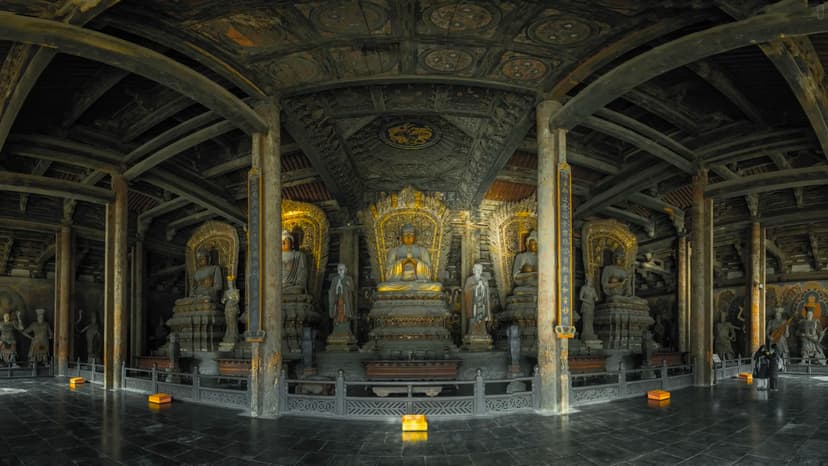
Highlights: The main hall holds five large golden Buddhas (centre, four directions) surrounded by dramatically expressive guardian statues — they lean, twist, and glare, a fierce contrast to the serene Buddhas. Late afternoon light through the doors is beautiful. There are no crowds, no souvenir stalls — just old pines, worn stone, and incense.
Datong City Wall (大同古城墙) — Sunset & City Views
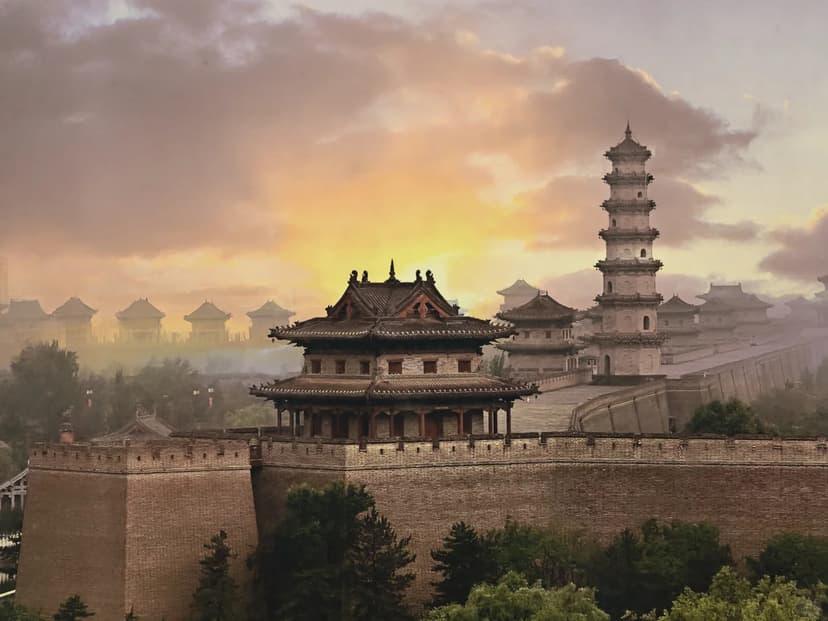
What it is: A rebuilt Ming-style wall encircling the old city, a 7.2 km loop. Broader and smoother than Pingyao's. Entry is free.
Hours: Roughly 8:00–21:00 (varies by season). Bike rental ~¥30–40/hour at South and East Gates. Sightseeing buggy ~¥30/person.
Datong Museum (大同博物馆) — Context Before Sights
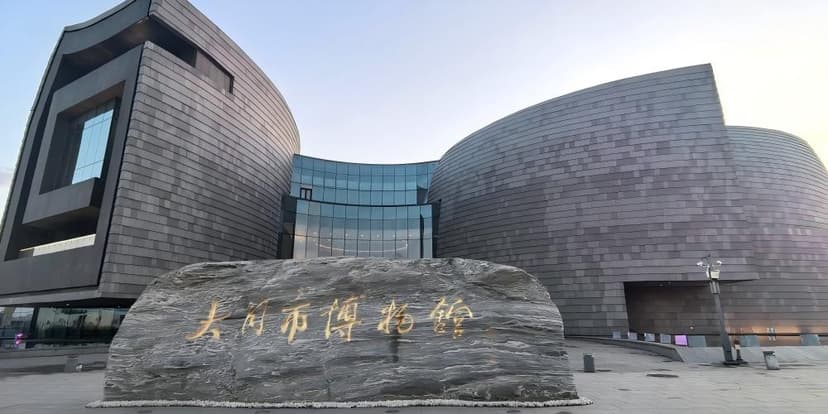
What it is: A modern museum covering Datong's full history, with an especially strong Northern Wei section that gives context to Yungang. Free with a passport. Closed Mondays.
Hours: 9:00–17:00 (last entry ~16:00). Allow 1.5–2 hours. Excellent English signage throughout — some of the best in Shanxi.
Yingxian Wooden Pagoda (应县木塔) — The World's Oldest All-Wood Skyscraper
What it is: The world's oldest and tallest all-wood pagoda — 67.3 m, built in 1056 AD without a single nail. It has survived 40+ earthquakes over nearly a thousand years.
Tickets & access: ¥60/person. Only the ground floor is accessible — climbing has been banned since 2010 due to visible tilting. You can enter the ground-floor hall and look up at the enormous painted Buddha inside. Allow 1–1.5 hours on site.
Datong's food is hearty, wheat-based, and built for a cold northern climate. Lamb, aged vinegar, and hand-pulled noodles are the backbone, and the local twist on several Shanxi classics is richer and bolder than elsewhere. Here is what to hunt down, and where.
Knife-Cut Noodles (刀削面) — The Shanxi Signature, Datong-Style
In Datong, the broth is often a deep pork-bone stock, topped with braised pork belly, pickled mustard greens, and a drizzle of black vinegar. The noodles themselves are shaved directly from a block of dough into boiling water, giving each piece an irregular, chewy edge.
Datong Lamb Hot Pot (大同铜火锅) — Winter's Best Comfort
A traditional copper pot heated by charcoal, filled with thinly sliced lamb, tofu, vermicelli, and cabbage, bubbling in a mild broth. You dip each piece into a sesame-based sauce laced with chili oil and garlic. It is the ultimate cold-weather meal, and while Shanxi has hot pot everywhere, the copper pot version is Datong's proud specialty.
Datong-Style Shaomai (烧麦) — Not Your Dim Sum Variety
Unlike the Cantonese dim sum you may know, Datong's shaomai have paper-thin wrappers and are usually filled with pork or lamb. They are steamed until the edges ruffle like flower petals.
Liangfen (凉粉) — The Hunyuan County Star
A cold jelly made from mung bean starch, drenched in chili oil, black vinegar, minced garlic, and topped with crispy fried soybeans. It is cool, slippery, tangy, and spicy all at once. Hunyuan County, right next to the Hanging Temple, is famous for it. If you are driving back from the temple, stopping at a roadside liangfen stall is a local ritual.
Practical Tips for Foreign Visitors
Language — Where English Works and Where It Doesn't
Yungang Grottoes and Datong Museum have good English signage — some of the best in Shanxi. At Huayan Temple and the Hanging Temple, key signs are bilingual, but detailed explanations are mostly in Chinese. In restaurants, small noodle shops, taxis, and bus stations, English is rare. Download a translation app with a camera function before your trip. It will read menus, signs, and even handwritten notes.
Payments
Datong, like most of urban China, runs on mobile payments. Alipay and WeChat Pay are accepted everywhere — at street stalls, by taxi drivers, and at temple ticket offices. Link your international card to one of these apps before your trip; it will save you fumbling with cash and change. ATMs exist, but many do not reliably accept foreign cards. Carry a small amount of Chinese yuan as a backup — ¥200–300 is enough for emergencies like a taxi when your phone dies. On-site ticket offices at attractions generally do not accept foreign credit cards, so either buy tickets online in advance through a platform that takes international cards or pay via WeChat/Alipay on arrival.
Connectivity — Get a Chinese SIM or eSIM
Public Wi-Fi exists at airports, train stations, and some hotels, but it is unreliable and often requires a local phone number to log in. Without mobile data, you cannot call a ride, scan a QR code menu, or use your translation app. Buy a Chinese SIM card or an international eSIM with Chinese data before arriving. A reliable VPN installed before your trip is essential if you want to access Google, WhatsApp, Instagram, or Gmail — they are blocked on local networks.
What to Pack — Dry Air, Stone Paths, and Long Walks
Datong's climate is dry year-round. Lip balm, moisturiser, and a water bottle are essential regardless of the season. In summer, the sun at Yungang is relentless — there is almost no shade along the 1-km cliff face. A broad-brimmed hat, sunglasses, and sunscreen are non-negotiable. In winter, temperatures drop to -15°C with biting wind from the steppe. Pack thermal underwear, a thick down coat, gloves, a scarf, and warm socks. Slip-resistant boots help on icy temple stairs.
Footwear matters more here than you might expect. Yungang Grottoes involves walking over a kilometre on stone paths. The Hanging Temple has steep, narrow, uneven steps. The City Wall is 7.2 km of flagstones. Comfortable, sturdy walking shoes with good grip are not optional — they will make or break your day.
Safety — Very Safe, But Watch Your Step
Datong is a safe city. Violent crime against foreigners is extremely rare. The main risks are physical, not criminal. Temple stairs, especially at the Hanging Temple and Huayan Pagoda, are steep and can be slippery in rain or snow. Yungang's stone paths can be uneven. The Hanging Temple walkways have low railings — keep both hands free, do not lean, and if you feel unsteady, skip the climb entirely. Traffic in Datong is calmer than in larger Chinese cities, but always look both ways when crossing — electric scooters move silently and may not stop.
Cultural Etiquette — Temples and Photos
Temples: Datong's temples are active religious sites, not just tourist stops. Dress modestly — cover shoulders and knees. Speak quietly. It is fine to take photos in most areas (unless a sign says otherwise), but do not use flash on painted statues or murals. If you see monks or worshippers in prayer, photograph them only from a respectful distance and never with flash.
Money in temples: Some temples have donation boxes. Donating is entirely voluntary. You may see locals lighting incense or bowing. You are welcome to simply observe.
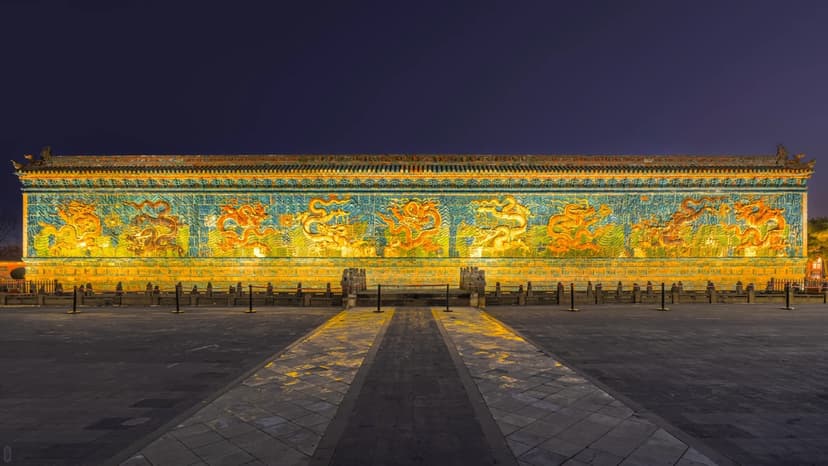
Datong doesn't try to charm you with polished streets. It meets you with a 17-metre Buddha carved into a cliff, a temple pinned to a sheer rock face, and a wooden pagoda that has stood for nearly a thousand years without a single nail. Between the big sights, you will find quiet temple courtyards, steaming bowls of knife-cut noodles, and a city wall that glows at sunset. The coal trucks still pass on the outskirts, and that is part of its honesty — Datong is not a museum. It is a city that remembers its past and is still shaping its future.
Because Datong's treasures spread wide, a well-planned trip makes all the difference. We have been crafting Shanxi journeys for international travellers for over 20 years, with 98% five-star reviews on TripAdvisor. From securing your Hanging Temple climbing tickets to arranging a private car for a sunrise at Yungang, we handle the details so you can simply stand in front of that 1,500-year-old Buddha and feel the wonder. Best service, fair price, and a Datong holiday that feels less like sightseeing and more like stepping into an epic.
Waiting for you in Datong! :)