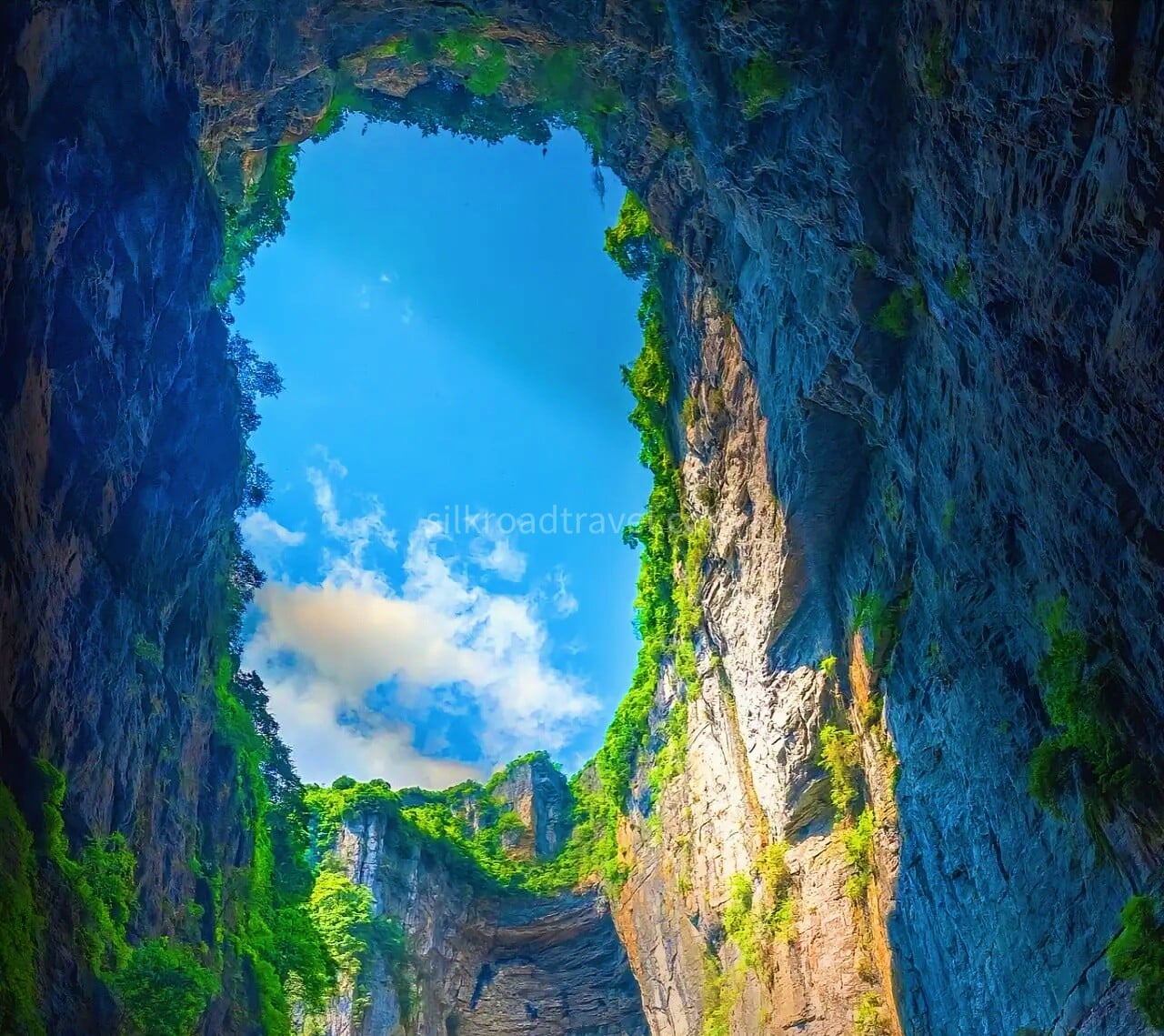



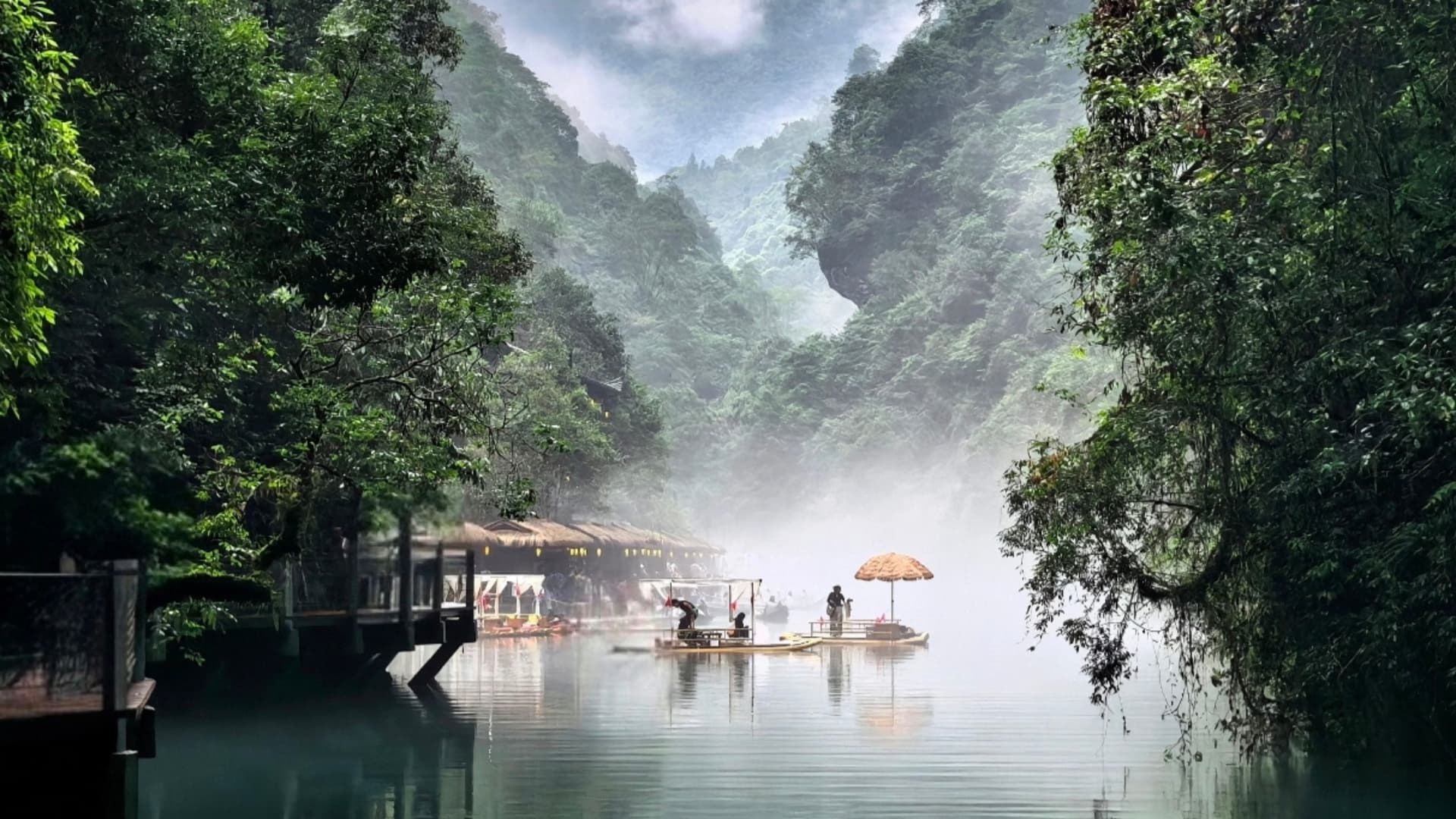

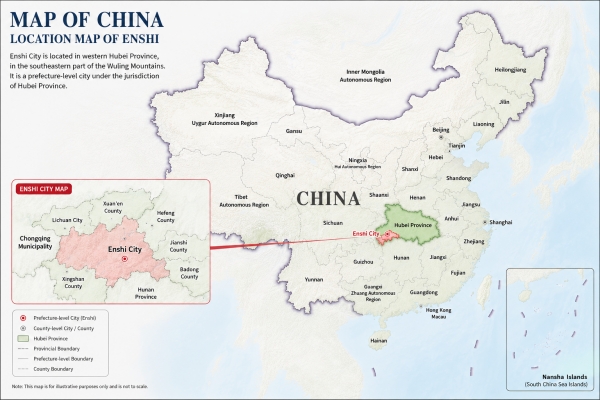
Because of this special geography, Enshi has a natural landscape that feels very different from most Chinese cities. High mountains, deep canyons, caves, forests, and rivers come together to form a unique scene.
Large areas of karst terrain, shaped over a long time by erosion, have created steep cliffs, underground rivers, sinkholes, and gorges. Add in the humid mountain climate, and Enshi is often covered in clouds and mist—many parts of it feel like a hidden wonderland.
Compared to popular tourist cities, Enshi feels more like a "mountain paradise" surrounded by peaks.
Content |
What really draws people to Enshi isn't just one attraction, but the overall natural atmosphere and the slow, genuine way of life here.
Stunning natural scenery
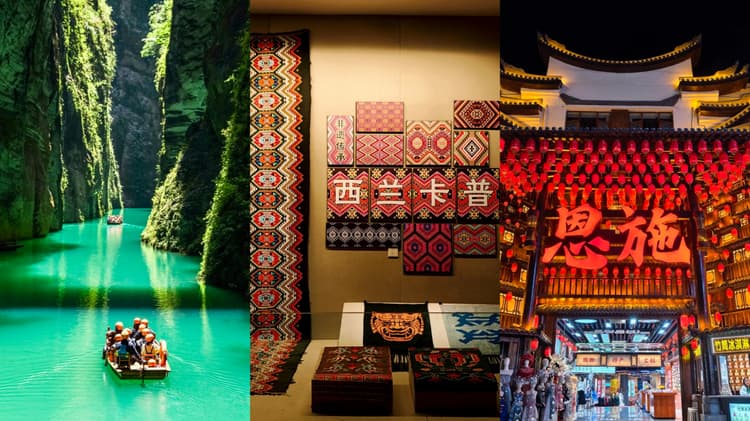
Enshi is best known for its dramatic canyons and untouched landscapes.
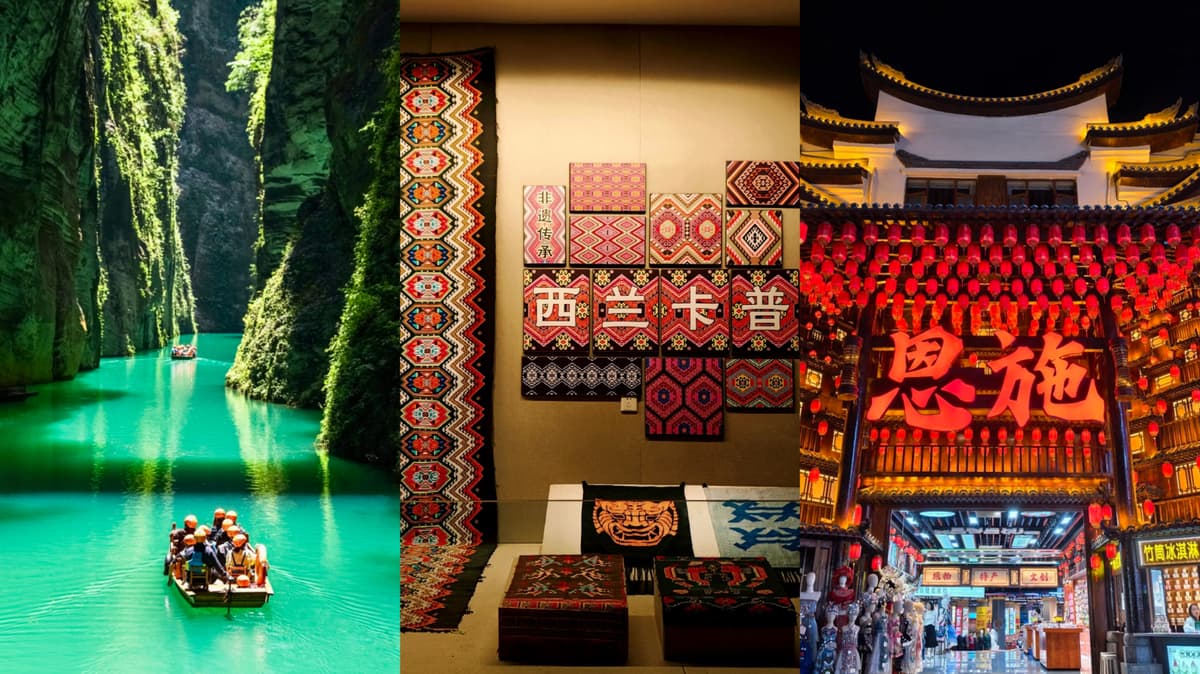
It has some of China's most typical karst terrain—big mountains, cliffs, caves, sinkholes, and forests all mixed together. Walk through Enshi and you'll often see clouds floating through the valleys, like stepping into an ink painting.
The most famous sights include the Enshi Grand Canyon, the clear waters of the Qingjiang River, old-growth forests, mountain clouds, and underground caves.
Many people call it a "fairyland in China".
Unique Tujia culture
Besides the scenery, Enshi is also a Tujia and Miao autonomous prefecture, so local culture is strong.
Stilt houses are built into the mountainsides, and many villages still live traditionally. Tujia songs, dances, festivals, and food give Enshi a warm, human touch.
Traveling here isn't just about seeing views—it's also about experiencing a slower, more real pace of life.
A growing popular travel destination
People like Enshi because it still feels natural.
There are no overcrowded commercial streets or fast city noise. More and more travelers who enjoy hiking, photography, road trips, escaping the heat, or deep travel are coming here.
In summer, Enshi's cool mountain climate makes it a popular place to escape the heat.
Enshi Grand Canyon
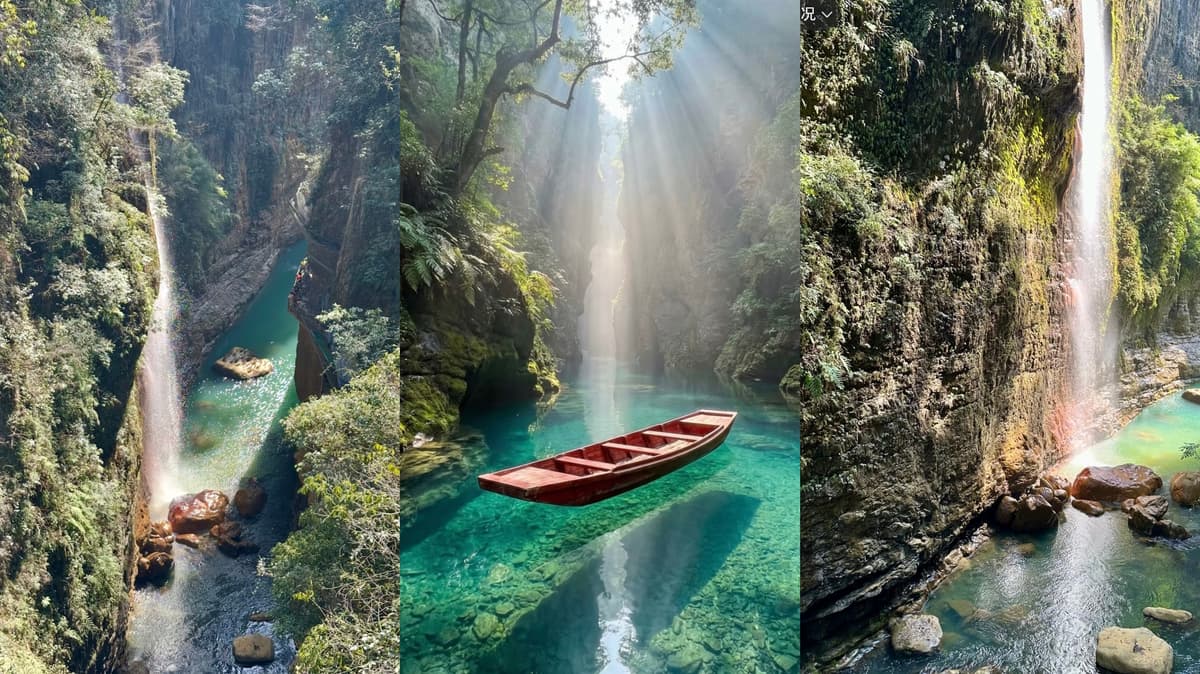
This is Enshi's most iconic sight and one of China's most spectacular canyons.
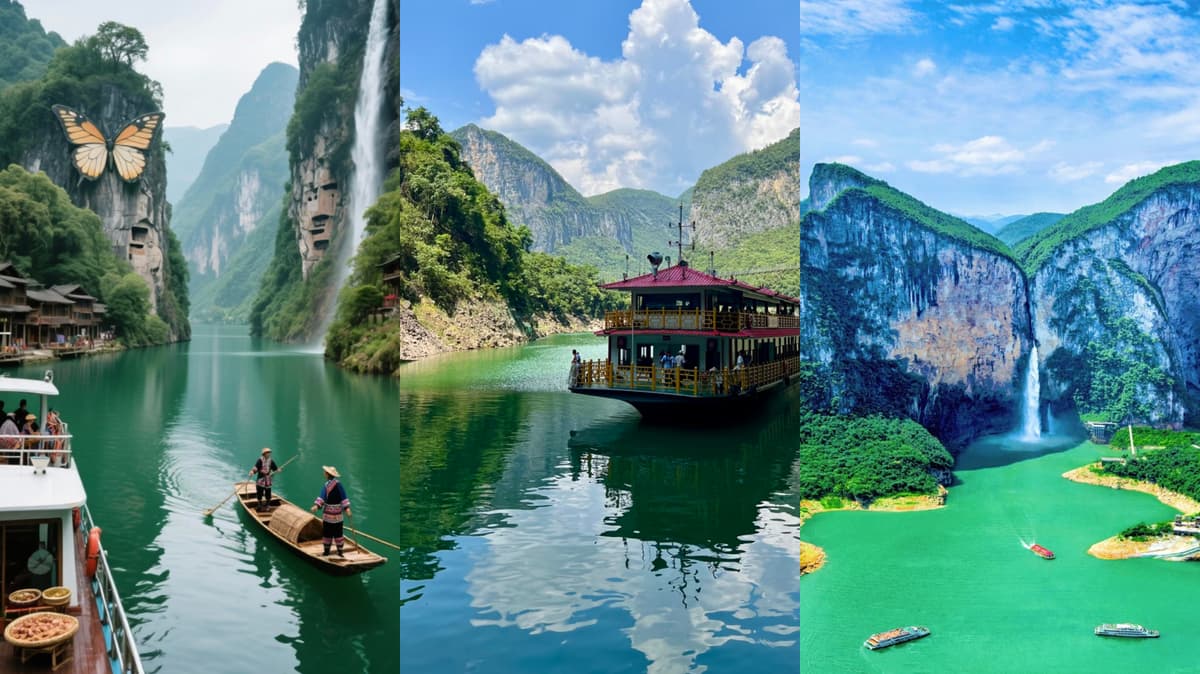
It has classic karst canyon features: steep cliffs, cloud-shrouded walkways, and untouched forests. The famous "Yizhuxiang" (One Pillar of Incense) rock formation reaches straight into the sky—it's a must-see for many visitors.
Hiking through the canyon, you really feel the power of the mountains and clouds.
Opening hours
Peak season (Mar–Oct): 8:00 AM-3:30 PM
Low season (Nov–Feb): 8:30 AM-3:00 PM
Best time to visit
Best season: Apr–Oct
Best months: May, Jun, Sep, Oct
Best time of day: Morning—better lighting for photos, less sun
Reservations needed?
Recommended during peak season, especially for summer and National Day holiday.
You may have to wait in line if buying tickets on site during holidays.
Tips
The full hike takes a while, so wear comfortable sports shoes.
Mountain weather changes fast; bring a light raincoat.
The scenic area is large—plan a full day.
Pingshan Canyon
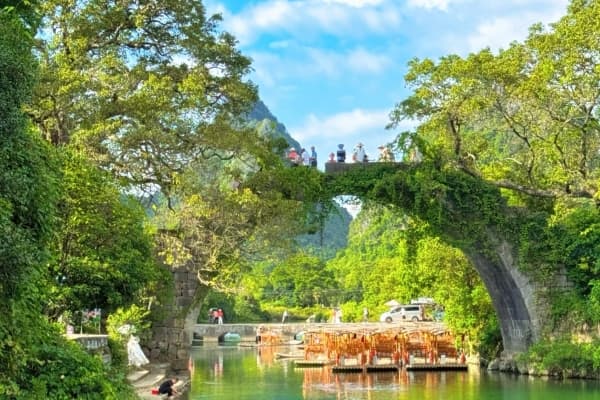
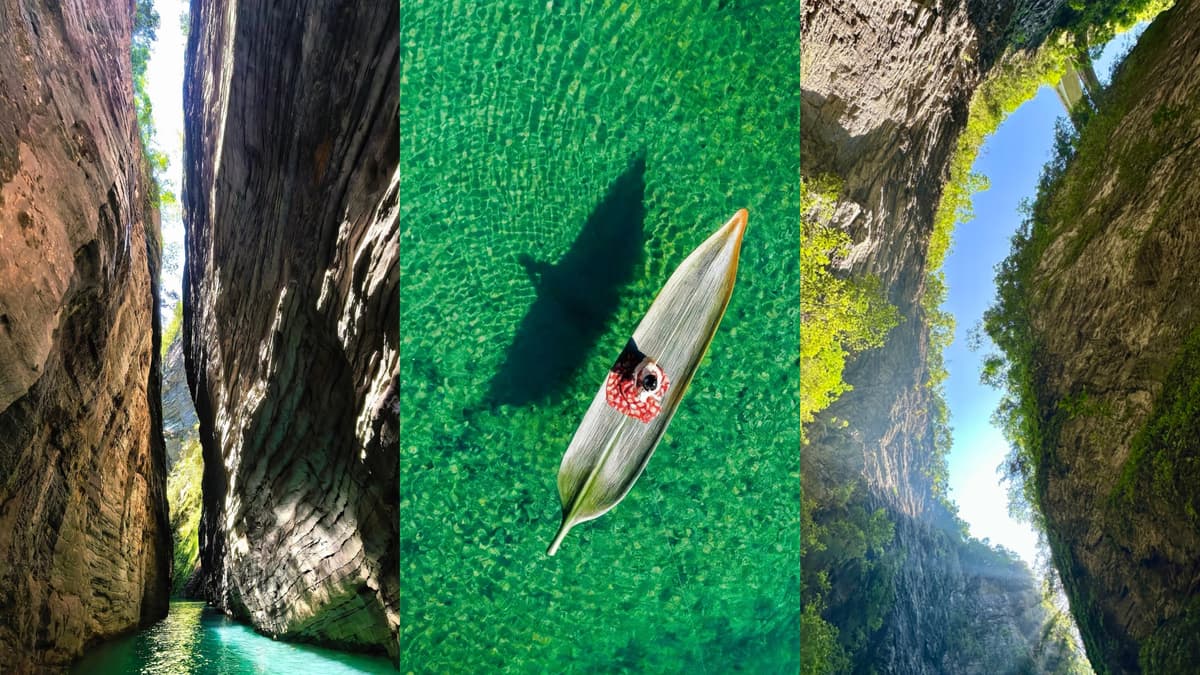
Pingshan Canyon became famous because of photos showing boats that look like they're floating in midair. Many call it "China's Semporna".
The clear river water turns an emerald green in sunlight, and small boats seem to float above the riverbed. It's a dreamlike spot and great for photography.
Opening hours
8:30 AM-4:30 PM (hours may vary slightly by season)
Best time to visit
Best season: Jun–Sep
Best weather: Sunny days
Best time of day: Around noon, when sunlight reaches into the canyon and the water is clearest.
Reservations needed?
Recommended.
During peak season, the canyon limits daily visitors.
Tips
Wear light-colored clothes for better photos.
After heavy rain, water levels may rise and some areas may close.
There are many steps in the canyon, so don't bring large luggage.
Tenglong Cave
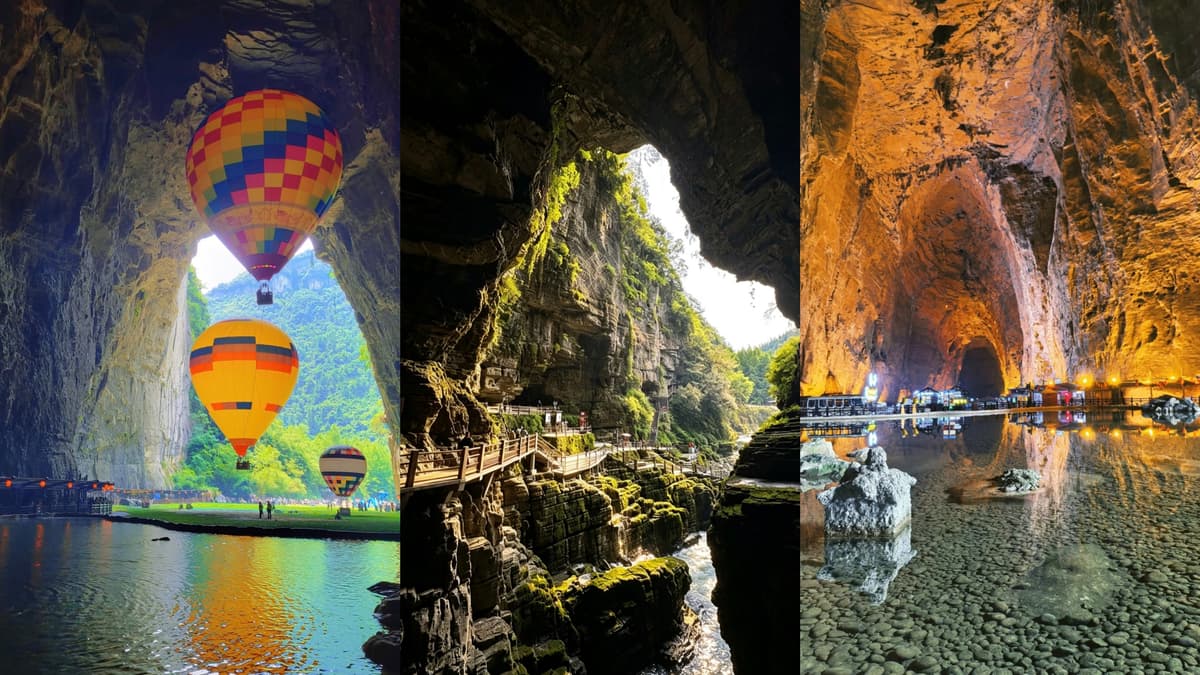
Tenglong Cave is one of Asia's largest caves.
Inside, the space is huge, with an underground river flowing through and impressive stalactites. It has a mysterious, otherworldly feel.
In summer, you'll feel the cool air as soon as you walk in.
Opening hours
8:30 AM-5:00 PM (until 5:30 PM in peak season)
Last entry is usually around 4:00 PM.
Best time to visit
Any season is fine.
Especially good in summer as a cool escape.
Reservations needed?
Usually not required on weekdays.
For holidays, it's better to book in advance.
Tips
The cave stays around 14–18°C year-round; bring a light jacket even in summer.
There are laser shows and Tujia dance performances—check the schedule before you go.
Plan about 3–5 hours for the visit.
Qingjiang Scenic Area
The Qingjiang River is known as the "mother river of the Tujia people".
Its banks are lined with green mountains, and the water is clear and calm. A boat ride here feels like moving through a traditional Chinese painting. It's much more relaxed than the busy tourist spots—good for taking in the scenery and local villages slowly.
Opening hours
Usually 8:00 AM-5:00 PM.
Boat schedules change with weather and season.
Best time to visit
Best season: Apr–Nov
In spring and summer, the water is fullest and the colors are brightest.
Autumn is good for photography.
Reservations needed?
Usually not required on regular days.
For holidays, it's best to book boat tickets in advance.
Tips
Take a boat tour—it's the best way to see the landscape.
Sunny days and misty days after rain both have their own beauty.
This is a good choice for a relaxed, slow trip.
Tusi City
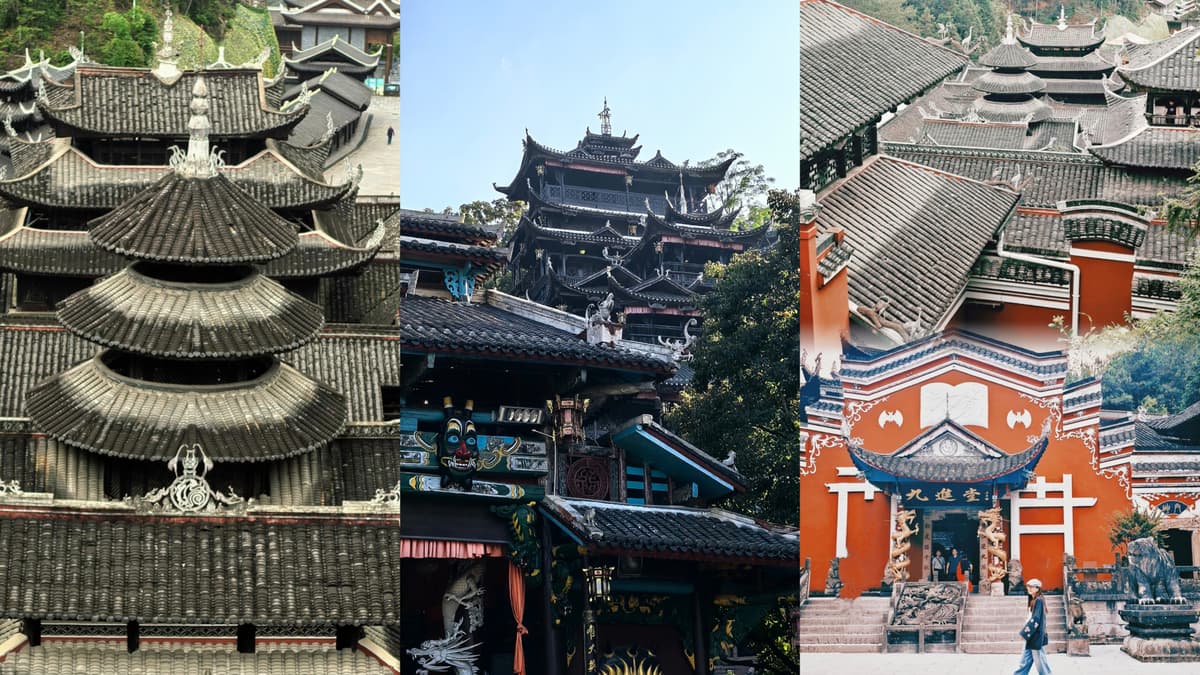
Tusi City is a good place to learn about Enshi's local culture.
It preserves many examples of Tujia architecture, including stilt houses, historical remains from the chieftain (tusi) era, and live performances. If you're interested in Enshi's history and people, it's worth a visit.
Opening hours
Usually 8:00 AM-5:30 PM
Best time to visit
Any season is fine.
Spring and autumn have the most comfortable weather.
Reservations needed?
Usually not required.
During peak season, there are many tour groups.
Tips
Try to catch one of the ethnic performances to get the full atmosphere.
Best for those interested in Tujia culture and history.
Plan about 2-3 hours.
Recommended Routes
Weather and best time to visit Enshi
Enshi has a typical mountain climate. It's generally cooler than many other cities.
Spring (Mar–May)
Average temperature: 10–22°C
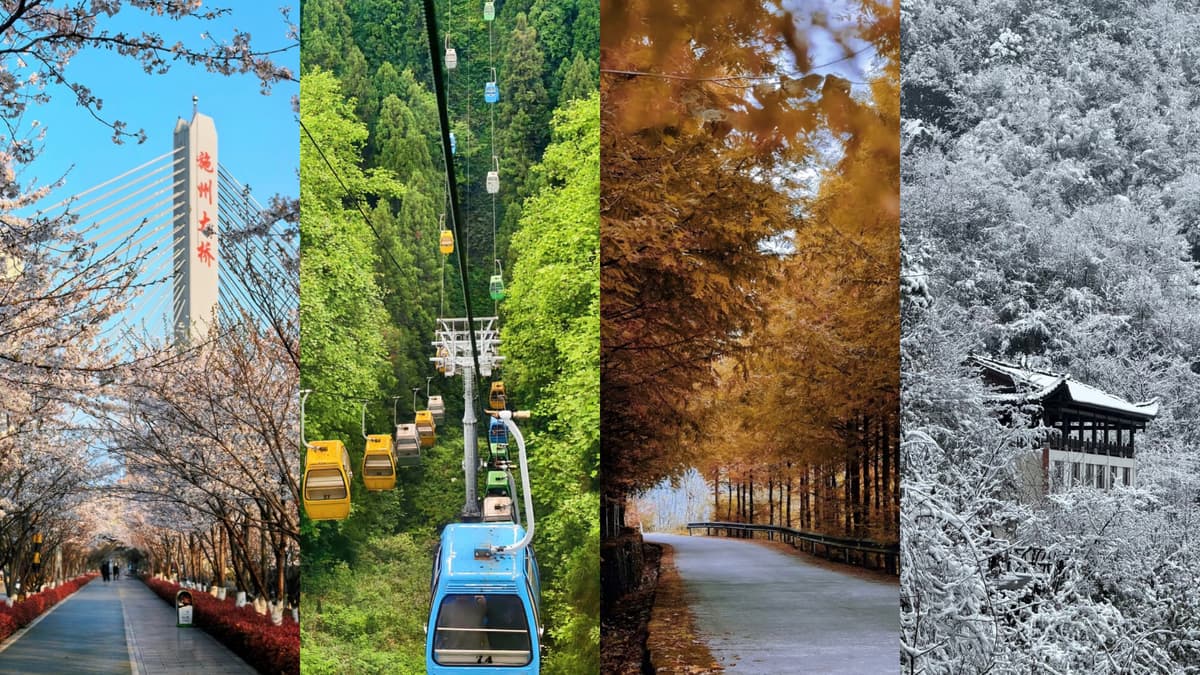
Hills turn green, misty conditions are good for photography and hiking.
Summer (Jun–Aug)
Average temperature: 20–28°C
This is the busiest travel season. Compared to cities like Wuhan or Chongqing, Enshi is much cooler—great for escaping the heat.
Autumn (Sep–Nov)
Average temperature: 15–25°C
Leaves change color, and the valleys are rich in color—one of the best seasons for photography.
Winter (Dec–Feb)
Average temperature: 0–10°C
Fewer tourists. You might see snow and cloud seas in the mountains. It feels quiet and mysterious.
Enshi's food still has strong Tujia influences. It tends to be savory and spicy, and very down-to-earth.
Things to must-try in Enshi:
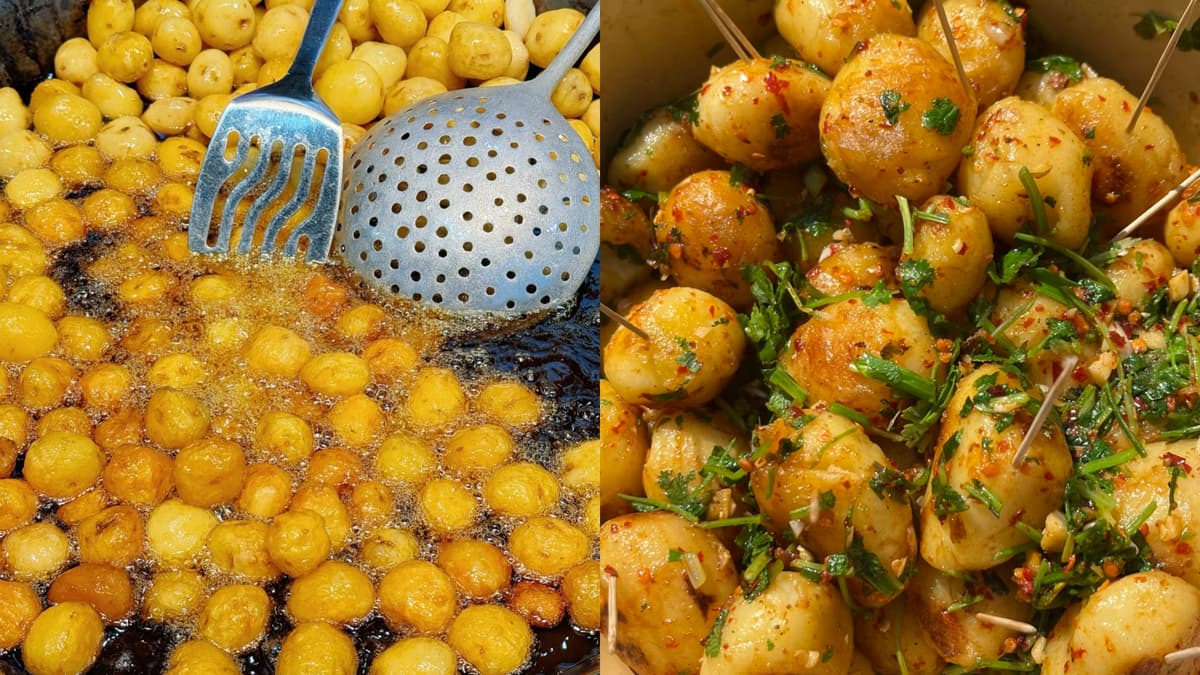
Enshi small potatoes: Small, thin-skinned, yellow-fleshed, and flavorful. The most common way is kang (slowly pan-fried until crispy on the outside). Soft inside, crispy outside, topped with chili, pepper, garlic, and scallions. Sold at street stalls and Tujia restaurants.
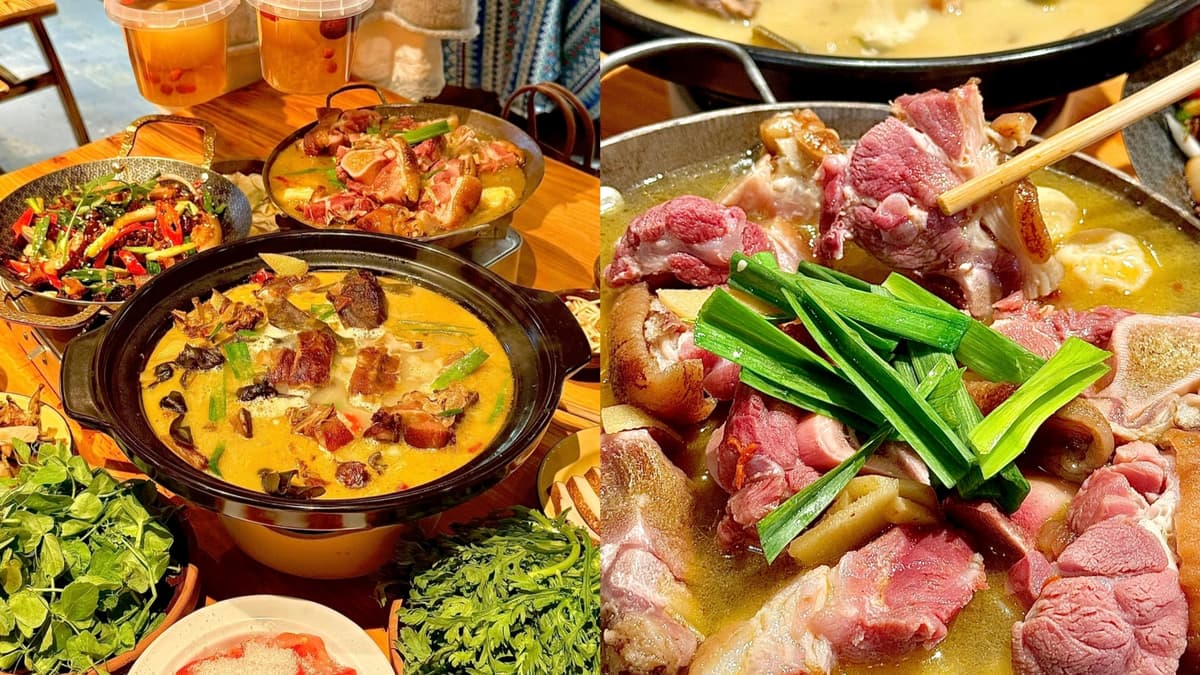
Tujia smoked spare ribs / cured meat hotpot-Smoked over cypress branches, with a distinct woody aroma. Spare ribs stewed with potatoes, cured meat stir-fried with dried beans, pork trotter hotpot—the broth gets richer the longer it cooks. Try the spare ribs with high-mountain potatoes.
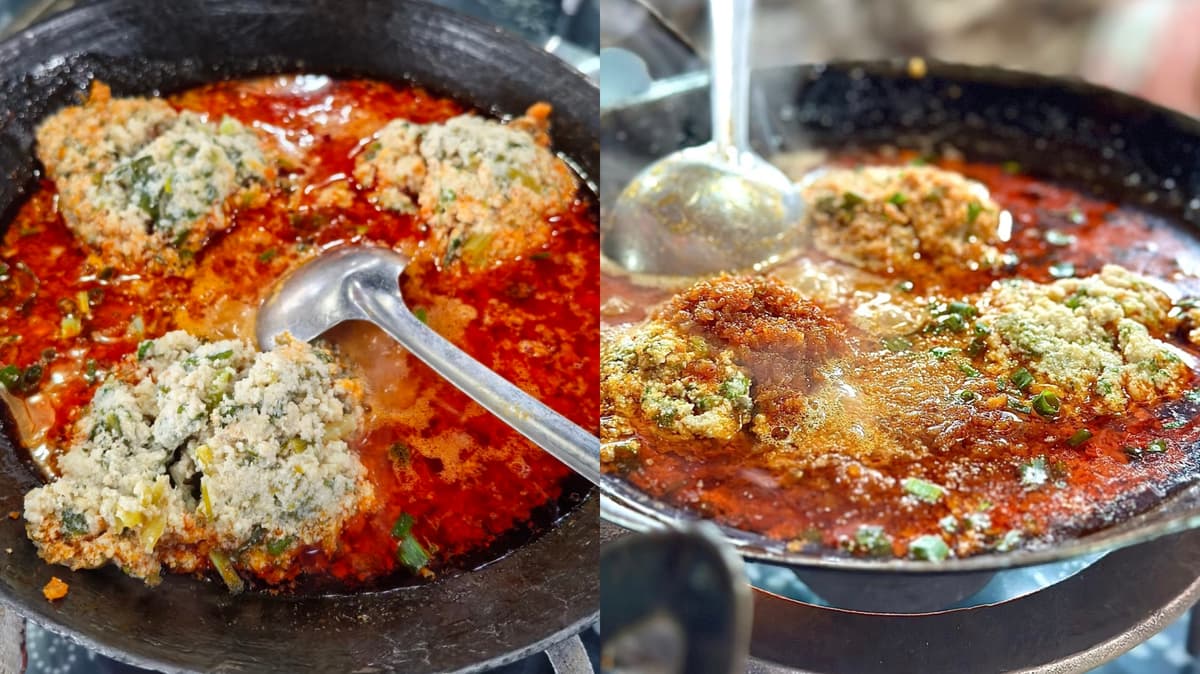
Zhangguan hezha ("lazy tofu"): Soybeans are ground into a mash, not filtered, then cooked with chopped vegetables. Tujia people call it "lazy tofu". In Enshi, it's often used as a hotpot base with minced meat, eggs, potatoes, etc. Scoop it over rice—it's savory and satisfying. Many restaurants serve a set meal for one person: a pot of hezha with a few small sides and rice.
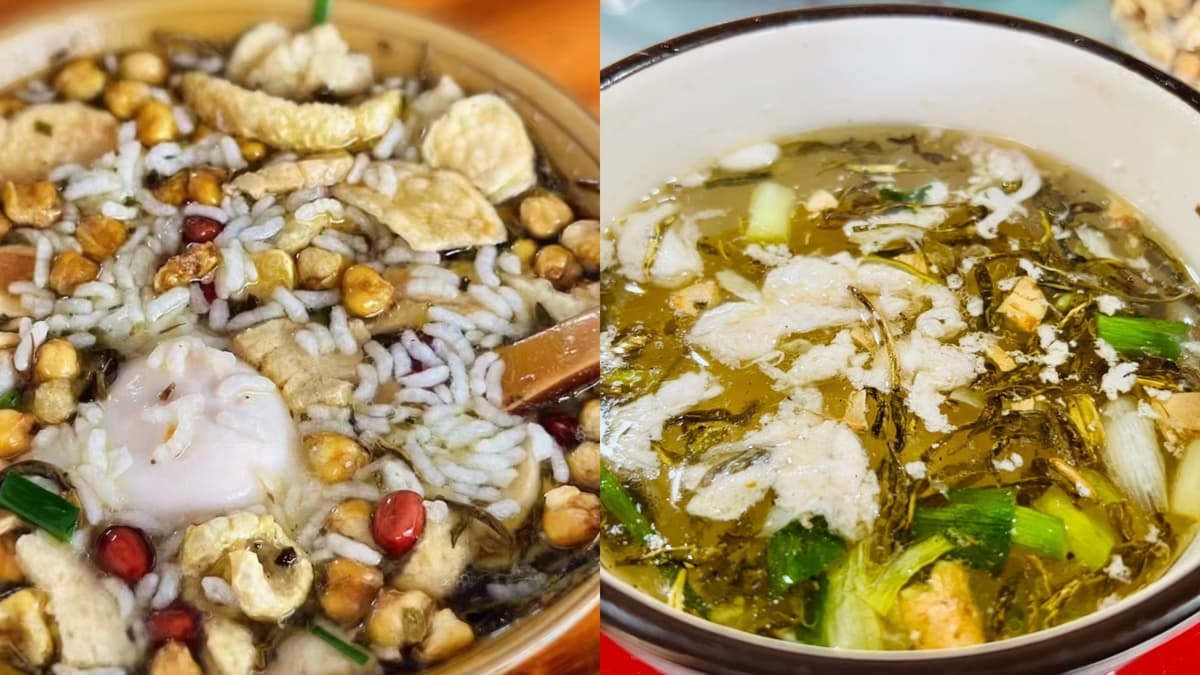
Tujia oil tea soup: A soup that's also a snack. Fry tea leaves, ginger, and garlic in oil, add water and boil, then pour the tea over a bowl of fried rice, peanuts, soybeans, and corn kernels. Fragrant, crunchy, savory, slightly bitter then sweet. It's refreshing and cuts through grease—called "Tujia coffee".
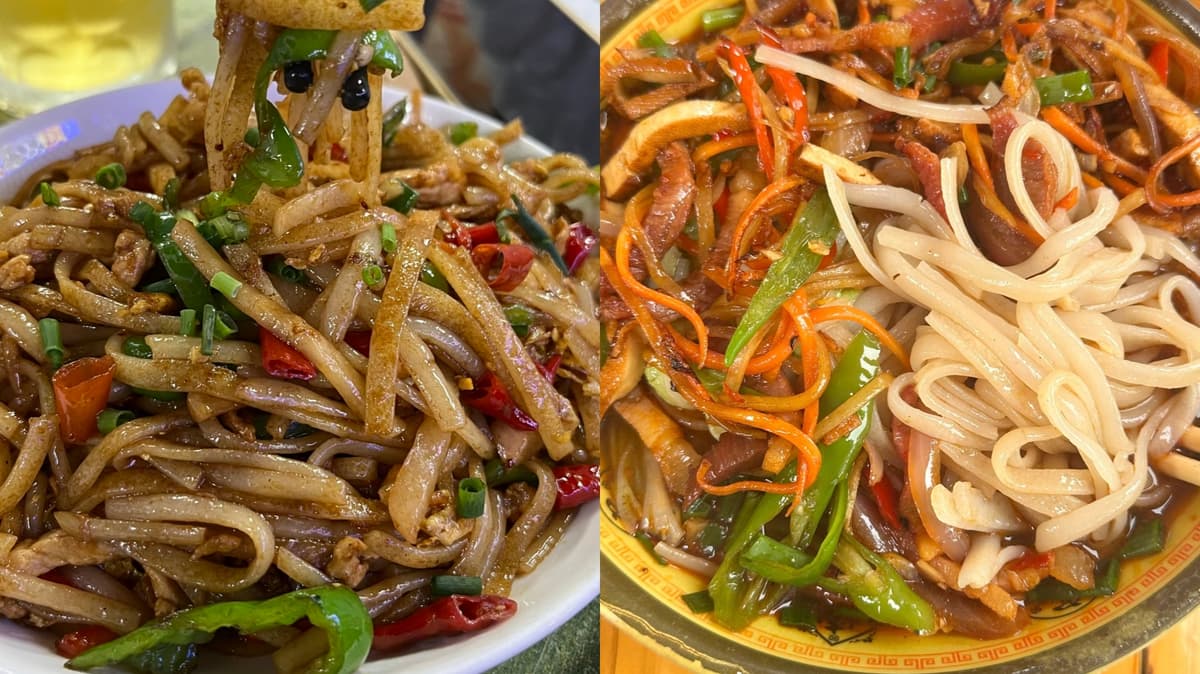
Enshi doupi: Not to be confused with Wuhan doupi. Enshi doupi is made from rice, mung beans, or corn ground into a paste, spread on a hot pan to form thin sheets, then rolled and cut into noodle-like strips. Soft and smooth, it can be served in soup or stir-fried. For breakfast, a bowl of boiled doupi with toppings like beef, pork intestines, or fried minced pork, plus some pickled radish, is very satisfying.
A lot of the local food looks simple, but it carries the feel of mountain life.
Summer is peak season, so book hotels early.
Mountain weather changes quickly—bring a light jacket and rain gear.
Many scenic areas require walking, so comfortable sports shoes are important.
Driving yourself is a popular way to get around, but mountain roads have many curves—drive carefully.
If you have time, plan for 4–6 days to really experience Enshi, rather than just rushing through the main sights.
Because of this special geography, Enshi has a natural landscape that feels very different from most Chinese cities. High mountains, deep canyons, caves, forests, and rivers come together to form a unique scene.
Large areas of karst terrain, shaped over a long time by erosion, have created steep cliffs, underground rivers, sinkholes, and gorges. Add in the humid mountain climate, and Enshi is often covered in clouds and mist—many parts of it feel like a hidden wonderland.
Compared to popular tourist cities, Enshi feels more like a "mountain paradise" surrounded by peaks.
What is Enshi known for?
What really draws people to Enshi isn't just one attraction, but the overall natural atmosphere and the slow, genuine way of life here.
Stunning natural scenery
Enshi is best known for its dramatic canyons and untouched landscapes.
It has some of China's most typical karst terrain—big mountains, cliffs, caves, sinkholes, and forests all mixed together. Walk through Enshi and you'll often see clouds floating through the valleys, like stepping into an ink painting.
The most famous sights include the Enshi Grand Canyon, the clear waters of the Qingjiang River, old-growth forests, mountain clouds, and underground caves.
Many people call it a "fairyland in China".
Unique Tujia culture
Besides the scenery, Enshi is also a Tujia and Miao autonomous prefecture, so local culture is strong.
Stilt houses are built into the mountainsides, and many villages still live traditionally. Tujia songs, dances, festivals, and food give Enshi a warm, human touch.
Traveling here isn't just about seeing views—it's also about experiencing a slower, more real pace of life.
A growing popular travel destination
People like Enshi because it still feels natural.
There are no overcrowded commercial streets or fast city noise. More and more travelers who enjoy hiking, photography, road trips, escaping the heat, or deep travel are coming here.
In summer, Enshi's cool mountain climate makes it a popular place to escape the heat.
Popular attractions in Enshi
Enshi Grand Canyon
This is Enshi's most iconic sight and one of China's most spectacular canyons.
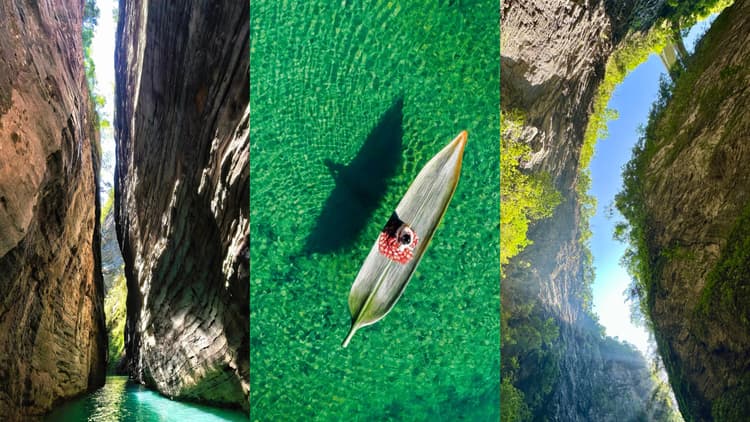
It has classic karst canyon features: steep cliffs, cloud-shrouded walkways, and untouched forests. The famous "Yizhuxiang" (One Pillar of Incense) rock formation reaches straight into the sky—it's a must-see for many visitors.
Hiking through the canyon, you really feel the power of the mountains and clouds.
Opening hours
Peak season (Mar–Oct): 8:00 AM-3:30 PM
Low season (Nov–Feb): 8:30 AM-3:00 PM
Best time to visit
Best season: Apr–Oct
Best months: May, Jun, Sep, Oct
Best time of day: Morning—better lighting for photos, less sun
Reservations needed?
Recommended during peak season, especially for summer and National Day holiday.
You may have to wait in line if buying tickets on site during holidays.
Tips
The full hike takes a while, so wear comfortable sports shoes.
Mountain weather changes fast; bring a light raincoat.
The scenic area is large—plan a full day.
Pingshan Canyon
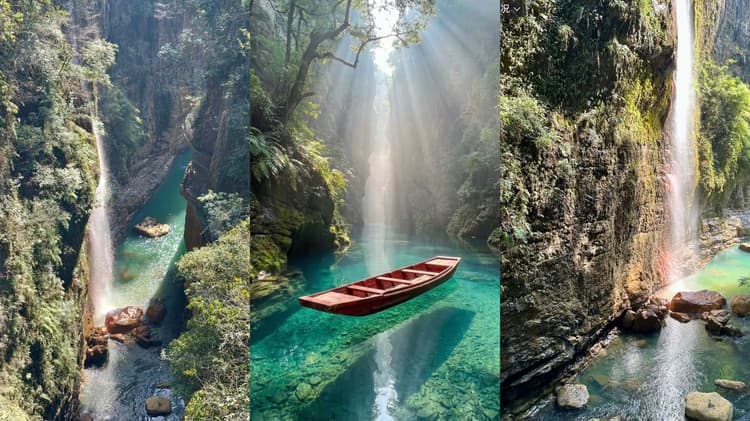
Pingshan Canyon became famous because of photos showing boats that look like they're floating in midair. Many call it "China's Semporna".
The clear river water turns an emerald green in sunlight, and small boats seem to float above the riverbed. It's a dreamlike spot and great for photography.
Opening hours
8:30 AM-4:30 PM (hours may vary slightly by season)
Best time to visit
Best season: Jun–Sep
Best weather: Sunny days
Best time of day: Around noon, when sunlight reaches into the canyon and the water is clearest.
Reservations needed?
Recommended.
During peak season, the canyon limits daily visitors.
Tips
Wear light-colored clothes for better photos.
After heavy rain, water levels may rise and some areas may close.
There are many steps in the canyon, so don't bring large luggage.
Tenglong Cave
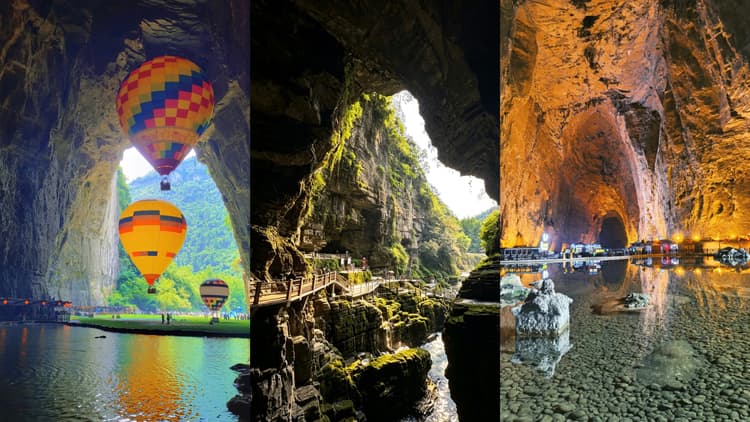
Tenglong Cave is one of Asia's largest caves.
Inside, the space is huge, with an underground river flowing through and impressive stalactites. It has a mysterious, otherworldly feel.
In summer, you'll feel the cool air as soon as you walk in.
Opening hours
8:30 AM-5:00 PM (until 5:30 PM in peak season)
Last entry is usually around 4:00 PM.
Best time to visit
Any season is fine.
Especially good in summer as a cool escape.
Reservations needed?
Usually not required on weekdays.
For holidays, it's better to book in advance.
Tips
The cave stays around 14–18°C year-round; bring a light jacket even in summer.
There are laser shows and Tujia dance performances—check the schedule before you go.
Plan about 3–5 hours for the visit.
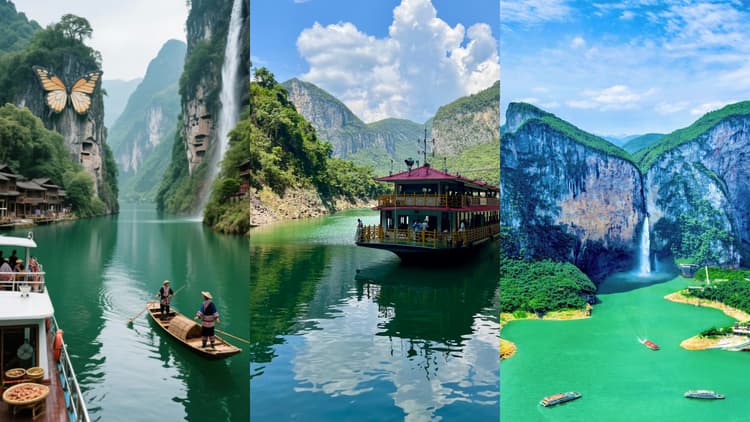
Qingjiang Scenic Area
The Qingjiang River is known as the "mother river of the Tujia people".
Its banks are lined with green mountains, and the water is clear and calm. A boat ride here feels like moving through a traditional Chinese painting. It's much more relaxed than the busy tourist spots—good for taking in the scenery and local villages slowly.
Opening hours
Usually 8:00 AM-5:00 PM.
Boat schedules change with weather and season.
Best time to visit
Best season: Apr–Nov
In spring and summer, the water is fullest and the colors are brightest.
Autumn is good for photography.
Reservations needed?
Usually not required on regular days.
For holidays, it's best to book boat tickets in advance.
Tips
Take a boat tour—it's the best way to see the landscape.
Sunny days and misty days after rain both have their own beauty.
This is a good choice for a relaxed, slow trip.
Tusi City
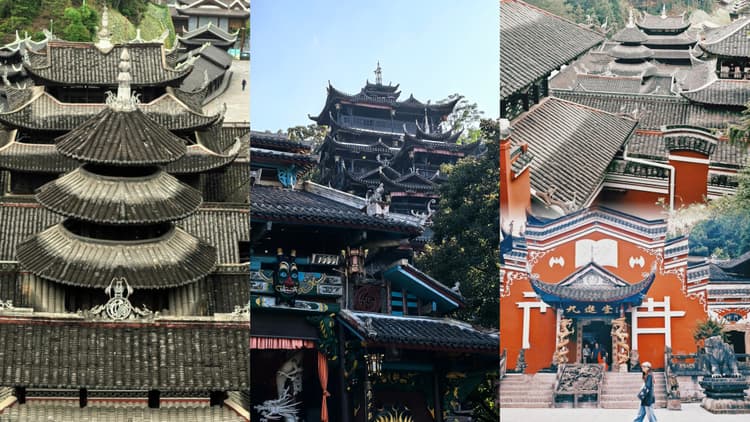
Tusi City is a good place to learn about Enshi's local culture.
It preserves many examples of Tujia architecture, including stilt houses, historical remains from the chieftain (tusi) era, and live performances. If you're interested in Enshi's history and people, it's worth a visit.
Opening hours
Usually 8:00 AM-5:30 PM
Best time to visit
Any season is fine.
Spring and autumn have the most comfortable weather.
Reservations needed?
Usually not required.
During peak season, there are many tour groups.
Tips
Try to catch one of the ethnic performances to get the full atmosphere.
Best for those interested in Tujia culture and history.
Plan about 2-3 hours.
Recommended Routes
Weather and best time to visit Enshi
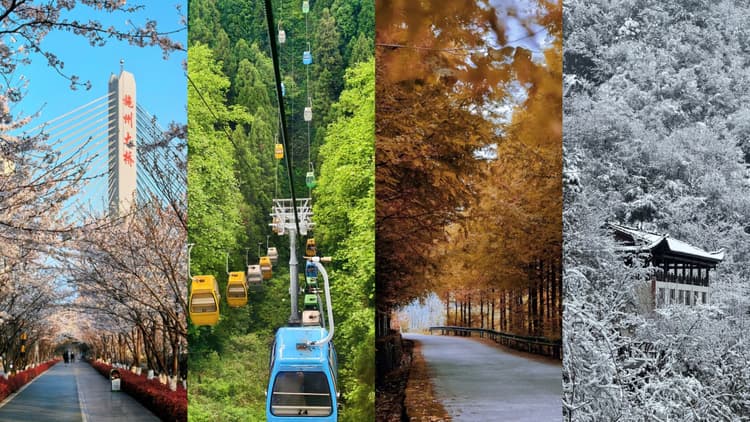
Enshi has a typical mountain climate. It's generally cooler than many other cities.
Spring (Mar–May)
Average temperature: 10–22°C
Hills turn green, misty conditions are good for photography and hiking.
Summer (Jun–Aug)
Average temperature: 20–28°C
This is the busiest travel season. Compared to cities like Wuhan or Chongqing, Enshi is much cooler—great for escaping the heat.
Autumn (Sep–Nov)
Average temperature: 15–25°C
Leaves change color, and the valleys are rich in color—one of the best seasons for photography.
Winter (Dec–Feb)
Average temperature: 0–10°C
Fewer tourists. You might see snow and cloud seas in the mountains. It feels quiet and mysterious.
Enshi's food
Enshi's food still has strong Tujia influences. It tends to be savory and spicy, and very down-to-earth.
Things to must-try in Enshi:
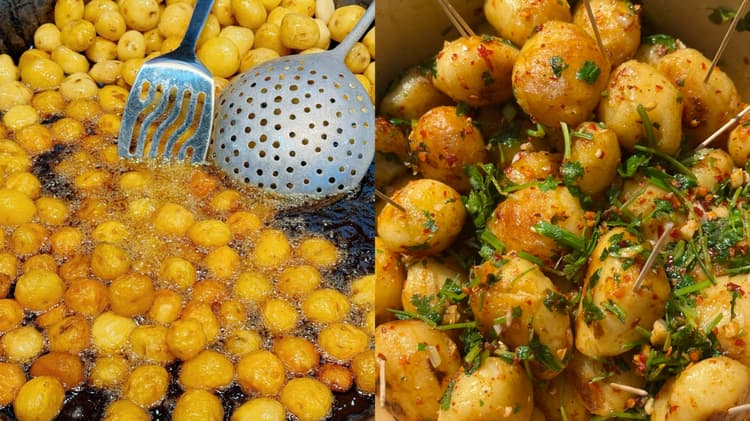
Enshi small potatoes: Small, thin-skinned, yellow-fleshed, and flavorful. The most common way is kang (slowly pan-fried until crispy on the outside). Soft inside, crispy outside, topped with chili, pepper, garlic, and scallions. Sold at street stalls and Tujia restaurants.
Tujia smoked spare ribs / cured meat hotpot-Smoked over cypress branches, with a distinct woody aroma. Spare ribs stewed with potatoes, cured meat stir-fried with dried beans, pork trotter hotpot—the broth gets richer the longer it cooks. Try the spare ribs with high-mountain potatoes.
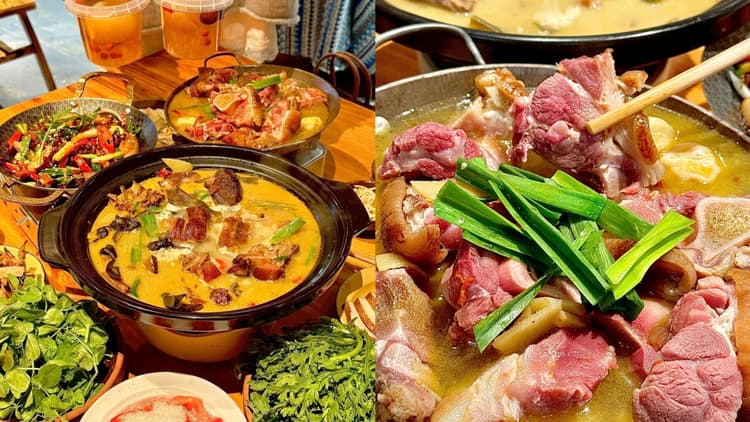
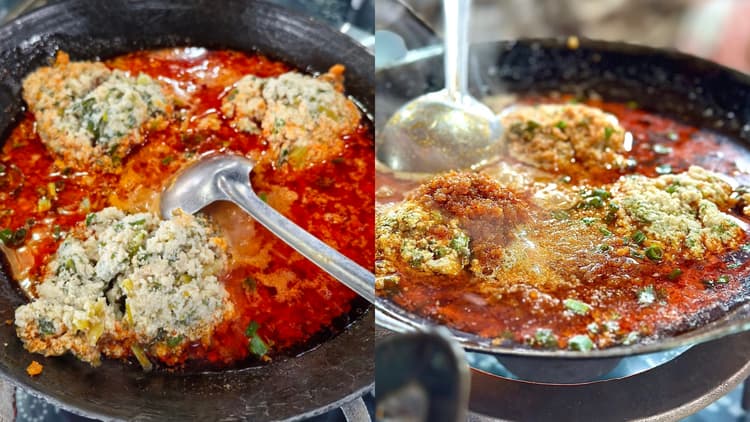
Zhangguan hezha ("lazy tofu"): Soybeans are ground into a mash, not filtered, then cooked with chopped vegetables. Tujia people call it "lazy tofu". In Enshi, it's often used as a hotpot base with minced meat, eggs, potatoes, etc. Scoop it over rice—it's savory and satisfying. Many restaurants serve a set meal for one person: a pot of hezha with a few small sides and rice.
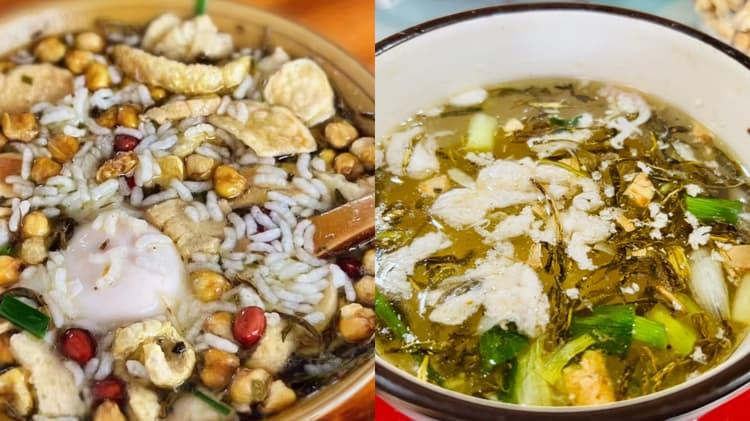
Tujia oil tea soup: A soup that's also a snack. Fry tea leaves, ginger, and garlic in oil, add water and boil, then pour the tea over a bowl of fried rice, peanuts, soybeans, and corn kernels. Fragrant, crunchy, savory, slightly bitter then sweet. It's refreshing and cuts through grease—called "Tujia coffee".
Enshi doupi: Not to be confused with Wuhan doupi. Enshi doupi is made from rice, mung beans, or corn ground into a paste, spread on a hot pan to form thin sheets, then rolled and cut into noodle-like strips. Soft and smooth, it can be served in soup or stir-fried. For breakfast, a bowl of boiled doupi with toppings like beef, pork intestines, or fried minced pork, plus some pickled radish, is very satisfying.
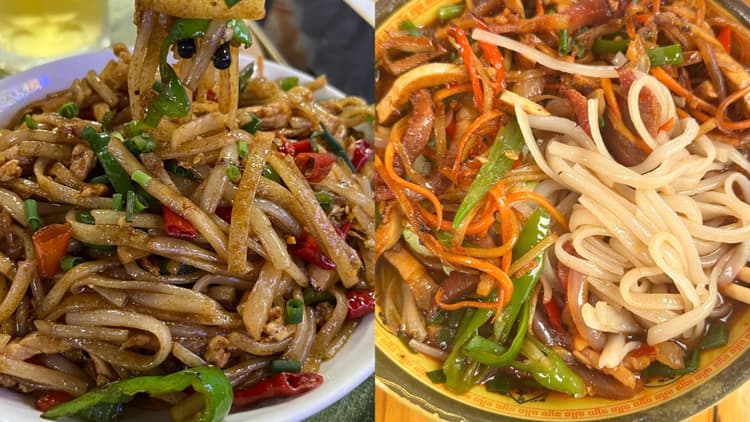
A lot of the local food looks simple, but it carries the feel of mountain life.
Travel tips for Enshi
Summer is peak season, so book hotels early.
Mountain weather changes quickly—bring a light jacket and rain gear.
Many scenic areas require walking, so comfortable sports shoes are important.
Driving yourself is a popular way to get around, but mountain roads have many curves—drive carefully.
If you have time, plan for 4–6 days to really experience Enshi, rather than just rushing through the main sights.