



Harbin Grand Theatre: Architecture, Visits and Performances
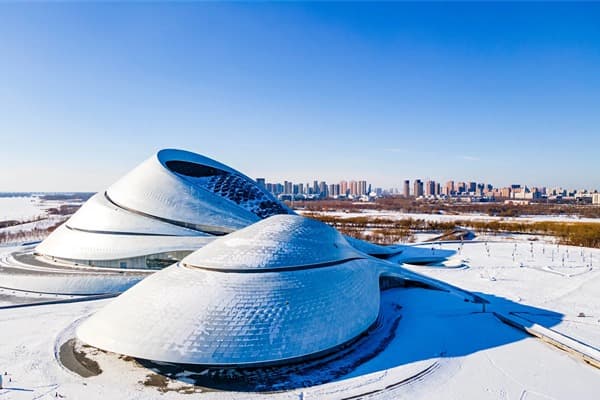
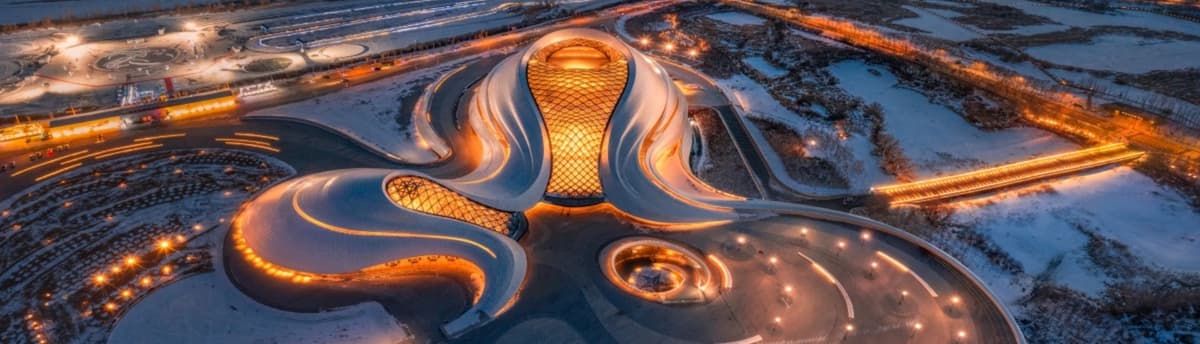
Harbin Grand Theatre is a contemporary performing-arts complex whose curved white exterior and wetland setting make the building itself a reason to visit. Designed by MAD Architects, it offers a striking contrast with the historic facades and churches of central Harbin.
There are three distinct ways to experience it: walk around the publicly accessible exterior, book an indoor sightseeing visit when available, or attend a performance. Architecture enthusiasts will get most from daylight and time to move around the building. Concertgoers should organise the evening around the programme and their return journey. The theatre stands on Cultural Island in Songbei, north of the main city centre, so reaching it deserves a deliberate place in your itinerary.
Why Visit Harbin Grand Theatre?
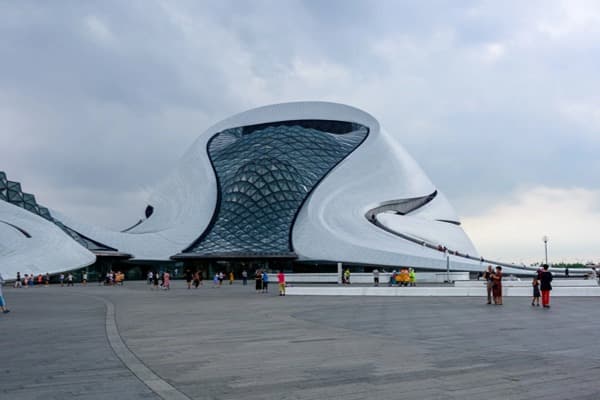
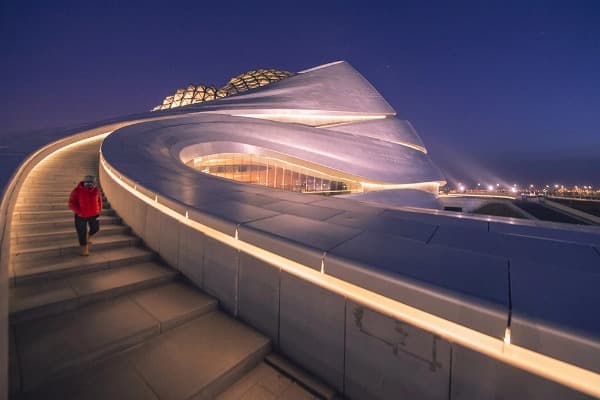
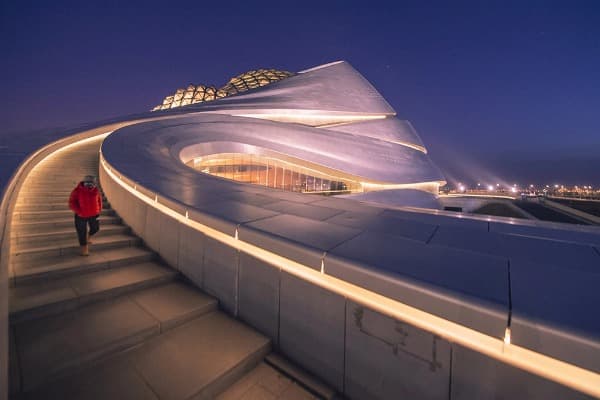
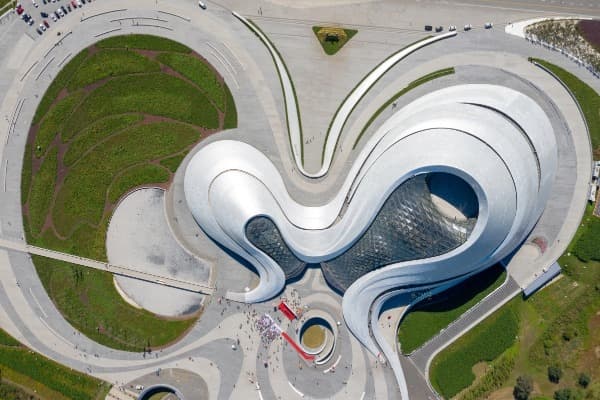
Visit for the architecture if you enjoy buildings that reveal different shapes as you walk around them. The theatre's broad curves, white surfaces and large open setting reward movement: a view taken from the first stopping point shows only part of its form.
Its location also changes the experience. Central Street is enclosed by neighbouring buildings and commercial activity. At the theatre, the surrounding landscape gives the building space, allowing you to see its outline against the sky and the lower forms of the wetland setting.
For a first-time visitor with little interest in architecture or the advertised performances, this is a lower priority than Harbin's central streets and principal winter exhibitions. The journey takes you away from the compact sightseeing centre, so it earns its place when you want to spend time looking at the building or attending something inside.
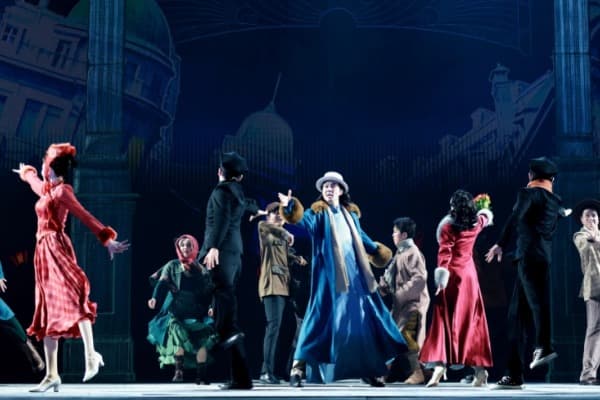
For music, dance and theatre enthusiasts, the programme should lead the decision. A performance makes the venue part of an evening's cultural experience and gives you access to the auditorium named on your ticket.
The name Harbin Opera House appears frequently in architectural publications. It refers to the same complex commonly called Harbin Grand Theatre. Its programme extends beyond opera, so search the venue's listings rather than assuming a particular type of show is available.
What Should You Notice in the Architecture?
The project was completed in 2015. MAD's design responds to the surrounding landscape through curved forms and a building profile that rises and falls, rather than presenting a conventional rectangular theatre facade.
The White Exterior
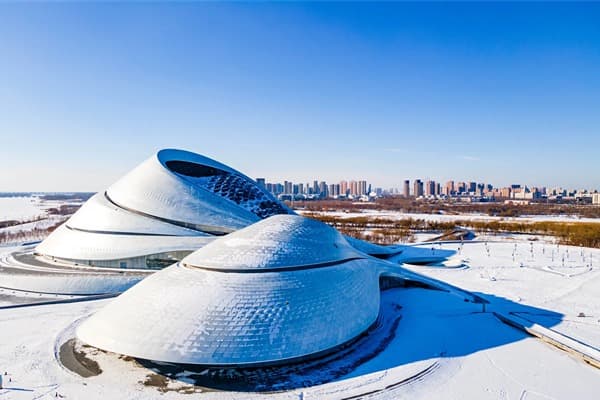
The exterior uses smooth white aluminium panels. From a distance, notice the overall outline; closer to the building, the joints and changing angles reveal how the broad surfaces are assembled.
A useful way to explore is to begin with a wide view, then follow the accessible plaza towards one side. Watch how the relationship between the higher and lower parts changes. This gives a clearer understanding of the building than taking repeated photographs from the same position.
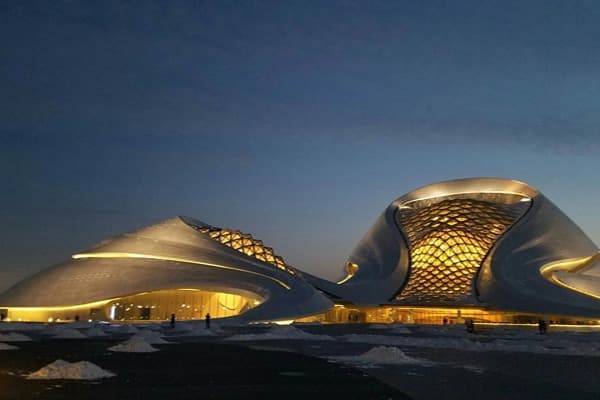
Winter snow reduces the contrast between the structure and the ground. In summer, vegetation and open water around the wider site create a more obvious distinction between architecture and landscape.
The Glass Lobby
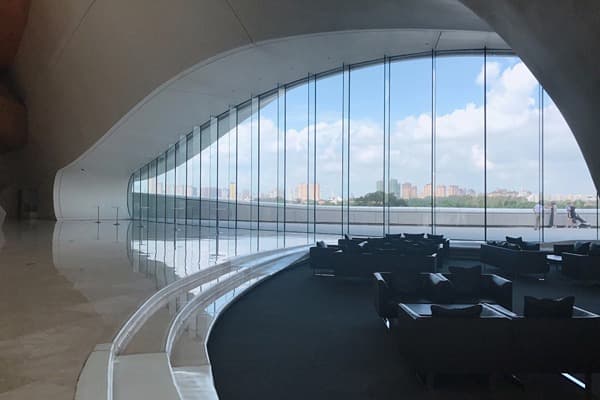
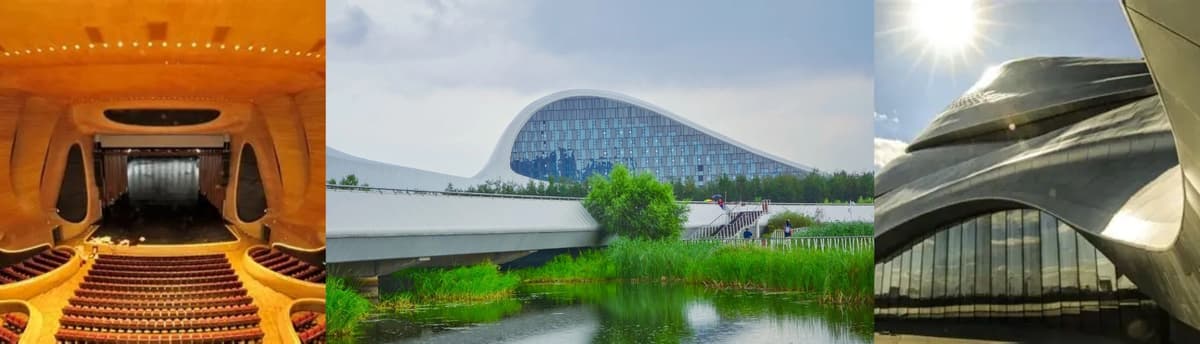
The lobby's glass surfaces introduce another texture. Faceted glazing contrasts with the smoother exterior, while natural light connects the interior visually with the plaza.
An available indoor visit is especially worthwhile for travellers interested in how a building moves from exterior form to interior space. Look at the scale of the lobby, the daylight overhead and the relationship between circulation areas and the enclosed performance halls.
The rooms included in the sightseeing ticket determine how much of this you can explore. Choose the visit for its stated route, particularly when a specific interior is your main reason for coming.
The Main Auditorium
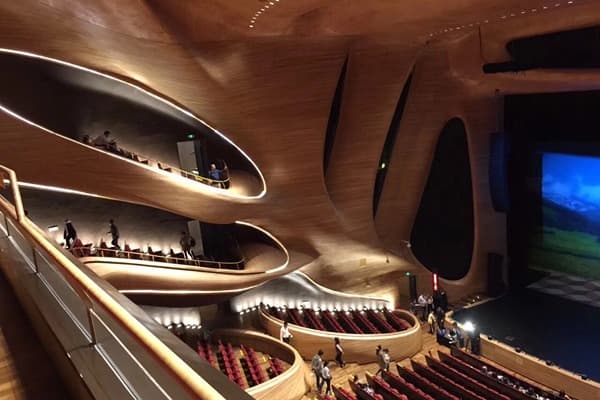
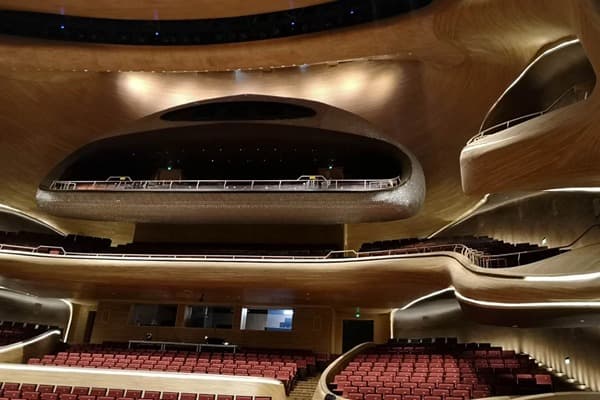
The main auditorium is associated with sculpted timber surfaces using Manchurian ash. The warmth of the wood creates a different atmosphere from the white exterior.
For visitors who want to experience this space in use, a performance in the main hall is the strongest choice. An ordinary foyer visit and a seat in the auditorium provide different perspectives on the building.
The Smaller Theatre
The complex also contains a smaller performance space. Architectural documentation highlights a large glazed opening behind its stage, designed to connect performance and landscape.
Stage arrangements depend on the production, including scenery and lighting. Choose a show for its artistic content and the venue stated in the listing; the architectural feature is useful background for understanding the room.
Can You Go Inside the Theatre?
Yes, indoor sightseeing visits are offered on designated opening days, and performances provide a separate route into the relevant audience areas. Choose between them before travelling.
| Visit type | Main purpose | Access to expect |
Exterior walk | Building form, plaza and landscape views | Publicly accessible outdoor areas |
Indoor sightseeing visit | Interior architecture | The rooms and route stated in the visit product |
Performance ticket | A particular production or concert | The named auditorium and its associated audience areas |
The distinction matters most for visitors attracted by photographs of the wooden auditorium or rooftop. A low-cost sightseeing ticket should be judged by its listed spaces, not by every photograph associated with the theatre.
Indoor Sightseeing Arrangements
The visitor listing reviewed on 4 November 2026 describes daytime visits from 10:00 to 16:00, with ticket sales ending at 15:00 and admission ending at 15:30. It lists Monday closures and additional interruptions for major performances or events.
These are the listing's sightseeing hours. An evening performance follows its own ticketed schedule.
The same listing identifies foyer areas in its sightseeing information. For a visit centred on the main auditorium, obtain a product description explicitly including it. This is a more useful question than simply asking whether the building is open.
A June 2026 local newspaper report described ordinary sightseeing admission at RMB 9.90 per person during a temporary promotion. Treat that as a dated reference, rather than a confirmed winter price. The bookable visit product supplies the rate and route for your chosen date.
Rooftop Access
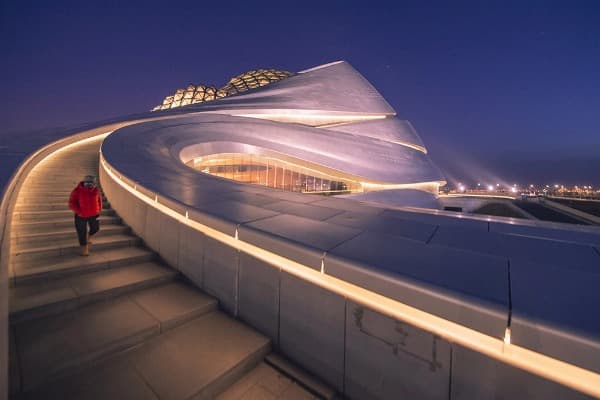
MAD's project description includes an exterior route rising towards an elevated viewing space. That describes a feature of the design; current visitor access requires an operating route.
Plan the architectural walk around the public ground-level areas. Add the elevated route only when the theatre confirms that it is open to visitors on your date. In winter, snow, ice and route management are particularly relevant to this decision.
Passport Bookings
A complete, current foreign-passport procedure for the sightseeing product was not available in the public information reviewed. If the booking form only accepts a Chinese identity-card number, ask the theatre's ticket office to specify the passport booking and collection method.
Use the same passport name consistently and retain the ticket confirmation. For a paid visit or performance, resolve the collection method before setting out from your hotel.
How Do You Choose and Book a Performance?
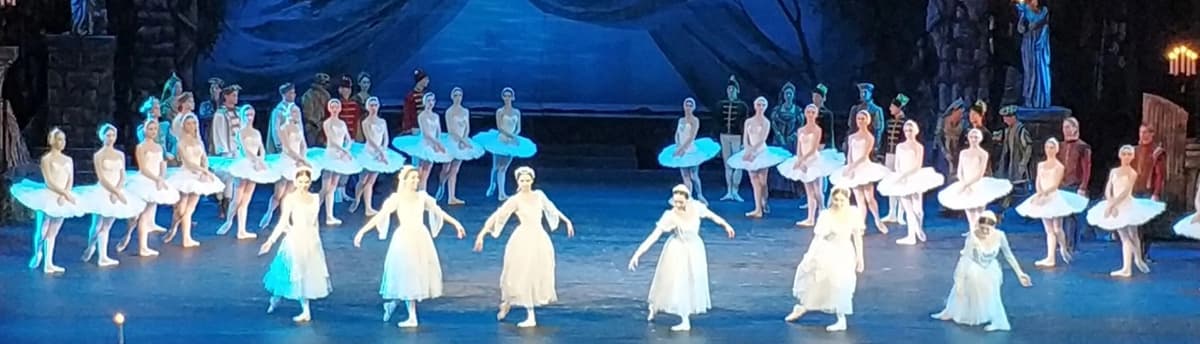
Start with the production, then choose the seat. Harbin Grand Theatre hosts different forms of performance, and their suitability for an overseas visitor depends on how much the experience relies on spoken language.
Instrumental music and dance are straightforward choices for travellers who do not understand Chinese. Spoken drama, comedy and story-led musical theatre need closer attention to the performance language and any advertised subtitles.
The theatre's official WeChat account, 哈尔滨大剧院, and the Poly Ticketing platform are established booking channels. Search the exact venue name and read the individual event page. Harbin has other concert and performance venues, so the city name alone is insufficient.
Before purchasing, establish four things:
The performance date and named auditorium.
The language or subtitle arrangements, where relevant.
The seat location and any restricted-view description.
The collection method, admission conditions and refund terms.
Choose seats with the actual seating plan. A lower ticket price can correspond to a different level, side position or sightline, and the implications vary by production.
Families should use the event's child-admission rule. Children's eligibility for a building visit does not establish their eligibility for a concert or play. A show may also have its own requirements concerning individual seats and minimum age or height.
For an evening performance, eat beforehand in a location that fits the journey. Arriving hungry and searching for dinner immediately before admission makes the schedule unnecessarily tight.
Allow time to find the correct entrance, collect tickets if required and reach your seats. The auditorium's starting time is the time the performance begins, rather than the target time for your car to reach the building.
Photography during a show follows the production's rules. Take architectural photographs in permitted public areas before admission or after the performance, and put the camera away when the audience is asked to do so.
When Should You Visit for Architecture and Photography?
Daylight is the most useful choice for a first architectural visit. It reveals the building's shape, its surface details and its relationship with the landscape in a single outing.
A late-afternoon visit can combine architectural observation with changing light, but it needs enough time before darkness. In winter, leave the city early enough to complete the outdoor portion without making the last photographs a rushed stop.
Begin with a broad view that includes some of the surrounding ground. This explains the scale better than a close crop of the facade. Then move closer for the junction between white surfaces and glass, or a detail where the curve changes direction.
A person standing at a reasonable distance within the scene can help show the building's size. Keep pedestrian routes clear while composing the image, especially near active entrances.
Snow produces a distinctive white-on-white setting. Bright surfaces can make details difficult to judge on a phone screen, so review one photograph before taking a long series. Keep the phone warm between stops and avoid spending the whole visit stationary in an exposed position.
In warmer weather, the landscape offers more variety around the building. Allow time to move between public viewpoints rather than concentrating entirely on the entrance facade.
Night photographs depend on the lighting operating that evening. There is no verified year-round switch-on time in the information reviewed for this page. For a photography-led visit, ask about that date's lighting before committing to an evening journey.
The ground-level public areas provide the basic photographic route. Tripods, organised shoots and drone flights involve separate questions of space and permission; arrange those directly when they are central to your plans.
How Much Time Should You Allow?
For an exterior architectural walk, set aside approximately 45–90 minutes on site. The shorter end suits a few principal views; the longer end allows movement around the accessible grounds and several photographic stops.
Add the indoor product's scheduled duration if you book a sightseeing visit. Plan the exterior first when daylight is limited, unless the reserved indoor entry time requires the opposite order.
For a performance, reserve the full evening. The programme's running time, any interval, admission and the journey back all matter. A two-hour show creates a longer commitment than two hours away from the hotel.
An architecture enthusiast can make the theatre the main purpose of an afternoon. A visitor looking mainly for a recognisable photograph will get better value by combining a shorter exterior stop with another north-bank destination.
Winter affects how that time is used. Someone happy to walk continuously may enjoy a longer circuit, while a photographer repeatedly stopping in the wind may prefer a shorter outdoor visit and more interior time. Choose the length around the activity, rather than age alone.
Travellers needing step-free access should establish the route to the exact auditorium or sightseeing entrance. The relevant details are the drop-off point, lift access and seat location. A general statement that the complex has accessible facilities does not identify the path for a particular ticket.
How Do You Get There and Return After a Show?
The theatre is on Cultural Island in Songbei District, north of central Harbin. Use 哈尔滨大剧院 in your map and give a driver the entrance associated with your visit.
A taxi, ride-hailing car or arranged transfer is the most straightforward approach for an exterior visit or evening performance. It keeps the final road connection within one journey and is particularly helpful when carrying winter clothing.
For travellers using public transport, compare the complete route to the theatre entrance. A metro ride towards the north bank still needs a workable final connection. The practical question is how much walking and waiting remain after leaving the station.
From a Central Street hotel, establish where the vehicle can collect you. A hotel facing the pedestrian street may use a nearby side road for pickups. Send the location before departure so the driver and group are waiting at the same place.
Returning After a Performance
Arrange the return around the expected finishing time, then allow for leaving your seat and walking out with the audience. Give the driver a named pickup point and use a phone message when you are ready.
A prearranged vehicle is useful for travellers who want to minimise outdoor waiting after dark. With ride-hailing, remain in an authorised waiting area until the car's location is clear, rather than walking between several entrances looking for it.
Keep the hotel's Chinese name and full address available. This matters especially when the hotel's English brand name has several branches in Harbin.
For an exterior visit without a show, a return booking also makes the available time easier to use. Decide whether the next stop is another north-bank attraction or your hotel before beginning the walk.
What Can You Combine with a Theatre Visit?
The theatre works best within a north-bank outing or as a dedicated cultural evening. Its setting is separate from the compact walking route around Saint Sophia and Central Street.
Architecture and a Relaxed City Day
A morning among historic city buildings followed by a theatre visit creates a clear architectural comparison. Keep the morning selective, eat lunch in the city and allow a proper transfer to Songbei.
For photographers, this is more rewarding than adding many unrelated stops. The central streets provide facades within an urban setting; the theatre provides a large contemporary building seen against open space.
The Theatre and Siberian Tiger Park
Both are north-bank destinations, making a road combination worth considering for travellers interested in each. The tiger park requires time for its own admission and vehicle-based viewing, while the theatre needs daylight for exterior photography.
Set the order using the animal park's visiting arrangements and the theatre experience booked. A late-afternoon exterior stop differs from an indoor appointment or an evening show, so the theatre's place in the day should follow that choice.
The Theatre and Sun Island
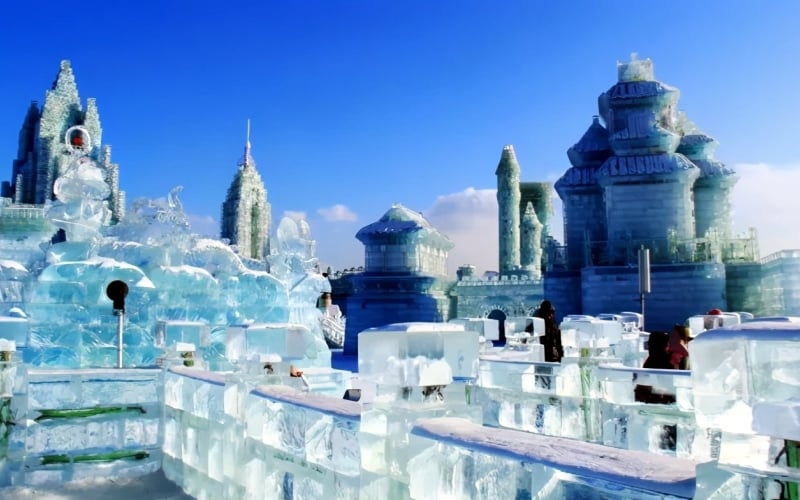
Sun Island offers a landscape-based outing, with a separate snow-sculpture exhibition in winter. Combining it with the theatre gives the day a strong visual focus, but the transfer and outdoor time need to fit your walking stamina.
In winter, a substantial snow-exhibition visit followed by a brief theatre exterior stop is more manageable than attempting both in depth. Travellers attending a performance should leave time for dinner and a rest before returning to the theatre.
The Theatre and Ice and Snow World
An exterior visit can precede an evening at Ice and Snow World, provided the theatre remains a short architectural stop. This suits energetic visitors who are already planning a north-bank day.
A theatre performance and a full evening in the ice park compete for the same hours. Put them on different evenings so each experience has enough time.
Silk Road Travel's Harbin tours provide different starting points for a city or regional itinerary. For this attraction, specify whether you want an exterior stop, interior admission or a performance; those are three distinct additions to discuss when arranging the route.
Harbin Grand Theatre FAQs
·Is Harbin Grand Theatre the same as Harbin Opera House?
Yes. Harbin Opera House is the name widely used in architectural publications. Use 哈尔滨大剧院 when identifying the venue in local booking systems.
·Is it the same venue as Harbin Concert Hall?
No. They are separate venues. Match the Chinese venue name and address on your performance ticket before arranging transport.
·Is it worth visiting without going inside?
Yes, particularly for contemporary architecture and photography. A daylight exterior walk gives a clear view of the building's form and landscape setting.
·Will an indoor sightseeing ticket include a performance?
A performance requires the ticket for that particular event. Sightseeing admission covers the route or spaces stated in its own description.
·Can I visit in winter without walking onto the roof?
Yes. The public ground-level areas provide the main exterior views. Choose an indoor visit as an addition when its opening date and route suit your plans.
·Can overseas visitors book sightseeing or performance tickets with a foreign passport?
Ticket systems are built around Chinese ID cards in most cases. If the online booking form only accepts Chinese ID numbers, contact the theatre box office in advance to confirm passport booking, ticket pickup rules and required documents. Always use the exact name printed on your passport for all bookings and keep your confirmation email or voucher.
·Are English guided tours or audio guides available?
Most on-site guided tours are delivered in Mandarin. Formal English architectural tours are not guaranteed on every day. You may rent self-service audio guides when available, or prepare your own notes before arrival. Translation software is recommended on-site, as much signage is Chinese-only.
·Is the theatre wheelchair and step-free accessible?
Yes. Lifts, ramps and accessible restrooms are provided. Do not rely on the general "accessible" label alone; confirm the drop-off point, lift route and accessible seating location for your specific ticket (sightseeing or performance) ahead of time.
·Can I bring food, bottled drinks or a water bottle?
Food is not permitted inside auditoriums or sightseeing indoor zones. Sealed bottled drinks are usually restricted; empty reusable water bottles are generally allowed. Public outdoor plazas are fine for snacks and drinks.
·Can I use a tripod, gimbal or drone for photography?
Casual handheld photography is allowed in public outdoor areas and permitted indoor sightseeing zones. Tripods, large stabilisers, commercial shoots and drone flights require prior written permission from the theatre management. Tripods are almost never permitted inside auditoriums during performances.
·Is there luggage storage on site?
A basic left-luggage service is available for moderate-sized bags, subject to capacity. Large suitcases, backpacks and bulky winter coats are better left at your hotel, especially for evening performances. Valuables should stay with you at all times.
·What are the rules for children and babies?
Sightseeing entry rules for children are separate from performance entry rules. Most regular shows enforce a minimum height or age policy; infants in arms are usually refused entry to standard auditoriums, even if they do not occupy a seat. Check the child admission policy printed on each event page before booking.
·Can I bring pets to Harbin Grand Theatre?
Pets are not allowed inside the theatre building or the enclosed sightseeing routes, with the exception of certified service/guide dogs.
·Is on-site parking available?
Free underground parking is available for self-driving visitors, but spaces fill quickly on performance nights and peak winter holiday dates. For overseas visitors without a local driver's licence, taxi or pre-arranged transfer remains the most reliable option.
·What is the cancellation and refund policy for tickets?
Refund rules vary by event and ticket type. Sightseeing tickets and performance tickets often have different cut-off times for refunds. Read the terms on your booking page carefully before payment; some discounted or promotional tickets are non-refundable and non-transferable.
·What should I prepare for a winter outdoor visit?
The exposed wetland plaza is extremely windy. Dress in layered, windproof winter clothing, thermal gloves and warm footwear. Phone batteries drain fast in cold weather; carry a portable power bank and keep devices inside your coat when not in use. Rooftop and elevated routes may close temporarily due to ice and snow.
·Can I take photos or video inside the auditorium during a show?
No. Photography, video recording and audio recording are prohibited during performances, even without flash. You may take architectural photos in public outdoor areas and sightseeing lobbies before or after the show, following posted signage.