

Xinjiang People
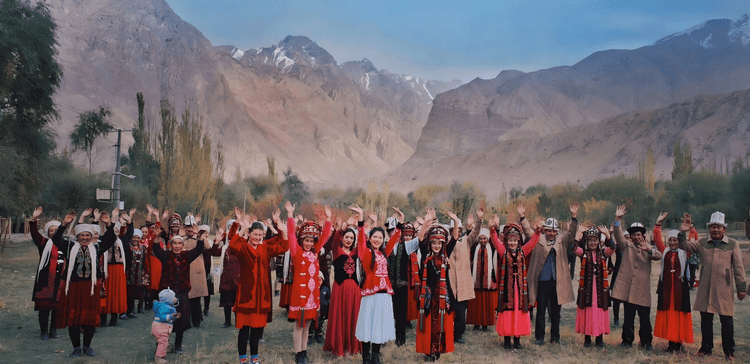
Located in northwestern China, Xinjiang borders several Central Asian countries and has long been a crossroads of cultures along the ancient Silk Road. Home to more than 40 ethnic groups, including Uyghur, Han, Kazakh, Hui, Mongolian, Kyrgyz, and Tajik communities, Xinjiang features rich cultural diversity reflected in its languages, traditions, music, festivals, and lifestyles.
Xinjiang People; Xinjiang Population:
According to the statistical bulletin released by the Bureau of Statistics of the Xinjiang Uygur Autonomous Region, the permanent resident population of Xinjiang reaches 26.39 million. Based on the 7th national population census, ethnic minority residents account for about 57.76% of the region's total population.
Administratively, Xinjiang governs 14 prefecture-level administrative divisions (prefectures, autonomous prefectures and prefecture-level cities) and corresponding county-level jurisdictions. The Xinjiang Production and Construction Corps is an integral part of the autonomous region. It administers 14 divisions and 179 agricultural and pastoral regiments, with a permanent resident population of approximately 3.2 million.
At the end of 2025, the permanent resident population of the Xinjiang Uygur Autonomous Region stood at 26.39 million, an increase of 162,000 compared with the end of 2024. Among them, 16.26 million people were urban permanent residents, accounting for 61.61% of the total population (permanent resident urbanization rate), rising by 1.25 percentage points year-on-year. The annual birth rate was 8.97‰, the mortality rate was 6.27‰, and the natural population growth rate was 2.70‰.
Distribution of Xinjiang Ethnic Minorities:
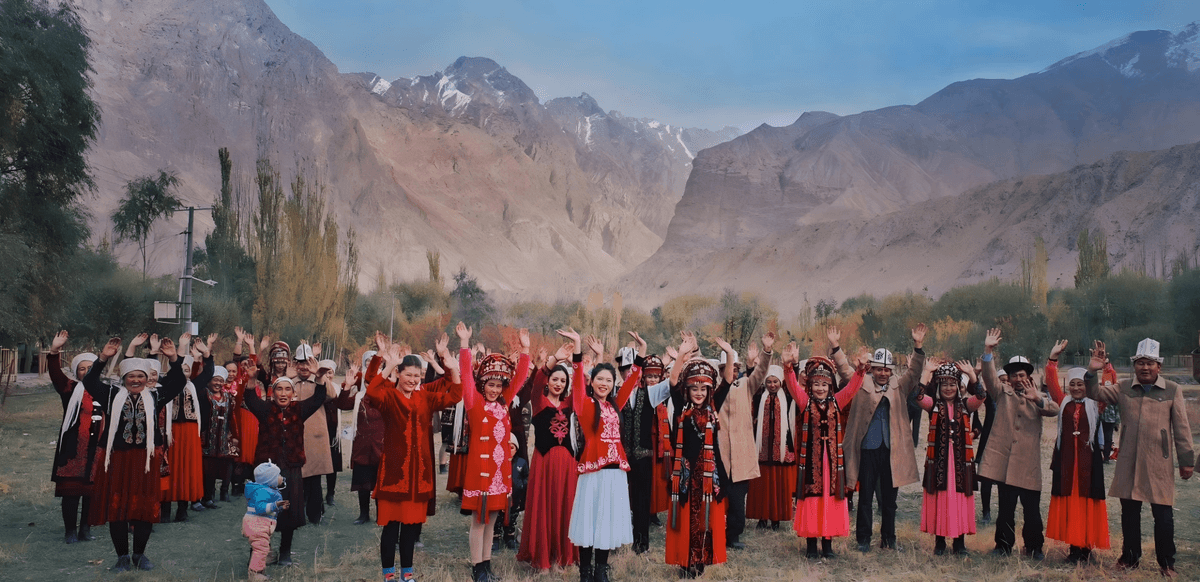
Xinjiang Uygur Autonomous Region is home to all 56 ethnic groups of China. Thirteen ethnic groups, namely the Uygur, Han, Kazakh, Hui, Mongolian, Kirghiz (Kyrgyz), Xibe, Tajik, Uzbek, Manchu, Daur, Tatar and Russian ethnic groups, have lived and multiplied in Xinjiang for centuries as indigenous ethnic groups.
Uyghur:
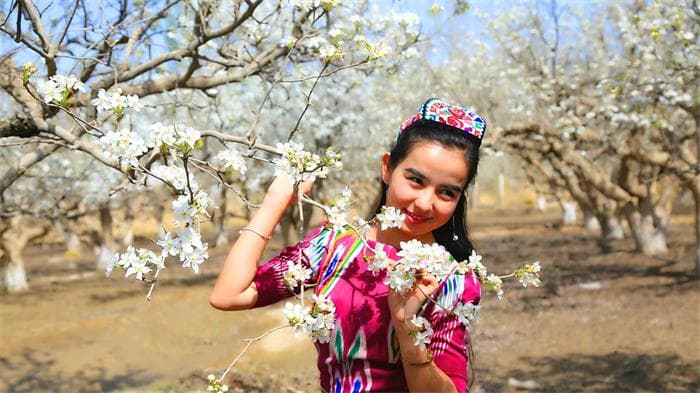
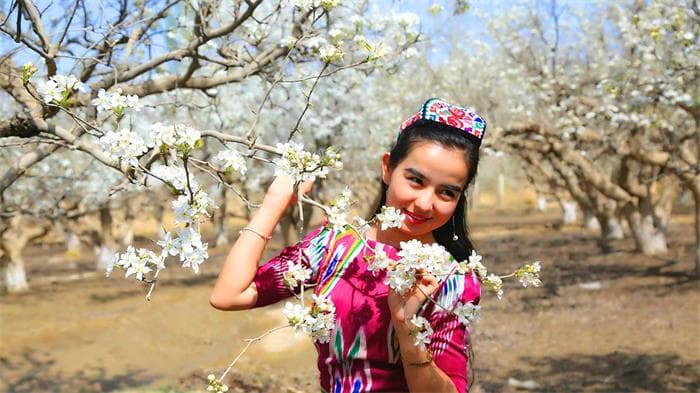
The Uyghur people are the largest ethnic group in Xinjiang, with a population of more than 11 million according to the latest national census. The majority of Uyghur communities are located south of the Tianshan Mountains, especially in Kashgar, Hotan, Aksu, and other areas of southern Xinjiang, while others live in Ili and northern Xinjiang.
Uyghur traditional dance and the Twelve Muqam are among the most important symbols of Uyghur cultural heritage. The Twelve Muqam has been inscribed on UNESCO's Representative List of the Intangible Cultural Heritage of Humanity. At the Xinjiang International Grand Bazaar in Urumqi, visitors can enjoy year-round cultural performances featuring traditional singing, dancing, and instrumental music. Performers wear traditional costumes and present classic folk songs and Muqam performances, offering visitors an opportunity to experience Uyghur artistic traditions.
Influenced by Islamic traditions, Central Asian culture, and centuries of Silk Road exchanges, Uyghur culture has developed a unique identity reflected in its music, dance, handicrafts, cuisine, and festivals.
Kazakh:
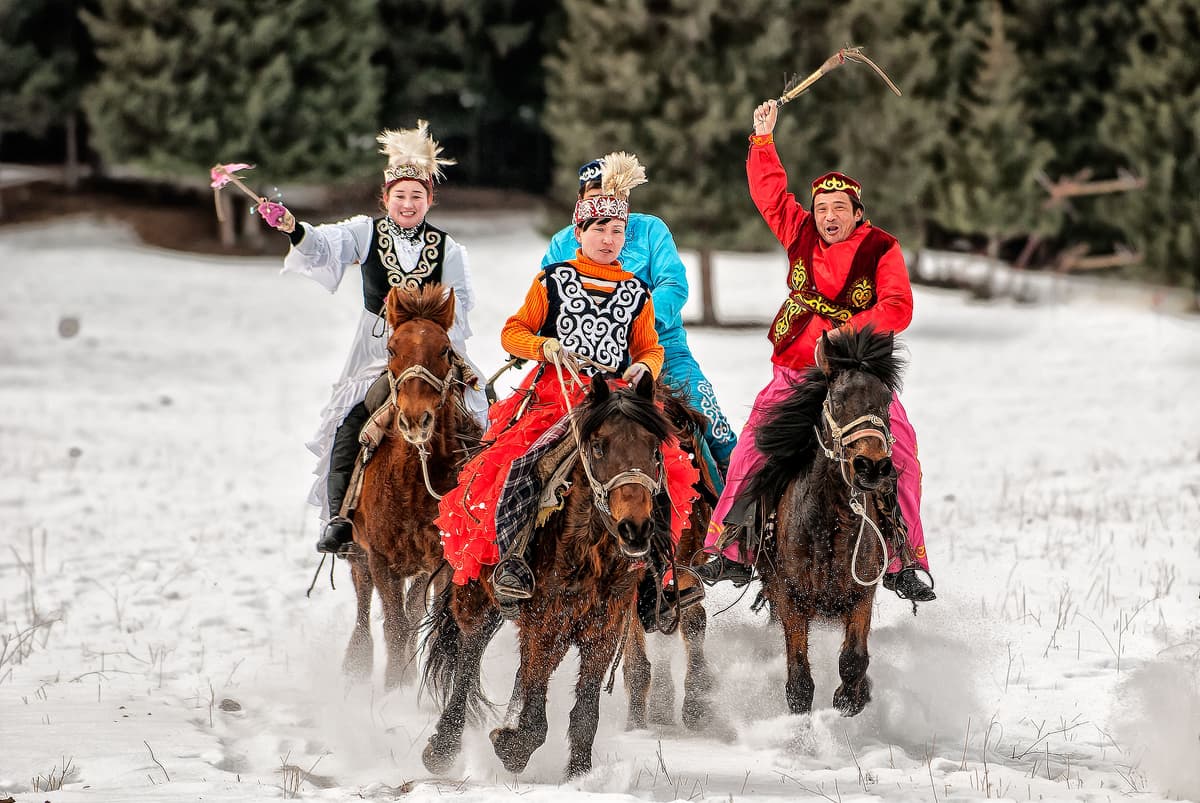
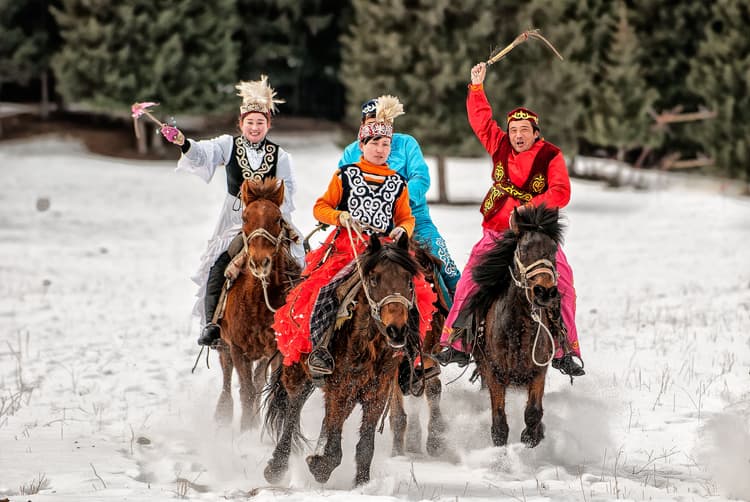
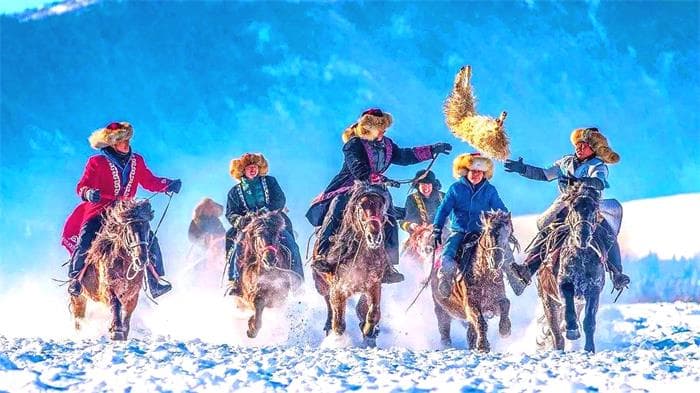
Known as "a nation on horseback," the Kazakh people are one of the largest ethnic groups in Xinjiang, with a population of around 1.5 million. Most Kazakh communities are located in the Ili Kazakh Autonomous Prefecture, Mori Kazakh Autonomous County, and Barkol Kazakh Autonomous County.
The Kazakh language belongs to the Turkic language Group of the Altaic Language Family and is classified into two dialects: the southwestern and northeastern dialects. Traditionally, Kazakh people have followed a nomadic lifestyle closely connected with horses, grasslands, and seasonal migration.
In spring, summer, and autumn, many Kazakh herders traditionally live in portable felt yurts on mountain pastures, while they move to more permanent wooden or adobe houses during the winter. Nawruz, the traditional spring festival celebrated around the Spring Equinox, is one of the most important Kazakh festivals, featuring traditional dances, colorful costumes, music, and family gatherings.
Kazakh folk culture is rich in music, dance, and handicrafts. Embroidery, wood carving, and decorative arts are important traditional crafts, while the Dombra, a two-stringed musical instrument, remains one of the most iconic symbols of Kazakh culture.
Visitors to northern Xinjiang, especially the Ili and Altai regions, can experience Kazakh traditions through grassland scenery, traditional villages, horseback activities, and local festivals.
Kirgiz:
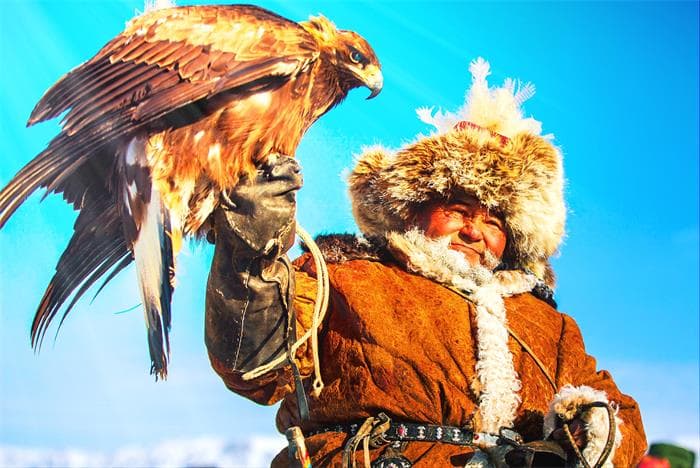
The Kyrgyz people in Xinjiang have a population of around 250,000, with most communities concentrated in the Kizilsu Kyrgyz Autonomous Prefecture in southwestern Xinjiang.
Traditionally, Kyrgyz herders lived in felt yurts known as BozÜy, which provided comfortable and practical homes on the grasslands. Today, many settled Kyrgyz families live in traditional adobe houses and modern homes in villages and towns. Kyrgyz people celebrate Nawruz around March 20–21 to welcome the arrival of spring. They also observe important Islamic festivals such as Eid al-Fitr and Eid al-Adha. The Epic of Manas, one of the world’s longest heroic epics, represents the outstanding literary heritage of the Kyrgyz people. Together with the Mongolian Jangar and Tibetan Gesar, it is regarded as one of China’s three major ethnic epics.
Visitors traveling through southern Xinjiang can experience Kyrgyz culture through traditional music, storytelling, festivals, and pastoral lifestyles.
Mongolian:
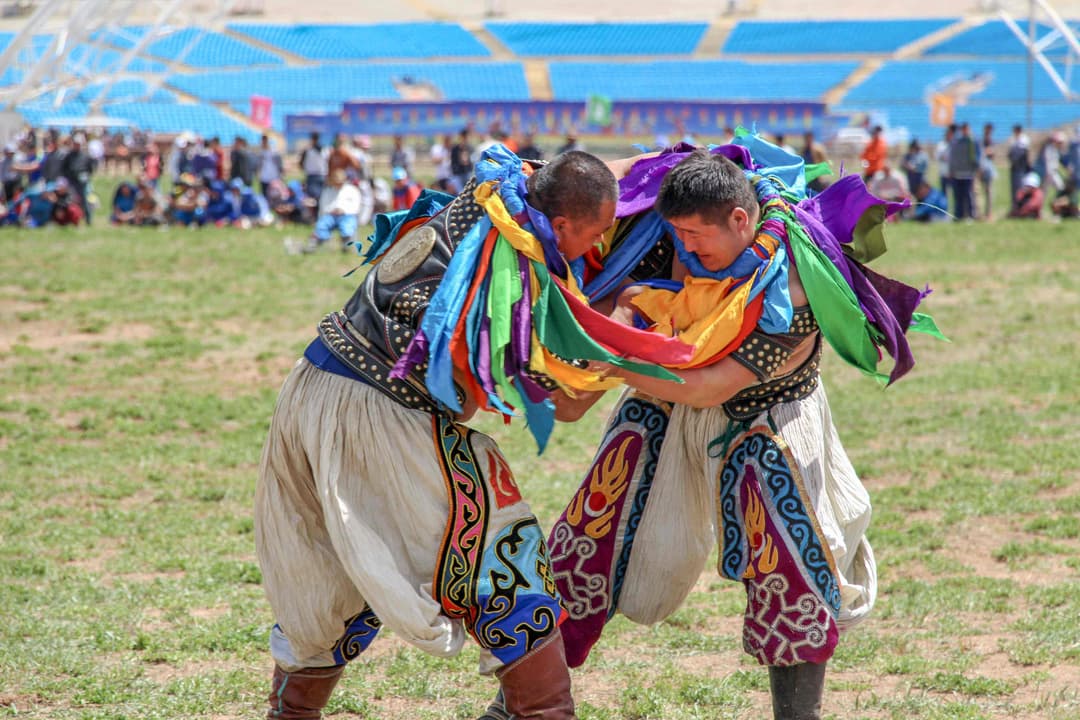
Around 180,000 Mongolian people live in Xinjiang, mainly in the Bayingolin Mongolian Autonomous Prefecture, Bortala Mongolian Autonomous Prefecture, and Hoboksar Mongolian Autonomous County.
Mongolian culture in Xinjiang is deeply connected with grassland traditions, horseback riding, music, and poetry. The Jangar, an epic created by the Oirat Mongols, is one of China's most famous ethnic epics and an important part of Mongolian cultural heritage. The Morin Khuur (horse-head fiddle) is the most representative traditional musical instrument of Mongolian culture, while the two-stringed Tobshuur is also popular among Mongolian communities in Xinjiang.
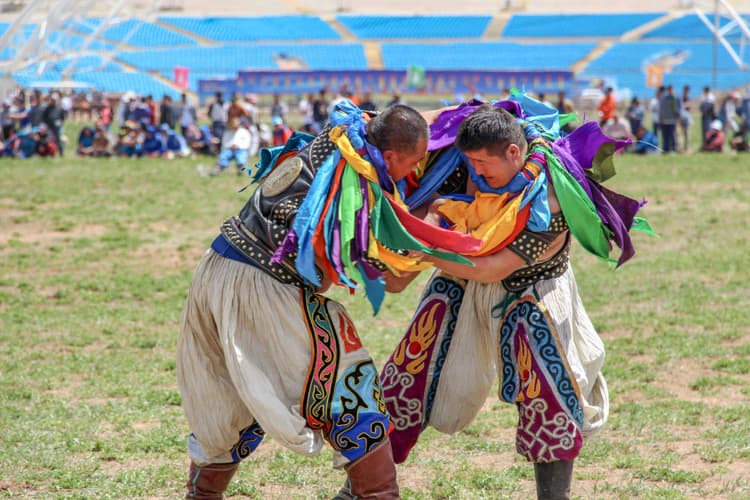
Traditional festivals such as the Nadam Fair, featuring horse racing, wrestling, archery, and cultural performances, remain important celebrations that showcase Mongolian nomadic heritage.
Hui:
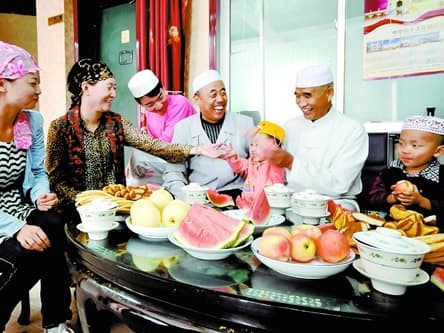
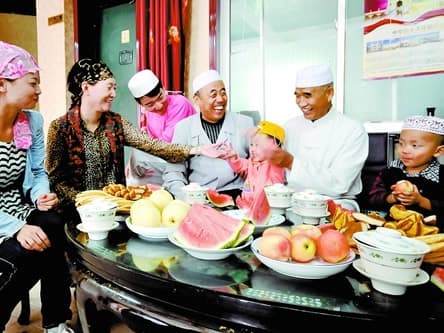
The Hui people in Xinjiang have a population of around 700,000, mainly living in areas such as Changji Hui Autonomous Prefecture, Urumqi, Yining, Huocheng, Yanqi, and Turpan.
After centuries of interaction with Han Chinese and other ethnic communities, the Hui people in Xinjiang have developed a unique local culture that combines traditional customs with regional influences.
Hui culture is reflected in its cuisine, religious traditions, festivals, handicrafts, and daily lifestyle. Visitors can experience Hui cultural traditions through local food, markets, and communities throughout Xinjiang.
Tajik:
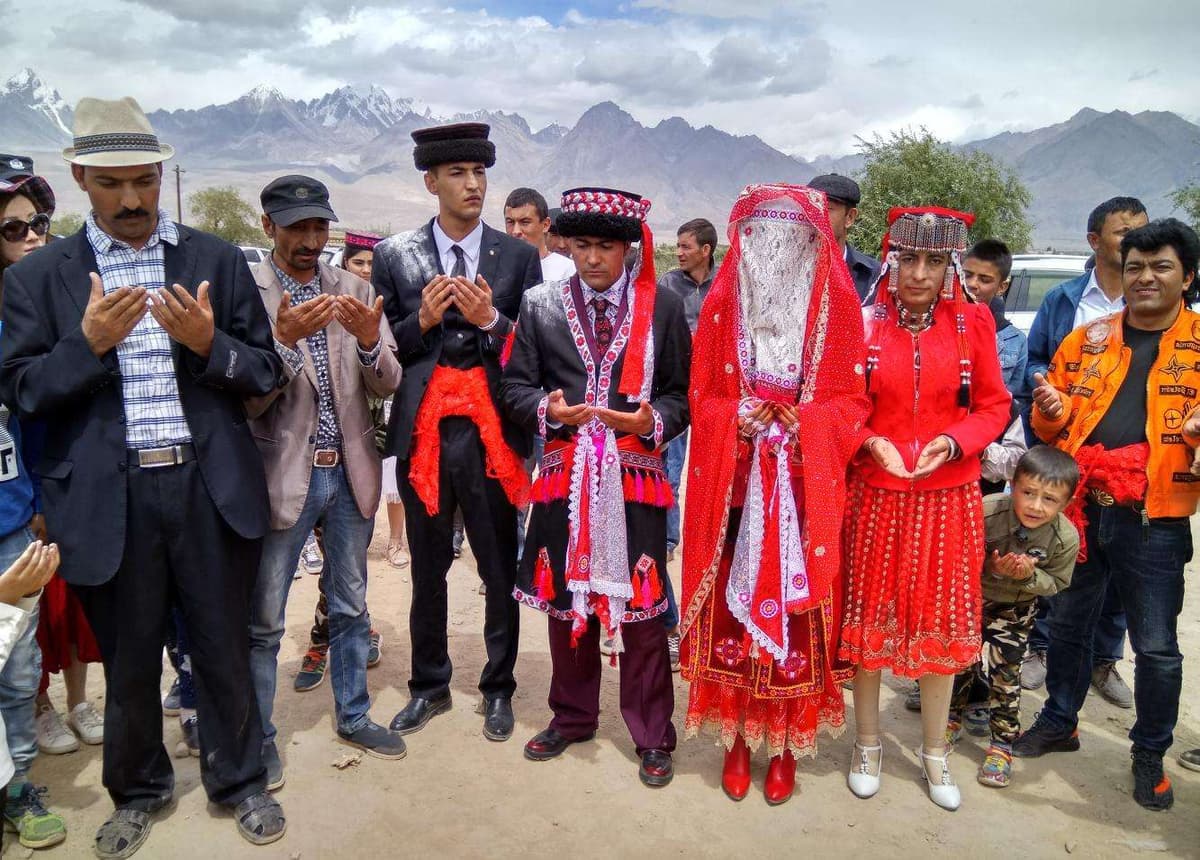
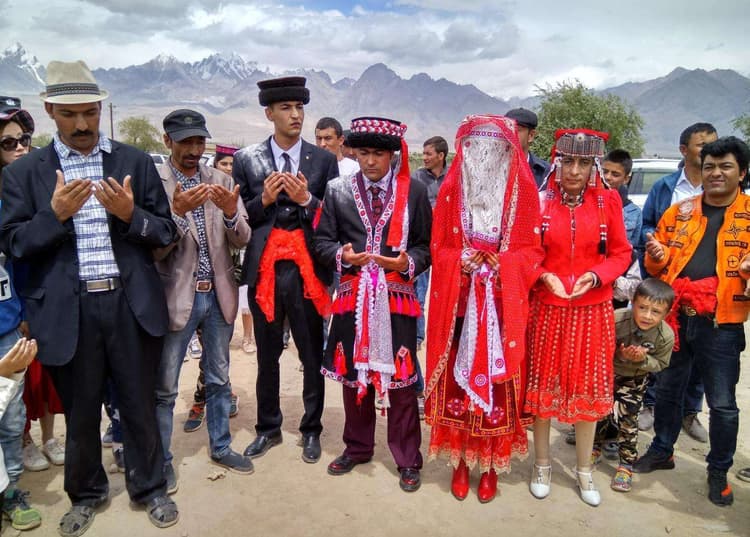
The Tajik people are one of the officially recognized ethnic groups in China, with the majority of Chinese Tajik communities living in Xinjiang. Their population is around 50,000, mainly concentrated in Tashkurgan Tajik Autonomous County near the borders of Tajikistan, Pakistan, and Afghanistan.
Living among the high mountains of the Pamirs, Tajik communities have developed a unique culture closely connected with pastoral life, mountain landscapes, and traditional customs. Most local Tajik people speak Sarikoli, a language belonging to the Pamiri branch of the Iranian language family. Traditional cultural activities include the eagle dance, seasonal celebrations, music performances, and folk ceremonies. The Tajik people are well known for their hospitality and strong connection with the Pamir Mountains.
Visitors traveling along the Karakul Lake and Pamir Highway routes can experience Tajik villages, traditional lifestyles, and spectacular mountain scenery.
Daur People:
The Daur people have a long history of agricultural traditions in northern China. During the Qing Dynasty, some Daur communities were relocated to Xinjiang as part of frontier settlements. Today, around 5,000 Daur people live in Xinjiang, mainly in Tacheng, Huocheng County, and Urumqi. They have preserved distinctive cultural traditions, including folk music, traditional sports, handicrafts, and agricultural customs.
Xibo:
In the mid-18th century, groups of Xibe people migrated from northeastern China to Xinjiang following Qing Dynasty arrangements to strengthen frontier settlements. Many Xibe communities settled in the Ili River Valley, which has become their cultural homeland in Xinjiang. Today, around 30,000 Xibe people live mainly in Qapqal Xibe Autonomous County, Huocheng County, and Gongliu County.
The Xibe people have preserved their unique language and writing system, which remains one of the important cultural heritages among China's ethnic groups.
Tatar:
The Tatar community in Xinjiang was mainly formed through migration from Central Asia and Russia during the early 20th century. With a population of several thousand, Tatars mainly live in Yining, Tacheng, Urumqi, and other cities in Xinjiang. Their culture reflects a blend of Eurasian influences, especially in music, education, handicrafts, and traditional cuisine.
Manchu:
More than 18,000 Manchu people live in Xinjiang, mainly in Ili, Changji, and Urumqi. Many local Manchu families are descendants of Qing Dynasty garrison communities, while others migrated from inland areas. Today, Manchu communities continue to preserve traditional customs, festivals, and folk arts while participating in modern local life.
Uzbek:
With a population of more than 12,000, Uzbek live in scattering way over a wide area of the Xinjiang Uygur Autonomous Region. Most of them are city dwellers; some live in the pastoral and the rural regions. Uzbek culture is known for its traditional handicrafts, music, dance, and cuisine. As an important community along the ancient Silk Road, Uzbek people have contributed to the cultural exchanges that shaped Xinjiang's history.
The Chinese Russians:
The ethnic Russian community in Xinjiang has a population of several thousand, mainly concentrated in Ili, Tacheng, Alataw, and Urumqi. They have preserved unique cultural traditions, including Russian folk music, architecture, handicrafts, and traditional foods, adding another layer to Xinjiang's multicultural heritage.
Tuva People in Xinjiang:
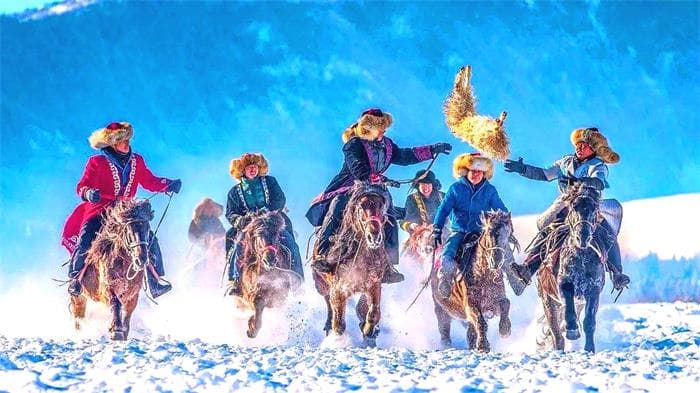
At the foot of the Altai Mountains, there are group-Tuva people. With a population of about 2,500, most of them live in Baihaba Village, Hemu Tuva Village in Burqin County, and Kanas village. Tuva people have their language but do not have a writing system. Therefore, there is no Tuva ethnography nor history books and even any written records about their past and life. Tuva language used by Tuva people is one of the rare expressions in China, which distinguishes words of the Mongolian group of Altaic Language Family and belongs to the Turkic language group. Many Tuuva people can speak the Kazakh language.
The Tuva people build their houses with pinewood with fences around the house, which is quite different from Mongolian tribes in the pasture. Their favorite drink is milk wine instead of horse milk wine the Mangolans favor.
Some scholars hold the view that Tuva people are off-spring of the aged, weak, sick, and disabled soldiers left by Genghis-khan when he led his troops to attack the Western Regions. But Tuva elders said their ancestors migrated from Siberia 500 years ago and are the same ethnic group as the Tuva people of the Tuva Republic of Russia. They make a living by hunting, fishery, and a small portion of primitive farming. They are very sincere, and hospitable Tuva people believe in Buddhism. Integrating, they constitute the unique view and folk at Kanas and are termed "a tribe in the picture" because of Kanas's beauty.
Recommended Xinjiang Tours:
12 Days Xinjiang Private Tour: Kanas Lake and Kashgar
12 Days Xinjiang Travel to Kanas Lake and Taklamakan Desert Kuqa