


Xinjiang vs Tibet: Which Destination Is Better for Your China Trip?
Xinjiang vs Tibet: Which Destination Is Better for Your China Trip?
China is home to some of the world’s most spectacular landscapes and diverse cultures, and among its many destinations, Xinjiang and Tibet stand out as two of the most fascinating choices for adventurous travelers. Both are located in western China and are renowned for their vast landscapes, snow-covered mountains, distinctive ethnic cultures, and remote natural environments, offering travelers an unforgettable journey into some of China’s most dramatic and culturally rich regions.
However, Xinjiang and Tibet offer completely different travel experiences.
Many travelers ask:
Should I visit Xinjiang or Tibet? Which destination is better?
The answer depends on what kind of journey you are looking for.
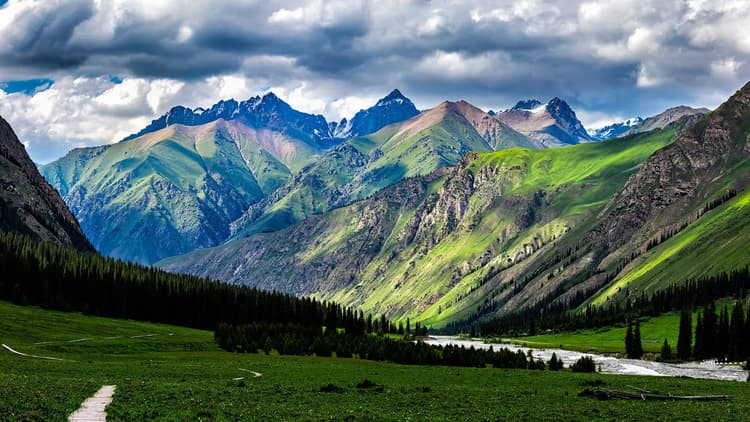
Xinjiang is a land of striking contrasts, known for its vast deserts, lush grasslands, alpine lakes, ancient Silk Road cities, and diverse ethnic cultures. Tibet, by contrast, is defined by its high plateaus, sacred mountains, Buddhist monasteries, spiritual traditions, and breathtaking Himalayan landscapes. Together, these two regions showcase two distinctly different sides of western China, from the diverse landscapes and cultural crossroads of Xinjiang to the high-altitude and spiritual world of Tibet.
Simply speaking:
Xinjiang is about exploring landscapes and civilizations.
Tibet is about experiencing nature, religion and spirituality.
Neither destination is objectively better.
They represent two different sides of western China.
This guide compares Xinjiang and Tibet from different perspectives, including scenery, culture, transportation, travel difficulty and the best time to visit, helping you decide which destination is right for your journey.
Recommended Tour Itinerary
8 Days Tibet Group Tour from Lhasa to Everest Base CampLhasa - Shigatse - Everest Base Camp - Yamdrok Tso From US$ 1095 |
16 Days Grand Xinjiang Group Tour: Kashgar, Kanas, NaratyKashgar - Taxkorgan - Kashgar - Urumqi - Turpan - Urumqi -Hemu - Kanas - Yining - Tekes - Naraty - Yining From US$ 600 |
23 Days China Tour to Xinjiang, Silk Road and TibetKashgar - Urumqi - Turpan - Dunhuang - Jiayuguan - Zhangye - Xining - Lhasa - Shigatse From US$ 3650 |

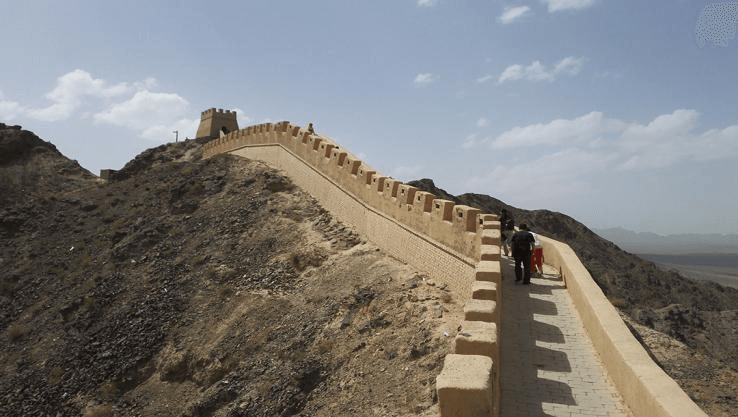
Content›Xinjiang and Tibet: A Basic Comparison ›Best Time to Visit: Xinjiang vs Tibet ›Recommended Xinjiang Itineraries ›Recommended Tibet Itineraries ›Recommended Xinjiang + Tibet Routes |
Xinjiang and Tibet: A Basic Comparison
Before choosing between Xinjiang and Tibet, it is important to understand their geographical differences.
Although both regions are located in western China, their environments are completely different.
Xinjiang: The Land of Silk Road and Diverse Landscapes
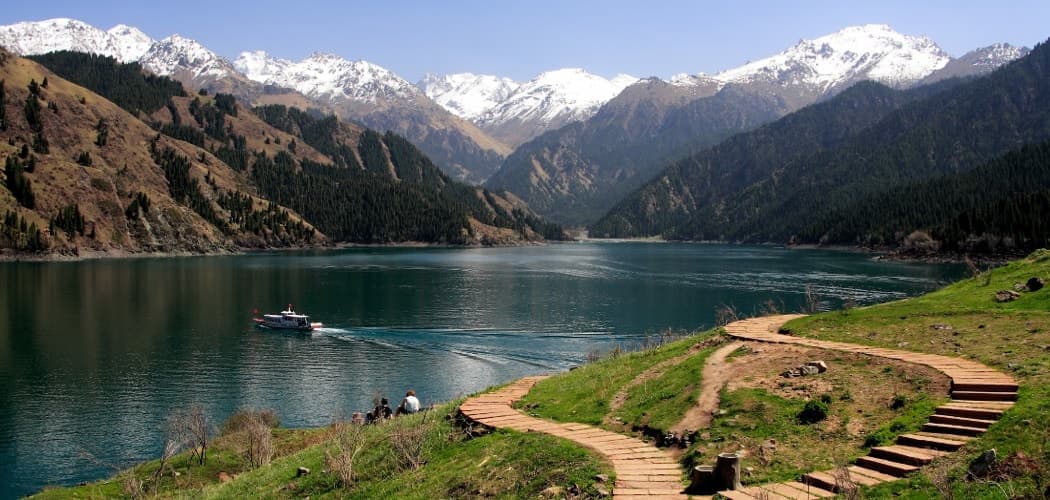
The Xinjiang Uyghur Autonomous Region is located in northwest China and is the country’s largest provincial-level administrative region, covering more than 1.6 million square kilometers. It shares borders with several countries, including Kazakhstan, Kyrgyzstan, Tajikistan, Pakistan, and Mongolia, making it an important geographical and cultural link between China and Central Asia throughout history. Today, Xinjiang is best known for its ancient Silk Road heritage, vast desert landscapes, snow-capped mountains, expansive grasslands, and diverse multicultural communities.
Tibet: The Roof of the World
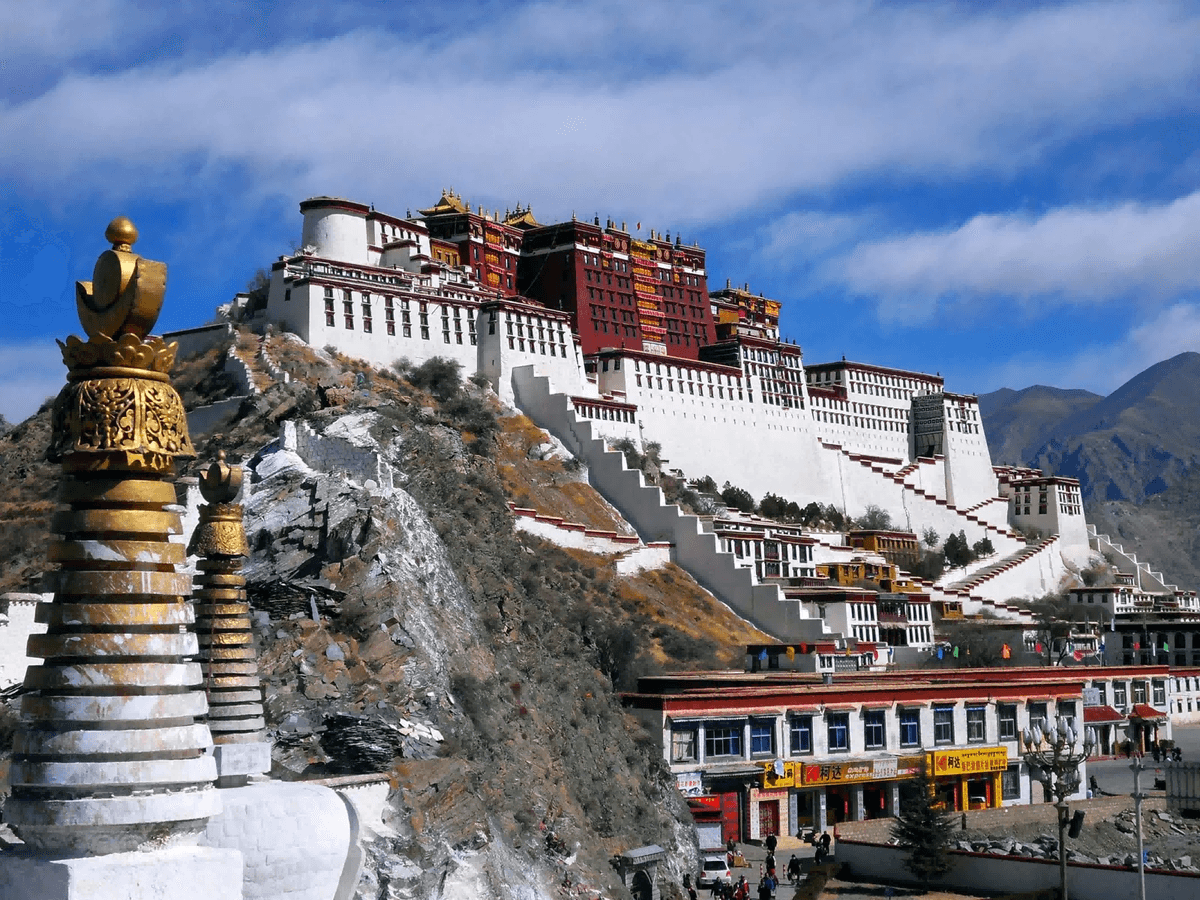
The Tibet Autonomous Region is located on the Qinghai–Tibet Plateau and is often called “the Roof of the World”, as much of the region lies at elevations above 4,000 meters. Tibet is renowned for its towering Himalayan mountains, Tibetan Buddhist traditions, sacred lakes, ancient monasteries, and distinctive high-altitude culture. For many travelers, Tibet represents one of the world’s most remote and extraordinary destinations, offering a rare combination of dramatic wilderness, spiritual heritage, and unique plateau landscapes.
Xinjiang vs Tibet: The Main Difference
The biggest difference between Xinjiang and Tibet is the type of travel experience.
Xinjiang: A Journey Through Landscapes and Civilizations
Traveling through Xinjiang feels like exploring a vast geographical and cultural museum, where a single journey can take travelers from the forests of Northern Xinjiang and deserts of the south to snow-capped mountains, ancient ruins, and traditional markets. The region offers a remarkable combination of diverse natural landscapes and the rich history of the Silk Road, making every part of the journey feel distinctly different.
Tibet: A Journey Through Nature and Spirituality
Tibet offers a very different emotional experience, with its landscape dominated by vast high plateaus, snow-capped peaks, sacred lakes, and ancient Buddhist temples. For many travelers, a journey through Tibet is about more than sightseeing—it is an opportunity to experience the region’s unique spiritual atmosphere, where dramatic natural landscapes and deeply rooted Buddhist traditions come together.
Xinjiang Travel Experience
A Destination of Endless Landscapes
Xinjiang is one of the most geographically diverse regions in China, offering an extraordinary variety of landscapes within a single destination. Travelers can journey from alpine forests and lush oasis towns to vast deserts, high-altitude lakes, and expansive grassland valleys, making Xinjiang a remarkable destination for exploring the dramatic contrasts of western China.
Natural Scenery in Xinjiang
Northern Xinjiang: Lakes, Forests and Grasslands
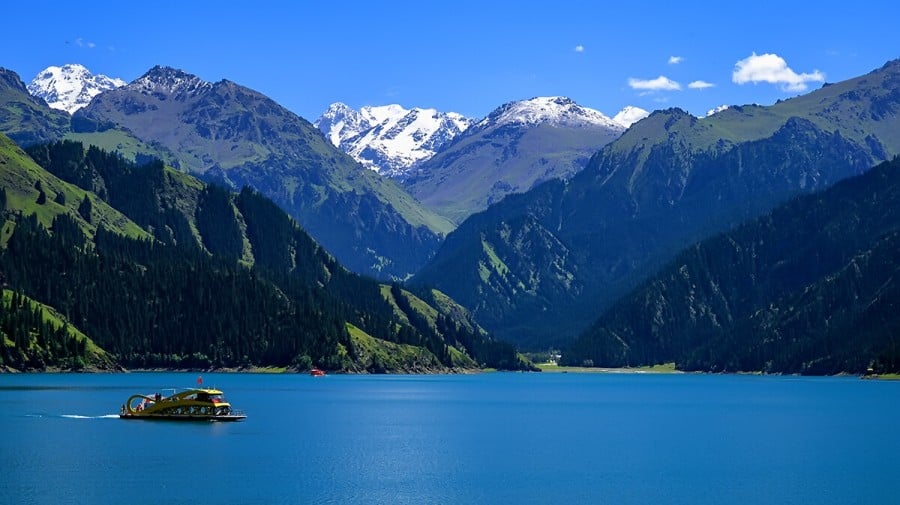
Northern Xinjiang is renowned for its spectacular natural scenery, with the Altai Mountains, Tianshan Mountains, and Ili Valley forming the region’s major geographical highlights. Famous destinations include:
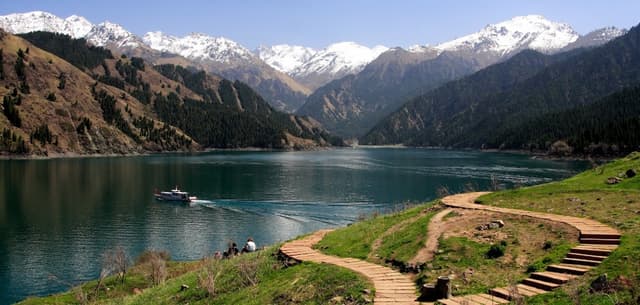
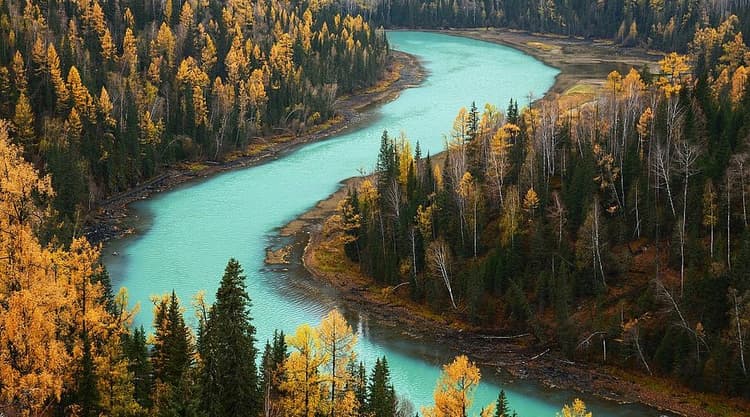
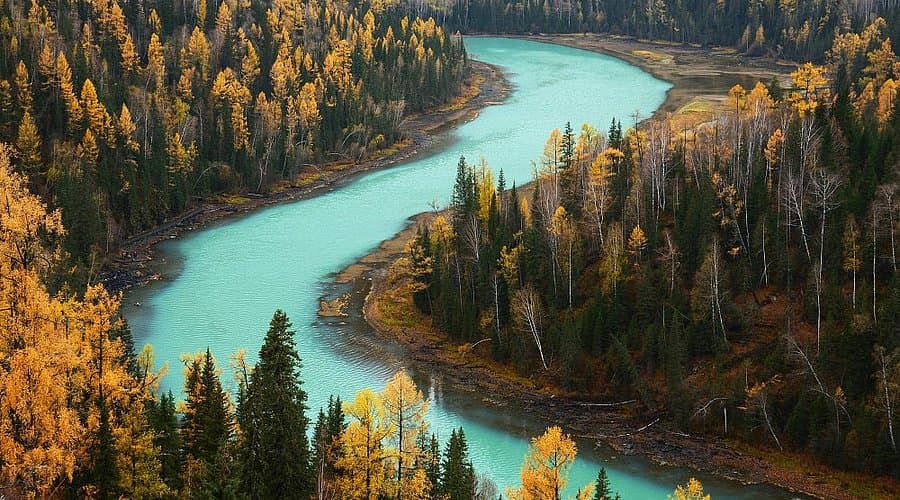
Kanas Lake
Known for:
· Blue alpine waters
· Forest-covered mountains
· Autumn scenery
Many travelers compare Kanas with European mountain landscapes.
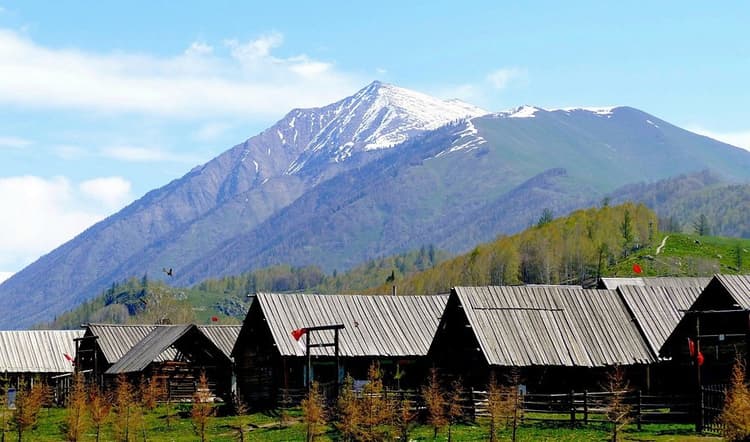
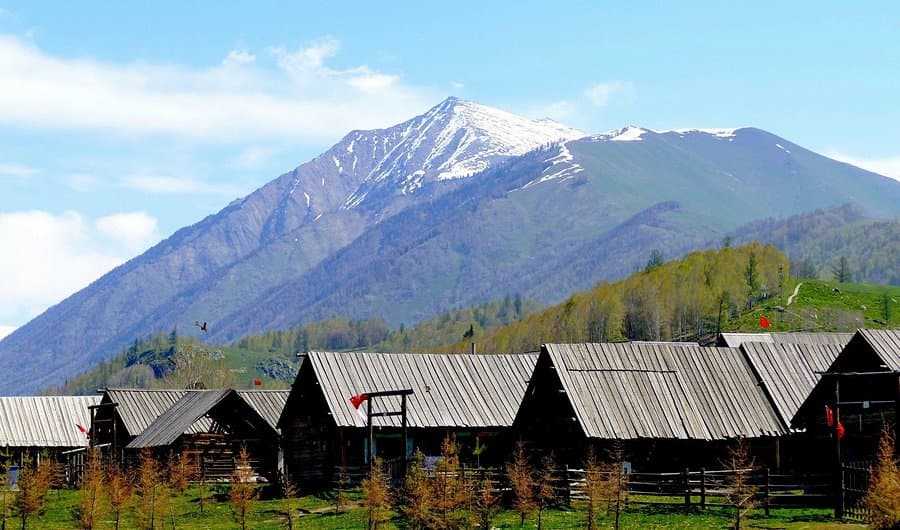
Hemu Village
A traditional village surrounded by forests and mountains.
The highlights include:
· Wooden houses
· Morning mist
· Sunrise views
It is one of the most photographed villages in China.
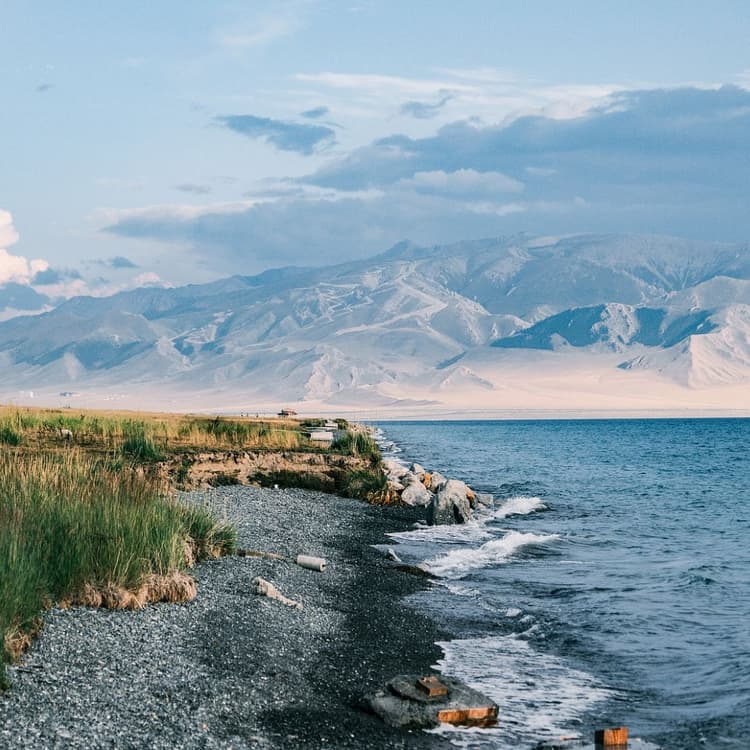
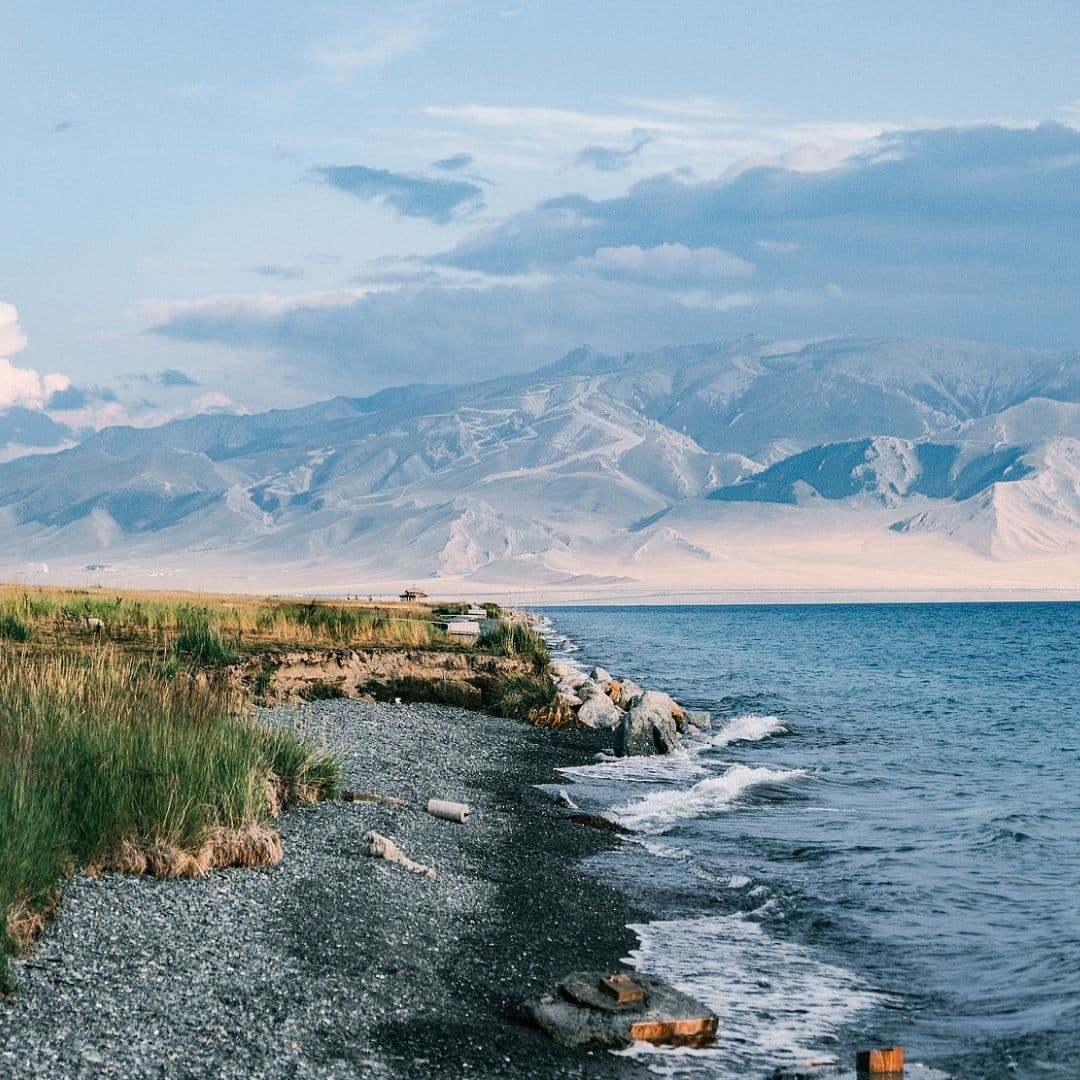
Sayram Lake
Known as:
“The Last Tear of the Atlantic”
because of the local saying about its water source.
The lake features:
· Clear blue water
· Snow mountains
· Grasslands
Southern Xinjiang: Deserts, History and the Silk Road
Southern Xinjiang offers a completely different landscape from the greener northern regions, with vast deserts, oasis cities, ancient ruins, and dramatic mountain frontiers defining its character. The region combines harsh natural environments with centuries of Silk Road history, creating a distinctive landscape where desert scenery, traditional oasis life, and ancient cultures come together.
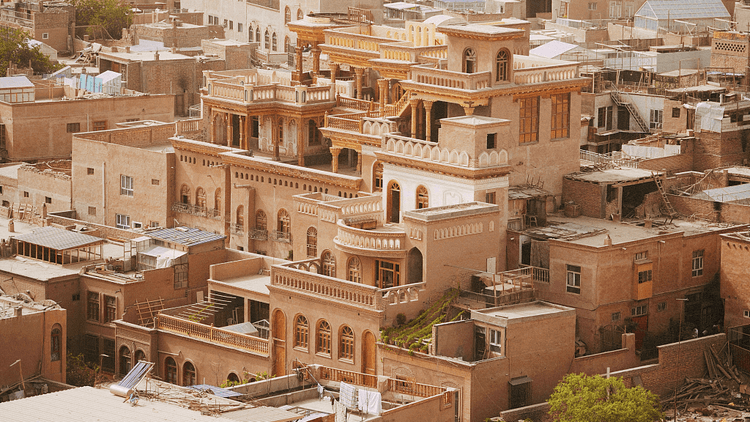
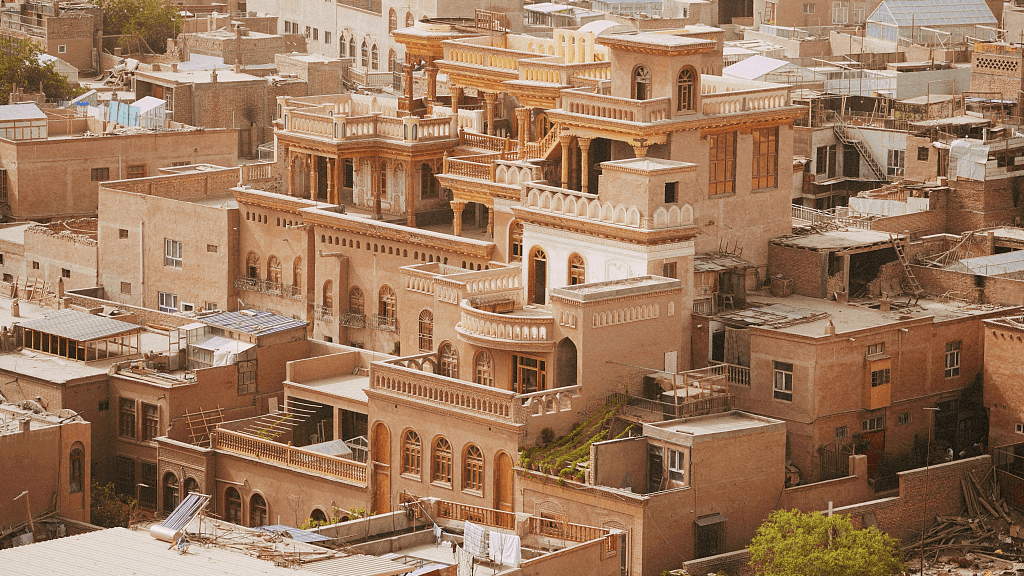
Kashgar
Kashgar is the cultural center of Southern Xinjiang.
Travelers can experience:
· Old City streets
· Traditional markets
· Silk Road history
· Uyghur culture
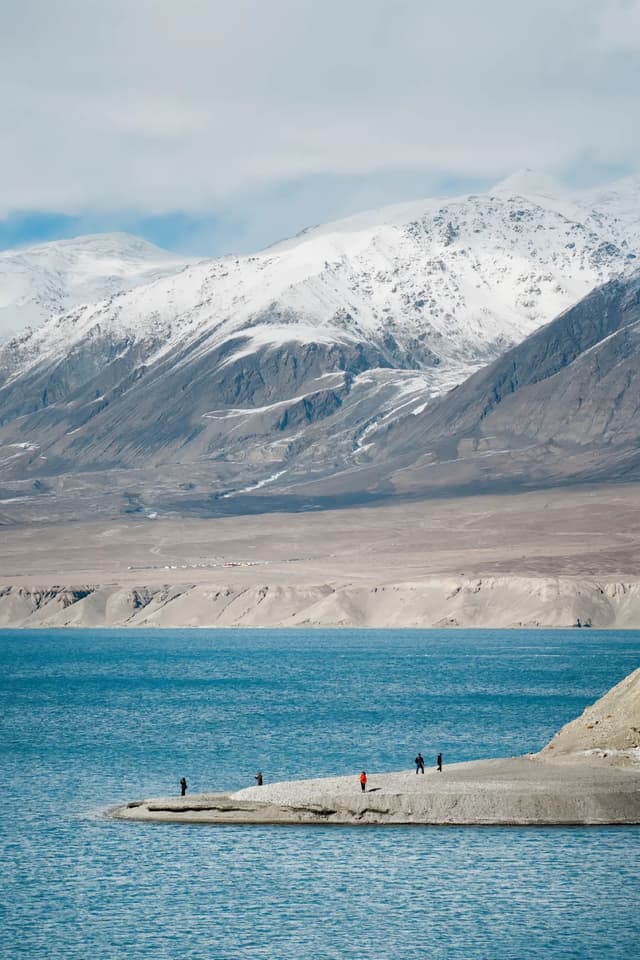
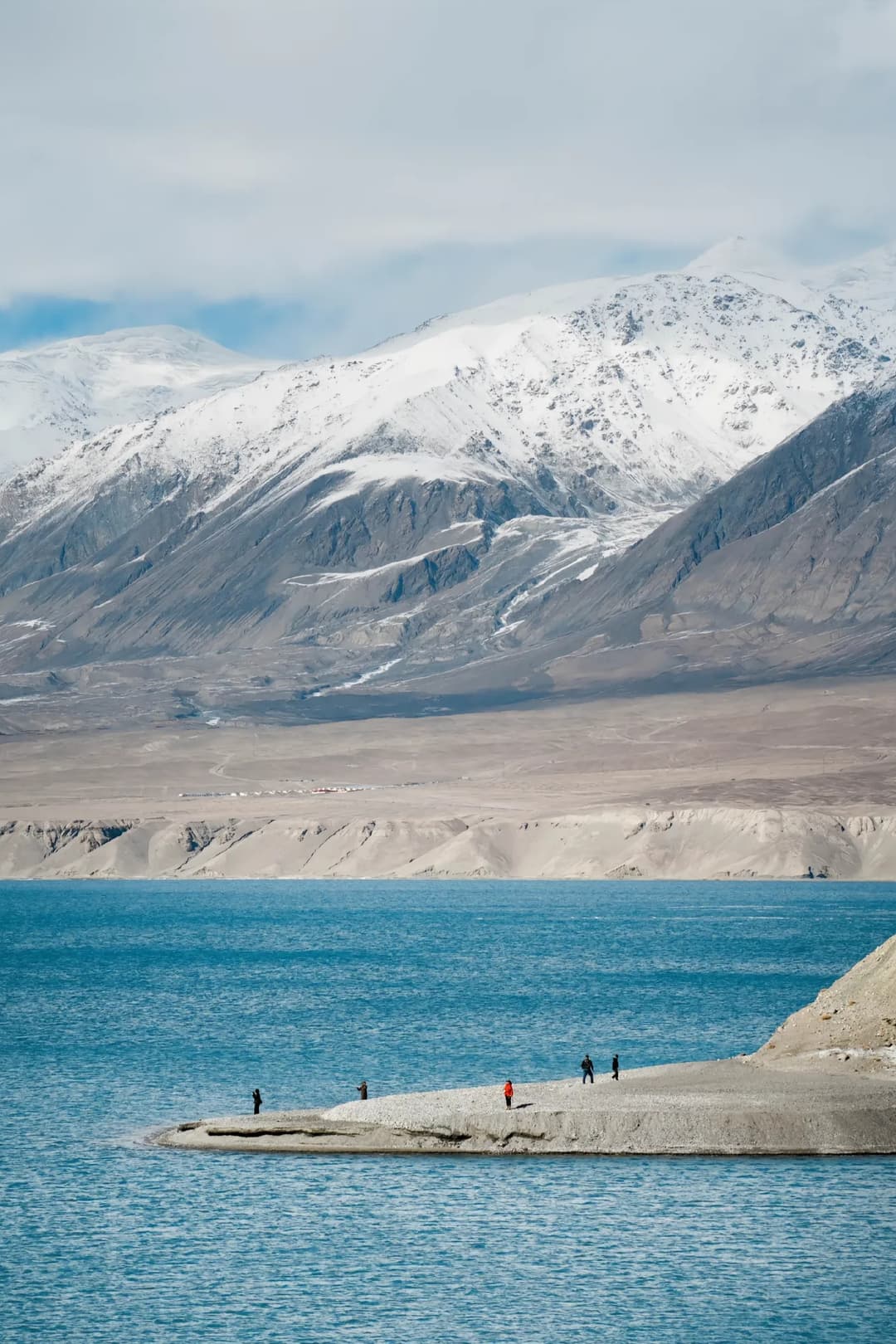
Taxkorgan and the Pamir Plateau
The journey from Kashgar to Taxkorgan is one of Xinjiang’s most spectacular routes.
Highlights include:
· Karakul Lake
· Muztagh Ata
· Karakoram Highway
The scenery combines:
· Glaciers
· Mountain lakes
· High plateaus
Tibet Travel Experience
A Journey Into the Himalayan World
Compared with Xinjiang’s diversity, Tibet’s beauty is more focused on altitude and spirituality.
The Tibetan Plateau creates a landscape that feels enormous and timeless.
Natural Scenery in Tibet
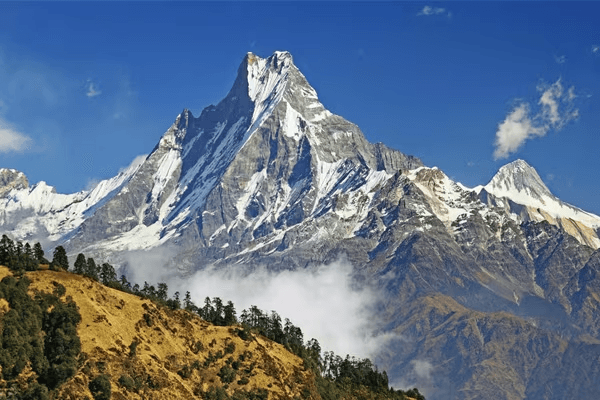
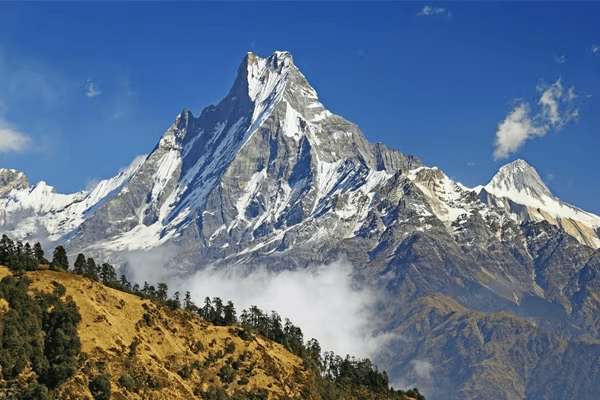
The Himalayas
The Himalayan mountain range is one of Tibet’s greatest attractions.
The most famous peak:
Mount Everest
Located on the border between China and Nepal, Mount Everest attracts travelers from around the world.
The Everest Base Camp area offers unforgettable views of the world’s highest mountain.
Sacred Lakes
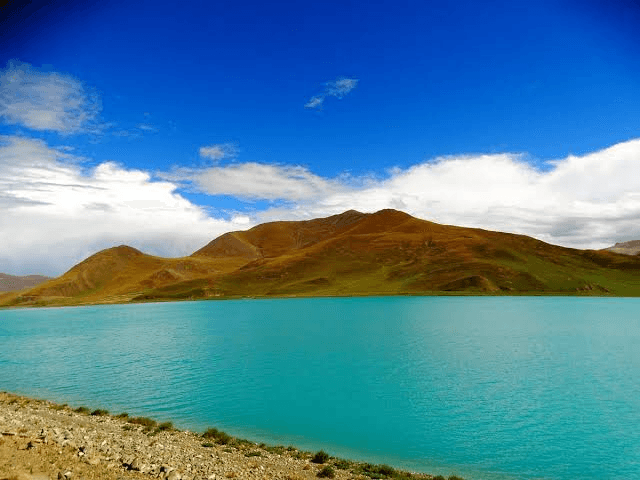
Tibet is famous for its high-altitude lakes,famous examples include:
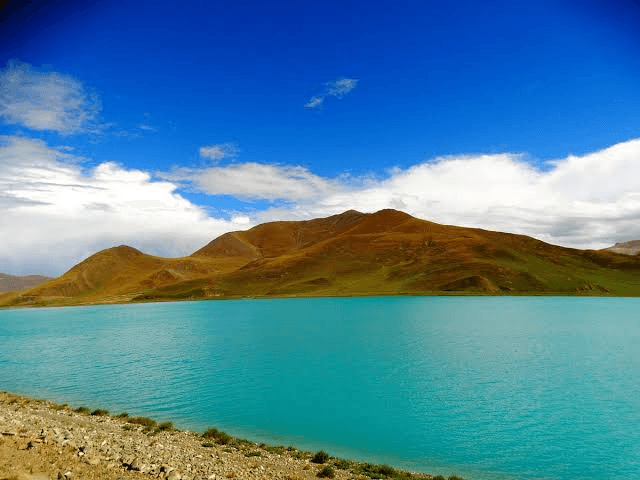
Yamdrok Lake
Known for:
· Turquoise water
· Mountain surroundings
· Sacred meaning
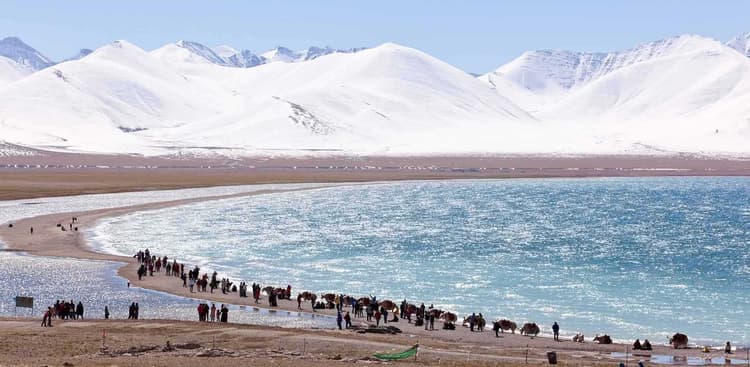
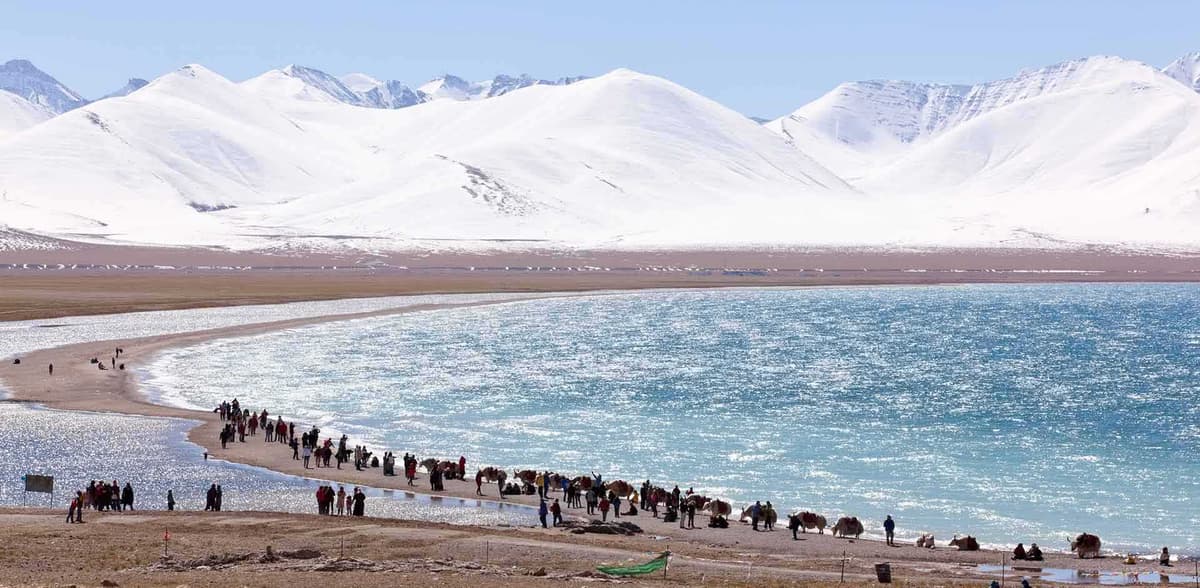
Namtso Lake
One of the highest large saltwater lakes in the world.
The scenery combines:
· Blue lake
· Snow mountains
· Endless plateau
Xinjiang vs Tibet: Culture and Travel Experience Comparison
Although both Xinjiang and Tibet are located in western China and have strong regional identities, the cultural experiences they offer are distinctly different. Xinjiang’s culture developed along the Silk Road, shaped by trade between civilizations, oasis cities, and centuries of ethnic and cultural exchange. Tibet, by contrast, developed around Tibetan Buddhism, highland traditions, religious philosophy, and life on the plateau. For travelers interested in people, history, and traditions, both destinations are equally fascinating, but each offers a very different cultural experience.
Cultural Experience in Xinjiang
A Meeting Point of Civilizations
Xinjiang has served as a crossroads between East and West for thousands of years. The ancient Silk Road passed through the region, connecting China with Central Asia, Persia, and South Asia and facilitating the exchange of goods, ideas, religions, and traditions. This long history of cultural exchange created a unique environment where travelers can experience influences from many different civilizations within a single region.
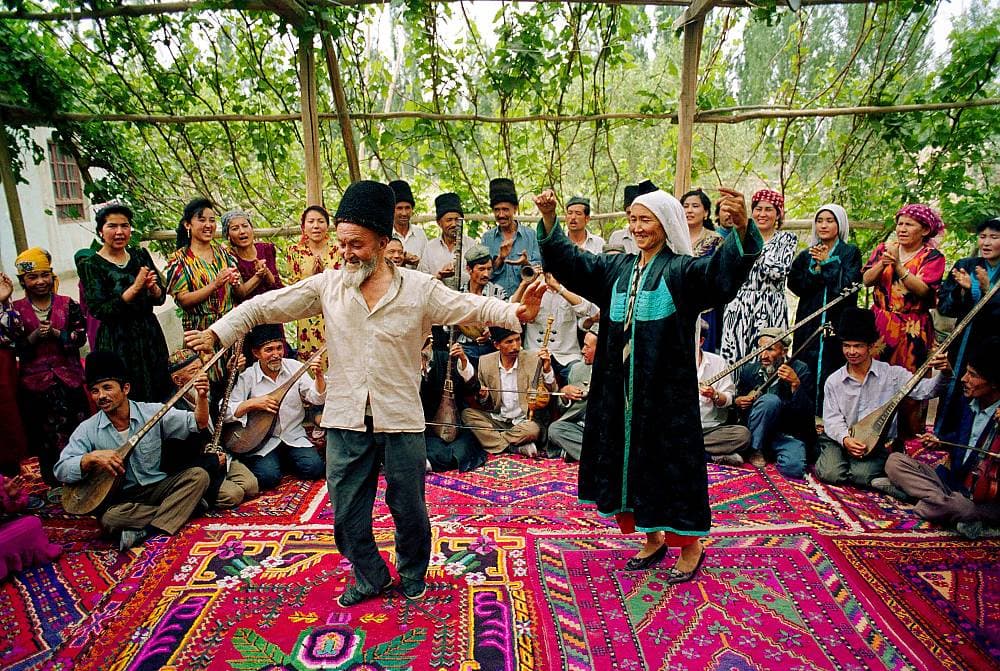
Uyghur Culture in Southern Xinjiang
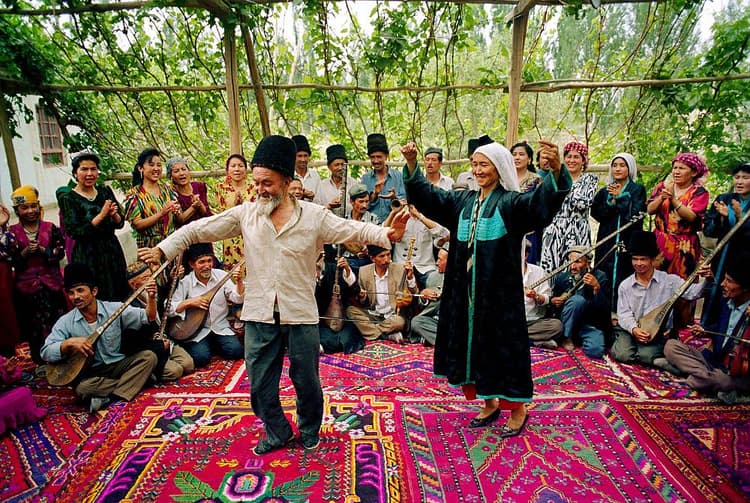
The Uyghur people are one of the most important cultural groups in Xinjiang.
Their traditions are deeply connected with:
· Oasis agriculture
· Music
· Dance
· Food
· Handicrafts
Kashgar: The Best Place to Experience Xinjiang Culture
Kashgar is often considered the cultural heart of Xinjiang.
Walking through the city, travelers can experience:
· Traditional neighborhoods
· Local bakeries
· Markets
· Handicraft workshops
· Historic architecture
The atmosphere is very different from major Chinese cities.
A visit to Kashgar feels like entering an ancient Silk Road town where traditional lifestyles continue.
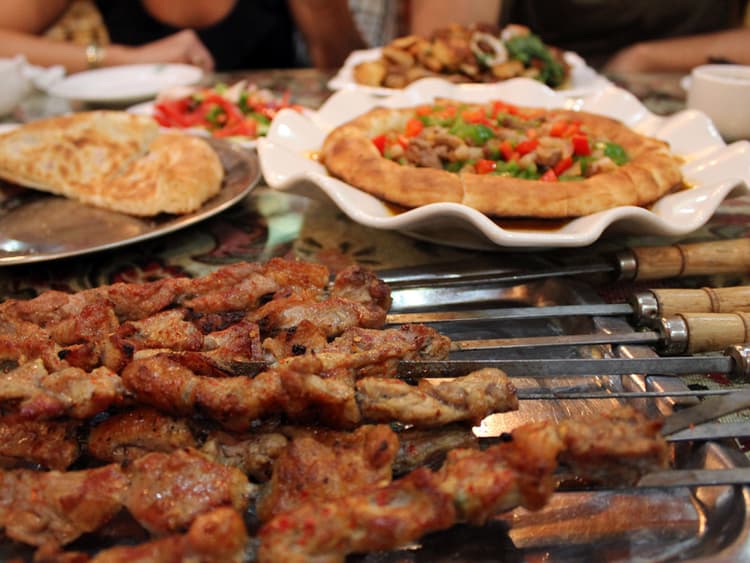
Food Culture in Xinjiang
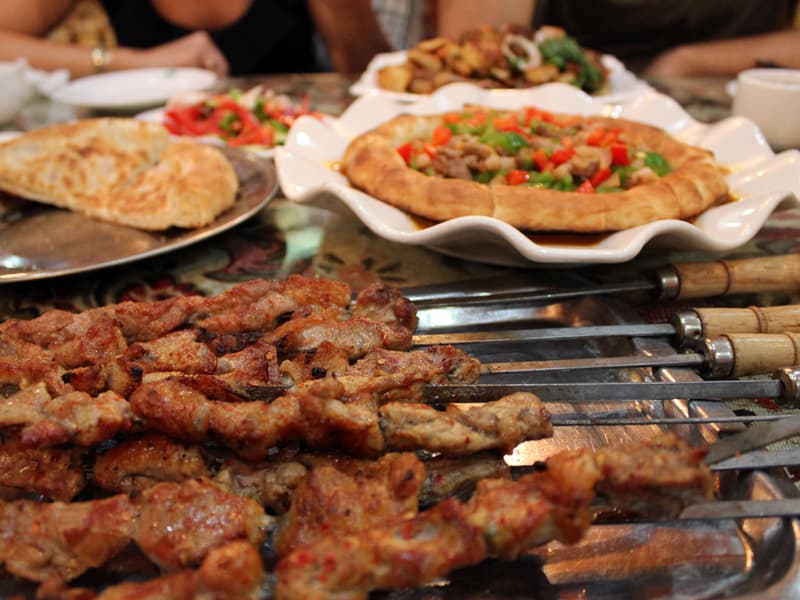
Food is one of the strongest parts of the Xinjiang travel experience.
Xinjiang cuisine combines influences from Central Asia and Chinese cooking traditions.
Popular dishes include:
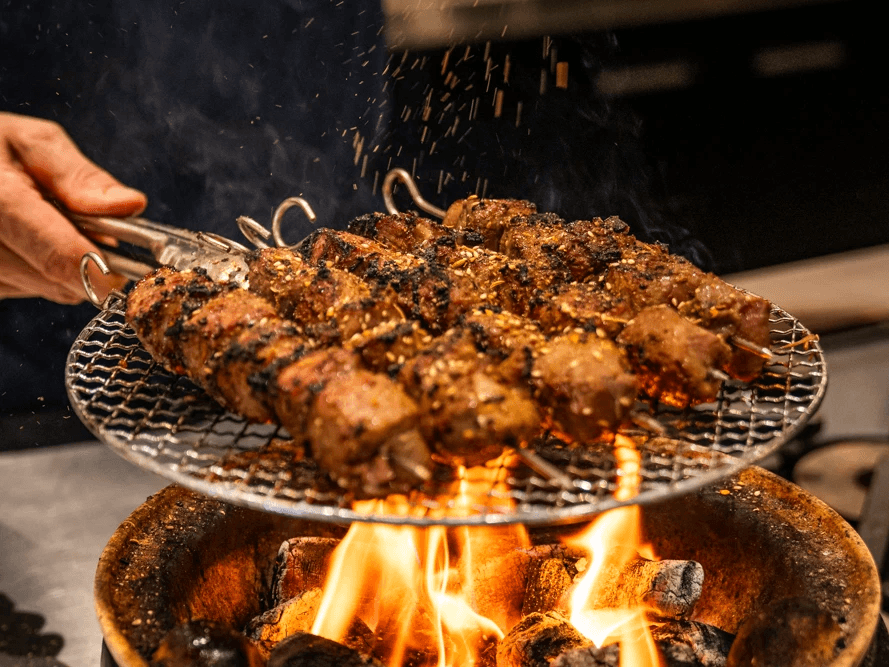
Roast Lamb
A famous Xinjiang specialty.
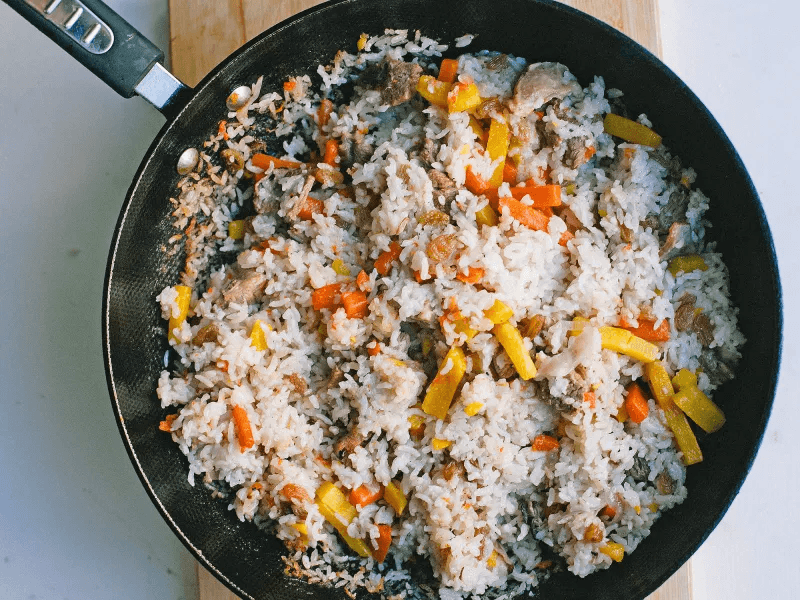
Xinjiang Polo
Rice cooked with:
· Lamb
· Carrots
· Onions
Nang Bread
A traditional baked bread found throughout the region.

Fresh Fruits
Southern Xinjiang is famous for:
· Grapes
· Melons
· Apricots
· Pomegranates
The dry climate creates excellent conditions for fruit cultivation.
Tajik Culture in the Pamir Mountains
Beyond Uyghur culture, Xinjiang is also home to many other ethnic groups.
The Tajik people living in Taxkorgan represent one of the most unique cultural experiences in Xinjiang.
Their lifestyle is shaped by:
· High altitude
· Mountain environments
· Traditional animal husbandry
Visitors can experience:
· Highland villages
· Traditional homes
· Pastoral life
This mountain culture is very different from the desert oasis culture of Kashgar.
Cultural Experience in Tibet
A Spiritual Journey Through Tibetan Civilization
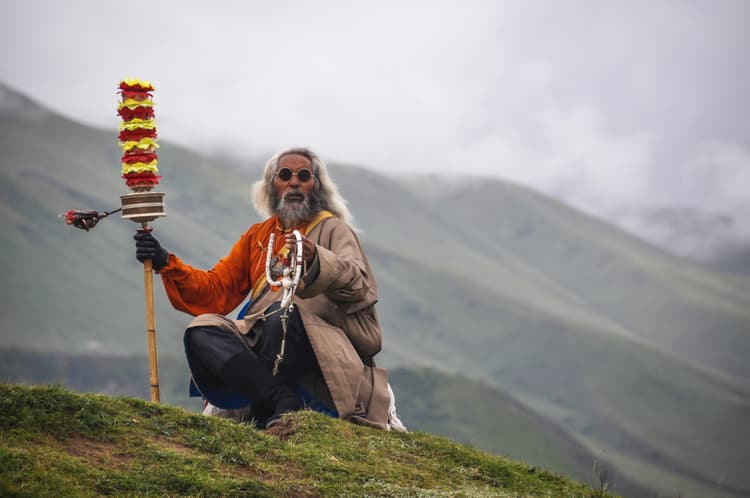
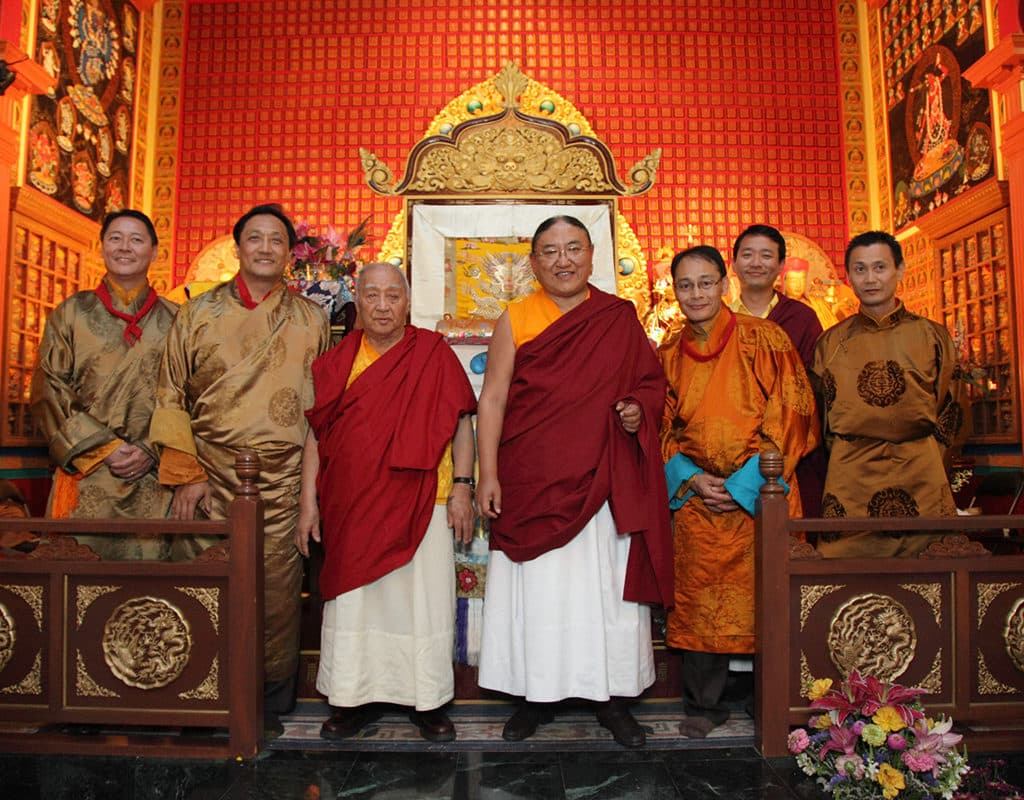
Tibet’s cultural identity is deeply connected with Tibetan Buddhism, which has influenced many aspects of life in the region for centuries, from architecture and art to festivals and daily traditions. Monasteries, prayer flags, sacred sites, and religious practices are an integral part of the Tibetan landscape, and for many travelers, this distinctive spiritual atmosphere is one of the main reasons to visit Tibet.
Tibetan Buddhism
Monasteries and Religious Traditions
Tibet is home to thousands of monasteries and religious sites.
Important destinations include:
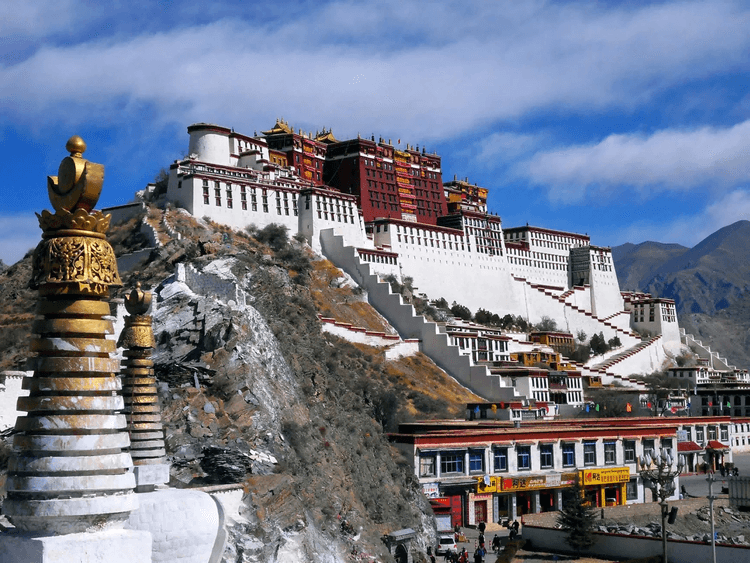
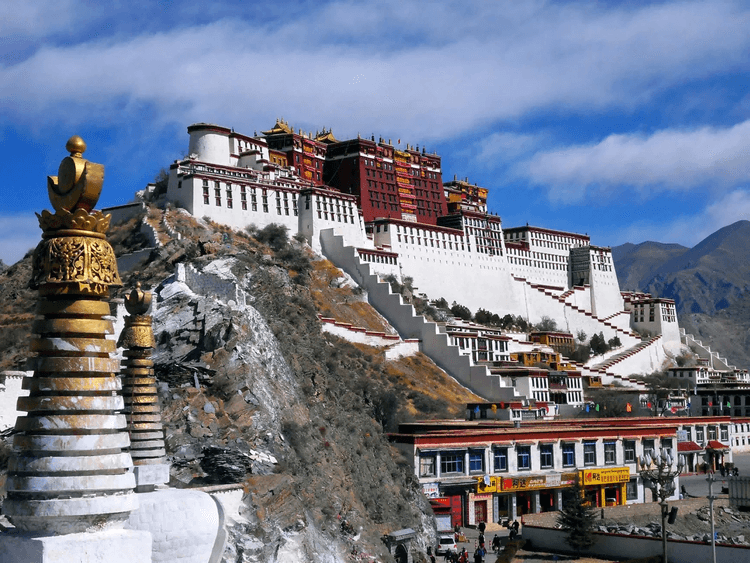
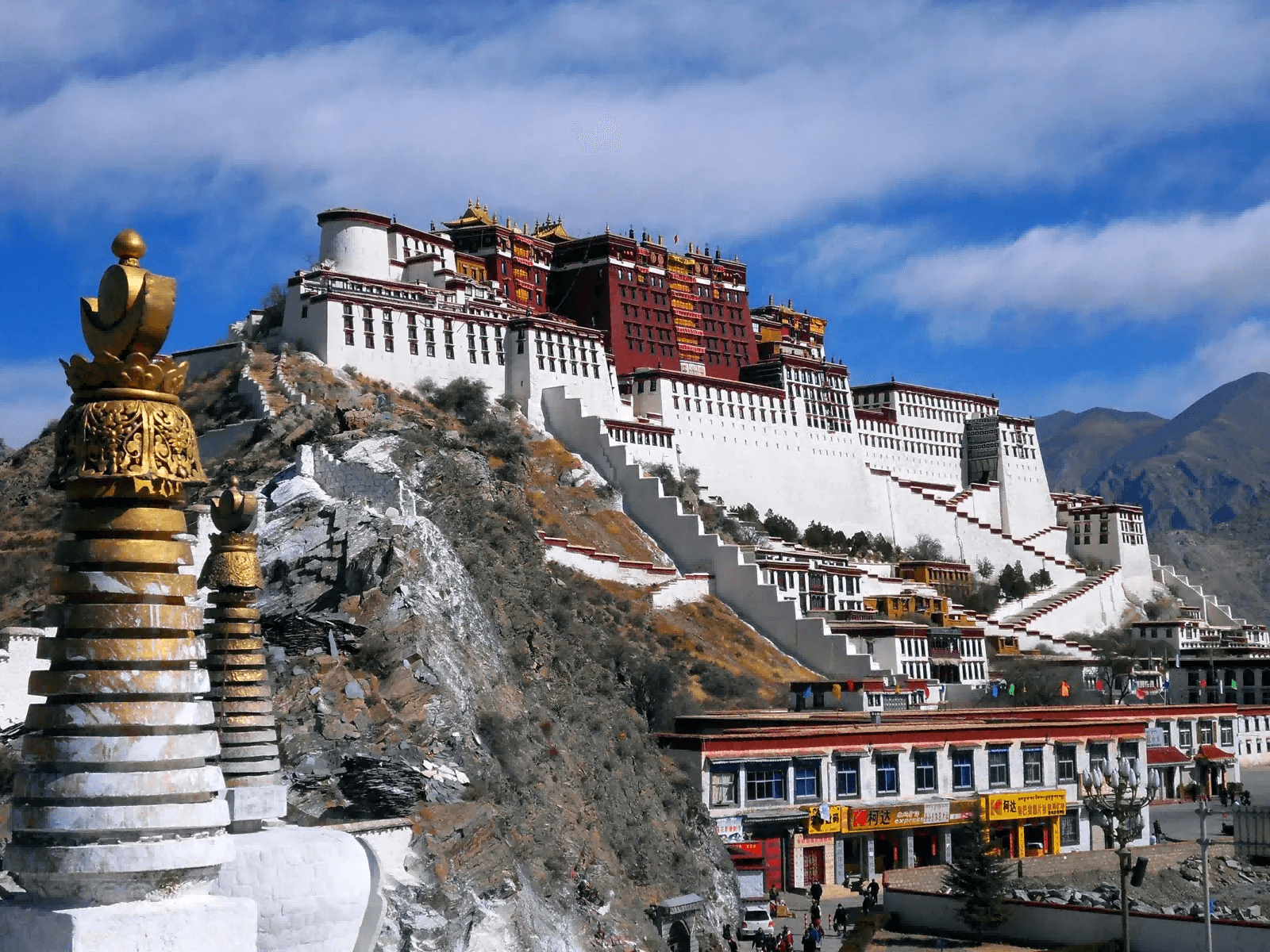
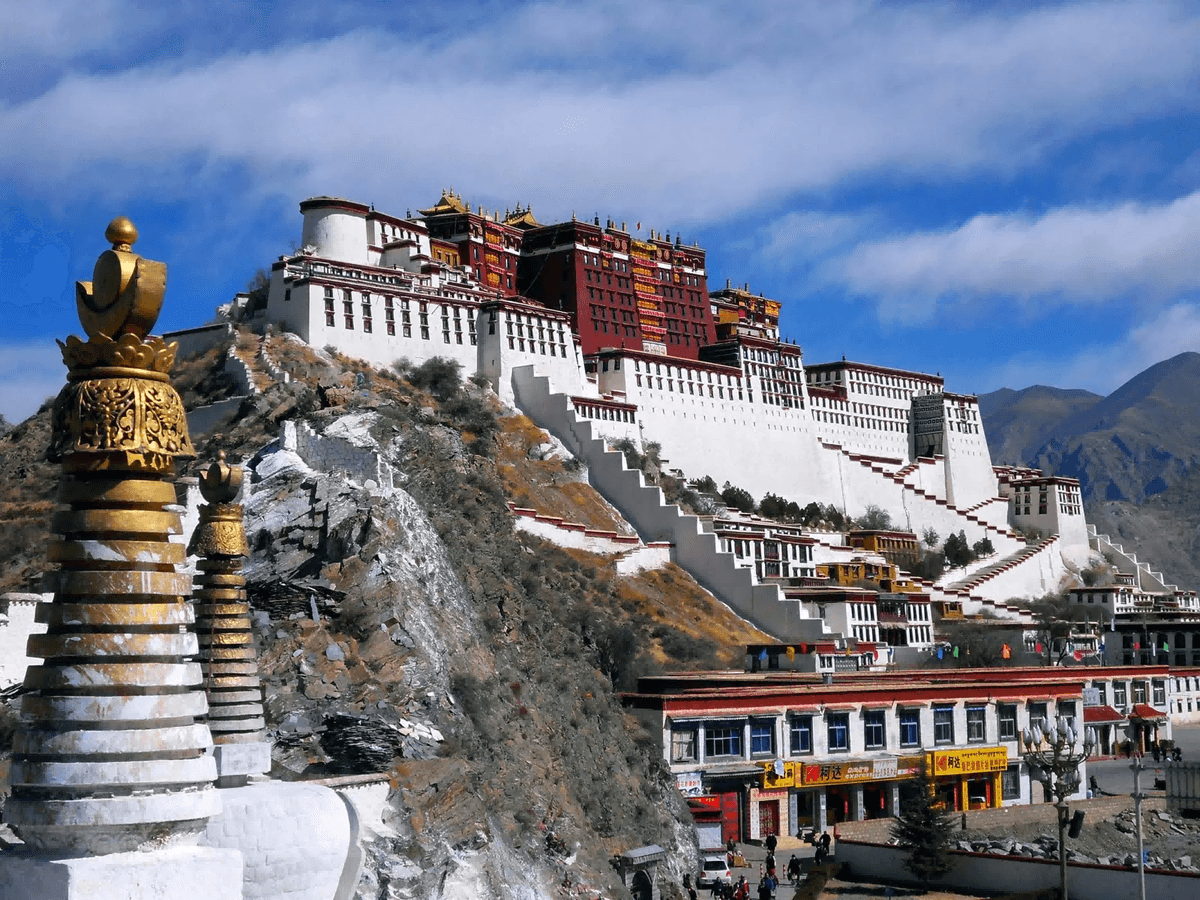
Potala Palace
Located in Lhasa, Potala Palace is the most iconic symbol of Tibet.
The palace was historically the residence of the Dalai Lama and remains one of the most important Tibetan cultural landmarks.
Its architecture combines:
· Religious symbolism
· Tibetan artistic traditions
· Historical importance
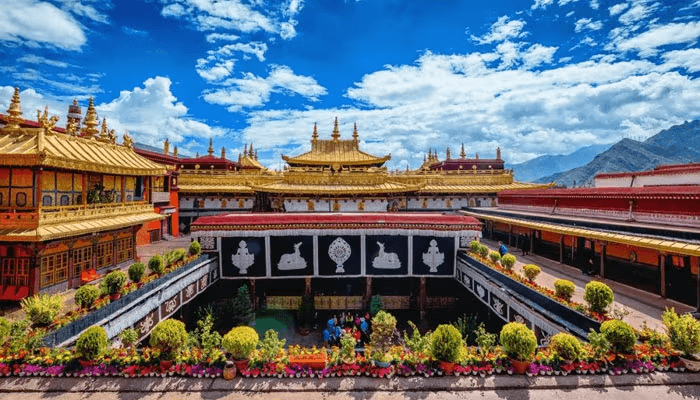
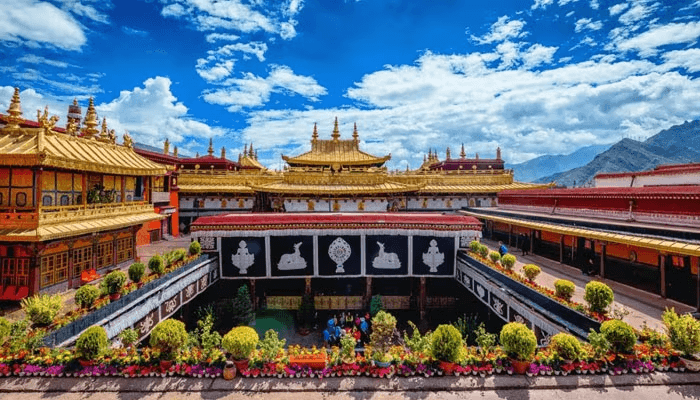
Jokhang Temple
Located in the center of Lhasa, Jokhang Temple is one of the most sacred places in Tibetan Buddhism.
Pilgrims from different regions travel here throughout the year.
The area around Jokhang Temple, especially Barkhor Street, provides visitors with a strong sense of Tibetan religious life.
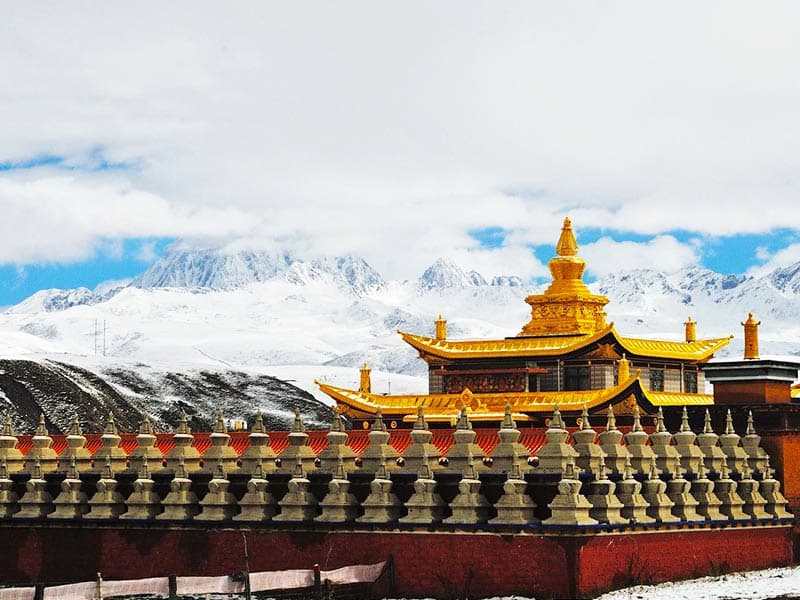
Tibetan Monasteries
Other famous monasteries include:
· Sera Monastery
· Drepung Monastery
· Tashilhunpo Monastery
Visitors can observe:
· Prayer ceremonies
· Monk debates
· Traditional Buddhist architecture
Xinjiang vs Tibet: Which Has a Stronger Cultural Experience?
The answer depends on what type of culture you are interested in.
Choose Xinjiang If You Prefer:
Silk Road History
Xinjiang offers:
· Ancient trading routes
· Archaeological sites
· Oasis civilizations
Local Daily Life
Xinjiang allows travelers to experience:
· Markets
· Food culture
· Village life
The cultural experience is often more connected with ordinary daily activities.
Choose Tibet If You Prefer:
Religion and Spirituality
Tibet offers:
· Sacred temples
· Buddhist traditions
· Religious ceremonies
Unique Highland Civilization
Tibetan culture developed in one of the highest environments on Earth.
The relationship between:
· People
· Mountains
· Religion
is central to the Tibetan experience.
Xinjiang vs Tibet: Photography Comparison
Both destinations are among the best photography destinations in China.
However, they offer completely different styles.
Photography in Xinjiang
Best For: Landscape Diversity and Color Contrast
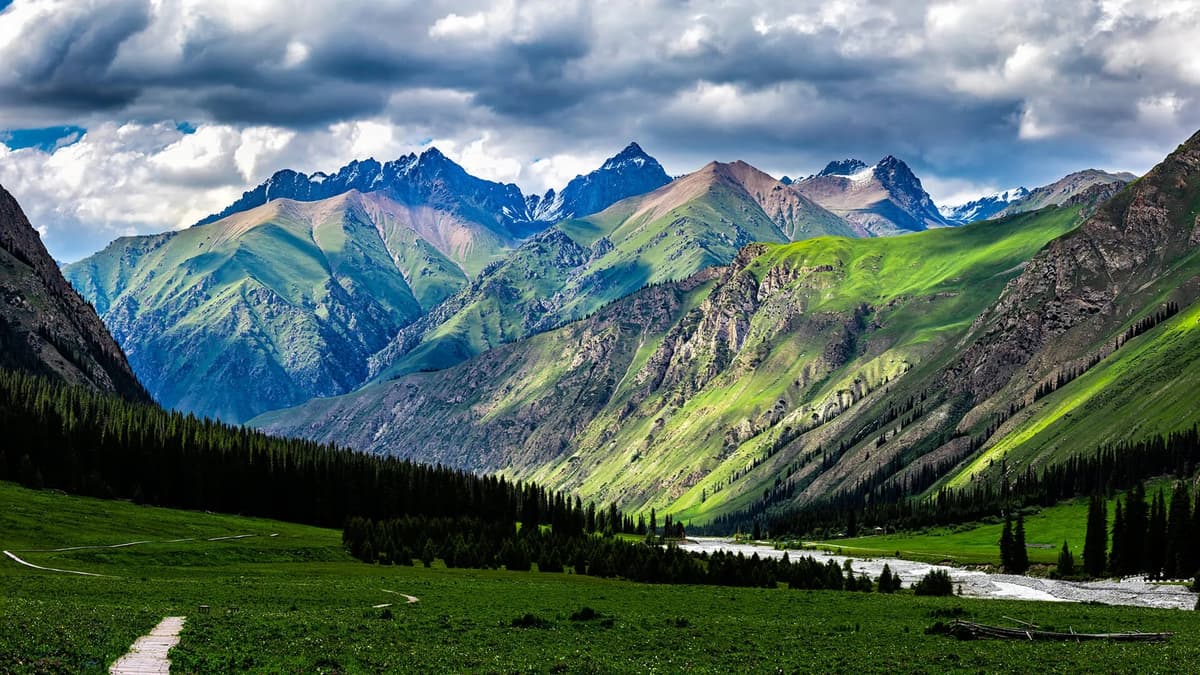
Xinjiang provides extremely varied photography opportunities.
Within one trip, photographers can capture:
· Blue lakes
· Golden forests
· Green grasslands
· Orange deserts
· Snow mountains
Famous Photography Scenes
Northern Xinjiang
· Kanas autumn forests
· Hemu sunrise
· Sayram Lake reflections
· Ili grasslands
Southern Xinjiang
· Karakul Lake and Muztagh Ata
· Kashgar Old City
· Desert highways
· Populus euphratica forests
Photography in Tibet
Best For: Vast Landscapes and Spiritual Atmosphere
Tibet’s photography style is different.
The focus is often:
· Scale
· Simplicity
· Sacred landscapes
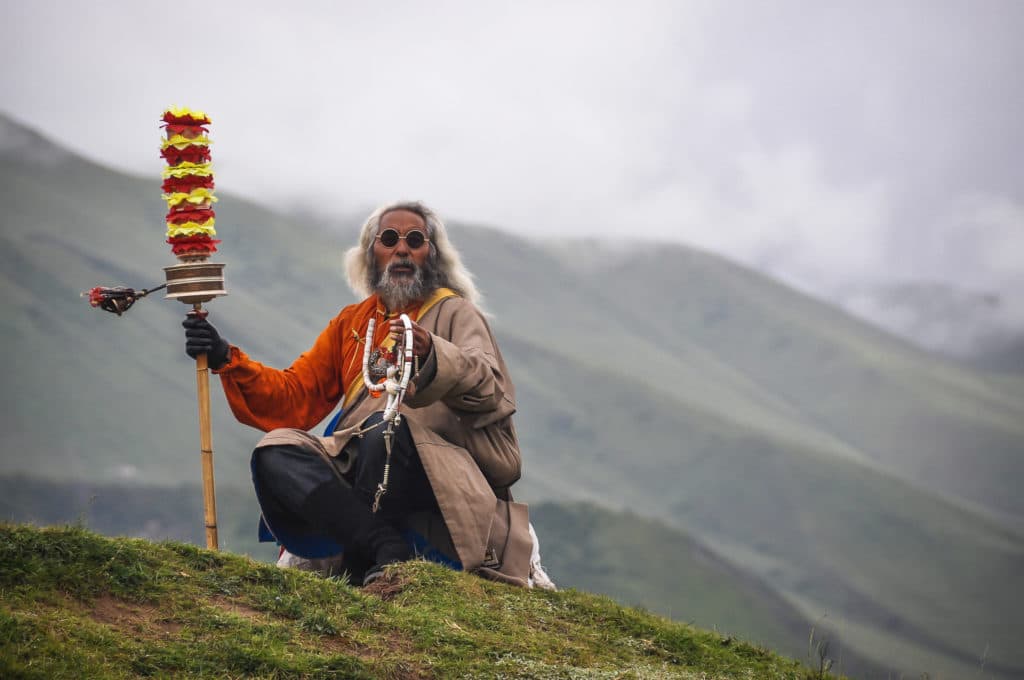
Famous Photography Scenes
Everest Base Camp
The world’s highest mountain creates unforgettable images.
Namtso Lake
The combination of:
· Blue water
· Snow mountains
· Open plateau
is one of Tibet’s classic landscapes.
Tibetan Monasteries
Architecture, monks and religious ceremonies provide unique cultural photography opportunities.
Which Destination Is Better for Photography?
Again, it depends on your interests.
Choose Xinjiang for:
· Variety
· Colors
· Different landscapes in one trip
· Cultural street photography
Choose Tibet for:
· Grand mountain scenery
· Minimalist landscapes
· Spiritual atmosphere
Xinjiang vs Tibet: Travel Difficulty Comparison
Both destinations require more planning than ordinary China trips.
However, the challenges are different.
Traveling in Xinjiang
Main Challenge: Distance
Xinjiang is extremely large.
The biggest difficulty is not altitude but transportation.
Distances between attractions can be very long.
Examples:
Urumqi → Kanas:
Around 700 km
Kashgar → Kuqa:
More than 700 km
Advantages of Xinjiang Travel
Compared with Tibet:
· More lower-altitude destinations
· More flexible routes
· Easier independent travel options
· More variety of accommodation
Most travelers can adapt easily.
Traveling in Tibet
Main Challenge: Altitude
Altitude is the biggest factor when visiting Tibet.
Many attractions are located above:
3,500 meters
Some areas exceed:
5,000 meters
Common Altitude Issues
Travelers may experience:
· Headache
· Shortness of breath
· Fatigue
· Poor sleep
Most visitors adapt after a few days, but proper preparation is important.
Tibet Travel Permits
Another difference is that Tibet travel requires additional preparation.
Foreign travelers generally need:
· Tibet Travel Permit
· Organized tour arrangements
Independent travel is more restricted compared with Xinjiang.
Xinjiang vs Tibet: Which Is Easier for First-Time Visitors?
For many international travelers, Xinjiang can be the easier destination to explore, offering more flexible transportation, greater possibilities for independent travel, less altitude pressure in many areas, and a wider range of travel styles. Tibet generally requires more preparation because of its high altitude, permit requirements, and the need for organized travel arrangements. However, this additional preparation is also part of what makes a journey through Tibet so distinctive and rewarding.
Budget Comparison
Travel costs vary depending on travel style, but there are some general differences.
Xinjiang Travel Budget
Xinjiang can suit different budgets.
Options include:
· Budget guesthouses
· Standard hotels
· Private tours
· Luxury customized trips
The main cost factors are:
· Transportation
· Long-distance driving
· Accommodation in popular areas
Tibet Travel Budget
Tibet trips are often more expensive because of:
· Required guides
· Transportation arrangements
· Limited tourism infrastructure
Popular routes such as:
· Lhasa
· Everest Base Camp
· Western Tibet
usually require private vehicles and professional arrangements.
Best Time to Visit: Xinjiang vs Tibet
Choosing the right season is very important when planning a trip to Xinjiang or Tibet.
Although both destinations are located in western China, their climates are completely different.
Xinjiang has a continental climate with large temperature differences between seasons.
Tibet has a high-altitude plateau climate with strong sunlight, dry air and colder conditions.
The best travel period depends on what kind of scenery and experience you want.
Best Time to Visit Xinjiang
May to October: The Main Travel Season
Generally speaking, the best time to visit Xinjiang is from:
May to October
During this period, most scenic areas are accessible and the weather is comfortable.
However, different months offer completely different experiences.
Spring in Xinjiang (May-June)
Spring is a beautiful but relatively quieter season.
The landscape begins to recover after winter.
Highlights include:
· Green valleys
· Flower fields
· Snow mountains
· Fresh mountain scenery
Best Places in Spring
Southern Xinjiang
Spring is especially suitable for Southern Xinjiang.
Good destinations include:
· Kashgar
· Turpan
· Kuqa
· Taxkorgan
The weather is pleasant before the summer heat arrives.
Ili Valley
The Ili Valley is famous for spring flowers.
Travelers can enjoy:
· Apricot blossom valleys
· Green grasslands
· Mountain scenery
Summer in Xinjiang (July-August)
Summer is the best season for:
· Grasslands
· Lakes
· Mountain areas
Popular destinations:
· Kanas
· Hemu
· Sayram Lake
· Nalati Grassland
Advantages of Summer Travel
· Comfortable temperatures in mountain areas
· Long daylight hours
· Many outdoor activities available
Activities include:
· Hiking
· Horse riding
· Photography
· Scenic driving
Summer Considerations
Some low-altitude areas can become hot.
For example:
· Turpan
· Desert regions
may experience very high temperatures.
Travelers should plan outdoor activities in the morning or evening.
Autumn in Xinjiang (September-October)
Autumn is considered by many travelers as the best season in Xinjiang.
The landscape becomes especially colorful.
Northern Xinjiang Autumn
This is the most famous autumn scenery in Xinjiang.
Highlights:
· Golden forests
· Colorful mountains
· Clear blue skies
The best places include:
· Kanas
· Hemu
· Baihaba
Southern Xinjiang Autumn
Autumn is also excellent for Southern Xinjiang.
Highlights include:
· Populus euphratica forests
· Desert landscapes
· Clear mountain views
Best Time to Visit Tibet
April to October: The Main Travel Season
The best period to visit Tibet is generally:
April to October
During these months:
· Roads are more accessible
· Temperatures are more comfortable
· Mountain views are clearer
Spring in Tibet (April-May)
Spring is a quieter travel season.
Advantages:
· Fewer tourists
· Clear skies
· Lower travel costs
It is suitable for:
· Lhasa sightseeing
· Monastery visits
· Cultural exploration
Summer in Tibet (June-August)
Summer is Tibet’s peak travel season.
Despite being summer, many parts of Tibet remain cool because of the altitude.
Advantages
· Warmer temperatures
· Open roads
· Good conditions for outdoor travel
Popular routes:
· Lhasa
· Namtso Lake
· Everest Base Camp
· Shigatse
Summer Considerations
Summer is also the rainy season.
Some remote mountain roads may be affected by weather.
However, Tibet’s famous attractions are still accessible.
Autumn in Tibet (September-October)
Autumn is often considered the best season for Tibet.
Advantages:
· Clear skies
· Excellent visibility
· Less rain
· Beautiful mountain views
It is especially suitable for:
· Everest Base Camp
· Photography
· Mountain scenery
Winter in Xinjiang vs Tibet
Winter creates completely different experiences.
Winter Xinjiang
Northern Xinjiang becomes a snow-covered world.
Highlights:
· Snow villages
· Frozen lakes
· Winter photography
Hemu in winter is especially famous among photographers.
However:
· Temperatures are very low
· Some roads may be difficult
· Travel requires winter preparation
Winter Tibet
Winter Tibet offers:
· Fewer tourists
· Clear skies
· A peaceful atmosphere
Many travelers enjoy visiting:
· Lhasa monasteries
· Tibetan cultural sites
However:
· Some remote areas become difficult to access
· Nights are extremely cold
Recommended Xinjiang Itineraries
The best Xinjiang route depends on your interests.
Recommended Tour Itinerary
12 Days North Xinjiang and Duku Highway
13 Days South Xinjiang Adventure Tour
16 Days Grand Xinjiang Group Tour: Kashgar, Kanas, Naraty
Route 1: Classic Northern Xinjiang Nature Tour
8-10 Days
Best for:
· First-time visitors
· Nature lovers
· Photographers
Typical itinerary:
Urumqi→Kanas→Hemu→Burqin→Karamay / Urho→Sayram Lake→Yining→Urumqi
Highlights
· Kanas Lake
· Hemu Village
· Ghost City
· Sayram Lake
· Ili Grasslands
This route represents the most beautiful natural scenery of Northern Xinjiang.
Route 2: Southern Xinjiang Silk Road & Culture Tour
8-10 Days
Best for:
· History lovers
· Cultural travelers
Typical itinerary:
Kashgar→Taxkorgan→Aksu→Kuqa→Korla
Highlights
· Kashgar Old City
· Karakoram Highway
· Karakul Lake
· Ancient Buddhist sites
· Desert landscapes
Route 3: Xinjiang Deep Exploration Route
12-15 Days
For travelers who want to experience both sides of Xinjiang.
Possible route:
Urumqi→Northern Xinjiang→Turpan→Southern Xinjiang→Kashgar→Taxkorgan
This route allows travelers to experience:
· Lakes
· Forests
· Grasslands
· Deserts
· Silk Road culture
Recommended Tibet Itineraries
Recommended Tour Itinerary
8 Days Tibet Group Tour from Lhasa to Everest Base Camp
10 Days Tibet Tour to Lhasa, Everest Base Camp and Namtso Lake
17 days Sichuan - Yunnan - Tibet Adventure Tour
Route 1: Classic Tibet Cultural Tour
7-8 Days
Best for first-time visitors.
Typical itinerary:
Lhasa→Yamdrok Lake→Gyantse→Shigatse→Lhasa
Highlights
· Potala Palace
· Jokhang Temple
· Tibetan monasteries
· Sacred lakes
This route focuses on Tibetan culture and history.
Route 2: Everest Base Camp Adventure
8-10 Days
Best for:
· Mountain lovers
· Adventure travelers
Typical itinerary:
Lhasa→Gyantse→Shigatse→Everest Base Camp→Return to Lhasa
Highlights
· Himalayan scenery
· Everest views
· Tibetan plateau landscapes
Route 3: Western Tibet Exploration
12-15 Days
For experienced travelers.
Highlights:
· Mount Kailash
· Lake Manasarovar
· Remote plateau landscapes
This is one of the most unique journeys in Tibet.
Which Destination Is Better for Different Travelers?
There is no single answer to whether Xinjiang or Tibet is better.
The ideal choice depends on your travel personality.
For Nature Lovers
Recommendation: Xinjiang
Why?
Because Xinjiang offers more landscape variety.
In one trip, you can experience:
· Forests
· Lakes
· Grasslands
· Deserts
· Snow mountains
Tibet has more dramatic high-altitude landscapes, but Xinjiang offers greater diversity.
For Culture Lovers
Recommendation: Depends on Your Interest
Choose Xinjiang for:
· Silk Road history
· Markets
· Ethnic diversity
· Ancient cities
Choose Tibet for:
· Buddhism
· Monasteries
· Spiritual traditions
For First-Time Visitors to Western China
Recommendation: Xinjiang
Reasons:
· Easier altitude adaptation
· More flexible travel options
· More varied scenery
Xinjiang is often a smoother introduction to western China.
For Spiritual Travelers
Recommendation: Tibet
Many visitors describe Tibet as a place that changes the way they see the world.
The combination of:
· Sacred mountains
· Monasteries
· Religious traditions
creates a unique atmosphere.
For Photographers
The choice depends on photography style.
Choose Xinjiang For:
· Colorful landscapes
· Diverse scenery
· Street photography
· Seasonal changes
Choose Tibet For:
· Grand mountains
· Minimalist landscapes
· Religious culture
· Dramatic scale
For Families and Older Travelers
Recommendation: Xinjiang
Generally, Xinjiang offers:
· More comfortable routes
· Lower altitude options
· More flexible schedules
However, some Xinjiang journeys involve long driving distances.
For Adventure Travelers
Recommendation: Both
Xinjiang offers:
· Desert exploration
· Mountain roads
· Remote villages
Tibet offers:
· High-altitude adventures
· Everest Base Camp
· Western Tibet expeditions
Can You Combine Xinjiang and Tibet in One Trip?
For travelers who have enough time, combining Xinjiang and Tibet in one journey can create one of the most complete western China travel experiences.
These two regions complement each other perfectly.
Xinjiang represents:
· Ancient Silk Road civilizations
· Diverse landscapes
· Desert and oasis cultures
· Central Asian influences
Tibet represents:
· Himalayan landscapes
· Buddhist traditions
· Sacred mountains and lakes
· Highland civilization
Together, they reveal two completely different faces of China’s western frontier.
However, because both regions are enormous and transportation is relatively complex, combining them requires careful planning.
How Long Do You Need for a Xinjiang + Tibet Trip?
Less Than 10 Days
A combined Xinjiang and Tibet trip is not recommended.
Both regions deserve enough time to explore.
Trying to visit both in a short period usually means:
· Too much time spent in transportation
· Too many attractions skipped
· A rushed travel experience
It is better to choose one destination.
12-15 Days
A short combination is possible, but you need to focus on highlights.
Recommended:
Option 1:
Xinjiang:
· Kashgar
· Taxkorgan
· Pamir Plateau
Tibet:
· Lhasa
· Yamdrok Lake
· Shigatse
18-25 Days
This is the ideal duration for combining both regions.
Travelers can experience:
Xinjiang:
· Kashgar
· Taxkorgan
· Southern Silk Road cities
Tibet:
· Lhasa
· Everest Base Camp
· Himalayan landscapes
Recommended Xinjiang + Tibet Routes
Recommended Tour Itinerary
15 Days Silk Road and Tibet Adventure
23 Days China Tour to Xinjiang, Silk Road and Tibet
Route 1: Kashgar – Tibet Overland Adventure
Around 12-15 Days
This is one of the most spectacular western China journeys.
The route connects:
· Silk Road culture
· Pamir Mountains
· Tibetan Plateau
Suggested Route
Kashgar→Taxkorgan→Karakoram Highway→Western Tibet→Mount Kailash→Lake Manasarovar→Shigatse→Lhasa
Highlights
Kashgar
Experience:
· Ancient Silk Road city
· Uyghur culture
· Traditional markets
Taxkorgan
Explore:
· Pamir Plateau
· Karakul Lake
· Muztagh Ata
Mount Kailash
One of the most sacred mountains in Asia.
It is important to:
· Tibetan Buddhists
· Hindus
· Jains
Lhasa
Finish the journey with:
· Potala Palace
· Jokhang Temple
· Tibetan monasteries
Best For:
· Experienced travelers
· Adventure lovers
· Travelers interested in culture and mountains
Route 2: Xinjiang + Tibet Highlights Tour
Around 20 Days
This is a more comfortable and comprehensive route.
Suggested Route
Day 1-8:
Northern Xinjiang
Kanas
Hemu
Sayram Lake
Ili Valley
↓
Day 9-12:
Southern Xinjiang
Kashgar
Taxkorgan
↓
Day 13-20:
Tibet
Lhasa
Shigatse
Everest Base Camp
Why Choose This Route?
It combines almost every major landscape in western China:
· Forests
· Lakes
· Grasslands
· Deserts
· Ancient cities
· High plateaus
· Himalayan mountains
This is one of the most complete China travel experiences.
Xinjiang vs Tibet: Final Decision Guide
After comparing landscapes, culture, difficulty and travel styles, the choice becomes clearer.
Choose Xinjiang If You Want:
1. More Diverse Landscapes
Xinjiang offers incredible variety.
Within one journey, you may see:
Morning:
· Alpine lake
Afternoon:
· Desert highway
Evening:
· Ancient city streets
Few destinations in the world offer such geographical diversity.
2. Easier Travel Experience
Xinjiang is generally more accessible.
Advantages:
· More flexible routes
· More transportation choices
· Lower altitude pressure
It is suitable for a wider range of travelers.
3. Silk Road Culture
If you are interested in history, Xinjiang offers:
· Ancient trading routes
· Buddhist ruins
· Oasis civilizations
· Multicultural communities
Choose Tibet If You Want:
1. The Himalayas and High Plateaus
Tibet offers some of the world’s most dramatic mountain landscapes.
Highlights:
· Everest
· Sacred mountains
· High-altitude lakes
2. Spiritual and Religious Experiences
Tibet provides a cultural atmosphere unlike anywhere else.
Visitors can experience:
· Monasteries
· Pilgrimages
· Buddhist traditions
3. A Once-in-a-Lifetime Journey
Many travelers describe Tibet as more than a destination.
It is an experience shaped by:
· Landscape
· Culture
· Spirituality
Xinjiang or Tibet: Which One Is More Beautiful?
This is perhaps the most common question.
The answer depends on your definition of beauty.
Xinjiang’s Beauty
Xinjiang’s beauty is:
· Colorful
· Diverse
· Changing
It is the beauty of:
· Different landscapes
· Different cultures
· Different seasons
Tibet’s Beauty
Tibet’s beauty is:
· Vast
· Powerful
· Minimalist
It is the beauty of:
· Endless horizons
· Giant mountains
· Sacred landscapes
A Simple Way to Decide
Ask yourself:
Do you want to see...
Blue lakes, forests and grasslands?
Choose:
Xinjiang
Ancient cities and Silk Road history?
Choose:
Xinjiang
Snow mountains and glaciers?
Choose:
Both
Buddhist monasteries and spiritual culture?
Choose:
Tibet
Everest and Himalayan landscapes?
Choose:
Tibet
A more relaxed first western China trip?
Choose:
Xinjiang
A once-in-a-lifetime adventure?
Choose:
Tibet
Final Recommendation: Xinjiang vs Tibet
Xinjiang and Tibet are not competitors.
They are two different journeys.
Xinjiang shows travelers the diversity of western China:
· From forests to deserts
· From Silk Road cities to mountain frontiers
· From ethnic villages to ancient civilizations
Tibet shows travelers the grandeur of the Tibetan Plateau:
· From sacred lakes to Himalayan peaks
· From monasteries to spiritual traditions
If you are visiting western China for the first time and want a destination with easier travel conditions and more varied scenery, Xinjiang is an excellent choice.
If you are searching for dramatic landscapes, deep cultural traditions and a more spiritual journey, Tibet may be the destination you are looking for.
For travelers with enough time, the best answer is simple:
Visit both.
Together, Xinjiang and Tibet create one of the most extraordinary travel experiences in Asia.
Plan Your Xinjiang & Tibet Journey with Silk Road Travel
Traveling through Xinjiang and Tibet requires careful route planning due to the region’s vast distances, high-altitude environments, regional travel regulations, and limited transportation options in remote areas. Silk Road Travel specializes in customized western China journeys and can arrange Xinjiang private tours, Tibet cultural tours, Xinjiang and Tibet combination journeys, English-speaking guides, private vehicles, hotel arrangements, and customized itineraries. Whether you want to explore the ancient Silk Road cities of Xinjiang, travel across the Pamir Plateau, discover the Tibetan monasteries of Lhasa, or experience the dramatic landscapes of the Himalayas, Silk Road Travel can create a personalized journey tailored to your interests and travel style.
Silk Road Travel
Email: info@silkroadtravel.com
Phone / WhatsApp: +86 15909912575
Discover the different faces of western China and begin your journey through Xinjiang and Tibet.