


Tibet Travel Agencies: Group Tours vs. Independent Travel & Selection Guide
First-time visitors to Tibet usually have three questions in mind: Can I travel independently, or do I need a group tour? How do I choose a reliable Tibet travel agency? And what does a Tibet trip actually cost? Because of the region’s unique permit system, high altitude, and vast distances, planning a Tibet itinerary is very different from planning a trip to Beijing or Shanghai. Independent travel is not permitted for foreign passport holders in the Tibet Autonomous Region (TAR), which means your choice of a licensed Tibet travel agency is the single most important decision you’ll make. This guide walks you through the travel permit application, the difference between group tours and private tours, a practical agency selection checklist, a cost breakdown, seasonal tips, and answers to the questions foreign travelers ask most often.
Recommended Tour Itinerary
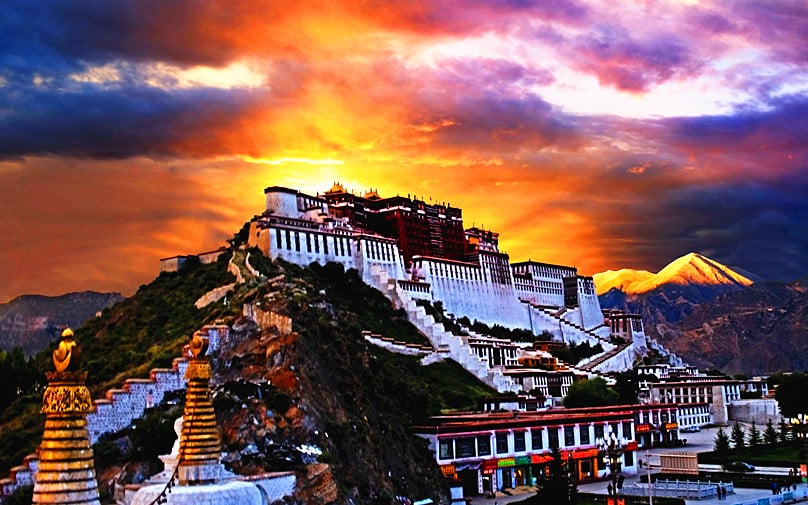
6 Days Tibet Adventure from Lhasa to ShigatseLhasa - Gyantse - Shigatse From US$ 1313 |
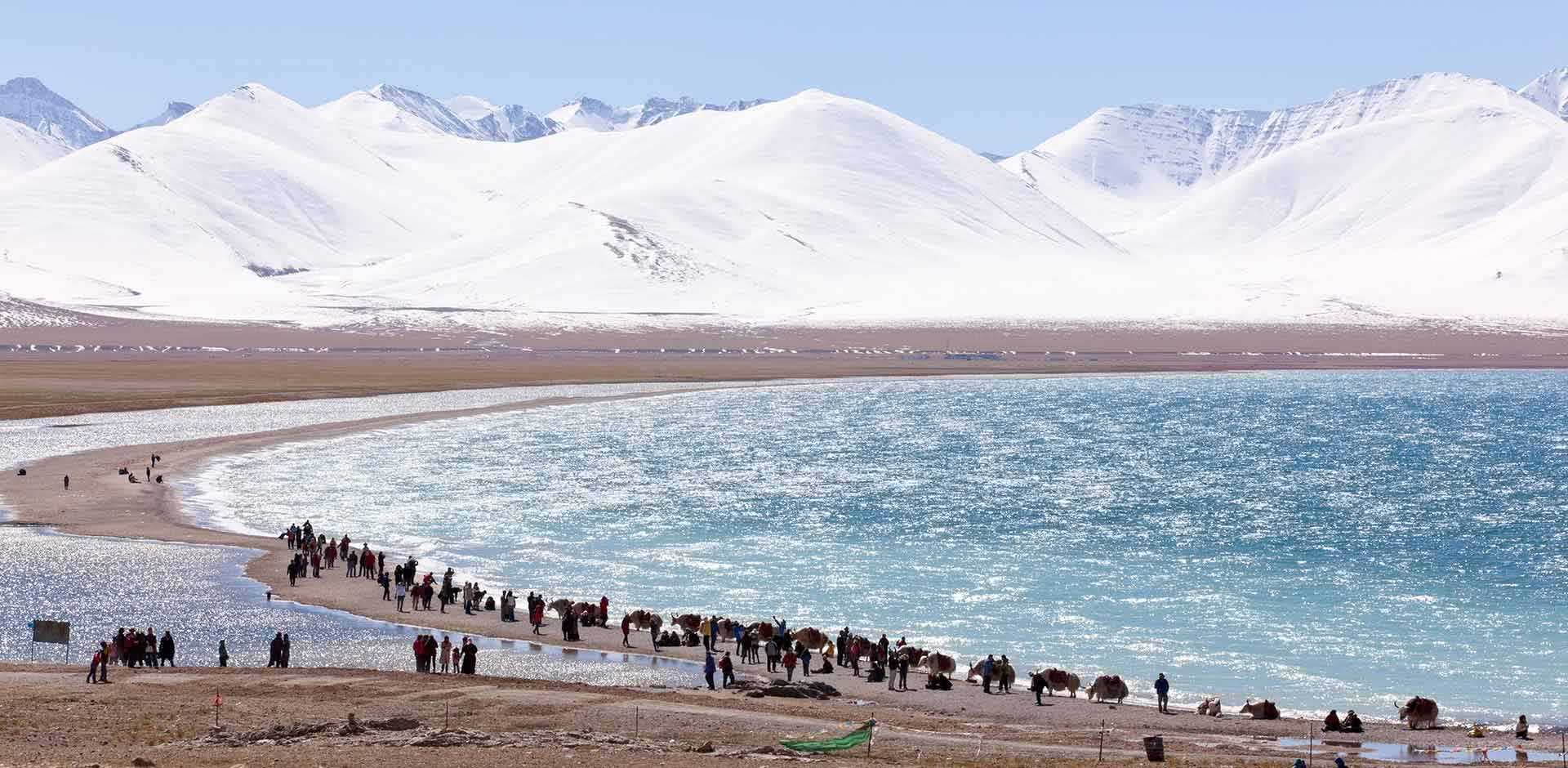
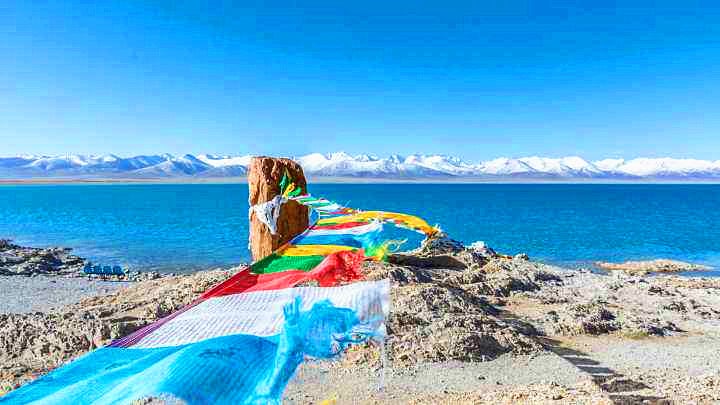
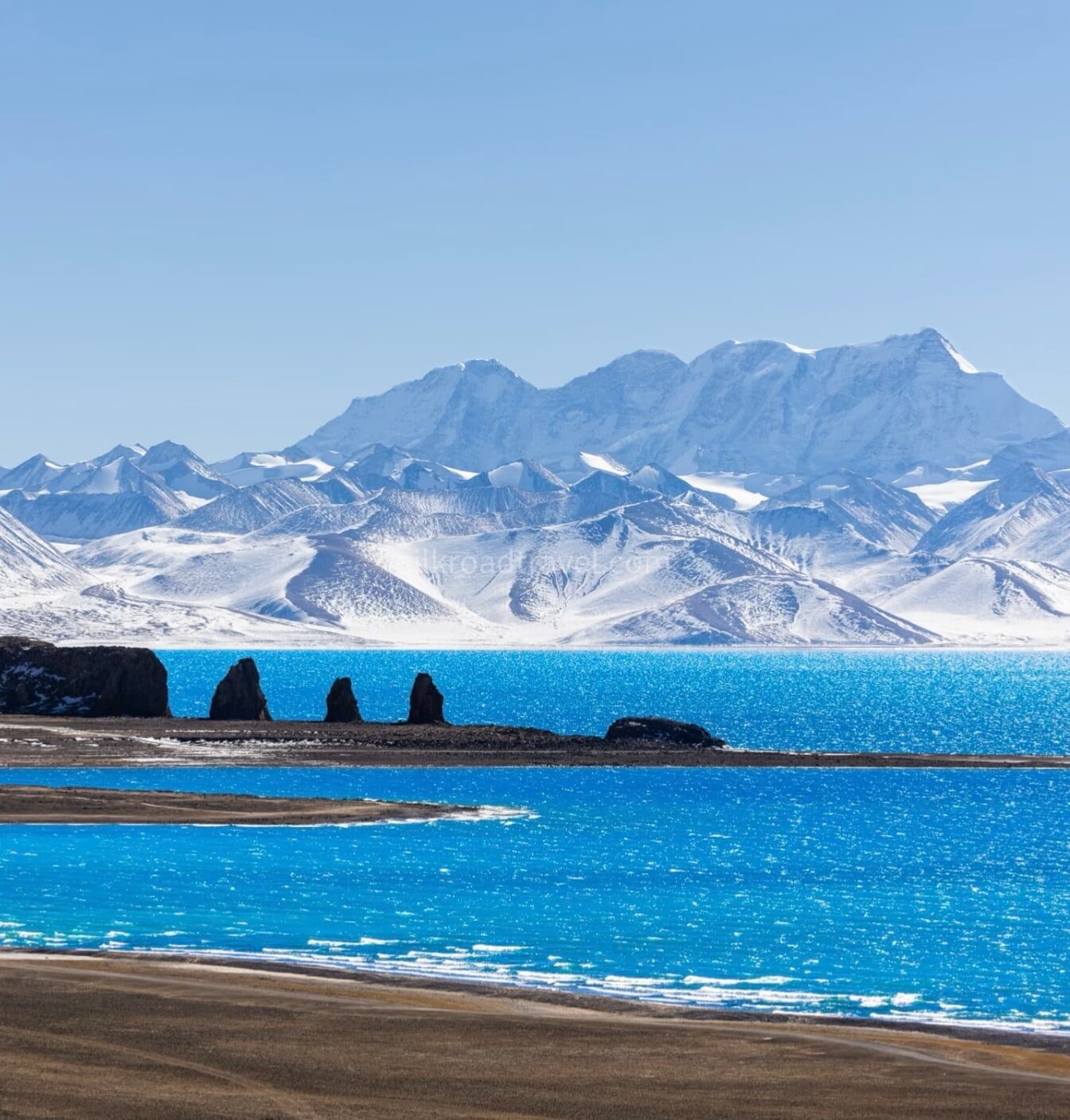
10 Days Tibet Tour to Lhasa, Everest Base Camp and Namtso LakeLhasa - Gyantse - Shigatse - Everest Base Camp - Rongbuk - Damxung From US$ 1408 |
15-Day In-Depth Mount Kailash Pilgrimage Tour in Ngari, TibetLhasa - Shigatse - Basong Village - Saga - Darchen - Drira Phuk Monastery - Tsochu Monastery - Zanda From US$ 2190 |
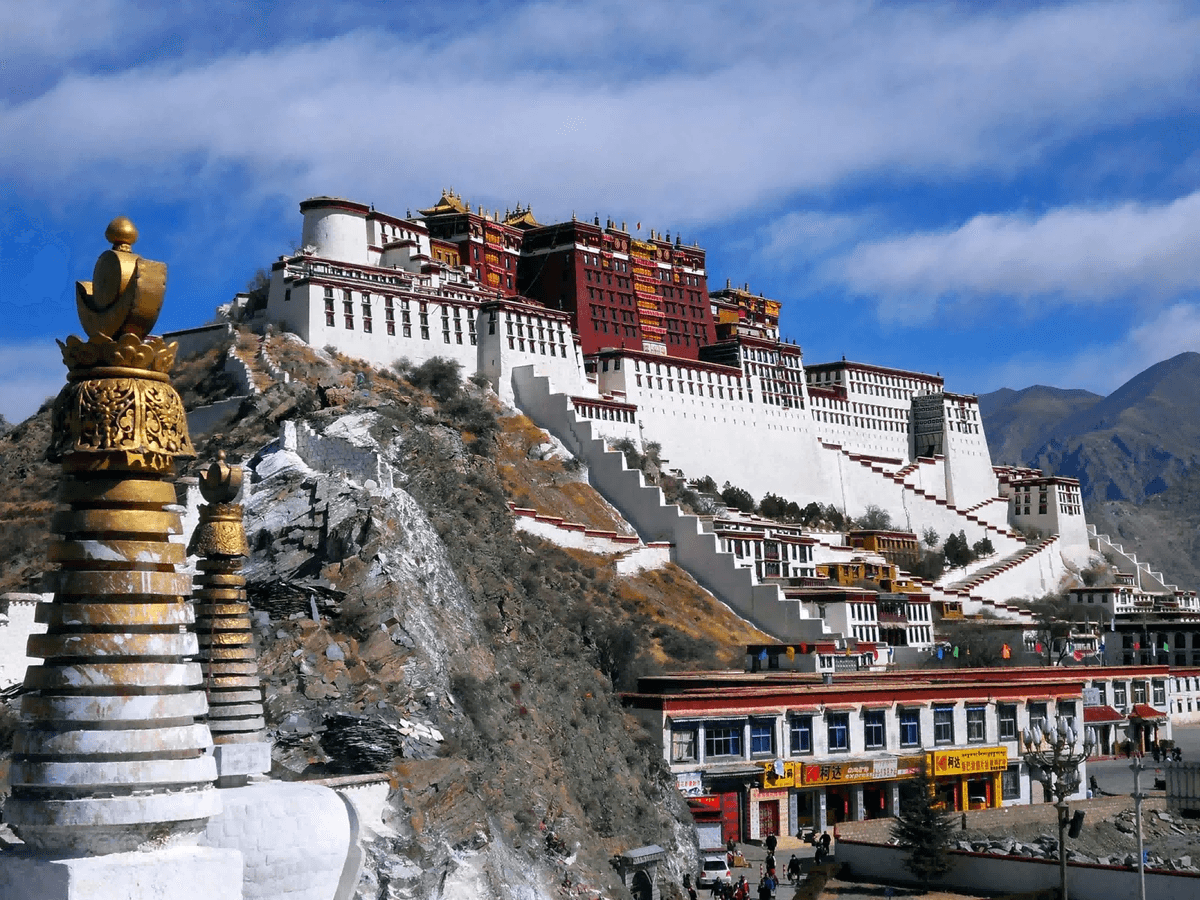
How to Choose Between Group Tours and Private Tours in Tibet
Foreign travelers cannot explore Tibet entirely on their own — every itinerary must be arranged through a licensed Tibet travel agency that also handles your Tibet Travel Permit. Within that framework, you still have two very different ways to travel, and choosing the right one depends on your budget, schedule, and travel style.
Choose a Small Group Tour
Group tours are the most cost-effective option for solo travelers, couples, and small parties of 2–3 people. You join other international travelers on a fixed itinerary with guaranteed departures during the main season (April to October), covering classic highlights such as Lhasa, Yamdrok Lake, Gyantse, Shigatse, and Everest Base Camp. Because vehicle, guide, and permit costs are shared, group tours typically run 20–50% cheaper per person than an equivalent private tour. For anyone visiting Tibet for the first time and unsure where to begin, a group tour removes all the guesswork — the route, the pace, and the logistics are already designed for you.
Choose a Private Customized Tour
A private tour is ideal for families, groups of 4 or more travelers, photographers, trekkers, and anyone who values flexibility. You get a dedicated guide, driver, and vehicle, plus the freedom to customize your route, pace, and departure date. With 5 or more travelers, a private tour often becomes cheaper per person than a group tour, which makes it a surprisingly good value for larger parties. Private tours are also the only realistic option if you want special-interest itineraries such as the Mount Kailash kora or multi-day treks that don’t fit a fixed departure calendar.
A Simple Rule of Thumb
If you are traveling alone or as a couple with limited time, a small group tour gives you the best balance of cost, convenience, and social experience. If you are four or more people, want a specific date, or have a particular interest such as photography or trekking, a private customized tour will feel more rewarding — and may even cost less per person than joining a group.
Feature | Small Group Tour | Private Customized Tour |
Best for | Solo travelers, couples, 1–3 people | Families, friends, 4+ travelers, special interests |
Cost (8-day Lhasa–Everest) | From ~US$915–1,133 per person | From ~US$1,063 per person (2 pax), cheaper at 5+ pax |
Departure dates | Fixed, guaranteed in season | Any date you choose |
Itinerary | Pre-designed highlights | Fully customizable |
Guide & vehicle | Shared | Dedicated |
Privacy | Low | High |
Shopping stops | No forced shopping | No forced shopping |
Core Advantages of a Reliable Tibet Travel Agency
Because a Tibet trip involves special permits, high altitude, and remote logistics, the quality of your travel agency directly affects your safety and overall experience. Here is what separates a professional operator from an average one, using Silk Road Travel as a practical reference point.
Licensed Operation and Permit-Handling Expertise
Every foreign traveler needs a Tibet Travel Permit (TTP) issued by the Tibet Tourism Bureau, and only a Tibet-registered travel agency can submit the application on your behalf. A trustworthy agency will clearly explain what documents are needed — a passport valid for at least six months and a Chinese visa — and will confirm the itinerary, entry city, and travel dates before submitting. Because permits usually take around 15–20 workdays to process, a well-organized agency will ask you to send scanned passport and visa copies as soon as you book, so your paperwork moves smoothly.
Transparent Pricing with No Hidden Costs
Legitimate Tibet operators state clearly what is included: accommodation, transportation, English-speaking guide, entrance tickets, and all required permits. Be cautious of offers that look dramatically cheaper than the market average — very low prices often mean hidden shopping stops, basic oxygen support, or second-tier vehicles. A professional agency lists everything in the contract and does not surprise you with extra charges on the road.
High-Altitude Safety Support
Tibet’s average altitude is around 4,000 meters (13,123 ft), and most itineraries travel between 3,500 and 5,000 meters. A serious travel agency builds gradual acclimatization into the itinerary, equips vehicles with oxygen supplies, and monitors travelers throughout the journey — not just in emergencies. When comparing agencies, ask specifically about oxygen support, emergency protocols, and how the itinerary handles altitude gain.
Experienced Local Guides and Drivers
Knowledgeable Tibetan guides bring culture, religion, and daily life to life in a way that no guidebook can. Drivers who know the mountain roads between Lhasa, Shigatse, Gyantse, and Everest Base Camp are equally important — road conditions, weather changes, and checkpoint procedures all require local experience. A reliable agency works with full-time, trained guides and well-maintained vehicles rather than outsourced seasonal staff.
Full-Service Support from Inquiry to Departure
A professional agency handles the entire chain: pre-trip consultation, permit application, contract signing, itinerary execution, and after-sales feedback. Silk Road Travel, for example, supports travelers through info@silkroadtravel.com and WhatsApp +86 159 0991 2575 — from the first email to the moment you fly or take the train out of Lhasa, so you always have someone to contact if plans change or questions come up.
Flexible Product Range for Different Budgets and Styles
A good operator offers both budget-friendly small group tours and high-end private tours, covering Lhasa city tours, Everest Base Camp, Namtso Lake, Nyingchi, and Mount Kailash. This allows you to match the product to your budget without compromising on permits or safety — the two non-negotiables of any Tibet trip.
How to Choose a Tibet Travel Agency in Different Seasons
Tibet’s travel season strongly affects both price and availability, and a well-organized agency will have different products and strategies for each period.
Peak Season (May to October)
This is the best time to visit Tibet for weather and road conditions, with July and August being the busiest months. Flights, trains, and hotels fill up quickly, and the most popular routes — especially Lhasa to Everest Base Camp — can sell out weeks in advance. Booking 2–3 months ahead through an agency with stable local resources is the easiest way to secure accommodation and permits without stress.
Shoulder Season (April, and late September to October)
Shoulder months offer excellent weather, fewer crowds, and noticeably lower prices than peak season. If your dates are flexible, May, June, or early October often delivers nearly the same experience at a better rate, and group tour departures are still frequent enough to plan around.
Off Season (November to March)
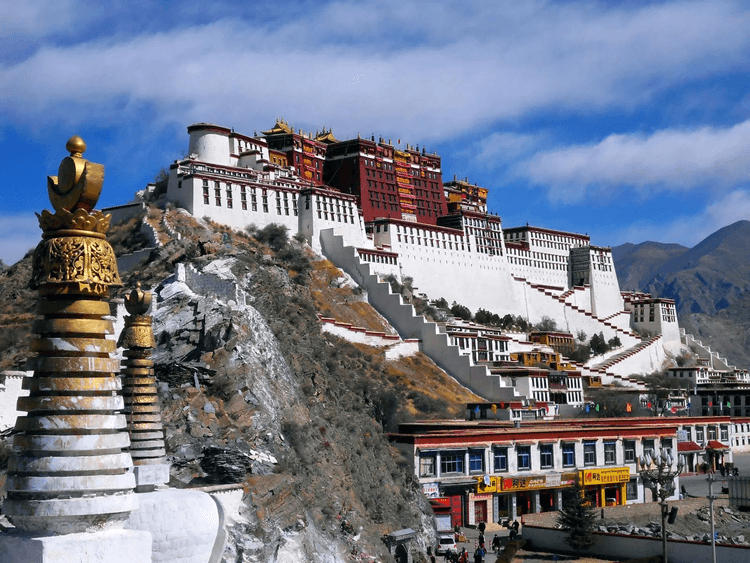
Winter Tibet is quiet, photogenic, and the most affordable time to travel, with clear skies and dramatically fewer tourists at major sites such as the Potala Palace and Jokhang Temple. Group departures thin out considerably in these months, so if you plan to travel between November and March, a private tour is usually the more reliable option — the agency can build an itinerary around your specific dates without depending on group minimums.
Screening Criteria for Choosing a Tibet Travel Agency
With dozens of agencies advertising Tibet tours online, a simple checklist helps you separate serious operators from the rest. Compare every candidate against the following points — Silk Road Travel performs well on all of them.
Check licensing and permit-handling ability. Confirm the agency is a registered travel agency authorized to apply for the Tibet Travel Permit, and ask directly how long the application takes and what documents you need to send.
1. Review what the price actually includes. Make sure the quote covers permits, accommodation, guide, vehicle, driver, and entrance tickets. Anything missing from the list is a red flag for hidden costs later.
2. Look for high-altitude safety measures. Ask about oxygen supplies, acclimatization design, and emergency protocols — especially if your route includes Everest Base Camp, Namtso, or Mount Kailash.
3. Small group sizes. Agencies that cap groups at around 12 travelers give you more flexibility, more guide attention, and a safer experience at altitude than large coach tours.
4. Real reviews and clear communication. Look for verified reviews on independent platforms, and test how quickly and clearly the agency responds before you pay. Slow or vague pre-sale communication rarely improves after booking.
FAQ
Q1: Can I travel independently in Tibet as a foreigner?
No. Independent travel is not permitted for foreign passport holders in the Tibet Autonomous Region. All foreign travelers must join an organized tour arranged by a licensed Tibet travel agency, which also handles your Tibet Travel Permit. You do, however, choose between a group tour and a private customized tour, which gives you real flexibility over itinerary, pace, and comfort.
Q2: What documents do I need to enter Tibet?
Foreign travelers need two things: a valid Chinese visa (L visa) in a passport that is valid for at least six months, and a Tibet Travel Permit arranged by your Tibet travel agency. You send scanned copies of your passport and Chinese visa to the agency, which submits the permit application to the Tibet Tourism Bureau. For sensitive areas such as Everest Base Camp, Mount Kailash, or the Nepal border, additional permits may be required, and your agency will arrange these as part of the tour.
Q3: How far in advance should I book my Tibet tour?
For travel during the peak season (May to October), book at least 2–3 months in advance, and send your passport and visa copies 15–20 days before departure so the permit has time to process. In the shoulder season, 4–6 weeks is usually enough, and in winter you can often book with shorter notice — although a private tour is still the safest choice in the low season when group departures are limited.
Q4: Is Tibet safe for foreign travelers? What about altitude sickness?
Tibet is generally safe and well-managed for international visitors, with checkpoints and permit inspections along major routes. Altitude sickness is the more common concern — the plateau averages around 4,000 meters, and most travelers feel some mild symptoms in the first 1–3 days. A responsible agency designs itineraries with gradual acclimatization, provides oxygen support in vehicles, and monitors travelers throughout the trip. Most symptoms ease as your body adjusts.
Q5: How much does a Tibet tour cost for foreign travelers?
For an 8-day Lhasa–Shigatse–Everest Base Camp small group tour, expect roughly US$900–1,200 per person, including permits, a 3-star hotel standard, English-speaking guide, vehicle, and entrance tickets. A 4-day Lhasa city tour starts from around US$500–800 per person, while longer itineraries such as the 15-day Mount Kailash tour run around US$2,200–2,500 per person. Private tours for 2–3 people cost roughly 20–50% more per person than a group tour, but become cheaper than group pricing once you have 5 or more travelers. International flights or trains to and from Tibet are usually not included.
Plan Your Tibet Trip with Silk Road Travel
Organizing a Tibet trip doesn’t have to be complicated. Choosing a licensed Tibet travel agency, picking the right season, and arranging your Tibet Travel Permit early will make the whole journey smooth and memorable. Silk Road Travel offers both small group tours and private customized itineraries across Tibet, including Lhasa, Yamdrok Lake, Everest Base Camp, Namtso Lake, Nyingchi, and Mount Kailash, with experienced local guides, well-maintained vehicles, and full support with permits and altitude safety.
Whether you are looking for an affordable small group departure or a tailor-made private journey, you can reach the Silk Road Travel team at info@silkroadtravel.com or via Phone / WhatsApp: +86 159 0991 2575 to discuss dates, route options, and permit requirements. From your first inquiry to the moment you leave Tibet, having a reliable local partner on the ground turns a complicated high-altitude trip into one of the most rewarding journeys you can take in Asia.