

Silk Road History
Silk Road Brief Introduction: A Business Road from China to Europe Opened in the Tang Dynasty
The Silk Road was started with the opening of the Western Regions by Zhang Qian in the Han Dynasty, passing through Gansu and Xinjiang to Central Asia and Western Asia, and connecting with the land routes leading to the Mediterranean countries. Silk products were among the most important goods transported along this route, so it was called the Silk Road (and many silk products were shipped from China). The primary routes established in the Han Dynasty included the three routes of the South Road, Middle Road, and North Road.
Recommended Silk Road Tours:
10 Days Silk Road Tour: Xi'an to Urumqi
8 Days Adventure Tour to Qinghai&Gansu
14 Days Fascinating Maritime Silk Road to Xi'an Dunhuang and Xinjiang
Silk Road History: Uncovering the Unknown Ancient Eurasian Business Road
The Silk Road, first opened by Zhang Qian in the Western Han Dynasty, was called the "Jigging Through the Sky." After the Romans conquered the Seleucid Empire in Syria and the Ptolemy Dynasty in Egypt, Chinese silk was obtained by the Romans through the Parthian Empire, the Guishuang Empire, and the Aksum Empire. However, the Silk Road was interrupted by the Huns (Xiongnu), an ethnic nomadic people, in the late Western Han Dynasty.
Ban Chao in the Eastern Han Dynasty reopened the Western Region after 58 years of isolation in 73 AD and extended this route to Europe for the first time. So the Roman Empire also followed the Silk Road to Luoyang in the Eastern Han Dynasty. This trade route was the first exchange between Europe and China and formed a complete Silk Road route in the early 21st century.
Business relations between China and Central Asia increased rapidly after Zhang Qian's mission to the Western Regions. Chinese silk, satin, and other silk products were continuously shipped to Central Asia and Europe through the road that runs through Asia and Europe. Therefore, the Greeks and Romans referred to China as Cyrus and the Chinese as Cyris. The so-called "Cyris" means "Silk."
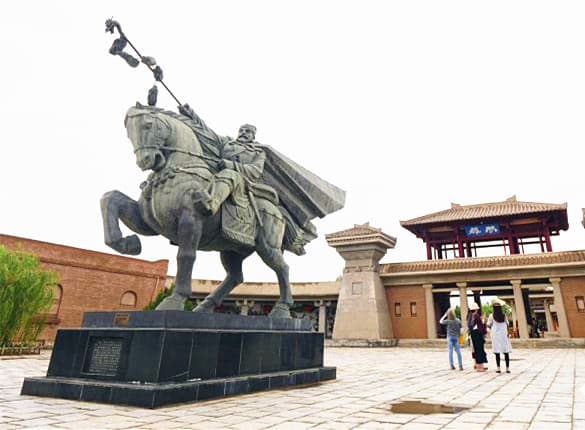
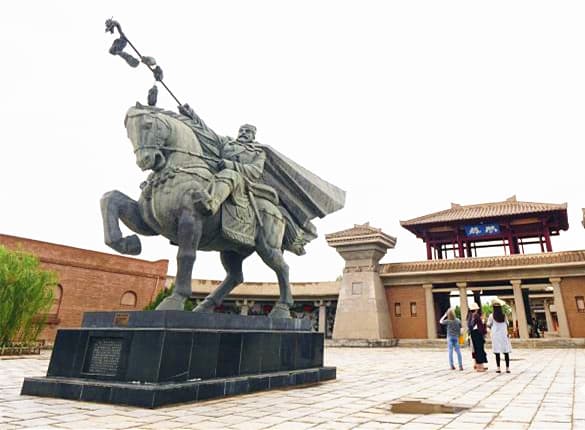
Zhang Qian Statue
Silk Road in Different Dynasties
Zhang Qian opened up the Silk Road in the Western Han Dynasty, and the routes were gradually formed throughout the Han Dynasty. This famous trade route reached its most prosperous stage with the establishment of the Tang Dynasty, which saw the rapid development of the economy and society. It also experienced another period of flourishing during the Yuan Dynasty.
Silk Road in the Western Han Dynasty:
The Western Region refers to the area west of Yangguan and Yumen Pass, plus Xinjiang. During the reign of Emperor Wu of the Han Dynasty, the Central Plains began to strengthen its policies toward the Western Regions. Zhang Qian set out on his journey to the Western Regions twice, pioneering the world-famous route.
Silk Road in the Eastern Han Dynasty:
Ban Chao attacked the northern Huns (Xiongnu), an ethnic nomadic people, and sent an envoy to the Western Regions, where he operated for 30 years and strengthened the connection between the Western Regions.
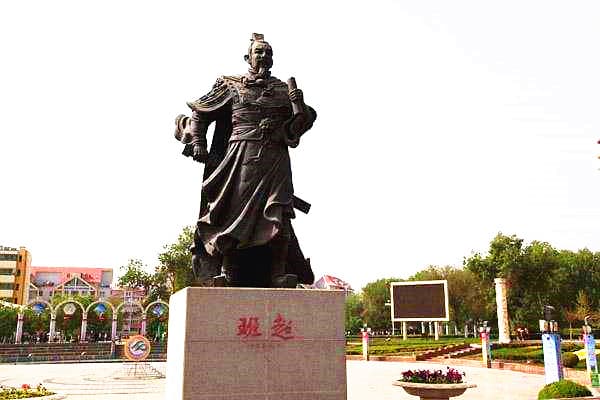
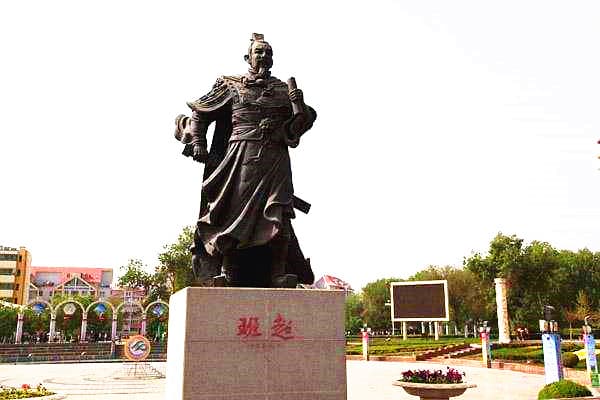
Banchao Statue
Silk Road in the Tang Dynasty:
The East and the West conducted comprehensive and friendly governmental and people-to-people exchanges through the Silk Road. This world-famous Silk Road experienced its "Golden Age" of development.
Silk Road in the Song Dynasty:
It was difficult for the Song Dynasty to maintain its involvement in the northwest region, so the Silk Road's decline became increasingly evident. In contrast, the rise of the Maritime Silk Road gradually showed signs of replacing the land Silk Road.
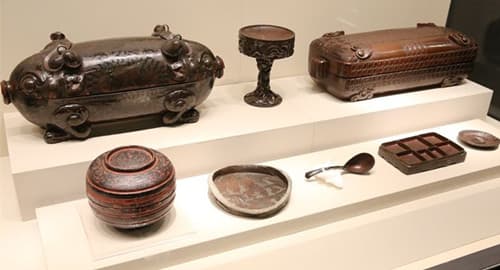
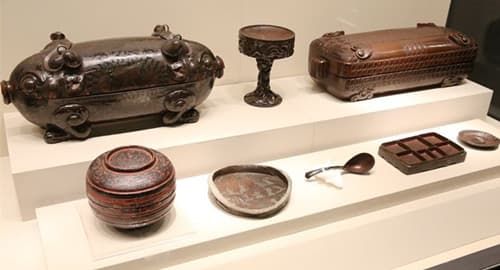
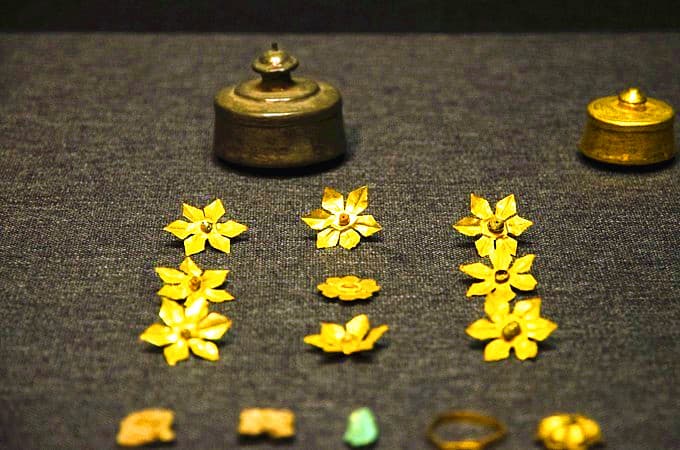
Relics Unearthed along the Silk Road
Silk Road in the Yuan Dynasty:
Mongolia launched three expeditions to the West and the south, which expanded the territory. Also, the establishment of post roads and the restoration of the Eurasian transportation network made international caravans flourish again across the vast area of Eurasia.
Marco Polo's Pioneering Voyage:
More than 700 years ago, Marco Polo took four years to travel along the route through the Middle East and Central Asia to ancient China and documented his voyage. His account recorded a culture that was entirely unknown to Europe and did much to kick-start the Western age of exploration.
Silk Road in the Ming and Qing Dynasties:
During the Ming and Qing Dynasties, the government adopted a policy of avoiding contact with other countries. Meanwhile, with the development of navigation technology, maritime transportation gradually replaced overland transportation, which made Silk Road trade decline overall.
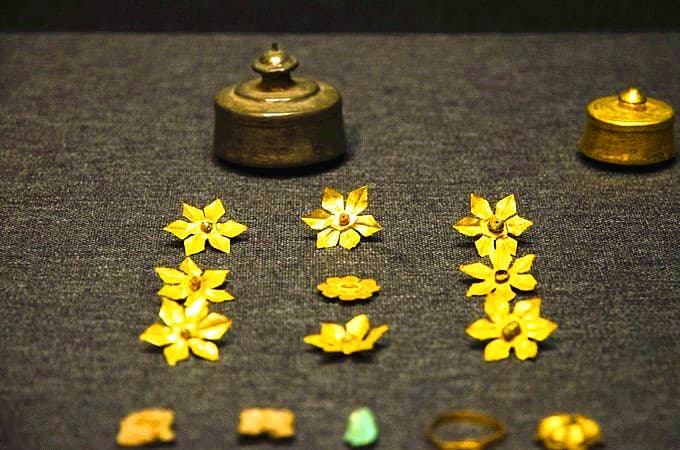
Relics Unearthed along the Silk Road
The Chinese actively pioneered the Silk Road in the 2nd century BC. Zhang Qian opened the route to the Western Regions. It was recorded that Emperor Wu of the Han Dynasty sent Zhang Qian to the Western Regions in search of an ally when the Huns besieged China. The mission was full of hardships, and Zhang Qian returned to China 13 years later. There were more than one hundred people when they set off, but only two people were left when they finally returned. The envoys of the Han Dynasty frequently traveled between the Western Regions and the Central Plains after Zhang Qian.
.