



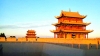

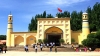















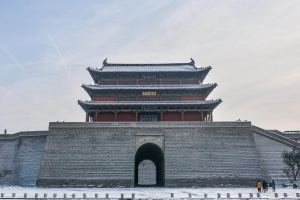
Datong Ancient City is a treasure of Chinese historical culture and a witness and carrier of the city's historical evolution through dynastic changes. With its unique historical style and rich cultural connotations, the Datoatong Ancient City has attracted countless tourists. The city wall of Datong Ancient City is the most significant historical symbol of the city. Originating from the Northern Wei Dynasty as the defense fortifications of the capital, the wall was later reinforced by General Xu Da in the fifth year of the Hongwu period of the Ming Dynasty, based on its original structure, evolving into the magnificent appearance we see today. Standing at a height of 14 meters, the wall measures 12 meters wide at the top and 18 meters wide at the bottom, with a perimeter of 7.24 kilometers and an area of 3.28 square kilometers. The four city gates—Heyang Gate, Yongtai Gate, Qingyuan Gate, and Wuding Gate—stand tall and majestic, exuding the dignity and solemnity of the ancient capital.

The Datong Ancient City
The ancient city wall is not only a military defense structure but also an outstanding representative of ancient Chinese architectural art. The parapets, watchtowers, huts, and other architectural facilities on the wall, along with the supporting facilities outside the city, such as the barbican, the half-moon city, and the moat, all demonstrate the superb wisdom and exquisite skills of ancient architects. These facilities, together with the city wall, constitute a complete military defense system, enabling Datong Ancient City to withstand invasions by foreign enemies in ancient wars. In addition, many historical buildings and cultural heritages are preserved within the ancient city.
Travel Guide to Datong Ancient City
Main Attractions
Datong Ancient City Wall: The ancient city wall is the iconic building of Datong Ancient City, with a perimeter of 7.24 kilometers, exhibiting a majestic appearance. You can wander along the wall, admiring the magnificent scenery of the ancient city and feeling the vicissitudes of history. On the wall, you can also overlook the entire city, appreciating the unique charm of Datong.

Datong Ancient City Wall
Huayan Temple: Most Chinese temples face south. Huayan Temple faces east. This is the first sign that you are not in a standard Buddhist site — this was a temple built by the Khitan people of the Liao Dynasty (1038 AD), who ruled a vast steppe empire and worshipped the sun. Every morning, the first rays of light stream through the eastern gates and strike the main altar, exactly as the builders intended a thousand years ago.
Huayan is vast. It is not a single hall but a walled compound of courtyards, halls, pagodas, and side chapels, spread over an area that takes the better part of an afternoon to explore properly. The scale is northern — wide skies, thick pillars, heavy roofs. This is not the delicate garden architecture of Suzhou or Hangzhou. This is a temple built by people who came from the grasslands and wanted their gods to feel the space.

Huayan Temple
Shanhua Temple: Shanhua Temple is ten minutes' walk from Huayan, but it might as well be in another century. There is no ticket booth, no queue, no souvenir stall. Just an unlocked gate and a courtyard full of old pine trees and the smell of incense. Entry is free — show your passport and walk in.
The temple was built in the Tang style and rebuilt during the Liao and Jin dynasties. Unlike Huayan, it has not been heavily restored. The wood is darker, the stone more worn, the paint more faded. It feels less like a tourist attraction and more like a place that has been quietly getting on with being a temple for eight hundred years.

Shanhua Temple
Jiuliulong Wall: The Nine-Dragon Wall is another iconic building of Datong Ancient City, ranking first among the three Nine-Dragon Walls in China. Its exquisite carving and colorful design make it a treasure of ancient Chinese architectural art.

Jiuliulong Wall
Daiwang Mansion: As the residence of the Prince of Dai in the Ming Dynasty, the Prince of Dai's Mansion showcases the architectural style and living scenes of the Ming Dynasty princely mansion, allowing you to delve deeply into the ancient royal lifestyle.

Daiwang Mansion
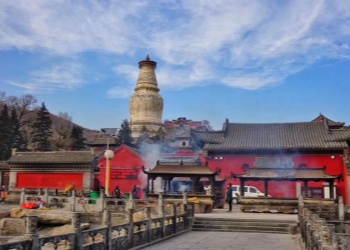
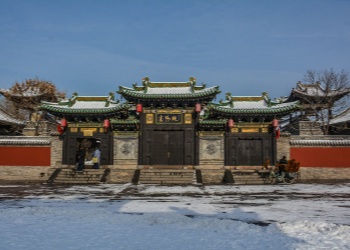
Fahua Temple and Chunyang Palace: Fahua Temple is an ancient temple within Datong Ancient City, attracting numerous tourists with its serene and peaceful atmosphere. Chunyang Palace, on the other hand, is a Taoist temple, forming a unique cultural landscape with the Buddhist temples in the ancient city.
Chunyang Palace
Special food
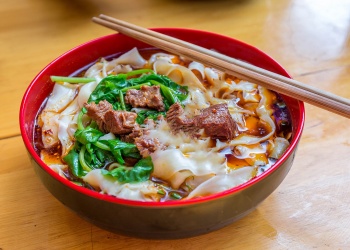
Knife-cut noodles: Datong knife-cut noodles are famous for their unique production process and taste. The noodles are smooth on the outside and elastic on the inside, soft but not sticky, and taste delicious.
Deep-fried pancakes: Datong deep-fried pancakes are golden in color, crisp outside and tender inside, and fragrant. It is the traditional food of the Datong people.
Yellow cake: Datong yellow cake is golden in color, soft and sweet in taste, and is a special pastry in the Datong region.

Travel tips
Best season to visit: Spring and autumn are the best seasons to visit Datong Ancient City, when the weather is pleasant, and the scenery is beautiful.
Transportation guide: Datong is convenient and you can choose to go there by plane, train, or car. Walking or cycling is the best way to explore the ancient city.
Ticket information: Some attractions may require purchasing tickets in advance; it is recommended to inquire and book in advance.
Official phone: 0352-7699269
Note: When visiting the ancient city, please pay attention to the protection of cultural relics; do not touch or paint. At the same time, pay attention to maintaining environmental hygiene, and do not litter.
Datong Ancient City is a treasure of Chinese historical culture and a witness and carrier of the city's historical evolution through dynastic changes. With its unique historical style and rich cultural connotations, the Datoatong Ancient City has attracted countless tourists. The city wall of Datong Ancient City is the most significant historical symbol of the city. Originating from the Northern Wei Dynasty as the defense fortifications of the capital, the wall was later reinforced by General Xu Da in the fifth year of the Hongwu period of the Ming Dynasty, based on its original structure, evolving into the magnificent appearance we see today. Standing at a height of 14 meters, the wall measures 12 meters wide at the top and 18 meters wide at the bottom, with a perimeter of 7.24 kilometers and an area of 3.28 square kilometers. The four city gates—Heyang Gate, Yongtai Gate, Qingyuan Gate, and Wuding Gate—stand tall and majestic, exuding the dignity and solemnity of the ancient capital.

The Datong Ancient City
The ancient city wall is not only a military defense structure but also an outstanding representative of ancient Chinese architectural art. The parapets, watchtowers, huts, and other architectural facilities on the wall, along with the supporting facilities outside the city, such as the barbican, the half-moon city, and the moat, all demonstrate the superb wisdom and exquisite skills of ancient architects. These facilities, together with the city wall, constitute a complete military defense system, enabling Datong Ancient City to withstand invasions by foreign enemies in ancient wars. In addition, many historical buildings and cultural heritages are preserved within the ancient city.
Travel Guide to Datong Ancient City
Main Attractions
Datong Ancient City Wall: The ancient city wall is the iconic building of Datong Ancient City, with a perimeter of 7.24 kilometers, exhibiting a majestic appearance. You can wander along the wall, admiring the magnificent scenery of the ancient city and feeling the vicissitudes of history. On the wall, you can also overlook the entire city, appreciating the unique charm of Datong.

Datong Ancient City Wall
Huayan Temple: Most Chinese temples face south. Huayan Temple faces east. This is the first sign that you are not in a standard Buddhist site — this was a temple built by the Khitan people of the Liao Dynasty (1038 AD), who ruled a vast steppe empire and worshipped the sun. Every morning, the first rays of light stream through the eastern gates and strike the main altar, exactly as the builders intended a thousand years ago.
Huayan is vast. It is not a single hall but a walled compound of courtyards, halls, pagodas, and side chapels, spread over an area that takes the better part of an afternoon to explore properly. The scale is northern — wide skies, thick pillars, heavy roofs. This is not the delicate garden architecture of Suzhou or Hangzhou. This is a temple built by people who came from the grasslands and wanted their gods to feel the space.

Huayan Temple
Shanhua Temple:
Shanhua Temple is ten minutes' walk from Huayan, but it might as well be in another century. There is no ticket booth, no queue, no souvenir stall. Just an unlocked gate and a courtyard full of old pine trees and the smell of incense. Entry is free — show your passport and walk in.
The temple was built in the Tang style and rebuilt during the Liao and Jin dynasties. Unlike Huayan, it has not been heavily restored. The wood is darker, the stone more worn, the paint more faded. It feels less like a tourist attraction and more like a place that has been quietly getting on with being a temple for eight hundred years.

Shanhua Temple
Jiuliulong Wall: The Nine-Dragon Wall is another iconic building of Datong Ancient City, ranking first among the three Nine-Dragon Walls in China. Its exquisite carving and colorful design make it a treasure of ancient Chinese architectural art.

Jiuliulong Wall
Daiwang Mansion: As the residence of the Prince of Dai in the Ming Dynasty, the Prince of Dai's Mansion showcases the architectural style and living scenes of the Ming Dynasty princely mansion, allowing you to delve deeply into the ancient royal lifestyle.

Daiwang Mansion
Fahua Temple and Chunyang Palace: Fahua Temple is an ancient temple within Datong Ancient City, attracting numerous tourists with its serene and peaceful atmosphere. Chunyang Palace, on the other hand, is a Taoist temple, forming a unique cultural landscape with the Buddhist temples in the ancient city.

Chunyang Palace
Special food
Knife-cut noodles: Datong knife-cut noodles are famous for their unique production process and taste. The noodles are smooth on the outside and elastic on the inside, soft but not sticky, and taste delicious.
Deep-fried pancakes: Datong deep-fried pancakes are golden in color, crisp outside and tender inside, and fragrant. It is the traditional food of the Datong people.
Yellow cake: Datong yellow cake is golden in color, soft and sweet in taste, and is a special pastry in the Datong region.

Travel tips
Best season to visit: Spring and autumn are the best seasons to visit Datong Ancient City, when the weather is pleasant, and the scenery is beautiful.
Transportation guide: Datong is convenient and you can choose to go there by plane, train, or car. Walking or cycling is the best way to explore the ancient city.
Ticket information: Some attractions may require purchasing tickets in advance; it is recommended to inquire and book in advance.
Official phone: 0352-7699269
Note: When visiting the ancient city, please pay attention to the protection of cultural relics; do not touch or paint. At the same time, pay attention to maintaining environmental hygiene, and do not litter.

Hanging Temple, Datong Ancient City, Huayan Monastery, Yungang Grottoes
Welcome to join us in this weekend Shanxi tour. We'll visit the Hanging Monastery at the foot of Mt. Hengshan. It hangs on the west cliff of Jinxia Gorge more than 50 meters above the ground.