



Your perfect Inner Mongolia Travel
Inner Mongolia,nestled in the crescent of China’s northern frontier remains one of the country’s most epic and visually overwhelming travel destinations — an autonomous region where boundless emerald steppes meet rolling sand dunes, where Genghis Khan’s legacy echoes through nomadic ger camps, and where Russian-influenced border towns overlook winding rivers.
Unlike its more industrialized neighbors, Inner Mongolia is a land of extreme scale. It spans over 2,400 kilometers from east to west, acting as China’s northern frontier border with Russia and Mongolia. It is a place where 17.97 million herdsmen and citizens coexist with galloping wild horses, vast flocks of sheep, and skies so vast they seem to merge with the earth.
A journey through Inner Mongolia can include: Asia’s largest resounding sand desert, UNESCO World Heritage steppe landscapes, China’s most pristine alpine forests, authentic Mongolian long-song (urtin duu) performances, Russian-style wooden houses in border villages, and hearty milk-and-meat cuisine.
However, planning an Inner Mongolia trip can also be challenging. The region’s distances are monumental, attractions are scattered across vastly different leagues and cities, driving times are long, and the weather is famously extreme — locals often say “you can experience four seasons in a single day” on the grasslands.
Should you visit Hulunbuir’s endless green sea or Alxa’s towering dunes, Xilamuren’s accessible steppes or Ejina’s golden poplar forests — and how do you connect them without spending your entire trip driving across the Gobi?
This ultimate guide explains how to plan your Inner Mongolia tour, including the best time to visit, recommended routes by duration, transportation, accommodation, and practical travel tips.
Recommended Tour Itinerary
Breaktaking sceneries of Inner MongoliaHailar - Mergel River - Eerguna - GenHe - Mordoga National Forest Park - Haur River From US$ 950 |
9 Days Epic Tour to Ningxia & Inner MongoliaNingxia - Yinchuan - Inner Mongolia - Ordos - Baotou - Hohhot Inquiry |
15 Days Inner Mongolian TourHohhot - Laoniuwan - Ordos - Baotou - Hailaer - Genhe - Shiwei - Heishantou - Manzhouli - Amugulang - Aershan - Hailaer Inquiry |
Why Visit Inner Mongolia?
A Destination of Extraordinary Natural Diversity
Inner Mongolia is often described as a “natural geography corridor” because it transitions dramatically from dense forests in the east to barren deserts in the west, packed into one massive region.
Endless Grasslands and Nomadic Culture
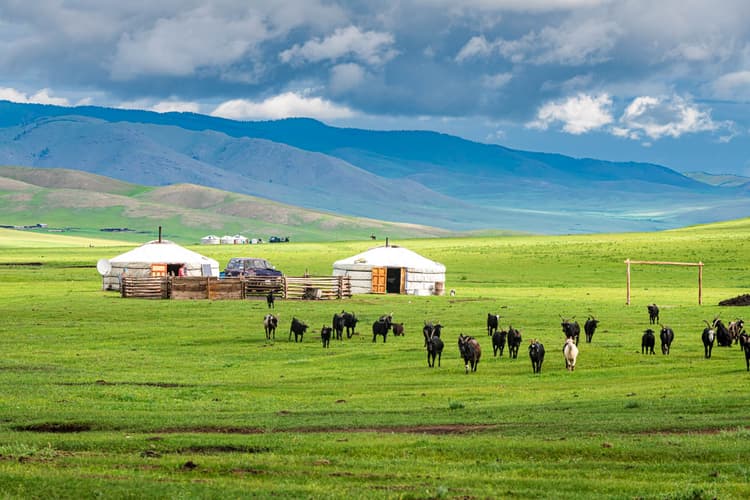
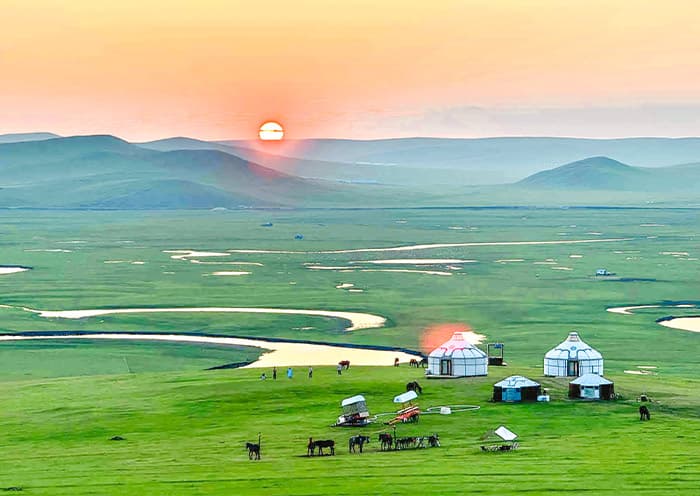
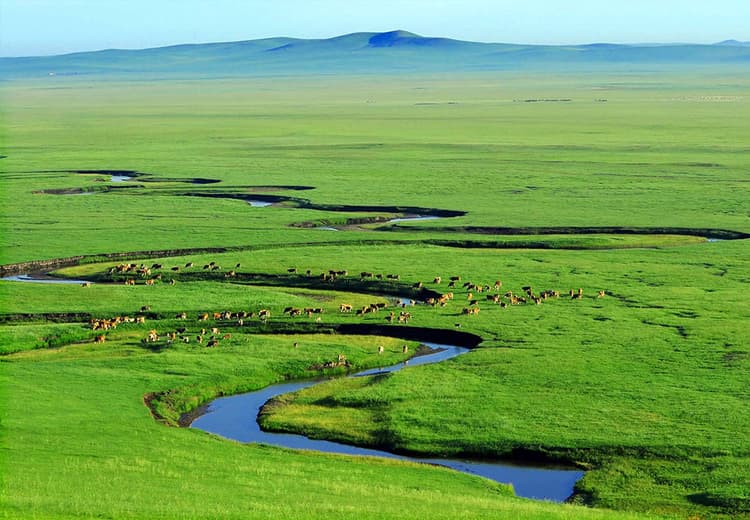
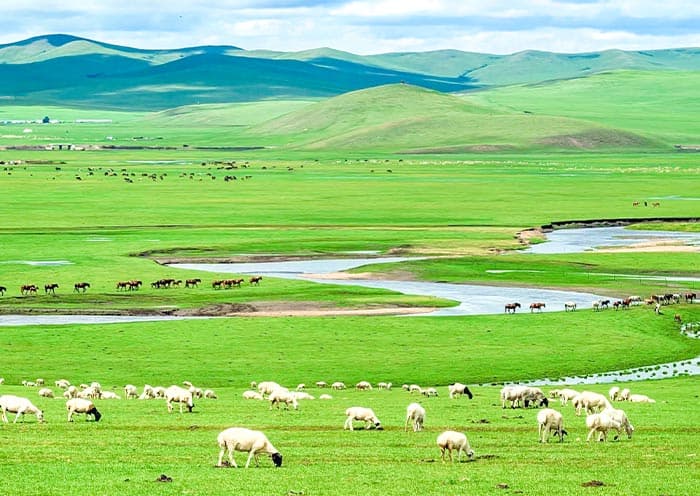
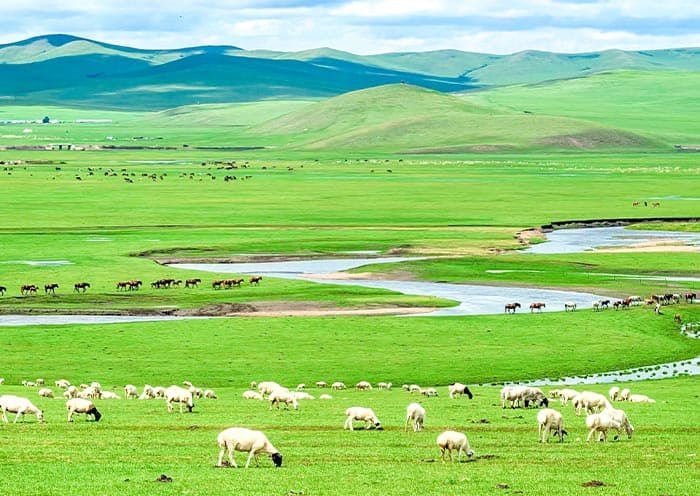
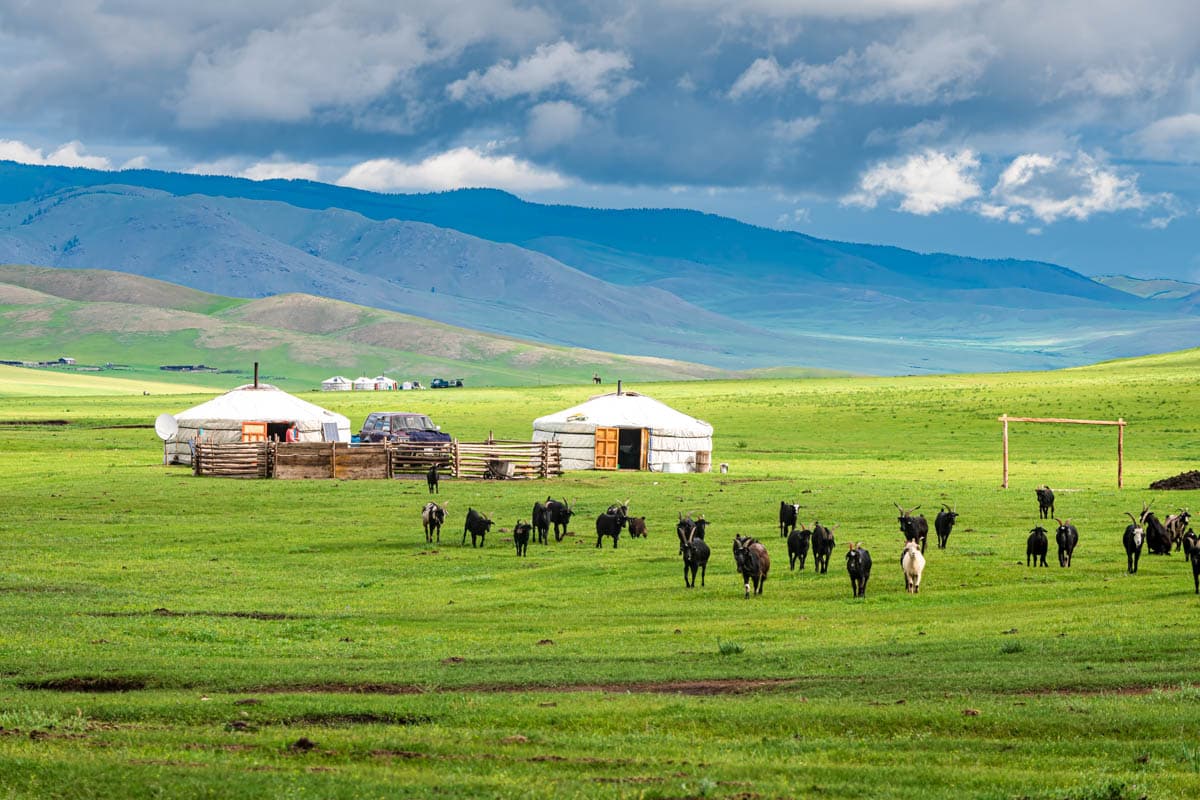
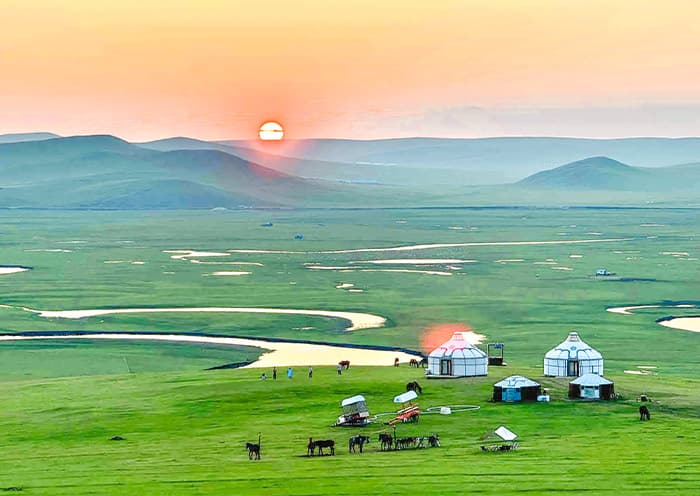
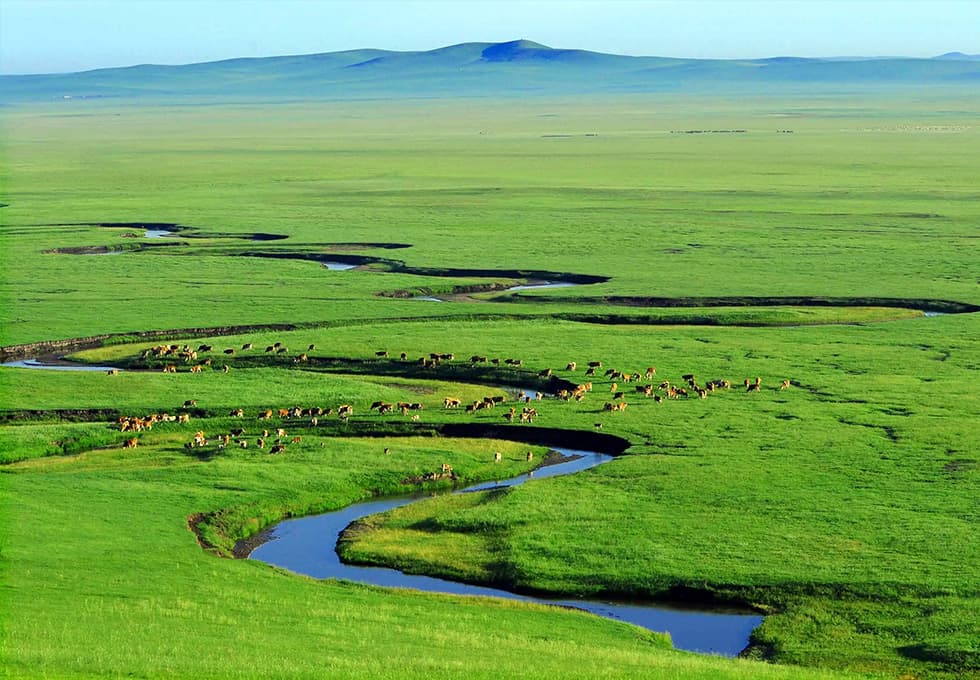
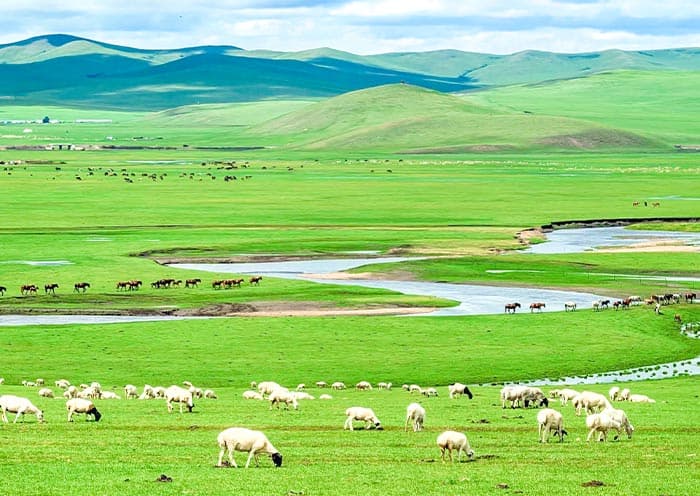
At Hulunbuir Grassland, travelers can witness an infinite sea of green stretching to the horizon, dotted with white yurts and galloping herds of horses. The grassland spans more than 100,000 square kilometers, featuring the winding Morigele River, often called the “First Meandering River of the World.”
Vast Deserts and Geological Wonders
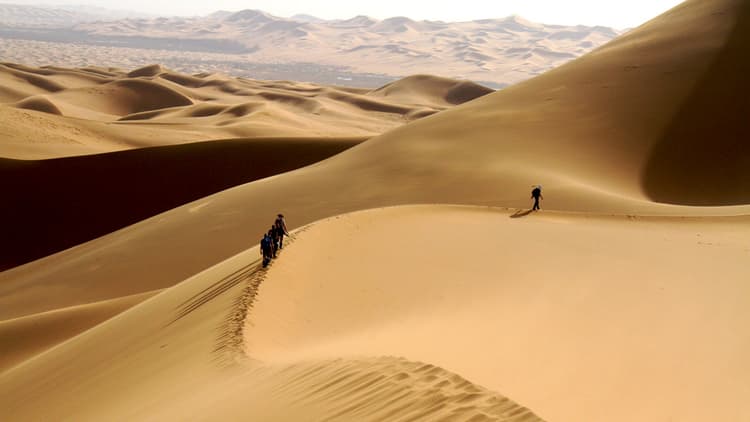
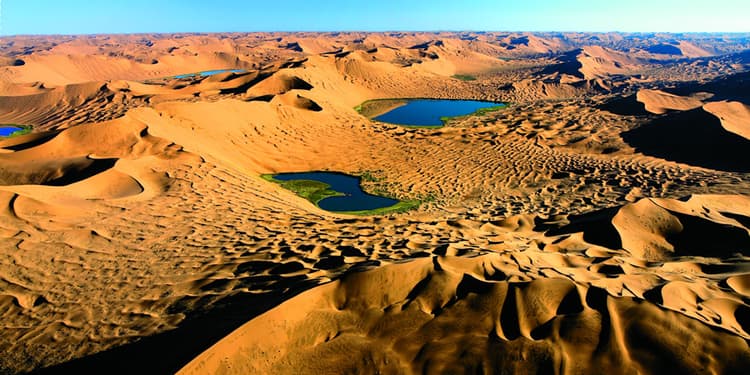
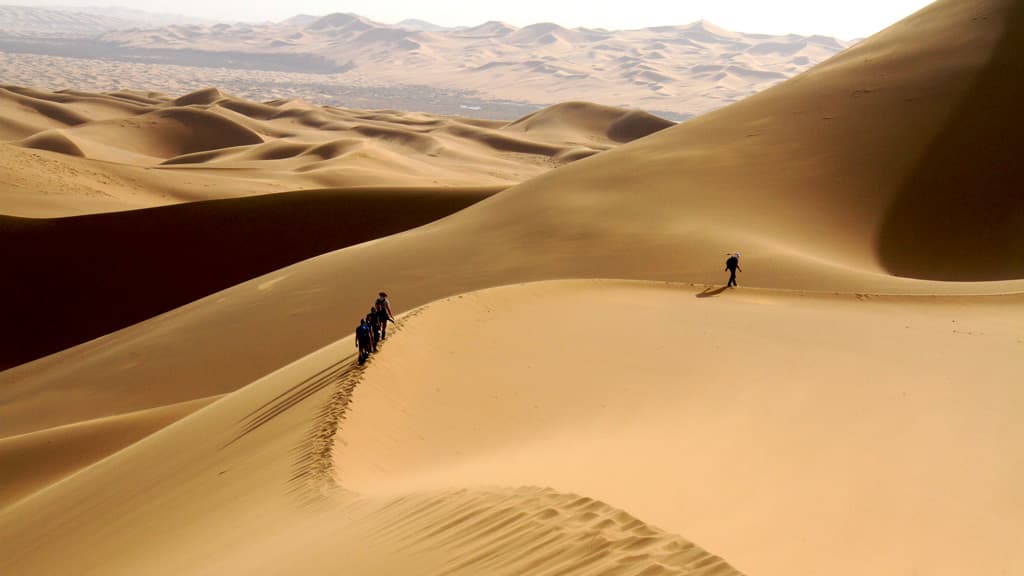
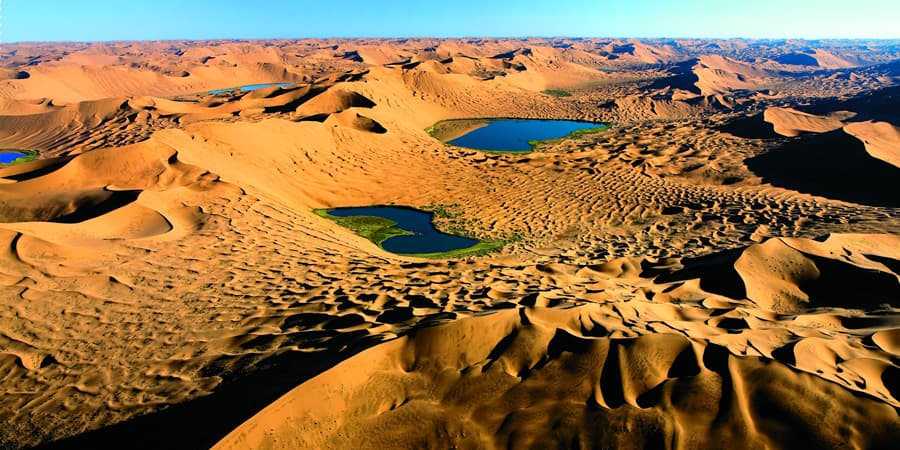
The Badain Jaran Desert in Alxa League is a UNESCO World Heritage candidate, famous for having the world’s highest stationary sand dunes (over 460 meters tall) and mysterious “singing sand” phenomena. Further east, the Kubuqi Desert and Resonant Sand Bay (Xiangshawan) offer accessible desert experiences with camel caravans and dune sliding.
Primeval Forests and Border Rivers
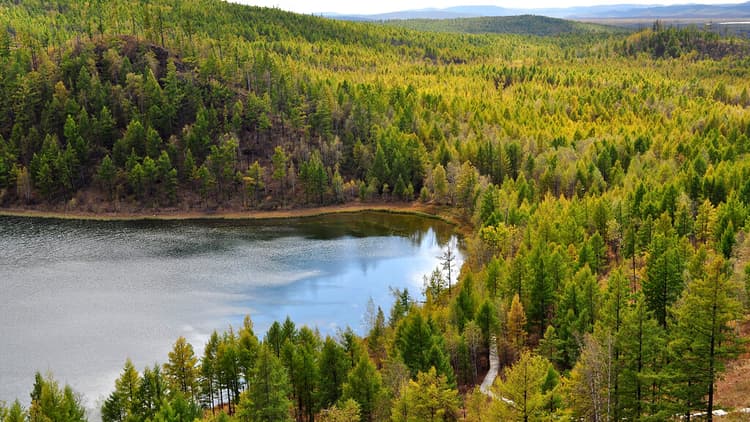
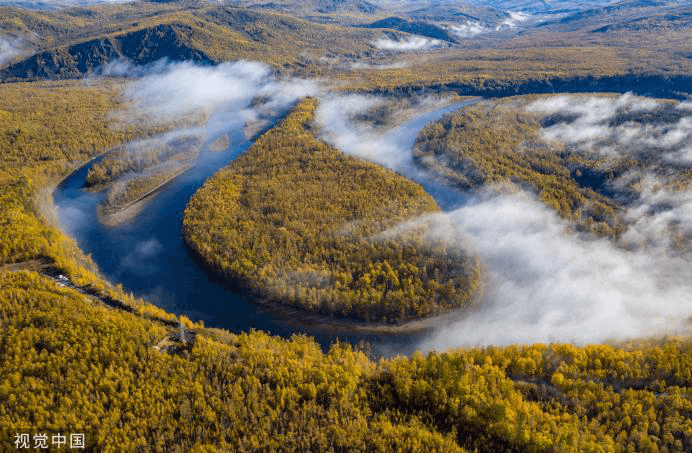
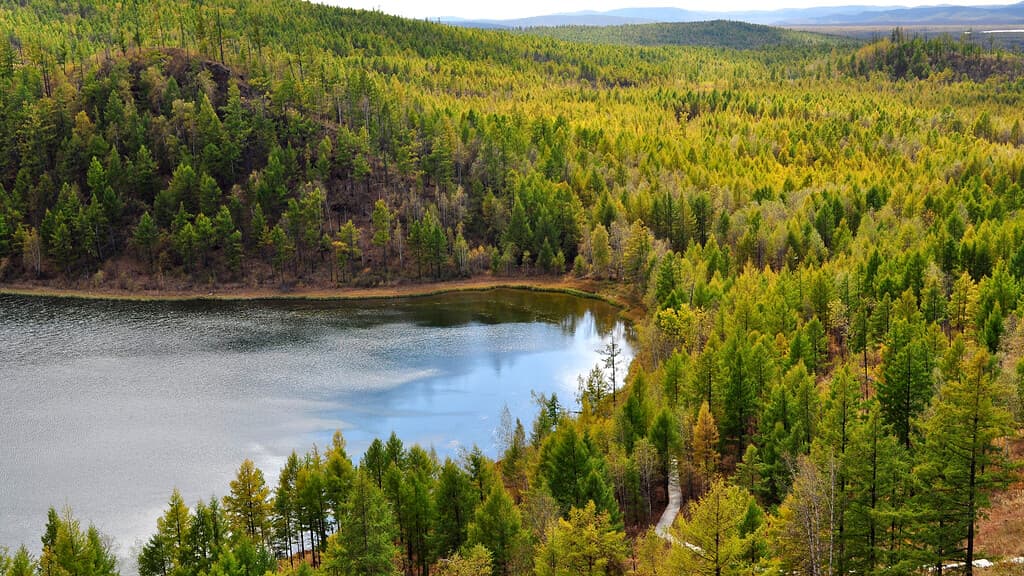
In the east, the Greater Khingan Mountains (Da Hinggan Ling) hide pristine taiga forests. Here, the Mordoga National Forest Park offers misty birch forests, while the Ergun River forms a natural border with Russia, fringed with Russian-style villages like Shiwei and Enhe.
A Land of Ethnic Fusion
Inner Mongolia’s greatest cultural treasure is its blend of nomadic Mongolian traditions and border-town Russian/Chinese heritage, whose customs remain vibrantly alive in regional life.
Mongolian Culture on the Steppe
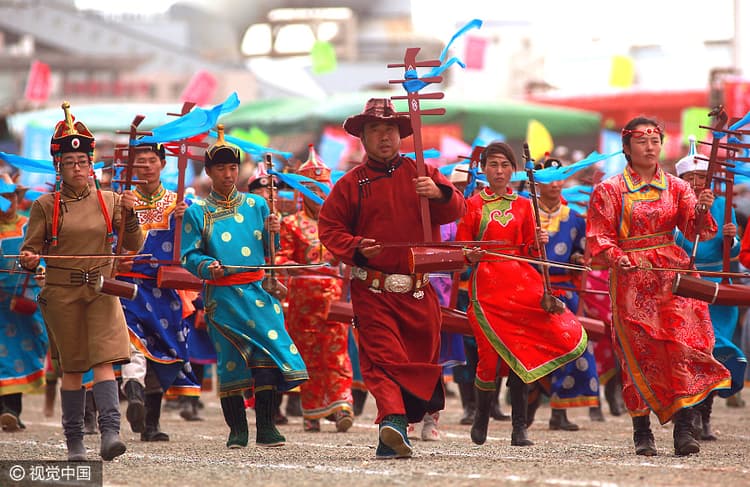
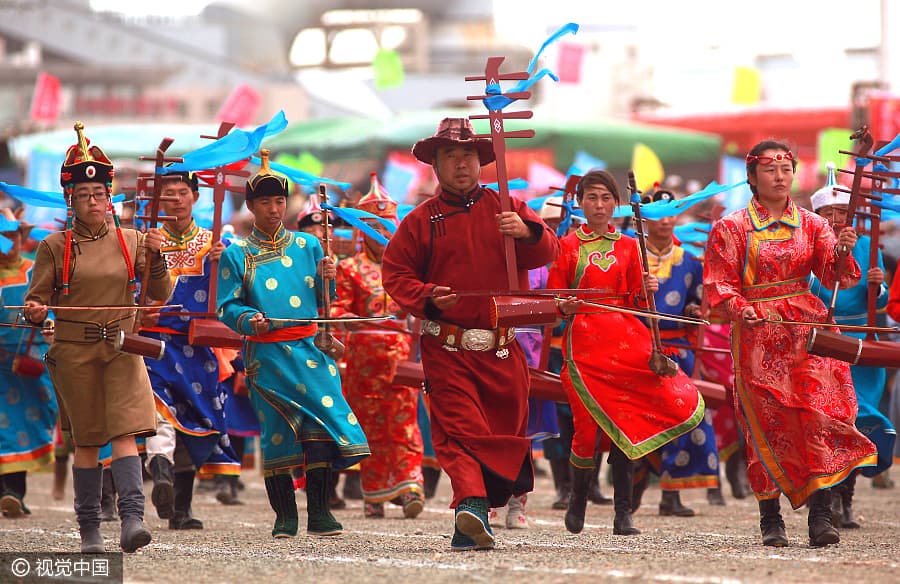
The traditional Mongolian herdsmen’s life is centered around the yurt (ger). Visitors can experience Nadam Fair — the iconic festival featuring wrestling, horse racing, and archery — and taste authentic dairy snacks like milk skin (*nai pi*) and fermented mare’s milk (*kumis*), while listening to the haunting Khoomei (throat singing).
Russian Influence in the Border Towns
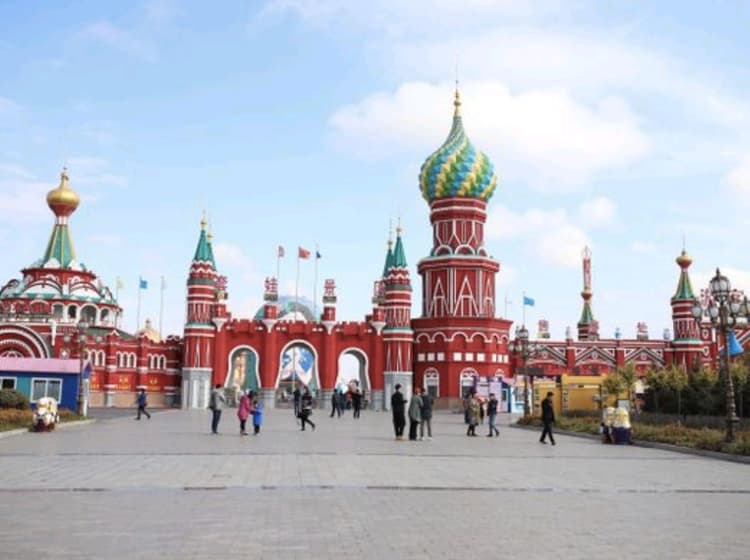
In border villages like Enhe and Shiwei, Russian-descended Chinese families live in traditional wooden houses (*muke le*). Here, you can enjoy Russian bread, salt, and vodka, alongside Mongolian roasted lamb.
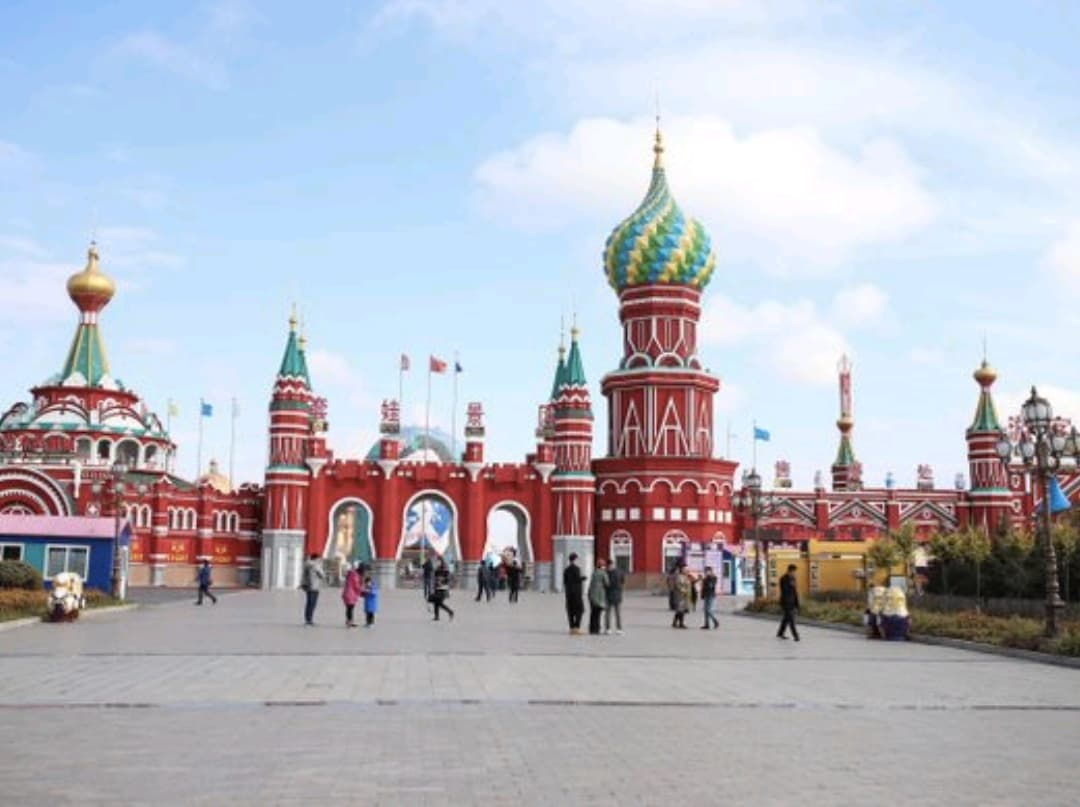
Understanding Inner Mongolia: Main Travel Regions
Before planning a trip, it is important to understand Inner Mongolia’s staggering geography. The region is generally divided into five major travel areas, usually requiring separate trips due to distances.
1. Hohhot: Gateway to Inner Mongolia
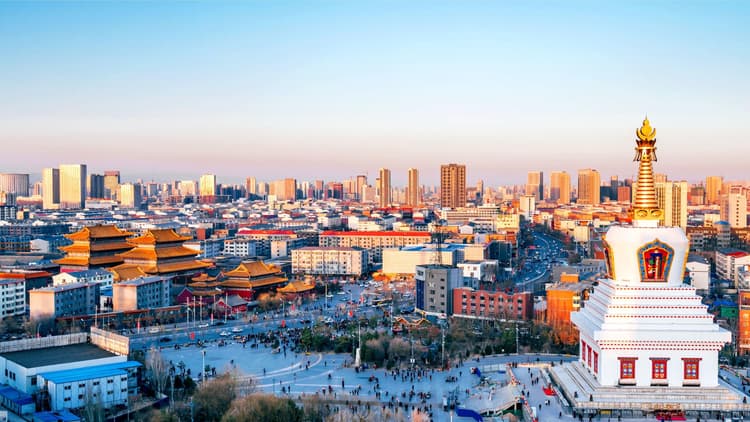
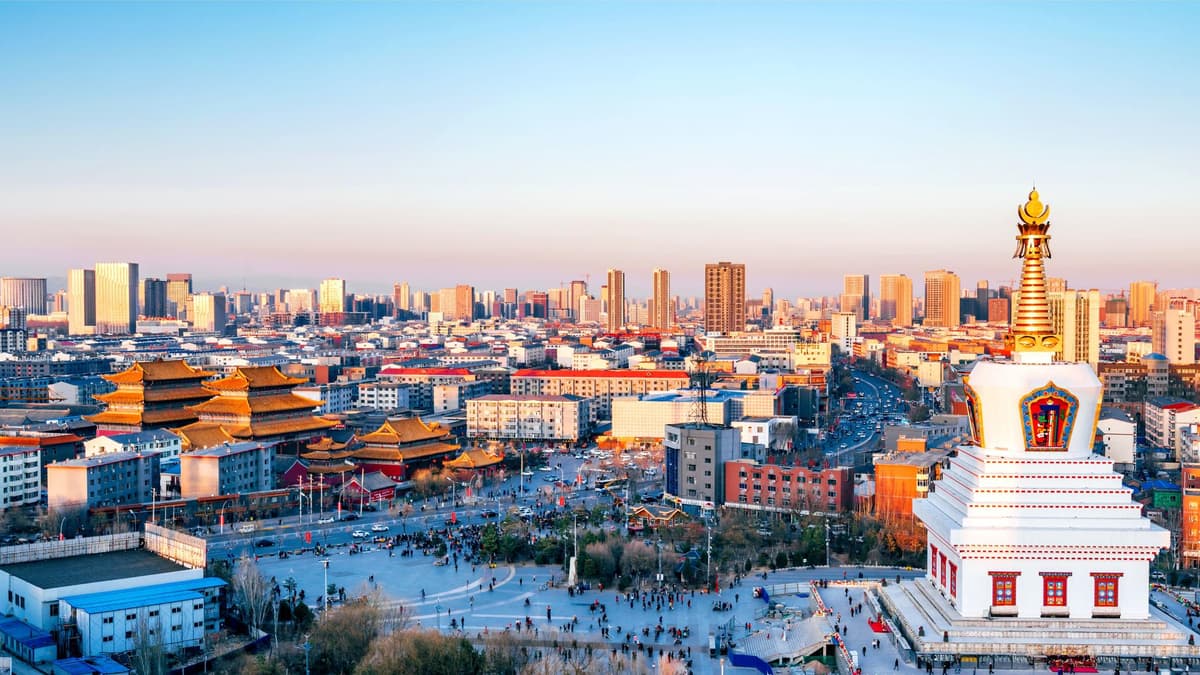
Hohhot is best suited for transportation connections, short city visits, and as a starting point for exploring the central grasslands, serving as the regional capital with Hohhot Baita International Airport and an expanding high-speed rail network. Within the city, the Dazhao Temple, Inner Mongolia Museum, and Saishang Old Street make it worth a relaxed day.
2. Hulunbuir: The Ultimate Grassland and Forest Experience
Hulunbuir in the east is best suited for nature lovers, road trippers, and photographers, home to the Hulunbuir Grassland, the Morigele River, the Greater Khingan Forests, and the Russian border town of Shiwei along the Ergun River. It offers the most pristine and diverse landscapes in the region.
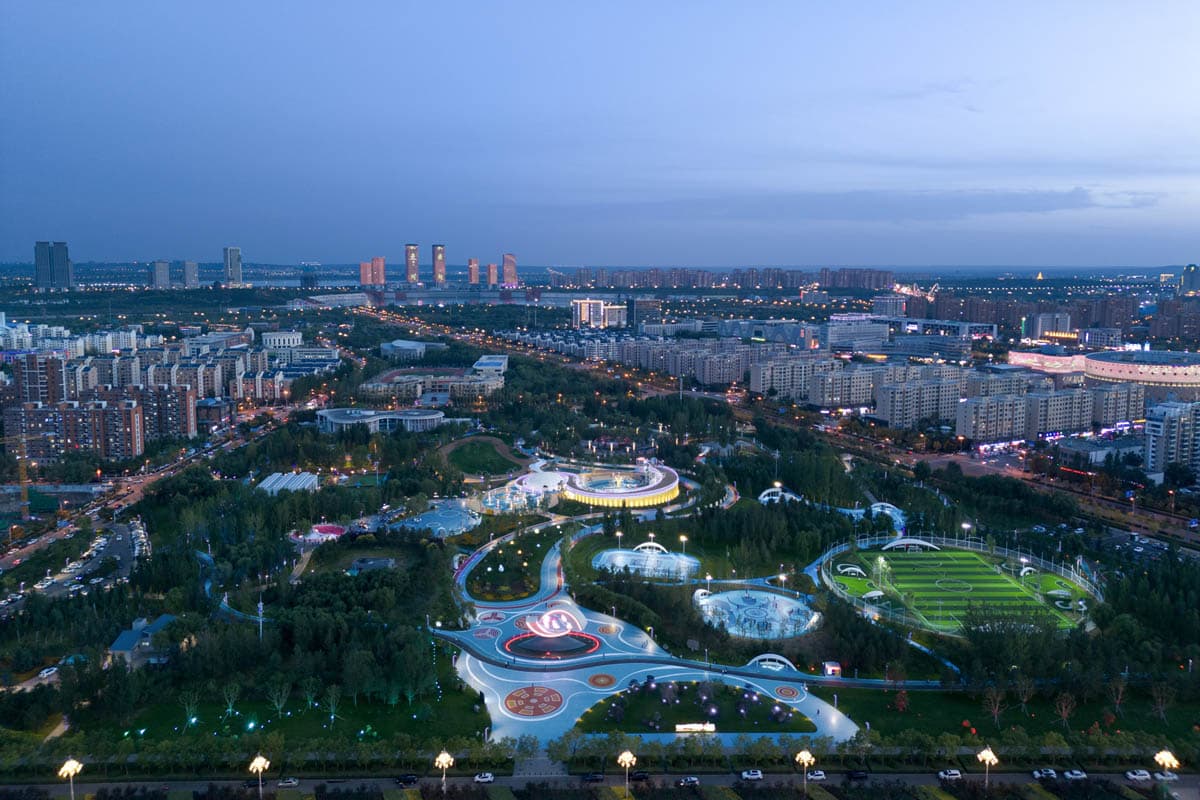
3. Baotou & Ordos: Deserts and Genghis Khan’s Mausoleum
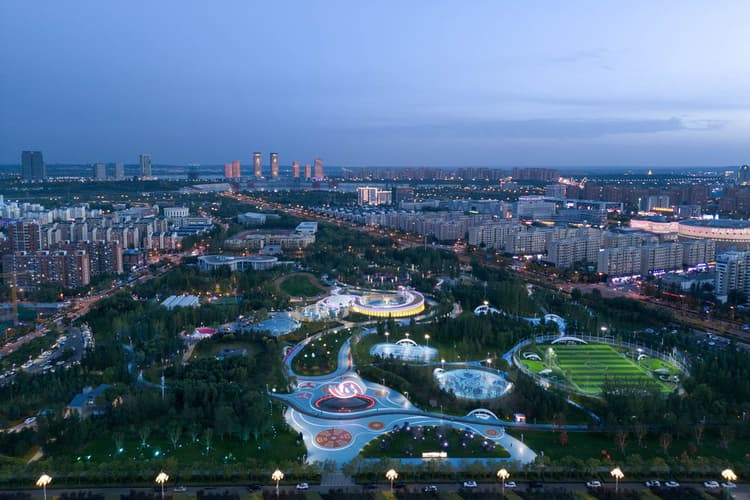
Baotou and Ordos are best suited for travelers with limited time who want a mix of desert and culture. This area features the Resonant Sand Bay, the Kubuqi Desert, the grand Mausoleum of Genghis Khan, and the well-planned ghost-to-modern city of Kangbashi.
4. Alxa: Extreme Deserts and Golden Populus Euphratica
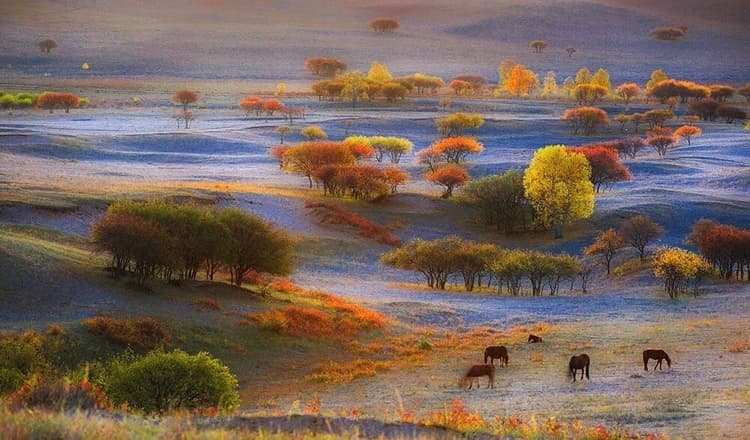
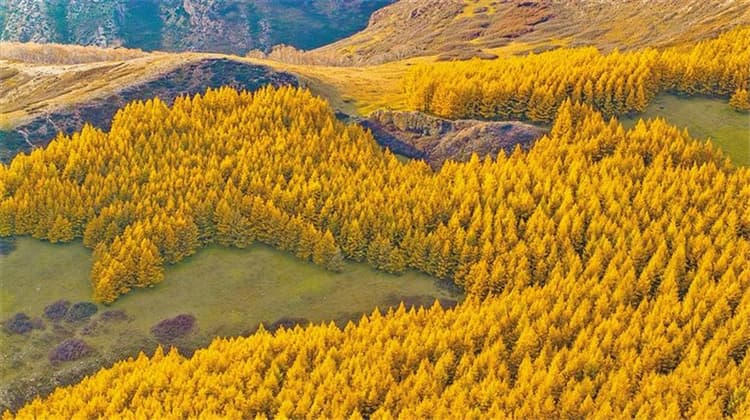
Alxa League in the far west is best suited for adventurers, off-road drivers, and autumn photographers. It is home to the towering Badain Jaran Desert, the Hei River, and the spectacular Ejina Populus Euphratica Forest, which turns brilliant gold in October.
5. Chifeng: The Nearest Grassland to Beijing
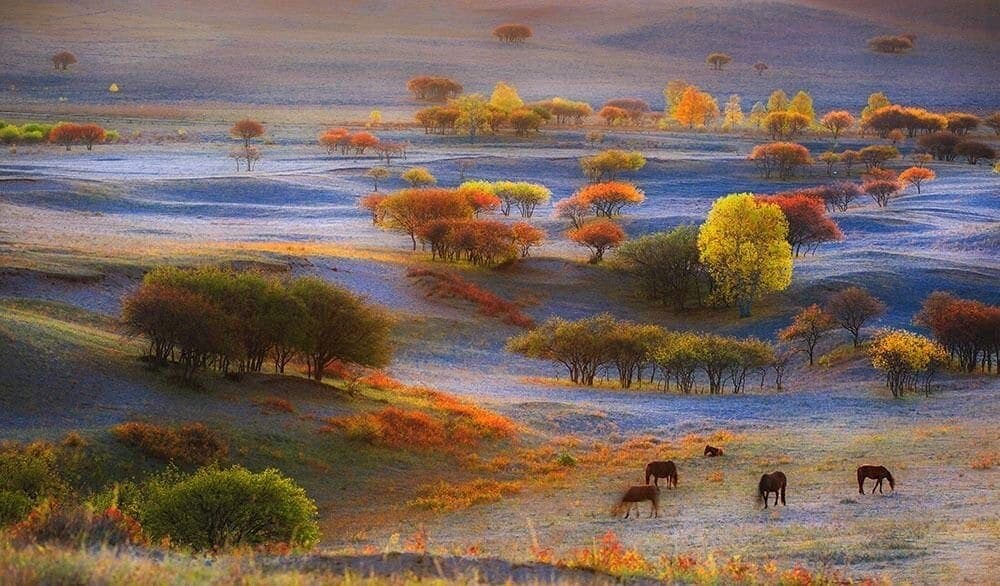
Chifeng is best suited for weekend travelers from Beijing, offering the beautiful Ulan Butong Grassland, which features rolling hills, forests, and lakes, historically serving as the royal hunting grounds of the Qing Dynasty.
Best Time to Visit Inner Mongolia
Inner Mongolia experiences a temperate continental climate with long, frigid winters and short, warm summers. The temperature variation between day and night is extreme. The best season depends entirely on what you want to see.
Spring (March–May): Awakening of the Steppe
Spring brings melting snow, budding grass, and migratory birds, but it is also the season of frequent sandstorms. This period is generally less recommended for tourists due to high winds and dry conditions, though the weather begins to warm by May.
Summer (June–August): Green Seas and Nadam Fairs
Summer is the best time for the Hulunbuir and Xilamuren Grasslands, when the steppes are lush green, wildflowers bloom, and temperatures are comfortably warm (around 18–25°C). This is also when traditional Nadam Fairs are frequently held. Expect occasional thunderstorms and pack a light jacket for chilly evenings.
Autumn (September–November): Golden Forests and Perfect Photography
Many travelers consider autumn the finest time to visit Inner Mongolia. The forests of the Greater Khingan Mountains turn a brilliant gold, the weather is stable, and the desert heat has subsided. Most importantly, October is the prime season for the Ejina Populus Euphratica Forest in Alxa, a spectacular golden oasis in the desert.
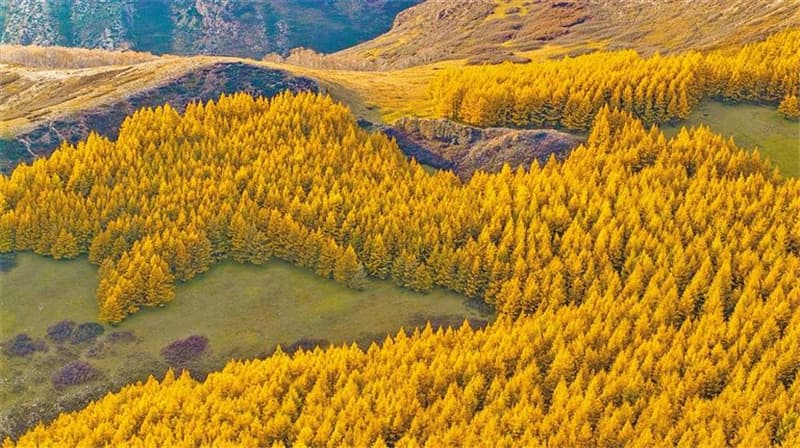
Winter (December–February): Frozen Steppes and Ice Festivals
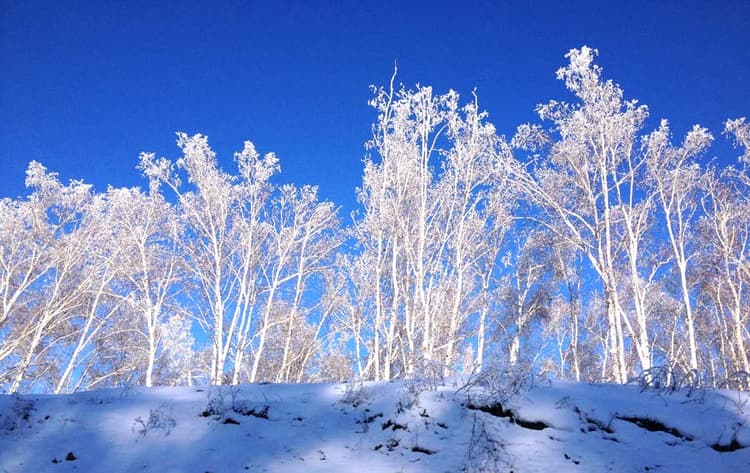
Winter is the slack season — colder, with temperatures often dropping to -20°C to -30°C. However, it offers surreal snowy landscapes, frozen rivers, and the Winter Nadam in Hulunbuir. It suits adventurous travelers and photographers who love extreme winter scenes.
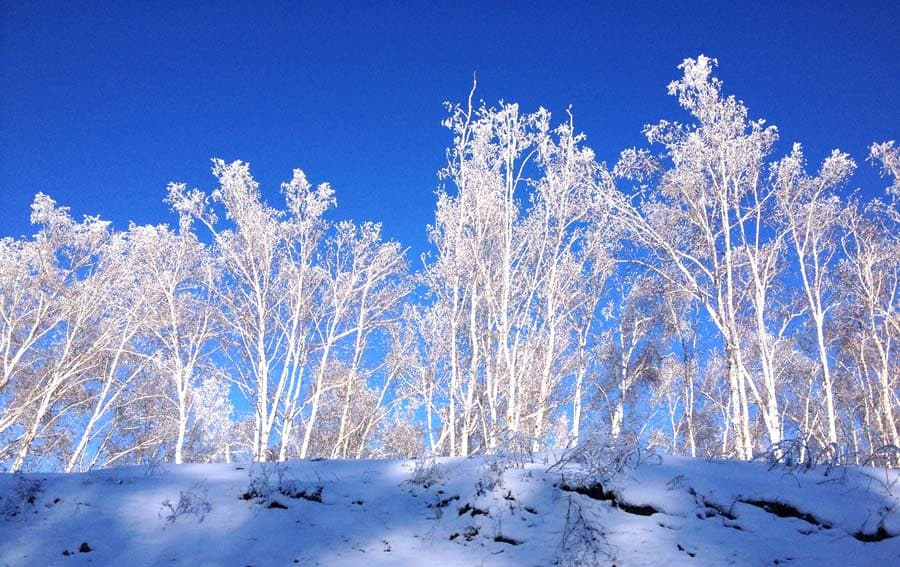
*Avoid Chinese public holidays. During Golden Week (first week of October) and Summer School Holidays (July-August), major sites like Hulunbuir and Ejina become overwhelmingly crowded, and yurt accommodations book out months in advance.
How Many Days Do You Need for an Inner Mongolia Tour?
Inner Mongolia’s attractions are spread across a region equivalent to several European countries, and road distances often take full days of driving — Hohhot to Hulunbuir (Hailar) takes roughly 2 hours by flight or 30+ hours by train, and driving the full Hulunbuir loop takes 5–7 days.
A well-designed itinerary should balance:
Driving time (minimized by selecting a focused region)
Landscape variety (grassland, desert, forest)
Nomadic cultural experiences
Generally, the recommended duration is:
4–5 days: Hohhot + Ordos/Desert essentials
6–8 days: Hulunbuir classic grassland loop
9–10 days: Deep Alxa desert & Ejina forest exploration
12+ days: Cross-region epic adventure
4–5 Days: Hohhot & Desert Highlights
This compact route is ideal for travelers with limited vacation time or those adding Inner Mongolia onto a larger China trip, focusing on the accessible central deserts and Hohhot’s culture.
Suggested Route:
Day 1: Arrive Hohhot — visit Inner Mongolia Museum, Dazhao Temple, Saishang Old Street.
Day 2: Drive to Ordos — Kubuqi Desert, Resonant Sand Bay (camel riding, dune sliding).
Day 3: Visit the Mausoleum of Genghis Khan, explore Kangbashi District.
Day 4: Day trip to Xilamuren Grassland for a yurt stay and bonfire.
Day 5: Return to Hohhot for departure.
6–8 Days: The Hulunbuir Grassland Loop
For most first-time visitors wanting the classic grassland experience, 6–8 days is the ideal duration, combining steppes, rivers, and Russian border culture.
Suggested Route:
Day 1: Fly into Hailar (Hulunbuir) — city orientation.
Day 2: Drive to Hulunbuir Grassland, Morigele River, visit nomadic family.
Day 3: Black Hill (Heishan), Ergun River wetlands, overnight in Shiwei.
Day 4: Russian border village of Enhe, birch forest, Lvyuan Scenic Area.
Day 5: Drive to Mordoga Forest Park, overnight in Genhe.
Day 6: Visit Aoluguya Reindeer Park (Ewenki tribe), return to Hailar.
Day 7: Hulun Lake, boundary marker at Manzhouli.
Day 8: Departure from Hailar.
9–10 Days: Alxa Desert & Ejina Golden Forest
Travelers with more time in autumn can explore the remote western corner — a land of extreme deserts and golden poplar forests.
Suggested Route:
Day 1: Arrive at Alxa Left Banner (Bayanhot).
Day 2: Enter Badain Jaran Desert (off-road 4WD), see the highest dune and sacred lakes, overnight in desert camp.
Day 3: Exit desert, drive to Ejina Banner.
Day 4–5: Ejina Populus Euphratica Forest (Juyanhai, Heicheng Ruins).
Day 6: Drive to Zhangye (Gansu) or return via flight/train.
Recommended Inner Mongolia Routes by Travel Style
Route 1: Classic Desert & Culture Express — 4–5 days
Best for: First-time visitors, families, short layovers.
Route: Hohhot → Ordos (Kubuqi) → Xilamuren → Hohhot.
Experience: Accessible deserts, Genghis Khan history, grassland yurt stay.
Route 2: Ultimate Grassland & Forest Loop — 7–9 days
Best for: Nature lovers, road trippers, photographers.
Route: Hailar → Grassland → Shiwei → Enhe → Genhe → Manzhouli → Hailar.
Experience: Boundless steppes, Russian border villages, reindeer herders.
Route 3: Extreme Desert & Golden Autumn — 6–8 days
Best for: Adventurers, off-road enthusiasts, autumn leaf chasers.
Route: Alxa Left Banner → Badain Jaran Desert → Ejina Banner.
Experience: Towering dunes, desert lakes, golden poplar forests.
Route 4: East Meets West Epic — 12+ days
Best for: Slow travelers and repeat visitors.
Route: Hohhot → Ordos → Alxa → Hohhot → Fly to Hailar → Hulunbuir Loop.
Experience: The full spectrum of deserts, steppes, and forests.
How to Choose Between Different Inner Mongolia Routes?
Choose Hulunbuir (Hailar) if you want:
l The most pristine, endless green grasslands
l A mix of Mongolian nomadic life and Russian border culture
l Pristine forests and winding rivers
Choose Ordos & Baotou if you want:
l The easiest access from Hohhot
l Accessible desert fun (Resonant Sand Bay) and camel rides
l The grand Mausoleum of Genghis Khan
Choose Alxa (Ejina/Badain Jaran) if you want:
l Extreme desert off-roading adventures
l The golden autumn Populus Euphratica forests (October only)
l Photogenic desert lakes and highest dunes
Choose Chifeng if you want:
l A quick weekend escape from Beijing
l Scenic rolling hills, lakes, and autumn forests at Ulan Butong
Transportation in Inner Mongolia
Flying to Inner Mongolia
The main gateways are Hohhot Baita International Airport and Hailar Dongshan Airport. There are direct flights from Beijing, Shanghai, Guangzhou, Shenzhen, and Chengdu. For the Alxa region, travelers fly into Alxa Left Banner Airport or take a high-speed train from Yinchuan (Ningxia) or Jiayuguan (Gansu). For Chifeng, fly directly into Chifeng Yulong Airport.
High-Speed Rail & Flights Within the Region
Inner Mongolia’s rail network is extensive for east-west travel, but high-speed rail is limited.
l Beijing ↔ Hohhot: ~2.5 hours (very convenient).
l Beijing ↔ Chifeng: ~2 hours.
l For long distances like Hohhot to Hailar, an internal flight (~2 hours) is highly recommended over a 30-hour train.
Traveling Between Major Destinations
Route | Recommended Transport | Approximate Time |
Hohhot → Ordos/Kubuqi | High-speed train or Car | 1.5 hrs train + 1 hr car |
Hohhot → Xilamuren Grassland | Car/Private transfer | ~1.5 to 2 hrs |
Hailar → Hulunbuir Grassland | Car/Private transfer | ~1 hr |
Hailar → Manzhouli | Car/Train | ~3 hrs |
Alxa Left Banner → Ejina | Car/Private 4WD | ~5–6 hrs |
Alxa Left Banner → Badain Jaran | Private 4WD (off-road) | ~2–3 hrs |
Why Private Transportation Is Essential in Inner Mongolia
Although the major cities are connected by air and rail, Inner Mongolia’s most rewarding destinations — the nomad camps on the steppe, the dunes of the Gobi, and the reindeer parks — lie far beyond train stations. A private vehicle with an experienced local driver is mandatory, especially in Alxa (where off-road desert driving is required) and Hulunbuir (where GPS signals can be weak on the steppe). It offers safety against extreme weather and significant time savings.
Accommodation Guide for Your Inner Mongolia Tour
Because Inner Mongolia’s highlights revolve around natural scenery, nomadic camps, and remote desert outposts, location matters far more than hotel star ratings.
Where to Stay in Hohhot
City Center (Xincheng/Saihan District): Best for the first and last night, dining, and museum access.
Near Hohhot East Station: Best for early departures to grasslands or high-speed rail connections.
Where to Stay on the Grasslands (Hulunbuir/Xilamuren)
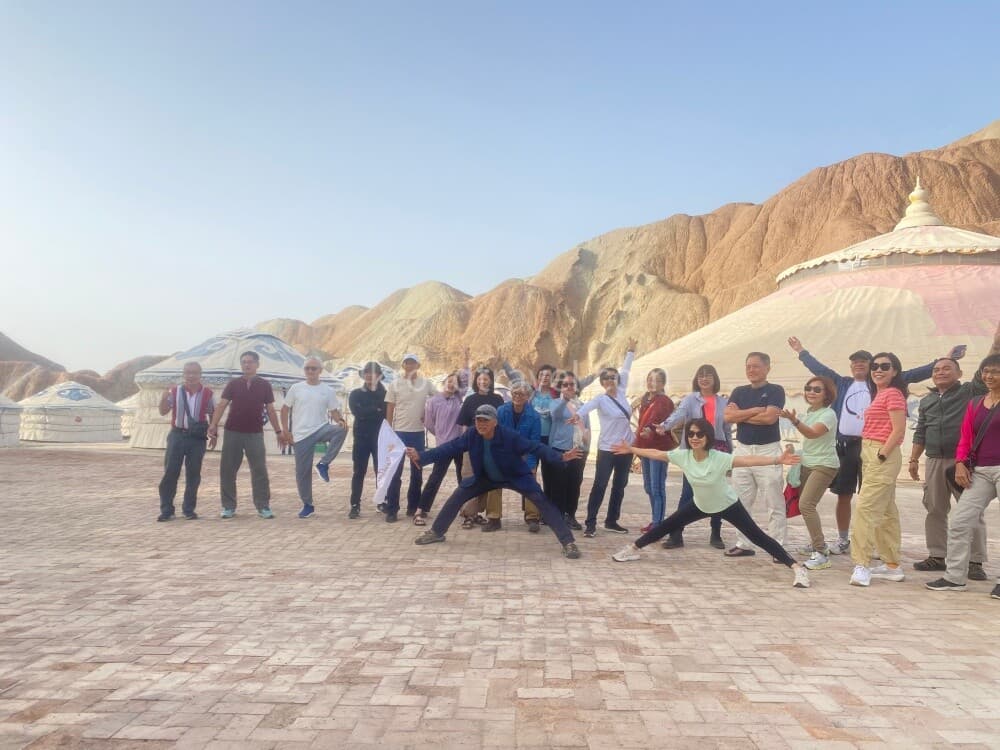
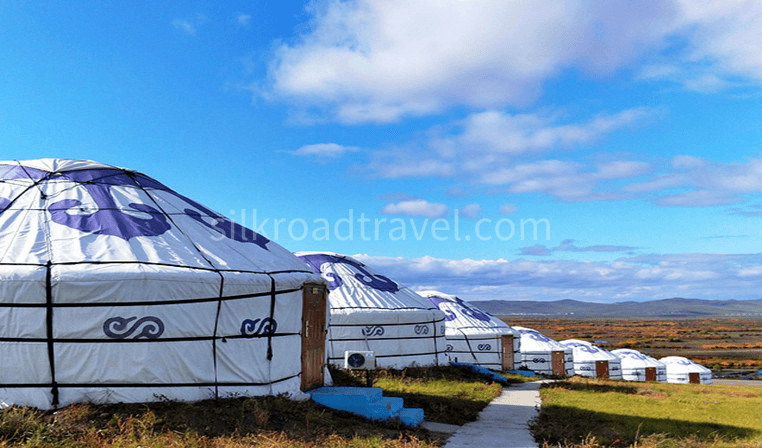
Traditional Yurt Camps: Offer an authentic nomadic experience. Note that traditional yurts have communal bathrooms and can be cold at night; opt for a modernized yurt with AC and ensuite bathroom if comfort is a priority.
Russian Wooden Houses (Enhe/Shiwei): Quaint, atmospheric wooden structures with simple amenities. Confirm if hot water is available 24/7 before booking.
Where to Stay in the Desert (Alxa/Ordos)
Desert Luxury Tents (e.g., Lotus Hotel in Kubuqi): Spectacular dune views, but expensive. Book well in advance for summer.
Ejina Town: Practical base for the poplar forests. Accommodation is limited and prices skyrocket in October; book months ahead.
Badain Jaran Desert Camp: Basic tent camps inside the desert. Be prepared for no Wi-Fi and limited water.
Inner Mongolia Food Guide: What to Eat
Inner Mongolian cuisine is defined by hearty meat and dairy flavors — a legacy of the harsh nomadic climate, requiring calorie-dense foods.
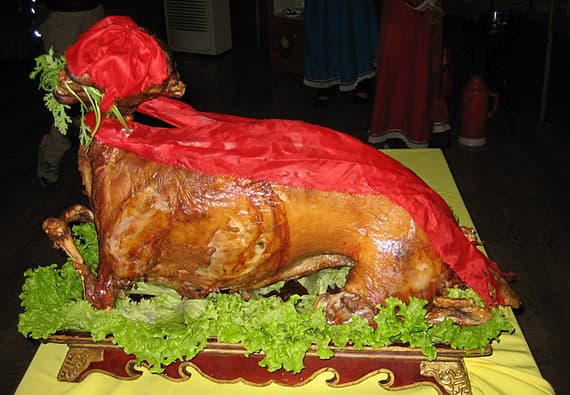
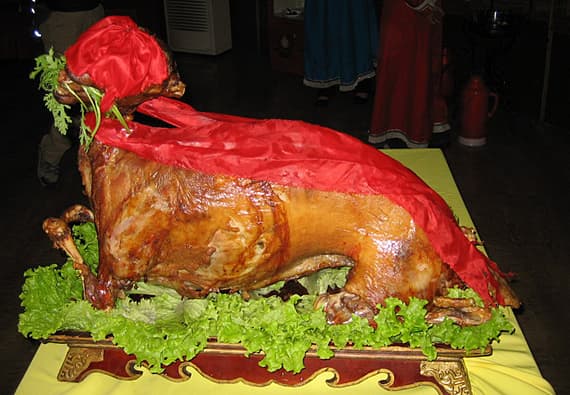
Roasted Whole Lamb (烤全羊 / Kao Quan Yang): The ultimate feast for honored guests. The lamb is roasted over an open fire until the skin is crisp and the meat tender. Usually accompanied by a ceremonial knife-cutting ritual.
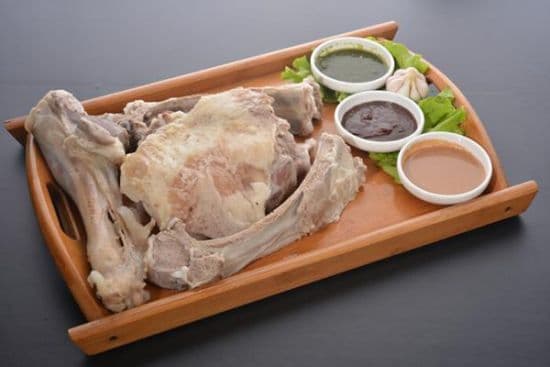
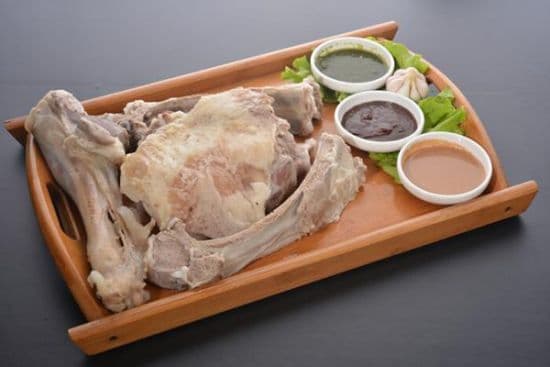
Hand-Grasped Mutton (手把肉 / Shou Ba Rou): Tender boiled mutton eaten with the hands, dipped in a simple garlic or chive sauce. The meat is incredibly fresh due to the grass-fed sheep.
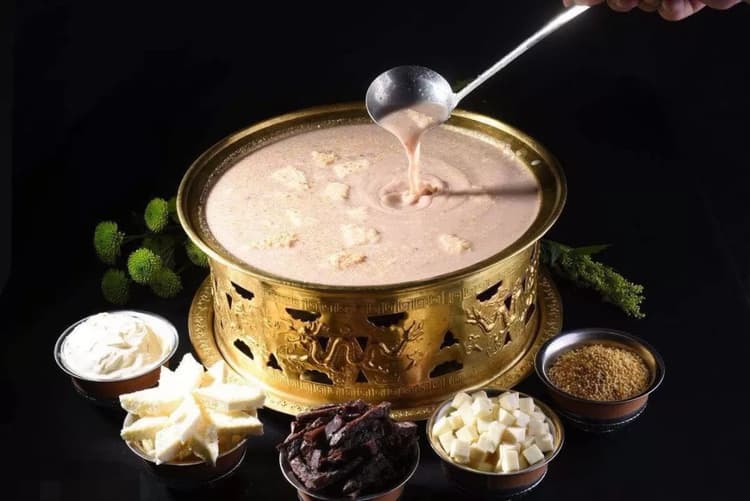
Mongolian Milk Tea (奶茶 / Nai Cha): A savory, slightly salty tea boiled with milk, butter, and sometimes fried millet or beef jerky. It is the daily staple of herdsmen.
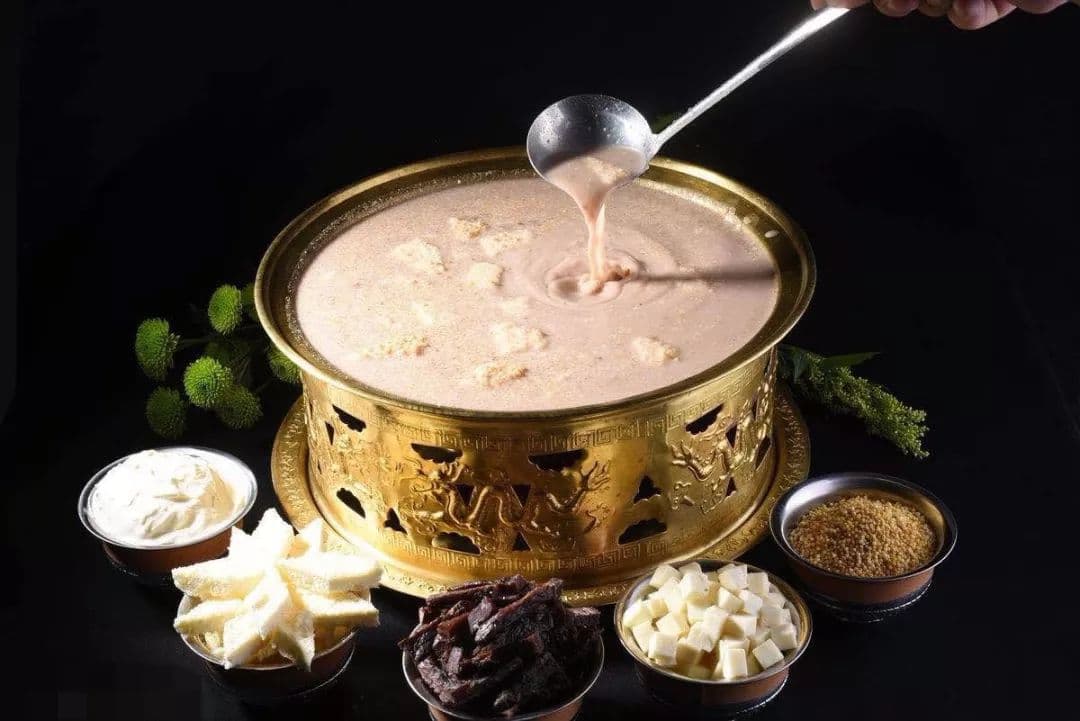
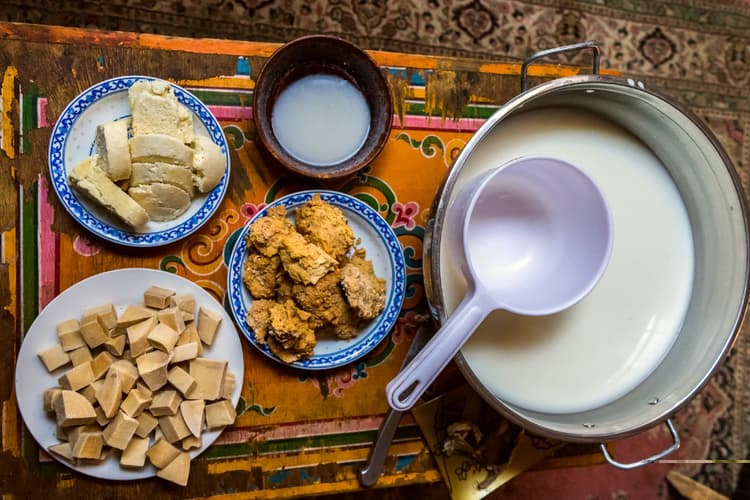
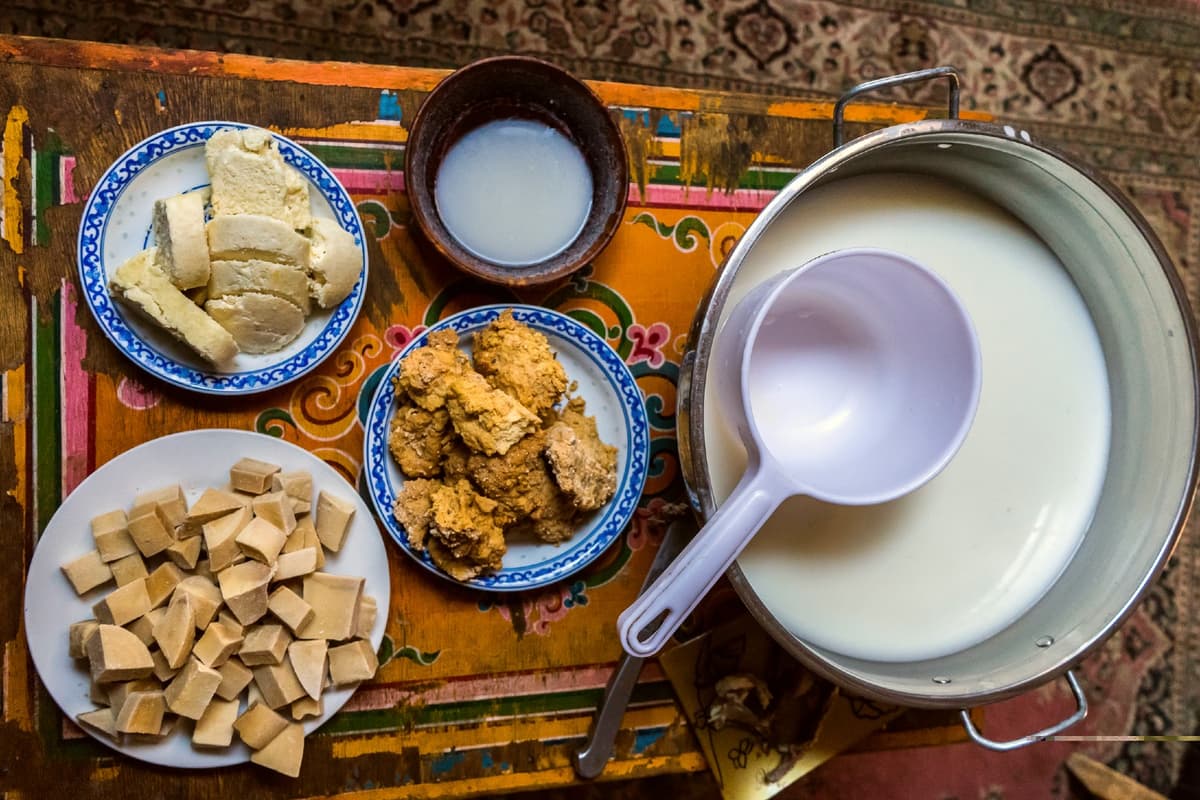
Mongolian Dairy Snacks (奶食品): Milk tofu (nai doufu), milk skin (nai pi), and cheese. Sweet and rich, perfect with milk tea.
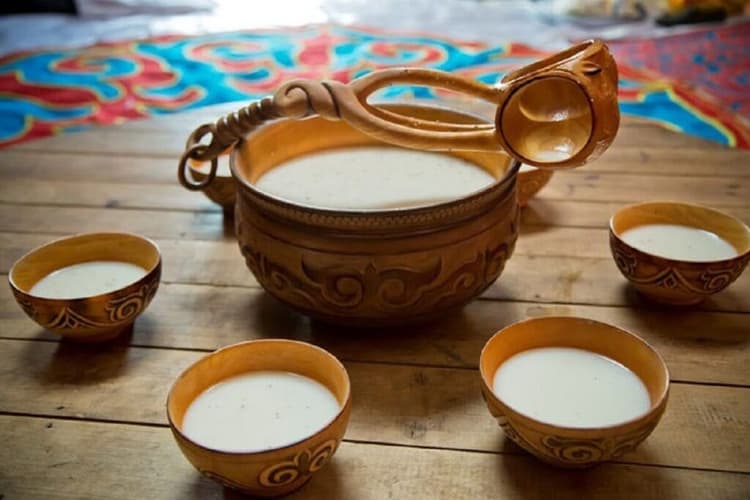
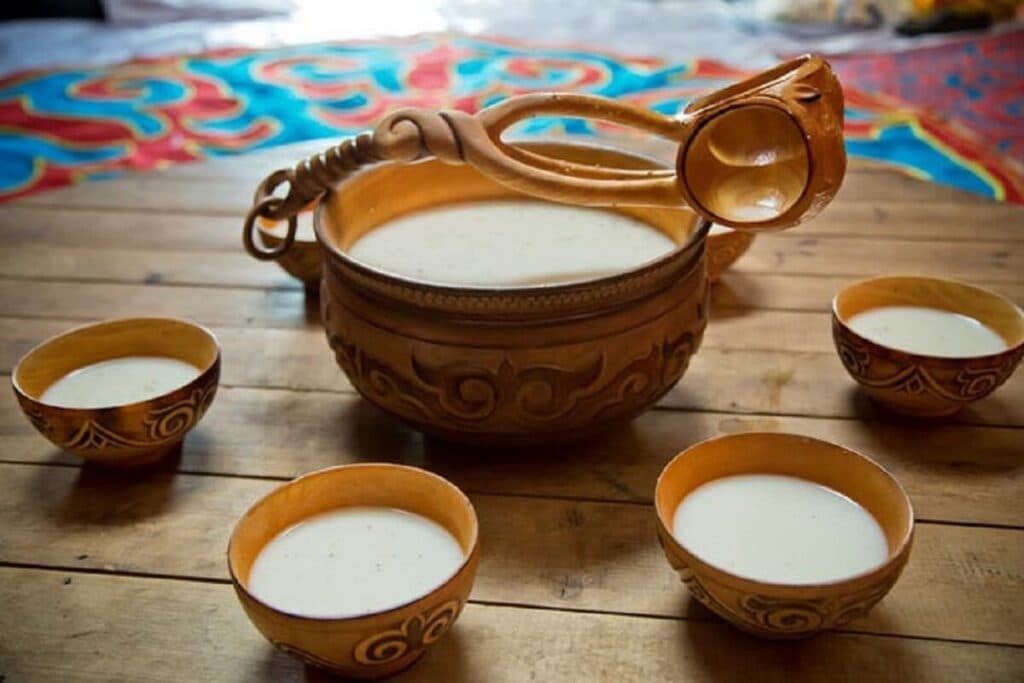
Fermented Mare’s Milk (马奶酒 / Kumis): An alcoholic, sour, fizzy drink made from horse milk. An acquired taste, traditionally consumed during Nadam.
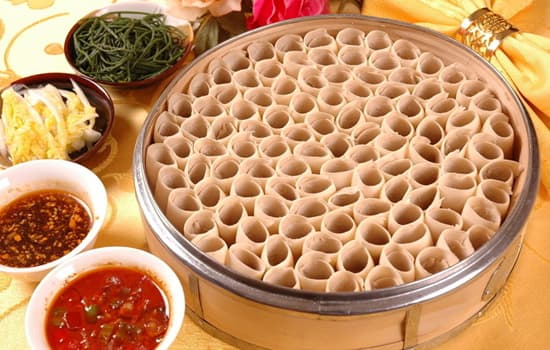
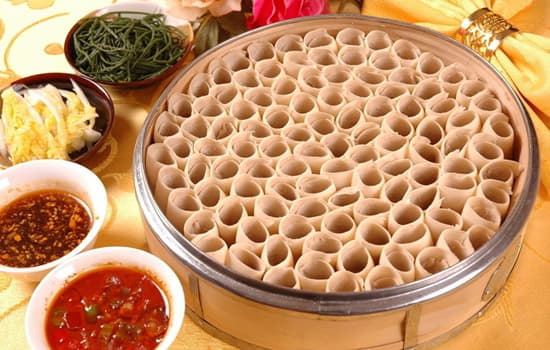
Oat Noodles (莜面 / Youmian): A staple grain in the central and western regions, often served steamed or rolled with mutton sauce.
Inner Mongolia Travel Packing Guide
Inner Mongolia’s climate is famously extreme — “you can experience four seasons in a single day” on the steppe — so packing smart makes or breaks the trip.
Clothing (Layering System)
Base layer: Quick-dry T-shirts and long sleeves.
Mid layer: Fleece or light down jacket. Even in mid-summer, grassland nights can drop to 10–15°C, and desert nights are freezing.
Outer layer: Windproof and breathable jacket. The wind on the open steppe and desert is relentless year-round.
Footwear (The Single Most Important Item)
Bring broken-in, closed-toe, waterproof hiking boots. Desert sand gets extremely hot in summer and gets everywhere in sandals. On the steppe, the ground is uneven and often dotted with animal droppings; sturdy shoes are essential for horse riding and hiking.
Sun & Sand Protection
High SPF Sunscreen & Lip Balm: UV rays are intense on the open plateau and reflect off the sand.
Sunglasses (UV400) and a Wide-Brimmed Hat: To protect against glare and heatstroke.
Buff/Neck Gaiter & Scarves: Essential to cover the nose and mouth during sudden sandstorms or on open 4WD drives.
Electronics & Health
High-capacity power bank: Essential for long road trips.
Offline maps downloaded in advance: Mobile signal drops entirely in the Badain Jaran Desert and parts of the Hulunbuir steppe.
Moisturizer & Saline Nasal Spray: The climate is incredibly dry, leading to cracked skin and nosebleeds for the uninitiated.
Motion-sickness tablets: For off-road desert driving and winding steppe roads.
Common Mistakes When Planning an Inner Mongolia Trip
Mistake 1: Trying to Cover the Entire Region in One Trip
A frequent error is cramming Hohhot + Hulunbuir + Alxa + Ordos into a single 10-day trip. Given flight and driving times, this results in 5 days of transit and 2 days of exhaustion. Choose either the East (Hulunbuir) or the West (Alxa/Ordos).
Mistake 2: Ignoring the Seasonality
Travelers visiting the Hulunbuir grasslands in May will find brown, withered grass instead of a green sea. Those visiting Ejina’s poplar forest in August will find green leaves. Match your destination precisely to the right month.
Mistake 3: Overestimating Driving Speeds
Distances on the map are deceptive. A 300-kilometer drive across the Badain Jaran Desert or the Hulunbuir steppe can take 5–6 hours due to off-road terrain, winding rivers, and unpaved sections. Always calculate driving time, not map distance.
Mistake 4: Booking Fake Yurts
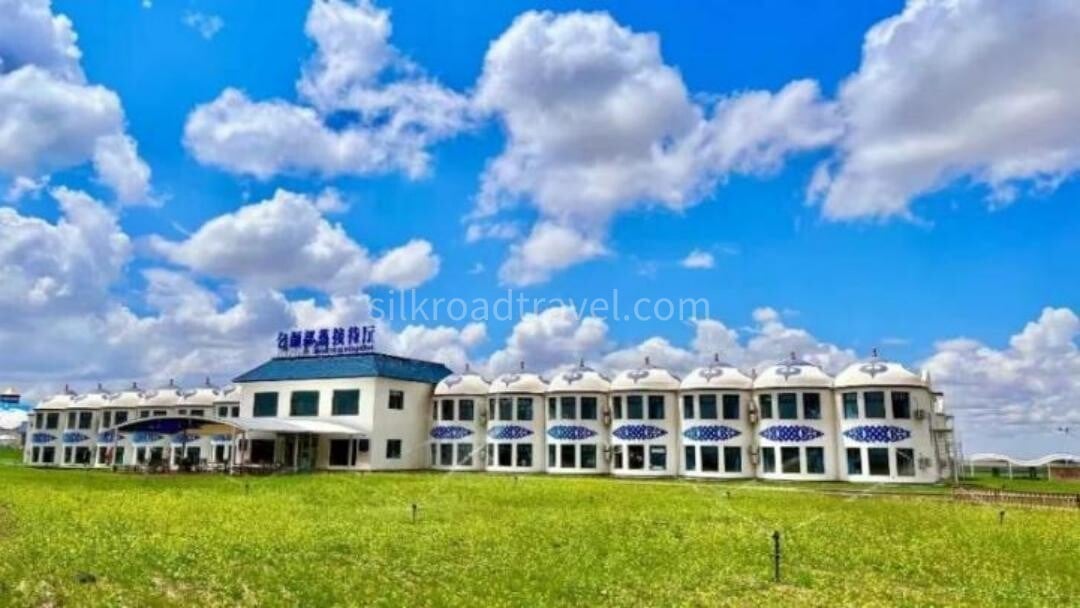
Many “yurt camps” near Hohhot are essentially concrete buildings shaped like yurts, packed tightly together. For an authentic experience, seek out smaller, family-run ger camps in Hulunbuir where you can truly hear the wind across the steppe at night.
Mistake 5: Underestimating the Cold
Even in July, sitting on a horse or an open 4WD on the Hulunbuir grassland at dawn can be freezing. Always carry a heavy jacket, regardless of the midday forecast.
Mistake 6: Disrespecting Nomadic Etiquette
When entering a yurt, do not step on the threshold. Do not block the central hearth. If offered milk tea or kumis, accept it with both hands, and take at least a sip; refusing outright is considered highly impolite.
How to Choose Your Perfect Inner Mongolia Route
If This Is Your First Visit to Inner Mongolia
Recommended: Hohhot + Ordos (Kubuqi) + Xilamuren (4–5 days)
Why: Covers the accessible deserts, cultural history, and a taste of the grasslands with minimal travel stress.
If You Are a Nature and Photography Enthusiast
Recommended: Hulunbuir Loop (Hailar → Shiwei → Manzhouli)
Duration: 7–9 days (June to August)
Why: Offers the most pristine green steppes, winding rivers, Russian border culture, and reindeer forests.
If You Love Extreme Deserts and Off-Roading
Recommended: Alxa League (Badain Jaran + Ejina)
Duration: 6–8 days (September to October)
Why: Combines the world’s highest sand dunes with the stunning golden Populus Euphratica forest, offering once-in-a-lifetime desert camping.
If You Are Combining Inner Mongolia with Beijing
Recommended: Enter via Beijing, drive or fly to Chifeng (Ulan Butong) or Hohhot.
Why: Ulan Butong offers stunning rolling grassland and forest landscapes just a few hours from Beijing, perfect for a 3-4 day getaway.
Final Thoughts: How to Plan the Perfect Inner Mongolia Tour
Inner Mongolia is more than a checklist of grasslands and deserts; it is a region where the horizon is endless, the sky is impossibly blue, and the silence of the steppe is broken only by the thundering hooves of wild horses. The best journey is less about racing between attractions and more about choosing experiences that match your interests — whether that means feeling the Gobi sand slip through your fingers in Alxa, drinking salt milk tea in a Hulunbuir yurt, or watching the sun set over the golden poplars of Ejina.
For first-time visitors, the classic Hohhot → Ordos → Grassland route offers an ideal introduction, while adding the remote Hulunbuir Loop or Alxa Desert reveals the deeper, more soulful side of Mongolia’s nomadic heritage.
With the right pacing, the right season, and a healthy respect for the vast distances, Inner Mongolia will quietly become one of the most epic chapters of your China journey.
Plan Your Inner Mongolia Tour with Silk Road Travel
Planning a trip to Inner Mongolia involves a fair amount of practical detail — navigating extreme distances, booking the right yurt camps, securing 4WD desert transfers, and choosing the perfect season for your specific interests. If you’d prefer to leave these arrangements to someone familiar with the region, Silk Road Travel can help.
We are a China-based travel agency offering customized private tours across Inner Mongolia and other regions of China. Our consultants can assist with:
l Designing an itinerary based on your available time, interests, and travel season
l Booking internal flights, off-road transfers, and authentic yurt accommodations
l Arranging private transportation with experienced desert/steppe drivers
l Providing English-speaking guides where needed
l Offering on-trip support during your journey
There is no charge for an initial itinerary draft, and you are welcome to adjust the plan until it suits you.
If you have questions about Inner Mongolia travel, or would like a customized itinerary quote, feel free to get in touch:
Silk Road Travel
Email: info@silkroadtravel.com
Phone / WhatsApp: +86 15909912575