



How to Plan Your Perfect Guizhou Travel
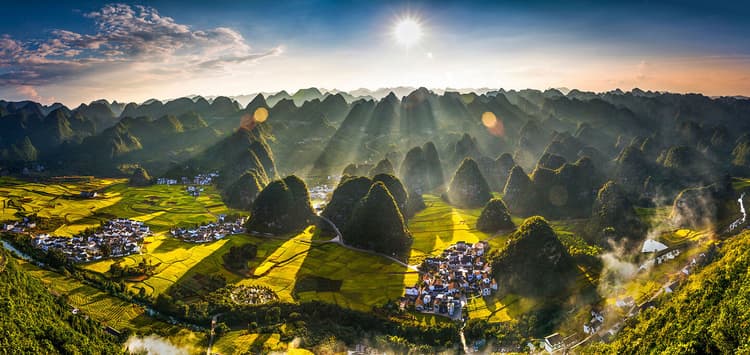
Nestled in the heart of Southwest China, Guizhou remains one of the country’s most underrated travel destinations — a province where waterfalls thunder through emerald karst gorges, thousand-year-old Miao and Dong villages cling to misty mountainsides, and a UNESCO-listed sacred mountain rises above a sea of clouds.
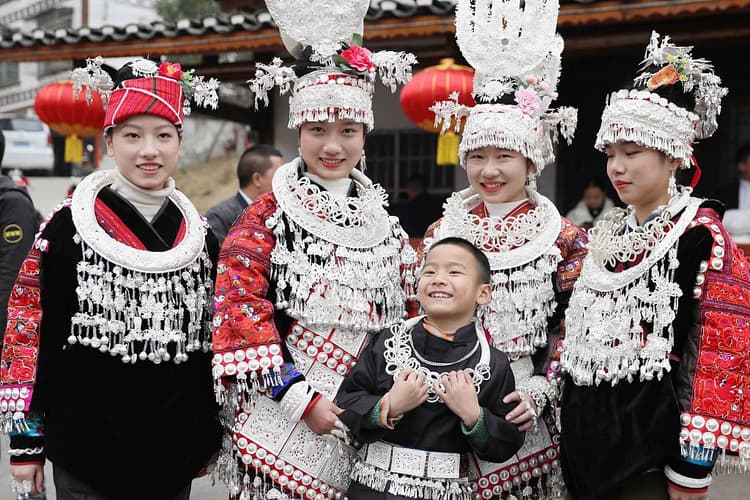
Unlike its more famous neighbors (Yunnan, Sichuan, Guangxi), Guizhou has no plains at all. It is a land of “eight parts mountain, one part water, one part farmland,” home to 17 ethnic minority groups whose festivals, silver ornaments, polyphonic songs and wooden architecture have changed little over centuries.
A journey through Guizhou can include: Asia’s largest waterfall, UNESCO World Natural Heritage karst landscapes, China’s biggest Miao village, Dong drum towers and wind-and-rain bridges, a Buddhist sacred mountain, ancient riverside towns, and fiery sour-and-spicy cuisine.
However, planning a Guizhou trip can also be challenging. The province’s terrain is steep, attractions are scattered across different prefectures, mountain roads are winding, and the weather is famously fickle — locals joke that “there are never three sunny days in a row” (天无三日晴).
Should you visit Huangguoshu Waterfall or Libo’s Xiaoqikong, Xijiang Miao Village or Zhaoxing Dong Village, Fanjingshan or Zhenyuan Ancient Town — and how do you connect them without spending your entire trip on mountain roads?
This ultimate guide explains how to plan your Guizhou tour, including the best time to visit, recommended routes by duration, transportation, accommodation and practical travel tips.
Recommended Tour Itinerary
5 Days Guizhou Tour to Guiyang, Libo and XijiangGuiyang - Anshun - Libo - Xijiang From US$ 600 On Inquiry |
10 Days Exotic Guizhou Tour, Minority Culture & LandscapeGuiyang - Anshun - Libo - Xijiang - Rongjiang - Congjiang - Zhaoxing - Zhenyuan Ancient Town - Fanjingshan On Inquiry |
14-Day Guizhou Wellness Slow Tour for Seniors: Nature, Culture & RelaxationGuiyang-Wujiangzhai-Zhenyuan-Xijiang-Libo-Guiyang-Huangguoshu-Xingyi-Guiyang From US$ 2980 |
Content›Understanding Guizhou: Main Travel Regions ›How Many Days Do You Need for a Guizhou Tour? ›Recommended Guizhou Routes by Travel Style ›How to Choose Between Different Guizhou Routes? |
Why Visit Guizhou?
Guizhou,a Destination of Extraordinary Natural Diversity
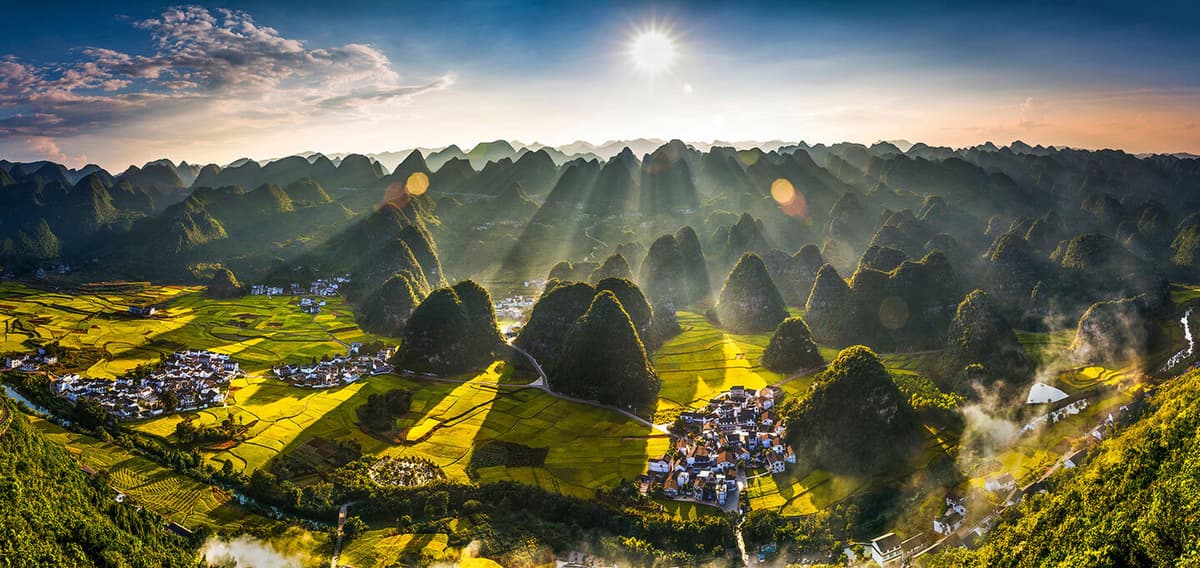
Guizhou is often described as a “natural park province” because of its concentration of karst landscapes — caves, stone forests, underground rivers, sinkholes and waterfalls — packed into a relatively compact area.
Asia’s Largest Waterfall and Karst Wonders
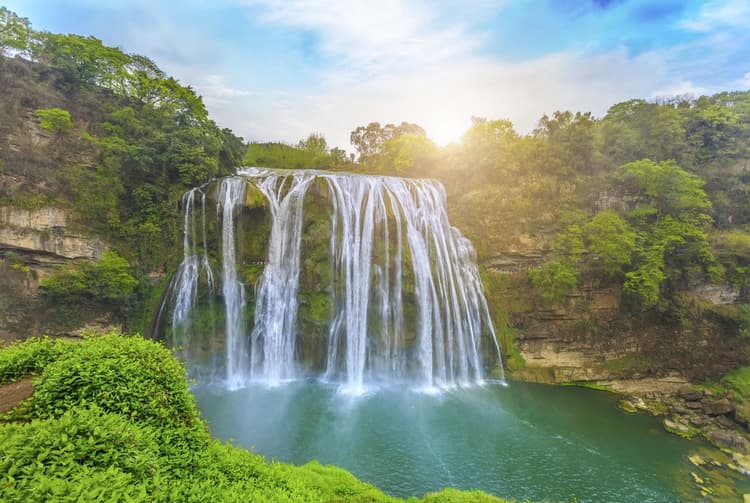
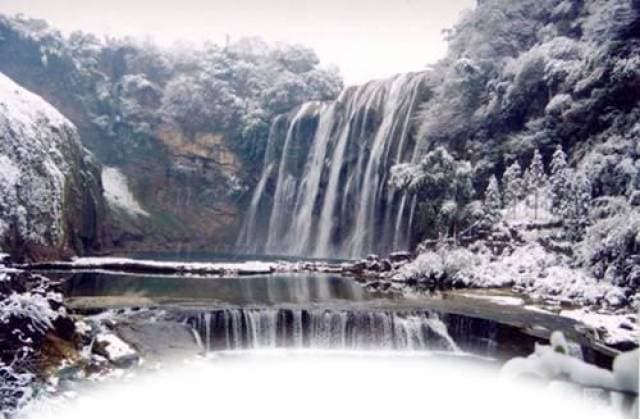
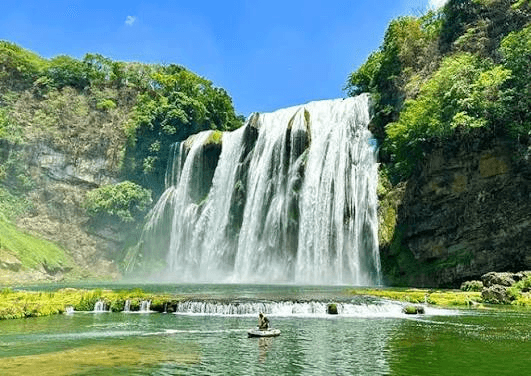
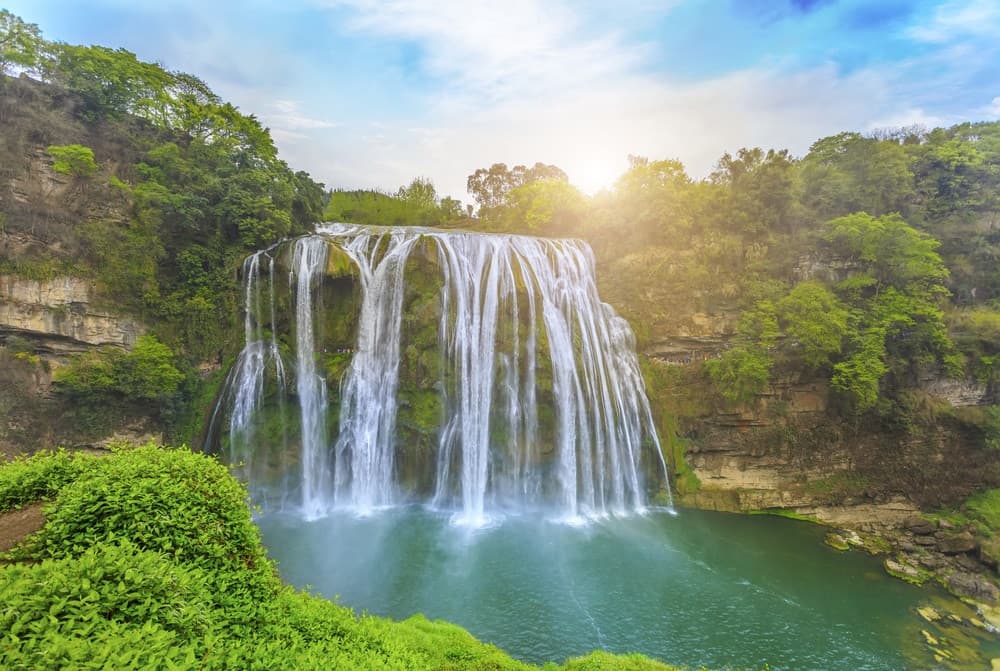
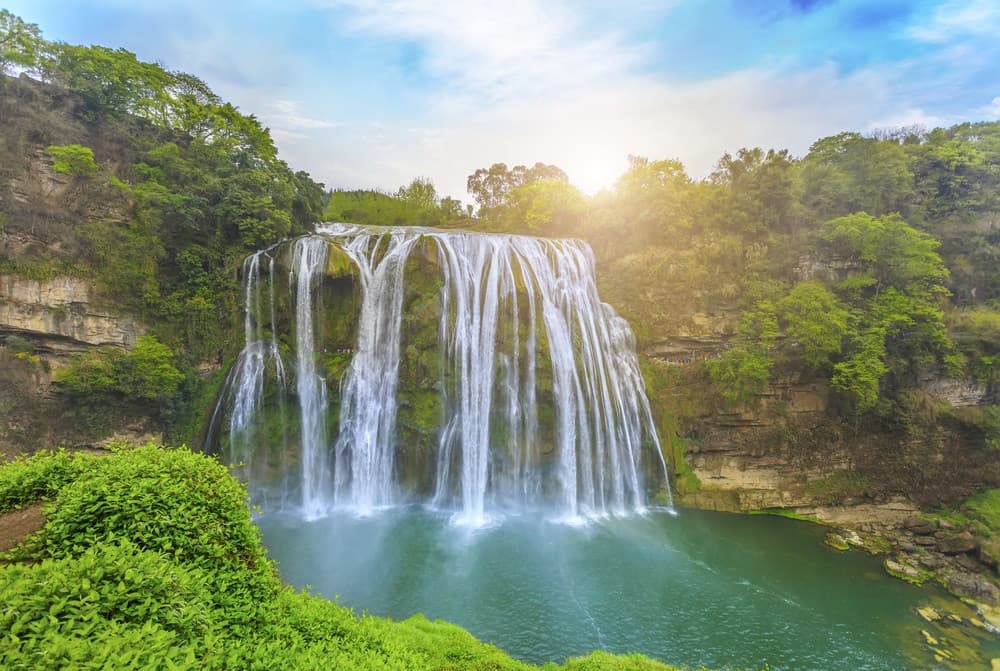
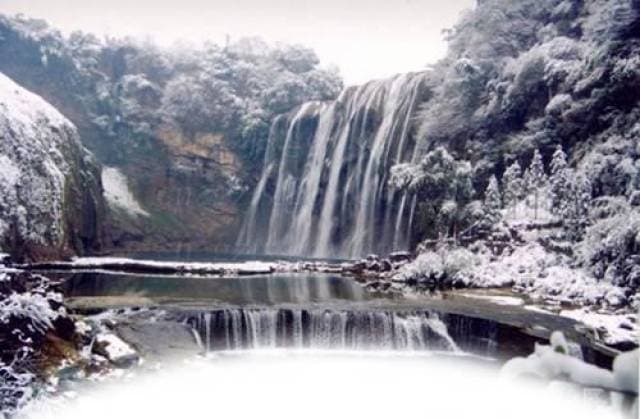
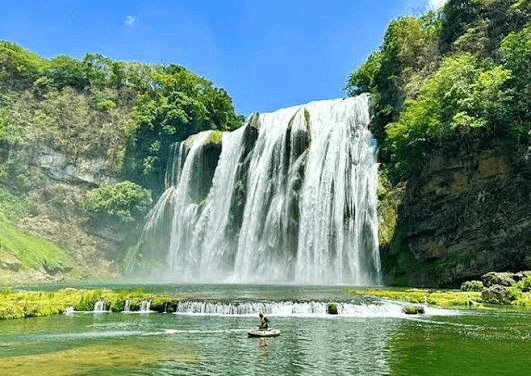
At Huangguoshu Waterfall, travelers can witness a 77.8-meter-high, 101-meter-wide curtain of water, and even walk behind the falls through the Water Curtain Cave (Shuiliandong).The scenic area spans more than 120 square kilometers, including Doupotang Falls and the Tianxingqiao karst garden.
UNESCO World Heritage Karst at Libo
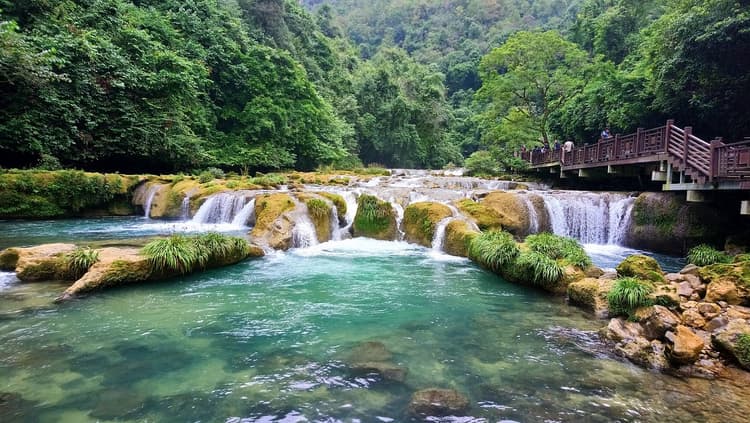
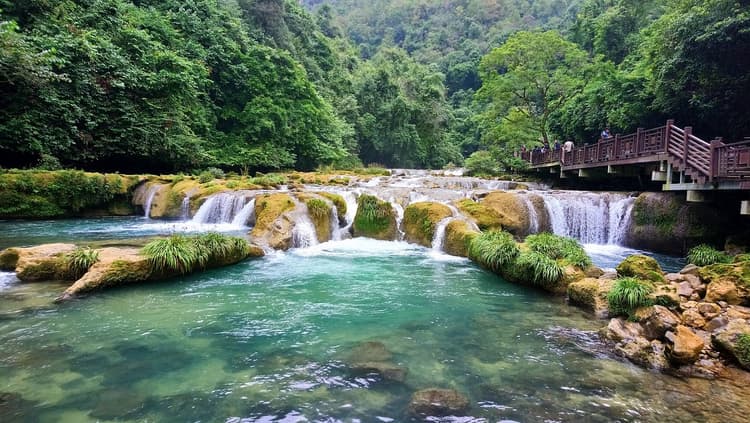
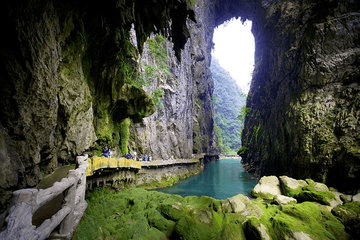
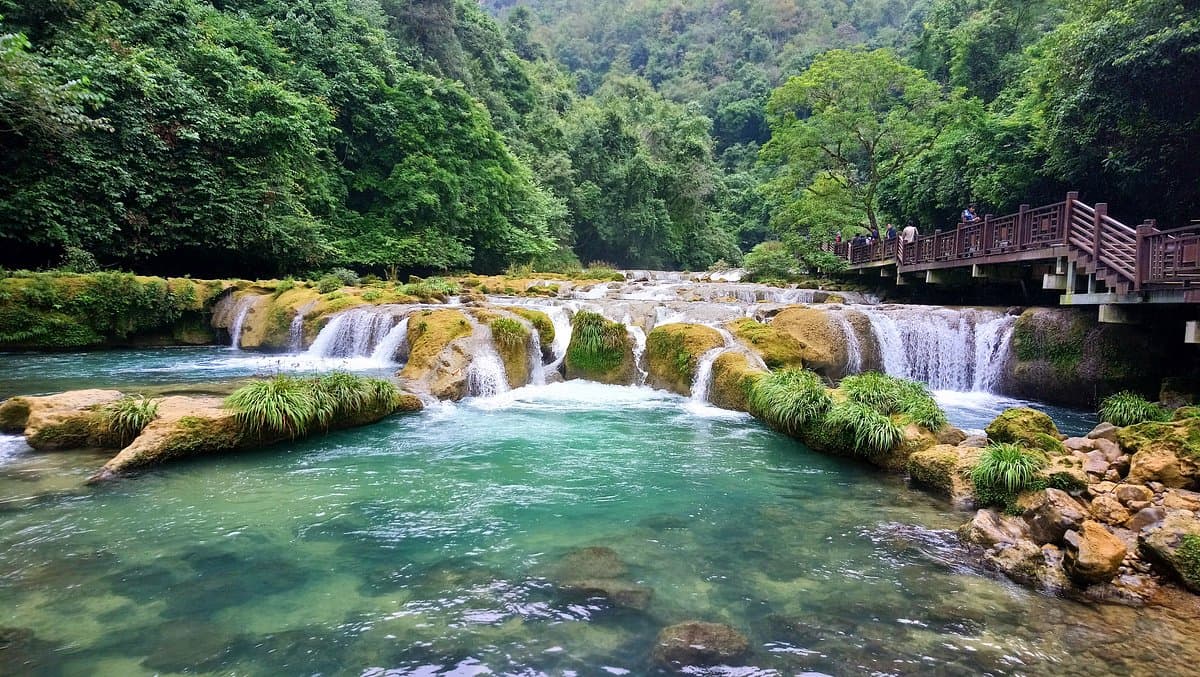
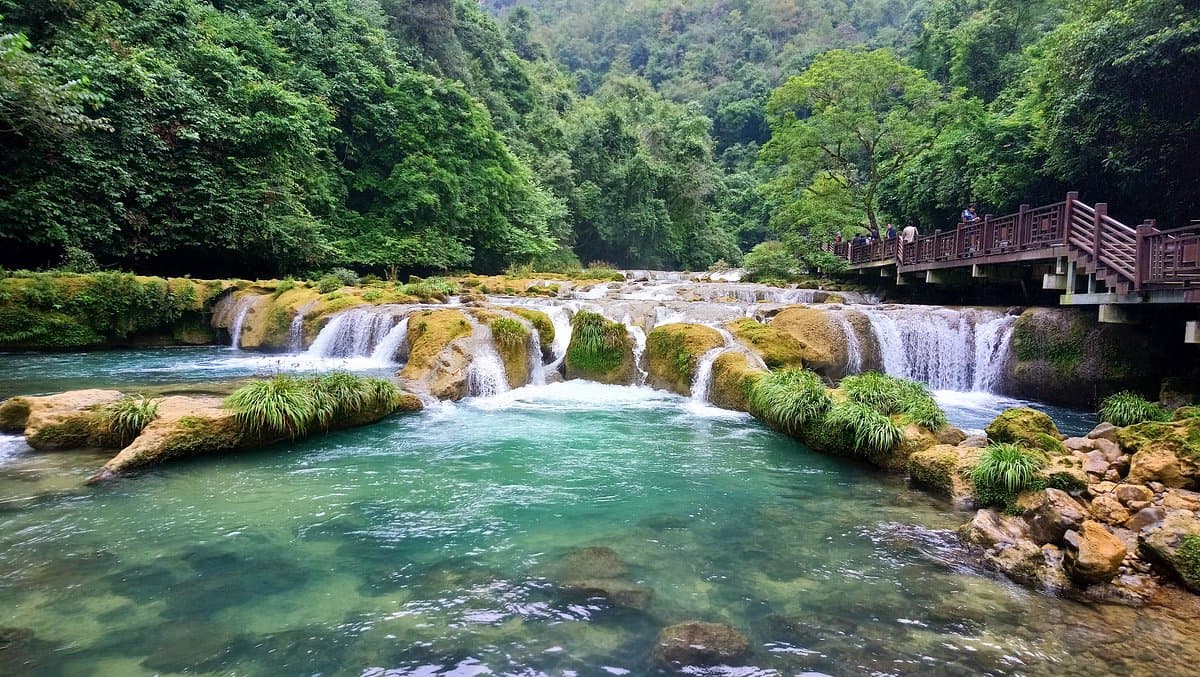
The Xiaoqikong (Seven Small Arches) Scenic Area in Libo County is a core component of the South China Karst UNESCO World Natural Heritage Site, famous for its turquoise rivers, water forest, Wolong Pool and the 1836-vintage seven-arch stone bridge.
Guizhou,a Sacred Mountain Above the Clouds
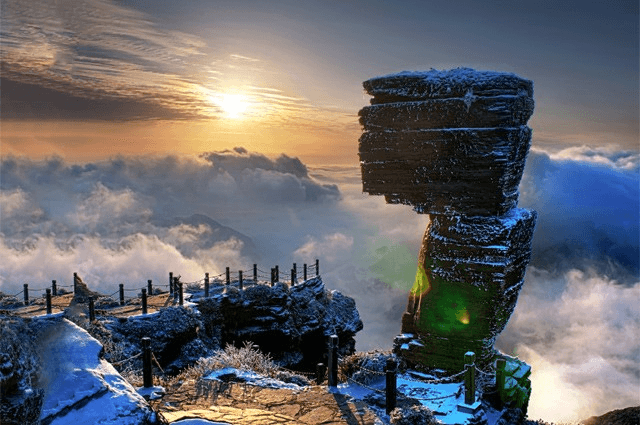
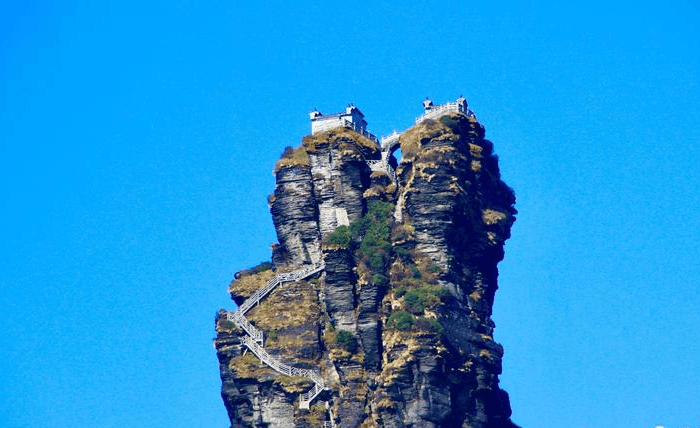
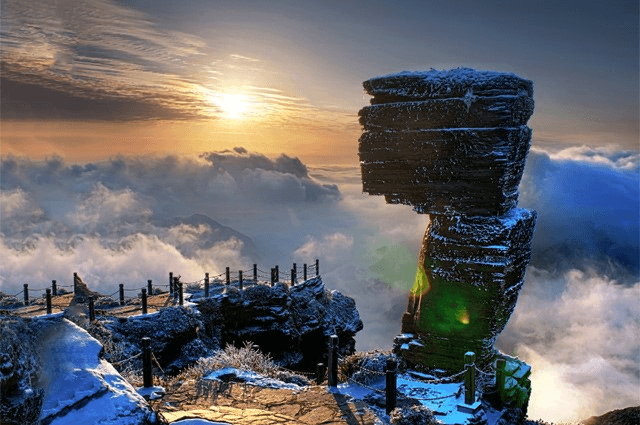
Fanjingshan, another UNESCO World Natural Heritage Site, is a Buddhist sacred mountain where rare golden snub-nosed monkeys live, and where pilgrims climb to the Red Clouds Golden Summit — a dramatic rock spire topped with two temples.
Guizhou,a Province of Living Ethnic Cultures
Guizhou’s greatest cultural treasure is its 17 recognized ethnic groups, including the Miao, Dong, Bouyei, Shui and Yi, whose traditions remain vibrantly alive in daily village life.
Miao Culture in Xijiang and Kaili
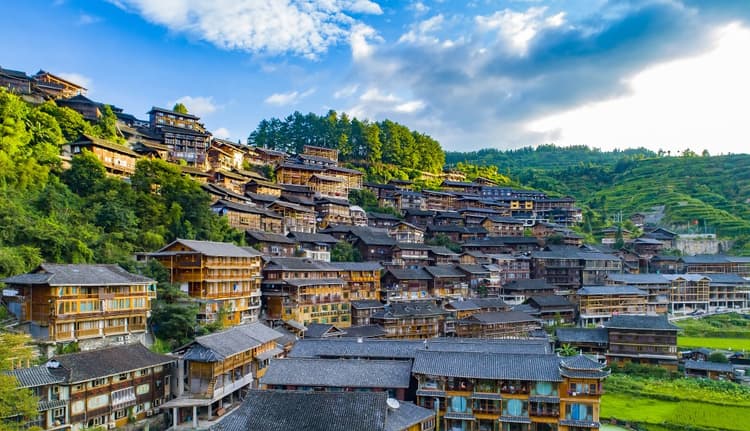
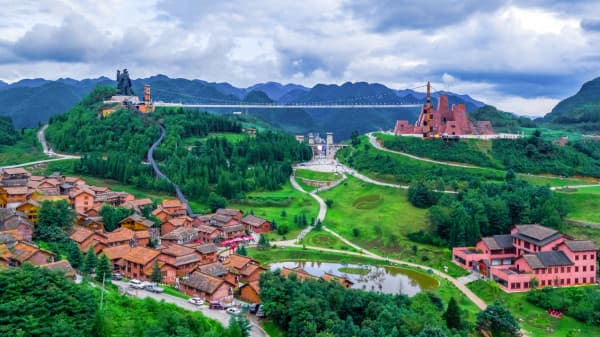
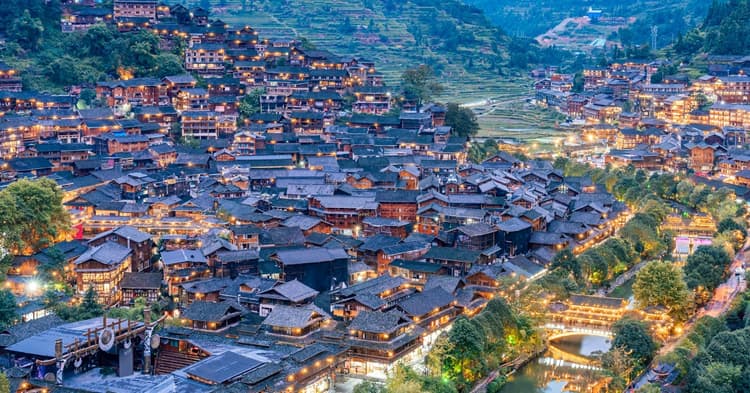
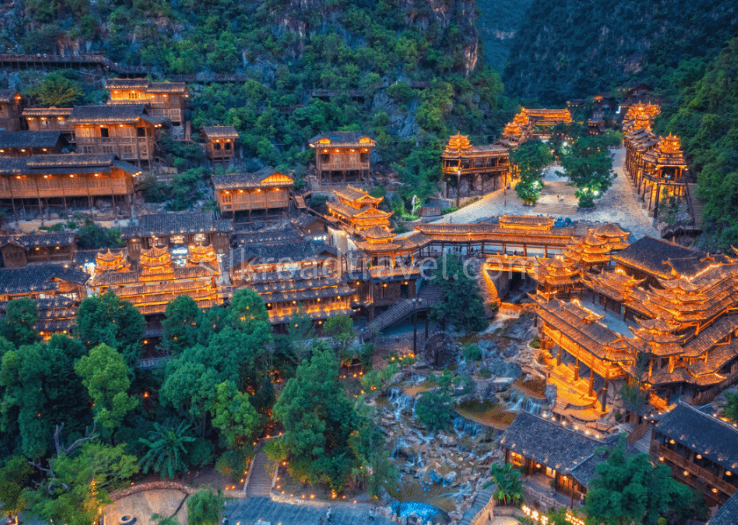
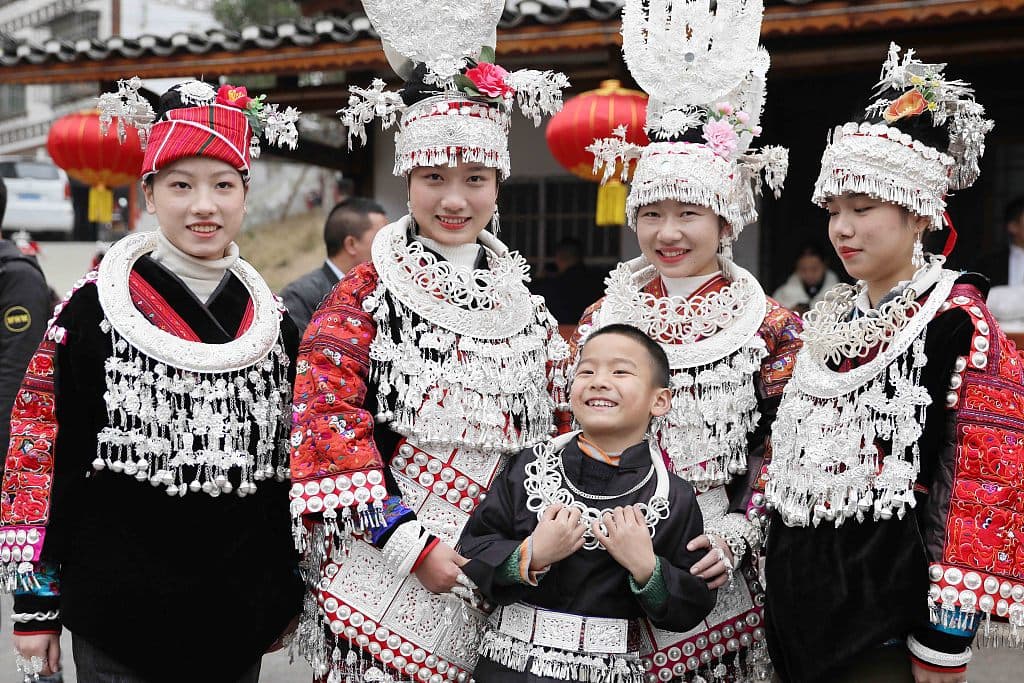
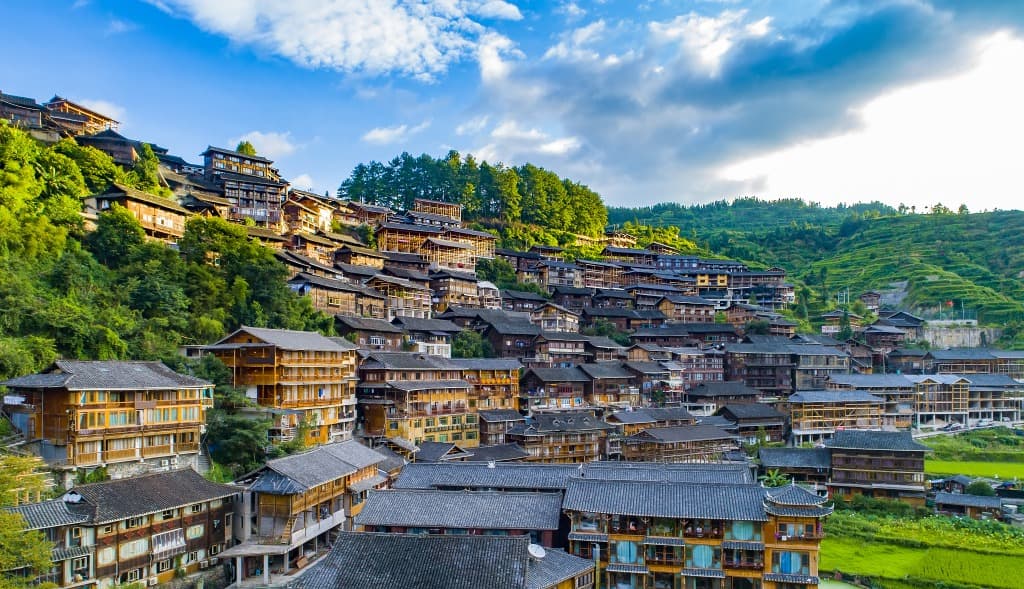
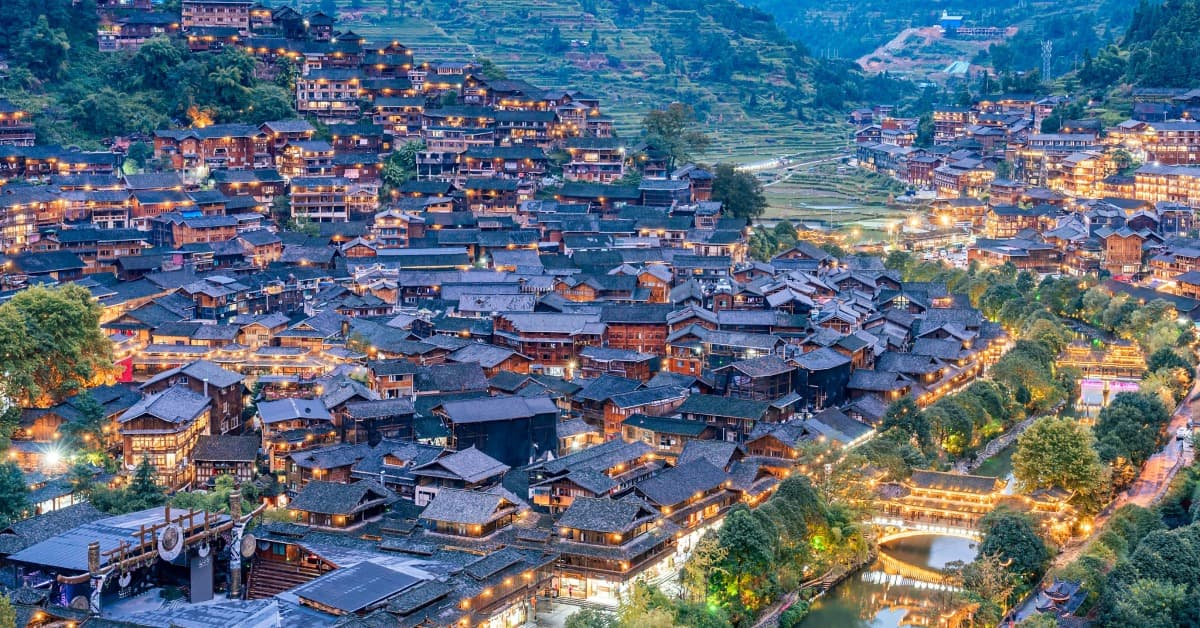
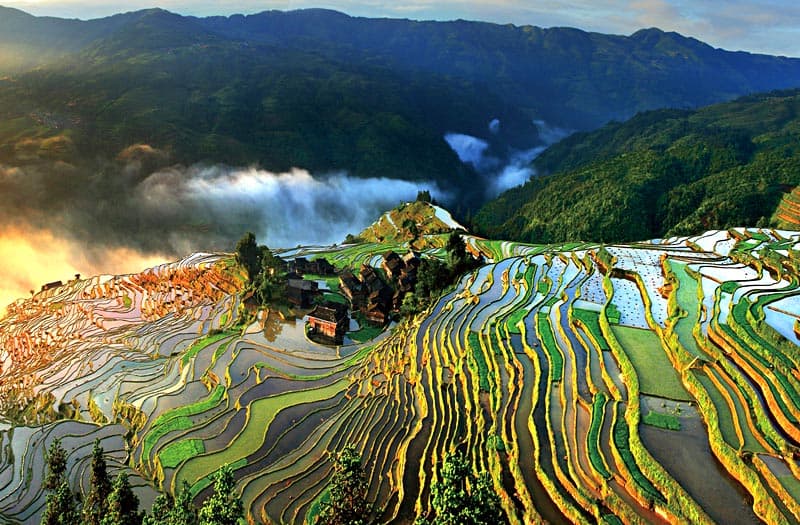
The Xijiang Qianhu Miao Village (“Thousand-Household Miao Village”) is the largest Miao settlement in China, famous for its cascading stilted wooden houses, silver ornaments, lusheng (reed pipe) dancing and spectacular night views from the observation deck.
Dong Culture in Zhaoxing
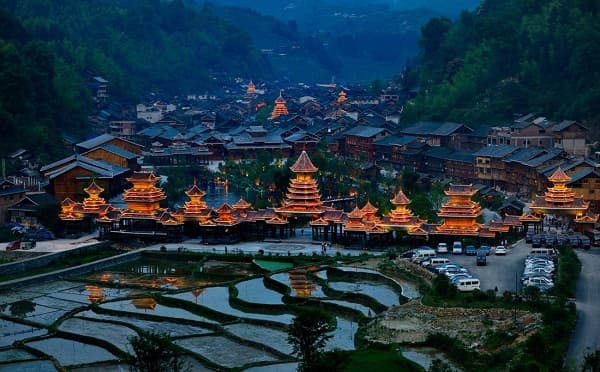
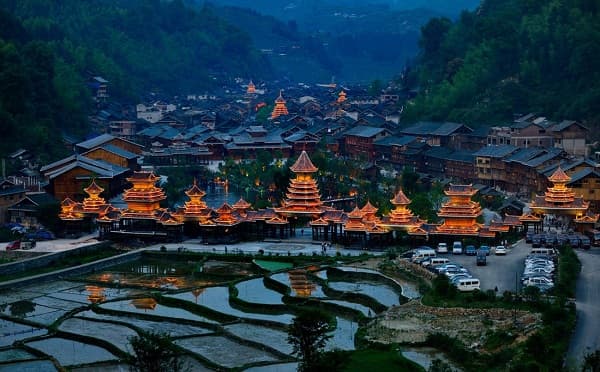
Zhaoxing Dong Village is the largest Dong village in China, home to five drum towers representing five clans, wind-and-rain bridges built entirely without nails, and the Grand Song of the Dong people — a UNESCO-recognized polyphonic choral tradition performed without instruments or a conductor.
Understanding Guizhou: Main Travel Regions
Before planning a trip, it is important to understand Guizhou’s geography. The province can generally be divided into five major travel areas.
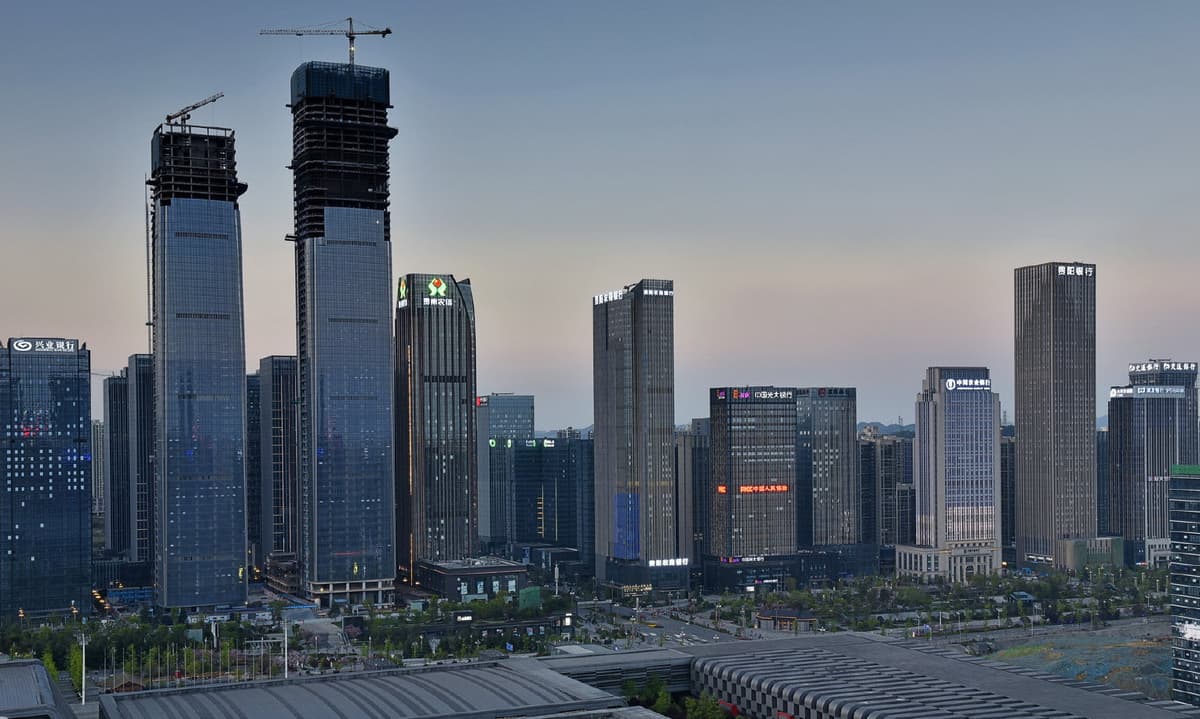
1. Guiyang: Gateway to Guizhou
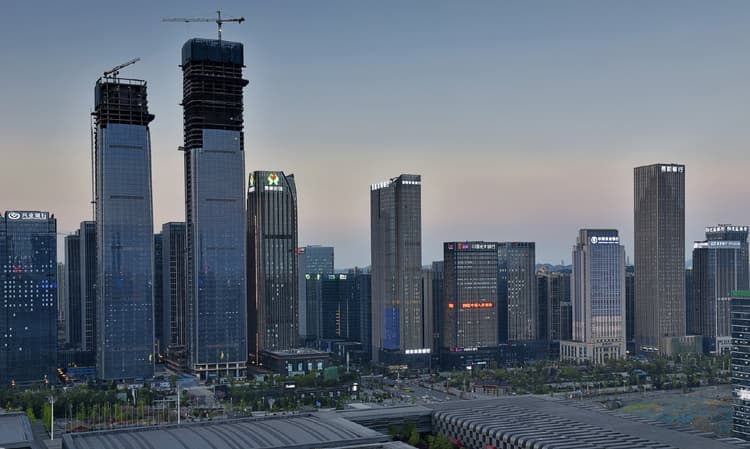
Guiyang is best suited for transportation connections, short city visits, and as a starting point for exploring Guizhou, serving as the province’s main hub with Guiyang Longdongbao International Airport and an extensive high-speed rail network connecting to Anshun, Kaili, Duyun, Congjiang, Libo and beyond.Within the city, Jiaxiu Pavilion, Qingyan Ancient Town and Qianling Mountain Park make it worth one relaxed day.
2. Anshun: Waterfalls and Karst Landscapes
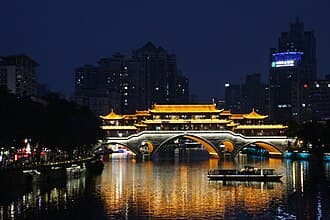
Anshun is best suited for first-time visitors and nature lovers, home to Huangguoshu Waterfall (China’s largest), the Tianxingqiao karst scenic area, Doupotang Falls, and the Longgong (Dragon Palace) Cave. It sits just 20 minutes from Guiyang by high-speed train, making it the easiest headline attraction to reach.
3. Qiandongnan (Southeast Guizhou): Ethnic Village Heartland
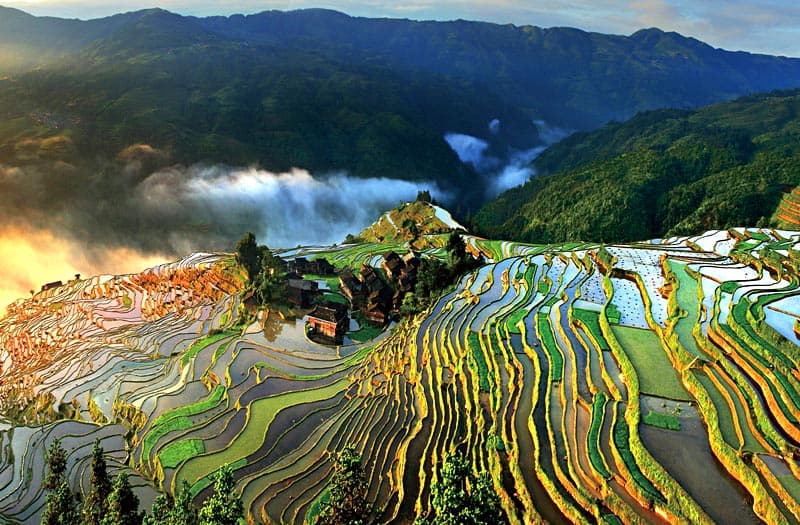
The Qiandongnan Miao and Dong Autonomous Prefecture — centered on Kaili, Leishan, Rongjiang and Congjiang — is best suited for cultural travelers and photographers, offering the densest concentration of ethnic villages in China, including Xijiang Qianhu Miao Village, Zhaoxing Dong Village, and dozens of smaller, less-touristy hamlets.
4. Libo and Qiannan: Karst Waterscapes(Suit for summer retreats and water lovers)
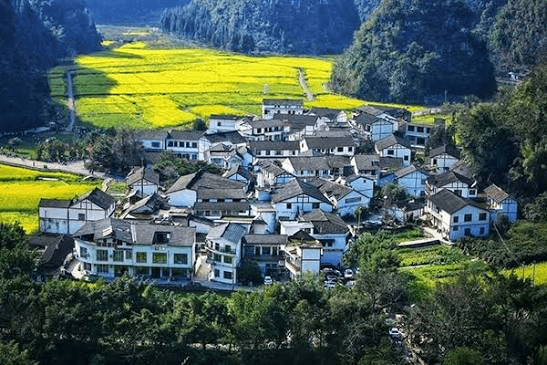
Libo County in southern Guizhou,thanks to the Xiaoqikong and Daqikong scenic areas, where summer temperatures average a refreshing 22°C and visitors can wade through the Water Forest and take bamboo rafts across Mandarin Duck Lake.
5. Tongren and Northeast Guizhou: Sacred Mountain and Ancient Town
Tongren is best suited for hikers, pilgrims and travelers combining Guizhou with Fenghuang (Hunan), offering Fanjingshan UNESCO site and the 2,000-year-old Zhenyuan Ancient Town, which sits conveniently between Fanjingshan and Kaili.
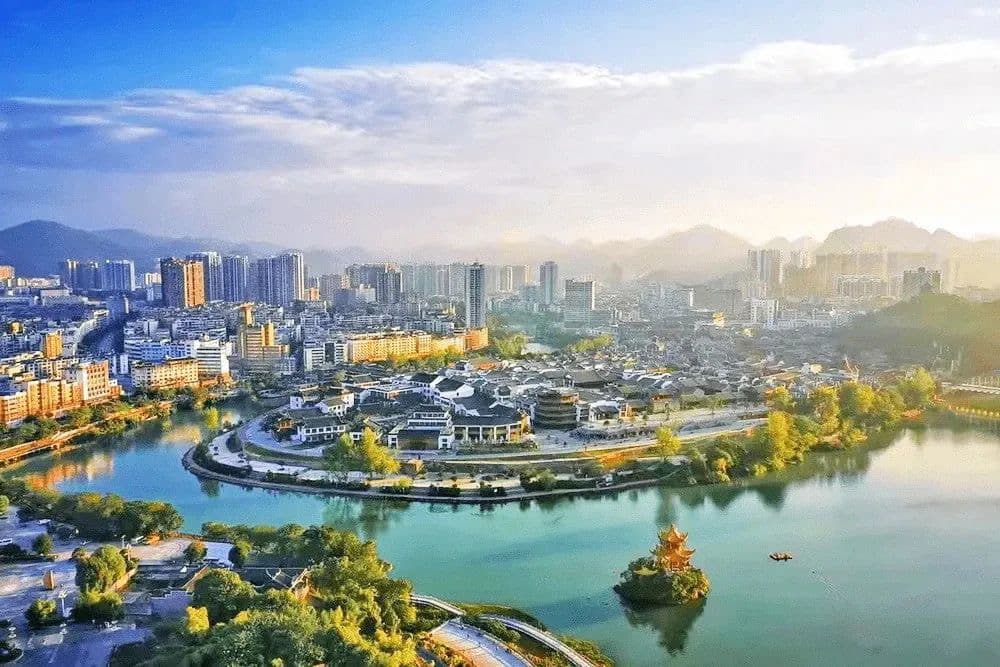
Best Time to Visit Guizhou
Guizhou enjoys a subtropical humid monsoon climate with mild winters and cool summers — the coldest month averages 4–6°C and the hottest 15–23°C — but rainfall is frequent year-round.The best season depends on what you want to see.
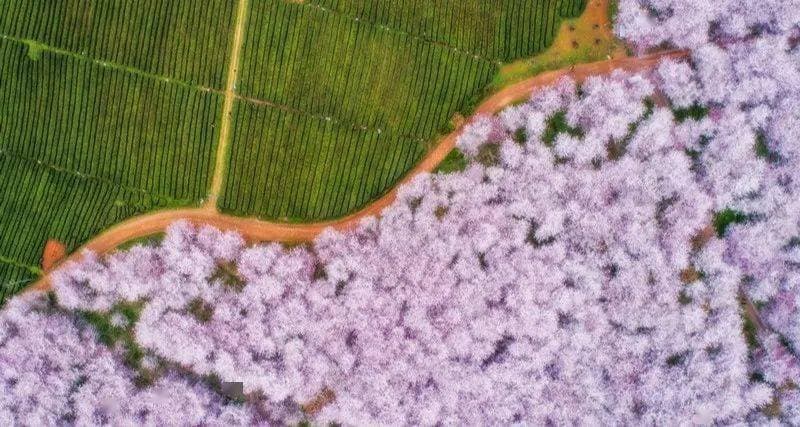
Spring (March–May): Flowers, Festivals and Shoulder-Season Value
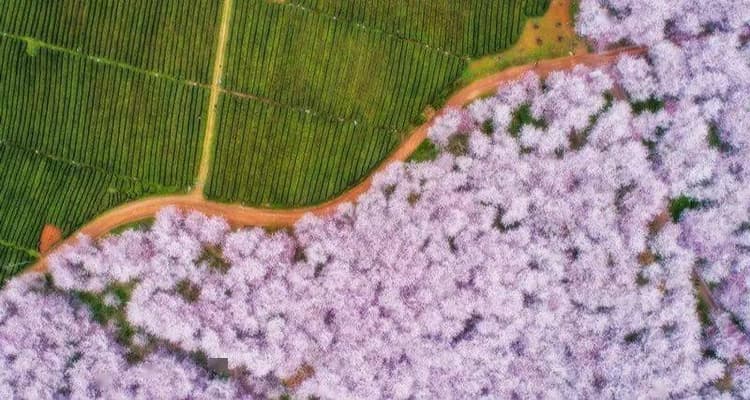
Spring brings blooming flowers, moderate crowds and the famous Miao Sisters’ Meal Festival (15th–17th day of the third lunar month, usually April), when young Miao women in full silver regalia gather for antiphonal singing and courtship ritual. Zhaoxing Dong Village is particularly lovely this season.
Summer (June–August): Waterfalls at Their Most Powerful
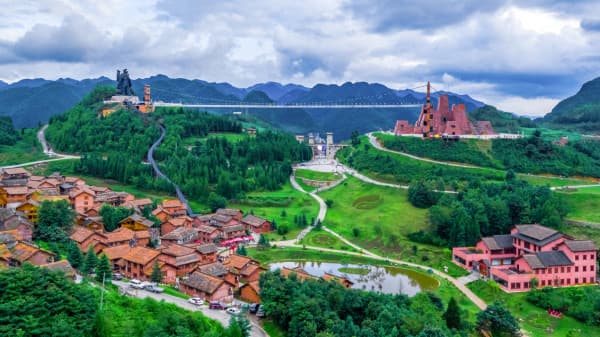
Summer is the best time for Huangguoshu Waterfall, when the rains swell the waterfall to its most dramatic volume, and for escaping the heat in Libo’s Xiaoqikong, where the water forest and karst pools stay cool.Expect occasional downpours and pack rain gear.
Autumn (September–November): The Best Overall Season
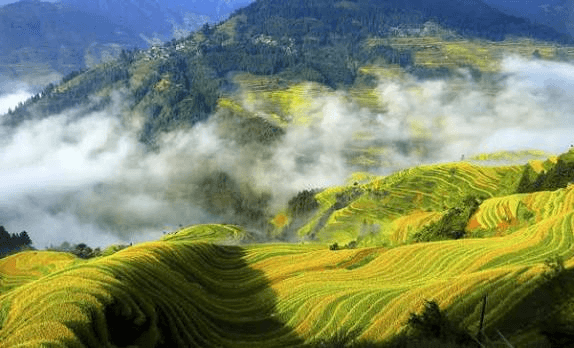
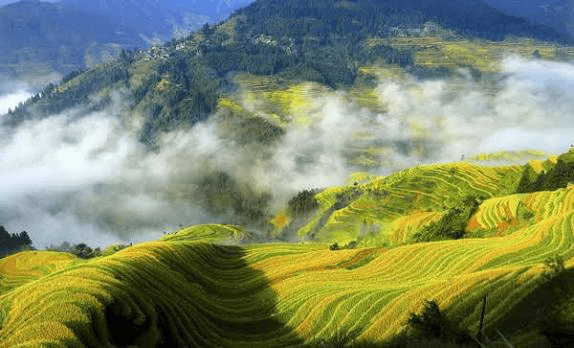
Many travelers consider autumn the finest time to visit Guizhou, with stable weather, clearer mountain views, golden terraced fields, and the Miao New Year (Miaonian) celebrations typically falling between October and November. This is also prime season for Fanjingshan, when visibility is best for sunrise photography.
Winter (December–February): Quiet, Misty and Cold
Winter is the slack season — colder, damper, and quieter, with some remote villages feeling moody and atmospheric. It suits budget travelers and those who prefer solitude, but mountain roads can be icy and the famous waterfalls shrink.
*Avoid Chinese public holidays. During Golden Week (first week of October) and Spring Festival, major sites like Huangguoshu and Xijiang become overwhelmingly crowded, and hotels book out months in advance.
How Many Days Do You Need for a Guizhou Tour?
Guizhou’s attractions are spread across a mountainous province, and road distances often take two to three times longer than they appear on a map — Guiyang to Libo takes roughly 4 hours by road, Guiyang to Xijiang about 3 hours, and Guiyang to Huangguoshu around 2.5 hours.
A well-designed itinerary should balance:
l Transportation time
l Natural scenery
l Ethnic village experiences
l Festival timing (if applicable)
Generally, the recommended duration is:
l 4–5 days: Guiyang + Anshun essentials
l 6–8 days: Classic highlights loop
l 9–10 days: Deep exploration including Fanjingshan
l 12+ days: Full province adventure with remote villages
4–5 Days: Guiyang & Huangguoshu Essentials
This compact route is ideal for travelers with limited vacation time, or those adding Guizhou onto a larger China trip, focusing on the province’s most famous waterfall and the capital’s highlights.
Suggested Route
Day 1: Arrive Guiyang — visit Jiaxiu Pavilion, Qianling Mountain Park, evening food street
Day 2: High-speed train to Anshun — Huangguoshu Waterfall, Doupotang Falls, Water Curtain Cave
Day 3: Tianxingqiao scenic area + Longgong Cave (or return to Guiyang)
Day 4: Day trip to Qingyan Ancient Town — Ming-dynasty stone walls, temples and local snacks
Day 5: Departure from Guiyang
6–8 Days: The Classic Guizhou Loop
For most first-time visitors, 6–8 days is the ideal duration, combining waterfalls, karst waterscapes and the great ethnic villages without exhausting mountain transfers.
Suggested Route: Guiyang → Anshun → Libo → Kaili/Xijiang → Guiyang
Day 1: Arrive Guiyang, city orientation
Day 2: High-speed train to Anshun — Huangguoshu Waterfall full day
Day 3: Morning Tianxingqiao, afternoon train to Guiyang, connect to Libo (or overnight Anshun)
Day 4: Full day Xiaoqikong Scenic Area — Water Forest, Wolong Pool, Laya Waterfall, Mandarin Duck Lake
Day 5: Travel to Kaili, afternoon visit a craft village (Shidiao papermaking or Matang Gejia village)
Day 6: Xijiang Qianhu Miao Village — daytime village wandering, evening night view from the observation deck.
Day 7: Return toward Guiyang via Qingyan Ancient Town
Day 8: Departure
9–10 Days: Deep Guizhou with Fanjingshan
Travelers with more time can add the northeast corner — Fanjingshan and Zhenyuan — for a fuller picture of Guizhou.
Suggested Route: Guiyang → Anshun → Libo → Kaili → Xijiang → Zhaoxing → Congjiang/Zhenyuan → Fanjingshan → Tongren departure
Highlights of this extended route:
Zhaoxing Dong Village
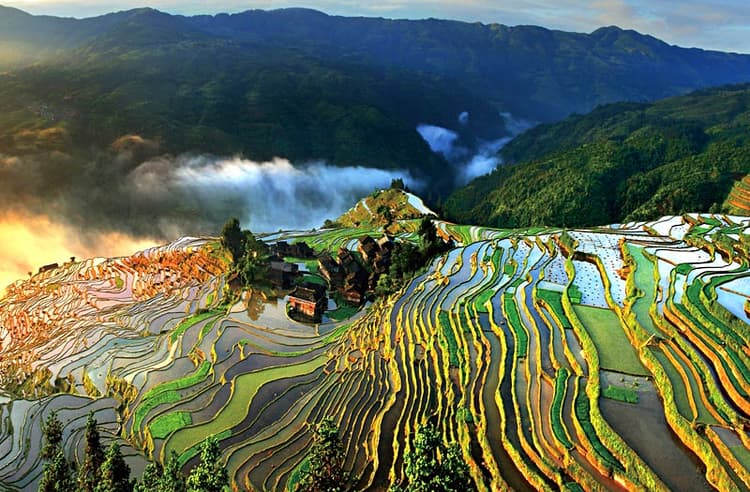
The largest Dong village in China, with five drum towers, wind-and-rain bridges, stilted houses, and nightly Grand Song performances. The entrance ticket (around ¥80) is valid for three days, allowing for slow exploration and side trips to nearby Tang’an Dong village and its rice terraces.
Zhenyuan Ancient Town
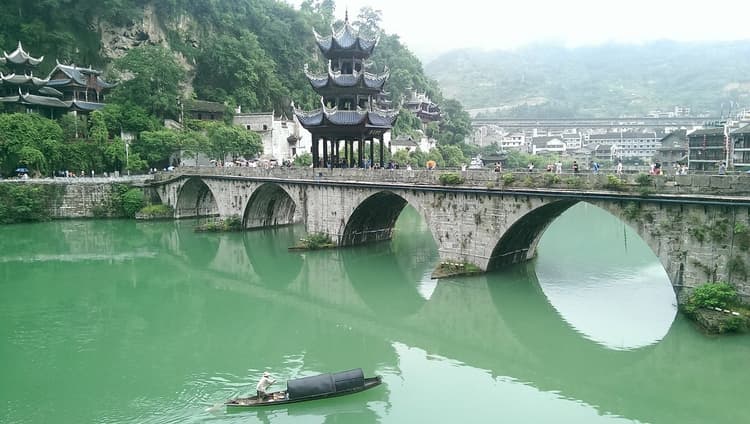
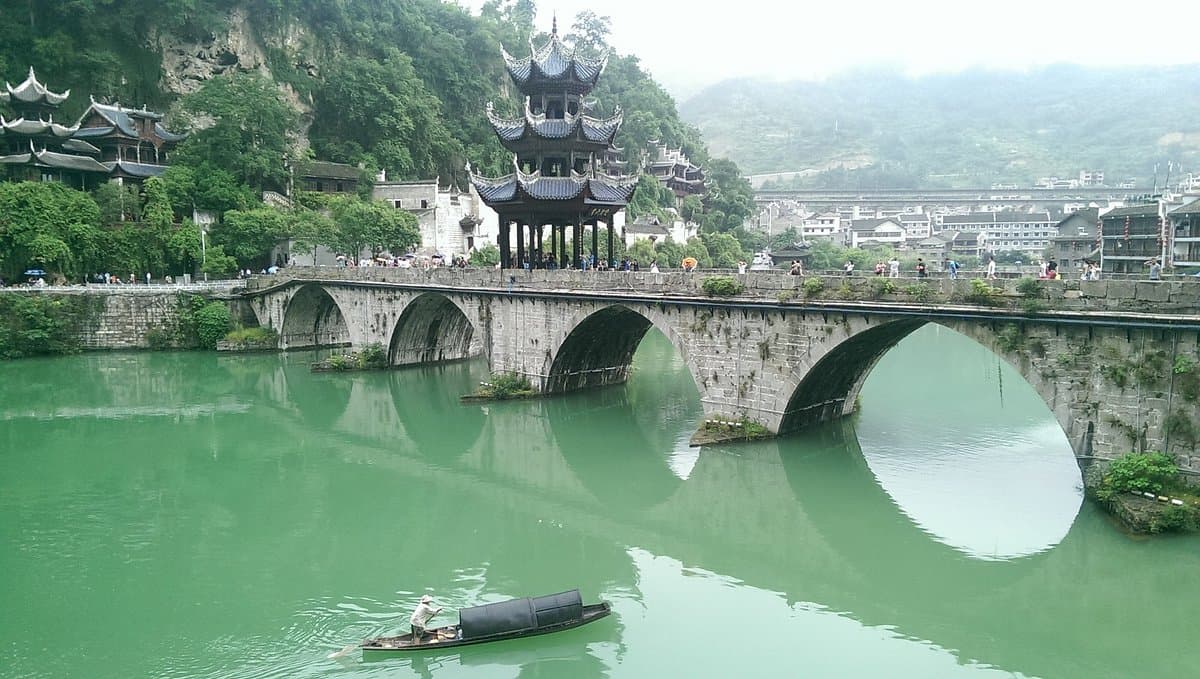
A 2,000-year-old river town where the Wuyang River curves in an S-shape through Ming-and-Qing-era architecture. Don’t miss the Qinglong Cave temple complex built into the cliffside (¥60) and the illuminated night cruise.
Fanjingshan
Guizhou’s sacred mountain and a UNESCO World Natural Heritage Site, home to the rare Guizhou golden monkey and the iconic Red Clouds Golden Summit with its twin temples perched on a knife-edge rock spire. Daily visitor numbers are capped at 9,000 with mandatory real-name, time-slot reservations, so book well in advance in peak season.
Recommended Guizhou Routes by Travel Style
Route 1: Classic Nature & Culture Loop — 6–8 days
Best for: First-time visitors, families
Route: Guiyang → Anshun → Libo → Kaili/Xijiang → Guiyang
Experience: Waterfalls, karst waterscapes, Miao villages, comfortable pacing
Route 2: Ethnic Village Deep Dive — 7–9 days
Best for: Culture lovers, photographers, festival chasers
Route: Guiyang → Kaili → Xijiang → Rongjiang → Zhaoxing → Congjiang (with day trips to smaller villages)
Experience: Miao and Dong village life, drum towers, Grand Song, village markets.
Route 3: Sacred Mountains & Ancient Towns — 6–8 days
Best for: Hikers, pilgrims, travelers combining with Hunan (Fenghuang)
Route: Guiyang → Zhenyuan → Fanjingshan → Tongren (exit to Fenghuang or back to Guiyang)
Experience: Buddhist heritage, sunrise above clouds, river-town nights
Route 4: Complete Guizhou — 10–12 days
Best for: Slow travelers and repeat China visitors
Route: Guiyang → Anshun → Libo → Kaili → Xijiang → Zhaoxing → Zhenyuan → Fanjingshan
Experience: All of the above, with time for spontaneous village stops
How to Choose Between Different Guizhou Routes?
Choose Anshun (Huangguoshu) if you want:
l Asia’s most famous waterfall
l The easiest access from Guiyang (20 minutes by high-speed train)
l Classic bucket-list scenery
Choose Libo (Xiaoqikong) if you want:
l Turquoise water, water forests and swimming holes
l A cool summer retreat (avg. 22°C)
l UNESCO karst landscapes
Choose Xijiang & Kaili if you want:
l The largest, most photogenic Miao village
l Silver ornaments, lusheng dancing and long-table banquets
l The most accessible ethnic culture experience
Choose Zhaoxing & Southeast Guizhou if you want:
l Authentic Dong culture and the Grand Song
l Quieter villages with fewer tour groups
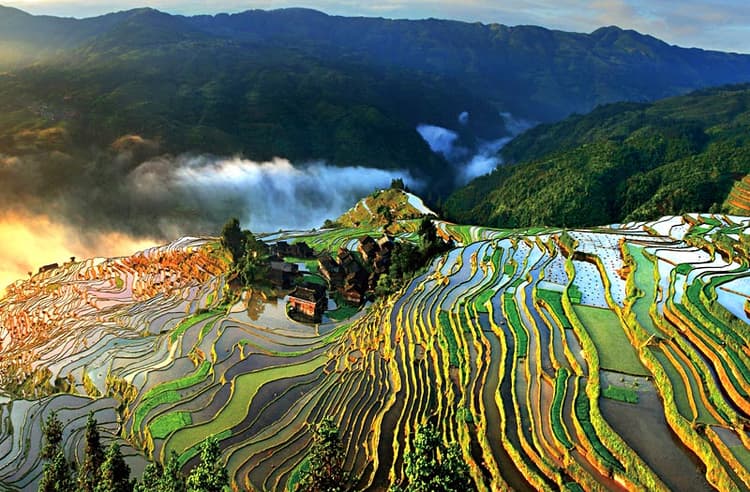
l Terraced fields and slow rural life
Choose Fanjingshan & Zhenyuan if you want:
l Hiking, Buddhist heritage and dramatic summits
l A riverside ancient town with night atmosphere
l A natural link to Fenghuang Ancient Town in Hunan
Transportation in Guizhou
Flying to Guizhou
The main gateway is Guiyang Longdongbao International Airport, with direct flights from Beijing, Shanghai, Guangzhou, Shenzhen, Chengdu, Chongqing, Kunming, Hong Kong and other major cities. Some travelers also fly into Tongren Fenghuang Airport when combining Guizhou with Hunan.
High-Speed Rail in Guizhou
Guizhou’s high-speed rail network has transformed travel within the province. Popular connections include:
Guiyang ↔ Anshun: ~20 minutes (for Huangguoshu)
Guiyang ↔ Libo: ~1 hour (opened 2023, direct access to Xiaoqikong)
Guiyang ↔ Congjiang: ~1.5 hours (for Zhaoxing Dong Village)
Guiyang ↔ Kaili: ~40 minutes (for Xijiang Miao Village)
Long-distance routes connect Guiyang directly to Guangzhou (~5–6 hours), Guilin, Changsha, Chongqing, Chengdu, Kunming, Shanghai and Beijing, making Guizhou easy to combine with other Chinese destinations.
Traveling Between Major Destinations
Route | Recommended Transport | Approximate Time |
Guiyang → Anshun/Huangguoshu | High-speed train + shuttle bus | 20 min + ~40 min bus |
Guiyang → Libo/Xiaoqikong | High-speed train + taxi | ~1 hr + 30 min |
Guiyang → Kaili (for Xijiang) | High-speed train + bus/car | ~40 min + 1 hr |
Guiyang → Congjiang (for Zhaoxing) | High-speed train + minibus | ~1.5 hr + 15 min |
Kaili → Zhaoxing | Car/bus via mountain road | ~2.5–3 hrs |
Zhaoxing → Zhenyuan | Car | ~2.5 hrs |
Zhenyuan → Fanjingshan | Car | ~2 hrs |
Why Private Transportation Is Recommended in Guizhou
Although high-speed rail connects the major towns, many of Guizhou’s most rewarding destinations — smaller Miao and Dong villages, rice terraces, waterfalls and photo viewpoints — lie beyond train stations. A private vehicle with a local driver offers flexibility for spontaneous stops, mountain-road safety, and significant time savings. For ethnic village routes in Qiandongnan especially, private transport is the difference between a rushed day trip and a genuine cultural immersion.
Where to Stay In Guizhou?
Where to Stay in Guiyang
Downtown / Nanming District: Best for first-night arrival, dining, and access to Jiaxiu Pavilion; convenient for train connections
Near Longdongbao Airport or Guiyang North Station: Best for early departures or short layovers
Where to Stay in Anshun / Huangguoshu
Huangguoshu scenic area hotels: Allow early entry before day-trippers arrive, but limited dining options
Anshun city: More hotel choices and restaurants, a 40-minute shuttle from the falls
Where to Stay in Libo
Libo county town: Practical base with hotels and restaurants, ~30 minutes from Xiaoqikong
Near the scenic area gates: Saves early-morning travel time in peak season
Where to Stay in Xijiang Miao Village
Mid-mountain guesthouses: Balance of views and accessibility
Top-of-village lodges: Spectacular night views but require steep climbs with luggage — confirm pickup service before booking
Bottom-of-village near the gate: Most convenient for day trips and luggage handling
Where to Stay in Zhaoxing
Inside the village: Wooden guesthouses run by Dong families; simple but atmospheric, and you can hear evening Grand Song rehearsals
Congjiang county town: More comfortable beds and hot water, 15 minutes by taxi
Where to Stay in Zhenyuan
Riverside inns along the Wuyang River: Book rooms with river views for the illuminated night scene; most atmospheric choice
Guizhou Food Guide: What to Eat
Guizhou cuisine is defined by sour and spicy flavors — a legacy of the region’s historical salt scarcity, which locals solved through fermented sour broths.
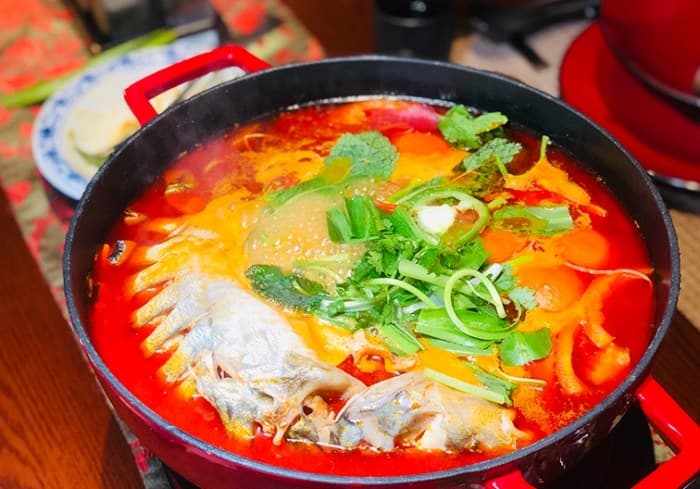
Sour Soup Fish (酸汤鱼 / Suantangyu)
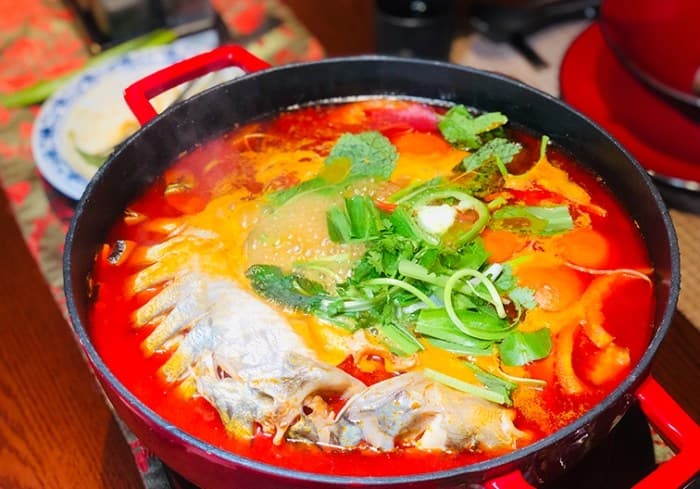
The province’s signature dish, most famously from Kaili. Fish (usually local river carp or catfish) is poached in a tomato-fermented red sour broth with herbs and chilies. The Kaili saying goes: *“If you don’t eat sour food for three days, you’ll hobble when you walk.
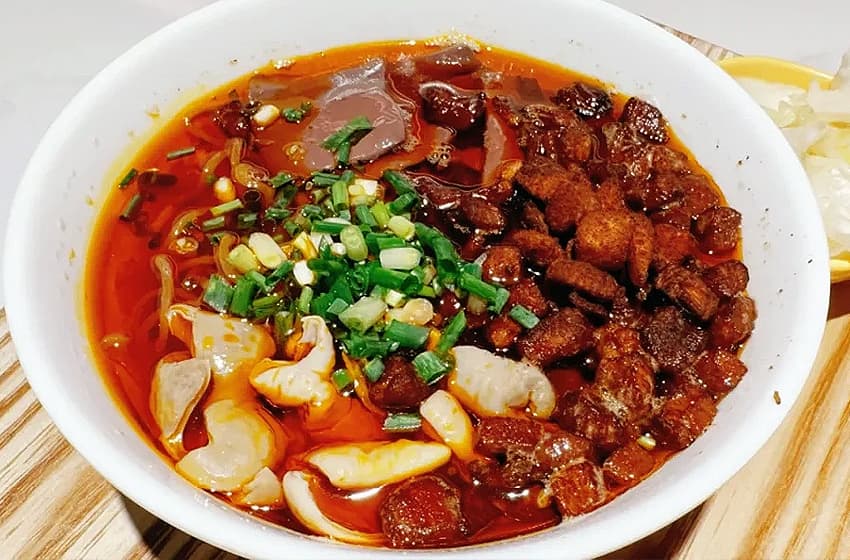
Changwang Noodles (肠旺面)
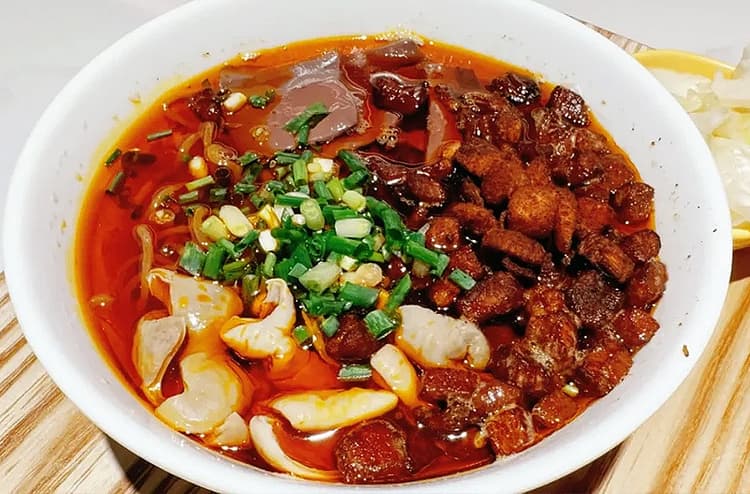
A Guiyang breakfast staple of noodles with pork intestines and blood curd in a spicy, rich broth.
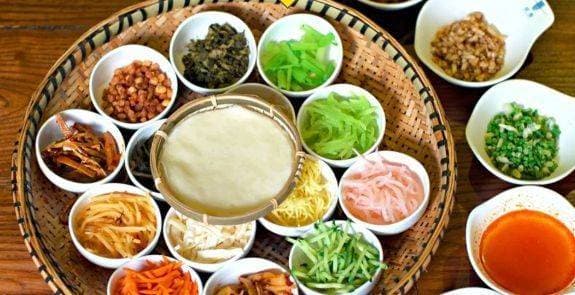
Silk Babies (丝娃娃 / Si Wawa)
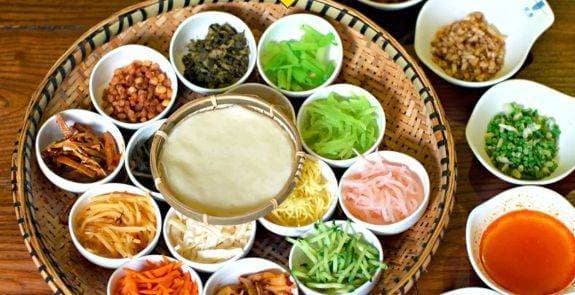
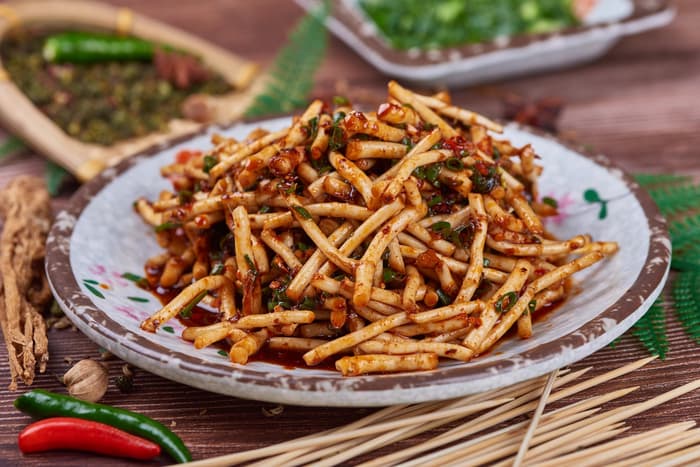
Guiyang’s beloved street food — thin rice wrappers stuffed with shredded vegetables, dipped in a sour-spicy sauce.
Lian’ai Tofu (恋爱豆腐果)
“Love tofu” — grilled tofu pouches filled with dipping sauce, a classic Guiyang night-market snack.

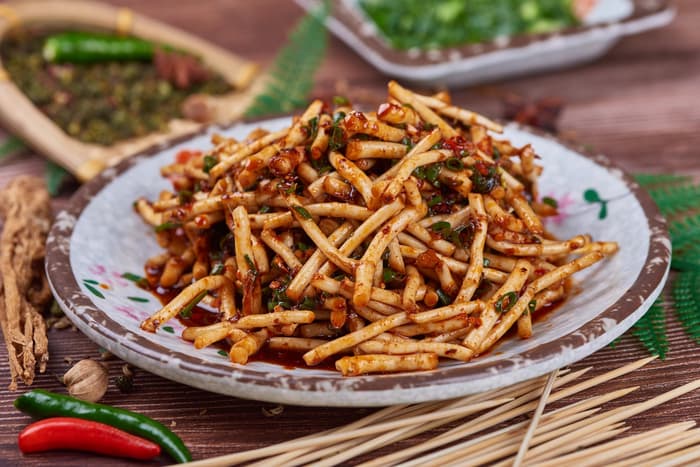
Zhe’ergen (折耳根 / Fish Mint)
The divisive local herb that appears in nearly every dipping sauce. First-timers should try a small amount before committing.
Rice Wine and Toasting Culture
In Miao and Dong villages, banquet hosts perform the “high mountain flowing water” (高山流水) toast — pouring rice wine from a stack of bowls into your cup. If you cannot drink, politely explain in advance; hosts are understanding but persistent.
Guizhou Travel Packing Guide
Guizhou’s mountain climate is famously changeable — “one mountain has four seasons; ten li can differ in weather” — so packing smart makes or breaks the trip.
Clothing (Layering System)
Base layer: Quick-dry T-shirts and long sleeves (avoid cotton — it stays damp in high humidity)
Mid layer: Fleece or light down jacket (Fanjingshan and other high-altitude sites can drop to 10–15°C even in summer mornings)
Outer layer: Waterproof breathable rain jacket — more practical than an umbrella on windy mountain walkways.
Footwear (The Single Most Important Item)
Bring broken-in, waterproof, high-traction hiking shoes. Huangguoshu’s Water Curtain Cave path, Xiaoqikong’s waterside boardwalks, and Fanjingshan’s stone steps are all slick when wet. New shoes, sandals, and smooth-soled sneakers are the most common cause of visitor injuries.
Rain Protection
l Lightweight rain jacket or poncho (preferred over umbrellas in gorges and cable-car queues)
l Waterproof phone pouch and dry bags for cameras — waterfall spray is constant
l Waterproof backpack cover
Health & Protection
l SPF 50+ sunscreen (UV is strong at altitude even under cloud)
l Insect repellent with DEET — essential for Libo, village routes and any summer travel
l Motion-sickness tablets for winding mountain roads
l Basic stomach remedies for spicy-food newcomers
Electronics
High-capacity power bank (charging points in villages are limited)
Offline maps downloaded in advance — mobile signal drops in gorges and tunnels.
Common Mistakes When Planning a Guizhou Trip
Mistake 1: Trying to Visit Too Many Places
A frequent error is cramming Guiyang + Anshun + Libo + Xijiang + Zhaoxing + Fanjingshan into one week. Given mountain transfer times, this produces a blur of buses and zero genuine village time. A realistic pace is one major destination per day, with two nights minimum in key areas.
Mistake 2: Underestimating Mountain Distances
Guiyang to Libo looks short on a map but takes ~4 hours by road (though now ~1 hour by high-speed rail). Village-to-village drives in Qiandongnan routinely take 1.5–3 hours. Always check actual driving time, not map distance.
Mistake 3: Ignoring the “Three Days Without Sun” Reality
Travelers who pack only summer clothes get chilled in foggy gorges and high-altitude villages. Bring layers and rain gear year-round, regardless of the forecast.
Mistake 4: Not Booking Fanjingshan Tickets in Advance
Fanjingshan’s daily cap of 9,000 visitors with mandatory real-name time-slot reservations means peak-season tickets can vanish a week ahead. Book online via the official WeChat account or authorized platforms the moment your dates are confirmed.
Mistake 5: Visiting Xijiang as a Rushed Day Trip
Xijiang’s magic emerges after the day-trippers leave, when the village lights flicker on across the mountainside. Staying overnight transforms the experience from tourist stop to genuine encounter.
Mistake 6: Choosing Village Lodging by Photos Alone
Those dreamy mountaintop guesthouses in Xijiang and Zhaoxing often involve hauling suitcases up steep stone stairs. Confirm the exact location, staircase access, and luggage assistance before booking.
Mistake 7: Disrespecting Village Etiquette
In Miao and Dong homes: do not step on the threshold when entering a wooden house, do not touch elderly people’s silver ornaments without permission, and always ask before photographing individuals.
How to Choose Your Perfect Guizhou Route
If This Is Your First Visit to Guizhou
Recommended: Guiyang + Anshun (Huangguoshu) + Libo (Xiaoqikong) + Xijiang
Duration: 6–8 days
Why: Covers the three headline experiences — waterfall, karst water scenery, and ethnic village — at a comfortable pace.
If You Are a Culture and Festival Enthusiast
Recommended: Kaili + Xijiang + Rongjiang + Zhaoxing + smaller villages
Duration: 7–9 days (timed to a festival if possible)
Why: The densest concentration of living Miao and Dong culture, with the chance to witness the Sisters’ Meal Festival (spring) or Miao New Year (autumn).
If You Love Hiking and Sacred Mountains
Recommended: Guiyang + Zhenyuan + Fanjingshan
Duration: 5–7 days
Why: Combines river-town atmosphere with the most rewarding physical climb in Southwest China.
If You Have Limited Time (4–5 Days)
Recommended: Guiyang + Huangguoshu + Qingyan Ancient Town
Why: All within easy reach of the capital by high-speed rail, with minimal transit stress.
If You Are Combining Guizhou with Guangxi or Hunan
Recommended: Enter via Guiyang, exit via Congjiang (to Guilin/Guangzhou) or Tongren (to Fenghuang)
Why: The high-speed rail network makes border-crossing itineraries seamless.
Final Thoughts: How to Plan the Perfect Guizhou Tour
Guizhou is more than a checklist of waterfalls and villages; it is a province where ancient Dong harmonies echo through drum towers, Miao silver catches the mountain light, and every winding road reveals another karst miracle wrapped in mist. The best journey is less about racing between attractions and more about choosing experiences that match your interests — whether that means standing soaked beneath Huangguoshu’s roar, sharing rice wine at a long-table banquet in Xijiang, or watching sunrise break over Fanjingshan’s golden summit.
For first-time visitors, the classic Guiyang → Anshun → Libo → Xijiang → Guiyang loop offers an ideal introduction, while adding Zhaoxing, Zhenyuan and Fanjingshan reveals the deeper, quieter, more soulful side of Guizhou that most international travelers never see.
With the right pacing, the right season, and a healthy respect for mountain weather, Guizhou will quietly become one of the most memorable chapters of your China journey.
Plan Your Guizhou Tour with Silk Road Travel
Planning a trip to Guizhou involves a fair amount of practical detail — real-name ticket reservations at Fanjingshan, time-slot bookings, mountain road transfers, and choosing the right villages to match your interests. If you’d prefer to leave these arrangements to someone familiar with the region, Silk Road Travel can help.
We are a China-based travel agency offering customized private tours across Guizhou and other regions of China. Our consultants can assist with:
Designing an itinerary based on your available time, interests, and travel season
Booking high-speed rail tickets, scenic area reservations, and village accommodation
Arranging private transportation with experienced local drivers
Providing English-speaking guides where needed
Offering on-trip support during your journey
There is no charge for an initial itinerary draft, and you are welcome to adjust the plan until it suits you.
If you have questions about Guizhou travel, or would like a customized itinerary quote, feel free to get in touch: