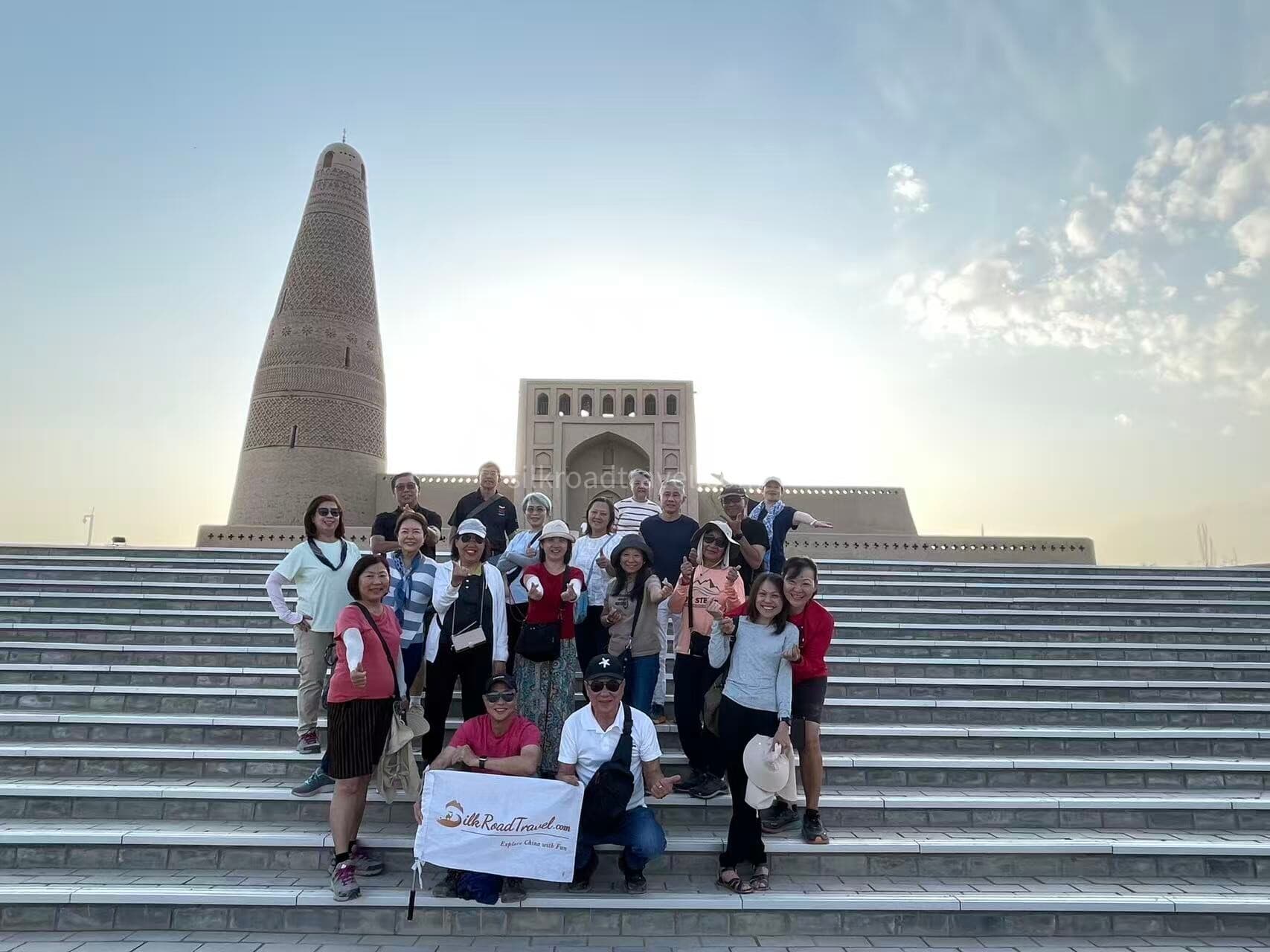


Taklamakan Desert:Graveyard of Ancient Civilizations
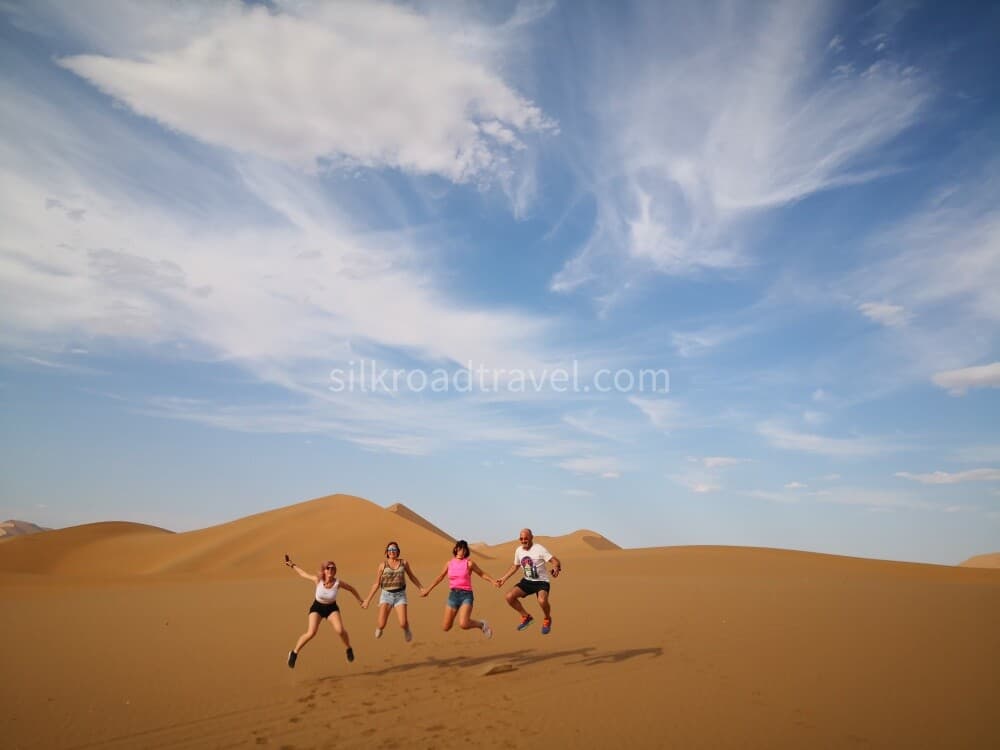
Located in the center of the Tarim Basin in Xinjiang, the Taklamakan Desert is the largest desert in China and the second-largest shifting sand desert in the world. Covering an area of about 330,000 square kilometers, it stretches more than 1,000 kilometers from east to west, creating one of the most spectacular desert landscapes on Earth.
Known as the "Sea of Death" because of its vast size and harsh environment, the Taklamakan Desert is not only a natural wonder but also a place with thousands of years of history. In the Uyghur language, "Taklamakan" is often interpreted as "the old homeland," reflecting its ancient connection with oasis civilizations.
Surrounded by the Tianshan Mountains, Kunlun Mountains, and Pamir Mountains, the desert was once an important part of the ancient Silk Road. Ancient kingdoms and oasis cities such as Loulan, Niya, and Miran once flourished around the desert, leaving behind fascinating historical relics and cultural memories.
Today, visitors can experience the beauty of endless sand dunes, desert highways, oasis landscapes, Silk Road history, and unique local cultures through carefully planned desert routes.
Recommended Tour Itinerary:
12 Days South Xinjiang Tour with Taklamakan Desert Adventure
12 Days Xinjiang Travel to Kanas Lake and Taklamakan Desert Kuqa
10 Days South Xinjiang Tour to Taklamakan Desert, Kuqa, Kashgar
Best Time to Visit Taklamakan Desert
The best time to visit the Taklamakan Desert is from September to November, during autumn, when the weather is mild and the desert landscapes are at their most spectacular. Spring (April to May) is another good season for travel, offering comfortable temperatures and fewer visitors.
🍂September to November — Best Season for Desert Travel
September to November is considered the best time to visit the Taklamakan Desert. During this period, temperatures are pleasant, with warm days and cool nights, making it ideal for desert road trips, photography, hiking, and camping. In mid to late October, the nearby Tarim Poplar Forest turns golden, creating a stunning contrast between golden forests, endless deserts, and rivers. The clear skies also make autumn one of the best seasons for enjoying desert sunsets and starry nights.
Best for: photography, families, road trips, camping, and first-time visitors.
Minor downside: Temperatures drop quickly after sunset, so warm clothing is recommended.
🌸April to May — Mild Weather & Fewer Visitors
Spring is another comfortable season to explore the Taklamakan Desert. With moderate temperatures and fewer tourists, visitors can enjoy a quieter desert experience and better opportunities for photography. The surrounding oasis areas become greener in spring, creating a beautiful contrast between desert landscapes and natural vegetation.
Best for: travelers who prefer fewer crowds and a peaceful experience.
Minor downside: Occasional sandstorms may occur, so checking weather conditions before departure is recommended.
☀️June to August &❄️December to February — Less Recommended Seasons
Summer and winter are generally not recommended for most travelers due to the extreme weather conditions in the Taklamakan Desert.
From June to August, temperatures can become extremely high, with intense sunlight, dry air, and harsh desert conditions. The desert surface can become very hot during the day, making outdoor activities uncomfortable and increasing the risk of heat exhaustion. It is best avoided during the hottest hours, especially for travelers without desert experience.
From December to February, the desert becomes cold and quiet. Temperatures can drop significantly, especially at night, and strong winds, icy roads, and limited services may make travel more challenging. Although snow-covered dunes can occasionally create a unique "white desert" landscape, winter is mainly suitable for experienced desert travelers and photographers.
How to Get to Taklamakan Desert
The Taklamakan Desert covers a huge area, and visitors usually explore it through nearby cities and desert highways rather than entering the desert independently. The main gateways include Korla, Luntai, Hotan, Aksu, and Kashgar.
By Flight
Travelers can fly to major airports in Korla, Hotan, Aksu, or Kashgar, then continue by car to desert attractions.
Korla / Luntai: Best for exploring the northern desert area and Tarim Poplar Forest.
Hotan: A great gateway to southern desert routes and Silk Road culture.
Kashgar: Ideal for combining desert exploration with ancient Silk Road cities and local culture.
By Car — The Best Way to Explore the Desert
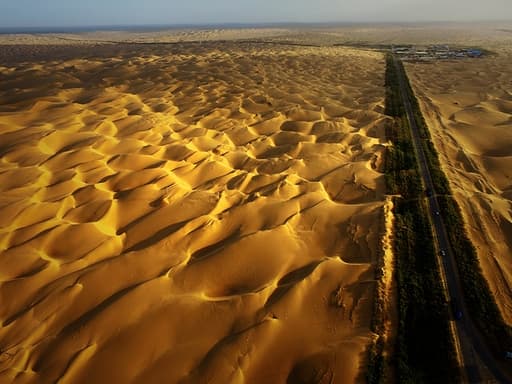
Driving is the most flexible way to experience the Taklamakan Desert. The famous Taklamakan Desert Highway crosses the heart of the desert and offers one of the most impressive road-trip experiences in Xinjiang.
The most popular routes include:
Luntai – Minfeng Desert Highway: The classic route across the desert, offering endless sand dunes, desert landscapes, and unique roadside scenery.
Alar – Hotan Desert Highway: A quieter route with more remote desert views.
Travel tip:
Driving deep into the desert requires proper preparation. Travelers should avoid entering remote desert areas alone and are recommended to join organized tours or travel with experienced local drivers.
What to Explore in Taklamakan Desert
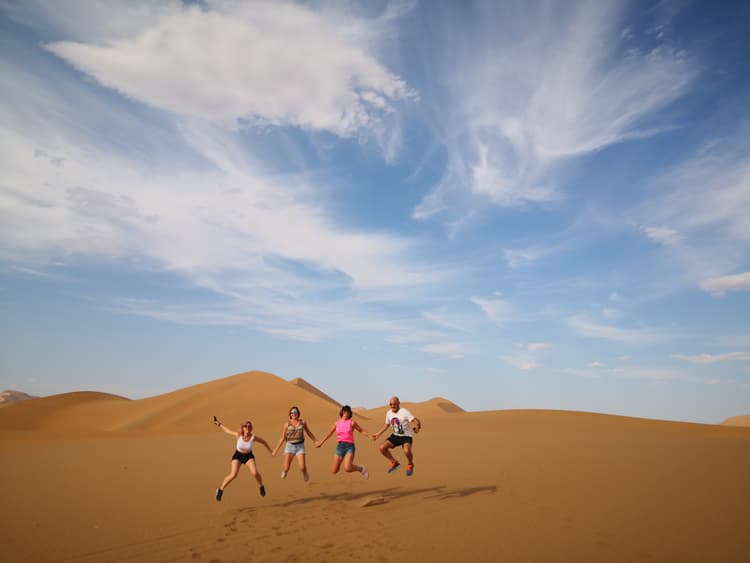
The Taklamakan Desert is more than endless sand. Its surrounding areas combine spectacular desert landscapes, ancient civilizations, and unique oasis ecosystems.
Taklamakan Desert Highway — A Journey Across the "Sea of Death"
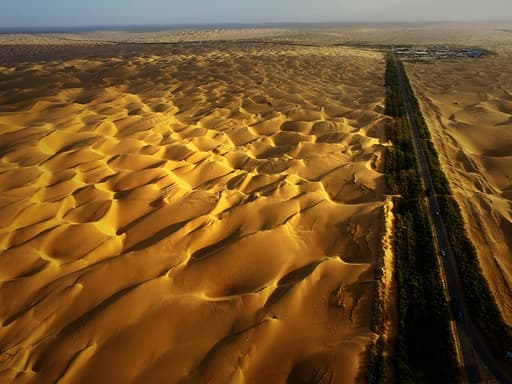
The Taklamakan Desert Highway is the most famous way to experience the desert. Stretching across the vast sea of sand, the highway offers breathtaking views of endless dunes, desert vegetation, and dramatic horizons. The long straight roads surrounded by golden sand create some of the most iconic desert photography scenes in Xinjiang.
Best for: road trips, photography, and adventure experiences.
Tarim Poplar Forest — Desert, River, and Golden Forest
Located near Luntai, the Tarim Poplar Forest is one of the best places to see the unique ecosystem around the Taklamakan Desert. In autumn, the Populus euphratica trees turn golden, creating a spectacular landscape where forests, rivers, and desert scenery meet.
Best for: photography, families, and autumn travel.
Desert Oasis — Discover Life in the Desert
Although known as a harsh environment, the Taklamakan Desert is surrounded by oasis towns and rivers created by melting snow from surrounding mountains. Rivers such as the Hotan River, Keriya River, and Niya River have supported local communities for centuries, creating green corridors across the desert.
Visitors can experience the contrast between golden dunes and vibrant oasis landscapes while learning about local lifestyles.
Best for: cultural experiences and nature exploration.
Ancient Silk Road Sites — Discover Lost Civilizations
The Taklamakan Desert was once a major part of the ancient Silk Road. Many ancient kingdoms and cities flourished around the desert before being buried by climate changes and shifting sands. Sites such as Loulan, Niya, and Miran reveal the history of cultural exchange between China, Central Asia, India, and the West.
Best for: history lovers and cultural travelers.
Things to Do in Taklamakan Desert
Watch Desert Sunrise and Sunset
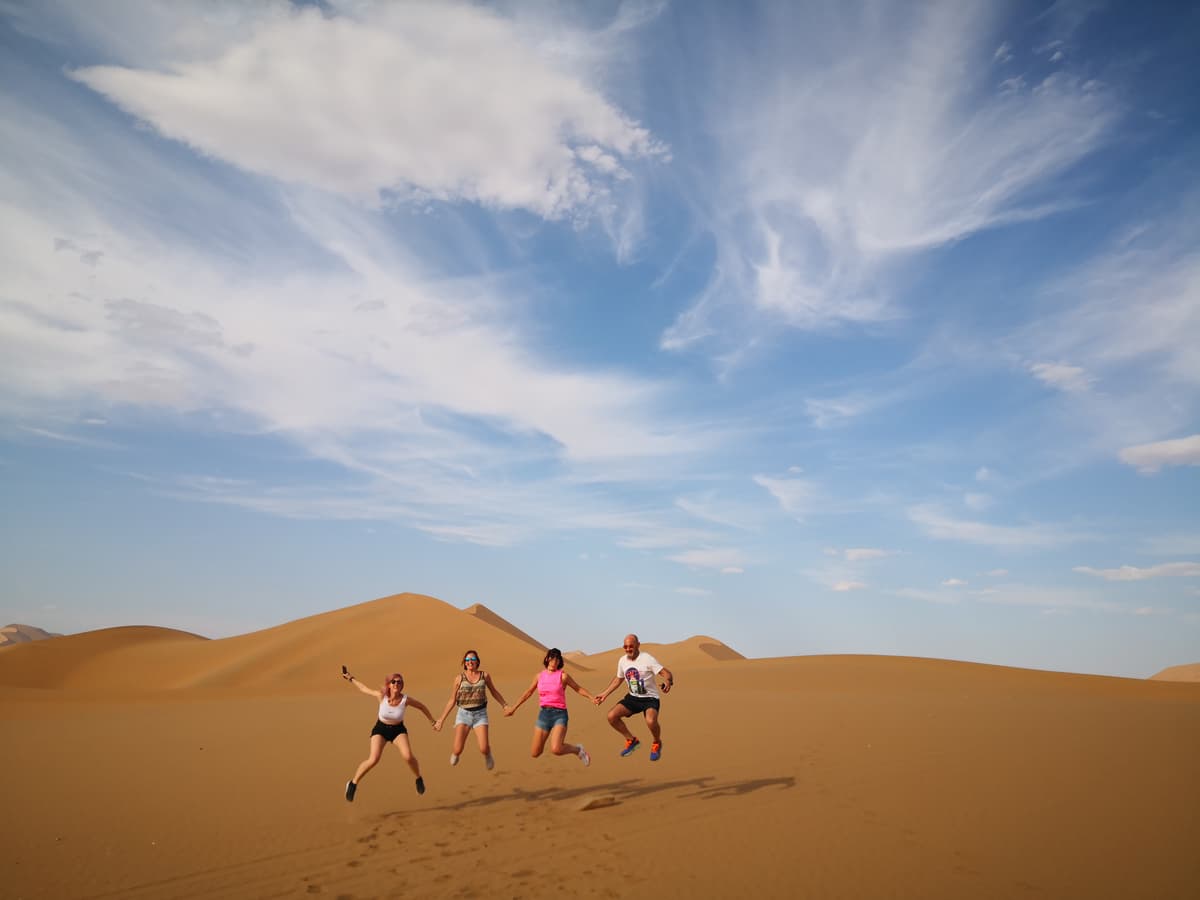
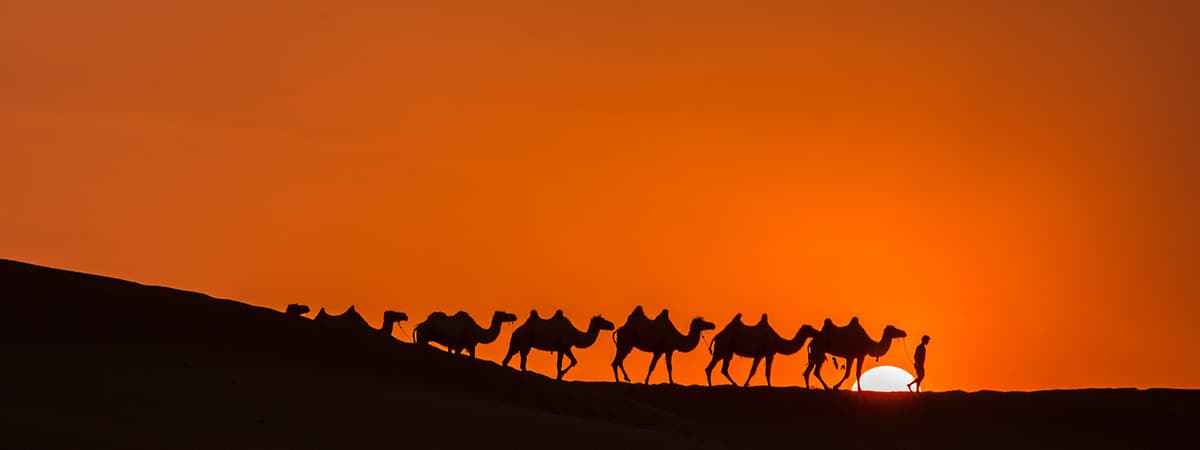
The desert changes dramatically with the movement of sunlight. Sunrise and sunset create golden colors across the dunes, making them the best moments for photography.
Experience a Desert Road Trip
Driving across the Taklamakan Desert Highway is one of the most unforgettable experiences in Xinjiang. The endless roads, remote landscapes, and surrounding sand dunes create a true sense of adventure.
Ride Camels and Explore Sand Dunes
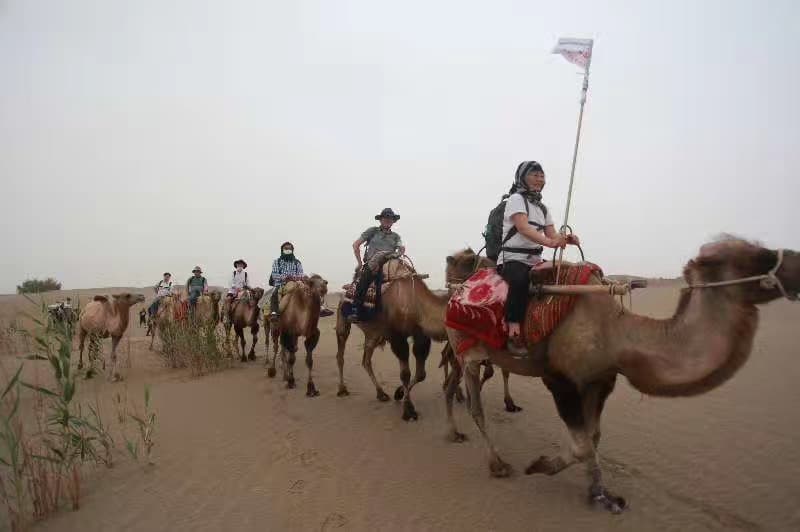
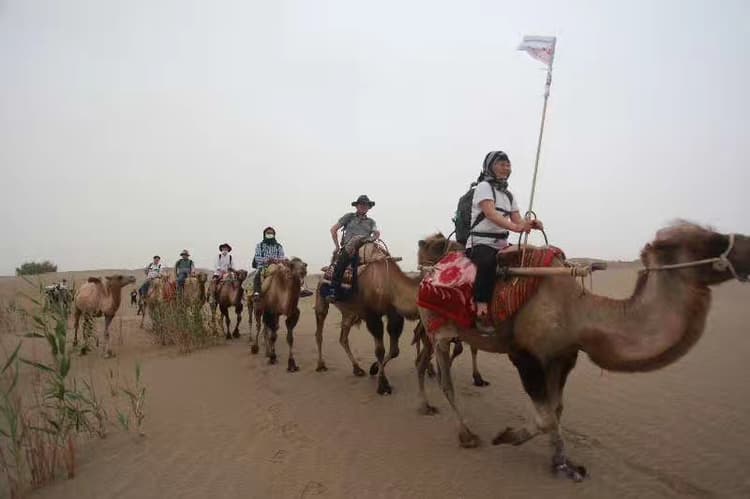
Camel riding remains one of the classic desert experiences. Visitors can ride across designated desert areas, enjoy the peaceful atmosphere, and experience the traditional way of traveling through the desert.
Enjoy Desert Camping and Stargazing
With almost no light pollution, the Taklamakan Desert offers excellent conditions for stargazing. Spending a night in a desert camp allows visitors to enjoy clear skies, peaceful surroundings, and unforgettable views of the Milky Way.
Experience Local Oasis Culture
Surrounding oasis towns preserve rich Uyghur traditions, including local cuisine, handicrafts, music, and traditional lifestyles. Combining desert exploration with cultural experiences makes the journey more meaningful.
Taklamakan Desert Travel Tips
Prepare for Strong Sunlight and Dry Conditions
The desert has intense sunlight and very little shade. Bring sunscreen, sunglasses, a hat, and enough drinking water when exploring outdoors.
Wear Suitable Clothing
Temperatures can change dramatically between day and night. Lightweight clothing is suitable during the day, while a jacket or warm layer is necessary in the evening.
Bring Enough Supplies
Remote desert areas have limited facilities. Travelers should prepare water, snacks, medicine, and necessary travel equipment before entering desert routes.
Avoid Independent Desert Exploration
The Taklamakan Desert is vast and remote. Visitors should not enter deep desert areas alone. Joining an organized tour or traveling with experienced local guides is the safest option.
Respect Nature and Local Culture
Avoid damaging desert vegetation, leave no waste behind, and respect local communities and historical sites.
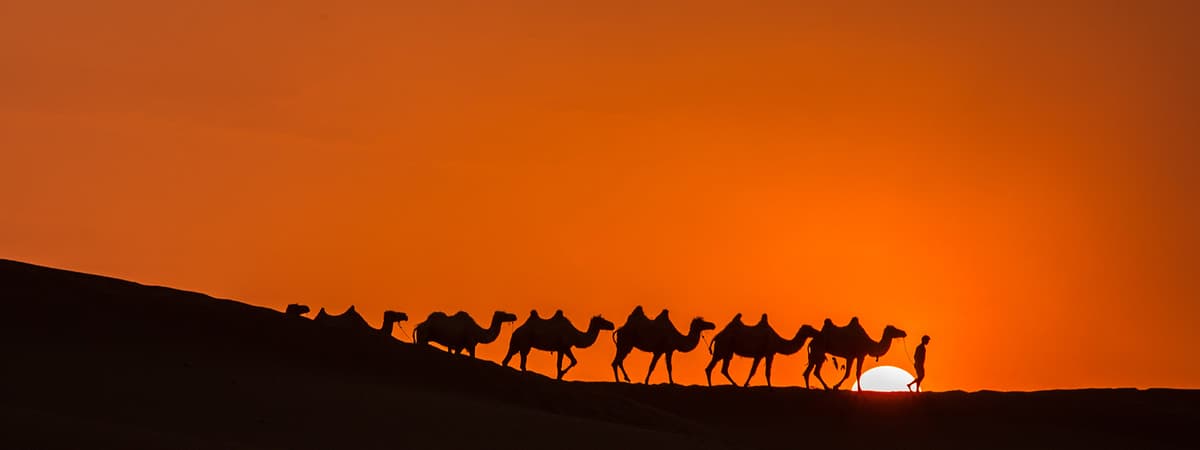
Located in the center of the Tarim Basin in Xinjiang, the Taklamakan Desert is the largest desert in China and the second-largest shifting sand desert in the world. Covering an area of about 330,000 square kilometers, it stretches more than 1,000 kilometers from east to west, creating one of the most spectacular desert landscapes on Earth.
Known as the "Sea of Death" because of its vast size and harsh environment, the Taklamakan Desert is not only a natural wonder but also a place with thousands of years of history. In the Uyghur language, "Taklamakan" is often interpreted as "the old homeland," reflecting its ancient connection with oasis civilizations.
Surrounded by the Tianshan Mountains, Kunlun Mountains, and Pamir Mountains, the desert was once an important part of the ancient Silk Road. Ancient kingdoms and oasis cities such as Loulan, Niya, and Miran once flourished around the desert, leaving behind fascinating historical relics and cultural memories.
Today, visitors can experience the beauty of endless sand dunes, desert highways, oasis landscapes, Silk Road history, and unique local cultures through carefully planned desert routes.
Recommended Tour Itinerary:
12 Days South Xinjiang Tour with Taklamakan Desert Adventure
12 Days Xinjiang Travel to Kanas Lake and Taklamakan Desert Kuqa
10 Days South Xinjiang Tour to Taklamakan Desert, Kuqa, Kashgar
Best Time to Visit Taklamakan Desert
The best time to visit the Taklamakan Desert is from September to November, during autumn, when the weather is mild and the desert landscapes are at their most spectacular. Spring (April to May) is another good season for travel, offering comfortable temperatures and fewer visitors.
🍂September to November — Best Season for Desert Travel
September to November is considered the best time to visit the Taklamakan Desert. During this period, temperatures are pleasant, with warm days and cool nights, making it ideal for desert road trips, photography, hiking, and camping. In mid to late October, the nearby Tarim Poplar Forest turns golden, creating a stunning contrast between golden forests, endless deserts, and rivers. The clear skies also make autumn one of the best seasons for enjoying desert sunsets and starry nights.
Best for: photography, families, road trips, camping, and first-time visitors.
Minor downside: Temperatures drop quickly after sunset, so warm clothing is recommended.
🌸April to May — Mild Weather & Fewer Visitors
Spring is another comfortable season to explore the Taklamakan Desert. With moderate temperatures and fewer tourists, visitors can enjoy a quieter desert experience and better opportunities for photography. The surrounding oasis areas become greener in spring, creating a beautiful contrast between desert landscapes and natural vegetation.
Best for: travelers who prefer fewer crowds and a peaceful experience.
Minor downside: Occasional sandstorms may occur, so checking weather conditions before departure is recommended.
☀️June to August &❄️December to February — Less Recommended Seasons
Summer and winter are generally not recommended for most travelers due to the extreme weather conditions in the Taklamakan Desert.
From June to August, temperatures can become extremely high, with intense sunlight, dry air, and harsh desert conditions. The desert surface can become very hot during the day, making outdoor activities uncomfortable and increasing the risk of heat exhaustion. It is best avoided during the hottest hours, especially for travelers without desert experience.
From December to February, the desert becomes cold and quiet. Temperatures can drop significantly, especially at night, and strong winds, icy roads, and limited services may make travel more challenging. Although snow-covered dunes can occasionally create a unique "white desert" landscape, winter is mainly suitable for experienced desert travelers and photographers.
How to Get to Taklamakan Desert
The Taklamakan Desert covers a huge area, and visitors usually explore it through nearby cities and desert highways rather than entering the desert independently. The main gateways include Korla, Luntai, Hotan, Aksu, and Kashgar.
By Flight
Travelers can fly to major airports in Korla, Hotan, Aksu, or Kashgar, then continue by car to desert attractions.
Korla / Luntai: Best for exploring the northern desert area and Tarim Poplar Forest.
Hotan: A great gateway to southern desert routes and Silk Road culture.
Kashgar: Ideal for combining desert exploration with ancient Silk Road cities and local culture.
By Car — The Best Way to Explore the Desert
Driving is the most flexible way to experience the Taklamakan Desert. The famous Taklamakan Desert Highway crosses the heart of the desert and offers one of the most impressive road-trip experiences in Xinjiang.
The most popular routes include:
Luntai – Minfeng Desert Highway: The classic route across the desert, offering endless sand dunes, desert landscapes, and unique roadside scenery.
Alar – Hotan Desert Highway: A quieter route with more remote desert views.
Travel tip:
Driving deep into the desert requires proper preparation. Travelers should avoid entering remote desert areas alone and are recommended to join organized tours or travel with experienced local drivers.
What to Explore in Taklamakan Desert
The Taklamakan Desert is more than endless sand. Its surrounding areas combine spectacular desert landscapes, ancient civilizations, and unique oasis ecosystems.
Taklamakan Desert Highway — A Journey Across the "Sea of Death"
The Taklamakan Desert Highway is the most famous way to experience the desert. Stretching across the vast sea of sand, the highway offers breathtaking views of endless dunes, desert vegetation, and dramatic horizons. The long straight roads surrounded by golden sand create some of the most iconic desert photography scenes in Xinjiang.
Best for: road trips, photography, and adventure experiences.
Tarim Poplar Forest — Desert, River, and Golden Forest
Located near Luntai, the Tarim Poplar Forest is one of the best places to see the unique ecosystem around the Taklamakan Desert. In autumn, the Populus euphratica trees turn golden, creating a spectacular landscape where forests, rivers, and desert scenery meet.
Best for: photography, families, and autumn travel.
Desert Oasis — Discover Life in the Desert
Although known as a harsh environment, the Taklamakan Desert is surrounded by oasis towns and rivers created by melting snow from surrounding mountains. Rivers such as the Hotan River, Keriya River, and Niya River have supported local communities for centuries, creating green corridors across the desert.
Visitors can experience the contrast between golden dunes and vibrant oasis landscapes while learning about local lifestyles.
Best for: cultural experiences and nature exploration.
Ancient Silk Road Sites — Discover Lost Civilizations
The Taklamakan Desert was once a major part of the ancient Silk Road. Many ancient kingdoms and cities flourished around the desert before being buried by climate changes and shifting sands. Sites such as Loulan, Niya, and Miran reveal the history of cultural exchange between China, Central Asia, India, and the West.
Best for: history lovers and cultural travelers.
Things to Do in Taklamakan Desert
Watch Desert Sunrise and Sunset
The desert changes dramatically with the movement of sunlight. Sunrise and sunset create golden colors across the dunes, making them the best moments for photography.
Experience a Desert Road Trip
Driving across the Taklamakan Desert Highway is one of the most unforgettable experiences in Xinjiang. The endless roads, remote landscapes, and surrounding sand dunes create a true sense of adventure.
Ride Camels and Explore Sand Dunes
Camel riding remains one of the classic desert experiences. Visitors can ride across designated desert areas, enjoy the peaceful atmosphere, and experience the traditional way of traveling through the desert.
Enjoy Desert Camping and Stargazing
With almost no light pollution, the Taklamakan Desert offers excellent conditions for stargazing. Spending a night in a desert camp allows visitors to enjoy clear skies, peaceful surroundings, and unforgettable views of the Milky Way.
Experience Local Oasis Culture
Surrounding oasis towns preserve rich Uyghur traditions, including local cuisine, handicrafts, music, and traditional lifestyles. Combining desert exploration with cultural experiences makes the journey more meaningful.
Taklamakan Desert Travel Tips
Prepare for Strong Sunlight and Dry Conditions
The desert has intense sunlight and very little shade. Bring sunscreen, sunglasses, a hat, and enough drinking water when exploring outdoors.
Wear Suitable Clothing
Temperatures can change dramatically between day and night. Lightweight clothing is suitable during the day, while a jacket or warm layer is necessary in the evening.
Bring Enough Supplies
Remote desert areas have limited facilities. Travelers should prepare water, snacks, medicine, and necessary travel equipment before entering desert routes.
Avoid Independent Desert Exploration
The Taklamakan Desert is vast and remote. Visitors should not enter deep desert areas alone. Joining an organized tour or traveling with experienced local guides is the safest option.
Respect Nature and Local Culture
Avoid damaging desert vegetation, leave no waste behind, and respect local communities and historical sites.
 | South Xinjiang Tour to Taklamakan Desert, Kuqa, Kashgar Kashgar-Karakul Lake-Makit-Aksu-Kuqa-Korla-Turpan-Urumqi 10 Days (over 200+ Booked) |