



Xinjiang Food
Influenced by Uyghur culture and Central Asian traditions, Xinjiang food features roasted mutton, lamb kebabs and Polu Rice Pilaf, making it quite different from cuisines in the rest of China. Many Xinjiang dishes use Islamic spices and seasonings. Peppers are widely used here, and local dishes are often known for their spicy flavors. The local Uyghur people are generally friendly, and eating is an important part of their lifestyle. Pull up a chair at a small Uyghur restaurant, and locals will always try their best to help you enjoy the meal.
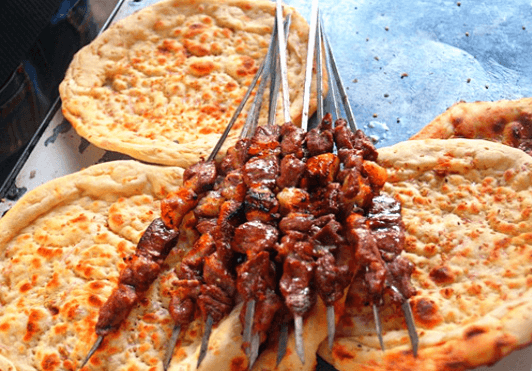
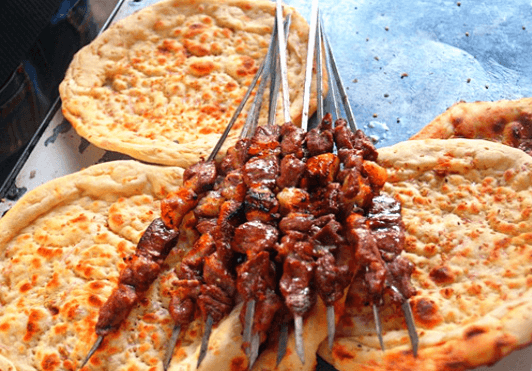
Noodles, instead of rice, are the staple food here. Laghman noodles and Nang (a kind of crusty pancake) are hugely popular in cities across the region. There is another typical specialty called Grilled lamb kebabs (Kaoyangrouchuan), which are similar to Western-style barbecued meat. You can often find these kebabs out of the restaurants on the street, and they are especially delicious when enjoyed with freshly baked Nang.
Follow us and explore the Fantastic Xinjiang Food and Top Xinjiang Restaurants!
Kawap (Grilled lamb kebabs)
Kawap (Xinjiang-style grilled lamb kebabs) is as famous in Xinjiang as Peking duck is in Beijing. It is common to find lamb kebab stands on almost every corner of Kashgar and Urumqi, the capital of Xinjiang.
The lamb is cut into pieces, placed on skewers, and grilled over charcoal. Vendors often prepare piles of pre-made kawap, with large electric fans blowing away the smoke from the charcoal grills. The kawap is typically sprinkled with a mixture of spices, including cumin and chili powder, giving it a rich and distinctive flavor.
Samsa (Baked Lamb Buns)
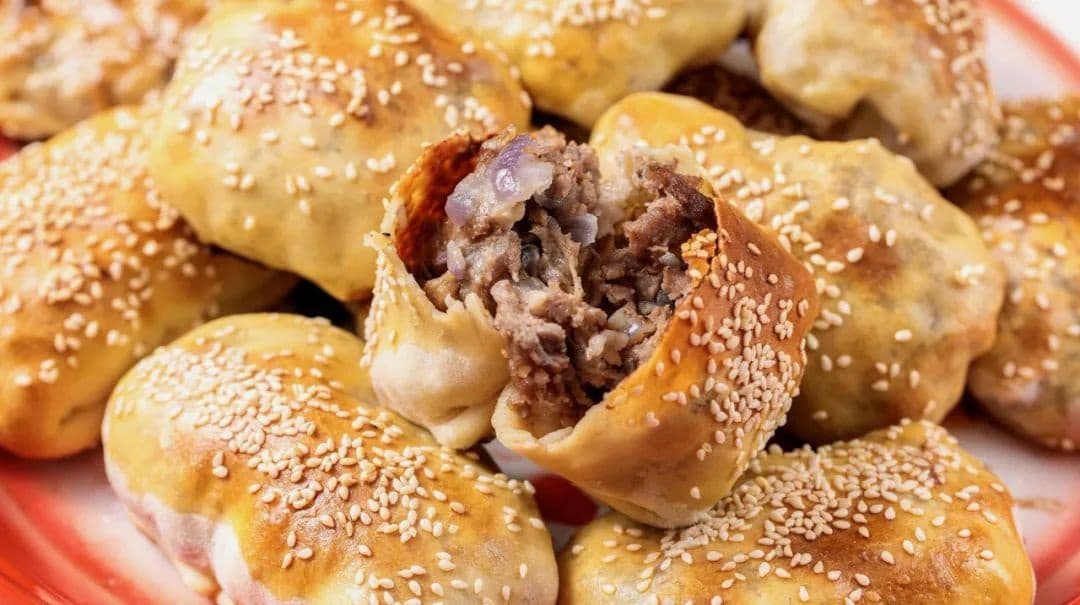
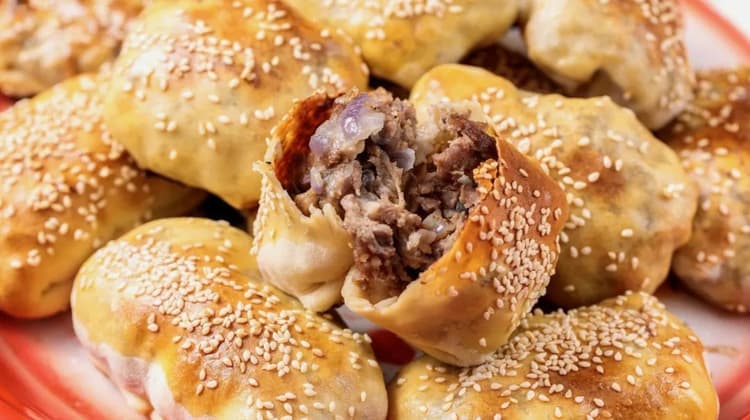
Samsa, filled with delicious mutton and onions, is one of the most popular street foods in Xinjiang. This traditional Uyghur snack features a crispy outer crust and a juicy filling made with chopped lamb, onions, and aromatic spices.
Xinjiang samsa is traditionally baked in a brick oven until the pastry turns golden and crispy. The best way to enjoy samsa is to eat it fresh out of the oven, when the crust is still crunchy and the flavorful mutton filling is hot and tender. It is a beloved local snack that can often be found at street stalls, bakeries, and traditional restaurants throughout Xinjiang.
Polu Rice Pilaf (Fried Rice with Mutton)
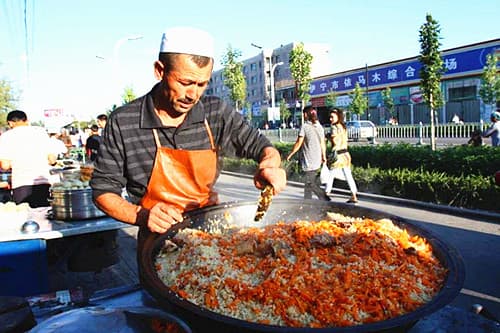
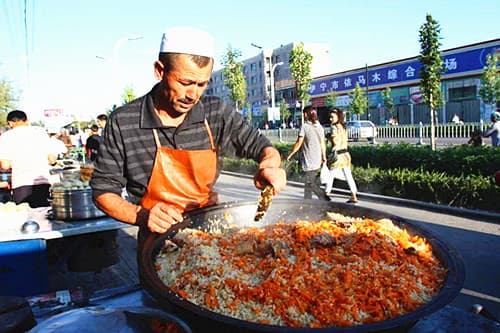
Xinjiang Polu or Rice Pilaf is a typical dish that is often sold outside restaurants from a large wok. Polu is made from cooked mutton together with onion and yellow carrots – a type of carrot I’ve only come across in Xinjiang. The meat and vegetables are cooked with some spices, including cumin, and then steamed along with the rice. Sometimes you’ll find raisins added, giving the dish a distinctive taste.
Dapanji (Big Plate Chicken)
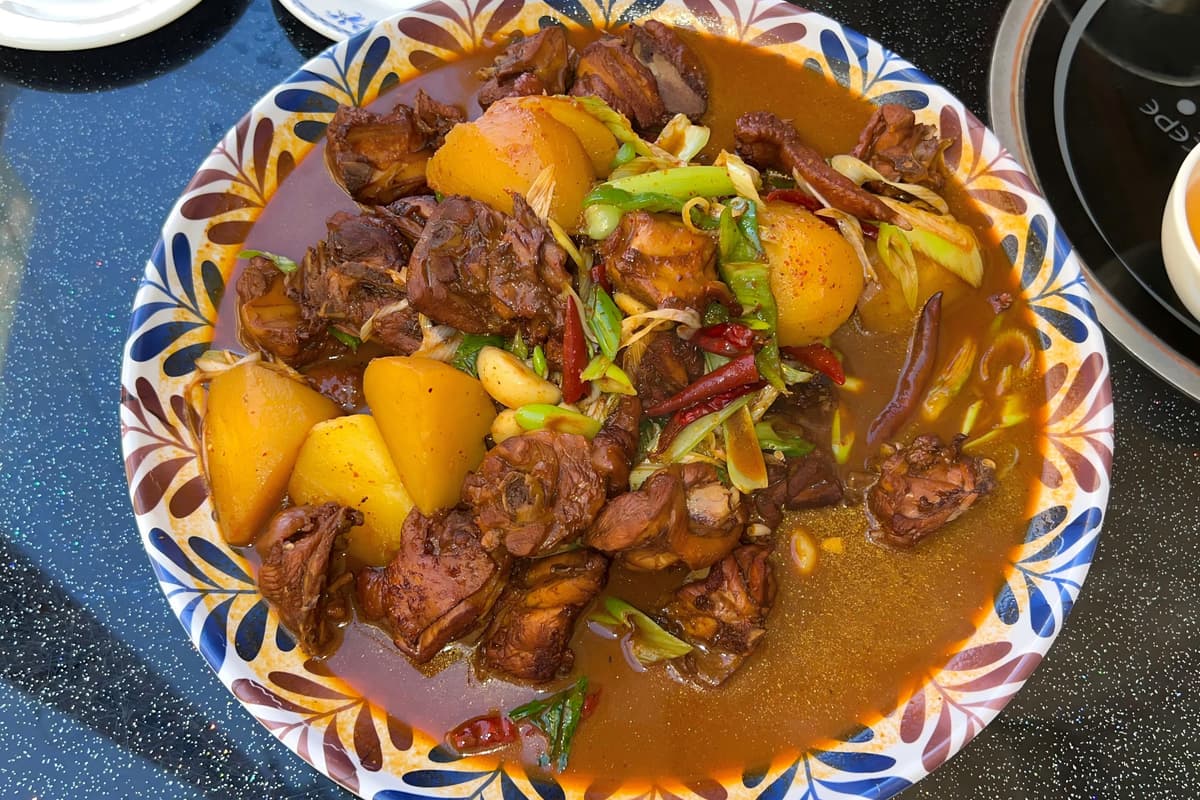
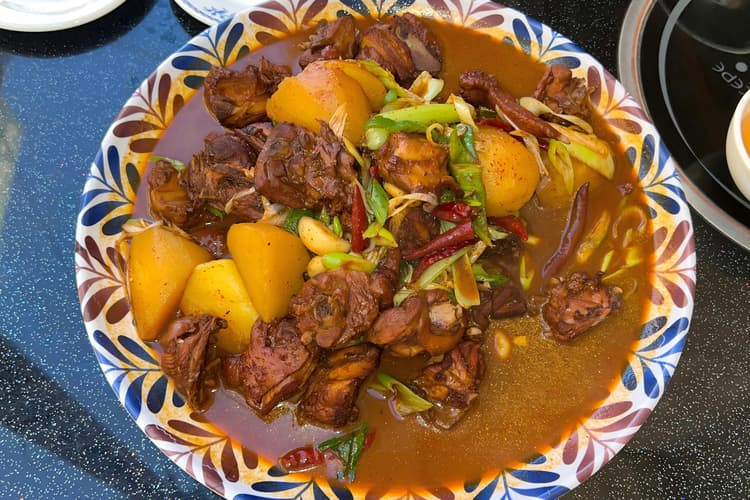
Da Pan Ji, or Xinjiang Big Plate Chicken, is a popular Xinjiang-style dish made with chicken, potatoes, green peppers, and a variety of spices. The ingredients are slowly stewed together to create a rich and flavorful dish with tender chicken and a savory sauce.
A unique feature of Da Pan Ji is that the chicken is usually served with bones, which helps preserve its original flavor and texture. It is often enjoyed with handmade noodles, which are added to soak up the delicious sauce. This hearty dish is a favorite choice at Xinjiang-style restaurants and is perfect for sharing with family and friends.
Laghman (Noodles)
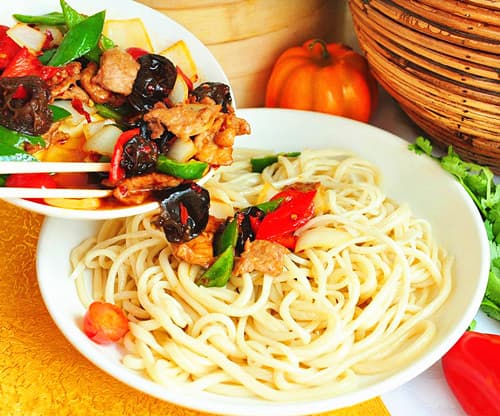
The Xinjiang version of “lamian” is called Laghman. This noodle dish is very typical in Xinjiang, and you’ll find it in most local restaurants. The Laghman, traditionally hand made noodles, are first boiled and then topped with a stir-fry of different ingredients; mutton meat, onion, and peppers are especially popular
Usually, the topping is a mix of vegetables, and we ate them with combinations of tomatoes, peppers, onions, potatoes, and beans. They are not served in a soup but instead cooked and topped with the vegetable mix.
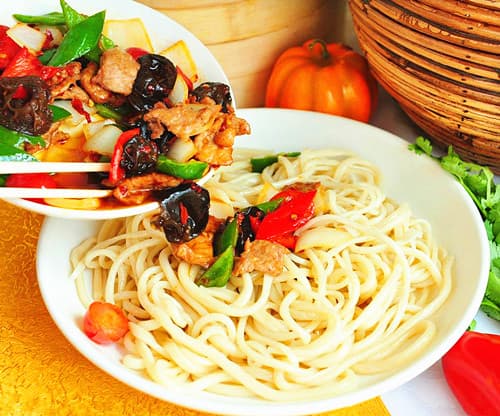
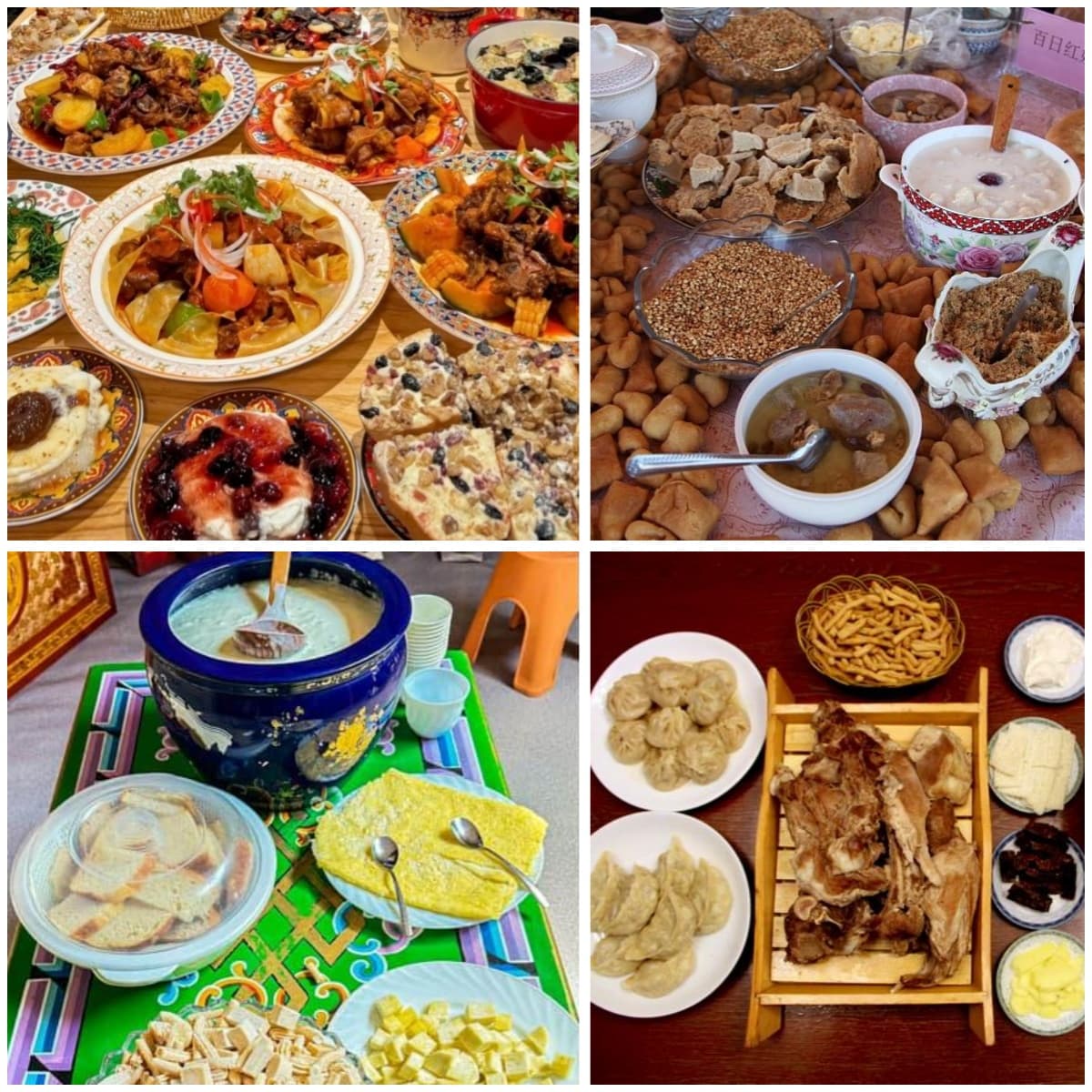
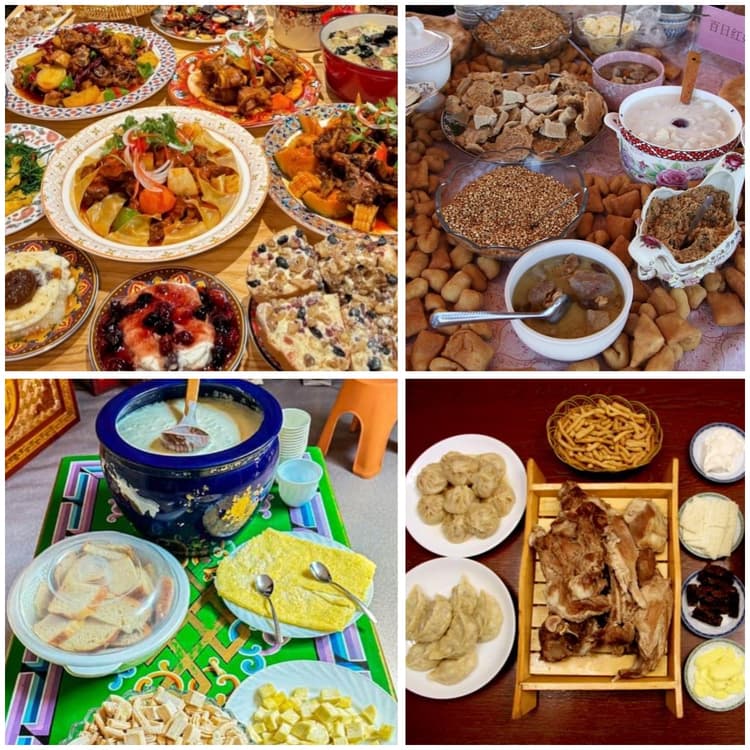
Xinjiang Ethnic Cuisine
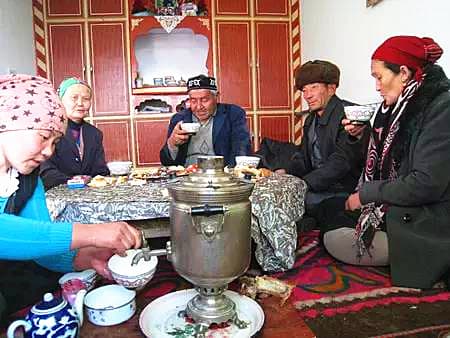
Kazakh Diet mainly contains meat, food made by flour, and dairy products, in which mutton is the top choice, and the horse meat is the best. Horse intestine, hard cheeses(milk dough), cloudy, and sour horse milk wine are their unique food. Moreover, Milk tea is an indispensable drink in the daily life of the Kazakh people.
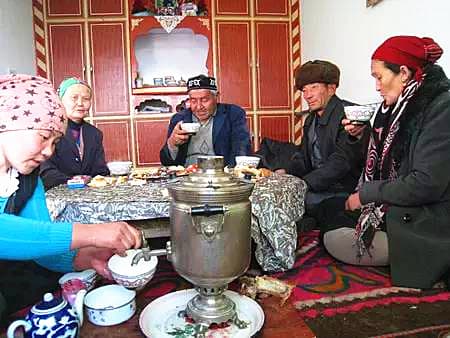
Milk Tea of Kazakh Diet
Kirgiz Diet: Milk and dairy products such as horse, milk, butter, and yogurts are their daily food. Meanwhile, many Kirgiz people are a fan of drink beverage "Yarma," which made by fermented barley and wheat, and they also like boiled tea with milk and salt.
Mongolian Diet: Mongolians are nomads. Beef and mutton, dairy products, and food made by flour are their staple food. They like making milk wine with cow's and sheep's milk.
Xibo Diet: Rice and flour are staples for the Xibo. They like tea with milk, butter, cream, cheese, and other dairy products. It is a taboo to eat donkey meat and horse meat.
Chinese Russians Diet: The Chinese Russians began to move to China from Russia after the 18th century. More entered various parts of Xinjiang after the 19th century, and even after the October Russian Revolution in 1917. Their diet is different from other ethnic groups; for instance, before the festivals, it is taboo to eat meat. On the very day of the festival, except the colorful "Biqieni ( a kind of cake)." boiled color eggs must be presented -eggs are coated with red, yellow, blue-brown, green, and purple.
Top Xinjiang Restaurants
Urumqi
Herembg Restaurant: No.2 Yan'an Road, Urumqi China+86 991 288 5027
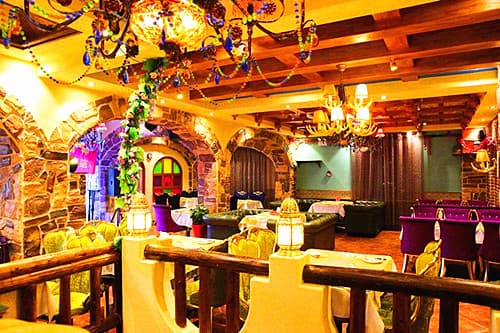
Herembeg Restaurant in Urumqi
It is definitely a great choice for international travelers looking for a unique dining experience. This Turkish and Xinjiang fusion restaurant offers a pleasant atmosphere, friendly service, and delicious Middle Eastern flavors, making your visit truly memorable.
Miraj Restaurant: No.31 Lane 2 Shengli Road, Urumqi China+86 991 288 5522
.png&w=1200&q=75 "miraj.png")
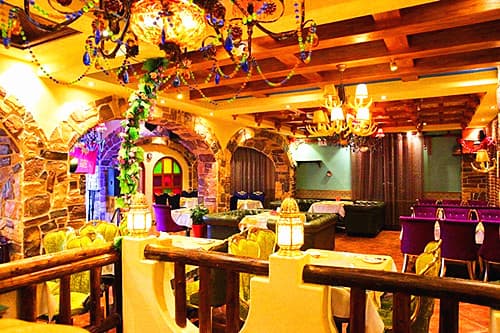
Miraj Restaurant is one of the well-known places in Urumqi to enjoy Xinjiang cuisine. Featuring traditional Uyghur dishes, the restaurant serves local favorites such as samsa, Polu, grilled lamb kebabs, and hand-pulled noodles. With its unique ethnic-style decor and authentic flavors, Miraj offers visitors a memorable dining experience that combines food, culture, and Xinjiang hospitality.
Kashgar
Altun Orda: Renmin Xi Lu 320, Kashgar China
The place is beautifully decorated and provided a warm feeling. It is also a super family friendly place with young children at half the tables. The dishes come in generous portions, making it a great place to share a meal with friends or family. In short, a very special place to enjoy with the locals.
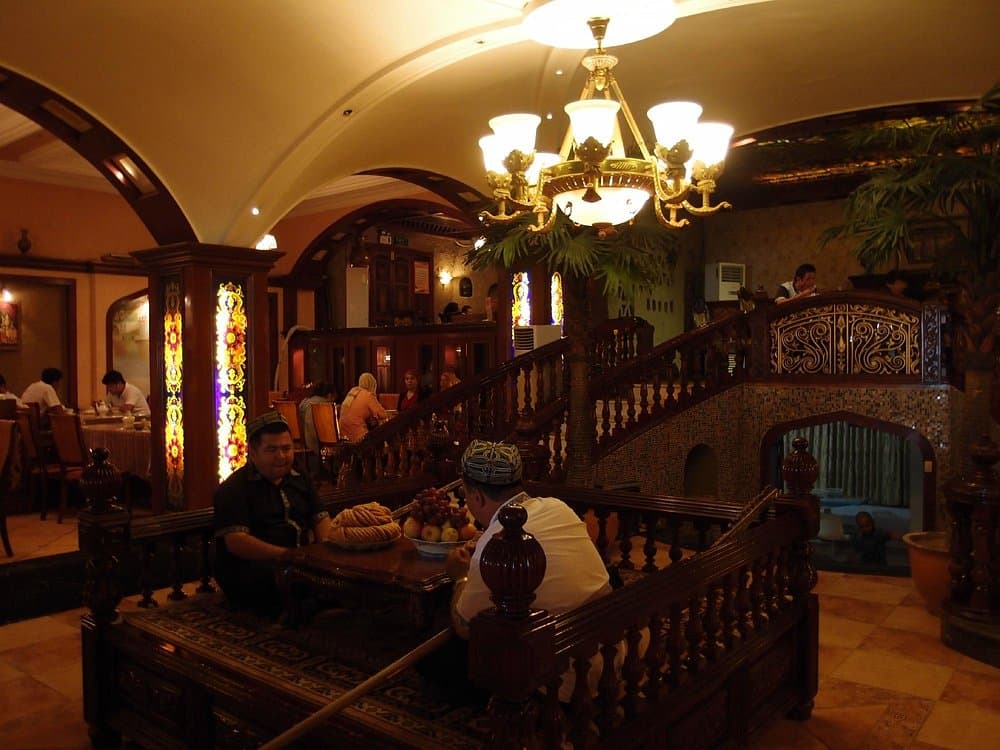
Nuran Restaurant: No.18 Jiefang North Road, Kashgar China+86 998 280 5666
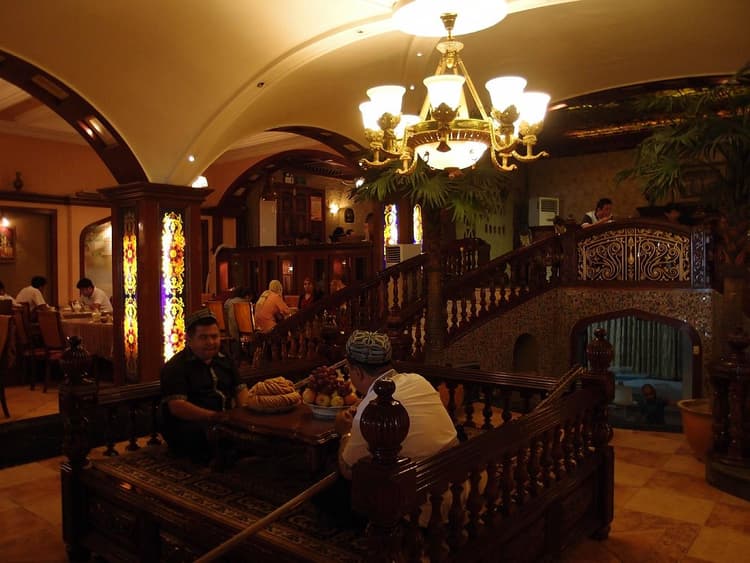
Some travelers would thoroughly recommend anyone who is staying in Kashgar to eat here, with quality of food, service and decor is excellent. The staff are super friendly and helpful.
.jpg&w=1200&q=75 "xinjiang.jpg")
Overall, Xinjiang food is more than just a collection of delicious dishes — it is a reflection of the region's diverse cultures and its history as an important stop along the Silk Road. From smoky lamb kebabs and fragrant Polu to handmade noodles, crispy Nang, and other flavorful local specialties, every dish tells a story of tradition, history, and cultural exchange.
Whether you explore the lively food streets of Urumqi, taste authentic Uyghur cuisine in Kashgar, or sample local flavors throughout your Xinjiang journey, the region's unique food culture will surely become one of the most memorable parts of your trip.
.png&w=750&q=75 "miraj.png")
.jpg&w=750&q=75 "xinjiang.jpg")