

Economic Development in Xinjiang
Xinjiang Uygur Autonomous Region is the largest provincial-level administrative region in China by area, covering approximately 1.66 million square kilometers, about one-sixth of China's total land area. Located in the northwest of China and along the ancient Silk Road, Xinjiang has experienced rapid economic growth and significant development in infrastructure, transportation, and local industries in recent years.
With continuous economic development, Xinjiang has become an important region for trade, agriculture, tourism, energy, and modern industries. According to official statistics, Xinjiang's regional GDP reached approximately 2.15 trillion yuan in 2025, maintaining steady growth in recent years. Infrastructure improvements and economic development have brought the region closer to other parts of China and made it more accessible for both residents and travelers.
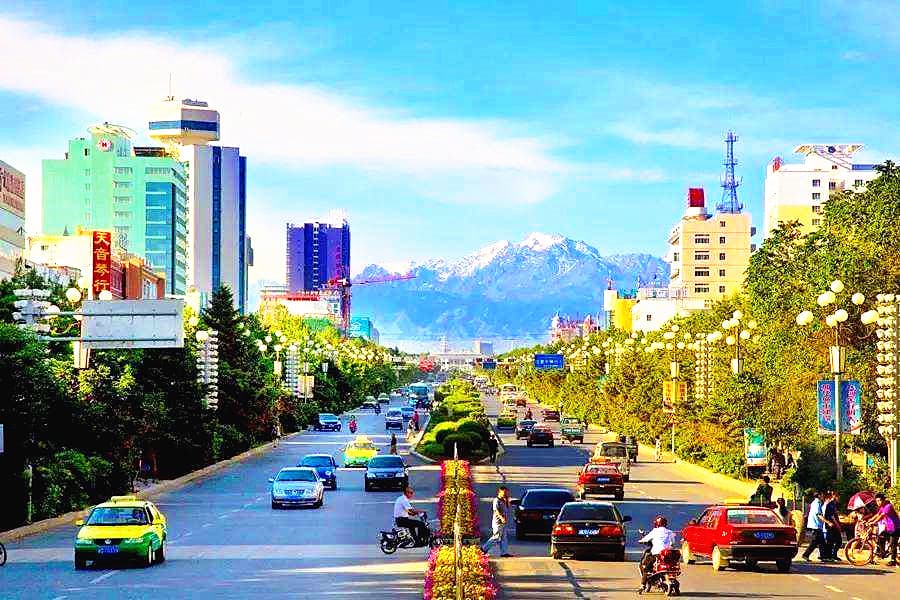
ECONOMIC DEVELOPMENT IN XINJIANG
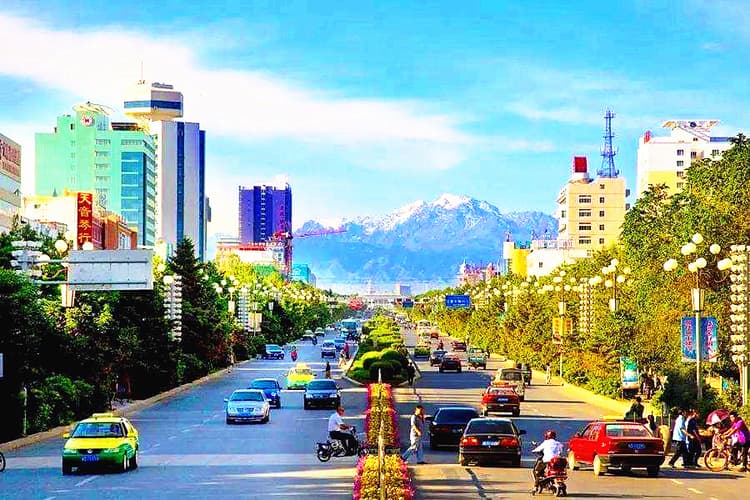
In recent years, Xinjiang has accelerated the development of transportation networks and urban facilities to support regional growth. Due to its vast territory, improving infrastructure has played an important role in connecting cities, scenic areas, and border regions.
Xinjiang has built an extensive transportation system including highways, railways, and airports. By 2025, the region had more than 9,500 kilometers of railway lines and 29 civil airports, creating a comprehensive transportation network across the region. Modern transportation facilities have greatly improved accessibility between major cities and remote areas, making travel within Xinjiang much more convenient.
The development of infrastructure has also supported the growth of tourism, international trade, modern agriculture, manufacturing, and emerging industries. Today, visitors can easily travel between famous destinations such as Urumqi, Kashgar, Turpan, Kanas, and the Pamir Mountains through improved transportation connections.
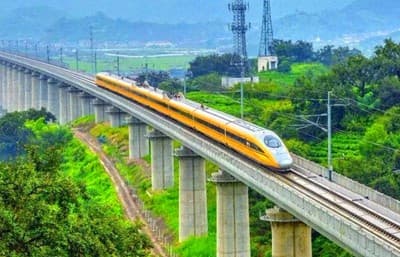
High-Speed Railway
The Belt and Road Initiative, aimed at building a trade and infrastructure network connecting Asia, Europe, and Africa along the ancient Silk Road routes, has created new opportunities for Xinjiang's development. Located at the heart of the Silk Road Economic Belt, Xinjiang plays an important role as a bridge connecting China with Central Asia and beyond.
Horgos, a major border port between China and Kazakhstan, has developed into an important international trade and transportation hub. Together with Alashankou Port, it serves as one of the key gateways for China-Europe freight trains and cross-border trade.
In recent years, Xinjiang has continued to strengthen industries including modern agriculture, renewable energy, manufacturing, logistics, and tourism. The region's growing infrastructure and international connections have further enhanced its position as a gateway between China and the world.
Today, Xinjiang combines modern economic development with its spectacular natural landscapes, diverse ethnic cultures, and rich Silk Road heritage, attracting travelers from around the world.