

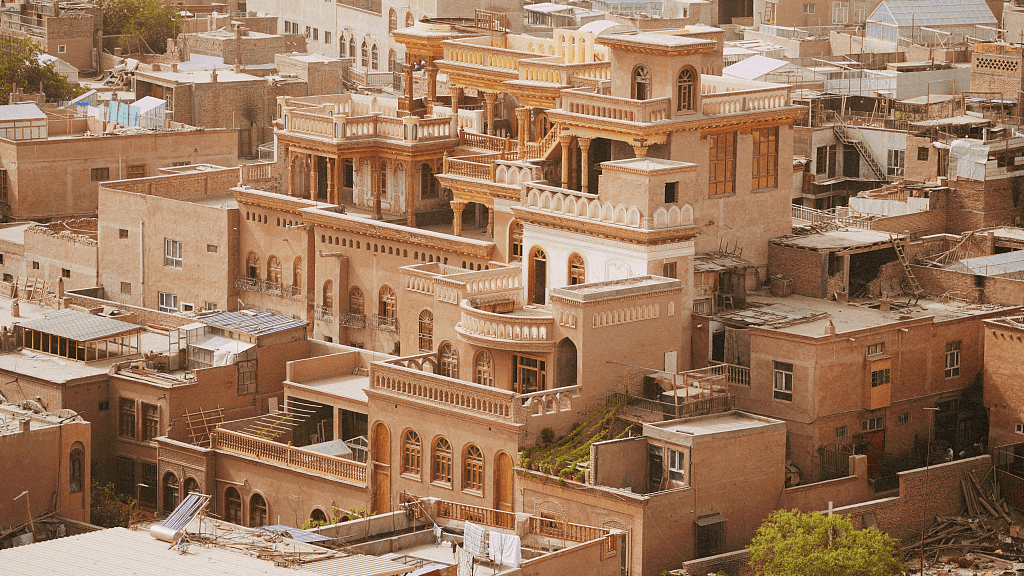

Northern Xinjiang vs Southern Xinjiang: Which One Should You Visit?
Northern Xinjiang vs Southern Xinjiang: Which One Should You Visit?
Xinjiang is one of the largest and most diverse regions in China.
Covering more than 1.6 million square kilometers, Xinjiang is larger than many countries and contains an incredible variety of landscapes, cultures and historical sites.
For travelers planning a Xinjiang trip, one of the most important questions is:
Should I visit Northern Xinjiang or Southern Xinjiang?
Although both regions belong to Xinjiang, they offer completely different travel experiences.
Northern Xinjiang is famous for:
· Alpine lakes
· Forests
· Grasslands
· Snow mountains
· Fairy-tale villages
Southern Xinjiang is known for:
· Ancient Silk Road cities
· Desert landscapes
· Historic sites
· Traditional markets
· Uyghur culture
Simply speaking:
Northern Xinjiang is a destination for nature lovers.
Southern Xinjiang is a destination for culture and history enthusiasts.
However, the difference is more complicated than that.
Both regions have spectacular scenery, unique cultures and unforgettable experiences.
The best choice depends on:
· Your travel interests
· Available time
· Preferred travel style
· The season you visit
This guide compares Northern Xinjiang and Southern Xinjiang in detail to help you decide which region is right for your journey.
Understanding Xinjiang: Why Is It Divided into Northern and Southern Regions?
Before comparing the two areas, it is important to understand the geographical difference.
The main dividing line between Northern and Southern Xinjiang is the:
Tianshan Mountains
The Tianshan Mountains run across central Xinjiang from east to west.
They create two completely different geographical environments.
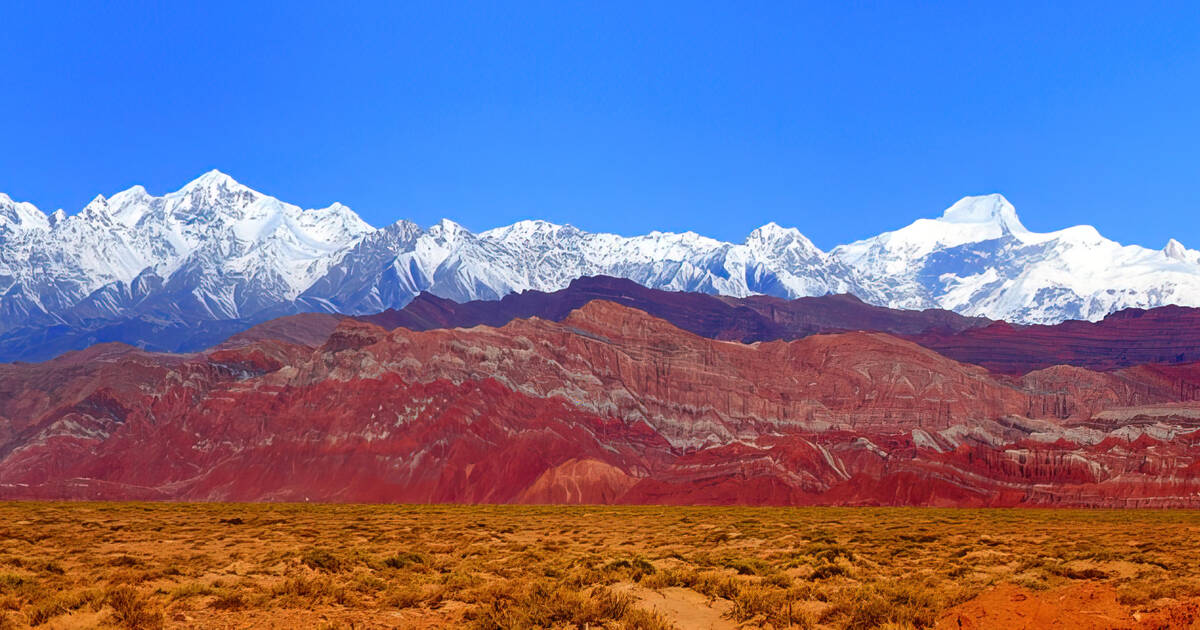
Northern Xinjiang: North of the Tianshan Mountains
Northern Xinjiang mainly includes areas such as:
· Altay
· Ili Valley
· Tacheng
· Bortala
· Northern parts of Urumqi
The landscape is shaped by:
· Mountains
· Forests
· Grasslands
· Rivers
· Lakes
The climate is relatively wetter, allowing rich vegetation to develop.
Southern Xinjiang: South of the Tianshan Mountains
Southern Xinjiang mainly includes:
· Kashgar
· Hotan
· Aksu
· Kuqa
· Korla
· Turpan
The region is dominated by:
· Deserts
· Oases
· Ancient cities
· Mountain plateaus
The famous:
Taklamakan Desert
is located in Southern Xinjiang.
Historically, many important Silk Road routes passed through this region.
Northern Xinjiang Travel Experience
A Paradise of Mountains, Lakes and Grasslands
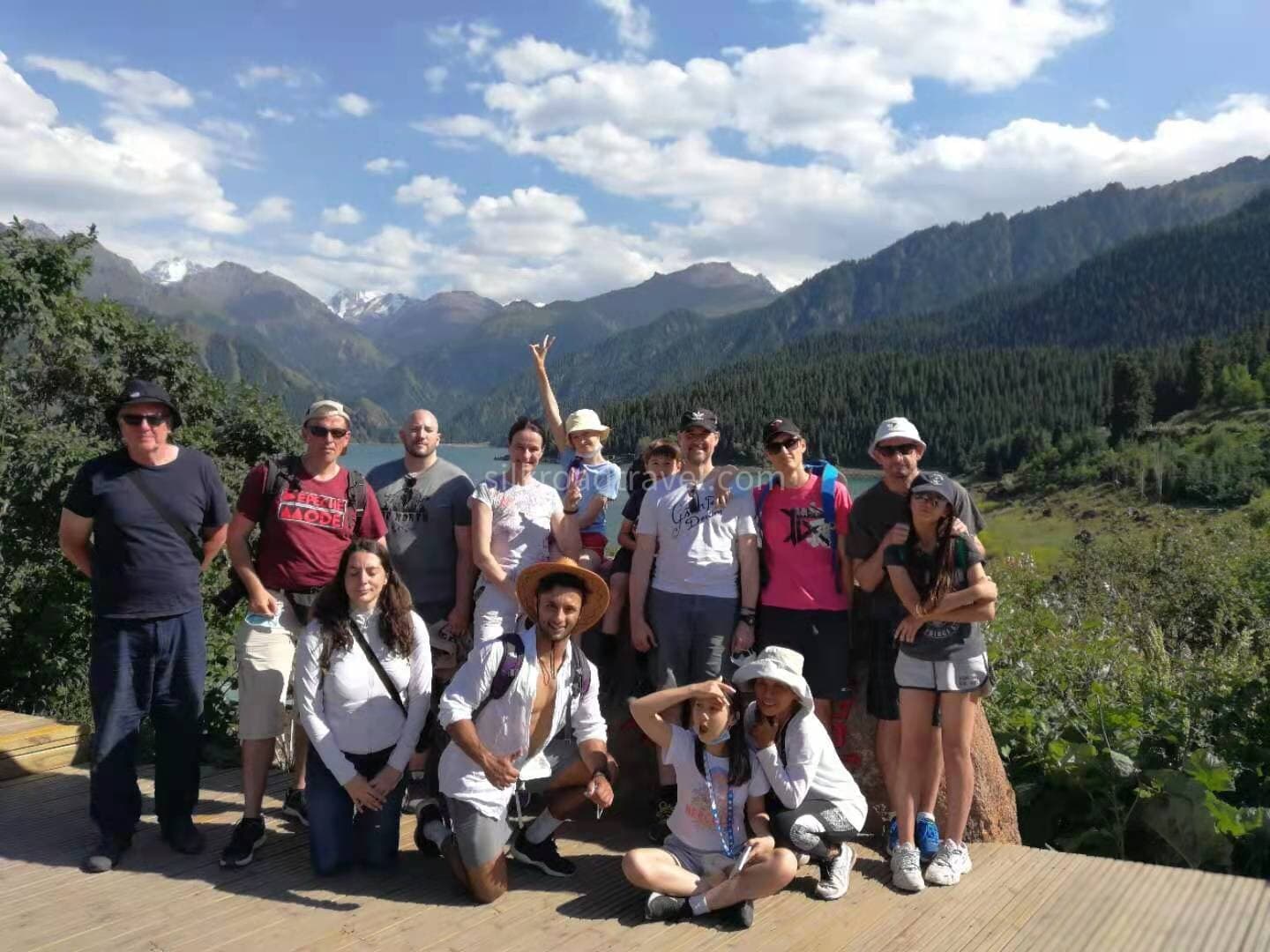
Northern Xinjiang is often considered one of the most beautiful natural destinations in China.
The scenery here is closer to Central Asia and even parts of Europe, with landscapes featuring:
· Dense forests
· Blue lakes
· Snow-covered mountains
· Wide grasslands
For travelers who love outdoor scenery, Northern Xinjiang is usually the first choice.
The Natural Beauty of Northern Xinjiang
Kanas Lake: The Symbol of Northern Xinjiang
Kanas Lake is perhaps the most famous attraction in Northern Xinjiang.
Located in the Altai Mountains, the lake is surrounded by:
· Snow peaks
· Forests
· Alpine meadows
The scenery changes dramatically throughout the year.
In summer:
· The forests are green
· The lake appears deep blue
· Grasslands are filled with flowers
In autumn:
· Forests turn golden
· Mountain valleys become colorful
This autumn scenery is one of the reasons Northern Xinjiang is famous worldwide.
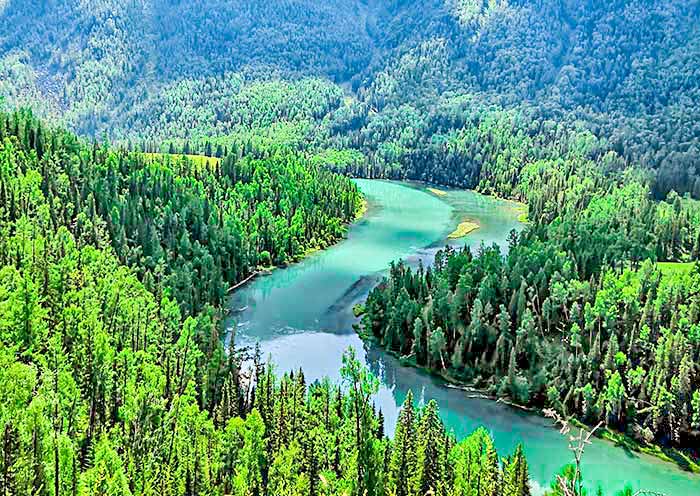
Hemu Village: A Fairytale Mountain Village
Hemu Village is another iconic destination in Northern Xinjiang.
The village is home to the Tuva people, who have traditionally lived in the Altai Mountains.
The landscape features:
· Wooden houses
· Forest-covered mountains
· Morning mist
· Peaceful valleys
Many travelers describe Hemu as one of the most beautiful villages in China.
The best experiences include:
· Sunrise viewpoints
· Walking through the village
· Photography around wooden houses

Sayram Lake: The Pearl of the Tianshan Mountains
Located near the western border of Xinjiang, Sayram Lake is famous for its clear blue water and mountain scenery.
The lake is surrounded by:
· Snow mountains
· Grasslands
· Wildflowers
During summer, local herders bring animals to the surrounding grasslands, creating a classic Xinjiang pastoral landscape.

Northern Xinjiang Culture
Although Northern Xinjiang is mainly known for nature, it also has rich cultural diversity.
The region is home to several ethnic groups, including:
· Kazakh people
· Mongolian communities
· Tuva people
· Uyghur communities
Kazakh Grassland Culture
The Kazakh people have traditionally lived a pastoral lifestyle.
Travelers may experience:
· Horse riding
· Traditional yurts
· Grassland festivals
· Local music
The connection between people, animals and nature is an important part of Northern Xinjiang culture.
Who Should Visit Northern Xinjiang?
Northern Xinjiang is especially suitable for:
Nature Lovers
If you enjoy:
· Mountains
· Lakes
· Forests
· Outdoor scenery
Northern Xinjiang is an excellent choice.
Photography Travelers
The region offers countless photography opportunities:
· Autumn forests
· Mountain reflections
· Sunrise landscapes
· Grassland scenes
Families and Relaxed Travelers
Compared with some remote areas of Southern Xinjiang, Northern Xinjiang often feels easier and more comfortable for leisure travel.
The scenery is accessible and visually impressive without requiring deep historical knowledge.
Southern Xinjiang Travel Experience
A Journey Through History, Culture and the Silk Road
While Northern Xinjiang attracts travelers with its natural landscapes, Southern Xinjiang tells a different story.
This region was once the heart of the ancient Silk Road, where merchants, explorers and different civilizations traveled between China, Central Asia and South Asia.
Today, Southern Xinjiang offers travelers a chance to experience:
· Ancient Buddhist kingdoms
· Historic Silk Road cities
· Traditional bazaars
· Desert landscapes
· Uyghur culture
· High-altitude mountain scenery
A journey through Southern Xinjiang feels less like a traditional sightseeing trip and more like exploring an open-air museum.
The Cultural Heart of Southern Xinjiang: Kashgar
Kashgar: The Ancient Silk Road City
Kashgar is the most important cultural destination in Southern Xinjiang.
For centuries, Kashgar was a major trading center connecting China with Central Asia, South Asia and the Middle East.
The city has preserved a unique atmosphere where traditional life continues alongside modern development.
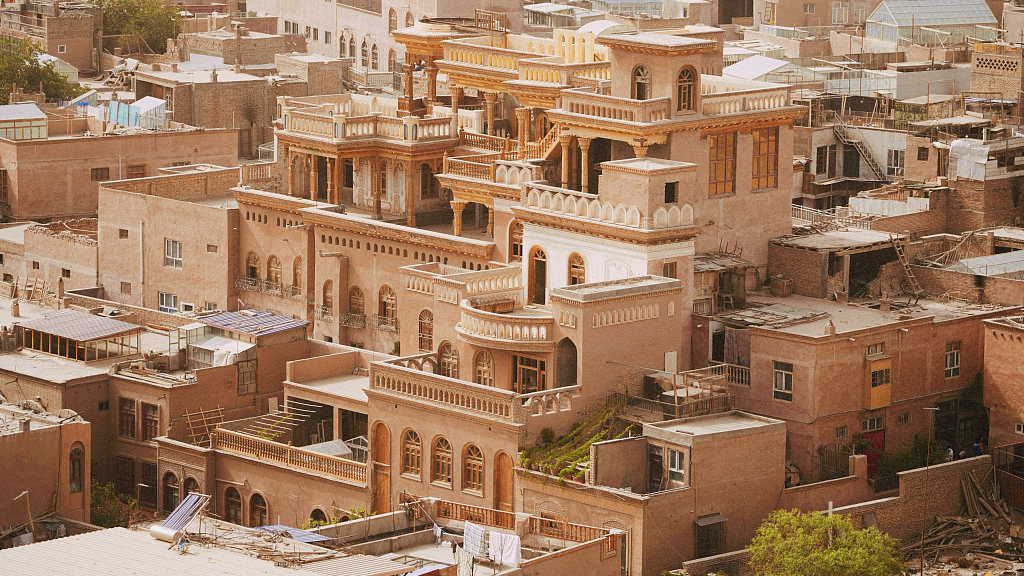
Explore Kashgar Old City
The Old City of Kashgar is one of the best places to experience local culture.
Walking through its narrow streets, travelers can see:
· Traditional houses
· Local workshops
· Small markets
· Street food stalls
· Historic neighborhoods
Unlike many reconstructed tourist areas, Kashgar Old City still maintains a strong connection with daily life.
Kashgar Sunday Bazaar
The Kashgar Sunday Bazaar is one of the most famous markets along the ancient Silk Road.
Historically, merchants from different regions gathered here to trade goods.
Today, visitors can experience:
· Local handicrafts
· Fruits and spices
· Traditional clothing
· Livestock markets
The market reflects Kashgar’s historical role as a meeting point between cultures.

Id Kah Mosque
Located in the center of Kashgar, Id Kah Mosque is one of the most important religious buildings in Xinjiang.
The mosque represents the long history of Islamic culture in the region and is one of Kashgar’s most recognizable landmarks.
Visitors interested in architecture and local history will find it an important stop.
The Pamir Plateau: Where Mountains Meet Culture
Taxkorgan and the Karakoram Highway
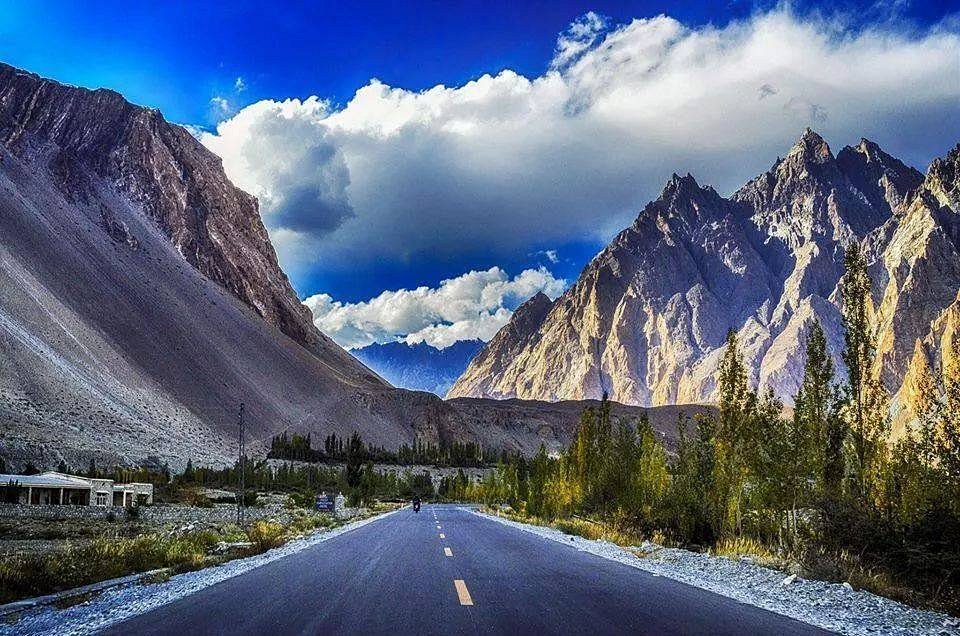
One of the greatest highlights of Southern Xinjiang is the journey from Kashgar to Taxkorgan.
The route follows the famous:
Karakoram Highway
This spectacular mountain road connects China with Pakistan and passes through some of the most dramatic landscapes in Asia.
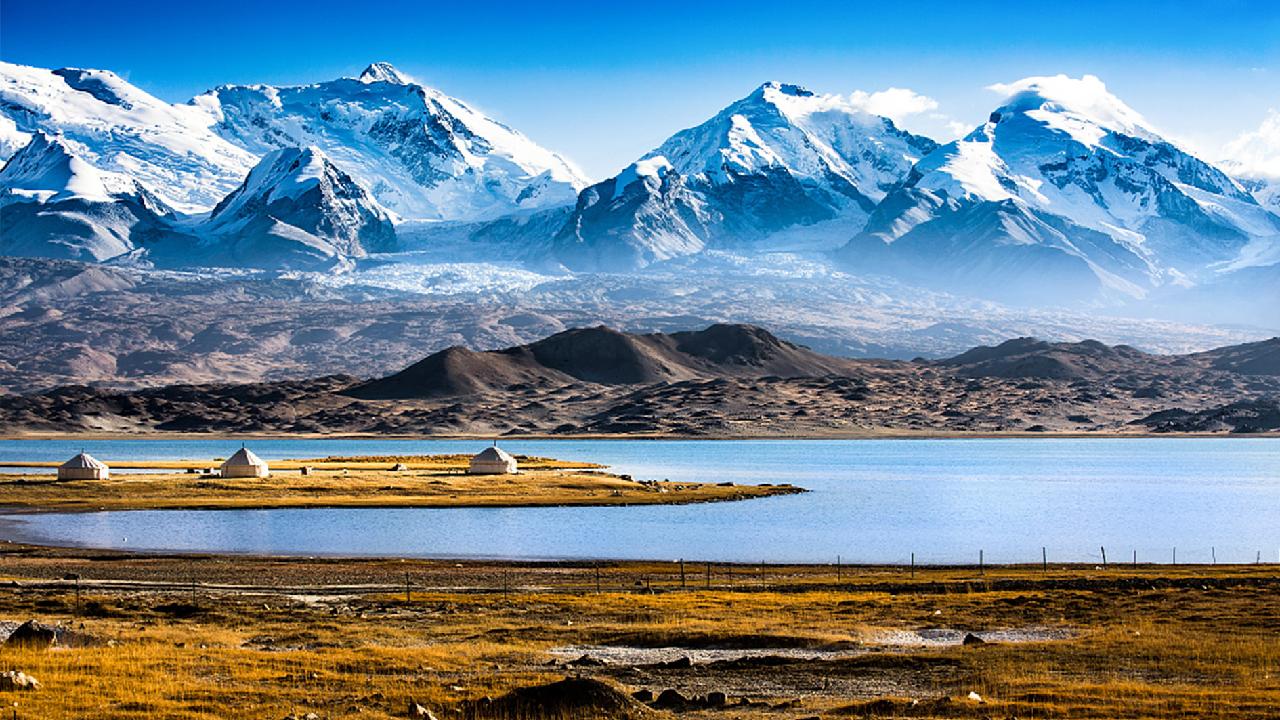
Karakul Lake and Muztagh Ata
The Pamir Plateau offers a completely different landscape from the rest of Southern Xinjiang.
Travelers can experience:
· Snow-covered peaks
· High-altitude lakes
· Vast plateaus
· Remote mountain villages
The most famous scenery includes:
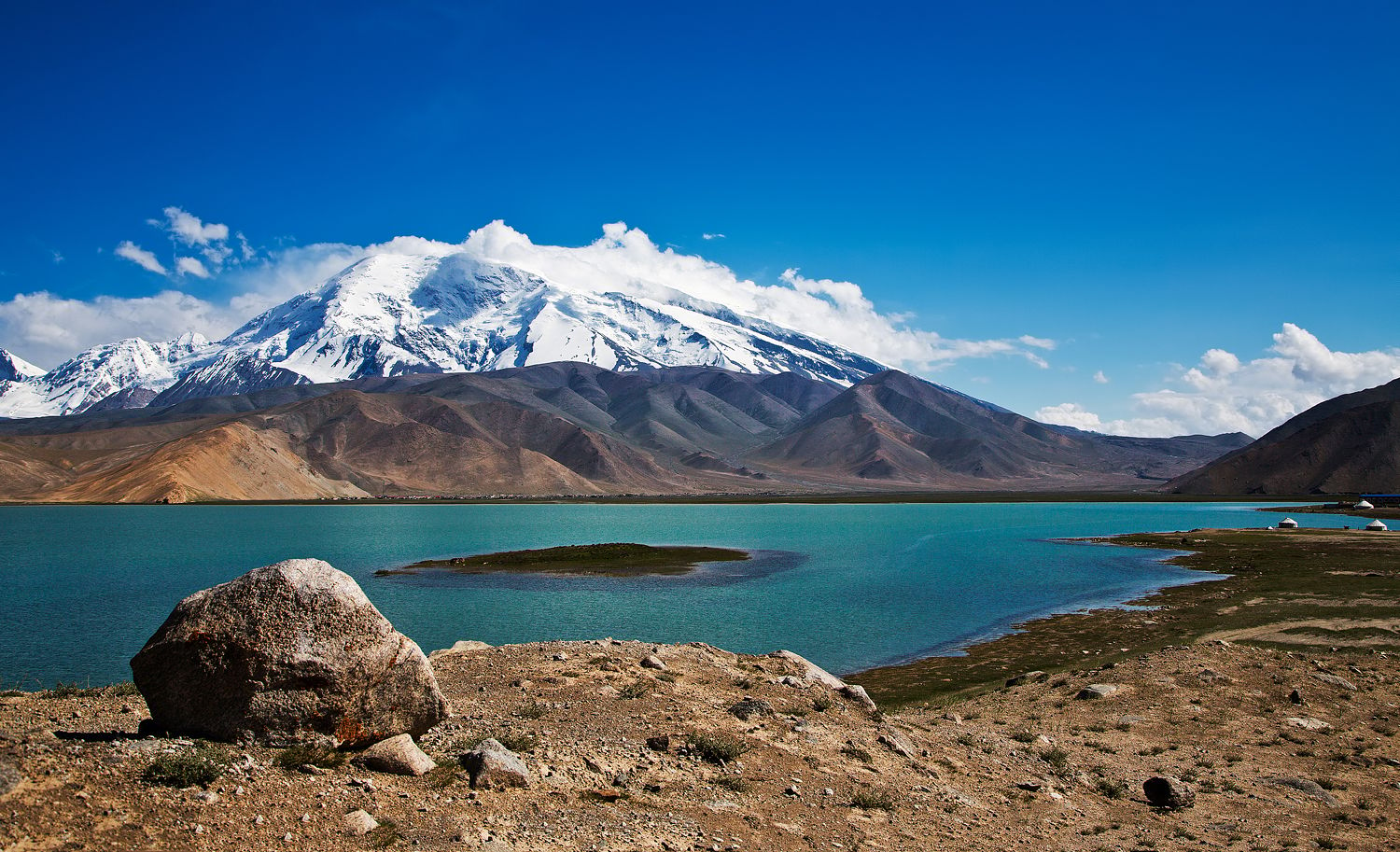
Karakul Lake
A stunning alpine lake surrounded by snow mountains.
Mount Muztagh Ata
A 7,546-meter peak known as the “Father of Ice Mountains.”
The combination of blue water, glaciers and mountains creates one of the most impressive landscapes in Xinjiang.
Tajik Culture in Taxkorgan
Taxkorgan is home to the Tajik ethnic group.
Unlike the urban atmosphere of Kashgar, Taxkorgan represents traditional mountain life.
Visitors can experience:
· Highland villages
· Pastoral culture
· Traditional food
· Mountain lifestyles
This cultural experience is one of the biggest differences between Northern and Southern Xinjiang.
Kuqa: Ancient Buddhist Heritage of the Silk Road
Kuqa: A Historical Center of Ancient Xinjiang
Located in central Southern Xinjiang, Kuqa was once one of the most important kingdoms along the ancient Silk Road.
The area was famous for:
· Buddhist culture
· Cave temples
· Music traditions
· Trade connections
Kizil Thousand Buddha Caves
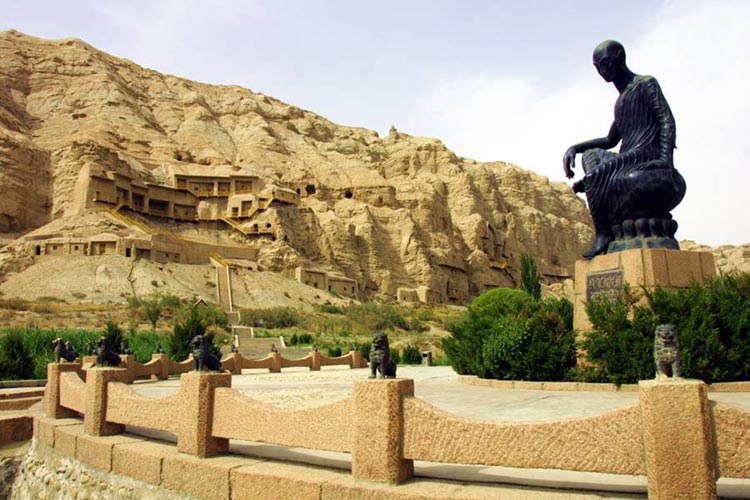
The Kizil Thousand Buddha Caves are among the most important Buddhist archaeological sites in China.
The caves contain:
· Ancient murals
· Buddhist artworks
· Historical remains
They provide evidence of cultural exchanges between China, India and Central Asia.
For travelers interested in history, Kuqa offers a deeper understanding of Xinjiang’s role in the Silk Road.
The Taklamakan Desert: Experience the Great Desert
The Second Largest Shifting Sand Desert in the World
The Taklamakan Desert is one of the defining landscapes of Southern Xinjiang.
The name itself has become associated with mystery and adventure.
The desert stretches across a huge area surrounded by:
· Kunlun Mountains
· Tianshan Mountains
· Pamir Mountains
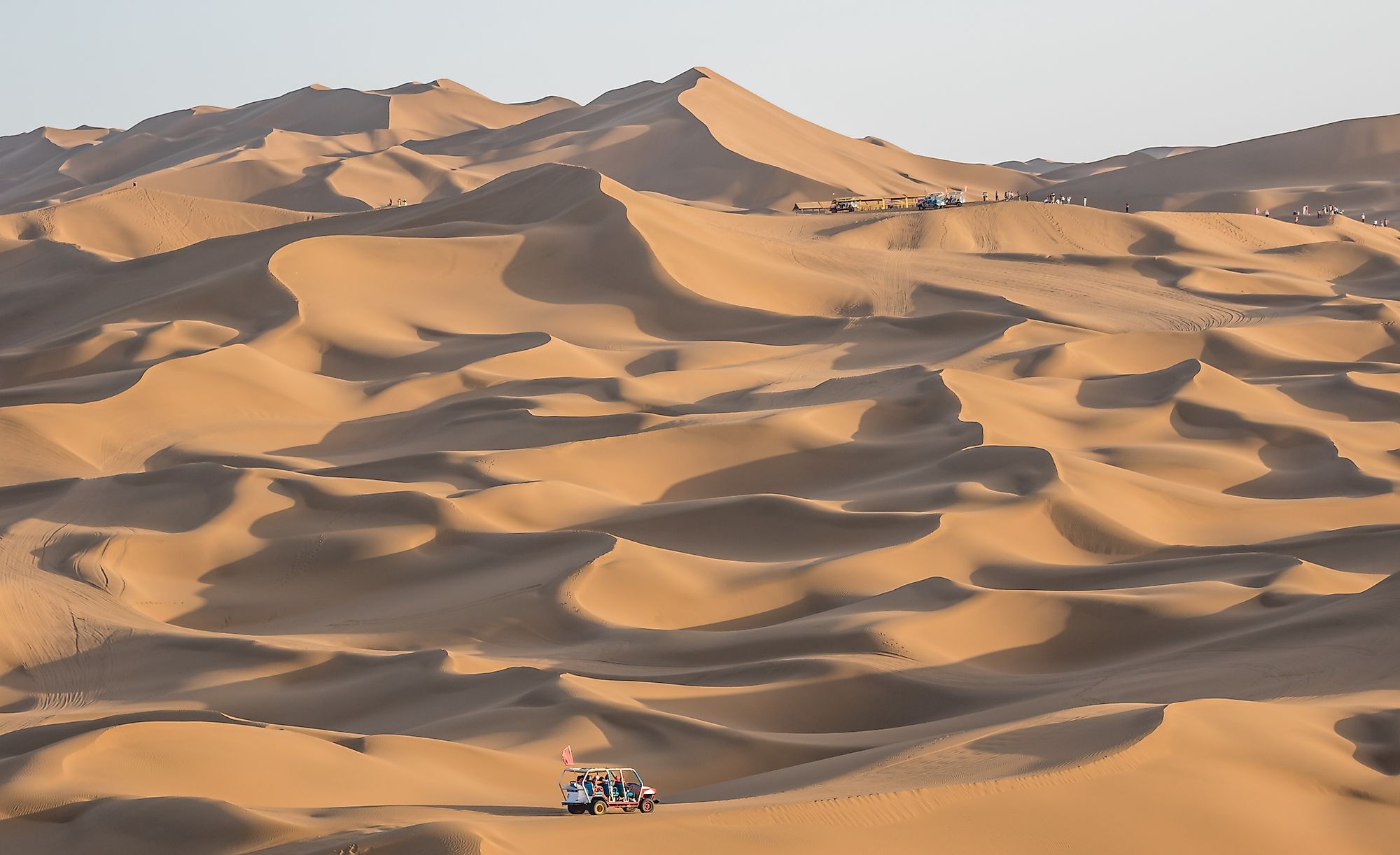
Desert Landscapes in Southern Xinjiang
Travelers can experience:
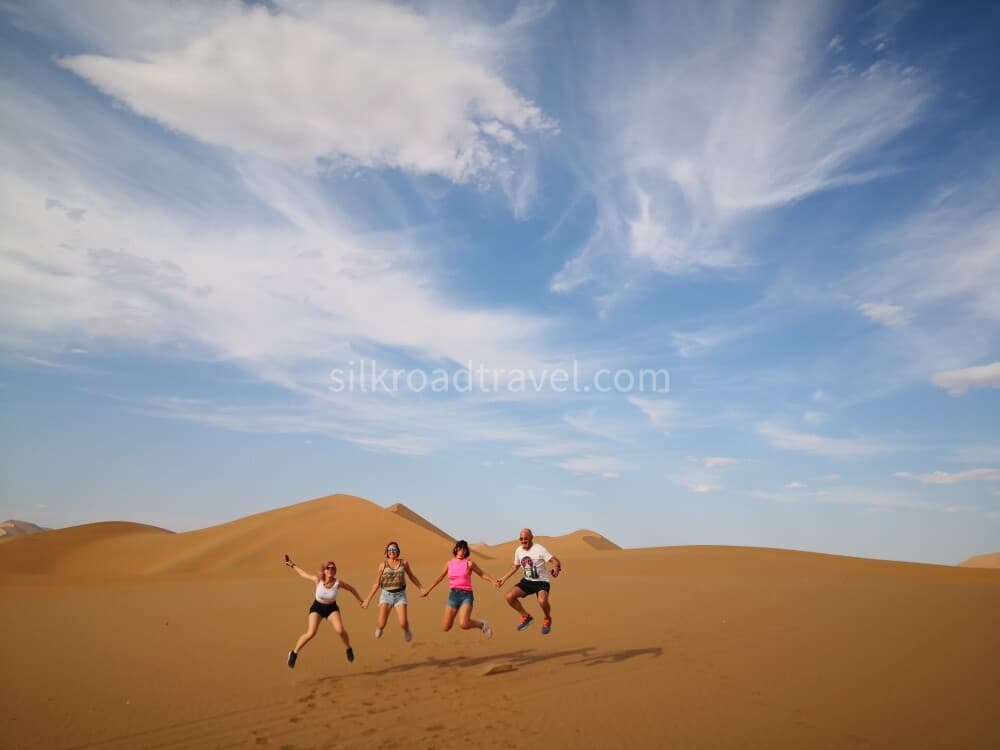
· Endless sand dunes
· Desert highways
· Poplar forests
· Oasis towns
Compared with the green landscapes of Northern Xinjiang, the desert scenery of the south creates a stronger feeling of wilderness.
Populus Euphratica Forests
One of the most beautiful desert landscapes is the Populus euphratica forest.
These ancient trees are famous for surviving in harsh desert environments.
In autumn, their golden leaves create a dramatic contrast against the desert background.
Popular areas include:
· Luntai
· Yuli
· Yarkand River regions
Southern Xinjiang Culture
A Strong Silk Road Identity
Southern Xinjiang has a stronger historical and cultural atmosphere compared with Northern Xinjiang.
The region has been influenced by many civilizations:
· Chinese civilization
· Persian culture
· Central Asian traditions
· Islamic civilization
This mixture created a unique cultural identity.
Uyghur Culture and Daily Life
The Uyghur people are the largest ethnic group in Southern Xinjiang.
Travelers can experience:
· Traditional music
· Dance
· Handicrafts
· Local cuisine
· Traditional markets

Food Culture
Southern Xinjiang is especially famous for its food.
Popular dishes include:
Nang Bread
A traditional baked bread found throughout Xinjiang.
Roast Lamb
A classic Xinjiang dish often served during celebrations.
Hand-Pulled Noodles
A local favorite combining handmade noodles with rich flavors.
Fruits
Southern Xinjiang’s oasis climate produces famous fruits such as:
· Grapes
· Melons
· Apricots
· Pomegranates
Northern Xinjiang vs Southern Xinjiang: Nature Comparison
Although both regions have beautiful scenery, the landscapes are completely different.
Northern Xinjiang Landscape
Main features:
· Forests
· Lakes
· Grasslands
· Alpine scenery
Typical images:
· Green valleys
· Wooden villages
· Blue lakes
· Autumn forests
Representative destinations:
· Kanas
· Hemu
· Sayram Lake
· Nalati Grassland
Southern Xinjiang Landscape
Main features:
· Deserts
· Mountains
· Ancient cities
· Oases
Typical images:
· Desert roads
· Historic ruins
· Bazaar streets
· Snow mountains
Representative destinations:
· Kashgar
· Taxkorgan
· Kuqa
· Taklamakan Desert
Which Region Has Better Scenery?
This depends on personal preference.
Choose Northern Xinjiang If You Prefer:
· European-style mountain scenery
· Lakes and forests
· Relaxing nature experiences
· Hiking and photography
Northern Xinjiang is often compared with destinations such as:
· Switzerland
· Kazakhstan
· Mongolia
because of its alpine landscapes.
Choose Southern Xinjiang If You Prefer:
· Dramatic landscapes
· Desert scenery
· Historical exploration
· Cultural experiences
Southern Xinjiang feels closer to:
· Central Asia
· The ancient Silk Road world
Northern Xinjiang vs Southern Xinjiang: Culture Comparison
Northern Xinjiang
Culture is closely connected with:
· Grassland traditions
· Nomadic lifestyles
· Mountain communities
The experience focuses more on:
· Nature
· Pastoral life
· Outdoor activities
Southern Xinjiang
Culture is closely connected with:
· Silk Road history
· Oasis civilizations
· Traditional cities
The experience focuses more on:
· History
· Architecture
· Food
· Human stories
Which Region Is Better for Photography?
Both regions are excellent, but they offer different styles.
Northern Xinjiang Photography
Best subjects:
· Autumn forests
· Lakes
· Sunrise mountains
· Grasslands
Best seasons:
· September to October
Southern Xinjiang Photography
Best subjects:
· Ancient cities
· Desert landscapes
· Mountain highways
· Local markets
Best seasons:
· April to June
· September to November
Northern Xinjiang vs Southern Xinjiang: Detailed Comparison
Choosing between Northern Xinjiang and Southern Xinjiang is not simply choosing between two different travel routes.
It is choosing between two completely different travel experiences.
Northern Xinjiang represents the beauty of nature:
· Mountains
· Forests
· Lakes
· Grasslands
· Pastoral landscapes
Southern Xinjiang represents the depth of history and culture:
· Ancient Silk Road civilization
· Desert landscapes
· Historic cities
· Ethnic traditions
Both regions are worth visiting, but they attract different types of travelers.
Northern Xinjiang vs Southern Xinjiang: Quick Comparison
Category | Northern Xinjiang | Southern Xinjiang |
Main Feature | Natural landscapes | Culture and history |
Famous Scenery | Lakes, forests, grasslands | Deserts, mountains, ancient cities |
Landscape Style | Alpine Europe-like scenery | Central Asian Silk Road atmosphere |
Main Ethnic Culture | Kazakh, Tuva, Mongolian cultures | Uyghur, Tajik cultures |
Best Season | June-October | April-June, September-November |
Travel Pace | Relaxed sightseeing | Cultural exploration |
Photography | Nature photography | Culture and landscape photography |
Recommended Duration | 7-10 days | 7-10 days |
Main Gateway | Urumqi | Kashgar |
Travel Difficulty Comparison
The difficulty of traveling in Northern and Southern Xinjiang is different.
Neither region is impossible to visit, but travelers should understand the differences.
Northern Xinjiang Travel Difficulty
More Comfortable for General Travelers
Northern Xinjiang is generally easier for first-time visitors.
Reasons include:
· More developed tourism infrastructure
· More hotels in scenic areas
· Easier access to attractions
· More comfortable travel environment
Popular destinations such as Kanas, Hemu and Sayram Lake have well-established tourism facilities.
Transportation in Northern Xinjiang
Most travelers explore Northern Xinjiang by:
· Private car
· Group tour
· Self-driving
However, distances are still large.
For example:
Urumqi to Kanas:
Approximately 700 km
Urumqi to Sayram Lake:
Approximately 550 km
Therefore, although the region is easier to travel, it still requires careful planning.
Southern Xinjiang Travel Difficulty
More Remote and More Adventurous
Southern Xinjiang offers deeper cultural experiences but usually requires more preparation.
Challenges include:
· Longer distances
· More remote areas
· Higher altitude destinations
· More complicated transportation
Examples:
Kashgar to Taxkorgan:
Around 300 km
Kashgar to Hotan:
Around 500 km
Kashgar to Kuqa:
More than 700 km
Why Southern Xinjiang Requires More Planning
Many attractions are spread across a huge area.
Travelers may spend several hours driving between destinations.
However, these long journeys are also part of the experience.
The roads pass through:
· Deserts
· Mountains
· Ancient oasis towns
For travelers who enjoy exploration, this is one of the greatest attractions of Southern Xinjiang.
Best Time to Visit: Northern Xinjiang vs Southern Xinjiang
The best travel season depends on the landscapes you want to see.
Best Time for Northern Xinjiang
June to October
Northern Xinjiang has four clear seasons.
Summer (June-August)
Summer is ideal for:
· Grasslands
· Lakes
· Outdoor activities
Highlights:
· Green valleys
· Wildflowers
· Comfortable temperatures
Popular destinations:
· Kanas
· Hemu
· Nalati Grassland
· Sayram Lake
Autumn (September-October)
Autumn is the most famous season in Northern Xinjiang.
The forests around Altay become golden and orange.
This period is considered the best time for:
· Photography
· Nature lovers
· Scenic road trips
However, autumn is also the busiest travel season.
Popular attractions may become crowded, and accommodation prices increase.
Best Time for Southern Xinjiang
April-June and September-November
Southern Xinjiang has a drier climate, making spring and autumn the most comfortable seasons.
Spring (April-June)
Spring is excellent for:
· Kashgar exploration
· Desert scenery
· Oasis landscapes
The weather is warm but not extremely hot.
Autumn (September-November)
Autumn is considered one of the best seasons for Southern Xinjiang.
Highlights include:
· Golden Populus euphratica forests
· Comfortable temperatures
· Clear mountain views
It is especially suitable for:
· Photography
· Road trips
· Cultural exploration
Summer in Southern Xinjiang
Summer can be extremely hot, especially in desert areas.
Cities such as:
· Turpan
· Kashgar
· Hotan
can experience very high temperatures.
However, mountain areas such as Taxkorgan remain relatively comfortable.
Recommended Northern Xinjiang Routes
Route 1: Classic Northern Xinjiang Loop
8-10 Days
A classic route covering the most famous landscapes.
Typical destinations:
Urumqi
↓
Kanas
↓
Hemu
↓
Burqin
↓
Karamay / Urho
↓
Sayram Lake
↓
Yining
↓
Urumqi
Best For:
· First-time visitors
· Nature lovers
· Photographers
· Families
Highlights:
· Kanas Lake
· Hemu Village
· Ghost City
· Sayram Lake
· Grassland scenery
Route 2: Ili Valley Summer Route
6-8 Days
Best during summer.
Typical destinations:
Urumqi
↓
Sayram Lake
↓
Yining
↓
Nalati Grassland
↓
Kalajun Grassland
↓
Return
Best For:
· Grassland scenery
· Outdoor lovers
· Travelers seeking a slower pace
Recommended Southern Xinjiang Routes
Route 1: Kashgar + Pamir Plateau Classic Route
5-7 Days
One of the most popular Southern Xinjiang journeys.
Typical destinations:
Kashgar
↓
White Sand Lake
↓
Karakul Lake
↓
Taxkorgan
↓
Return to Kashgar
Best For:
· First-time Southern Xinjiang visitors
· Mountain lovers
· Photography travelers
Highlights:
· Kashgar Old City
· Karakoram Highway
· Karakul Lake
· Muztagh Ata
· Stone City
Route 2: Southern Xinjiang Silk Road Exploration
8-10 Days
A deeper cultural route.
Typical destinations:
Kashgar
↓
Aksu
↓
Kuqa
↓
Korla
↓
Taklamakan Desert
↓
Hotan
Best For:
· History lovers
· Silk Road enthusiasts
· Cultural travelers
Highlights:
· Kizil Thousand Buddha Caves
· Ancient ruins
· Desert landscapes
· Oasis towns
Can You Visit Both Northern and Southern Xinjiang?
Yes, but it requires more time.
Because Xinjiang is extremely large, combining both regions into one trip requires careful planning.
Recommended Duration
Less Than 7 Days
Choose one region only.
Trying to visit both will result in spending too much time on transportation.
8-12 Days
Possible to experience one region deeply.
Recommended:
· Northern Xinjiang only
or
· Southern Xinjiang + Kashgar + Pamir Plateau
14-20 Days
Possible to combine both regions.
A longer journey may include:
Northern Xinjiang:
· Kanas
· Hemu
· Sayram Lake
↓
Southern Xinjiang:
· Kashgar
· Taxkorgan
· Silk Road sites
Which One Should First-Time Visitors Choose?
There is no universal answer.
The right choice depends on what kind of travel experience you want.
Choose Northern Xinjiang If You Want:
Stunning Natural Scenery
If your dream Xinjiang image is:
· Blue lakes
· Snow mountains
· Forests
· Grasslands
then Northern Xinjiang is the better choice.
A More Relaxed Journey
Northern Xinjiang is generally easier for:
· Families
· Older travelers
· First-time visitors
Classic Xinjiang Photography
Many famous Xinjiang images come from Northern Xinjiang:
· Kanas autumn forests
· Hemu sunrise
· Sayram Lake scenery
Choose Southern Xinjiang If You Want:
History and Culture
Southern Xinjiang provides a deeper connection with:
· Silk Road history
· Ancient civilizations
· Local communities
A More Unique Experience
Many travelers find Southern Xinjiang more culturally distinctive.
The experience of walking through Kashgar’s old streets or driving across the Pamir Plateau is difficult to replicate elsewhere.
Adventure and Exploration
Southern Xinjiang feels more remote.
It is ideal for travelers who enjoy:
· Long road journeys
· Mountain landscapes
· Less-developed destinations
Final Recommendation: Northern Xinjiang or Southern Xinjiang?
Both regions represent different sides of Xinjiang.
Northern Xinjiang is about:
“Nature at its most beautiful.”
Southern Xinjiang is about:
“History and culture at their deepest.”
If you are visiting Xinjiang for the first time and prefer spectacular scenery with comfortable travel, Northern Xinjiang is usually the safer choice.
If you are interested in the Silk Road, ethnic culture and dramatic landscapes, Southern Xinjiang offers a more unique experience.
For travelers with enough time, the best answer is:
Visit both.
Together, Northern and Southern Xinjiang reveal the full diversity of this extraordinary region — from alpine lakes and forests to deserts, ancient cities and mountain frontiers.
Plan Your Xinjiang Journey with Silk Road Travel
Xinjiang is a destination where route planning makes a significant difference.
Because Northern and Southern Xinjiang have different landscapes, cultures and transportation conditions, choosing the right itinerary is essential.
Silk Road Travel specializes in customized Xinjiang tours and can help arrange:
· Northern Xinjiang nature tours
· Southern Xinjiang Silk Road journeys
· Kashgar and Pamir Plateau trips
· Private transportation
· English-speaking guides
· Customized travel plans
Whether you want to explore the forests and lakes of Northern Xinjiang or discover the history and culture of Southern Xinjiang, Silk Road Travel can design a journey based on your interests and travel schedule.
Silk Road Travel
Email: info@silkroadtravel.com
Phone / WhatsApp: +86 15909912575
Discover the different faces of Xinjiang and create your own unforgettable journey through China’s northwest frontier.