


A Practical Guide to Northern Xinjiang’s Alpine Gem
How to Plan a Kanas Lake Trip: A Complete Travel Guide
Located in the northern part of Xinjiang Uyghur Autonomous Region, deep in the Altai Mountains, Kanas Lake is one of the most famous natural destinations in China. Surrounded by snow-covered mountains, dense forests, alpine meadows and traditional villages, Kanas offers a completely different landscape from the deserts and historic cities that many travelers associate with Xinjiang.
The name “Kanas” comes from the Mongolian language and is often interpreted as “beautiful and mysterious lake”. The area is famous for its changing lake colors, peaceful mountain scenery and the unique culture of the Tuvan people who have lived in this region for generations.
Unlike many popular destinations in China, Kanas is not a place that can be fully experienced through a quick stop. The scenic area covers a large mountain region including lakes, forests, rivers, villages and grasslands. To enjoy the landscape properly, travelers need to consider the season, transportation time and how to combine Kanas with nearby destinations such as Hemu Village, Baihaba Village and Burqin.
For international travelers planning a Northern Xinjiang journey, Kanas is usually the highlight of a longer road trip rather than a single destination. The most common route combines Kanas with Hemu Village, colorful autumn forests, grasslands and the unique landscapes of the Altai region.
This guide explains the best time to visit Kanas Lake, how many days you need, transportation options, recommended routes and practical tips to help you plan your trip.
Why Visit Kanas Lake?
Kanas is famous for its combination of:
· Alpine lakes
· Snow mountains
· Forest landscapes
· Grasslands
· Tuvan culture
· Wildlife
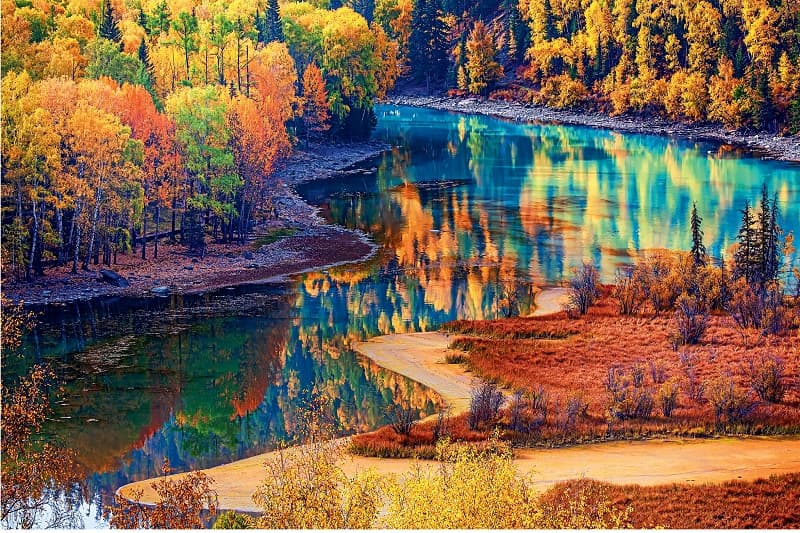
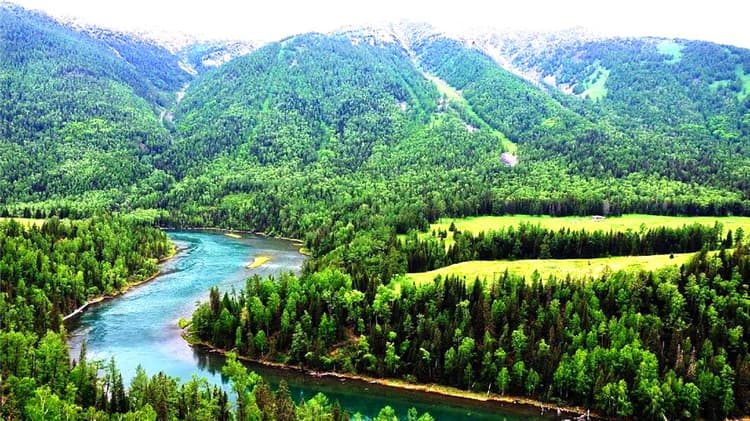
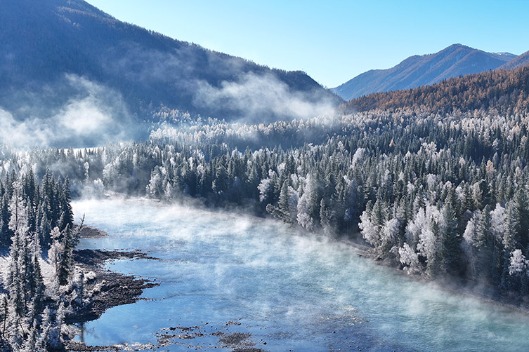
The scenery changes dramatically throughout the year. In summer, the valley is covered with green forests and grasslands. In autumn, golden birch forests surround the lake and villages. In winter, Kanas becomes a quiet snow-covered world.
Unlike many lake destinations that only offer a viewpoint, Kanas provides a complete mountain experience. Visitors can walk along wooden trails, take boat rides, climb viewpoints, explore villages and experience local lifestyles.
The Main Highlights of Kanas Lake
Kanas Lake
Kanas Lake is the centerpiece of the scenic area.
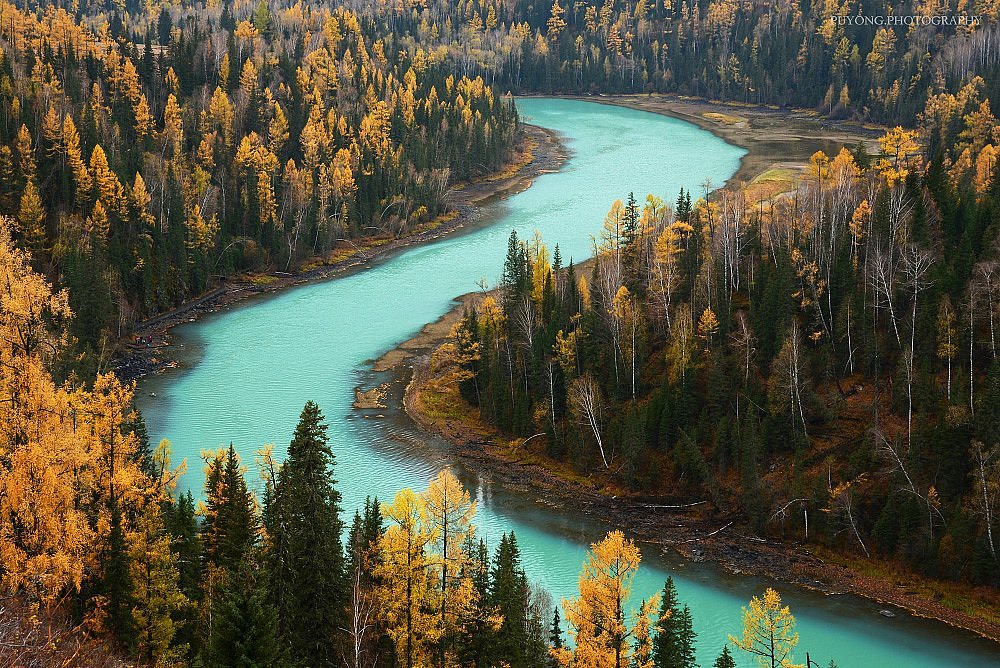
Located in the Altai Mountains at an altitude of around 1,300 meters, the lake was formed by ancient glacial activity. Surrounded by mountains and forests, its water changes color depending on sunlight, weather and the amount of minerals carried by mountain streams.
Visitors can enjoy:
· Lake viewpoints
· Boat trips
· Lakeside walking paths
· Mountain scenery
The lake is especially beautiful in autumn when golden forests reflect on the water.
Fish Viewing Platform (Guan Yu Tai)
The Fish Viewing Platform is one of the most famous viewpoints in Kanas.
Located on a mountain above Kanas Lake, it provides a panoramic view of:
· The entire lake
· Surrounding snow mountains
· Forest valleys
The viewpoint requires climbing steps, but the view from the top is considered one of the best photo opportunities in Kanas.
For many visitors, this is the place that best represents the landscape of Kanas.
Three Bays of Kanas River
The Three Bays are among the most photographed landscapes in the Kanas area.
They include:
· Fairy Bay (Shenxian Bay)
· Moon Bay (Yueliang Bay)
· Dragon Bay (Wolong Bay)
These sections are located along the Kanas River between Kanas Lake and the lower valley.
Fairy Bay (Shenxian Bay)
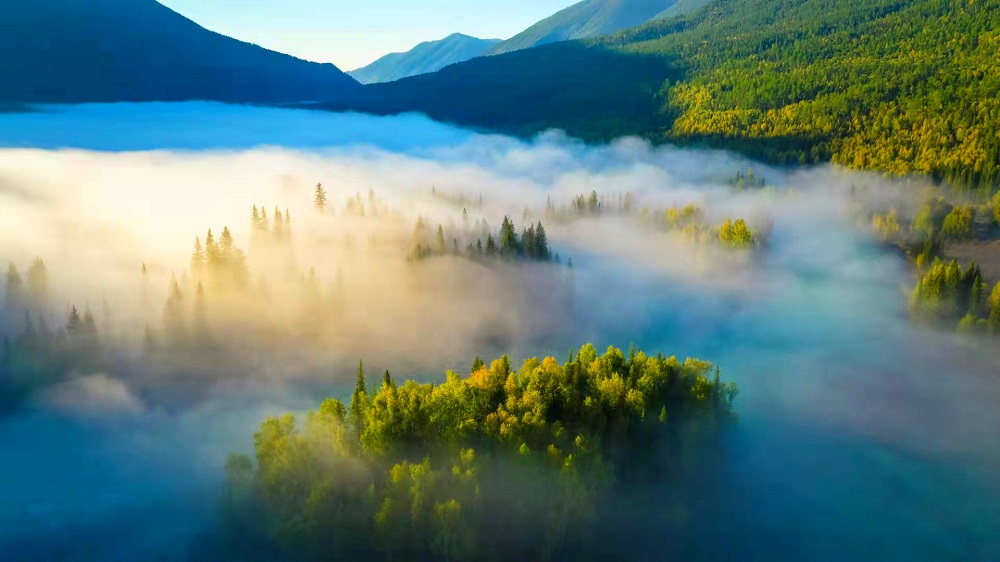
Fairy Bay is famous for its morning atmosphere.
When weather conditions are suitable, mist often appears above the river, creating a quiet mountain landscape.
Best time:
Early morning
Moon Bay (Yueliang Bay)
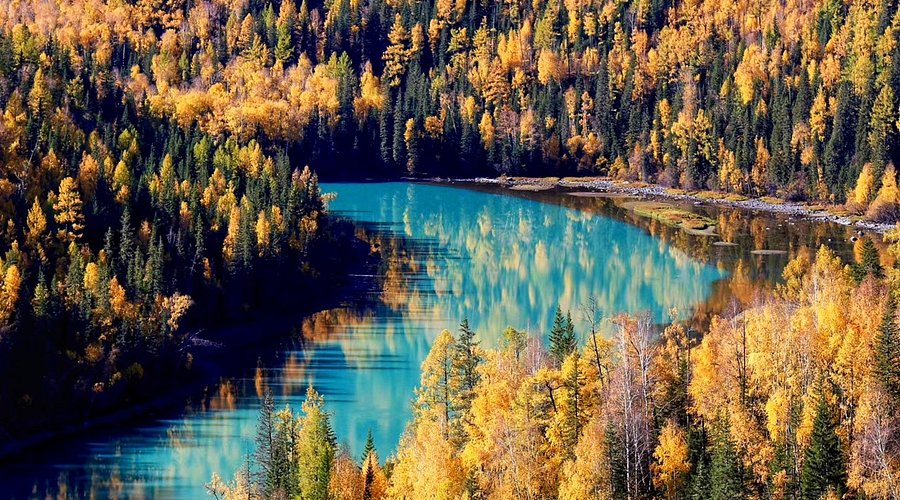
Moon Bay is one of the most iconic viewpoints in Kanas.
The river forms a curved shape between forest-covered mountains, creating the famous “moon-shaped” landscape.
Most visitors stop here for photographs.
Dragon Bay (Wolong Bay)
Dragon Bay is located closer to the entrance area.
The river forms a shape resembling a resting dragon, which gives the bay its name.
It is usually the final stop when visiting the Three Bays from Kanas toward Burqin.
Kanas Village
Kanas Village is located inside the scenic area and is one of the best places to experience local culture.
The village is known for:
· Traditional wooden houses
· Mountain surroundings
· Tuvan culture
· Peaceful atmosphere
Unlike large tourist towns, Kanas Village still maintains a connection with the natural environment.
Staying overnight in or near Kanas allows visitors to experience:
· Quiet evenings
· Sunrise scenery
· Less crowded viewpoints
Hemu Village
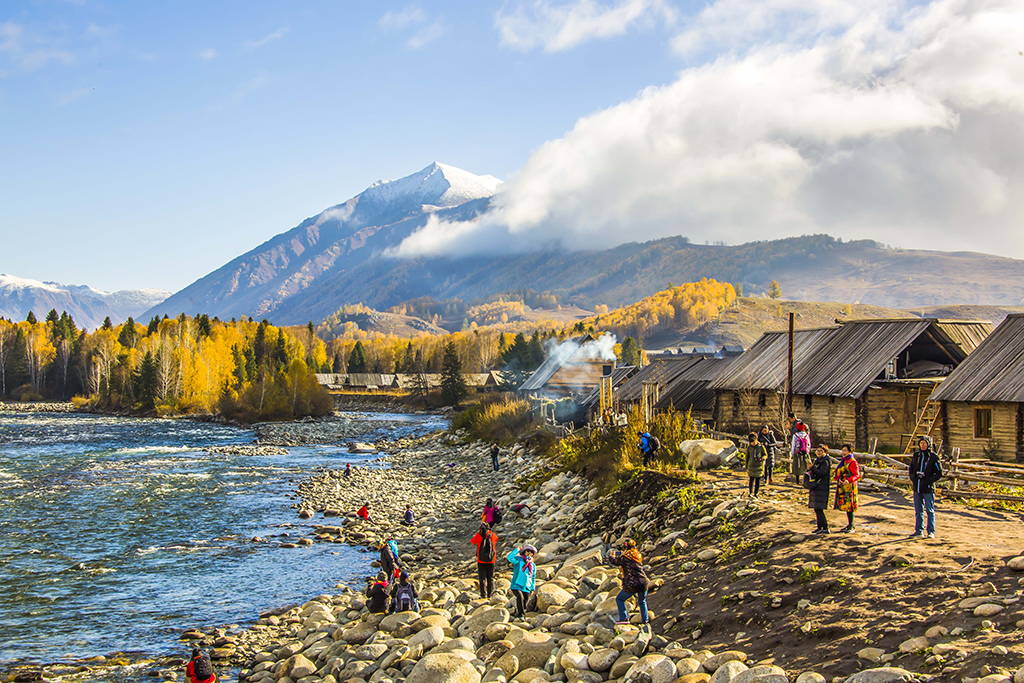
Although technically a separate scenic area, Hemu Village is often combined with Kanas because of their close geographical and cultural connection.
Hemu is famous for:
· Wooden houses
· Birch forests
· River valleys
· Morning mist
· Traditional Tuvan and Kazakh culture
Many travelers consider Kanas and Hemu together as the highlights of Northern Xinjiang.
The experience is different:
Kanas:
· Lake scenery
· Mountains
· Forest valleys
Hemu:
· Village atmosphere
· Grasslands
· Cultural landscapes
Best Time to Visit Kanas Lake
Kanas can be visited in different seasons, but each period offers a completely different experience.
Spring (May to June)
Spring marks the beginning of the travel season.
Advantages:
· Fresh green forests
· Fewer tourists
· Snow remaining on mountain peaks
Things to consider:
· Some high-altitude areas may still be cold
· Some facilities may operate with seasonal schedules
Spring is suitable for travelers who prefer quieter scenery.
Summer (July to August)
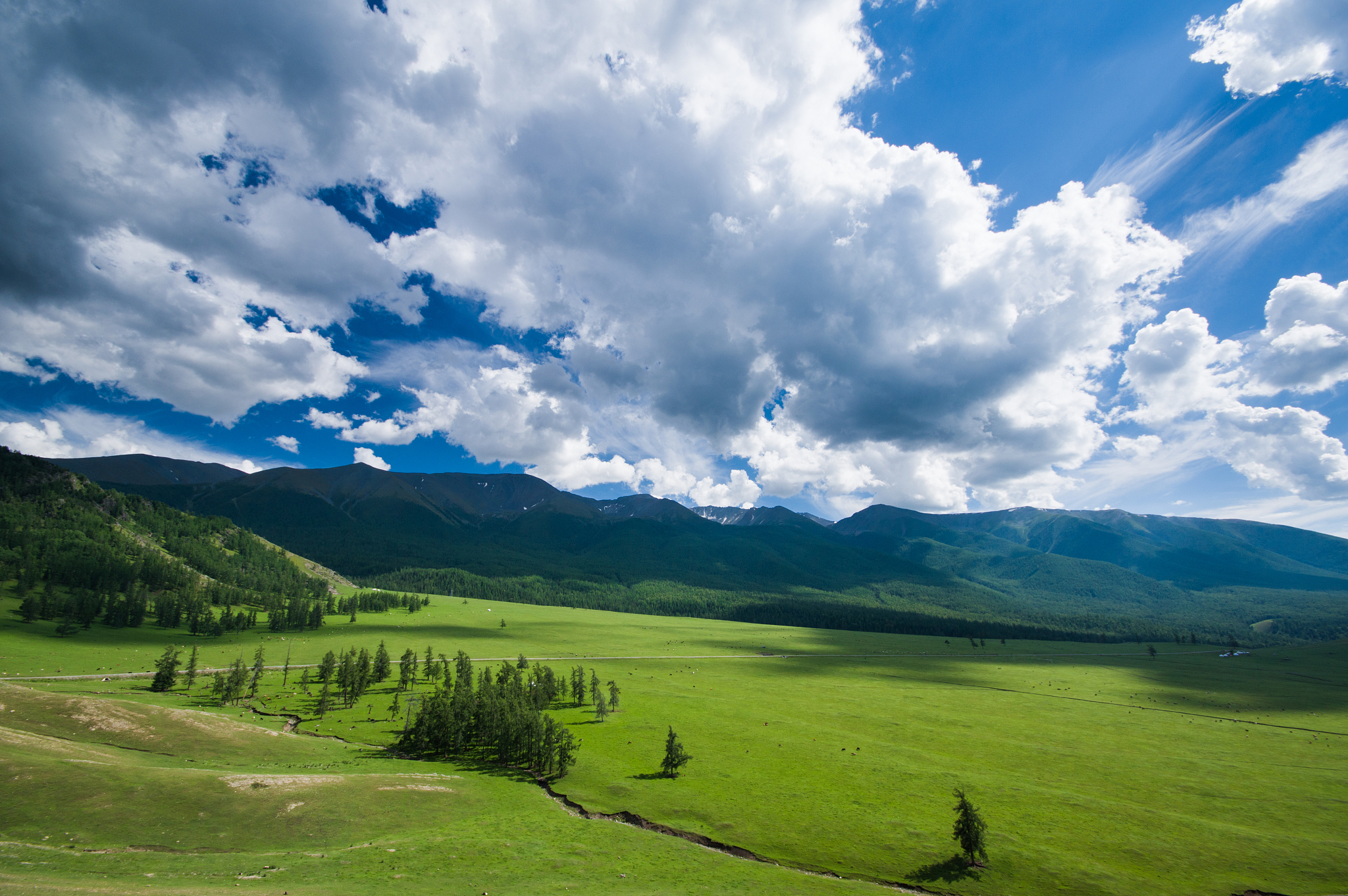
Summer is one of the most comfortable seasons in Kanas.
Advantages:
· Green forests
· Alpine meadows
· Pleasant temperatures
· Good hiking conditions
Compared with many hot areas of Xinjiang, Kanas remains cool in summer.
Things to consider:
· More visitors during summer holidays
· Accommodation demand increases
Autumn (September to Early October)
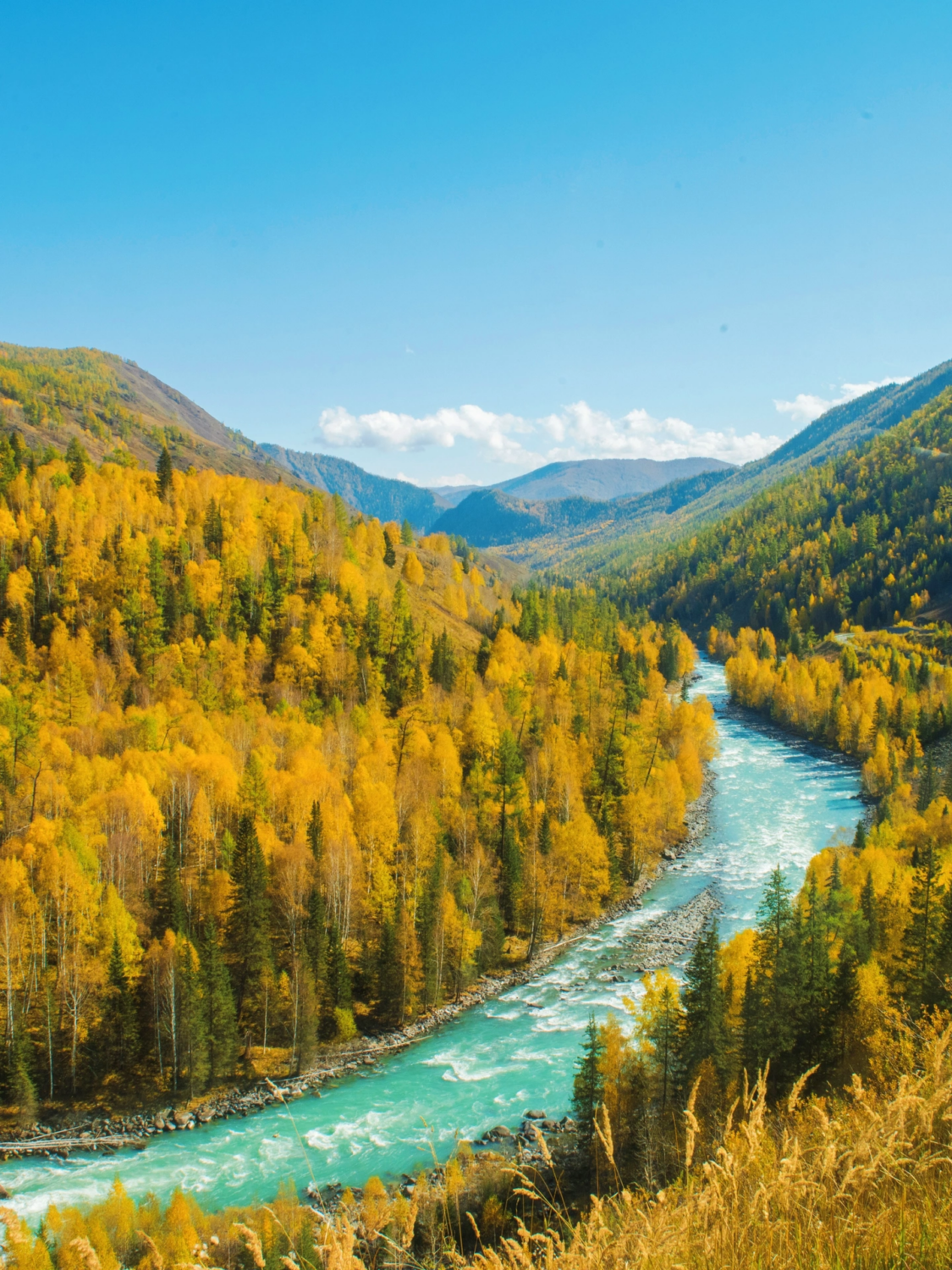
Autumn is widely considered the best season to visit Kanas.
Reasons:
· Golden birch forests
· Clear mountain views
· Colorful valleys
· Comfortable weather
The combination of blue lakes, yellow forests and snow mountains creates the classic Kanas scenery.
This is also the busiest season, so accommodation should be arranged early.
Winter (November to April)
Winter transforms Kanas into a completely different destination.
Advantages:
· Snow-covered forests
· Frozen rivers
· Quiet villages
· Winter photography opportunities
The winter landscape is especially popular among photographers and travelers looking for a peaceful experience.
Things to prepare:
· Warm clothing
· Snow-resistant shoes
· Flexible travel schedule due to weather
How Many Days Do You Need for Kanas?
Kanas is located in a remote area of Northern Xinjiang, so travel time should be considered carefully.
Recommended:
· 2 days: Kanas highlights only
· 3 days: Kanas + Hemu
· 5-7 days: Classic Northern Xinjiang route
· 8-10 days: Complete Northern Xinjiang road trip
For most international travelers, we recommend at least 3 days for Kanas and Hemu.
One Day: Essential Kanas Visit
Suitable for:
· Travelers with limited time
· Visitors already traveling through Northern Xinjiang
Main route:
Jiadengyu Entrance
↓
Kanas Lake
↓
Fish Viewing Platform
↓
Kanas Village
↓
Three Bays
This route covers the main highlights but does not allow enough time for deeper exploration.
Two Days: Classic Kanas Experience
Recommended for first-time visitors.
Day 1
Visit:
· Kanas Lake
· Fish Viewing Platform
· Kanas Village
Stay:
Kanas or Jiadengyu
Day 2
Visit:
· Fairy Bay
· Moon Bay
· Dragon Bay
Continue to:
Hemu Village
This route allows travelers to experience both the lake and valley landscapes.
Recommended Kanas Lake Routes
Because Kanas is located deep in the Altai Mountains of northern Xinjiang, the biggest challenge for travelers is not visiting the scenic area itself, but planning the route efficiently.
Kanas is usually not visited alone. Most travelers combine it with:
· Hemu Village
· Baihaba Village
· Burqin
· Ghost City of Karamay
· Sayram Lake
· Northern Xinjiang grasslands
The most popular travel style is a road trip through northern Xinjiang, with Kanas and Hemu as the main highlights.
Route 1: Classic Kanas + Hemu 3-Day Route
Best for:
· First-time visitors to Northern Xinjiang
· Travelers who want to see the highlights without rushing
· Photography lovers
Duration:
3 days / 2 nights
Day 1: Burqin → Kanas Scenic Area → Kanas Village
Distance:
Approximately 130 km
Driving time:
Around 2.5-3 hours
Step 1: Depart from Burqin
Most travelers arrive in Burqin before visiting Kanas.
Burqin is the main gateway town for Kanas.
Before departure:
· Prepare snacks and water
· Check weather conditions
· Bring warm clothing even in summer
The road from Burqin gradually enters the Altai Mountains.
The landscape changes from:
· Desert and grassland
· Forest-covered mountains
· Alpine valleys
Step 2: Enter Kanas Scenic Area
After arriving at the entrance area, travelers usually transfer to the scenic area's shuttle bus system.
Private vehicles generally cannot freely enter the core sightseeing areas, so visitors need to use official transportation inside the park.
Step 3: Visit Kanas Lake
Start your visit with Kanas Lake.
Recommended activities:
Lakeside Walk
Walk along the lake area and enjoy:
· Mountain reflections
· Forest scenery
· Changing lake colors
Boat Ride (Optional)
A boat trip provides a different perspective of the lake.
It allows visitors to see:
· The surrounding mountains
· The wide lake surface
· The forest landscape from the water
Step 4: Visit Fish Viewing Platform
After visiting the lake, continue to Fish Viewing Platform.
This is one of the most famous viewpoints in Kanas.
The viewpoint requires climbing stairs, but the panoramic view is worth the effort.
From the top, visitors can see:
· Kanas Lake stretching through the valley
· Snow mountains in the distance
· Dense forests surrounding the lake
Step 5: Explore Kanas Village
After the viewpoint, continue to Kanas Village.
Recommended activities:
· Walk around wooden houses
· Enjoy mountain scenery
· Experience Tuvan culture
If staying overnight in Kanas Village, sunset and early morning are the best times to enjoy the peaceful atmosphere.
Overnight:
Kanas Village or Jiadengyu Area
Day 2: Kanas → Three Bays → Hemu Village
This day focuses on forests, rivers and village landscapes.
Step 1: Visit Fairy Bay (Shenxian Bay)
Start early if possible.
Fairy Bay is famous for morning mist.
The combination of:
· River curves
· Forests
· Mountains
· Fog
creates one of the most peaceful scenes in Kanas.
Best time:
Early morning
Step 2: Visit Moon Bay (Yueliang Bay)
Continue downstream.
Moon Bay is one of the iconic viewpoints of Kanas.
The Kanas River forms a beautiful curved shape between forest-covered mountains.
Most visitors stop here for photography.
Recommended time:
20-30 minutes
Step 3: Visit Dragon Bay (Wolong Bay)
The final viewpoint of the Three Bays.
The river bends around a green island, creating a shape that resembles a resting dragon.
This is a convenient stop before leaving the Kanas area.
Step 4: Continue to Hemu Village
Drive toward Hemu Village.
Distance:
Approximately 60-80 km depending on route
Travel time:
Around 2-3 hours
Step 5: Explore Hemu Village
Hemu is one of the most beautiful villages in Xinjiang.
Recommended activities:
· Walk along wooden houses
· Visit the village viewpoint
· Enjoy sunset over the valley
The famous Hemu sunrise viewpoint is especially popular.
Overnight:
Hemu Village
Day 3: Hemu Village → Burqin
Step 1: Sunrise at Hemu Viewpoint
Wake up early.
The sunrise view from Hemu viewpoint is one of the highlights of Northern Xinjiang.
The scene usually includes:
· Morning mist
· Wooden houses
· Birch forests
· Mountain background
Step 2: Explore Hemu Village
After sunrise:
Walk around the village.
Recommended:
· Hemu River
· Wooden bridges
· Local houses
· Forest paths
Step 3: Return to Burqin
Leave Hemu in the afternoon.
Continue to Burqin.
Possible continuation:
· Karamay
· Sayram Lake
· Urumqi
Route 2: Complete Northern Xinjiang 8-10 Day Route
For most international travelers, Kanas is best experienced as part of a larger Northern Xinjiang journey.
Day 1: Arrival in Urumqi
Visit:
· Xinjiang International Grand Bazaar
· Local markets
Stay:
Urumqi
Day 2: Urumqi → Karamay / Urho
Highlights:
· Gobi landscape
· Ghost City (World Devil City)
Stay:
Urho
Day 3: Urho → Burqin
Route:
Urho
→ Burqin
Visit:
· Colorful Beach (Wucaitan)
Stay:
Burqin
Day 4: Burqin → Kanas
Highlights:
· Altai mountain scenery
· Kanas Lake
· Kanas Village
Stay:
Kanas
Day 5: Kanas → Hemu
Visit:
· Three Bays
· Hemu Village
Stay:
Hemu
Day 6: Hemu → Keketuohai
Explore:
· Altai grasslands
· Mountain valleys
Stay:
Keketuohai
Day 7: Keketuohai → Urumqi
Return to Urumqi.
Day 8-10: Optional Extension
Possible additions:
· Sayram Lake
· Nalati Grassland
· Duku Highway
This creates a complete Northern Xinjiang experience.
How to Get to Kanas
Because of its remote location, transportation planning is important.
Option 1: Fly to Altay + Drive to Kanas
This is currently one of the fastest ways.
Route:
Major city
→ Altay Airport
→ Kanas
Advantages:
· Saves driving time
· Suitable for travelers with limited days
Option 2: Fly to Urumqi + Road Trip
This is the most common choice for international visitors.
Route:
Urumqi
→ Northern Xinjiang loop
→ Kanas
Advantages:
· More complete scenery
· Flexible itinerary
· Can combine many destinations
Where to Stay in Kanas
There are three main accommodation areas.
Kanas Village
Best for:
· Travelers who want atmosphere
· Photography lovers
Advantages:
· Inside the scenic area
· Convenient for sunrise and sunset
· Traditional wooden houses
Things to consider:
· Limited accommodation options
· Higher demand during autumn
Jiadengyu Area
Best for:
· Travelers who prefer convenience
Advantages:
· More hotels and restaurants
· Close to scenic entrance
Suitable for:
Most visitors
Hemu Village
Recommended for:
· Travelers staying longer
· Photography lovers
Advantages:
· Beautiful village scenery
· Sunrise opportunities
· Quiet atmosphere
Practical Travel Tips
1. Plan According to the Season
Kanas is highly seasonal.
The experience changes completely:
Spring:
Quiet mountain scenery
Summer:
Green forests and grasslands
Autumn:
Golden forests and photography
Winter:
Snow-covered villages
2. Prepare for Temperature Changes
Even in summer, Kanas can be cold in the morning and evening.
Recommended:
· Light down jacket
· Windproof jacket
· Comfortable walking shoes
3. Reserve Accommodation Early in Autumn
Autumn is the most popular season.
Especially during:
· National Day holiday
· September-October peak season
Hotels and guesthouses in Kanas and Hemu fill quickly.
4. Allow Enough Driving Time
Xinjiang is extremely large.
Distances that appear short on maps may require several hours because of:
· Mountain roads
· Scenic stops
· Road conditions
Do not plan overly tight schedules.
5. Respect Local Culture
Kanas and Hemu are home to Tuvan and Kazakh communities.
Visitors should:
· Respect local customs
· Ask before photographing people
· Protect the natural environment
FAQ
How many days do I need for Kanas?
A minimum of two days is needed to see the main highlights.
Three days are recommended for Kanas and Hemu.
Is Kanas suitable for elderly travelers?
Yes.
Most major viewpoints can be reached by shuttle buses.
However:
· Long transportation times
· Walking sections
· Weather changes
should be considered.
Can children visit Kanas?
Yes.
Kanas is suitable for family travel.
Children usually enjoy:
· Lakes
· Forests
· Villages
· Wildlife scenery
What is the best month to visit Kanas?
Late September to early October is considered the best period for autumn scenery.
June to August is also comfortable for green landscapes.
Should I visit Kanas or Hemu?
They offer different experiences.
Kanas:
· Lake scenery
· Mountains
· Three Bays
Hemu:
· Village atmosphere
· Sunrise
· Forest landscapes
Most travelers visit both.
Can I drive my own car into Kanas Scenic Area?
Generally, private vehicles cannot freely enter the core sightseeing area.
Visitors need to use official scenic area transportation.
Plan Your Kanas Lake Trip with Silk Road Travel
Kanas Lake is one of the highlights of a Northern Xinjiang journey. With its alpine scenery, colorful forests, mountain villages and unique local culture, it offers an experience completely different from the desert landscapes usually associated with Xinjiang.
A successful Kanas trip depends on good route planning because of the region's remote location and large distances. Whether you want to explore Kanas Lake, photograph Hemu Village at sunrise, or complete a longer Northern Xinjiang road trip, choosing the right itinerary will make your journey much more comfortable.
For travelers who prefer a more convenient experience, Silk Road Travel can arrange private tours with local transportation, English-speaking guides and customized itineraries based on your interests and travel schedule. We can help combine Kanas with Hemu Village, Sayram Lake, Duku Highway and other Xinjiang destinations to create a comfortable and well-organized China travel experience.
If you would like to plan your Kanas Lake trip or customize your Xinjiang itinerary, please feel free to contact us:
Silk Road Travel
Email: info@silkroadtravel.com
Phone / WhatsApp: +86 15909912575