



Changbai Mountain: Tianchi, Scenic Areas and Planning Your Visit
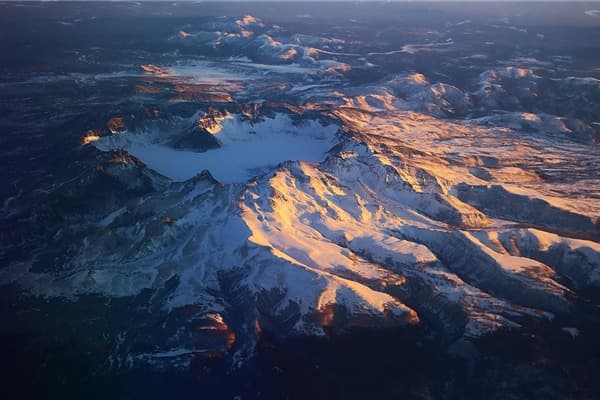
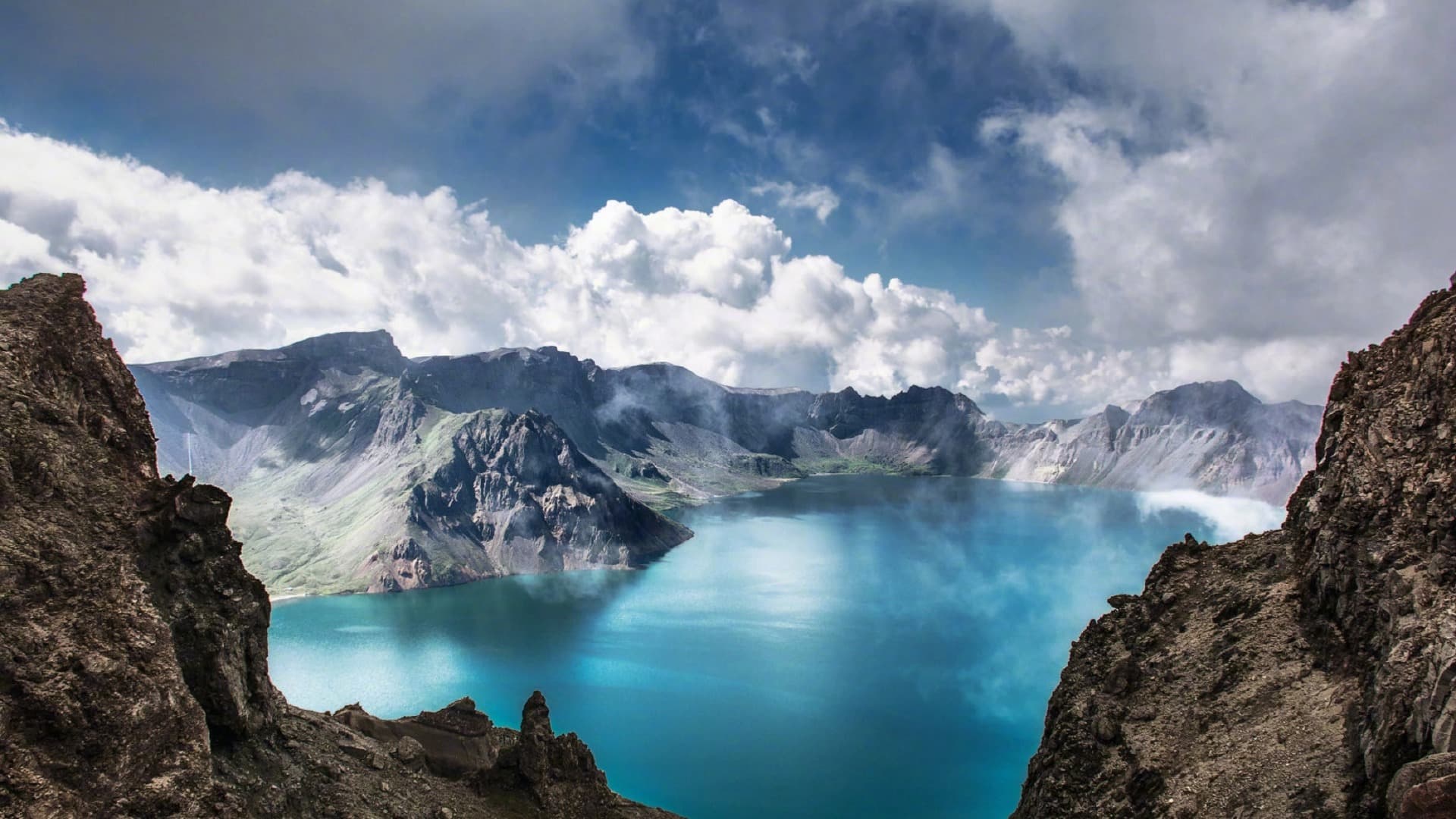
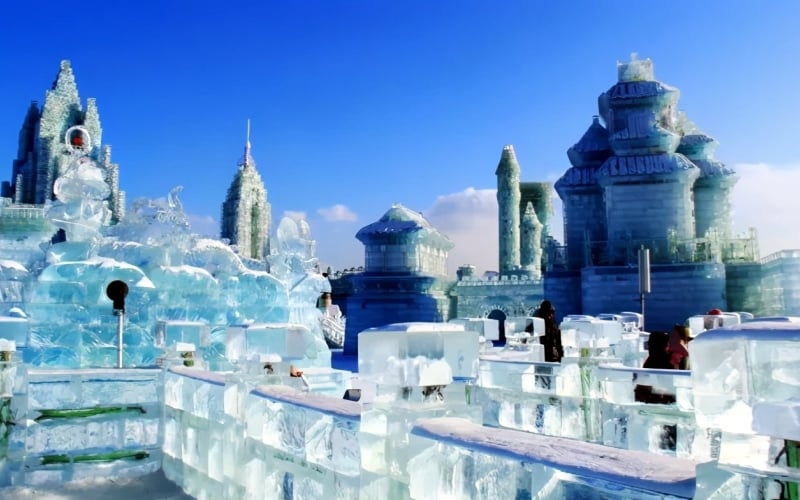
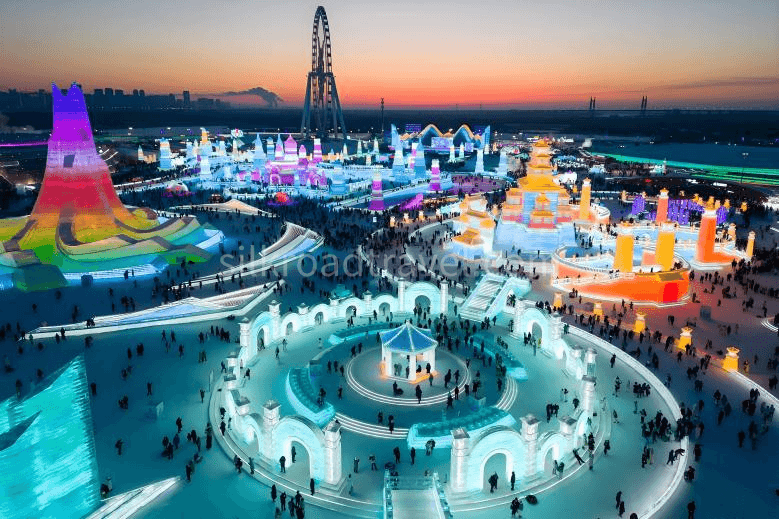
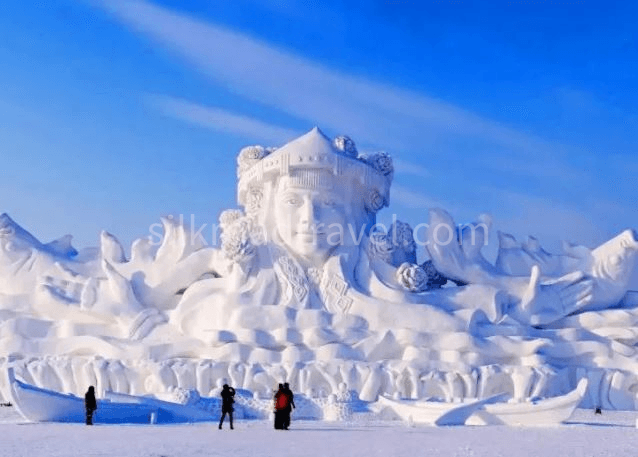
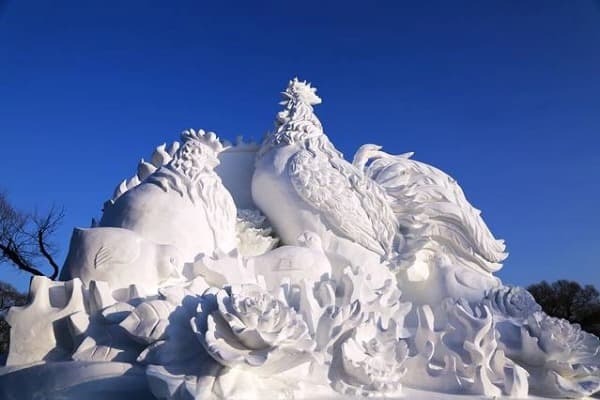
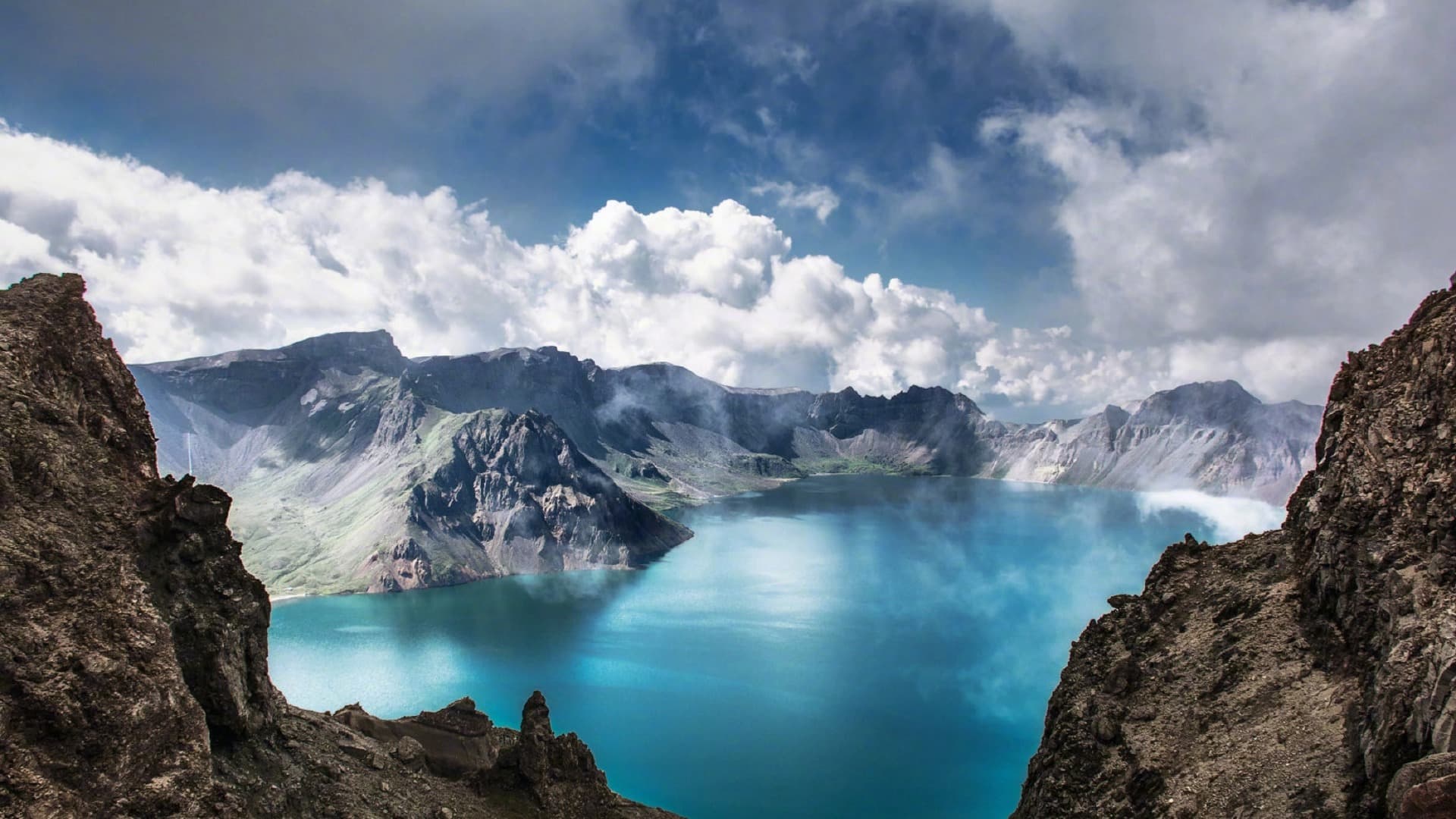
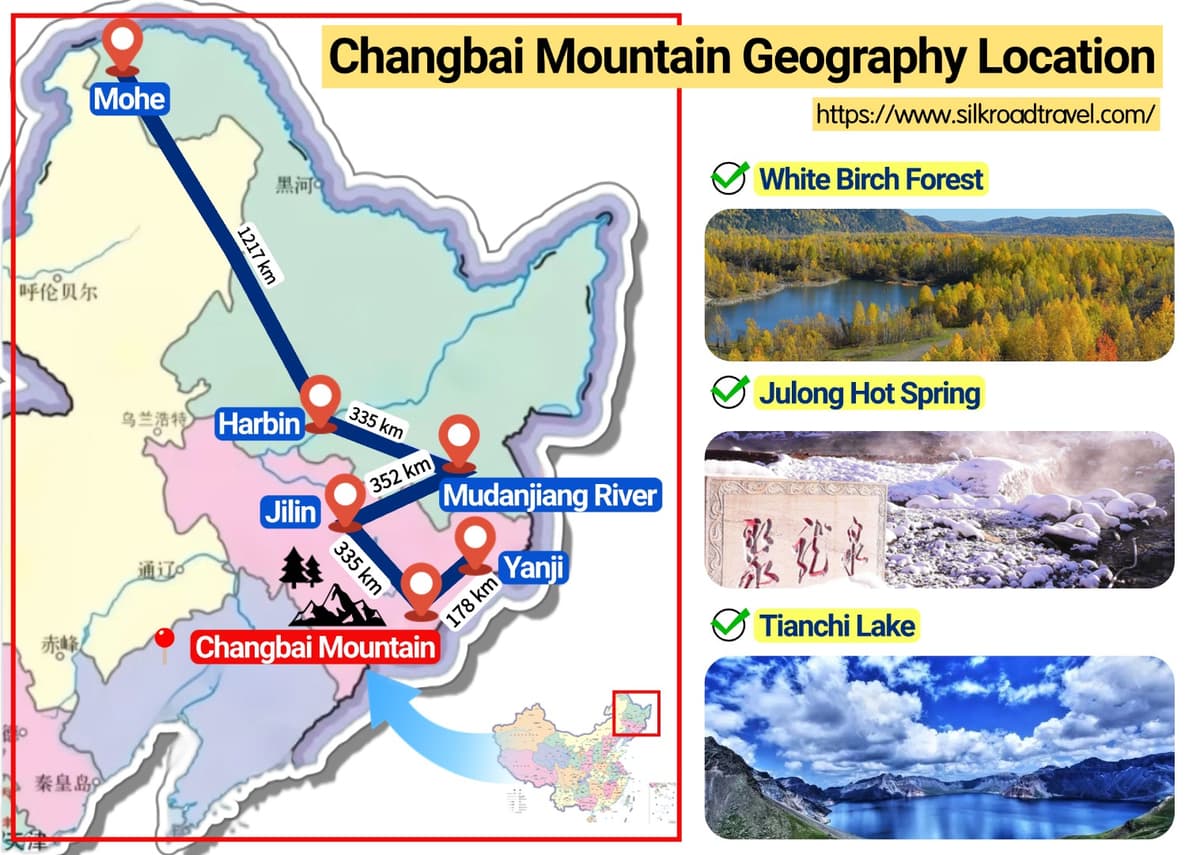
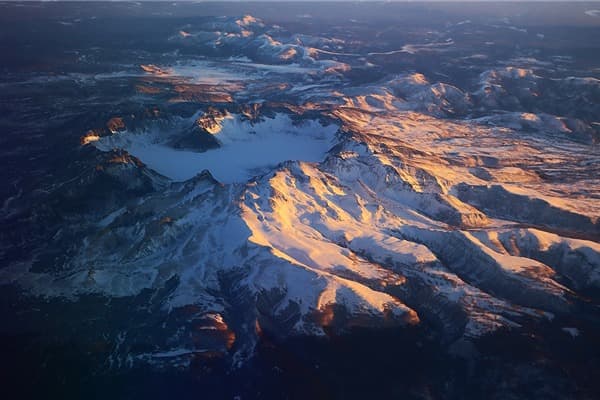
Changbai Mountain offers a mountain landscape that feels very different from Harbin's city streets and constructed ice displays. Tianchi, or Heaven Lake, occupies a volcanic crater surrounded by steep ridges. Below it, forest, waterfalls and geothermal features provide other reasons to explore, particularly when you leave enough time to notice how the landscape changes with elevation.
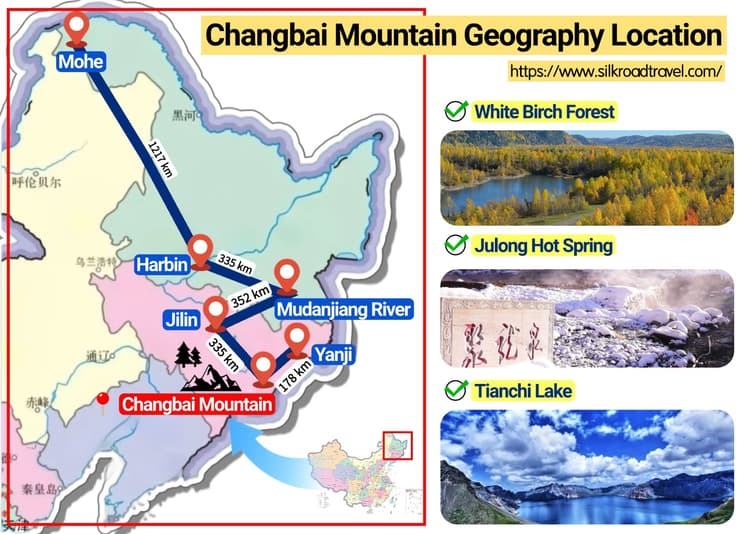
Known in Chinese as "Changbaishan", the mountain lies on the China–North Korea border; visits described here use the Chinese scenic areas in Jilin Province. Choosing a base is part of choosing the experience. Erdaobaihe serves a different side of the mountain from the western resort area, and a ski hotel does not place you inside the Tianchi sightseeing route.
For a first visit, select one main scenic area and allow a full mountain day. Additional time can support another experience or a change of plan, but it cannot guarantee clear views of the lake. This guide gathers all the information you want to know before start your Changbai Mountain winter travel in China, includes the highlights, scenic areas, the famous heaven lake map, best time and practical travel tips are provided just for you! Let's unlock our Changbai Mountain Winter trip with silkroad travel together.
What Makes Changbai Mountain Worth Visiting?
The mountain is most rewarding for travellers interested in volcanic scenery, forests and the contrast between landscapes at different heights.
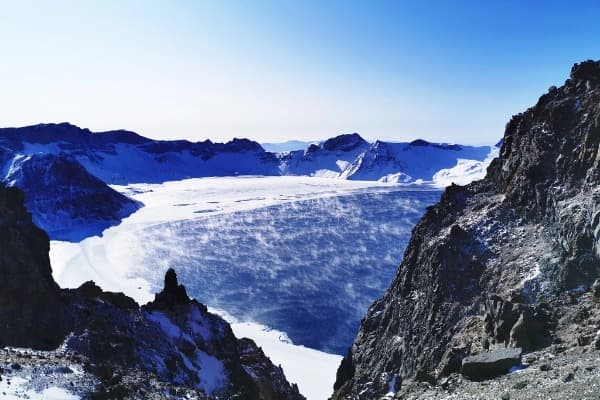
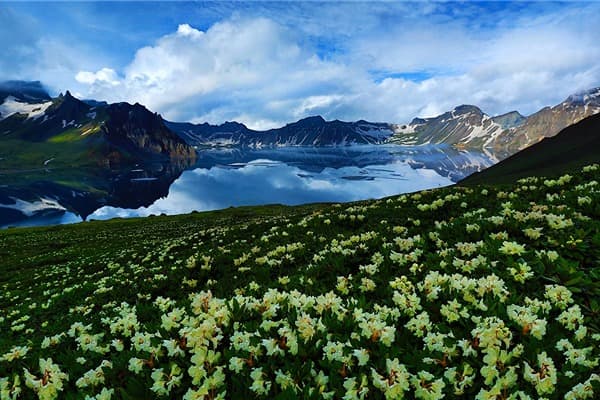
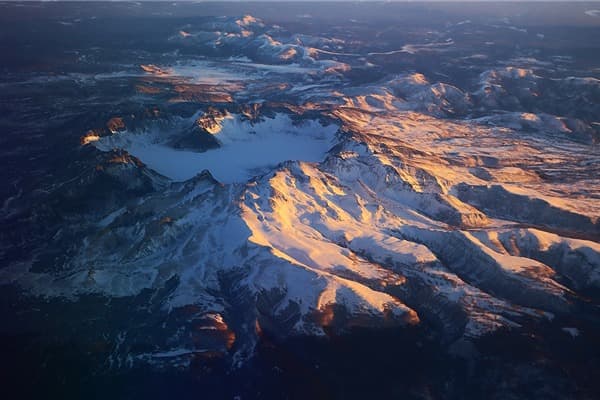
Tianchi is the focal point, but its appeal is not simply a photograph of blue water. The crater's enclosing ridges reveal the shape of the volcano, while cloud and snow can change how much of that structure is visible. In winter, the lake landscape is often dominated by ice, snow and subdued colours rather than the open-water scene used in summer publicity.
The lower mountain adds variety. Waterfalls, wooded routes and geothermal features introduce movement, texture and colour after the exposed crater area. These are distinct experiences, not merely places to fill time if the lake is hidden.
A visit usually involves managed transport and selected walking sections rather than an unrestricted hike from the town to the crater. That makes the destination accessible to a range of visitors, but it does not eliminate standing, steps or exposure to mountain weather.
Choose Changbai Mountain if those landscapes justify a separate regional stay. If your only aim is a guaranteed clear lake photograph, the destination's weather dependence may make it a frustrating addition to a tightly fixed itinerary.
How Do the Mountain, Scenic Areas and Resort Towns Fit Together?
Several different places appear under the English name "Changbai Mountain"(Changbai Shan in Chinese). Understanding them before booking prevents some costly mismatches.
The wider mountain destination includes gateway towns, protected landscapes, hotels, ski resorts and commercial leisure facilities. The scenic areas are managed sightseeing zones with their own access routes. Tianchi is a particular high-mountain attraction within that larger setting.
A hotel may advertise Changbai Mountain views or a Changbaishan address while serving a different side from the scenic area you intend to visit.
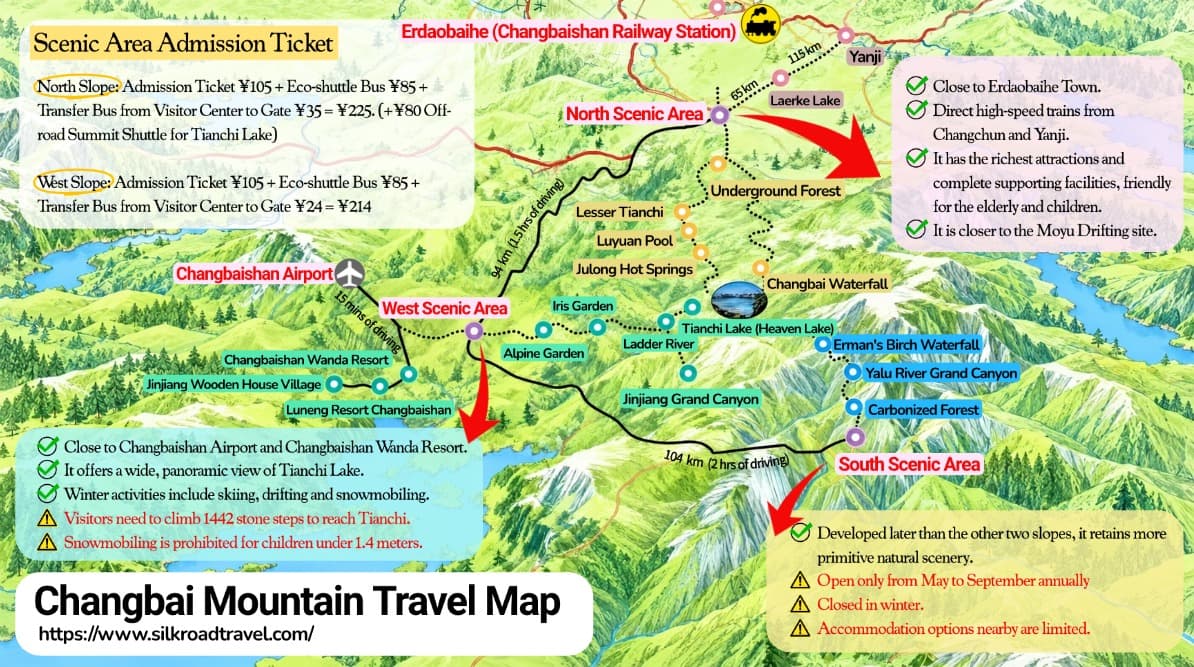
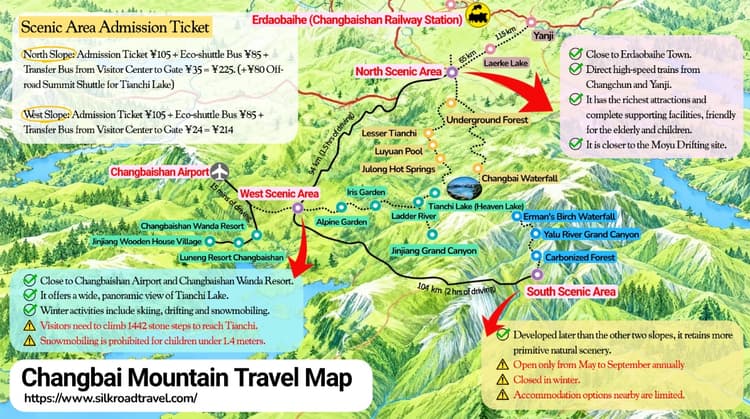
The North and West Scenic Areas are not two neighbouring gates through which you can casually walk across the mountain. Their sightseeing systems and visitor centres are separate.
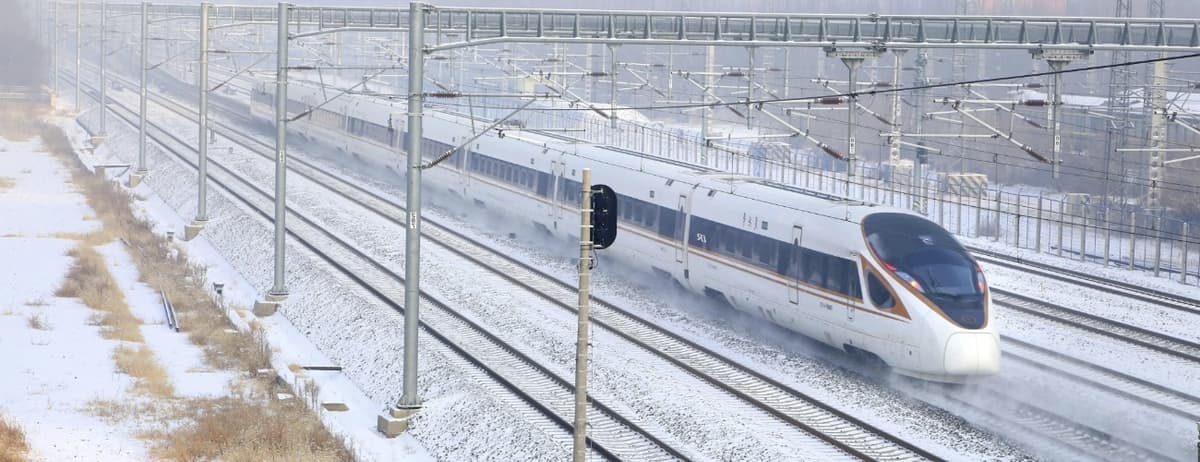
Rail improvements have made regional movement easier, but a short train journey between gateways does not include hotel transfers, station procedures or the full scenic visit. Select the base that suits your main activity rather than planning to commute between opposite sides every day.
Should You Choose the North or West Scenic Area?
For many first-time visitors, the North Scenic Area is the more straightforward starting point because it combines several types of scenery with a well-established town base.
The West Scenic Area deserves consideration when its particular crater approach, canyon landscape or proximity to a western resort matches your plans. It is not automatically a better choice simply because a hotel is marketed as luxurious or close to skiing.
·North Scenic Area
The northern route combines Tianchi access with lower-mountain sights. Its variety is useful if you want a broader landscape day rather than concentrating solely on the crater viewpoint.
The summit approach uses dedicated mountain transport when operating. That reduces the amount of ascent completed on foot, but visitors still need to negotiate boarding points and walking at the viewing area.
Plan the day around the current operating sequence. If summit transport opens, staff may direct visitors according to queues, weather or transport arrangements. If it remains closed, decide whether the available lower attractions justify proceeding.
This side is a sensible choice for visitors staying in Erdaobaihe who want town dining and a mountain excursion from one base. It should not be described as completely step-free: individual paths, surfaces and facilities still need checking for anyone with specific access requirements.
·West Scenic Area
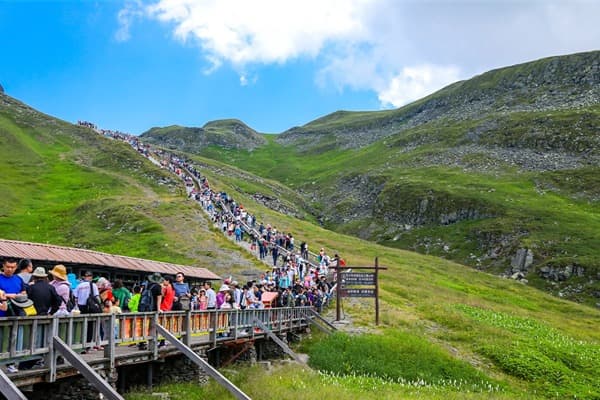
The western approach is associated with a substantial stair climb towards the Tianchi viewpoint. Official destination material describes 1,442 steps, making walking ability and surface conditions central to the choice.
The attraction is the approach as well as the view: gaining height on foot changes your relationship with the crater landscape. However, someone choosing the western side for its nearby ski hotel should consider whether that climb also suits the sightseeing party.
Snow, ice, wind and restrictions can alter the usable route. The summer description of a climb should not be treated as a guarantee of winter access in the same form.
The canyon landscape provides another reason to choose this side when the relevant route is open. Reserve a full sightseeing day rather than treating the western visit as a quick stop before an afternoon departure.
·South Scenic Area
The South Scenic Area offers another perspective on the mountain but needs its own seasonal and access assessment. It is not the default addition to a first winter trip.
Include it only when a dated operating notice, transport arrangement and available time support the visit. A destination page describing its attractions does not establish that tickets are being sold for your intended winter day.
For most short visits, choosing one well-matched scenic area is more useful than attempting to collect every approach.
What Can You Expect to See at Tianchi?
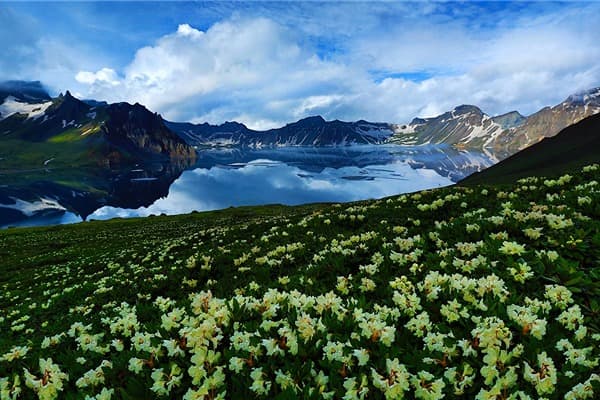
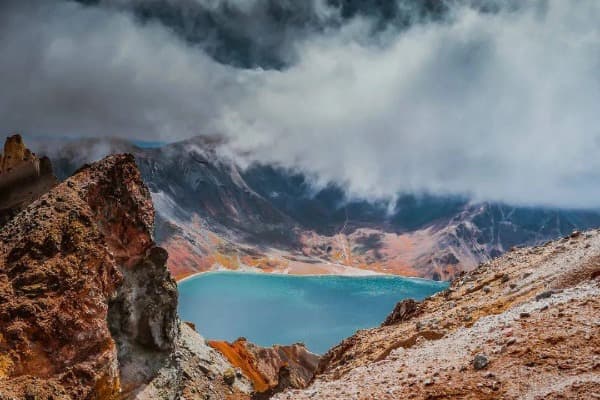
Tianchi, commonly translated as Heaven Lake, lies within the volcanic crater. The surrounding ridges give the lake its enclosed form, and different viewing areas frame different parts of the basin.
In open-water conditions, the contrast between the lake and the crater walls is a major attraction. Winter changes that expectation: snow and ice become part of the subject, and the water surface shown in promotional photographs may not be visible.
There are four separate stages in reaching a successful viewpoint visit:
Arriving in the Changbai Mountain region.
Entering the selected scenic area.
Finding the Tianchi route operating.
Having sufficient visibility to see the crater and lake clearly.
Completing one stage does not establish the next. Lower routes may remain open when summit access is suspended, and visitors may reach a viewpoint during a period of cloud.
Build the trip around a landscape experience rather than a promised photograph. If Tianchi is the principal reason for travelling, avoid using the only possible mountain day immediately before a fixed long-distance departure.
An additional night gives more scheduling room, but it does not create a reliable "second chance" policy or guarantee better weather. Another visit may require a new reservation, transport payment or ticket arrangement.
At the viewpoint, follow marked routes and staff instructions. Moving closer to a closed edge or leaving a permitted path will not solve poor visibility.
What Else Is There to See Beyond Heaven Lake?
The lower mountain deserves attention in its own right. Select the open routes that add something different to your day, rather than trying to complete every name on a map.
Changbai Waterfall
The waterfall introduces running water and a vertical drop into a landscape otherwise associated with crater views and forest.
Its appearance changes with the season. Snow and ice can frame the water in winter, while warmer months reveal more of the surrounding vegetation. The route should be judged by current access and surface conditions, not solely by the waterfall photograph.
Leave time for the approach and return. A waterfall stop can involve more walking than the word "viewpoint" suggests, especially when paths are busy or slippery.
Julong Hot Springs
The Julong geothermal area is a natural feature of the northern sightseeing landscape. Steam, mineral-stained ground and hot water provide a visible contrast with the colder surroundings.
This is a geothermal viewing experience, not an invitation to enter a pool. Stay on the designated route and distinguish it from a separately operated hotel or bathing facility.
It adds context to the volcanic setting, particularly for visitors who want to understand more than the crater's shape.
Green Deep Pool
Green Deep Pool, usually labelled Lüyuantan, offers a smaller-scale wooded waterscape. Its appeal is the combination of water, rock and vegetation rather than a wide summit panorama.
It can suit visitors who prefer a more enclosed landscape after the exposed upper mountain. In winter, its appearance and accessible paths depend on snow, ice and management arrangements.
Choose it for the different setting rather than assuming every pool or waterfall stop will provide a substantially different experience.
Underground Forest
The Underground Forest, also called the valley-bottom forest, shifts attention towards trees and the shape of the forested terrain.
It is particularly relevant to visitors interested in ecology or walking. A selective visit may be more satisfying than adding it at the end of an already full day when the group no longer wants another path.
Ask about the open route and return distance before setting out. A forest trail is not automatically a brief indoor-style stop simply because it sits below the summit.
Jinjiang Grand Canyon
Associated with the western sightseeing area, Jinjiang Grand Canyon offers rock formations and forested relief that contrast with the crater.
It is worth considering when the route is open and you want the West Scenic Area to provide more than a single viewpoint. Its paths and observation points need their own time allowance.
These attractions are distributed across different scenic routes. They should not be assembled into an imaginary single loop accessible from any entrance.
When Is the Best Time to Visit Changbai Mountain?
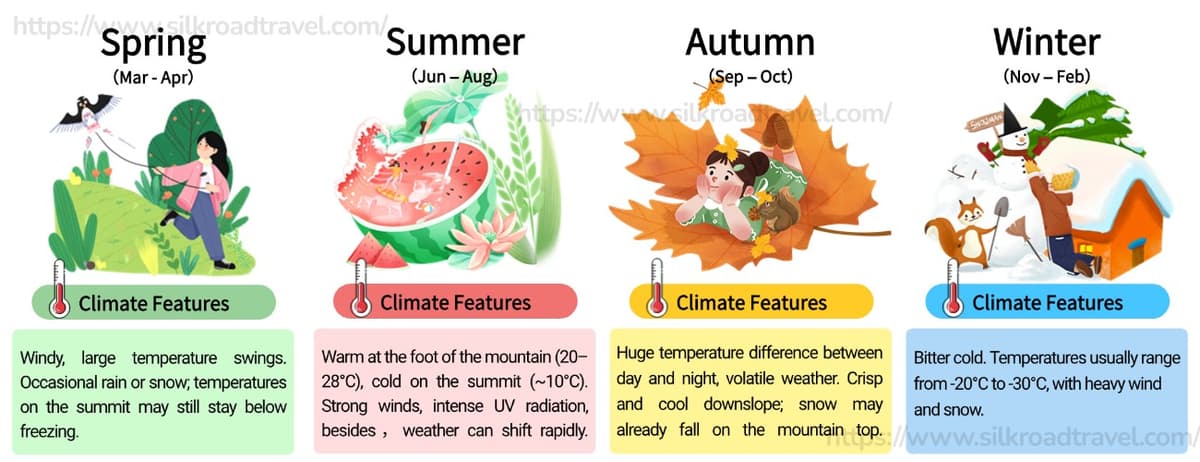
Choose the season according to the landscape you want and the amount of weather uncertainty you are prepared to accept.
·Winter
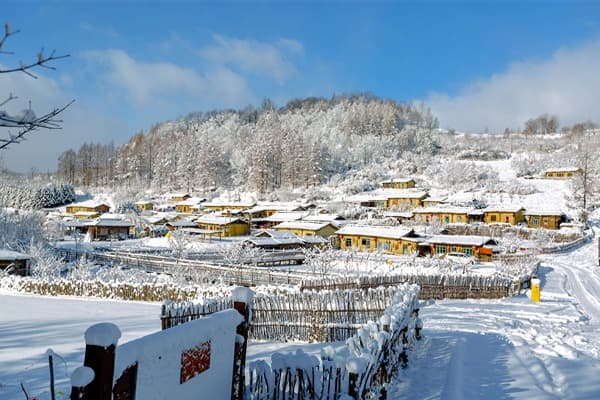
Winter suits snow landscapes, a cold-weather resort stay and a mountain visit combined with skiing or a confirmed bathing experience.
The trade-off is that access and visibility can change sharply with mountain conditions. A town forecast cannot fully describe the crater area, and a clear morning below does not establish the summit view.
For 2026–2027, treat scenic-area notices and ski-resort announcements separately. A ski resort opening does not establish Tianchi access, while a scenic-area ticket does not establish which individual routes will operate.
·Summer
Summer places more emphasis on forest vegetation, walking and the possibility of an open-water lake scene.
It can be attractive for travellers who want the mountain without building the whole holiday around deep-winter conditions. Rain, cloud and busy travel dates still influence the day, so the season should not be presented as a visibility guarantee.
·Autumn
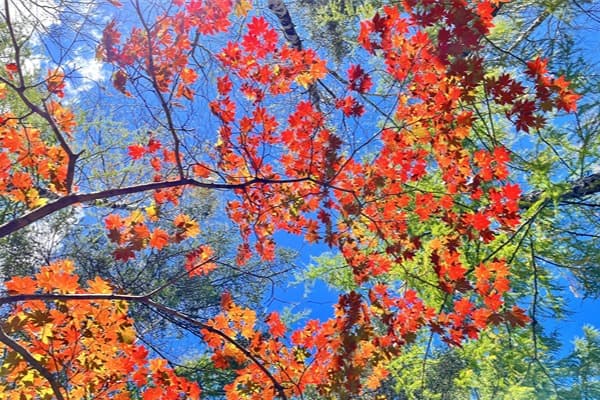
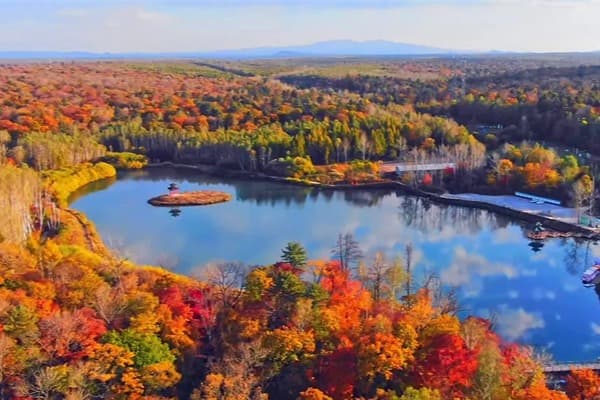
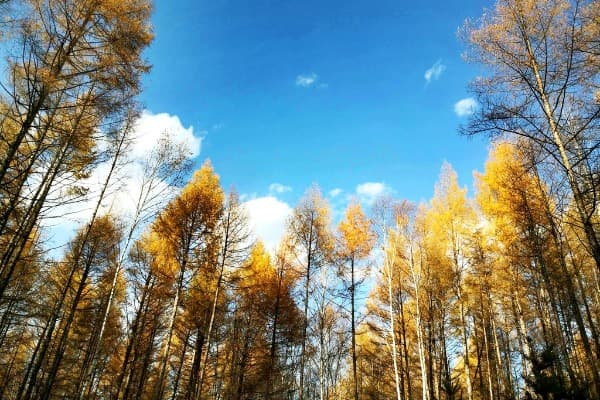
Autumn brings changing vegetation below the crater, with a shorter window for particular colours than a broad seasonal label suggests.
Travellers interested in photography should leave room for the landscape actually present, rather than scheduling the entire journey around an assumed peak-colour date. Higher sections can already feel wintry while the town remains more moderate.
·Spring
Spring is a transition rather than a single consistent experience. Conditions at lower elevations and the crater may differ considerably.
Choose it with an interest in the mountain itself and a flexible activity plan. A calendar date associated with spring elsewhere in China does not mean snow and ice have disappeared here.
How Do You Get There, and Which Gateway Should You Use?
Start with the hotel base and scenic area, then choose the transport gateway that serves them.
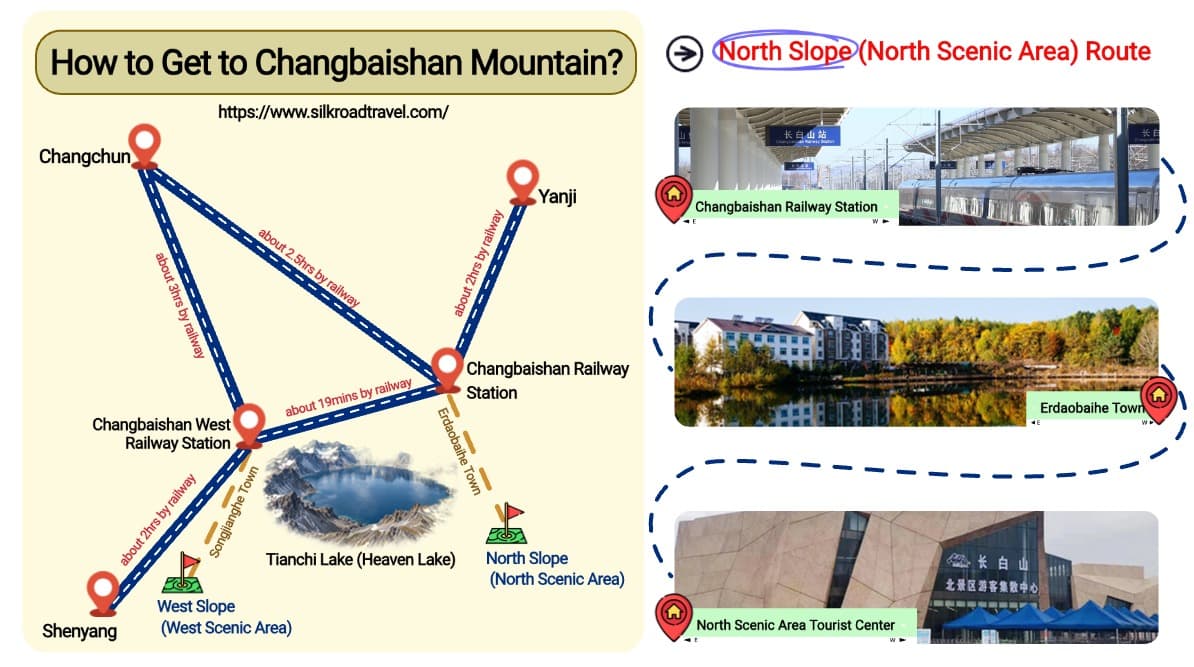
·Changbaishan Railway Station
Changbaishan Station, 长白山站, is the principal name to search for a stay around Erdaobaihe and the northern approach.
The station is outside the scenic visiting route. You still need a connection to your hotel or the appropriate transport collection centre.
Travelling with luggage, an agreed pickup can simplify the first arrival. Independent visitors can compare local transport available on the day, but should use the hotel's actual address rather than a general "North Slope" map search.
·Changbaishan West Railway Station
Changbaishan West, 长白山西站, is a separate station and an important correction to older travel information. It entered service with the Shenbai high-speed railway in September 2025.
It provides another gateway for western-side stays. The final transfer still depends on whether you are heading to a town hotel, a scenic visitor centre or a particular resort.
Do not interpret a hotel's proximity to the station as proximity to every lift, hot-spring facility or sightseeing entrance.
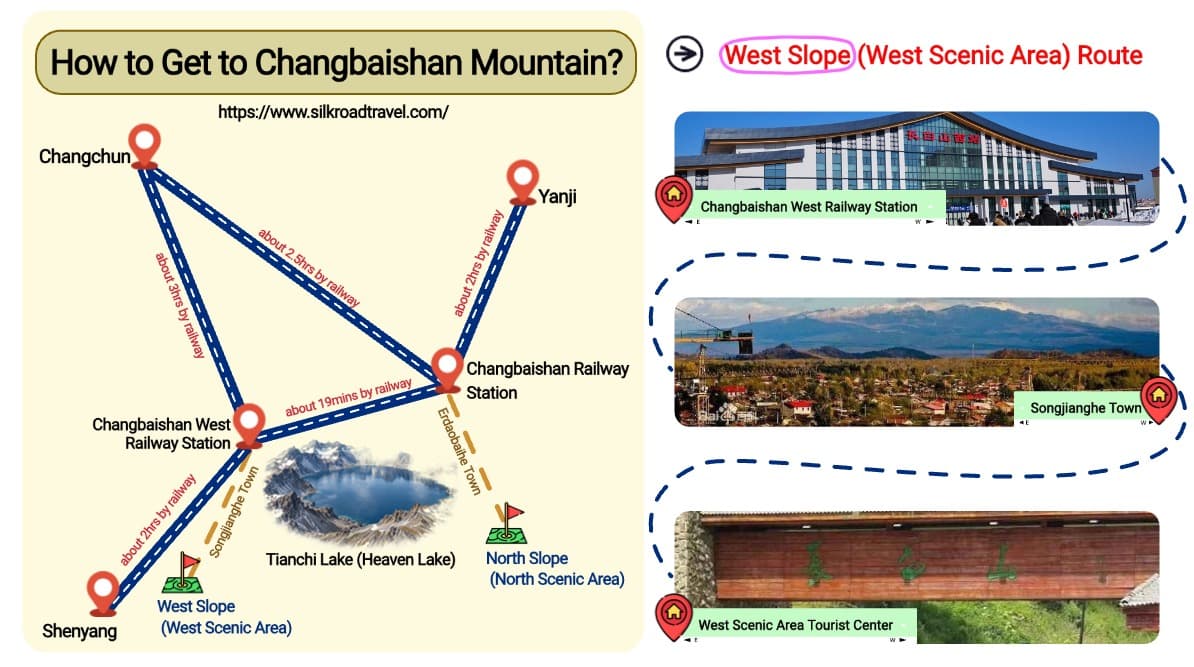
·Changbaishan Airport
Changbaishan Airport, NBS, serves the wider destination. Choose an available flight according to its total journey and onward connection, not simply the airport's mountain name.
Flights are date-dependent, and the hotel transfer remains a separate arrangement unless specifically included. Give the property your flight number and actual arrival details when requesting a pickup.
For a northern stay, compare the airport option with rail into Changbaishan Station. For a western resort holiday, compare the airport with Changbaishan West and the resort's transfer arrangements.
·Travelling from Harbin
Begin with a date-specific railway search from the actual Harbin departure station to the gateway suited to your hotel. Where a convenient through service is available, compare its arrival time with the remaining ground transfer.
If a connection is required, compare options through a major junction such as Changchun using the booking system's actual station pair. Include transfer time and any change of station; two train durations added together are not the whole journey.
This page does not publish a 2026–2027 winter timetable or promise daily direct flights from Harbin. The purpose is to choose the correct gateway before buying the transport.
Where Should You Stay?
The best base is the one that makes your principal activity practical.
1. Erdaobaihe
Erdaobaihe, associated with the Chibei area, is a useful base for the North Scenic Area. It offers the advantages of a town stay: a choice of dining, shops and somewhere to spend time before or after the mountain day.
This suits visitors whose priority is sightseeing rather than remaining inside a self-contained ski resort. Ask where the hotel sits relative to the station and mountain transport collection point.
A central town location can help with dinner, but it does not remove the morning transfer.
2. Northern Mountain and Hot-Spring Hotels
Properties closer to the northern approach may suit visitors who want a quieter hotel setting or a particular bathing facility.
Compare practical access rather than the phrase "mountain hotel". Establish where vehicles collect guests, what happens if access changes, and which meals or facilities are included.
A secluded property is less useful if the group expects to walk out to several restaurants each evening.
3. Songjianghe and Western Resorts
Songjianghe and the western resort areas serve different accommodation preferences. A town hotel may suit visitors wanting independent dining, while an integrated resort can make skiing and on-site leisure easier.
Wanda and Luneng names refer to different resort developments, not interchangeable parts of one hotel complex. Confirm the specific property and ski operation.
For a sightseeing-led visit, ask how a West Scenic Area excursion is organised from the property. For a skiing-led holiday, investigate the route to the rental hall and lesson meeting point first.
How Do Tickets, Reservations and Mountain Transport Work?
Think of the payment as several possible components rather than one universal mountain ticket.
These can include scenic admission, transport from a collection centre, internal sightseeing buses and, on the northern approach, separate Tianchi summit transport. A hotel or tour package may combine some components, so ask for the actual breakdown.
For historical reference components, Jilin's official English ticket listed scenic admission at CNY105 per person, a regular sightseeing bus at CNY85 per person and a northern summit transfer at CNY80 per person. The practical lesson is more durable than the old figures: free or discounted admission does not necessarily include transport. Likewise, paying for lower-mountain access does not establish summit operation.
Reservations and Foreign Passports
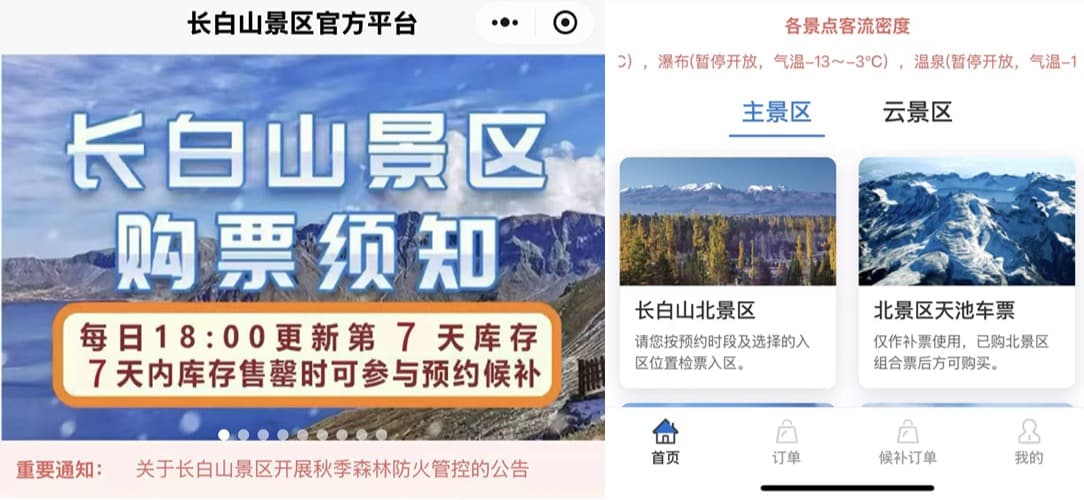
Published ticket guidance identifies the official "长白山" WeChat mini programme as a booking channel and describes timed entry.
The same guidance explicitly addresses passport users: it describes entry using an electronic QR code associated with the booking document number. Carry the original passport used for the reservation and keep the issued code accessible.
Before payment, check the scenic area, date, entry period and transport components. For a family, concessions and children's transport arrangements require separate attention.
A third-party order needs to result in a valid scenic reservation. An agent's payment confirmation alone may not be the admission credential.
Entry Times and Changes of Plan
Last admission can be much earlier than closing time because the visit involves multiple transport stages. Use the date-specific slot attached to the booking rather than arriving shortly before a general closing time.
If access changes, ask which purchased components remain usable and what refund conditions apply. Do not assume a partial closure produces a full refund for every service, hotel or transfer.
Save the booking details before leaving the hotel. A working phone connection is helpful, but an organised record of the reservation makes problems easier to explain.
How Many Days Should You Allow?
For a first sightseeing visit, two nights often provide a workable structure: arrive and settle in, spend the following day on the mountain, then leave after the second night.
That produces one full mountain day, not three days of sightseeing.
Three nights can support an additional activity or greater scheduling flexibility. Use the extra time for a second landscape experience, a confirmed hot-spring visit or skiing, rather than assuming it must be another attempt at Tianchi.
| Stay | Useful planning structure | HIghlights |
One night | Early arrival or a carefully matched short visit | A relaxed full mountain day with every transport combination |
| Two nights | Arrival, one full scenic-area day and departure | Clear Tianchi views |
| Three nights | A mountain day plus another activity or flexible day | Free re-entry or successful summit access |
| Longer Stay | Skiing, more than one scenic area or slower regional exploration | That every seasonal route will operate |
For a first visit, spend two nights in Erdaobaihe and reserve the day between them for the North Scenic Area. Keep the arrival afternoon for checking in, collecting your reservation details and enjoying a town meal. Staying locally after the mountain visit lets you finish sightseeing without rushing to a long-distance connection.
Add another day if you want to explore both the North and West Scenic Areas. Each deserves its own excursion, including the journey from your hotel, entry procedures and mountain transport. The rail connection between their gateway towns helps with relocation, but it covers only one part of the journey.
For a skiing holiday, count full ski days separately from sightseeing and arrival days. Equipment fitting and lessons take time, so use an arrival afternoon for preparation or a shorter session. Give the mountain excursion its own day rather than fitting it between ski sessions.
Are Hot Springs and Skiing Worth Adding?
Add hot-spring bathing for a relaxed evening, or skiing when you can give it at least a substantial half-day. These experiences work best when your hotel location supports them: a property with bathing facilities makes an evening soak convenient, while accommodation near the rental hall and slopes makes repeated skiing easier.
Hot-Spring Bathing
Julong Hot Springs is a geothermal sightseeing area, where steam and mineral-coloured ground reveal the mountain's volcanic activity. For a bathing experience, choose a hotel or separately operated hot-spring facility.
Before booking, establish whether your room rate includes bathing admission, which pools it covers and whether you can enter more than once. Opening hours, children's access, swimwear requirements and separately charged facilities will determine how the visit fits into your stay.
An evening visit works well after returning from the mountain, provided there is enough time for dinner and an unhurried return to your room. Travellers who prefer to skip bathing can use the same evening for a café, a town meal or rest at the hotel. Present hot springs as a leisure choice, without therapeutic claims.
Skiing
Choose a western resort base if skiing will occupy several days. Staying close to the slopes makes it easier to move between breakfast, equipment collection, lessons and the hotel, particularly when travelling with children or people following different schedules.
Compare packages by lift access, equipment, instruction and transfers. A room-only booking and a ski package can offer very different value at the same property. If you need English instruction, arrange it for the actual lesson date and establish the group size and teaching duration.
Beginners should reserve time for both instruction and practice. Put the first lesson on a day when everyone is rested, rather than after a full mountain excursion. Experienced skiers should choose the resort by its current open terrain and suitable rental equipment, using the piste map to assess whether it offers the skiing they want.
Other Winter Activities
A forest outing or an organised winter river activity can add a different landscape to the trip. Choose a named venue and check its operating arrangements, participant requirements and return transport before allocating a day.
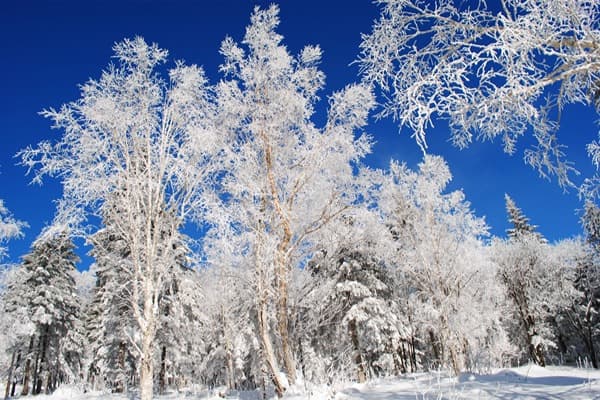
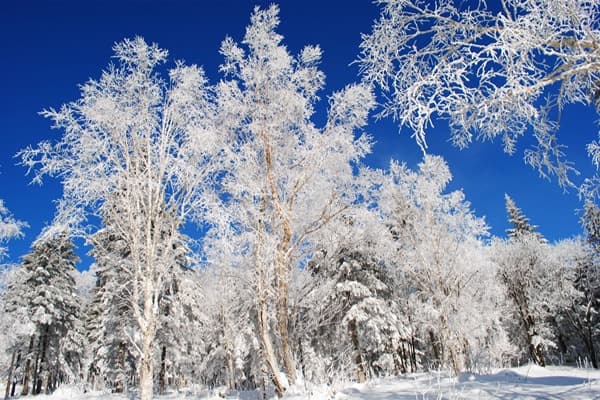
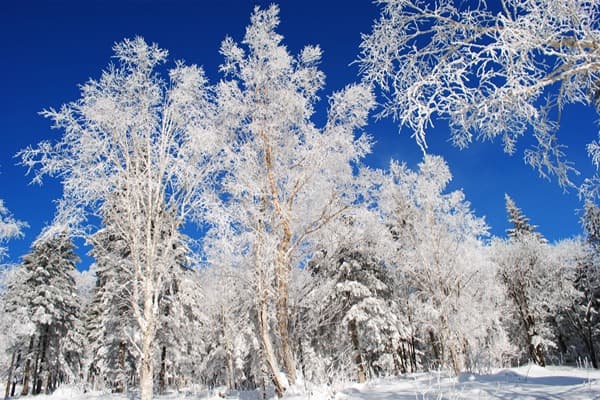
Rime and fresh snowfall can enhance these outings, but the underlying activity should still appeal without them. For a short stay, prioritise a worthwhile forest or river experience over chasing a particular photograph.
What Should You Prepare for a Mountain Visit?
Pack for several outdoor stops connected by vehicle journeys. Keep your outer layer, gloves and hat at the top of your day bag so you can put them on before stepping outside. This is especially useful when moving from a heated bus to an exposed viewing area.
Match your footwear to the route. The western stair approach requires sustained climbing and careful footing, while other sightseeing routes combine shorter walks with boarding and waiting. Follow the instructions for any traction accessories, including their use on smooth indoor floors.
Tell your travel organiser about difficulties with stairs, prolonged standing or boarding vehicles before the route is booked. That information helps determine the scenic area, walking sections and transfer arrangements that suit you.
Charge your phone, make reservation details easy to retrieve and clear space for photographs before leaving the hotel. Protect devices outdoors and follow the manufacturer's advice when bringing cold equipment into a warm room.
Choose your priority sights and identify which additional walking section to drop if the group becomes tired or conditions deteriorate. Travellers with health conditions relevant to cold exposure or a high-mountain visit should seek individual medical advice before departure.
How Can You Combine Changbai Mountain with Harbin?
Combine Harbin and Changbai Mountain when you want both city-based ice displays and a separate mountain experience. Allocate a transfer day between the destinations, then protect at least one full day for mountain sightseeing.
Silk Road Travel's 6 Days Harbin, China Snow Town & Changbai Mountain Winter Tour travels from Harbin through Snow Town to Erdaobaihe, followed by a mountain sightseeing day and departure. Choose this route for varied winter landscapes, accepting that the journey includes substantial road travel.
The 10 Days Harbin Winter Tour with Snow Town & Changbai Mountain also includes Yabuli and the northern mountain approach. It suits travellers who value regional variety more than a long stay in one resort or town.
If Tianchi and the surrounding forests are your main interests, discuss a simpler customised route linking Harbin with one mountain base. Reducing intermediate stops creates more time locally; the transport, accommodation and revised inclusions can then be set out in an individual proposal.
Changbai Mountain FAQs
·Is Changbai Mountain the same as Changbaishan?
Yes. Changbaishan is the Chinese name used in railway bookings and many hotel listings. Keep the Chinese names of your station and scenic area with your reservation details to make arrival and transfers easier.
·Can I see Tianchi from my hotel?
Plan to see Tianchi on a mountain excursion. Hotels in the wider Changbai Mountain area serve as bases for the journey; the crater viewpoints are reached through the relevant scenic-area route.
·Which approach avoids the long western stair climb?
Choose the North Scenic Area, where dedicated summit vehicles cover the mountain road when that service is operating. There is still walking around boarding points and viewing areas, so discuss any specific mobility needs before booking.
·What can I visit if Tianchi access closes?
Use the day for the lower attractions listed as open in the operating notice. Depending on access, these may include waterfall, geothermal or forest scenery. Decide whether that available route matches your interests before entering.
·Is it worth visiting both the North and West Scenic Areas?
Yes, if you want their different landscapes and have a separate day for each. Choose the second visit for its scenery and walking experience rather than treating it solely as another attempt to see the lake.
·Can I leave on the evening of my mountain visit?
An evening departure works when the full sightseeing route, return journey and station or airport procedures fit comfortably before departure. Stay another night locally if the connection would require you to shorten the mountain visit or depend on an early finish.
Plan Your Changbai Mountain Visit
Start with your main interest: volcanic landscapes, skiing or a combination of both. Share your dates, available nights, hotel preferences and onward city when planning a Harbin and Changbai Mountain journey. These choices determine the most practical base, transport gateway and balance between mountain sightseeing and time at the resort.

Changbai Mountain offers a mountain landscape that feels very different from Harbin's city streets and constructed ice displays. Tianchi, or Heaven Lake, occupies a volcanic crater surrounded by steep ridges. Below it, forest, waterfalls and geothermal features provide other reasons to explore, particularly when you leave enough time to notice how the landscape changes with elevation.
Known in Chinese as "Changbaishan", the mountain lies on the China–North Korea border; visits described here use the Chinese scenic areas in Jilin Province. Choosing a base is part of choosing the experience. Erdaobaihe serves a different side of the mountain from the western resort area, and a ski hotel does not place you inside the Tianchi sightseeing route.
For a first visit, select one main scenic area and allow a full mountain day. Additional time can support another experience or a change of plan, but it cannot guarantee clear views of the lake. This guide gathers all the information you want to know before start your Changbai Mountain winter travel in China, includes the highlights, scenic areas, the famous heaven lake map, best time and practical travel tips are provided just for you! Let's unlock our Changbai Mountain Winter trip with silkroad travel together.
What Makes Changbai Mountain Worth Visiting?
The mountain is most rewarding for travellers interested in volcanic scenery, forests and the contrast between landscapes at different heights.
Tianchi is the focal point, but its appeal is not simply a photograph of blue water. The crater's enclosing ridges reveal the shape of the volcano, while cloud and snow can change how much of that structure is visible. In winter, the lake landscape is often dominated by ice, snow and subdued colours rather than the open-water scene used in summer publicity.
The lower mountain adds variety. Waterfalls, wooded routes and geothermal features introduce movement, texture and colour after the exposed crater area. These are distinct experiences, not merely places to fill time if the lake is hidden.
A visit usually involves managed transport and selected walking sections rather than an unrestricted hike from the town to the crater. That makes the destination accessible to a range of visitors, but it does not eliminate standing, steps or exposure to mountain weather.
Choose Changbai Mountain if those landscapes justify a separate regional stay. If your only aim is a guaranteed clear lake photograph, the destination's weather dependence may make it a frustrating addition to a tightly fixed itinerary.
How Do the Mountain, Scenic Areas and Resort Towns Fit Together?
Several different places appear under the English name "Changbai Mountain"(Changbai Shan in Chinese). Understanding them before booking prevents some costly mismatches.
The wider mountain destination includes gateway towns, protected landscapes, hotels, ski resorts and commercial leisure facilities. The scenic areas are managed sightseeing zones with their own access routes. Tianchi is a particular high-mountain attraction within that larger setting.
A hotel may advertise Changbai Mountain views or a Changbaishan address while serving a different side from the scenic area you intend to visit.
The North and West Scenic Areas are not two neighbouring gates through which you can casually walk across the mountain. Their sightseeing systems and visitor centres are separate.
Rail improvements have made regional movement easier, but a short train journey between gateways does not include hotel transfers, station procedures or the full scenic visit. Select the base that suits your main activity rather than planning to commute between opposite sides every day.
Should You Choose the North or West Scenic Area?
For many first-time visitors, the North Scenic Area is the more straightforward starting point because it combines several types of scenery with a well-established town base.
The West Scenic Area deserves consideration when its particular crater approach, canyon landscape or proximity to a western resort matches your plans. It is not automatically a better choice simply because a hotel is marketed as luxurious or close to skiing.
·North Scenic Area
The northern route combines Tianchi access with lower-mountain sights. Its variety is useful if you want a broader landscape day rather than concentrating solely on the crater viewpoint.
The summit approach uses dedicated mountain transport when operating. That reduces the amount of ascent completed on foot, but visitors still need to negotiate boarding points and walking at the viewing area.
Plan the day around the current operating sequence. If summit transport opens, staff may direct visitors according to queues, weather or transport arrangements. If it remains closed, decide whether the available lower attractions justify proceeding.
This side is a sensible choice for visitors staying in Erdaobaihe who want town dining and a mountain excursion from one base. It should not be described as completely step-free: individual paths, surfaces and facilities still need checking for anyone with specific access requirements.
·West Scenic Area
The western approach is associated with a substantial stair climb towards the Tianchi viewpoint. Official destination material describes 1,442 steps, making walking ability and surface conditions central to the choice.
The attraction is the approach as well as the view: gaining height on foot changes your relationship with the crater landscape. However, someone choosing the western side for its nearby ski hotel should consider whether that climb also suits the sightseeing party.
Snow, ice, wind and restrictions can alter the usable route. The summer description of a climb should not be treated as a guarantee of winter access in the same form.
The canyon landscape provides another reason to choose this side when the relevant route is open. Reserve a full sightseeing day rather than treating the western visit as a quick stop before an afternoon departure.
·South Scenic Area
The South Scenic Area offers another perspective on the mountain but needs its own seasonal and access assessment. It is not the default addition to a first winter trip.
Include it only when a dated operating notice, transport arrangement and available time support the visit. A destination page describing its attractions does not establish that tickets are being sold for your intended winter day.
For most short visits, choosing one well-matched scenic area is more useful than attempting to collect every approach.
What Can You Expect to See at Tianchi?
Tianchi, commonly translated as Heaven Lake, lies within the volcanic crater. The surrounding ridges give the lake its enclosed form, and different viewing areas frame different parts of the basin.
In open-water conditions, the contrast between the lake and the crater walls is a major attraction. Winter changes that expectation: snow and ice become part of the subject, and the water surface shown in promotional photographs may not be visible.

There are four separate stages in reaching a successful viewpoint visit:
·Arriving in the Changbai Mountain region.
·Entering the selected scenic area.
·Finding the Tianchi route operating.
·Having sufficient visibility to see the crater and lake clearly.
·Completing one stage does not establish the next. Lower routes may remain open when summit access is suspended, and visitors may reach a viewpoint during a period of cloud.
Build the trip around a landscape experience rather than a promised photograph. If Tianchi is the principal reason for travelling, avoid using the only possible mountain day immediately before a fixed long-distance departure.
An additional night gives more scheduling room, but it does not create a reliable "second chance" policy or guarantee better weather. Another visit may require a new reservation, transport payment or ticket arrangement.
At the viewpoint, follow marked routes and staff instructions. Moving closer to a closed edge or leaving a permitted path will not solve poor visibility.
What Else Is There to See Beyond Heaven Lake?
The lower mountain deserves attention in its own right. Select the open routes that add something different to your day, rather than trying to complete every name on a map.
Changbai Waterfall
The waterfall introduces running water and a vertical drop into a landscape otherwise associated with crater views and forest.
Its appearance changes with the season. Snow and ice can frame the water in winter, while warmer months reveal more of the surrounding vegetation. The route should be judged by current access and surface conditions, not solely by the waterfall photograph.
Leave time for the approach and return. A waterfall stop can involve more walking than the word "viewpoint" suggests, especially when paths are busy or slippery.
Julong Hot Springs
The Julong geothermal area is a natural feature of the northern sightseeing landscape. Steam, mineral-stained ground and hot water provide a visible contrast with the colder surroundings.
This is a geothermal viewing experience, not an invitation to enter a pool. Stay on the designated route and distinguish it from a separately operated hotel or bathing facility.
It adds context to the volcanic setting, particularly for visitors who want to understand more than the crater's shape.
Green Deep Pool
Green Deep Pool, usually labelled Lüyuantan, offers a smaller-scale wooded waterscape. Its appeal is the combination of water, rock and vegetation rather than a wide summit panorama.
It can suit visitors who prefer a more enclosed landscape after the exposed upper mountain. In winter, its appearance and accessible paths depend on snow, ice and management arrangements.
Choose it for the different setting rather than assuming every pool or waterfall stop will provide a substantially different experience.
Underground Forest
The Underground Forest, also called the valley-bottom forest, shifts attention towards trees and the shape of the forested terrain.
It is particularly relevant to visitors interested in ecology or walking. A selective visit may be more satisfying than adding it at the end of an already full day when the group no longer wants another path.
Ask about the open route and return distance before setting out. A forest trail is not automatically a brief indoor-style stop simply because it sits below the summit.
Jinjiang Grand Canyon
Associated with the western sightseeing area, Jinjiang Grand Canyon offers rock formations and forested relief that contrast with the crater.
It is worth considering when the route is open and you want the West Scenic Area to provide more than a single viewpoint. Its paths and observation points need their own time allowance.
These attractions are distributed across different scenic routes. They should not be assembled into an imaginary single loop accessible from any entrance.
When Is the Best Time to Visit Changbai Mountain?
Choose the season according to the landscape you want and the amount of weather uncertainty you are prepared to accept.
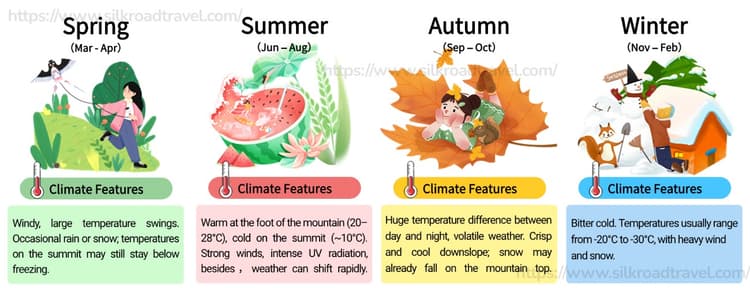
·Winter
Winter suits snow landscapes, a cold-weather resort stay and a mountain visit combined with skiing or a confirmed bathing experience.
The trade-off is that access and visibility can change sharply with mountain conditions. A town forecast cannot fully describe the crater area, and a clear morning below does not establish the summit view.
For 2026–2027, treat scenic-area notices and ski-resort announcements separately. A ski resort opening does not establish Tianchi access, while a scenic-area ticket does not establish which individual routes will operate.
·Summer
Summer places more emphasis on forest vegetation, walking and the possibility of an open-water lake scene.
It can be attractive for travellers who want the mountain without building the whole holiday around deep-winter conditions. Rain, cloud and busy travel dates still influence the day, so the season should not be presented as a visibility guarantee.
·Autumn
Autumn brings changing vegetation below the crater, with a shorter window for particular colours than a broad seasonal label suggests.
Travellers interested in photography should leave room for the landscape actually present, rather than scheduling the entire journey around an assumed peak-colour date. Higher sections can already feel wintry while the town remains more moderate.
·Spring
Spring is a transition rather than a single consistent experience. Conditions at lower elevations and the crater may differ considerably.
Choose it with an interest in the mountain itself and a flexible activity plan. A calendar date associated with spring elsewhere in China does not mean snow and ice have disappeared here.
How Do You Get There, and Which Gateway Should You Use?
Start with the hotel base and scenic area, then choose the transport gateway that serves them.
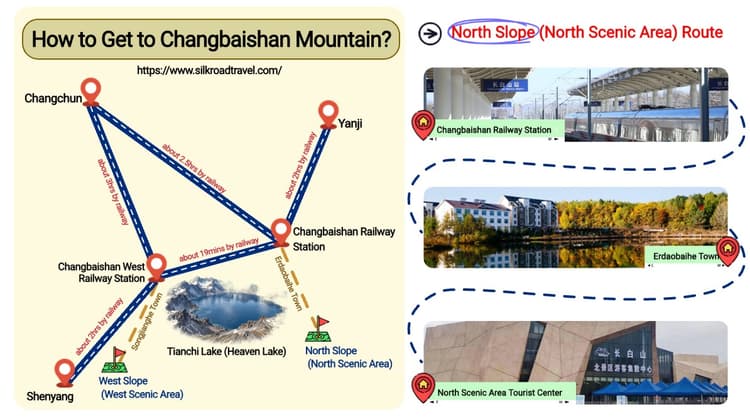
·Changbaishan Railway Station
Changbaishan Station, 长白山站, is the principal name to search for a stay around Erdaobaihe and the northern approach.
The station is outside the scenic visiting route. You still need a connection to your hotel or the appropriate transport collection centre.
Travelling with luggage, an agreed pickup can simplify the first arrival. Independent visitors can compare local transport available on the day, but should use the hotel's actual address rather than a general "North Slope" map search.
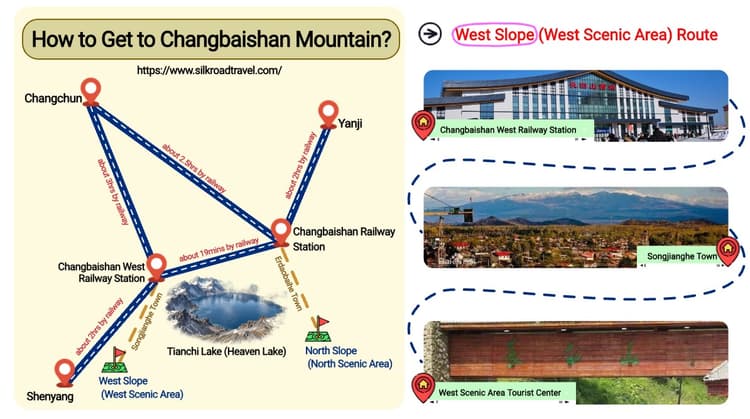
·Changbaishan West Railway Station
Changbaishan West, 长白山西站, is a separate station and an important correction to older travel information. It entered service with the Shenbai high-speed railway in September 2025.
It provides another gateway for western-side stays. The final transfer still depends on whether you are heading to a town hotel, a scenic visitor centre or a particular resort.
Do not interpret a hotel's proximity to the station as proximity to every lift, hot-spring facility or sightseeing entrance.
·Changbaishan Airport
Changbaishan Airport, NBS, serves the wider destination. Choose an available flight according to its total journey and onward connection, not simply the airport's mountain name.
Flights are date-dependent, and the hotel transfer remains a separate arrangement unless specifically included. Give the property your flight number and actual arrival details when requesting a pickup.
For a northern stay, compare the airport option with rail into Changbaishan Station. For a western resort holiday, compare the airport with Changbaishan West and the resort's transfer arrangements.
·Travelling from Harbin
Begin with a date-specific railway search from the actual Harbin departure station to the gateway suited to your hotel. Where a convenient through service is available, compare its arrival time with the remaining ground transfer.
If a connection is required, compare options through a major junction such as Changchun using the booking system's actual station pair. Include transfer time and any change of station; two train durations added together are not the whole journey.
This page does not publish a 2026–2027 winter timetable or promise daily direct flights from Harbin. The purpose is to choose the correct gateway before buying the transport.
Where Should You Stay?
The best base is the one that makes your principal activity practical.
1. Erdaobaihe
Erdaobaihe, associated with the Chibei area, is a useful base for the North Scenic Area. It offers the advantages of a town stay: a choice of dining, shops and somewhere to spend time before or after the mountain day.
This suits visitors whose priority is sightseeing rather than remaining inside a self-contained ski resort. Ask where the hotel sits relative to the station and mountain transport collection point.
A central town location can help with dinner, but it does not remove the morning transfer.
2. Northern Mountain and Hot-Spring Hotels
Properties closer to the northern approach may suit visitors who want a quieter hotel setting or a particular bathing facility.
Compare practical access rather than the phrase "mountain hotel". Establish where vehicles collect guests, what happens if access changes, and which meals or facilities are included.
A secluded property is less useful if the group expects to walk out to several restaurants each evening.
3. Songjianghe and Western Resorts
Songjianghe and the western resort areas serve different accommodation preferences. A town hotel may suit visitors wanting independent dining, while an integrated resort can make skiing and on-site leisure easier.
Wanda and Luneng names refer to different resort developments, not interchangeable parts of one hotel complex. Confirm the specific property and ski operation.
For a sightseeing-led visit, ask how a West Scenic Area excursion is organised from the property. For a skiing-led holiday, investigate the route to the rental hall and lesson meeting point first.
How Do Tickets, Reservations and Mountain Transport Work?
Think of the payment as several possible components rather than one universal mountain ticket.
These can include scenic admission, transport from a collection centre, internal sightseeing buses and, on the northern approach, separate Tianchi summit transport. A hotel or tour package may combine some components, so ask for the actual breakdown.
For historical reference components, Jilin's official English ticket listed scenic admission at CNY105 per person, a regular sightseeing bus at CNY85 per person and a northern summit transfer at CNY80 per person. The practical lesson is more durable than the old figures: free or discounted admission does not necessarily include transport. Likewise, paying for lower-mountain access does not establish summit operation.
Reservations and Foreign Passports
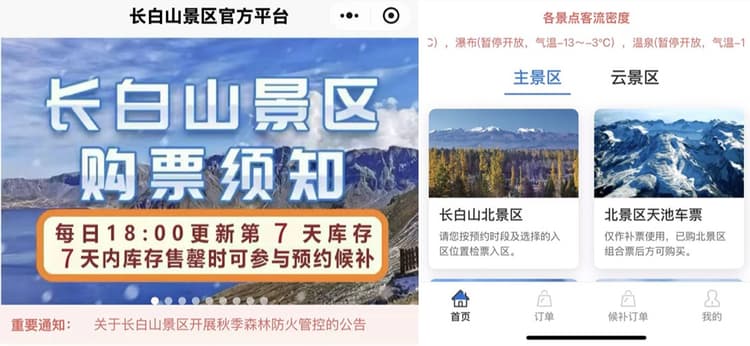
Published ticket guidance identifies the official "长白山" WeChat mini programme as a booking channel and describes timed entry.
The same guidance explicitly addresses passport users: it describes entry using an electronic QR code associated with the booking document number. Carry the original passport used for the reservation and keep the issued code accessible.
Before payment, check the scenic area, date, entry period and transport components. For a family, concessions and children's transport arrangements require separate attention.
A third-party order needs to result in a valid scenic reservation. An agent's payment confirmation alone may not be the admission credential.
Entry Times and Changes of Plan
Last admission can be much earlier than closing time because the visit involves multiple transport stages. Use the date-specific slot attached to the booking rather than arriving shortly before a general closing time.
If access changes, ask which purchased components remain usable and what refund conditions apply. Do not assume a partial closure produces a full refund for every service, hotel or transfer.
Save the booking details before leaving the hotel. A working phone connection is helpful, but an organised record of the reservation makes problems easier to explain.
How Many Days Should You Allow?
For a first sightseeing visit, two nights often provide a workable structure: arrive and settle in, spend the following day on the mountain, then leave after the second night.
That produces one full mountain day, not three days of sightseeing.
Three nights can support an additional activity or greater scheduling flexibility. Use the extra time for a second landscape experience, a confirmed hot-spring visit or skiing, rather than assuming it must be another attempt at Tianchi.
| Stay | Useful planning structure | HIghlights |
One night | Early arrival or a carefully matched short visit | A relaxed full mountain day with every transport combination |
| Two nights | Arrival, one full scenic-area day and departure | Clear Tianchi views |
| Three nights | A mountain day plus another activity or flexible day | Free re-entry or successful summit access |
| Longer Stay | Skiing, more than one scenic area or slower regional exploration | That every seasonal route will operate |
For a first visit, spend two nights in Erdaobaihe and reserve the day between them for the North Scenic Area. Keep the arrival afternoon for checking in, collecting your reservation details and enjoying a town meal. Staying locally after the mountain visit lets you finish sightseeing without rushing to a long-distance connection.
Add another day if you want to explore both the North and West Scenic Areas. Each deserves its own excursion, including the journey from your hotel, entry procedures and mountain transport. The rail connection between their gateway towns helps with relocation, but it covers only one part of the journey.
For a skiing holiday, count full ski days separately from sightseeing and arrival days. Equipment fitting and lessons take time, so use an arrival afternoon for preparation or a shorter session. Give the mountain excursion its own day rather than fitting it between ski sessions.
Are Hot Springs and Skiing Worth Adding?
Add hot-spring bathing for a relaxed evening, or skiing when you can give it at least a substantial half-day. These experiences work best when your hotel location supports them: a property with bathing facilities makes an evening soak convenient, while accommodation near the rental hall and slopes makes repeated skiing easier.
Hot-Spring Bathing
Julong Hot Springs is a geothermal sightseeing area, where steam and mineral-coloured ground reveal the mountain's volcanic activity. For a bathing experience, choose a hotel or separately operated hot-spring facility.
Before booking, establish whether your room rate includes bathing admission, which pools it covers and whether you can enter more than once. Opening hours, children's access, swimwear requirements and separately charged facilities will determine how the visit fits into your stay.
An evening visit works well after returning from the mountain, provided there is enough time for dinner and an unhurried return to your room. Travellers who prefer to skip bathing can use the same evening for a café, a town meal or rest at the hotel. Present hot springs as a leisure choice, without therapeutic claims.
Skiing
Choose a western resort base if skiing will occupy several days. Staying close to the slopes makes it easier to move between breakfast, equipment collection, lessons and the hotel, particularly when travelling with children or people following different schedules.
Compare packages by lift access, equipment, instruction and transfers. A room-only booking and a ski package can offer very different value at the same property. If you need English instruction, arrange it for the actual lesson date and establish the group size and teaching duration.
Beginners should reserve time for both instruction and practice. Put the first lesson on a day when everyone is rested, rather than after a full mountain excursion. Experienced skiers should choose the resort by its current open terrain and suitable rental equipment, using the piste map to assess whether it offers the skiing they want.
Other Winter Activities
A forest outing or an organised winter river activity can add a different landscape to the trip. Choose a named venue and check its operating arrangements, participant requirements and return transport before allocating a day.
Rime and fresh snowfall can enhance these outings, but the underlying activity should still appeal without them. For a short stay, prioritise a worthwhile forest or river experience over chasing a particular photograph.
What Should You Prepare for a Mountain Visit?
Pack for several outdoor stops connected by vehicle journeys. Keep your outer layer, gloves and hat at the top of your day bag so you can put them on before stepping outside. This is especially useful when moving from a heated bus to an exposed viewing area.
Match your footwear to the route. The western stair approach requires sustained climbing and careful footing, while other sightseeing routes combine shorter walks with boarding and waiting. Follow the instructions for any traction accessories, including their use on smooth indoor floors.
Tell your travel organiser about difficulties with stairs, prolonged standing or boarding vehicles before the route is booked. That information helps determine the scenic area, walking sections and transfer arrangements that suit you.
Charge your phone, make reservation details easy to retrieve and clear space for photographs before leaving the hotel. Protect devices outdoors and follow the manufacturer's advice when bringing cold equipment into a warm room.
Choose your priority sights and identify which additional walking section to drop if the group becomes tired or conditions deteriorate. Travellers with health conditions relevant to cold exposure or a high-mountain visit should seek individual medical advice before departure.
How Can You Combine Changbai Mountain with Harbin?
Combine Harbin and Changbai Mountain when you want both city-based ice displays and a separate mountain experience. Allocate a transfer day between the destinations, then protect at least one full day for mountain sightseeing.
Silk Road Travel's 6 Days Harbin, China Snow Town & Changbai Mountain Winter Tour travels from Harbin through Snow Town to Erdaobaihe, followed by a mountain sightseeing day and departure. Choose this route for varied winter landscapes, accepting that the journey includes substantial road travel.
The 10 Days Harbin Winter Tour with Snow Town & Changbai Mountain also includes Yabuli and the northern mountain approach. It suits travellers who value regional variety more than a long stay in one resort or town.
 | Harbin, China Snow Town & Changbai Mountain Winter Tour Harbin - St. Sophia Cathedral - Sun Island - Siberian Tiger Park - Ice and Snow World - China Snow Town - Changbai Mountain 6 Days (over 120+ Booked) |
 | Harbin Snow Town & Changbai Mountain Adventure Kashgar - Taxkorgan - Urumqi - Turpan - Beitun - Hemu - Kanas - Urho 10 Days (over 200+ Booked) |
If Tianchi and the surrounding forests are your main interests, discuss a simpler customised route linking Harbin with one mountain base. Reducing intermediate stops creates more time locally; the transport, accommodation and revised inclusions can then be set out in an individual proposal.
Changbai Mountain FAQs
·Is Changbai Mountain the same as Changbaishan?
Yes. Changbaishan is the Chinese name used in railway bookings and many hotel listings. Keep the Chinese names of your station and scenic area with your reservation details to make arrival and transfers easier.
·Can I see Tianchi from my hotel?
Plan to see Tianchi on a mountain excursion. Hotels in the wider Changbai Mountain area serve as bases for the journey; the crater viewpoints are reached through the relevant scenic-area route.
·Which approach avoids the long western stair climb?
Choose the North Scenic Area, where dedicated summit vehicles cover the mountain road when that service is operating. There is still walking around boarding points and viewing areas, so discuss any specific mobility needs before booking.
·What can I visit if Tianchi access closes?
Use the day for the lower attractions listed as open in the operating notice. Depending on access, these may include waterfall, geothermal or forest scenery. Decide whether that available route matches your interests before entering.
·Is it worth visiting both the North and West Scenic Areas?
Yes, if you want their different landscapes and have a separate day for each. Choose the second visit for its scenery and walking experience rather than treating it solely as another attempt to see the lake.
·Can I leave on the evening of my mountain visit?
An evening departure works when the full sightseeing route, return journey and station or airport procedures fit comfortably before departure. Stay another night locally if the connection would require you to shorten the mountain visit or depend on an early finish.
Plan Your Changbai Mountain Visit
Start with your main interest: volcanic landscapes, skiing or a combination of both. Share your dates, available nights, hotel preferences and onward city when planning a Harbin and Changbai Mountain journey. These choices determine the most practical base, transport gateway and balance between mountain sightseeing and time at the resort.